
How Businesses Can Save Money With Self-Storage
Self-storage can help businesses save money by providing flexible rental agreements that eliminate the need for long-term contracts and cut down on operational costs. By using self-storage, you can reduce expenses related to office space and utilities. For instance, if your stock fluctuates seasonally, you can rent additional space only when needed without worrying about sudden rent increases. Clear pricing builds trust, and robust security measures ensure your items are well-protected. By considering self-storage, you may uncover more opportunities to optimise your costs and strengthen your business strategy.
Key Takeaways
- Flexible rental terms mean businesses only pay for the storage space they actually use, helping to keep costs down and matching expenses to real needs.
- By eliminating long-term contracts, businesses can avoid penalties for breaking leases, allowing them to adjust storage solutions according to seasonal demand.
- Outsourcing storage creates more office space, reducing operational costs like lighting, heating, and maintenance for unused stock.
- Professional facilities offer advanced security, protecting assets and lowering the risks of theft and unauthorised access.
- Clear pricing makes budgeting easier and reduces disputes, enabling businesses to manage storage costs effectively and optimise resource use.
Cost Savings Through Peer-to-Peer Storage Platforms

As businesses look for innovative ways to reduce costs, using peer-to-peer storage platforms offers a smart solution. These platforms can significantly lower overheads linked to maintaining storage facilities. For example, you can benefit from reduced rental costs and avoid packaging expenses since items often stay in their original condition. Shared storage spaces lead to better utilisation and less dependence on larger facilities. This method not only cuts costs but also provides greater flexibility in storage terms, allowing for shorter commitments. Furthermore, opting for local storage options can enhance efficiency by cutting down on logistical expenses, especially when you consider the importance of real-time availability in finding the best deals. Embracing peer-to-peer storage can help your business operate more freely and cost-effectively. Additionally, utilizing decentralized data allows businesses to optimize resource utilization while sharing storage space with other users.
Eliminating Long-Term Contracts and Rent Hikes
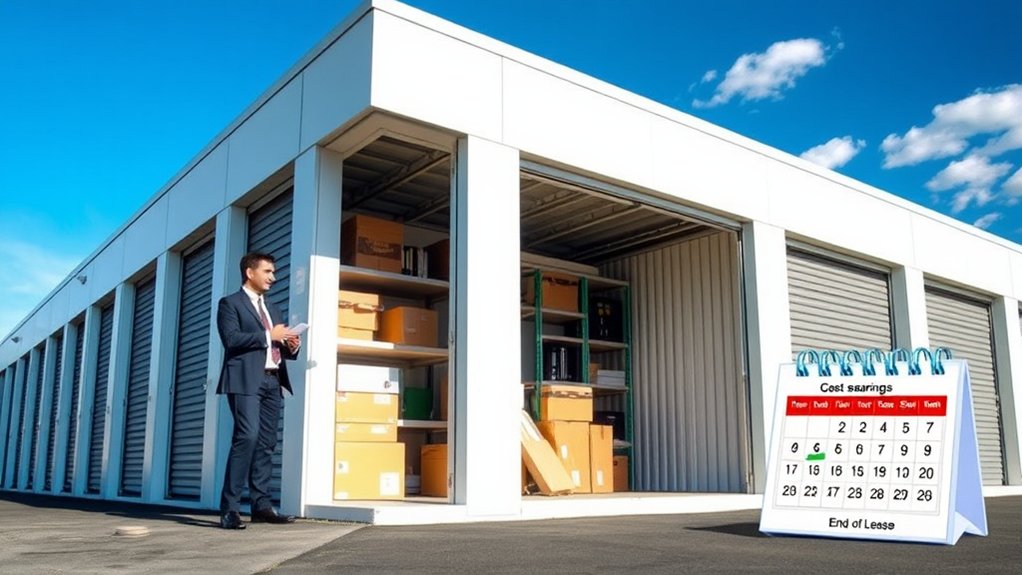
Peer-to-peer storage platforms emphasise the need for flexibility in managing storage requirements. By removing long-term contracts, you benefit in several ways:
- Flexible contracts allow you to adapt storage to seasonal fluctuations in demand.
- You can avoid penalties for breaking long leases.
- Transparent pricing ensures cost predictability, helping you avoid unexpected rent increases.
- You can easily switch providers if prices go up, giving you the power to make informed decisions. Cost-effective storage solutions can further enhance your financial strategy.
Without long-term commitments after a rent increase, you reduce financial risks linked to market changes. This flexibility enables better resource allocation, boosting your operational efficiency. In fact, with the increased demand for self storage in the UK, adopting short-term agreements is a smart strategy for maintaining both freedom and stability in your business.
Reducing Operational Expenses With Outsourced Storage

Outsourcing storage can significantly reduce your office space costs by enabling you to store rarely used items offsite. This approach lessens the need for a larger, more costly premises. It also streamlines your utility management by lowering lighting and heating expenses, freeing up valuable workspace for more productive tasks. Additionally, many self storage businesses operate as sole proprietorships, which contributes to their competitive pricing and flexibility in accommodating various storage needs. Facilities often incorporate energy-efficient building practices, which can further enhance cost savings and sustainability in urban environments.
Lower Office Space Costs
Reducing office space costs is a smart strategy that can significantly improve your financial position. By optimising your office layout and utilising self-storage, you can boost efficiency and flexibility.
Here are some key benefits:
- Substantial Cost Savings: Downsizing could save your business thousands on rent.
- Improved Collaboration: A more compact office encourages teamwork by removing unused areas.
- Adaptable Growth: Embracing hybrid working models allows you to modify your space requirements as needed.
- Reduced Maintenance Costs: Smaller spaces lead to lower upkeep and operational expenses.
Implementing these strategies not only cuts costs but also fosters a more productive work environment.
Streamlined Utility Management
Managing operational expenses can be tricky, but using outsourced storage for streamlined utility management is a smart move. By focusing on energy efficiency, you can significantly reduce costs.
For instance, installing LED lighting and energy-efficient heating, ventilation, and air conditioning (HVAC) systems lowers electricity consumption. Additionally, employing smart irrigation systems and low-flow taps helps conserve water.
Outsourced utility monitoring services provide real-time data, helping you spot inefficiencies and automate system adjustments based on usage. This approach not only cuts waste but also reduces the need for on-site staff, saving you money.
Plus, these services often secure better utility rates, further enhancing your savings.
Flexible and Scalable Storage Solutions for Businesses

When your business faces seasonal changes, you need a storage solution that can quickly adapt.
With flexible rental terms and on-demand space availability, you only pay for what you use. This means you can easily adjust as your inventory fluctuates.
This approach not only reduces costs but also enhances operational efficiency.
For instance, if you run a retail shop that sees a surge during the holidays, you can scale up your storage space without being locked into long-term contracts.
Seasonal Storage Adjustments
As seasonal demand varies, businesses need to adjust their storage solutions for better inventory management and cost efficiency.
Adopting flexible layouts can significantly improve operations. Here are four key benefits:
- Scalability: Easily modify storage units to handle seasonal inventory increases.
- Cost Efficiency: Cut down on rental costs by reducing unused space during quieter periods.
- Protection: Secure storage conditions help prevent damage to valuable stock.
- Organisation: Keep your inventory well-ordered, making tracking and order fulfilment easier.
On-Demand Space Availability
Adapting to seasonal storage needs opens the door to on-demand space availability, providing businesses with exceptional flexibility and scalability. With on-demand scalability, you can adjust your storage requirements based on real-time demands, eliminating the hassle of long-term commitments. This strategy aligns costs with actual usage, enabling you to respond quickly to changing project requirements or temporary spikes in data.
| Benefits of On-Demand Storage | Key Features |
|---|---|
| Cost Efficiency | Pay only for what you use |
| Flexibility | Scale up or down swiftly |
| Performance | Rapid access |
For example, if your business experiences a surge in orders during the festive season, on-demand storage allows you to quickly increase your capacity without being locked into long contracts.
Flexible Rental Terms
Flexible rental terms provide businesses with a strategic edge by enabling you to adjust your storage solutions to meet changing demands.
With adaptable pricing and rental options, you can boost operational efficiency and manage costs effectively. Here are some key benefits:
- Recession Resilience: Modify your storage capacity to navigate economic shifts.
- Cost Management: Pay only for what you need, cutting unnecessary expenses.
- Operational Agility: Quickly respond to evolving business requirements without long-term commitments.
- Market Adaptability: Stay competitive by tailoring lease terms to current market conditions.
These advantages allow you to maintain operational freedom, ensuring you can scale as needed and allocate resources wisely.
Embrace flexibility to unlock your business’s full potential.
Access to Abundant and Convenient Storage Space

When businesses require additional space, the wide range of self-storage options across the UK is incredibly useful.
With millions of square feet of storage available and numerous facilities throughout the country, you can easily find the right solution for your needs, whether you’re in a city or a rural area.
Self-storage units come in various sizes to suit your requirements, and many locations offer extended hours and secure access, allowing you to retrieve your items whenever necessary.
This flexibility helps you manage your inventory effectively, freeing up valuable office space without the need for long-term commitments.
Leveraging Economy of Scale and Technology in Storage

To enhance your storage efficiency, consider utilising economies of scale along with cutting-edge technology.
Larger facilities can simplify management and lower operational costs per square metre, while automated access solutions improve both security and convenience.
Efficient Facility Management
Efficient facility management relies on harnessing economies of scale and advanced technology, enabling businesses to streamline operations and significantly reduce costs.
By adopting centralised operations and standardised processes, you can achieve impressive efficiencies. Here are some key strategies:
- Shared Resources: Make the most of equipment and staff to lower expenses.
- Stronger Negotiation Power: Leverage your size to secure better deals with suppliers.
- Inventory Management Systems: Monitor unit occupancy to boost operational efficiency.
- Market Trend Analysis: Tailor strategies based on up-to-date market insights.
Implementing these practices not only cuts costs but also allows you to concentrate on growth, making your self-storage operations more agile and responsive to market demands.
Automated Access Solutions
As businesses look for innovative ways to optimise operations, automated access solutions are becoming essential in the self-storage industry. These systems not only improve customer experience but also offer robust security and efficient access control. By taking advantage of economies of scale, you can achieve significant cost savings and boost operational efficiency.
| Feature | Benefits | Impact on Business |
|---|---|---|
| Automated Security | Limits access to authorised users | Deters theft and vandalism |
| Real-Time Tracking | Monitors entry and exit activity | Informs decision-making |
| Smartphone Access | Keyless entry for tenants | Increases convenience and satisfaction |
Implementing these solutions can streamline operations, enabling you to focus on growth and enhancing customer service.
Enhancing Security and Reducing Risk With Professional Facilities
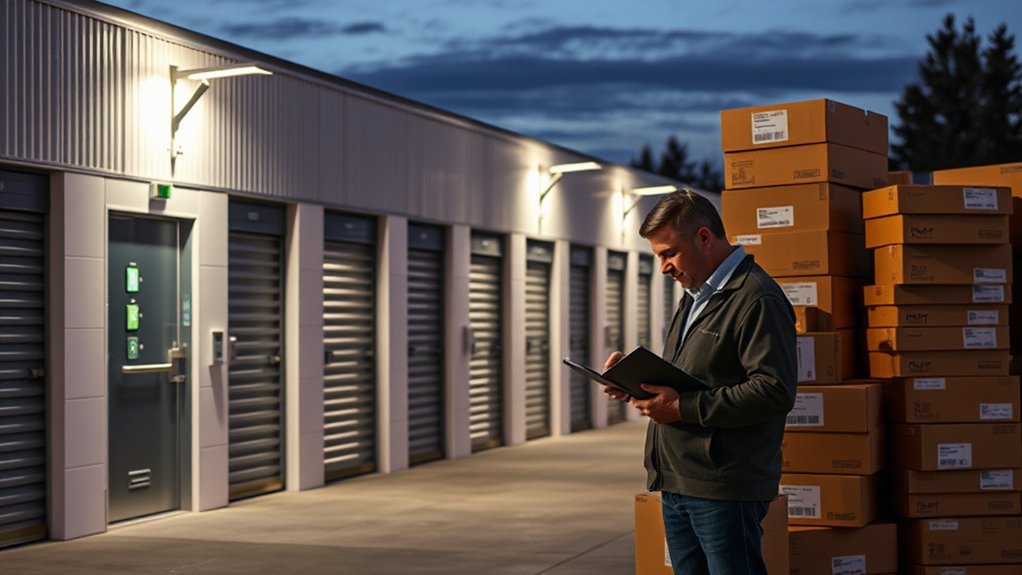
When considering storage options for your business assets, opting for a professional self-storage facility significantly enhances security and reduces risk.
These facilities utilise advanced security measures to ensure your belongings are safe.
- Individually alarmed units notify you of any unauthorised access.
- Round-the-clock video surveillance provides continuous monitoring, deterring theft.
- Controlled access points restrict entry to authorised personnel, improving security.
- On-site management adds a physical presence, offering extra protection for your assets.
With these safeguards in place, you can concentrate on growing your business, confident that your valuable items are secure.
Choosing a professional facility not only protects your assets but also gives you peace of mind.
Transparent Pricing and Financial Metrics for Budgeting

Selecting a professional self-storage facility not only protects your belongings but also enhances your financial management through clear pricing and essential financial metrics.
Transparent pricing ensures that all costs are disclosed from the outset, fostering trust and simplifying your budgeting process. This clarity helps reduce administrative burdens by minimising disputes and inquiries.
Monitoring key financial metrics, such as occupancy rates and revenue per square foot, allows you to evaluate the efficiency of your storage space.
Additionally, metrics like customer acquisition costs and cost per square foot inform your pricing strategies and profit planning. Regularly reviewing these figures ensures you’re maximising the profitability of each unit, enabling you to make informed decisions and control expenses effectively.
Tax Advantages of Business Storage Expenses

Understanding the tax advantages of business storage expenses can significantly benefit your bottom line. By utilising storage unit deductions, you can strengthen your financial strategy and reduce unnecessary overhead.
Here are four key benefits:
- Lower Tax Liability: Deductions can lower your taxable income, freeing up cash for other business needs.
- Improved Cash Flow: By avoiding hefty security deposits, you’ll have more capital available for growth opportunities.
- Flexibility: Downsizing your office while using storage for inventory allows you to adapt more easily to changing circumstances.
- Cost Efficiency: Storing promotional materials or equipment can help you avoid larger operational costs.
To maximise these benefits, ensure you implement effective tax compliance strategies and keep thorough documentation. This will help your business thrive while keeping expenses in check.
Realizing Predictable Monthly Expenses for Better Planning

Establishing predictable monthly expenses is crucial for effective financial planning in self-storage businesses. By focusing on clear budgeting and expense forecasting, you can get a handle on fixed costs like property taxes and insurance, which tend to remain stable.
However, don’t overlook variable costs like utilities and maintenance, which can vary depending on usage. For example, setting a budget for staff wages, utilities, and security ensures you’re ready for these regular expenses.
Regularly reviewing and updating your budgets can further strengthen your financial strategy, allowing you to manage costs while maintaining flexibility. This proactive approach enables you to invest more wisely and seize growth opportunities with confidence.
Frequently Asked Questions
What Types of Businesses Typically Use Self-Storage Solutions?
Retail businesses and construction companies often use self-storage solutions. Retailers manage excess inventory, while construction firms store tools and materials. This flexibility enables businesses to adapt to changing demands and make the most of their space.
How Do I Choose the Right Storage Unit Size?
To select the right storage unit size, start by evaluating your storage needs. Measure the volume of your items, consider how often you’ll need to access them, and think about any potential future growth. For example, if you’re storing furniture from a flat move, a 10×10 unit might suffice, but if you anticipate adding more items, opt for a larger size. This way, you can make the most of your space without paying for unnecessary extra capacity.
Are There Restrictions on Items I Can Store?
You may assume that all items can be stored, but storage regulations prevent certain materials. Flammable substances, perishable goods, and illegal items are strictly prohibited. Knowing these restrictions ensures a safe and compliant experience in self-storage facilities. For example, you can’t store things like petrol, food that goes off quickly, or stolen items. Understanding these rules helps keep everyone safe.
How Can I Access My Storage Unit When Needed?
To access your storage unit, you’ll typically use methods such as mobile apps or keypads. It’s important to check the facility’s opening hours, so you can get to your belongings when you need them. For example, if you plan to visit after work, ensure the facility is still open.
What Security Measures Do Storage Facilities Implement?
Storage facilities employ strong security measures, such as access control systems featuring keycard entry and biometric authentication. These systems ensure that only authorised individuals can access storage units, significantly improving security and safeguarding your belongings from unauthorised access.
Conclusion
When it comes to managing business expenses, self-storage can be a smart choice. With flexible solutions and clear pricing, you can not only reduce costs but also set your business up for growth. For example, if you’re a small retailer, using self-storage can help you manage seasonal stock without the burden of a long-term lease. This flexibility allows you to scale your storage needs as your business evolves. Ultimately, effective storage isn’t just about cutting costs; it’s about building a strong foundation for future success.