

Business storage units simplify inventory management by cutting overhead costs and making better use of space. You can make the most of vertical storage and implement high-density solutions for easier access. Enhanced security features safeguard your assets, while digital inventory management tools help automate tracking and boost efficiency. This method not only supports growth but also provides flexibility in meeting market demands. If you want to delve deeper into maximising these advantages, there’s more to discover about refining your operational strategies.
Key Takeaways
- Business storage units help lower costs, making inventory management more budget-friendly and boosting cash flow through dependable rental income.
- High-density storage solutions make the most of space and improve ease of access, streamlining workflows and accommodating fluctuating inventory needs.
- Digital inventory management systems automate tracking, allowing teams to concentrate on strategic tasks instead of manual processes.
- Secure storage options, featuring surveillance and climate control, safeguard assets, ensuring your inventory stays safe and in prime condition.
- Scalability and real-time inventory tracking enable swift adjustments to changes in demand, preventing overstocking and enhancing operational efficiency.
Cost Benefits of Business Storage Units

When evaluating the cost advantages of business storage units, it’s clear they can significantly reduce both startup and operating expenses compared to traditional warehousing.
With average startup costs around £1.5 million and operating costs usually at 30% of revenue, the potential for savings is evident. Business storage units typically have lower maintenance costs and offer options for shared utilities, which can further cut overhead. Moreover, reliable rental income improves cash flow, making financial management easier. By keeping staffing lean and scaling operations according to demand, you can enhance profit margins, potentially reaching 40%. This strategic method not only reduces risks but also fosters long-term growth in a changing market, especially as the self storage industry continues to grow over 5% annually. Additionally, the job creation associated with self-storage facilities enhances local economies, providing a supportive environment for business growth.
Space Optimization for Improved Workflow

To boost workflow efficiency, optimising space in your storage facility is essential. By emphasising vertical storage and minimising aisle widths, you can significantly enhance your operations.
Here are some practical strategies:
- Maximise vertical space with high-rise shelving or mezzanine levels to increase storage capacity without expanding your footprint. Implementing scalable storage solutions can help accommodate future growth.
- Reduce aisle width from 10-12 feet to 5-8 feet, which can save 15-20% of your storage area. Just ensure your narrow-aisle forklifts are compatible.
- Opt for high-density storage solutions, such as double-deep racks, to improve accessibility while increasing storage capacity. Effective space utilisation is a strategic tool that can lead to enhanced customer satisfaction.
These changes won’t only improve space utilisation but also streamline workflows, allowing you to adapt to varying inventory demands while maintaining operational flexibility.
Ensuring Inventory Security With Self-Storage
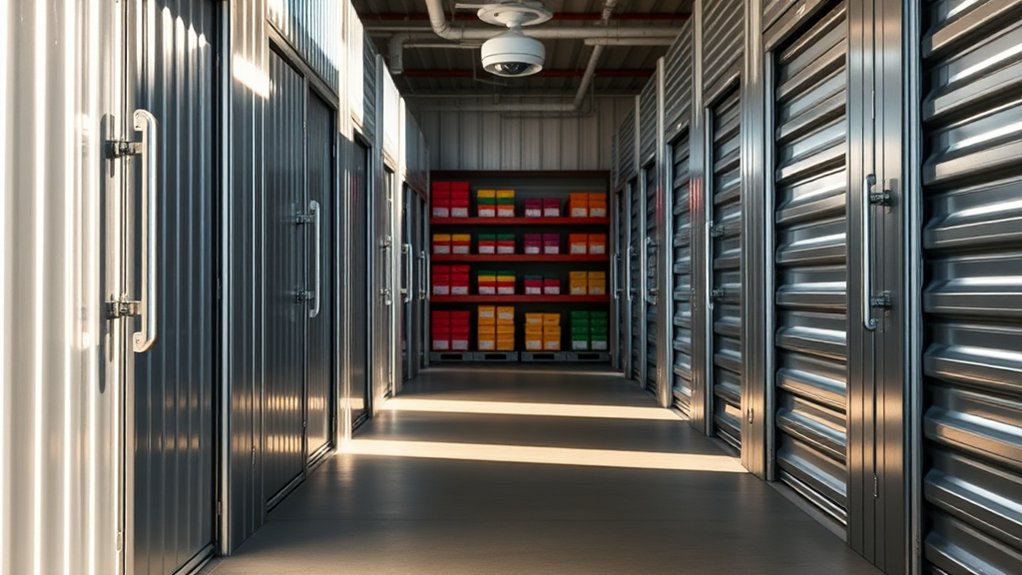
Optimising space in your storage facility not only improves workflow but also enhances inventory security. Implementing effective inventory control is crucial, and self-storage units provide features that help prevent theft. Secure gates, digital access controls, and surveillance cameras protect your assets from unauthorised access. Many facilities ensure that only authorised personnel can enter storage areas, reducing risk. The self-storage market is projected to reach $72.15 billion by 2028, highlighting the growing demand for secure storage solutions. Optional insurance coverage offers peace of mind, safeguarding your inventory against unforeseen incidents. Climate-controlled units keep sensitive items safe from temperature fluctuations, while regular maintenance helps prevent pest damage. Additionally, using high-performance materials in storage unit construction enhances durability and security against potential threats.
Enhancing Operational Efficiency Through Storage Solutions
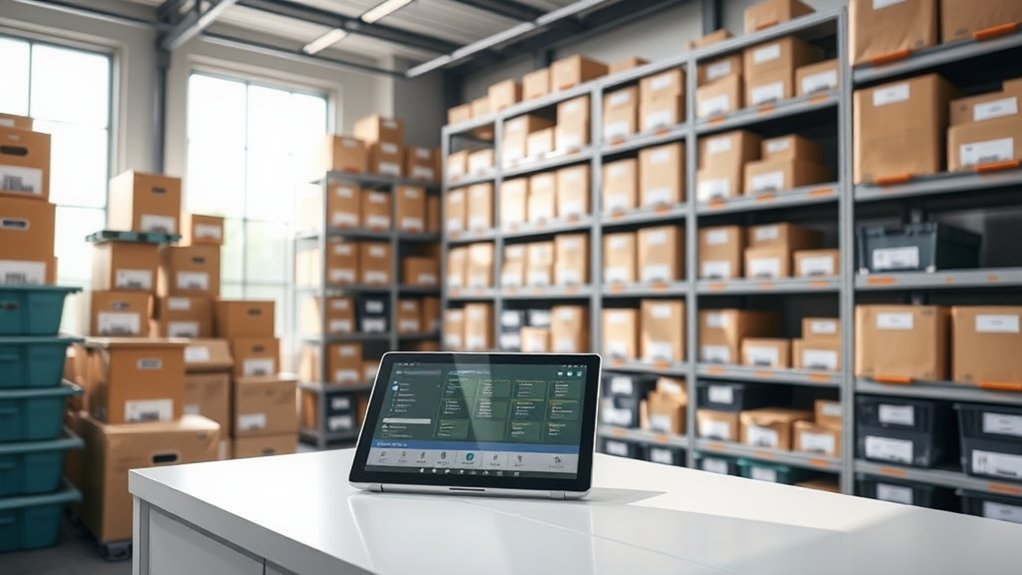
Efficient storage solutions can significantly enhance your operations, boosting both productivity and cost-effectiveness. By adopting digital inventory management, you can improve tracking and streamline processes.
Here’s how these solutions can enhance your operational efficiency:
- Cost Savings: Lower capital and operational costs by reducing physical storage requirements.
- Improved Productivity: Self-storage software automates manual tasks, allowing your team to concentrate on key activities.
- Maximised Space: Using vertical storage systems optimises your available space, cuts down on clutter, and enhances accessibility.
Implementing these strategies not only promotes energy efficiency but also supports sustainability objectives.
Scalability and Flexibility in Inventory Management
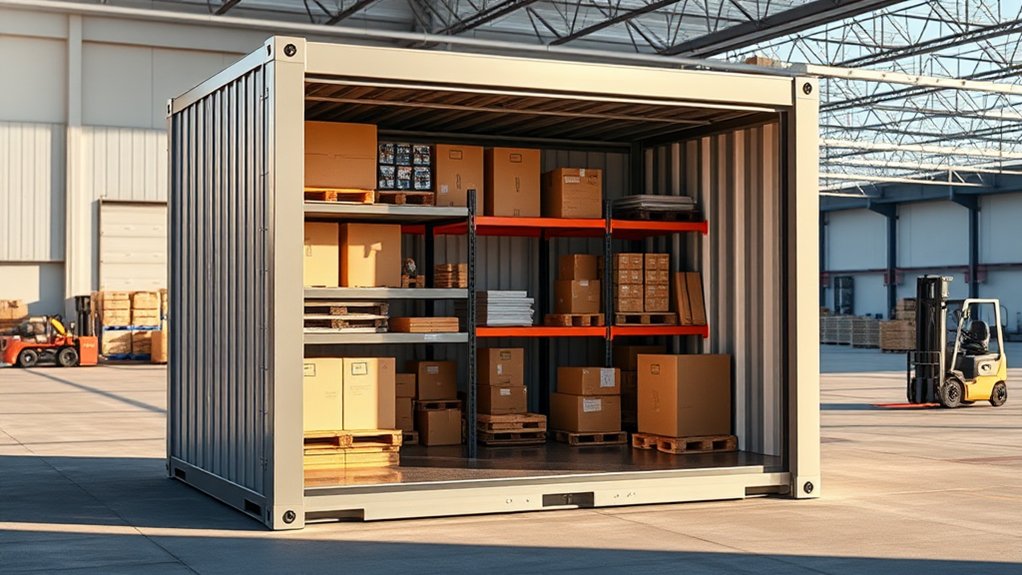
As businesses aim to improve operational efficiency, the importance of scalability and flexibility in inventory management becomes clear. It’s essential to adopt strategies that allow your inventory systems to swiftly adapt to changes in demand and incorporate new technologies.
With an average inventory turnover rate of 8.5, focusing on scalability is vital for effectively managing stock movement, particularly during supply chain disruptions.
Real-time inventory tracking allows for a responsive approach to customer needs, boosting satisfaction. For instance, if a particular product suddenly becomes popular, you can quickly adjust your stock levels.
Furthermore, using predictive analytics for inventory forecasting aids in making informed decisions, helping to avoid the costs of overstocking.
Frequently Asked Questions
What Types of Businesses Benefit Most From Storage Units?
Retail businesses and e-commerce operations benefit significantly from storage units. They help manage seasonal stock variations, keep back inventory organised, and provide flexibility in operations. This setup allows businesses to scale up strategically when needed. For example, a clothing retailer can store winter stock during the summer months, freeing up valuable shop space and ensuring they are ready for the busy season.
How Do I Choose the Right Storage Unit Size?
Selecting the right storage unit size is akin to finding the perfect piece of a puzzle. Start by evaluating the dimensions of your belongings and comparing sizes to ensure everything fits comfortably. For instance, if you’re storing furniture, a 50 sq ft unit could hold a few boxes and a small sofa, while a 100 sq ft unit might accommodate larger items like a double bed and several boxes. Always consider future needs to maintain flexibility.
Are There Climate-Controlled Options for Sensitive Inventory?
Yes, climate-controlled options are available to help preserve sensitive inventory. These units manage both temperature and humidity, safeguarding items like electronics, artworks, and pharmaceuticals from damage. This ensures their quality and extends the lifespan of your valuable stock.
Can I Access My Inventory Anytime I Need It?
You can access your inventory whenever you need it, thanks to flexible storage options. With extended hours and 24/7 access, you can manage your business efficiently without restrictions. For instance, if you run a retail shop, being able to retrieve stock late at night or early in the morning can help you stay on top of demand.
What Are the Typical Lease Terms for Storage Units?
When looking at lease terms for storage units, you’ll find options such as short-term leases, month-to-month agreements, or longer contracts. It’s important to assess these rental agreements to ensure they meet your needs for flexibility and practicality. For instance, if you only require storage for a few months, a month-to-month agreement might be ideal. On the other hand, if you have a longer-term need, a fixed-term lease could be more suitable.
Conclusion
In a world where clutter can hinder productivity, business storage units provide an efficient solution for managing your inventory. They balance cost-effectiveness with the security of your stock, enabling you to create a workspace that supports growth and innovation. Unlike traditional warehouses that may limit your flexibility, self-storage allows you to respond quickly to market changes. Embrace the blend of chaos and order—revamp your inventory strategy and watch your business flourish in a more organised setting.