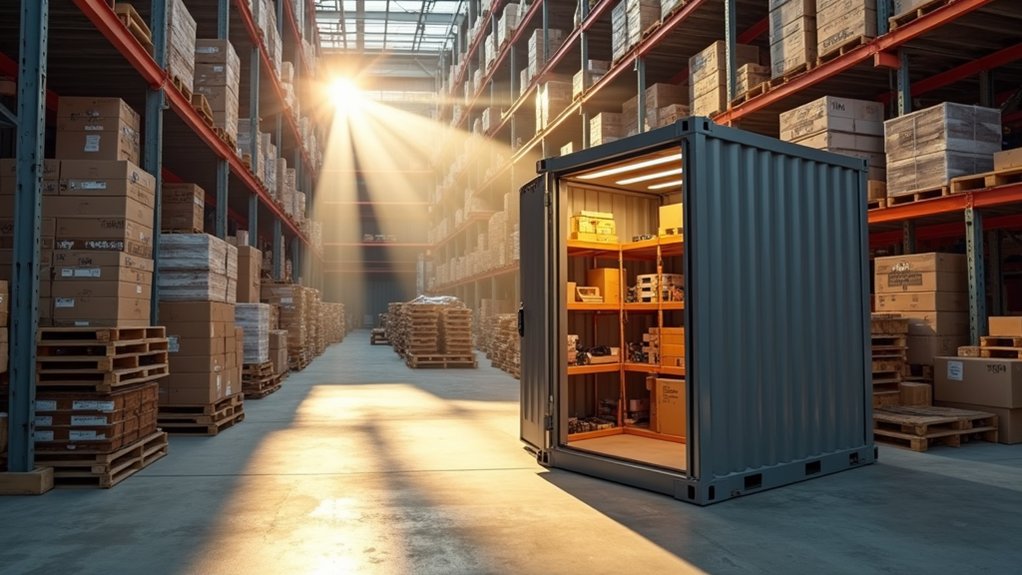
Warehouse Overflow Solutions With Self-Storage
If you’re dealing with warehouse overflow, self-storage can be an effective solution. It provides flexible and cost-effective ways to manage excess stock without the complications of traditional warehousing. With secure, 24/7 access and climate-controlled units, you can improve inventory management and respond to changes in demand more easily. As urbanisation increases and online shopping expands, self-storage can help streamline your operations. Explore how to enhance your overflow strategies for greater efficiency and impact.
Key Takeaways
- Self-storage offers flexible and cost-effective solutions for managing overflow inventory, reducing the need for large, permanent warehouses.
- Secure and climate-controlled self-storage units safeguard sensitive items while providing 24/7 access for effective inventory management.
- Advanced inventory management systems in self-storage improve real-time visibility and organisation of excess stock.
- Seasonal fluctuations can be addressed with demand forecasting and flexible pricing in self-storage, helping to optimise storage costs.
- Maximising vertical space and creating efficient layouts in self-storage facilities enhance capacity and accessibility for overflow inventory.
Understanding the Self-Storage Market Landscape

As the self-storage market evolves, it’s crucial to understand its landscape to navigate opportunities and challenges effectively.
Market segmentation helps identify diverse customer needs. By categorising users into households, businesses, and seasonal renters, you can customise services and boost occupancy rates, which currently sit around 85%. Additionally, with tenant demand at multi-year lows, it’s essential to adapt your strategies to attract new customers. The self-storage industry’s economic contributions provide a stable foundation for growth during uncertain times.
Implementing strategic pricing is also key; adjusting rates based on demand, location, and unit size enhances your competitive edge.
With projections estimating the market will reach £107.36 billion by 2034, these insights can unlock significant potential.
Embracing technological advancements, such as AI, can streamline operations and enhance customer experience, ensuring you remain ahead in this ever-changing market.
Key Factors Driving Demand for Self-Storage
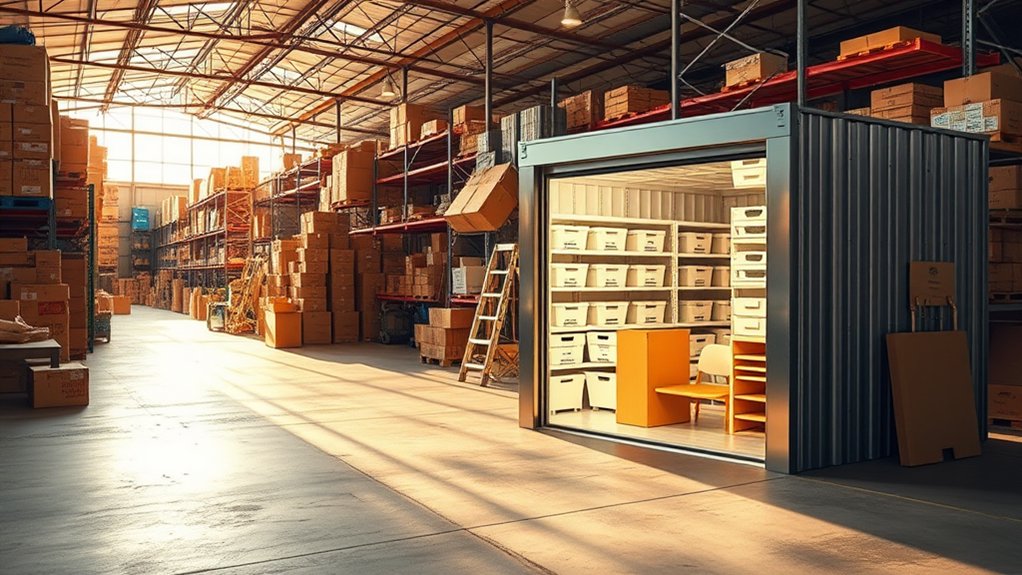
With the rise of e-commerce, there’s an increasing need for self-storage solutions to keep inventory and surplus items organised. The shift towards remote working is also changing how we use space in our homes, prompting a greater demand for extra storage. Alongside urbanisation trends, these factors strongly contribute to the growing popularity of self-storage facilities. Additionally, the fact that 56% of mortgage holders have interest rates below 4% has caused many to remain in their current homes, further increasing the need for external storage solutions. Furthermore, the global self-storage market was valued at £46.4 billion in 2023, highlighting the significant economic impact of this industry.
E-commerce Expansion Effects
The rapid growth of e-commerce is changing the landscape of self-storage demand, prompting businesses to seek efficient solutions for managing inventory and logistics. As you expand your e-commerce operations, the need for extra storage space becomes critical. Self-storage offers a cost-effective alternative to traditional warehousing, allowing you to store packaging materials and shipping supplies without long-term commitments. This flexibility lets you scale your storage needs according to fluctuating demand, ensuring a swift response to market changes. With improvements in digital tools and security, self-storage facilities now integrate well with e-commerce logistics, boosting your operational efficiency. Moreover, the self storage market growth is expected to reach $68.75 billion in 2025, further emphasizing the increasing importance of these solutions. High-rated facilities can provide enhanced security features that foster peace of mind as you navigate the fast-changing e-commerce sector. Embrace these solutions to stay competitive in the fast-changing e-commerce sector.
Remote Work Impact
Remote work is changing how we organise our homes, leading to a rise in demand for self-storage as people look to optimise their living spaces. With the need for efficient home organisation growing, many are setting up home offices that require decluttering. As households gather more items, offsite storage becomes increasingly necessary.
| Key Factors | Impact on Storage Demand | Solutions Offered |
|---|---|---|
| Home Office Setup | Increased clutter | Affordable self-storage |
| Flexible Terms | Short-term contracts | Adaptable rental agreements |
| Digital Access | Enhanced convenience | Automated management systems |
| Urban Living Costs | Reliance on overflow | Compact storage options |
Utilising these storage solutions can help you strike a balance between your professional and personal spaces, making your workspace more effective.
Urbanization Trends
Urbanisation trends are significantly changing the demand for self-storage in the UK. As more people move to cities, living spaces are getting smaller, increasing the need for effective storage solutions.
With the urban population in the UK expected to rise, limited space in homes means many will require extra storage. The self-storage industry is adapting, with more households utilising these services.
In densely populated areas where demand exceeds supply, self-storage becomes vital, offering convenience and the flexibility to navigate life’s changes without feeling restricted by space.
The Role of Self-Storage in E-Commerce Growth

As e-commerce continues to grow, self-storage has become a vital part of managing logistics and inventory for businesses. The self-storage market is expected to reach £54.3 billion by 2025, highlighting its advantages in e-commerce logistics, such as flexibility, scalability, and effective inventory management.
| Trend | Impact on E-Commerce | Self-Storage Solutions |
|---|---|---|
| Technology Adoption | Boosts efficiency and enhances customer experience | Smart storage facilities |
| Climate-Controlled Units | Safeguards goods from damage | Climate-controlled units available |
| Flexible Leasing Options | Meets various business requirements | Short-term and long-term leases |
| Value-Added Services | Sets providers apart | Packing, shipping, and logistics support |
These trends underscore the growing importance of self-storage as e-commerce continues to expand.
Benefits of Using Self-Storage for Business Overflow

When your business encounters overflow issues, self-storage offers a practical solution that boosts efficiency and cuts costs.
With flexible storage options, self-storage units allow you to manage your inventory without the need for large, expensive warehouses. This results in significant savings, as you avoid hefty overheads like utilities and maintenance.
You can easily adjust your storage needs to accommodate changing inventory levels. With secure, 24/7 access and conveniently located facilities, self-storage improves inventory management, enabling you to retrieve or store items whenever necessary.
Additionally, climate-controlled units are available to protect sensitive equipment and supplies, further enhancing your operations and increasing your business’s agility.
Capacity and Occupancy Trends in Self-Storage Facilities
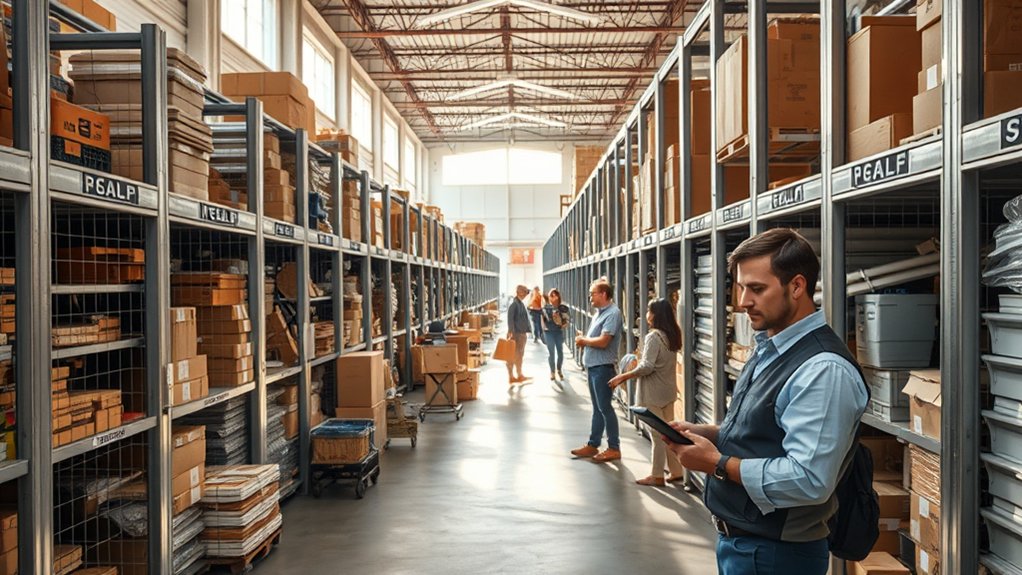
Self-storage solutions not only help with overflow issues but also highlight important trends in capacity and occupancy in the industry. Here are some key points to consider:
- Occupancy Rates: Currently, occupancy stands at around 83.99%. While there’s been a slight decline, this figure remains above pre-pandemic levels.
- Regional Demand: Areas such as New Hampshire and Oregon show varying occupancy rates influenced by their local economies.
- Price Sensitivity: Tenants are becoming more aware of pricing, prompting adjustments in rental rates to stay competitive.
- Market Stabilisation: Demand is stabilising, suggesting that capacity issues may ease soon as new facilities open.
Keeping these trends in mind can help you make informed decisions about your self-storage needs.
Strategic Use Cases for Self-Storage in Business Operations

In today’s fast-paced business environment, using self-storage solutions effectively can significantly improve operational efficiency.
By partnering with self-storage providers, you gain access to flexible management solutions that adapt to your needs. For example, flex-space options allow you to adjust storage as demand changes, ensuring you only pay for what you require.
Short-term rentals offer the freedom of avoiding long-term contracts, providing the flexibility businesses need. Incorporating services like eWaste recycling can optimise operations and attract environmentally-conscious clients.
Challenges of Implementing Self-Storage Solutions
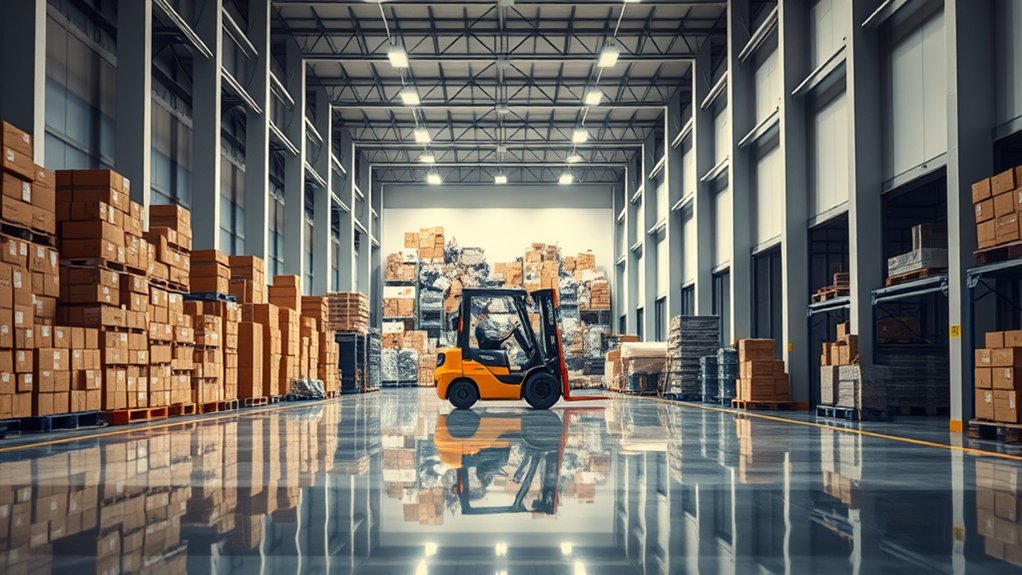
Utilising self-storage solutions can boost operational efficiency, but several challenges accompany their implementation.
Here are key factors affecting cost management and location strategy:
- Rising Construction Costs: Building new facilities can range from £25 to £50 per square foot, depending on the area.
- Interest Rate Increases: With rates climbing from 3% to 6-7%, financing projects has become more difficult.
- Location Accessibility: Facilities situated near urban centres typically enjoy 15-20% higher occupancy rates compared to those in remote areas.
- Market Saturation: In densely populated areas, oversupply can result in reduced demand and lower rental prices.
Best Practices for Managing Overflow Inventory
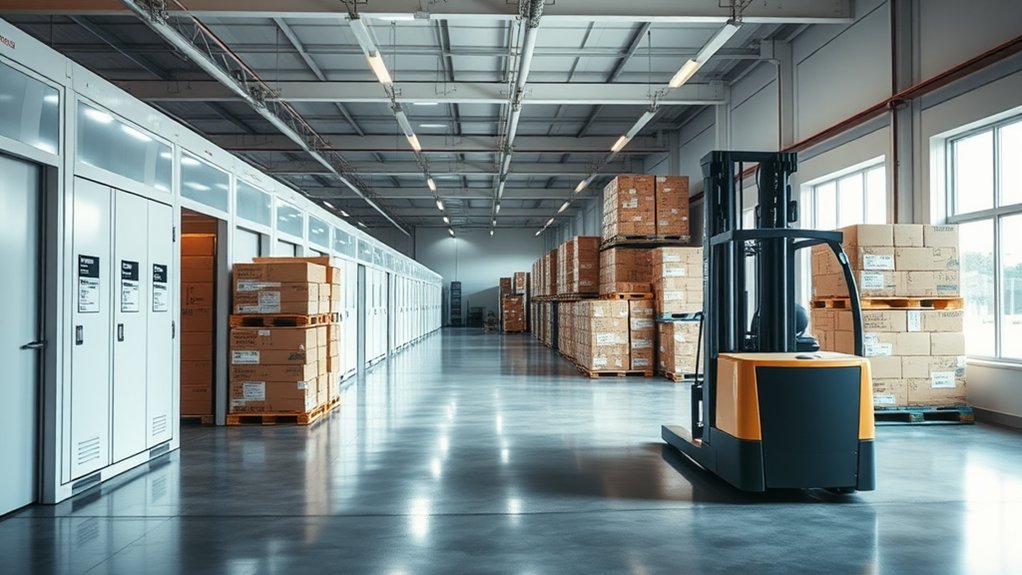
When managing overflow inventory, it’s crucial to adopt best practices that improve efficiency and reduce costs.
Begin by utilising effective strategies, such as maximising vertical space and optimising aisle layout for easier navigation. Implement advanced inventory management systems for real-time updates, ensuring visibility and preventing overstocking.
Incorporate demand forecasting and flexible pricing to align with seasonal trends, allowing you to adapt swiftly to market changes. Regular inventory audits and ABC analysis can help you prioritise stock and streamline operations.
Consider partnering with third-party providers for overflow warehousing solutions, enabling you to handle excess inventory without sacrificing operational flexibility.
Future Trends in Self-Storage and Warehouse Management
As you consider the future of self-storage and warehouse management, technological advancements will be crucial for your strategy.
Changing consumer demands call for smarter, more adaptable solutions. Staying ahead of trends such as automation, improved security, and sustainable designs is vital.
For instance, automated access systems can streamline customer check-ins, while eco-friendly materials can appeal to environmentally conscious clients.
Technological Innovations Impacting Storage
Emerging technologies are transforming the self-storage and warehouse management sectors, enhancing efficiency and responsiveness like never before. Here are some key innovations to consider:
- AI Applications: Improve demand forecasting and optimise inventory management. For instance, AI can analyse past trends to predict peak storage times.
- Cloud Solutions: Boost data accessibility, allowing for real-time monitoring and management of inventory from anywhere.
- Automation Benefits: Integrate robotics to speed up operations and reduce the need for manual labour. Automated systems can sort and retrieve items much quicker than humans.
- Predictive Maintenance: Use AI to anticipate equipment failures, thereby minimising downtime and ensuring smooth operations.
Embracing these technologies can give businesses a competitive edge in the storage industry.
Evolving Consumer Storage Needs
As consumer storage needs evolve, businesses in the self-storage and warehouse management sectors must stay attuned to these changes.
Current trends show a rise in renters who, due to smaller living spaces and frequent relocations, are seeking flexible storage options. This shift highlights the importance of climate-controlled units for protecting valuable belongings.
Post-pandemic, self-storage is increasingly seen as an extension of home life, used for both personal and business purposes.
To succeed in this changing market, companies must adapt by ensuring easy access and convenience for today’s consumers.
Making the Most of Self-Storage for Your Business Needs

Making the most of self-storage can significantly improve your business operations, especially in unpredictable market conditions.
By employing smart self-storage strategies, you can scale your business and adapt to changing demands. Here are four ways to optimise self-storage for your business:
- Cost-Effective Inventory Management: Consider using self-storage as a mini-warehouse to help lower overhead costs.
- Flexible Leasing Options: Take advantage of short-term rental agreements that can easily adjust to market changes.
- Climate-Controlled Units: Safeguard sensitive stock from environmental damage, ensuring products last longer.
- Streamlined Operations: Use technology for remote management and easy access to your stored items.
Frequently Asked Questions
How Do I Choose the Right Self-Storage Facility for My Business?
To select the right self-storage facility for your business, consider the location, focusing on how close it is and how easily accessible it is for your team. Also, look at the sizes of the available units. Choose a facility that meets your operational needs and allows for quick access. For example, if you regularly need to retrieve stock, a site close to your office or retail location would be ideal.
What Are the Typical Costs Associated With Self-Storage Units?
Did you know that a 10’x10′ non-climate-controlled self-storage unit typically costs around £100 per month? Prices for self-storage can vary significantly based on factors like unit size, features, and location. Always compare your options to ensure you get the best deal.
Can I Access My Self-Storage Unit at Any Time?
You can’t access your self-storage unit at any time; entry is usually restricted to specific hours. Be mindful of access limitations, including security codes and measures. For instance, if you need to retrieve something urgently, make sure to plan your visit during the designated hours to avoid disappointment.
What Security Measures Do Self-Storage Facilities Typically Have?
Did you know that 85% of self-storage facilities in the UK use advanced security measures? These facilities regularly check their premises and employ perimeter alarms, CCTV cameras, and access control systems to ensure your belongings are safe and secure at all times.
How Do I Ensure My Inventory Remains Safe in Self-Storage?
To ensure your inventory stays safe in self-storage, adopt effective protection measures. Choose secure units with strong locks and surveillance. Keep detailed records of your items, and consider climate-controlled units for sensitive goods. Implement strict access controls to limit who can enter the storage area, keeping your assets protected. For example, using a keycode entry system can deter unauthorised access. These steps will help safeguard your inventory effectively.
Conclusion
When dealing with overflow inventory, think of self-storage as your business’s safety net—a reliable option during challenging times. With the rapid rise of e-commerce, the need for flexible storage solutions is clear. By using self-storage effectively, you can streamline your operations and keep your business running smoothly, even when faced with unexpected challenges. Adapting to the current market demands is essential for your success, so consider how self-storage can help you manage your inventory efficiently.