
Self-storage facilities in the UK rely on advanced alarm systems to deter break-ins. These systems offer real-time alerts for unauthorised access, sending immediate notifications about any security breaches. Wireless alarms, which are simple to install and maintain, integrate with access control systems for efficient security management. Enhanced perimeter security measures and AI-powered surveillance further discourage intrusions. By adopting these technologies, facilities bolster tenant confidence and enhance overall safety. More insights on these security solutions are available further on.
Key Takeaways
- Advanced alarm systems notify management of any unauthorised access attempts, enabling rapid response and intervention.
- Wireless alarms are easy to install and expand, boosting security without the hassle of complicated wiring.
- Integration with access control systems provides real-time alerts and streamlines the management of tenant access credentials.
- Perimeter alarms, along with physical barriers, deter unauthorised entry and activate loud alerts to scare off intruders.
- AI-powered surveillance cameras keep an eye out for suspicious behaviour and send instant alerts, enhancing security and reassuring tenants.
The Importance of Security in Self-Storage Facilities
When it comes to self-storage facilities, security is essential for both tenant safety and property protection.
Strong physical measures, such as fences and gates, act as primary barriers to deter unauthorized access. Security guards provide additional monitoring and verify identities at entry points. High-quality locks on individual units further protect tenants’ belongings from theft and vandalism. Additionally, the use of advanced security features like electronic access systems enhances the overall security framework, ensuring only authorized individuals can access the premises.
When these physical measures are combined with advanced security technology like alarm systems and CCTV, they effectively deter intruders. Implementing access control systems ensures that only authorized individuals can enter the facility, adding an extra layer of security for tenants’ possessions.
Investing in these security systems not only safeguards tenants but also builds trust, ensuring your storage facility is a reliable haven for personal items.
Overview of Wireless Alarm Systems

Overview of Wireless Alarm Systems
Traditional alarm systems often involve complicated wiring and installation, but wireless alarm systems provide a more efficient solution for self-storage facilities. Thanks to advancements in wireless technology, these systems use magnetically or bracket-mounted units that communicate via a mesh network. Each alarm connects to gateways, enabling easy scalability without the need for hard wiring. They can be tailored for each unit and linked to tenants’ unique gate codes for enhanced security. This technology offers an extra layer of security for tenants, ensuring their belongings are well-protected. Additionally, the use of advanced surveillance systems can further enhance the overall safety of the facility.
| Feature | Description |
|---|---|
| Battery Life | 3 to 5 years |
| Communication | Mesh network with gateways |
| Alert System | Text and email notifications |
| Integration | Access control and alarm automation |
| Scalability | Supports up to 200 alarms per gateway |
This setup improves both reliability and security in self-storage facilities.
Easy Installation and Maintenance of Alarms
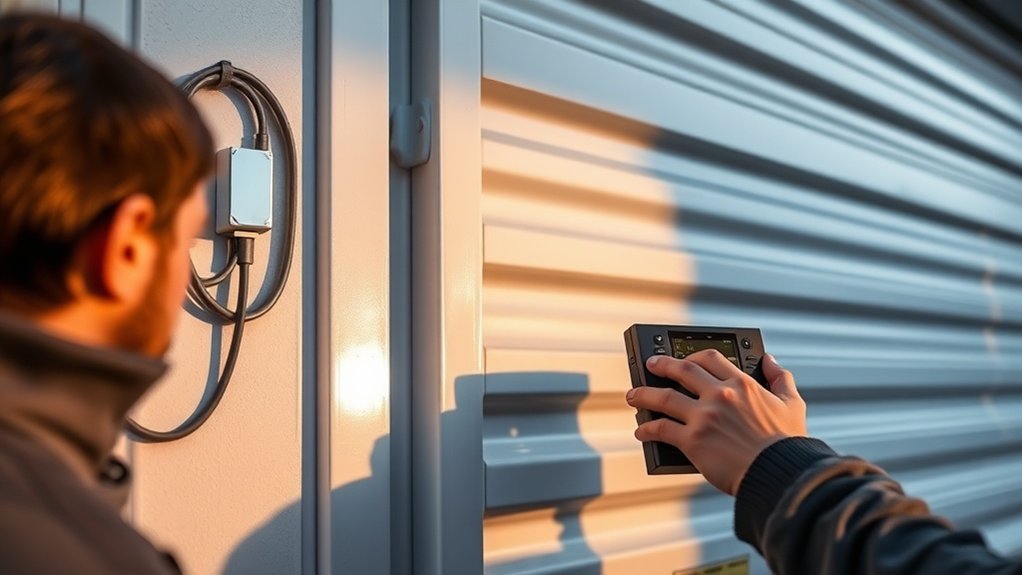
Wireless alarm systems not only boost security but also make installation and maintenance a breeze for self-storage facilities. With plug-and-play features, you can quickly set up alarms without the hassle of extensive wiring, keeping disruption to a minimum. Easy mounting options, such as adhesive pads, allow for speedy self-installation—something DIY operators will appreciate. Manufacturers provide clear guides and remote configuration support to assist with this process. Regular maintenance ensures fire alarm systems remain reliable and effective over time. Maintenance is also straightforward; modern alarms come with long-life batteries that only need replacing once or twice a year. Routine testing is easy and can often be automated, while self-diagnostic functions alert you to any issues. This combination of hassle-free setup and minimal upkeep ensures that your facility’s security system remains effective and reliable, allowing you to focus on other important aspects of your operation.
Integration With Access Control Systems
Integrating access control systems with alarm mechanisms significantly boosts security for self-storage facilities. You’ll receive instant alerts for any unauthorized access attempts, enabling quick responses to potential breaches. Moreover, efficient access management simplifies the oversight of tenant and staff credentials, ensuring that only authorized individuals can access specific areas. For instance, if someone tries to enter without permission, you’ll be notified right away, allowing you to act swiftly to protect your assets. This integration aligns with document management systems that enhance overall security and compliance through effective monitoring and control.
Enhanced Security Measures
As security concerns grow, it’s crucial for self-storage facilities to implement enhanced measures through integration with access control systems.
These systems improve tenant safety by using automated gates, keypads, and biometric scans to manage access. Advanced alarms ensure that any unauthorised attempts trigger immediate alerts, enabling quick responses.
Smart locks and electronic keypads connect directly with alarms, detecting forced entry and allowing remote lockdowns if suspicious activity occurs.
Cloud-based management centralises access credentials and alarm systems, making oversight easier.
Moreover, integrating video surveillance captures real-time incidents, providing valuable evidence when needed.
Real-Time Alerts
How can real-time alerts improve security at self-storage facilities? By linking access control systems with real-time monitoring, you gain immediate awareness of potential threats. For instance, smart sensors can send text notifications when they detect movement, allowing for a quick response. You can tailor alerts to your preferences, ensuring you’re kept informed without unnecessary interruptions.
| Alert Type | Description |
|---|---|
| Motion Detection | Instant alerts for unauthorised movement |
| AI Threat Analysis | Real-time evaluation of video feeds |
| Custom Notification | Personalised alerts via SMS or email |
This proactive approach not only bolsters security but also enables you to manage the response process, ensuring every action aligns with your preferred level of intervention.
Streamlined Access Management
Real-time alerts significantly enhance security at self-storage facilities, especially when combined with efficient access management through advanced control systems.
Automated gates and locks, activated by unique credentials, ensure secure entry while reducing human error. With Bluetooth and Wi-Fi-enabled smart locks, accessing your unit is as simple as using your smartphone, making it convenient for users.
Cloud-based management centralises control, enabling real-time monitoring and automatic notifications about access changes.
When integrated with video surveillance, it creates a comprehensive security system that triggers alarms for unauthorised access attempts.
These streamlined processes not only improve operational efficiency but also increase tenant confidence, providing a safer and more accessible storage experience.
Enhancing Perimeter Security With Alarms
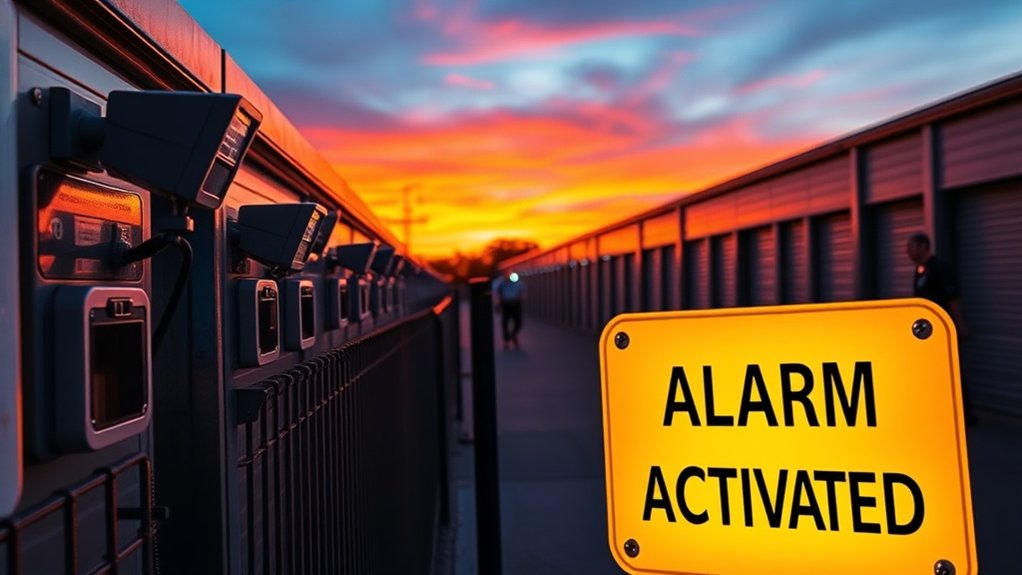
When securing self-storage facilities, integrating perimeter alarms with physical barriers is crucial to deter unauthorised access.
Using advanced sensor technology like vibration detectors and tilt sensors allows for efficient monitoring of the perimeter. These alarms can detect activities such as climbing or cutting through fences, triggering immediate alerts with loud sirens and flashing lights.
Adjustable sensitivity levels help reduce false alarms, ensuring that only real threats are acted upon.
Combining robust fencing with these alarm systems significantly enhances security, while thoughtful layouts ensure optimal sensor coverage.
This comprehensive approach not only protects vulnerable areas but also reassures customers about the safety of their stored belongings.
Fire Alarm Systems: A Critical Component
Fire alarm systems are crucial for protecting self-storage facilities, providing early detection of fire hazards. These systems use advanced technology to identify smoke, heat, or flames, activating immediate audible and visual alerts. This quick response significantly improves evacuation times and reduces the risk of injury.
Compliance with safety standards, such as BS 5839-1, is essential; it ensures you select the appropriate alarm type based on your facility’s layout and risk profile. Additionally, integrating fire alarms with other safety features like emergency lighting and sprinklers enhances overall fire response.
Regular maintenance is vital for ensuring alarms function correctly when needed. By prioritising fire alarm systems, you safeguard lives and property, creating a secure environment for everyone.
Advanced Surveillance Technologies
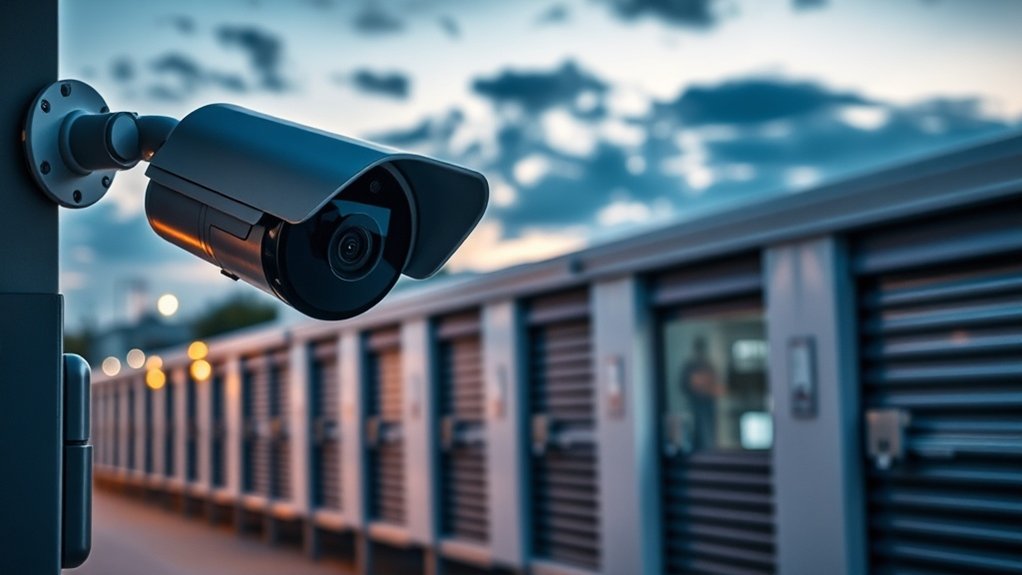
Effective fire alarm systems are crucial for safety in self-storage facilities, but they are just one aspect of a comprehensive security approach. Advanced surveillance technologies significantly boost security through integration and innovation. High-definition cameras, including dome and bullet styles, ensure thorough monitoring around the clock.
| Technology | Functionality |
|---|---|
| AI-Powered Monitoring | Identifies genuine threats through behaviour analysis |
| Thermal Imaging | Functions in low light and adverse weather conditions |
| Remote Access | Allows management from any location |
| Video Analytics | Automates alerts for suspicious activities |
| Access Control | Manages entry using personalised credentials |
These systems work in harmony to create a strong security framework, allowing you to effectively oversee your facility’s safety.
Real-Time Alerts for Immediate Response
In today’s world, security threats are more complex than ever. Real-time alerts enable self-storage facility managers and owners to act quickly in response to potential breaches.
Motion sensors send instant notifications when they detect unauthorised movement, allowing for immediate assessment of the situation. Each alert includes specific details about the affected unit, facilitating targeted responses. You can customise escalation processes to either check the unit yourself or notify security as required.
Additionally, AI-powered cameras enhance this system by recording and streaming footage within moments of detection. These proactive measures enable rapid intervention, significantly reducing the risk of loss or damage.
Benefits of Alarms for Tenant Confidence

The presence of alarm systems in self-storage facilities significantly boosts tenant confidence.
These systems not only enhance the perception of security but also provide essential reassurance.
- Immediate alerts for unauthorised access ensure you that your belongings are safe.
- Visible alarms serve as a deterrent, which helps to reduce break-in attempts.
- Facilities equipped with alarms often report higher customer satisfaction, fostering long-term loyalty.
- Trust in alarm systems allows you to store higher-value items without anxiety.
In summary, alarm integration creates a secure environment, increasing your confidence in the facility’s commitment to protecting your possessions.
This peace of mind is invaluable and greatly enhances your overall storage experience.
Financial Advantages of Alarm Systems
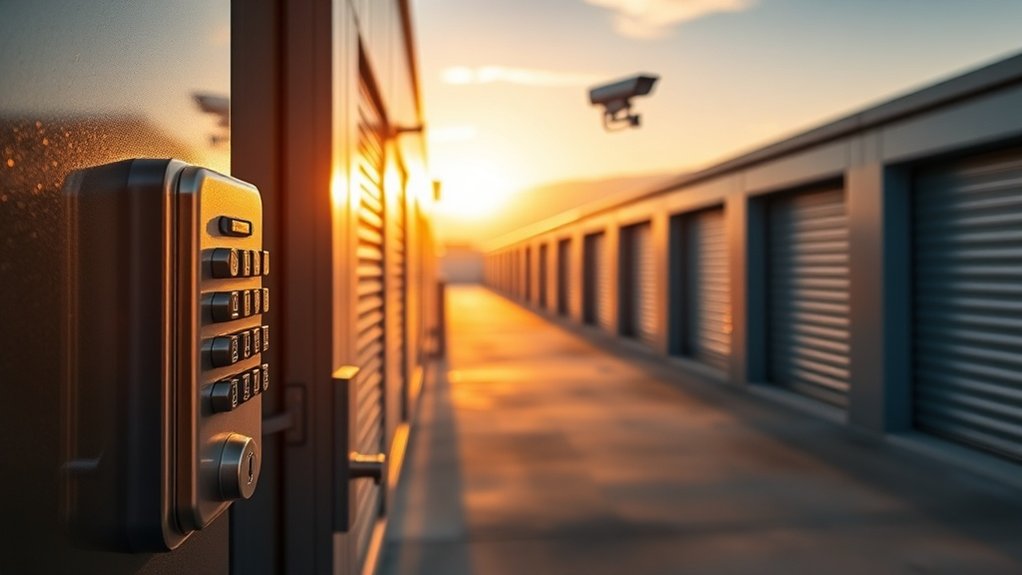
Implementing alarm systems in your self-storage facility can significantly increase revenue through higher pricing and reduced insurance costs.
Enhanced security attracts more tenants who are willing to pay a premium, while you also benefit from lower insurance premiums.
These financial benefits not only improve your cash flow but also make your facility more competitive in the market.
Revenue Generation Opportunities
By enhancing security with alarm systems, self-storage facilities can unlock significant revenue opportunities beyond just attracting tenants.
These systems boost tenant confidence and drive revenue in several ways:
- Charge higher rental rates due to the improved perception of security.
- Increase occupancy and tenant retention through real-time alerts and features that build trust.
- Generate extra income by implementing technology fees for alarm and remote monitoring services.
- Stand out in the market by appealing to tenants storing high-value items.
Insurance Premium Reductions
Installing comprehensive alarm systems can significantly lower insurance premiums for self-storage facilities. By implementing burglar alarms, fire alarms, and CCTV, you could secure reductions of up to 20% on your insurance costs.
These systems enhance your risk profile, which reduces the insurer’s liability and makes you eligible for lower premiums. For facilities located in high-risk areas, advanced alarm systems can provide discounts ranging from 5% to 15%.
Moreover, AI-powered surveillance can further minimise theft incidents, leading to fewer insurance claims and better loss ratios, often resulting in discounts of 10% to 30%.
Future Trends in Self-Storage Security Solutions
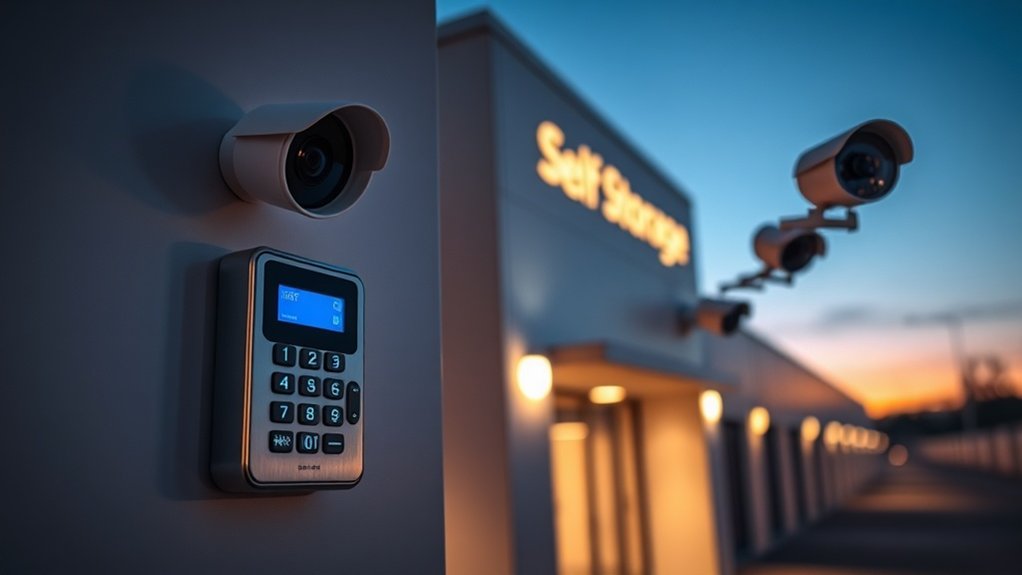
As self-storage facilities develop, they’re increasingly adopting advanced security technologies to tackle modern challenges and enhance tenant safety.
Here are key trends to watch:
- AI advancements that enable real-time detection of suspicious activities, shifting security from reactive to proactive measures.
- Biometric innovations such as fingerprint and facial recognition systems for exclusive access control.
- Digital access systems that allow entry via mobile apps, boosting both convenience and security.
- Remote monitoring through cloud-connected CCTV, ensuring 24/7 surveillance and quick responses to any potential threats.
These trends not only bolster security but also improve the overall customer experience, providing peace of mind and building trust.
Frequently Asked Questions
How Do Wireless Alarms Handle Power Outages?
Wireless alarms manage power outages by relying on battery backups, which ensure that the system remains functional even when the mains power is down. For instance, if there’s a storm that knocks out electricity, your alarm will continue to operate and can alert you via cellular networks. This means you stay informed and secure, regardless of traditional power failures.
Can Tenants Customize Alarm Settings for Their Units?
Tenants cannot fully customise alarm settings for their units due to security protocols. While you may have preferences for access features, alarm settings are managed by the facility. This approach ensures consistent security and prevents any risk of tampering or breaches.
What Happens if an Alarm Is Triggered Accidentally?
When an alarm goes off accidentally, it’s important to follow the proper response protocols to confirm the cause. Mismanaged false alarms can lead to unnecessary emergency services being dispatched, wasting valuable resources and potentially making responders less responsive to real emergencies. For instance, if a fire alarm is triggered by cooking fumes, it could distract from a genuine fire call later on.
Are Alarms Monitored 24/7 by Security Personnel?
You might assume that alarms are always monitored by security personnel, but that’s not usually the case. Many facilities rely on technology for alarm monitoring, using AI and remote services rather than having staff present around the clock. For instance, a retail store may have an alarm system that alerts a central monitoring station, which then assesses the situation before deciding to contact local authorities. This approach can be more efficient and cost-effective than employing full-time security staff.
How Often Are Alarm Systems Updated or Replaced?
Alarm systems usually need upgrading every 10 to 20 years due to advancements in security technology and the wear of components. Regular maintenance ensures they function properly, and phased replacements allow you to adapt without incurring hefty costs, keeping your property secure. For example, if your alarm system is over a decade old, it might be time to consider an upgrade for better features and reliability.
Conclusion
In today’s world, security threats are a real concern, and self-storage facilities act as secure havens, bolstered by sophisticated alarm systems. While the fear of break-ins can be unsettling, the implementation of real-time alerts and robust security features provides reassurance to tenants. As technology advances, the balance between risk and safety becomes clear; alarm systems not only deter potential criminals but also improve operational efficiency. Investing in these security measures is not just about safeguarding belongings—it’s about building trust and ensuring peace of mind for all users.