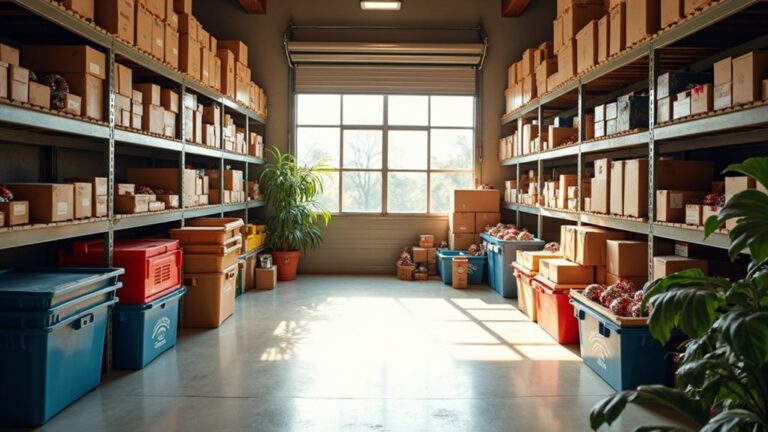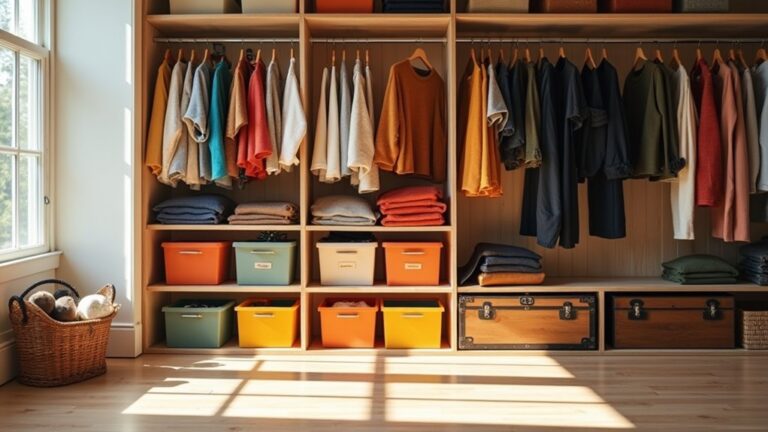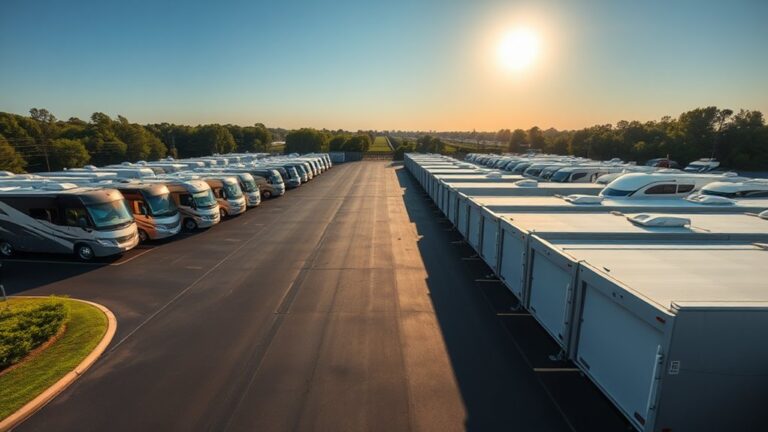
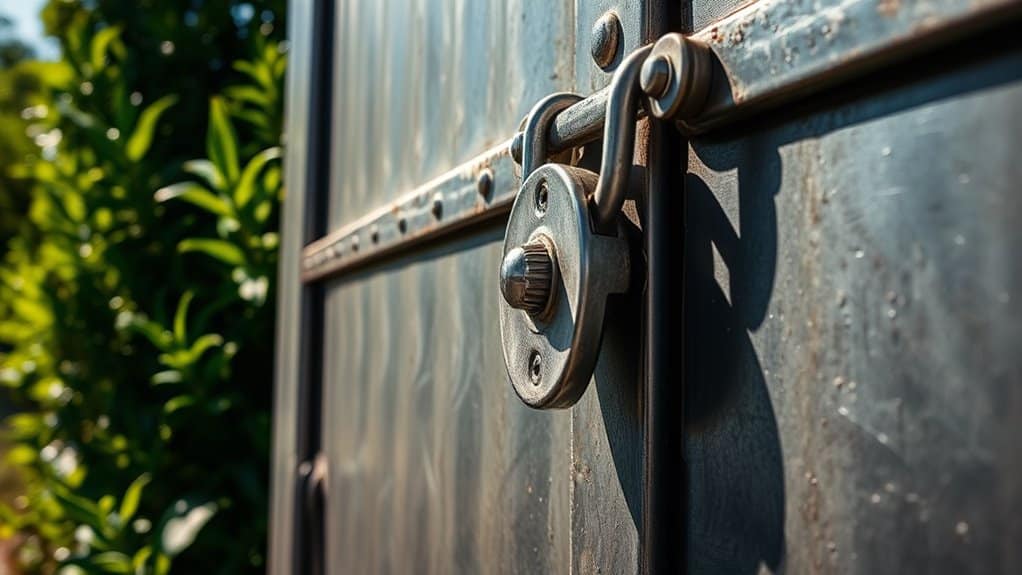
The materials you select for storage units are crucial for both security and durability. Sturdy materials such as galvanised steel and high-performance concrete are resistant to weather and unauthorised access, prolonging the unit’s lifespan. Features like roller shutters and electronic access systems further enhance security by controlling entry and monitoring activity. Opting for low-maintenance materials, like PVC, can help reduce ongoing costs while effectively insulating your stored items. By choosing the right materials, you ensure your belongings are secure and the unit remains durable over time. If you look further, you’ll find additional strategies to boost both safety and longevity.
Key Takeaways
- Steel and high-performance concrete provide excellent durability and resistance to the elements, enhancing security against unauthorised access.
- Galvanised steel resists rust and can last over 50 years, ensuring it can withstand heavy loads while keeping maintenance costs low.
- Robust roller shutters and electronic access systems offer top-notch protection, deterring break-ins and allowing entry only to authorised personnel.
- Climate-controlled storage protects sensitive items by keeping temperature and humidity steady, preventing issues like warping and mould.
- Choosing low-maintenance materials extends the lifespan of the facility and lowers annual upkeep costs, making it a wise, secure investment in the long run.
Importance of Material Selection
When considering storage units, the choice of materials is crucial for their performance and longevity. It’s essential to assess how different materials affect durability, security, and cost-effectiveness. For example, steel and high-performance concrete are excellent choices due to their long lifespan and resistance to environmental factors, ensuring your stored items are well protected.
When evaluating materials, focus on weather resistance and structural strength. Low-maintenance options like steel not only cut down on annual upkeep costs but also enhance the facility’s lifespan. The structural integrity of these materials also improves security, helping to prevent unauthorized access and damage. Additionally, durable materials contribute to a longer lifecycle of the facility, further ensuring that your investment remains secure over time. Moreover, security features are often enhanced by the use of robust materials, making it harder for intruders to breach the units.
Additionally, consider energy efficiency in your selection. Insulated metal panels, for instance, can lower operational costs and add long-term value.
Galvanized Steel Benefits

When choosing materials for storage units, galvanised steel is an excellent option due to its resistance to rust and robust structural integrity. The zinc coating effectively protects against corrosion while ensuring the steel retains its strength even under heavy loads. This makes it particularly suitable for secure and durable storage solutions, especially in tough environments. Additionally, its environmental resistance ensures superior performance against wear and tear over time. Moreover, the use of high-quality materials like galvanized steel can enhance the overall security features of self-storage units, providing added peace of mind for users.
Rust Resistance Advantages
Galvanised steel offers excellent rust resistance, making it a preferred choice for various storage solutions. The zinc coating creates a strong barrier against corrosion. When exposed to moisture, zinc develops a protective layer of zinc oxide, which then converts to zinc carbonate, providing further protection for the steel. This process highlights effective corrosion resistance methods, ensuring durability and longevity. Additionally, the longevity of galvanized steel can exceed 50 years, which is a testament to its durability. Choosing a material with robust security features can further enhance the protection of stored items.
Here’s a quick comparison of the advantages of galvanised steel:
| Feature | Benefit |
|---|---|
| Longevity | Lasts over 50 years in typical conditions |
| Cost-Effectiveness | Low maintenance reduces overall costs |
| Self-Healing | Zinc coating can repair minor damage |
| Versatility | Suitable for a range of storage needs |
Galvanised steel is ideal for industrial, commercial, and residential storage. Its resistance to environmental factors such as high humidity and acid rain makes it a reliable option. By choosing galvanised steel, you are ensuring that your items stay protected from rust and corrosion for many years.
Structural Integrity Assurance
Opting for galvanised steel ensures excellent rust resistance and structural integrity for your storage solutions. This material is incredibly durable, often lasting over 50 years in typical conditions. Its high tensile strength makes it suitable for heavy-duty use, ensuring your storage unit can support significant weight safely.
The hot-dip galvanising process provides comprehensive protection, covering all surfaces, including fasteners. This uniform coating boosts structural resilience, enabling the steel to endure harsh weather and resist corrosion over time.
Plus, the sacrificial anode effect means that any damage to the steel is protected by the surrounding zinc coating, further extending the lifespan of your storage unit.
Advantages of Roller Shutters
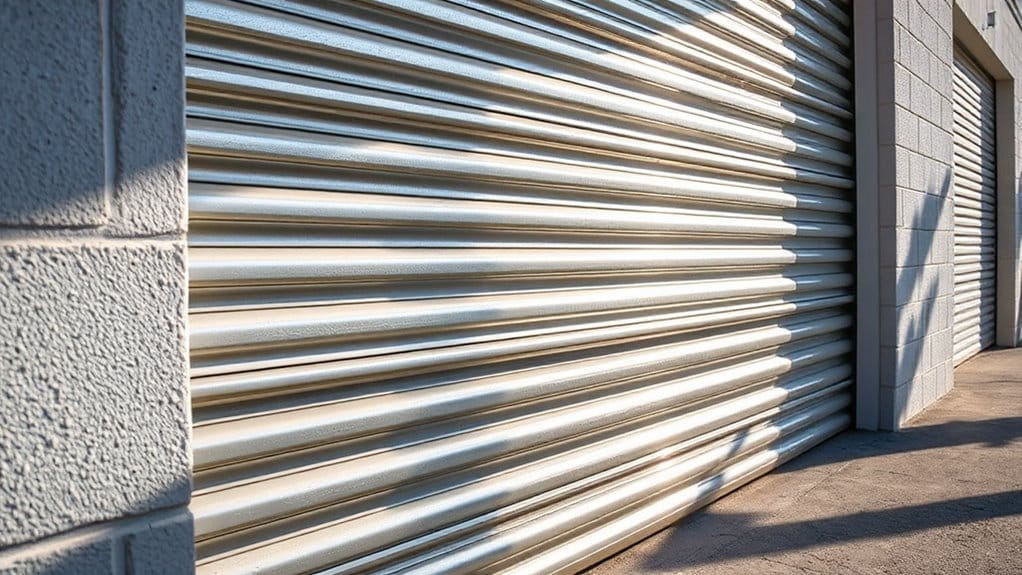
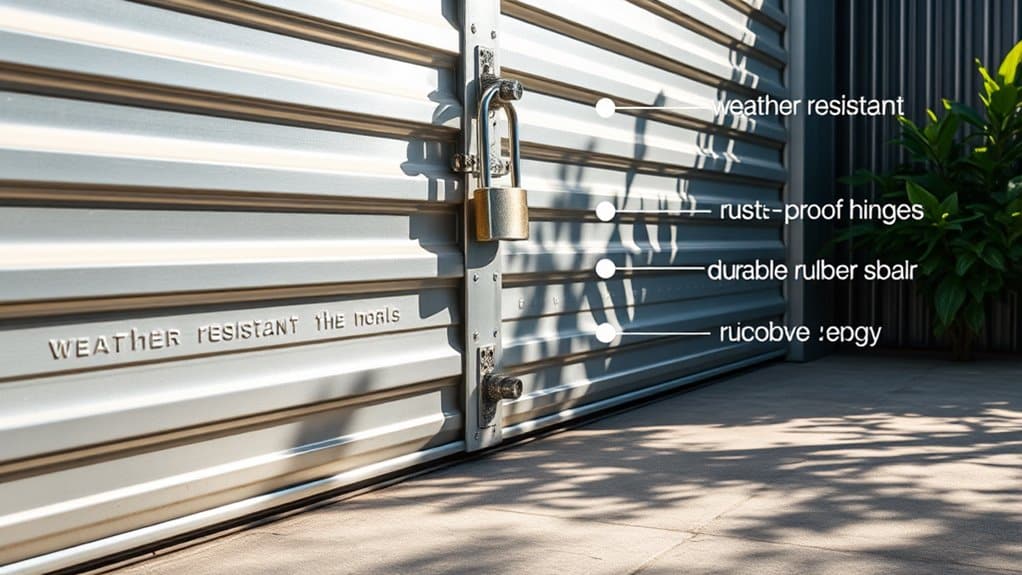
Roller shutters provide numerous benefits for storage units, enhancing both security and functionality. Their sturdy construction, typically from steel or aluminium, significantly deters break-ins and vandalism. Unlike traditional doors or windows, roller shutters present a formidable barrier against intruders, ensuring your valuable items are well-protected.
Designed for durability, these shutters can withstand heavy impacts, making them suitable for busy environments. The two-piece rail system hides fasteners, which reduces the risk of tampering. Added security features like high-security key switches and flush mount controls further safeguard against unauthorised access.
In terms of practicality, roller shutters have a compact design that requires minimal overhead space. Their electronic operation allows for quick access, which is ideal for bustling commercial settings.
Additionally, the weatherstripping and insulation help protect against severe weather and improve energy efficiency, ultimately saving you money.
PVC and Aluminum Features
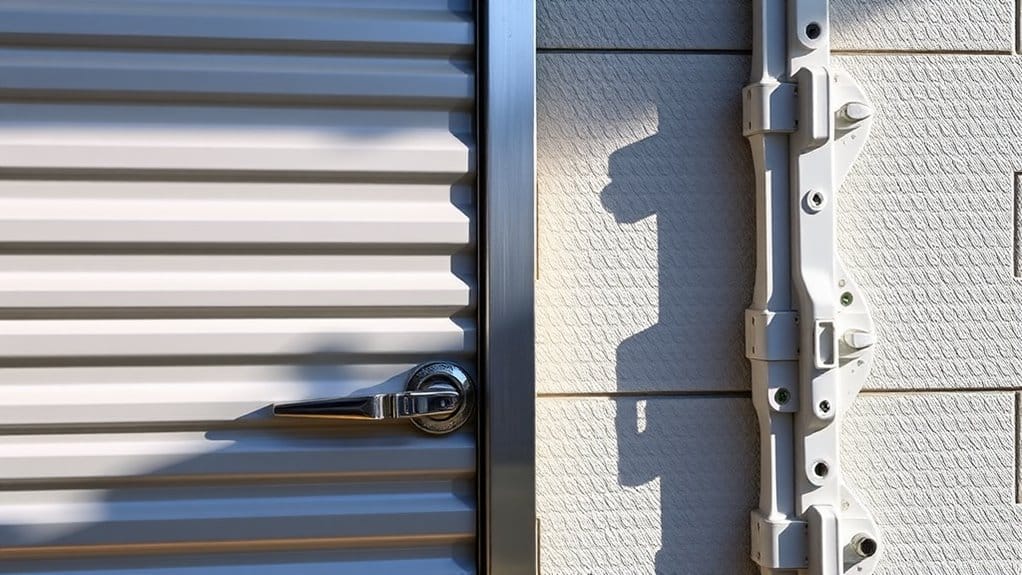
When choosing materials for storage units, both PVC and aluminium have their advantages.
PVC is usually more affordable and offers decent insulation, making it a good choice for temporary storage. For example, if you’re looking to store seasonal items, PVC might be the way to go.
On the other hand, aluminium is more durable and robust, which can justify a higher initial cost. This makes it ideal for long-term or heavy-duty use, such as storing tools or equipment.
Lightweight Installation Benefits
Many homeowners and businesses find that choosing lightweight storage units made from PVC or aluminium offers significant advantages. When it comes to installation, both materials excel in ease of use and efficiency. PVC units are particularly lightweight, making them easy to transport and manoeuvre, while aluminium units provide structural strength without the added weight.
Here’s a comparison of the lightweight installation benefits of PVC and aluminium storage units:
| Feature | PVC Benefits | Aluminium Benefits |
|---|---|---|
| Weight | Lighter, reducing transportation costs | Strong yet lightweight |
| Weather Resistance | Corrosion and UV resistant | Naturally resists corrosion |
| Installation Ease | Simplifies relocation | Quick, often pre-fabricated |
| Thermal Stability | Maintains stable internal temperatures | High strength-to-weight ratio |
| Electrical Safety | Non-conductive, enhancing safety | Durable, supports substantial loads |
Both materials allow for quick assembly, minimising the labour and tools required. Overall, lightweight storage solutions enhance flexibility and efficiency, giving you the freedom to adapt your storage needs with ease.
Cost-Effective Insulation Properties
Leveraging the cost-effective insulation properties of PVC can significantly improve your storage solutions. PVC is highly energy-efficient, with a thermal conductivity of just 0.16 W/m.K, effectively reducing thermal loss.
Its R value ranges from 12 to 60 W/K, depending on thickness, making it an excellent choice for maintaining temperature in chillers and freezers. In fact, using PVC can lead to energy savings of up to 33% in freezer applications, resulting in considerable long-term cost benefits.
While aluminium has its advantages, it’s not the best option for primary insulation due to its higher thermal conductivity. It’s more suitable for specific applications, like vacuum insulated panels, rather than as a standalone insulation material.
When it comes to insulation performance, PVC outperforms aluminium, offering better durability and moisture resistance, which enhances its lifespan in cold storage settings.
Choosing PVC not only complies with fire safety regulations but also ensures minimal ageing and deterioration, maintaining its effectiveness over time.
Environmental Impact on Storage
The environmental impact of storage facilities is significant, with various factors contributing to their carbon footprint. Traditional materials like concrete and steel are major contributors, releasing large amounts of carbon dioxide during production. For example, producing just one cubic yard of concrete emits around 181 kilograms of CO2.
The use of these materials not only increases operational emissions but also leads to habitat destruction and loss of biodiversity due to facility expansion.
To address these issues, adopting sustainable practices and eco-friendly materials is essential. Using recycled steel or alternative materials can significantly reduce embodied carbon. Furthermore, energy-efficient designs can decrease reliance on fossil fuels, thereby lowering greenhouse gas emissions.
You can support storage facilities that prioritise environmental responsibility, protecting local ecosystems and improving community aesthetics. By opting for storage solutions that emphasise sustainability, you contribute to a healthier planet while enjoying convenient and secure storage options.
It’s important to consider how your choices affect the environment and advocate for innovation in the construction and operation of storage facilities.
Climate Control Necessities
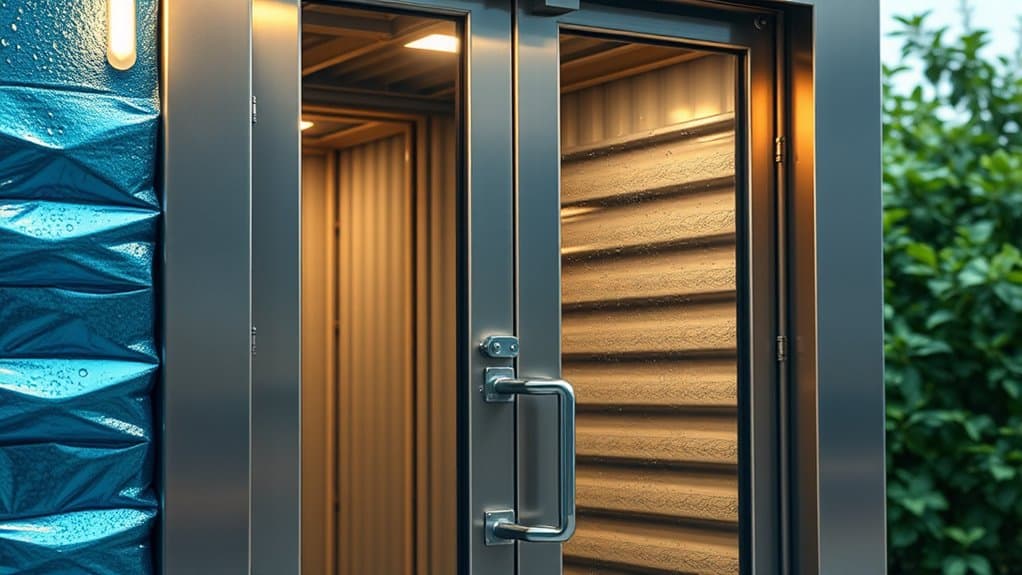
As storage facilities adapt to increasing demands, understanding climate control is crucial. Items such as furniture, electronics, artwork, delicate fabrics, and important documents require specific conditions to retain their quality. Climate-controlled environments ensure stable temperature and humidity levels, protecting your belongings from damage caused by extreme weather.
Opting for climate-controlled storage prioritises preservation. Keeping temperatures between 13-27°C (55-80°F) helps prevent warping, cracking, or mould growth. This is particularly important for valuable and fragile items, as maintaining humidity levels around 55% deters pests and mildew.
Moreover, climate control is essential for long-term storage. If you plan to store items like musical instruments or medical supplies for extended periods, proper temperature regulation ensures they remain in excellent condition.
Assessing the value and sensitivity of your items will help you determine the necessity of climate control. By choosing climate-controlled units, you’re not just protecting your belongings but also ensuring their longevity and maintaining their value over time.
Role of Natural Lighting
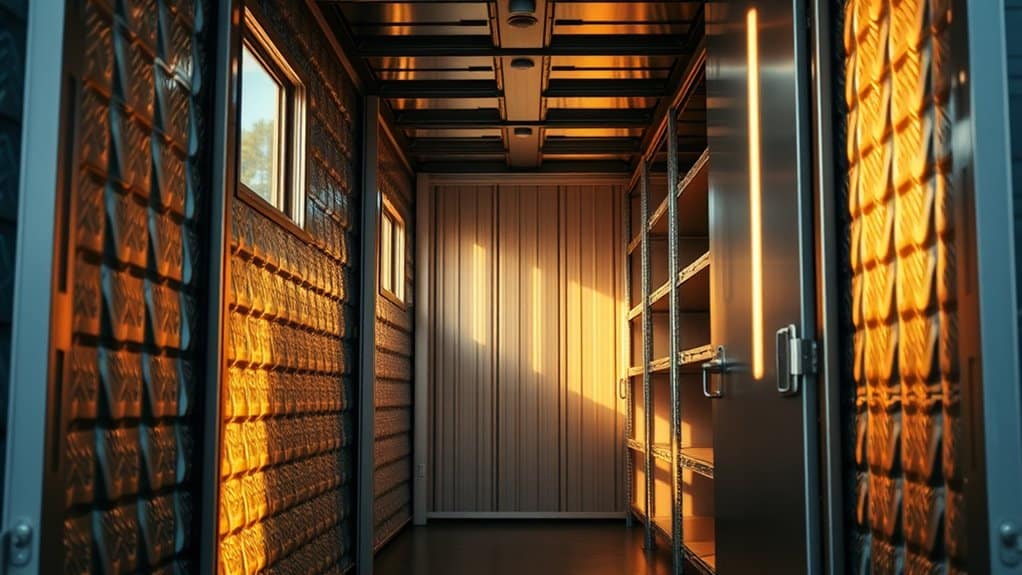
Natural lighting is crucial for enhancing the functionality and security of storage units. It boosts visibility, creating a safer environment that discourages undesirable activities. Here are three key benefits of utilising natural lighting:
- Accident Prevention: Good lighting reduces the risk of accidents and injuries, ensuring you and your belongings stay safe while moving around.
- Crime Prevention: Bright, even lighting eliminates dark corners, significantly lowering the chances of criminal behaviour.
- Surveillance Effectiveness: Adequate lighting is vital for surveillance cameras to function properly, thereby improving overall security.
Investing in natural lighting goes beyond aesthetics; it enhances safety and functionality.
Ensure that the lighting meets minimum brightness standards, especially in busy areas.
Consider energy-efficient options like LEDs for long-lasting illumination and reduced costs.
Importance of Air Circulation
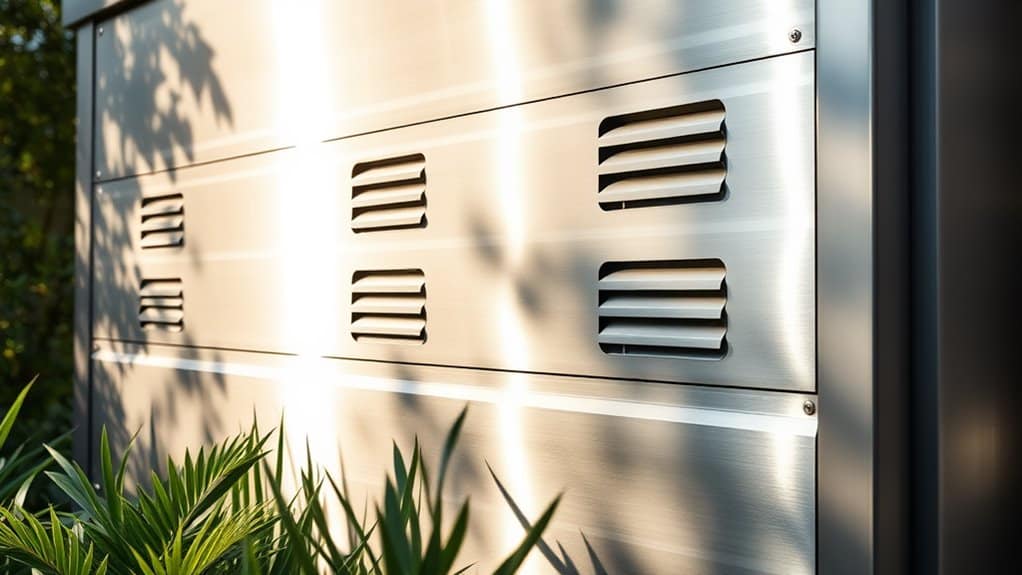
Effective storage unit design isn’t just about lighting; it also hinges on proper air circulation. Adequate airflow is crucial to prevent moisture buildup, which can damage your stored items. By installing ventilation systems with fans, you can ensure air is actively circulated, reducing the risk of stagnant conditions. This movement helps maintain stable temperature and humidity levels, which are vital for preserving your belongings.
Insufficient air circulation can lead to increased temperatures and humidity, creating an environment where mould and mildew thrive. Stagnant air can also trap dust and debris, compromising air quality and potentially harming sensitive items like electronics and important documents.
Conversely, good air circulation brings several benefits. It ensures consistent environmental conditions, lowers the risk of moisture-related damage, and deters pests. Incorporating vents, air conditioning units, or dehumidifiers can significantly improve airflow.
Additionally, proper insulation helps minimise heat transfer, further supporting moisture control.
Advanced Security Features

To secure your storage unit, electronic access systems offer key advantages by ensuring that only authorised individuals can enter.
Video surveillance is crucial for monitoring activity, enabling quick responses to any suspicious behaviour.
Moreover, individually alarmed units boost security by sounding alerts if someone tries to gain unauthorised access, providing you with added peace of mind.
Electronic Access Benefits
Electronic access control systems significantly enhance the security of storage units, offering features that improve both tenant safety and convenience.
Here are three key benefits to consider:
- Improved Security: These systems secure entry points using advanced methods such as mobile credentials and biometric scanners, ensuring only authorised tenants can access their units.
- Convenience: With automated processes and 24/7 access, you can manage your storage independently without needing assistance from facility staff or worrying about keys.
- Potential Cost Savings: By reducing the risk of theft and damage, electronic access can lower your insurance premiums, making it a worthwhile long-term investment.
These features not only safeguard your belongings but also simplify management and cut operational costs, providing peace of mind and greater flexibility in how you use your storage space.
Adopting electronic access control systems is an important move towards better security and convenience in the self-storage sector.
Video Surveillance Importance
While various security measures are essential for protecting storage units, video surveillance is a key component that significantly enhances safety and deters criminal activity. This advanced technology acts as a strong deterrent, reducing the chances of theft and vandalism.
Features such as infrared night vision and PTZ cameras enable monitoring of large areas, even in complete darkness. Additionally, integrating video analytics allows for real-time monitoring and alerts, facilitating swift responses to potential security breaches. This not only boosts tenant safety but also enhances operational efficiency.
Continuous recording and remote access to live footage provide crucial evidence in case of incidents, which is invaluable for insurance purposes. When video surveillance is combined with access control systems, security is further strengthened, ensuring that only authorised individuals can access sensitive areas.
Individually Alarmed Units
Individually alarmed units mark a significant improvement in storage security, providing tailored protection for each tenant’s belongings.
These alarms not only safeguard against unauthorised access but also offer peace of mind. Here are three key benefits:
- Enhanced Protection: Individual alarms significantly lower the risk of theft and vandalism by ensuring that each unit is monitored continuously.
- Instant Alerts: If someone tries to access a unit without permission, both facility managers and tenants receive immediate notifications, allowing for a quick response.
- Deterrent Effect: Knowing that every unit is alarmed discourages potential intruders, increasing the chances of detection.
These security upgrades work well with central monitoring systems, improving overall security.
Features like motion sensors and door alarms further enhance safety by detecting any unauthorised movement.
Furthermore, remote monitoring allows facility managers to act swiftly on alerts.
With individually alarmed units, tenants can benefit from lower insurance costs and better security assurances.
By investing in these advanced features, storage facilities attract more tenants and maintain a competitive advantage in the self-storage sector.
Ultimately, individually alarmed units are a wise investment in security and tenant satisfaction.
Damage Prevention Strategies
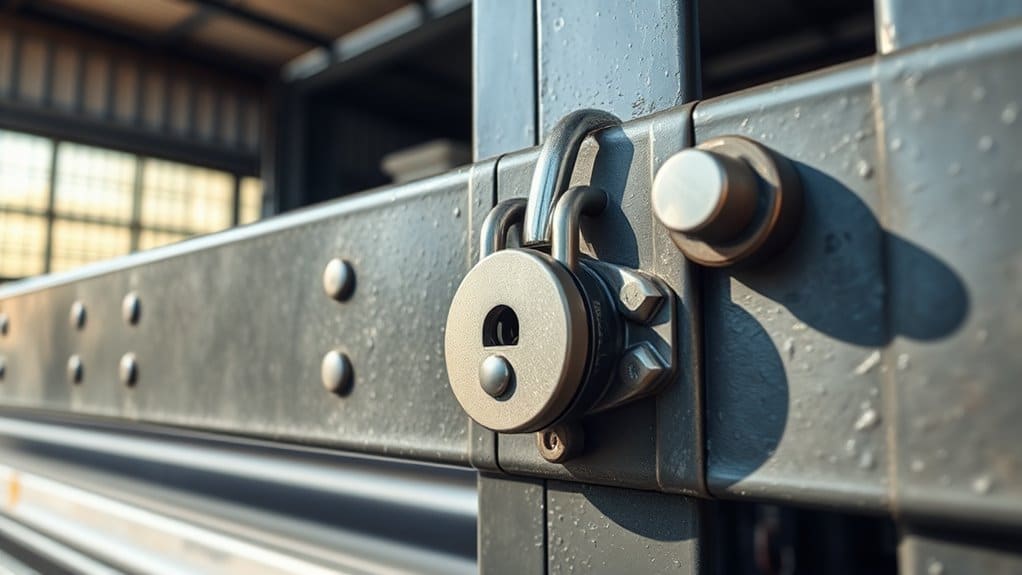
To effectively protect your storage units from damage, it’s crucial to adopt a comprehensive strategy that includes structural, technological, packing, and security measures.
Start with regular maintenance by checking your unit’s roof for damage and ensuring proper drainage to prevent water accumulation. Applying waterproof coatings and using moisture-resistant materials will help safeguard against leaks.
Incorporate technology by using sensors and IoT-based water alerts to identify potential threats early. Real-time monitoring systems can notify you about changes in humidity or temperature, allowing for prompt action.
For packing, use airtight containers to protect items from moisture. Elevate belongings on pallets to avoid direct contact with floors, and consider water-resistant packing materials for fragile items.
Keeping an organised inventory will help you keep track of stored goods and their conditions.
Lastly, enhance security with access control systems, high-quality locks, and regular checks for signs of tampering or damage.
Effective Storage Unit Design
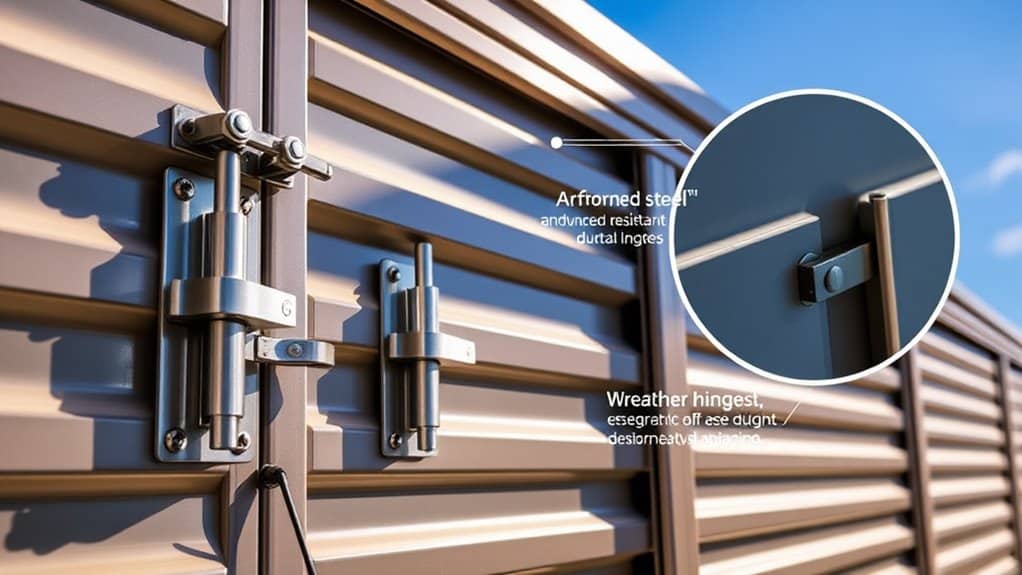
Effective storage unit design strikes a balance between functionality and customer needs. To create a space that’s both efficient and appealing, consider the following elements:
- Unit Mix and Size Variations: Providing a range of unit sizes, including climate-controlled options, meets diverse customer requirements and enhances convenience.
- Layout Design: A well-planned layout ensures easy navigation, maximising space while allowing customers to access their belongings effortlessly.
- Security Features: Features like electronic access, video surveillance, and individually alarmed units enhance security and give customers peace of mind about their stored items.
Incorporating these elements improves customer convenience and enhances the facility’s appearance. Well-designed drive-up access and loading areas make it easier for customers to move their items.
Additionally, planning for future expansion enables your facility to adapt to market demands without compromising its original design. By prioritising these factors, you create a storage solution that caters to your clients’ needs while maintaining strong security and visual appeal.
Maintenance Best Practices
Proper maintenance practices are vital for ensuring the longevity and security of storage facilities. Begin by developing a comprehensive maintenance schedule that outlines daily, weekly, monthly, and seasonal tasks. Categorise these tasks—such as security, heating, ventilation and air conditioning (HVAC) systems, and pest control—to ensure thorough coverage. Assign frequencies based on usage and wear, and utilise organisational tools to monitor these tasks effectively.
Regular inspection protocols are crucial for identifying potential issues early. Carry out planned preventative maintenance (PPM) using checklists for key areas, and document any concerns you discover. Prioritise repairs to avert further damage, and establish a reliable network of trusted contractors for emergencies.
Incorporate inspection clauses in tenant leases to enable regular checks of occupied units, ensuring compliance with facility policies. Always notify tenants in advance to promote transparency and uphold safety standards.
Regular maintenance of security systems, climate control, and pest management is essential to protect both the facility and its contents. By following these maintenance best practices with diligent scheduling and thorough inspections, you can enhance security and durability, allowing you to focus on other important aspects of your storage facility.
Frequently Asked Questions
How Do Different Materials Affect Storage Unit Insurance Costs?
Different materials significantly affect insurance premiums. Materials that are more durable, like steel or reinforced concrete, reduce risk and can lower your costs. Conversely, weaker materials, such as wood or plastic, increase vulnerability and can lead to higher premiums. Understanding the strength of materials can help you make better decisions about your insurance coverage and associated costs. For example, if you’re storing valuable items, opting for a unit with robust construction could save you money on insurance in the long run.
What Are the Best Materials for Outdoor Storage Units?
“You get what you pay for.” When it comes to outdoor storage units, wooden structures can provide a pleasing look and allow for personalisation, while metal containers are known for their durability and minimal upkeep. Consider your specific needs carefully to make the best choice between these materials.
Can Storage Unit Materials Impact Energy Efficiency?
Yes, the materials used in storage units significantly affect energy efficiency. By using energy-efficient designs and high-quality insulation, you can cut down on energy use, improve temperature regulation, and lower running costs. For example, a storage unit with solid insulation materials will keep contents cooler in summer and warmer in winter, reducing the need for additional heating or cooling. This not only saves money but also contributes to sustainability and lessens your environmental impact.
How Do Climate Conditions Influence Material Choice for Storage Units?
Your choice of materials for storage units should align with local climate conditions. Selecting resilient materials helps protect your belongings from temperature changes and humidity. For instance, if you live in a damp area, opting for moisture-resistant options like metal or treated wood can prevent mould and rot. Make informed choices to ensure the durability of your storage solutions.
What Are the Most Common Materials Used in Portable Storage Units?
When looking at portable storage units, steel construction is known for its strength, while wooden options can be more cost-effective. Steel units provide excellent durability and security, making them ideal for valuable items. On the other hand, wooden units might be better if you’re on a tighter budget, though they may not offer the same level of protection. Each material has its advantages, so consider your needs carefully.
Conclusion
When selecting materials for your storage unit, it’s easy to focus on looks or price. However, durability and security are what truly matter. A flashy exterior may grab your attention, but it’s robust materials like galvanised steel and secure roller shutters that protect your belongings from theft and the elements. So, when you’re investing in a storage solution, prioritise security and durability over mere aesthetics. Your items will thank you for it.