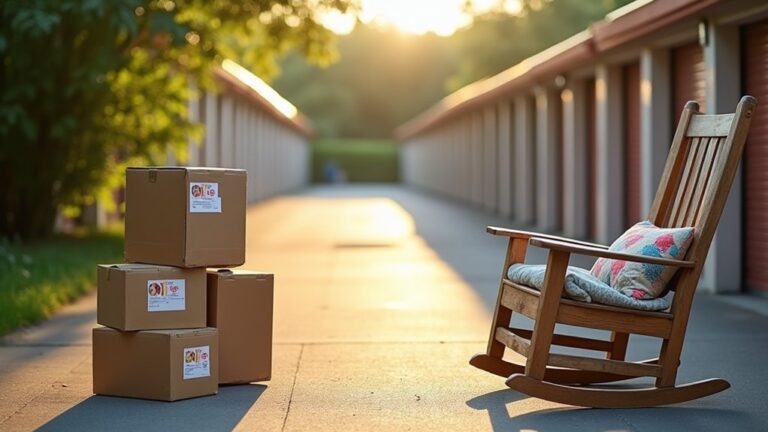
Got questions about self-storage? You’re not alone! Many people want to know what self-storage is, how much it costs, and what sizes are available. There are options for every need, from small units for seasonal items like Christmas decorations to larger spaces for furniture and even vehicles. Security is a top priority, with features such as CCTV and individual alarms in place. You can also choose between short-term and long-term contracts, providing flexibility based on your circumstances. If you’re wondering about acceptable items or climate-controlled options, there’s plenty more to discover!
Key Takeaways
- Self-storage offers additional space for personal belongings, helping you declutter and organise your home more effectively.
- Unit sizes range from compact 5×5 foot units to larger 10×30 foot options, catering to various storage needs.
- Monthly fees vary based on location, unit size, and features like climate control or enhanced security.
- You can store items like furniture, appliances, and clothing, but hazardous and perishable items are not allowed.
- Security measures include CCTV, access control systems, and on-site staff to ensure the safety of your belongings.
What Is Self-Storage?
What Is Self-Storage?
If you find yourself in need of extra space for your belongings, self-storage offers a practical solution. These facilities provide individual storage units for rent, designed to securely hold personal items and household goods. You can choose from various options, including indoor, outdoor, climate-controlled, and even vehicle storage.
Self-storage has evolved to meet modern demands, with many facilities now featuring 24/7 CCTV surveillance, secure access codes, and individual alarms to keep your items safe. This flexibility allows you to declutter your home or office without making permanent changes. Additionally, self-storage facilities consist of self-contained compartments that cater to different storage needs, offering a variety of unit sizes to suit diverse requirements.
Whether you’re moving house, renovating, or simply need to store seasonal items, self-storage can be invaluable. It supports a minimalist lifestyle by keeping unused items off-site, freeing up your space.
With short-term rental options available, you can easily adjust your storage needs as life changes. If you’re looking for a convenient and secure way to manage your belongings, consider self-storage as a viable option.
How Much Does It Cost?
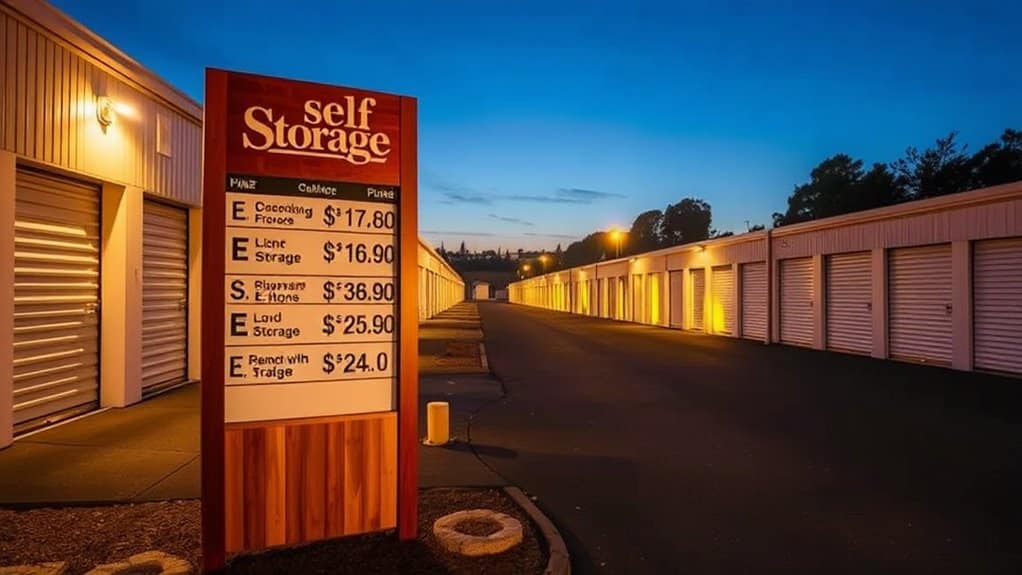
Self-storage costs can vary considerably based on several factors, such as location, unit size, and available amenities. Understanding these elements will help you find the best pricing options for your needs.
Here are some key points to consider:
- Urban vs. Rural: Generally, expect higher costs in city centres compared to rural areas.
- Unit Size: Larger units typically come at a higher price, but they can offer better value per square foot. Additionally, versatile storage options can help you select the right unit size for your specific requirements.
- Climate Control: Climate-controlled units can range from £100 to £160 per month, while non-climate-controlled options tend to be cheaper.
- Security Features: Enhanced security measures may increase your monthly costs, but they often provide valuable peace of mind.
- Lease Duration: Longer rental agreements usually come with lower monthly rates. Additionally, being aware of market trends can help you anticipate pricing changes and make more informed decisions.
Be aware that storage prices can fluctuate during peak seasons due to supply and demand.
Researching local facilities and their offerings can help you find a storage solution that fits your lifestyle and budget.
Take the time to explore your options and enjoy the flexibility of storing your belongings on your terms!
What Sizes Are Available?
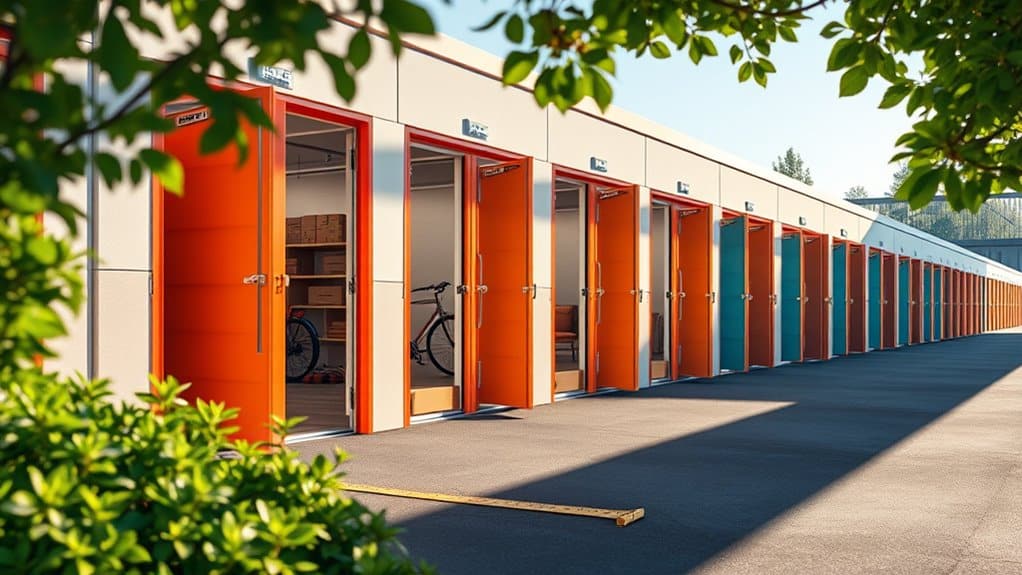
When it comes to self-storage, you’ll find a range of unit sizes to suit your needs.
From compact 5×5 units for smaller items like boxes and seasonal decorations to larger 10×30 options that can accommodate vehicles or larger furniture, there’s something for everyone. Many facilities also offer climate control to protect your belongings from extreme temperatures and moisture. Selecting the right size is crucial, as a 10×10 unit is ideal for the contents of a two-bedroom flat, ensuring you have enough space for your belongings without overpaying.
Knowing the standard dimensions and specialised solutions can help you select the ideal size for your belongings.
Standard Unit Dimensions
Choosing the right storage unit size is crucial for organising your belongings effectively.
Understanding standard unit dimensions will help you make informed comparisons. Here’s a quick overview of what’s available:
- 5×5: 200 cubic feet, suitable for small items or the contents of a small cupboard.
- 5×10: 400 cubic feet, ideal for the contents of a studio flat, including a double bed.
- 10×10: 800 cubic feet, accommodates a one-bedroom flat, including larger furniture.
- 10×15: 1200 cubic feet, fits multiple bedrooms and appliances from a two-bedroom flat. Medium units are often used for apartments and business storage.
- 10×20: 1600 cubic feet, designed for a two to three-bedroom house, perfect for oversized items.
Specialty Storage Solutions
When it comes to storage, one size doesn’t fit all. Specialty storage solutions provide tailored configurations to suit specific needs. For instance, if you’re managing stock for a pharmacy or organising equipment in a military store, custom designs can meet your requirements precisely.
Mobile storage options allow you to adjust your setup as your needs evolve, while modular systems help maximise space and improve efficiency. Built with durability in mind, these solutions ensure your items are stored securely for the long term. Additionally, a wide range of storage unit sizes ensures that you can find the perfect fit for your unique requirements.
Specialised applications, such as textile racks and effective drying systems, are designed to maintain the quality of your items while boosting productivity. These flexible designs cater to a range of industries, so you can find the right storage solution for your business.
From filing cabinets to rolling shelves, specialty storage products are made for versatility and ease of use. Choose a storage system tailored to your needs and enjoy the advantages of industry-specific solutions that simplify inventory management.
Choosing Appropriate Size
Assessing your storage requirements is crucial for choosing the right unit size for your belongings. Understanding the available sizes will help you make an informed decision, ensuring you have sufficient space without overspending.
Here’s a brief overview of common self-storage sizes:
- 5’x10′ (50 sq.ft.): Ideal for the contents of a single room or small business stock.
- 10’x10′ (100 sq.ft.): Suitable for a three-bedroom home’s contents, perfect during moves or renovations.
- 10’x15′ (150 sq.ft.): Fits the belongings of a four-bedroom home, great for larger projects.
- 10’x20′ (200 sq.ft.): Accommodates several rooms’ worth of items, often used by businesses.
- 10’x30′ (300 sq.ft.): The largest standard size, ideal for long-term storage of bulky items.
To estimate space effectively and prioritise your items, consider these tips:
- Count the number of items you plan to store.
- Visualise the dimensions of your storage options.
- Use online calculators for accurate estimates.
- Plan for easy access to frequently needed items.
- Opt for uniform box sizes to maximise space. Additionally, consider utilizing climate-controlled units if you’re storing sensitive items that require stable temperature and humidity.
What Can I Store?
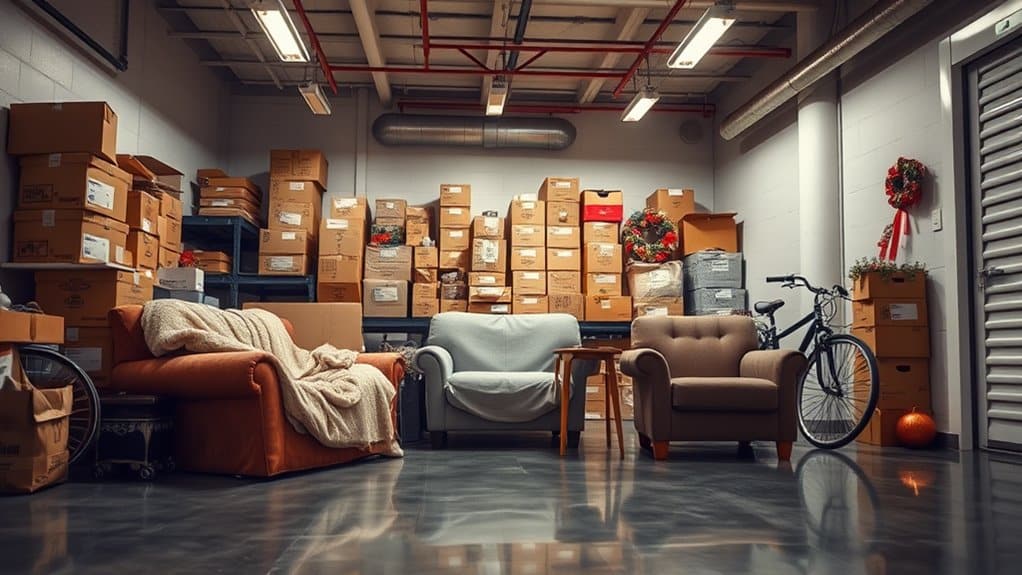
When deciding what to store, it’s important to know what’s acceptable and what isn’t.
You can store items like furniture, seasonal decorations, and sports equipment without any worries.
However, avoid storing perishable foods and hazardous materials. Storing hazardous materials can pose significant fire and explosion risks, so always prioritize safety in your choices.
Following these guidelines will help you get the most out of your self-storage experience.
Acceptable Items for Storage
Many people wonder which items are suitable for storage, especially when looking to maximise their space. Knowing what you can store helps you plan effectively and make the most of your storage unit.
Here are some common categories of items you can confidently place in storage:
- Furniture: Sofas, chairs, and wardrobes.
- Appliances: Fridges and washing machines.
- Electronics: Televisions, computers, and sound systems.
- Sports Equipment: Bicycles, kayaks, and camping gear.
- Clothing and Linens: Coats, towels, and bedding.
When preparing your items for storage, keep these tips in mind: clean everything thoroughly, disassemble large furniture where possible, and use sturdy boxes for smaller items. Additionally, be sure to avoid storing any prohibited items such as hazardous materials or living things to comply with facility rules.
For fragile items, wrap them securely to prevent damage. By taking the time to prepare your belongings, you can ensure they stay safe and organised while in storage.
Enjoy the freedom of decluttering your space, knowing your items are securely stored until you need them again!
Prohibited Items Overview
Understanding what you can’t store is just as important as knowing what you can. Familiarising yourself with storage regulations can save you time and hassle. There are several prohibited categories to ensure safety and compliance.
Firstly, hazardous materials such as petrol, chemicals, and fertilisers are strictly forbidden. These can pose serious risks and should never be kept in your unit.
Secondly, illegal and dangerous items, including weapons, explosives, and stolen goods, are also not allowed. Storing these can lead to severe legal penalties.
You should also avoid storing perishable and living items. This includes food, plants, or animals, as they can spoil or create unpleasant odours. Additionally, it’s important to remember that storage units are unsuitable for human habitation, which reinforces the need to avoid storing living beings.
Additionally, it’s crucial to steer clear of valuable and sensitive items like cash, important documents, and high-value artwork unless they’re in climate-controlled storage. These require special care to avoid damage.
How Secure Are Storage Units?
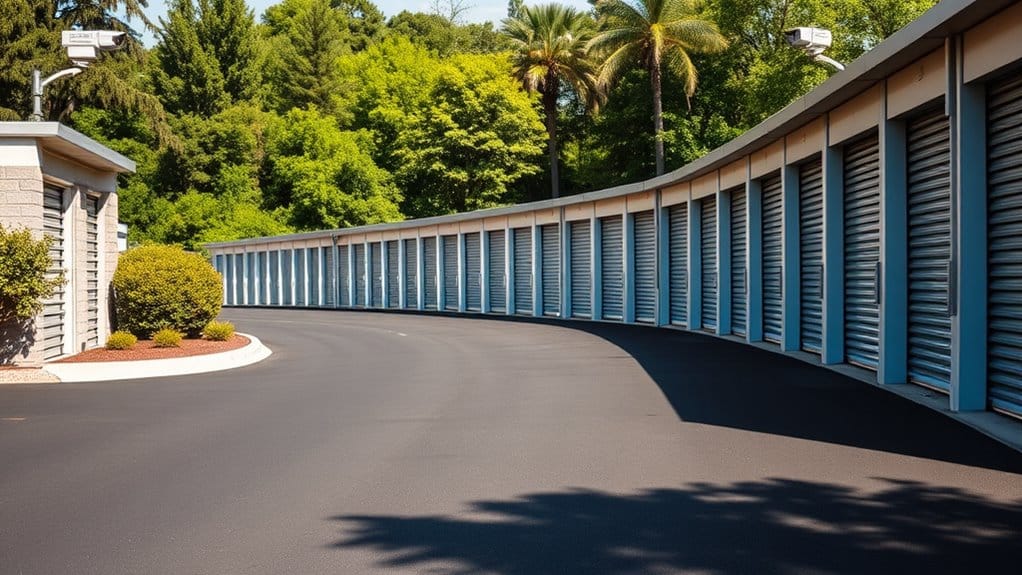
How Secure Are Storage Units?
If you’re worried about the safety of your possessions, modern storage units come equipped with a variety of security measures to protect your items. These facilities use advanced security technology aimed at preventing theft and managing risks, giving you peace of mind that your belongings are monitored and secure.
Here are some essential security features to look for:
- Access Control Systems: Keypad entry and mobile access ensure that only authorised individuals can enter.
- Surveillance Systems: Around-the-clock video monitoring keeps an eye on all activities.
- Unit Alarms: Each unit has its own alarm, alerting you to any unauthorised access.
- Motion Sensors: Alerts are triggered if any suspicious activity is detected.
- On-Site Management: Having staff on the premises enhances security and allows for quick responses to any issues.
Additionally, many facilities have sturdy fencing and barriers that obscure visibility to deter potential intruders. Modern facilities often implement intrusion detection systems that utilize sensors to alert management of any suspicious behavior.
Educating tenants about security best practices further enhances safety.
With these comprehensive measures in place, modern storage units prioritise your peace of mind, allowing you to store your belongings safely.
How to Choose a Facility?
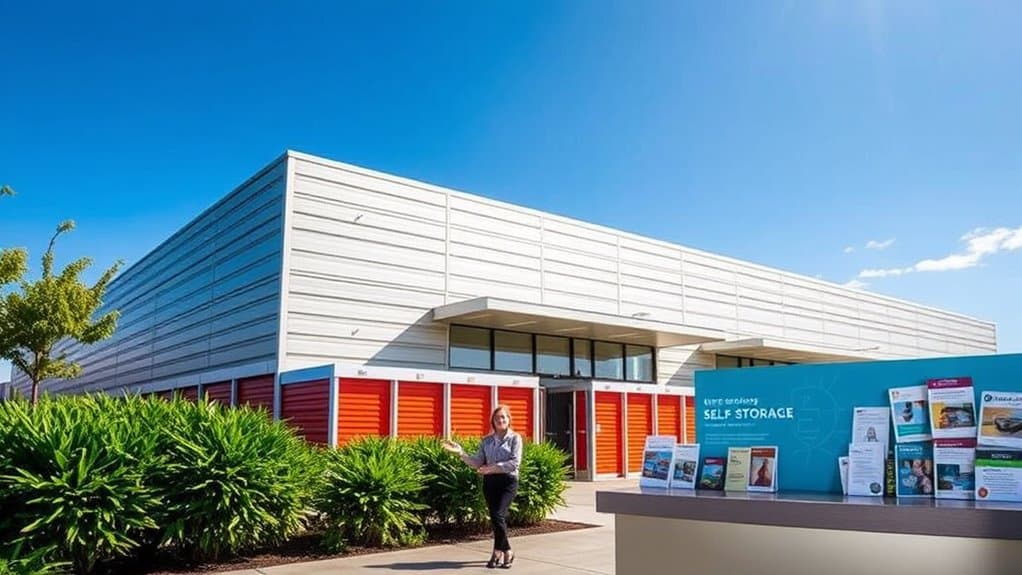
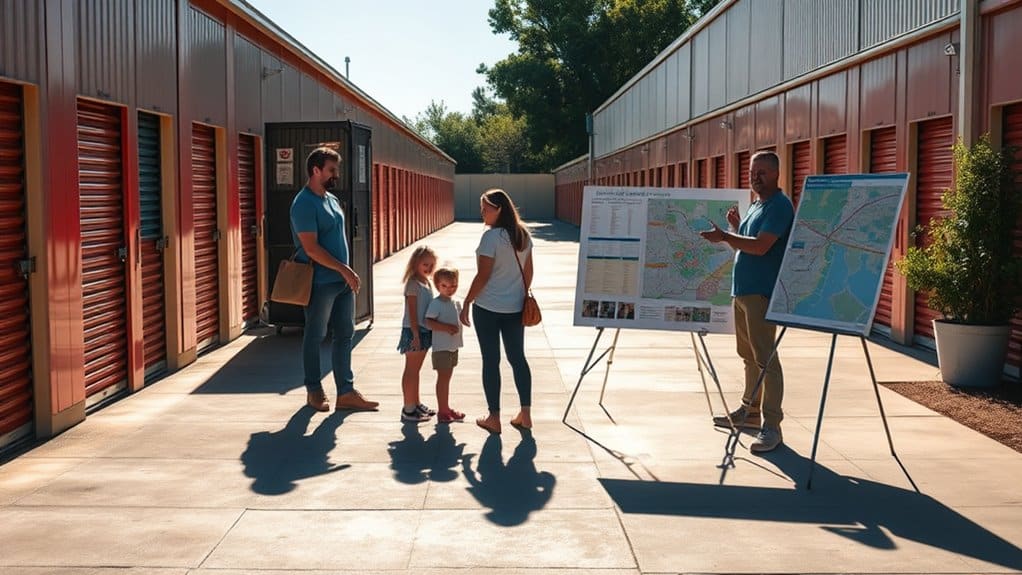
Choosing the right self-storage facility is crucial for protecting your belongings and ensuring ease of access. Start by assessing your needs—identify what items you’ll be storing to help you select the right unit size and type.
Look for a facility close to your home or workplace to simplify access. Check the opening hours and whether they provide features like loading docks or trolleys to assist with moving.
Security is vital. Choose a facility with surveillance cameras, gated access, and on-site staff to keep your items safe. Features like automatic lighting and computer-controlled access can enhance security further. If you have items that are sensitive to temperature, consider a climate-controlled unit.
Take the time to research the facility’s reputation through online reviews. Visiting in person can give you a better sense of its condition and how responsive the staff are.
Additionally, review the pricing structure, lease terms, and any current move-in offers. By considering these factors, you can find a self-storage facility that meets your needs, offers peace of mind, and provides easy access to your belongings.
What Are the Benefits?
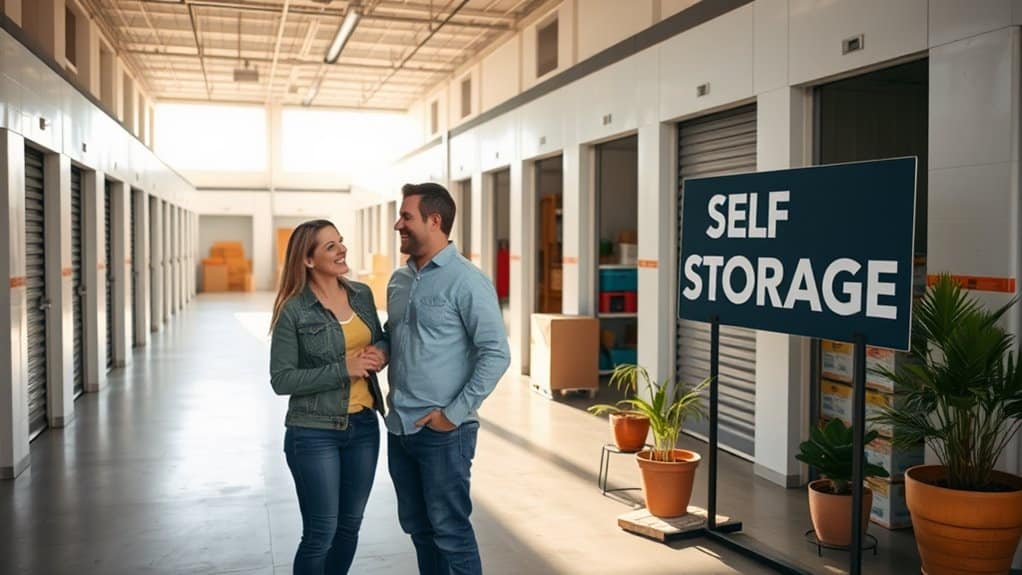
Finding the right self-storage facility not only secures your possessions but also offers several advantages that can improve your everyday life. With self-storage, you can enjoy increased freedom and organisation, allowing you to focus on what truly matters.
Here are some key benefits:
- Space Optimisation: Utilise your living and working areas better by storing items you don’t use regularly, such as seasonal decorations or sports equipment.
- Decluttering: Create a calm environment by removing excess clutter, which helps you feel more organised and focused.
- Enhanced Security: Most facilities provide strong security measures, ensuring your valuables are protected from theft and damage.
- Flexibility: Select from a range of unit sizes, allowing you to adjust your storage as your needs evolve.
- Convenience: Access your stored items easily whenever you need them, without the hassle of clutter at home.
Opting for self-storage not only simplifies your life but also promotes a more minimalist lifestyle.
Can I Access My Items Anytime?
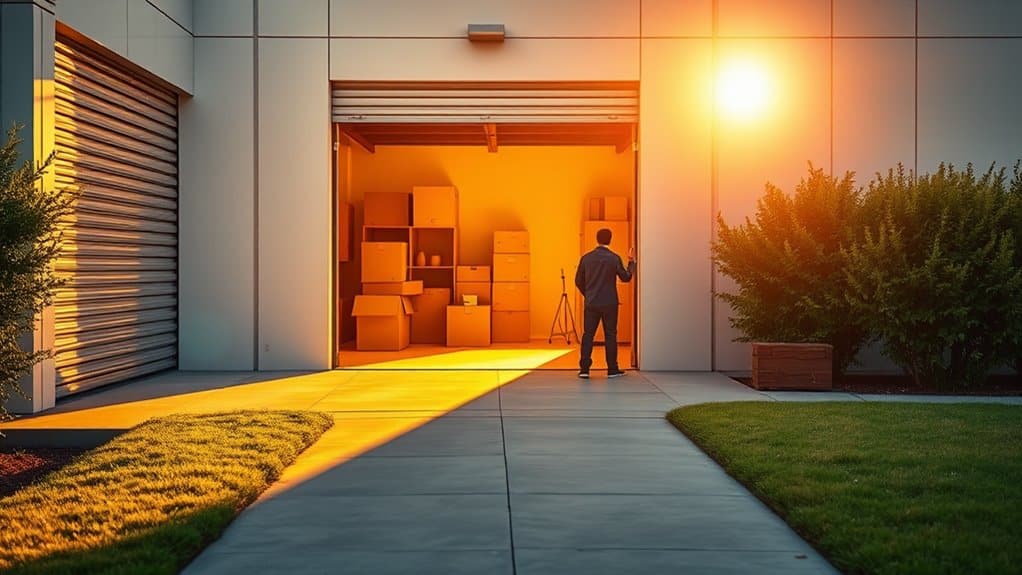
Accessing your items at a self-storage facility is generally quite convenient. Most locations have gate hours from 6:00 AM to 10:00 PM every day, allowing you to retrieve or store your belongings at times that suit your busy schedule.
Some facilities offer extended access, enabling you to enter 24/7 with your own access code. This flexibility is ideal for those who appreciate being able to come and go as they please. However, it’s important to check the facility’s access policies, as there may be restrictions, such as the prohibition of using electrical outlets for safety.
While gate hours are generous, keep in mind that office hours typically run from 9:30 AM to 6:00 PM on weekdays, with shorter hours on weekends and holidays.
If you need assistance, customer support is often available by phone during extended hours.
How to Prevent Break-Ins?
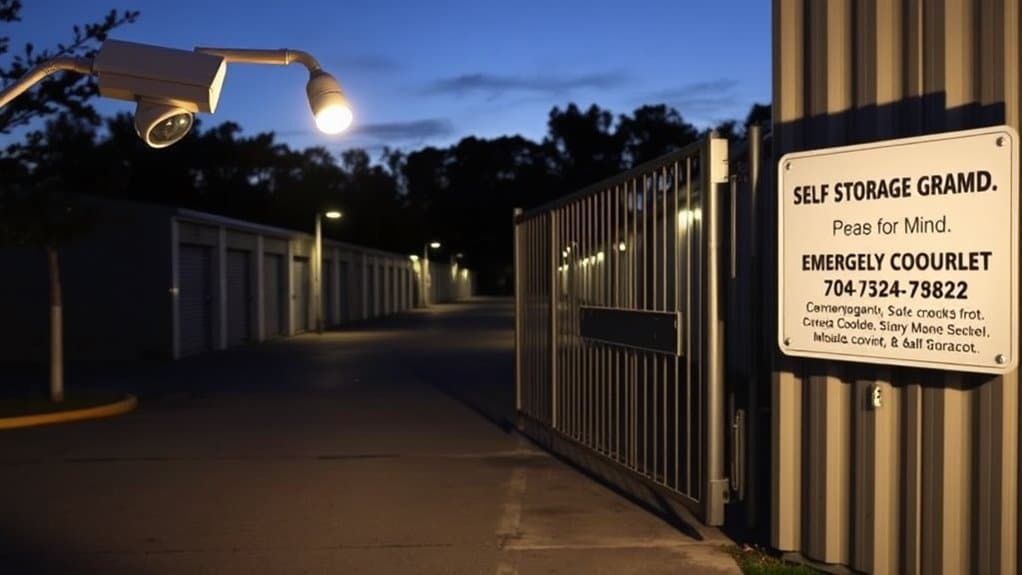
To prevent break-ins at self-storage facilities, implementing strong security measures is crucial to ensure your belongings are protected.
Here are some effective strategies to consider:
- Install Quality Fencing and Gates: Use sturdy fences and gates that are difficult to climb over.
- Utilise Advanced Access Control Systems: Implement individual entry codes or card readers to enhance security.
- Incorporate CCTV Cameras: These not only deter thieves but also allow for constant monitoring, enabling prompt action against any suspicious activity.
- Use High-Quality Locks and Alarms: Invest in secure locks and alarm systems for both the facility and individual storage units.
- Ensure Adequate Lighting and Maintenance: Well-lit areas discourage intruders, while regular upkeep ensures security systems work effectively.
What About Climate Control?
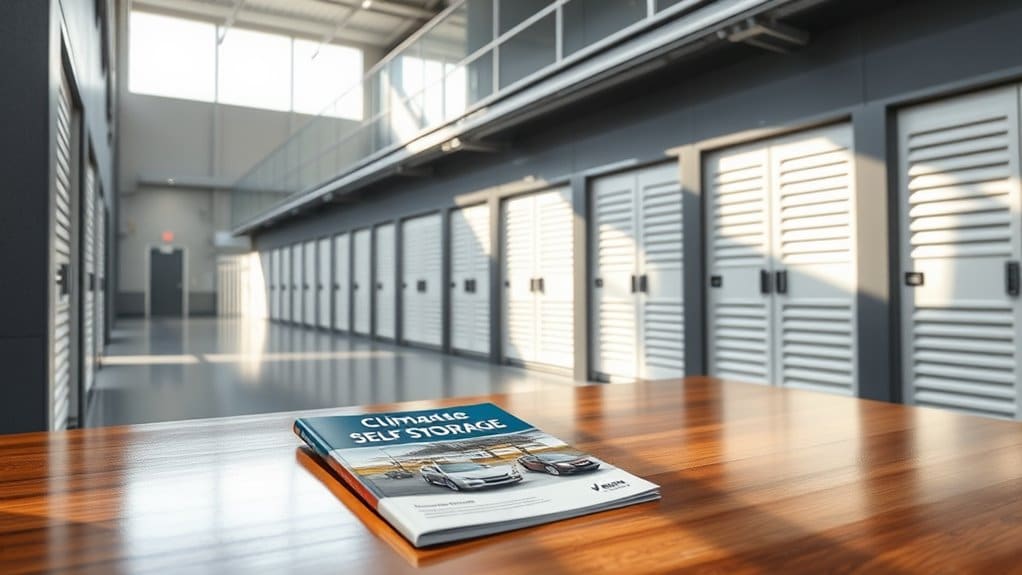
The Importance of Climate Control
While ensuring security is crucial for protecting your belongings, the environment in which they’re stored is equally important. Climate-controlled storage offers significant advantages that help preserve the quality of your items. It regulates both temperature and humidity, providing a stable environment ideal for sensitive materials.
Here’s a quick look at the benefits of climate control:
| Benefit | Description | Ideal For |
|---|---|---|
| Protection from Weather | Shields items from damage caused by heat, humidity, and cold | Electronics, fine art |
| Improved Air Quality | Minimises the risk of mould and dust | Antiques, collectibles |
| Extended Longevity | Keeps items in optimal condition | Furniture, important documents |
| Added Security for Delicate Items | Provides extra protection for valuable belongings | Musical instruments, heirlooms |
| Stable Environment | Ensures consistency for long-term storage | Fabrics, cosmetics |
Opting for climate-controlled storage is a smart investment in the longevity of your possessions. Standard storage temperatures typically range from 13°C to 27°C, making it a wise choice for safeguarding your treasured items.
Are There Long-Term Contracts?
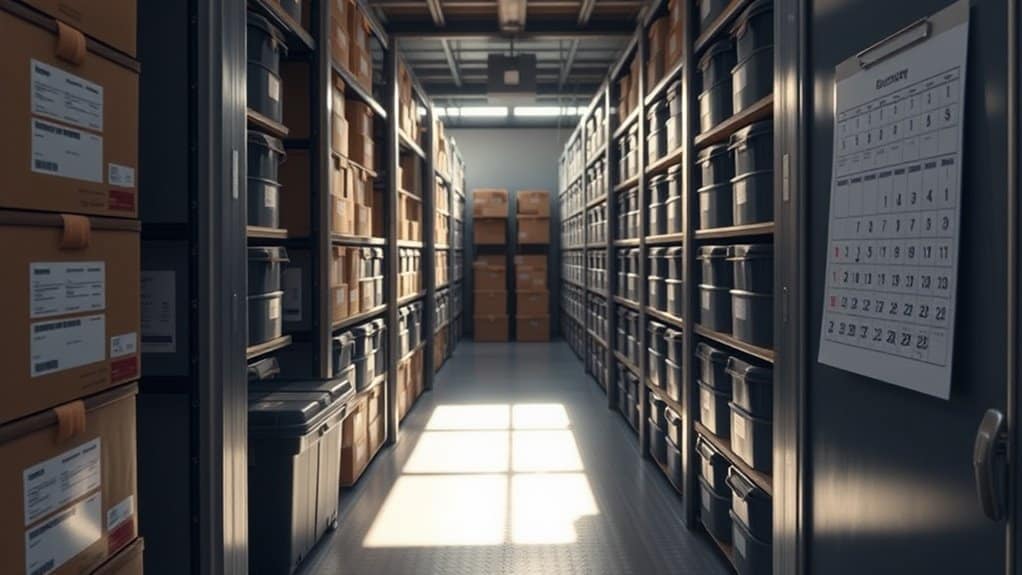
When it comes to self-storage, you’ll find a range of contract lengths to meet your needs.
Most facilities offer month-to-month contracts, which provide the flexibility to store your belongings without a long-term commitment.
If you need something more stable, there are also options for short-term and long-term contracts, allowing you to choose what suits you best.
Contract Length Options
In today’s fast-paced world, knowing your contract length options for self-storage is crucial. These options cater to various needs, offering both short-term and long-term agreements depending on how long you require storage.
Here’s a brief overview:
- Short-Term Contracts: Usually last between three to six months, ideal for temporary situations such as moving house or carrying out renovations.
- Long-Term Contracts: Typically last a year or more, suitable for items you won’t need to access frequently.
- Cost Considerations: Long-term storage often comes with reduced monthly rates, making it a more economical option.
- Contract Flexibility: Short-term agreements give you the chance to store items without a lengthy commitment, allowing you to adapt as your circumstances change.
- Documentation: Ensure all arrangements are clearly stated in your contract to avoid any misunderstandings.
When exploring your self-storage options, think about what suits you best.
Whether you need flexibility or a more permanent solution, understanding these contract length options will help you make an informed decision that aligns with your lifestyle.
Month-to-Month Flexibility
Understanding your storage options involves more than just the length of contracts; month-to-month flexibility is a significant draw for many. It provides cost-effective temporary storage solutions that adjust to your changing needs. You only pay for the months you require, helping you avoid unnecessary expenses linked to long-term commitments.
This flexibility is ideal if you’re unsure how long you’ll need storage. Whether you’re renovating your home, moving between residences, or managing fluctuating business stock, month-to-month agreements allow you to easily change the size of your storage unit. You can start with a smaller unit and upgrade as your requirements increase, without being locked in.
Additionally, these contracts allow you to terminate your agreement whenever necessary, making them perfect for life’s unpredictability. Whether you’re a student needing short-term storage or a homeowner downsizing, this option fits your situation.
Ultimately, month-to-month flexibility gives you the freedom to make choices that suit your lifestyle without the pressure of long-term contracts. Opt for this approach for a straightforward, adaptable storage experience that meets both your immediate and future needs.
What Should I Know Before Renting?

Renting a self-storage unit can be a practical solution when you need extra space, but there are important factors to consider before making a choice. Here are some key tips to help you through the process:
- Select the Right Size: Determine your needs— a 10×10 foot unit is a popular medium size, ideal for storing the contents of up to three rooms.
- Think About Climate Control: If you have sensitive items, choose a climate-controlled unit to safeguard them, even if it comes at a higher price.
- Check Accessibility: Make sure you can access your unit when required—24-hour access can be invaluable.
- Evaluate Security Measures: Look for features like sturdy locks, CCTV, and secure entry points to ensure your belongings remain safe.
- Understand Rental Terms: Carefully read the rental agreement, particularly regarding insurance requirements and any potential extra charges.
Frequently Asked Questions
Are There Restrictions on What I Can’t Store in Self-Storage?
Yes, there are restrictions on what you can’t store. Prohibited items include perishables, hazardous materials, and high-value items. These safety regulations ensure that your belongings, as well as those of others, remain secure, so always check the guidelines before storing.
Can I Share a Storage Unit With Someone Else?
Yes, you can share a storage unit with someone else. Just make sure to set clear agreements about the unit, outline each person’s responsibilities, and maintain open communication to prevent misunderstandings. For example, if one person is responsible for keeping the unit tidy, ensure they stick to that. This way, you can keep your shared storage experience organised and hassle-free.
What Payment Methods Are Accepted for Self-Storage Rentals?
You have several payment options for your rental agreements, including major credit cards, cash, and online payments. Setting up auto-pay can make things easier, so you never miss a payment deadline.
Are There Discounts for Long-Term Rentals?
Yes, discounts are available for long-term rentals! By opting for longer rental agreements, you can benefit from lower monthly rates and more predictable costs. For example, if you rent a storage unit for six months instead of one, you might save up to 15% on your overall fees. These offers make your storage experience more affordable and straightforward.
Can I Reserve a Unit Online?
You can easily reserve your ideal storage unit online with just a few clicks. Check the availability of units and select the one that best suits your needs at your convenience. It’s a simple and efficient way to secure your space without any hassle.
Conclusion
In the realm of self-storage, you’re not just renting space; you’re gaining peace of mind. Whether you need a small unit for seasonal items or a larger space for your possessions, there’s an option for you. With robust security measures and flexible contracts, you can store your belongings safely and without hassle. So, go ahead—embrace a clutter-free life; it’s a welcome change!