
To choose the ideal self-storage unit, begin by assessing your storage requirements. Measure your largest items and estimate their total volume to find the right size—options typically range from small 5×5 units to larger 10×30 ones. Consider security features like CCTV and access controls to ensure your belongings are protected. Create a clear inventory of what you’ll be storing to simplify retrieval. Finally, review pricing structures for transparency and think ahead to accommodate any future storage needs. Taking these steps will help you make an informed decision.
Key Takeaways
- Assess the size and volume of your items to choose the right storage unit size for your needs.
- Check security features such as CCTV, access control, and alarms to ensure your belongings are safe.
- Consider climate-controlled units for delicate or valuable items that need temperature regulation.
- Look for clear pricing and be cautious of hidden fees to understand the full cost of storage.
- Organise your items efficiently in the unit by using vertical space and clear labels for easy access.
Assessing Your Storage Needs
When selecting a self-storage unit, the first step is to assess your storage needs. Start by estimating the volume of items you wish to store. Use online calculators from storage facilities to determine the appropriate size. Measure your largest items to ensure they fit comfortably, leaving space for walkways for easy access. Consider utilising vertical space with taller units and shelving to keep things organised. Additionally, it’s wise to differentiate between personal items and business inventory to tailor your storage solutions effectively.
Next, think about climate control. If your belongings are sensitive to temperature fluctuations, a climate-controlled unit may be necessary, as climate-controlled units help protect against mould and mildew. Also, consider future needs—choose a unit that can accommodate potential changes in your storage requirements.
Accessibility is also key; plan the layout for smooth navigation and ensure the location is convenient.
Finally, evaluate your budget. Balance your storage needs with what you can afford, and steer clear of paying for unnecessary space. Look into unit features like security measures to protect your items.
Identifying Items for Storage

After assessing your storage requirements, the next step is to identify the items you wish to store.
Begin by sorting your belongings by size, fragility, and how often you use them. Pay special attention to fragile items that need careful handling, and consider using climate-controlled storage for valuable or sensitive possessions.
When it comes to sentimental items, store them in a way that keeps them safe yet accessible. For bulkier items like furniture, manage them separately to optimise space in your unit. Additionally, ensure to establish a systematic approach for categorizing and labeling items to enhance organization.
Seasonal decorations should be neatly organised and stored in specific areas for easy retrieval when needed. Implement practical organising methods, such as a labelling system for each box, to streamline inventory management.
Make sure essential items, such as important documents, are easily reachable, while less frequently used items can go in harder-to-reach spots. Arrange items that you use often towards the front of the unit for better accessibility.
Lastly, ensure your valuable items are secure, possibly by taking additional security precautions, to give you peace of mind.
Estimating Required Boxes
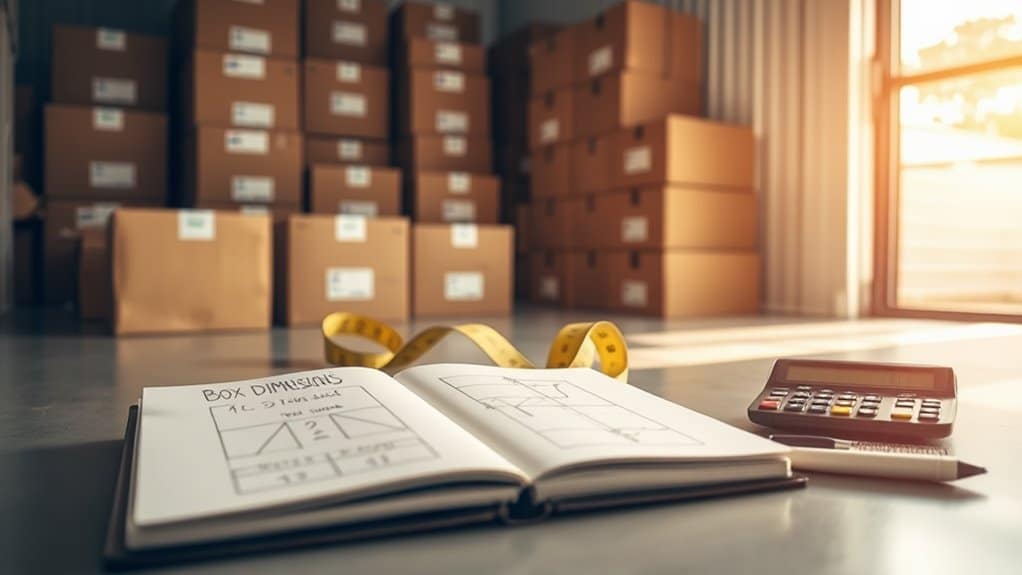
Estimating the number and sizes of boxes needed for your self-storage unit is crucial for a tidy and efficient setup.
Begin by sorting your items; this will help you decide on the right box sizes and quantities. Use boxes ranging from 42 to 172 litres, depending on what you’re storing. Measure larger items to understand their space requirements and pack accordingly. It’s also important to consider seasonal belongings that may require additional space. Remember that variety of sizes is available for self-storage units, which can accommodate your diverse needs.
Online storage calculators can provide rough estimates based on your input, but adjust these estimates according to your actual measurements.
Keep in mind the dimensions and stackability of your items; think about how boxes will fit and stack in your unit.
Consider organisation methods like using shelving to make the most of vertical space. Ensure there are pathways for easy access to items at the back.
By following these packing tips and measurement strategies, you’ll improve your space efficiency and create a hassle-free environment.
If you anticipate needing more storage in the future, it may be wise to opt for a slightly larger unit now, allowing easy access to all your belongings.
Understanding Unit Size Options
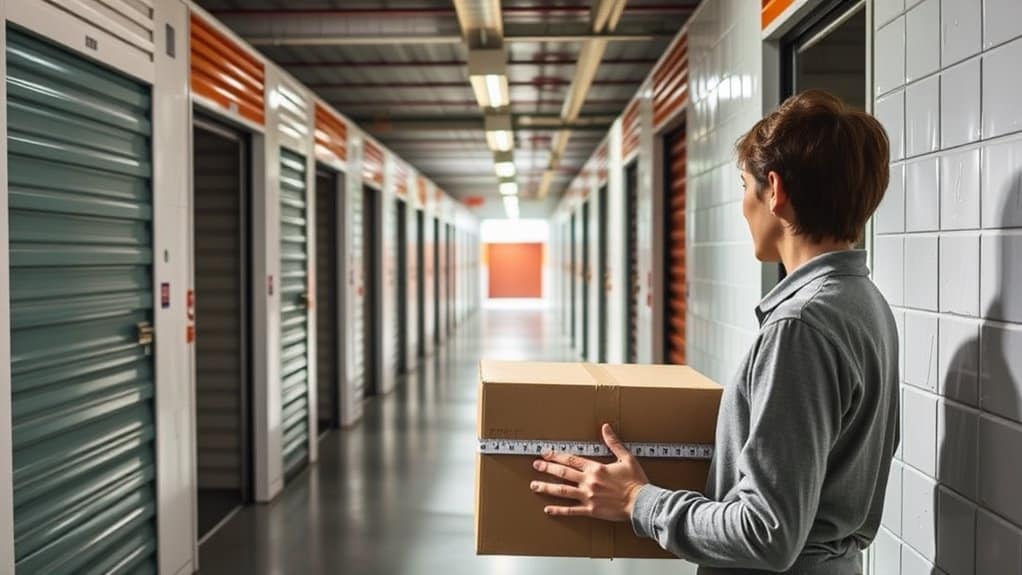
Choosing the right size self-storage unit is crucial to ensuring your belongings are secure and easily accessible. Understanding the various unit sizes helps you manage your space effectively. Whether you need a small unit for seasonal items or a larger one for long-term storage, knowing your options is key to maximising efficiency. Additionally, self-storage facilities often provide advanced security features that help protect your belongings.
Here’s a quick reference table:
| Unit Size | Ideal For |
|---|---|
| 5×5 | Small furniture, boxes, a few personal items |
| 10×10 | Contents of a two-bedroom flat |
| 10×20 | Multi-bedroom house contents, large items |
| 10×25 | Bigger households or offices |
| Storage Locker | Small personal items or unique needs |
Effective packing techniques can improve accessibility, and climate control is important for sensitive items. Additionally, understanding unit sizes can significantly impact how well you utilize your storage space. Keeping an inventory helps you track your belongings, making it easier to find what you need when you need it. Take the time to assess your requirements and choose wisely to fully benefit from your self-storage unit.
5×5 Unit Specifications
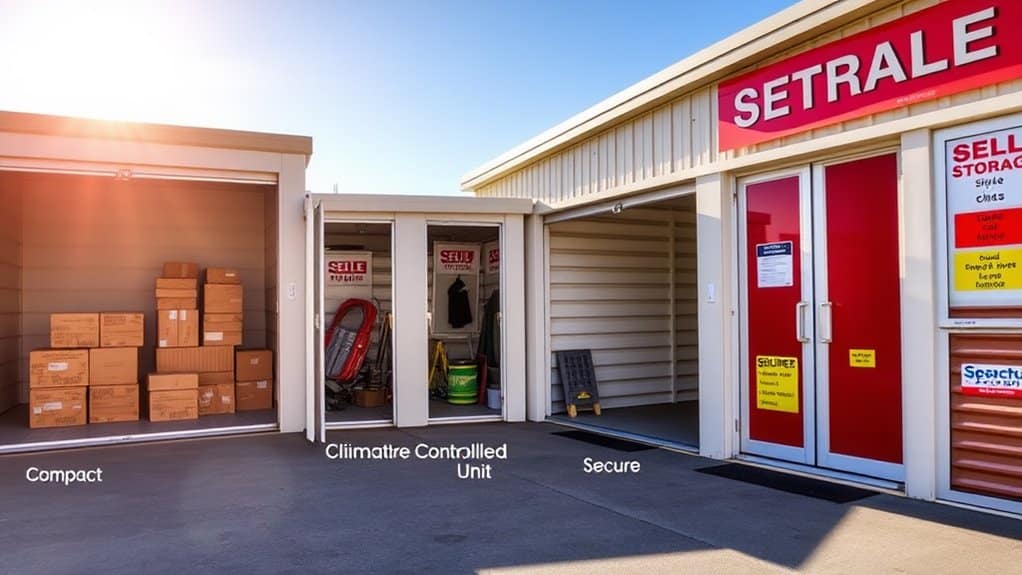
When considering a 5×5 self-storage unit, you’ll find it a practical option for various storage needs. With dimensions of 5 feet wide, 5 feet deep, and 8 feet high, this unit offers 200 cubic feet of space—similar to a small walk-in wardrobe. The 5×5 unit is ideal for storing small furniture, several standard-sized boxes, clothing, and seasonal items, making it suitable for individuals with minimal storage needs or small businesses with limited stock. However, it’s important to recognise the limitations of a 5×5 unit. While it’s great for short-term storage and easy access, it may not be enough for larger moves or extensive inventories, as it holds significantly less than a 5×10 unit. Additionally, the standard height of 8 feet allows for some vertical storage, but it still may not accommodate larger items effectively. If you only need to store a few pieces of furniture or seasonal decorations, this unit works well, but larger items or bulk storage will require more space.
5×10 Unit Specifications
When considering a 5×10 storage unit, it’s important to know what you can fit inside and how to optimise the space. This size is suitable for storing the contents of a small one-bedroom flat, including a bed, sofa, and several boxes. Additionally, a 10 X 10 storage unit can hold the contents of an entire one-bedroom apartment, providing even more flexibility for your storage needs.
Ideal Contents Overview
Choosing the right self-storage unit depends on what you need to store. To make the most of your space, consider the appropriate contents for different unit sizes.
A 10×10 unit is ideal for a one-bedroom flat, accommodating mattresses, small furniture, and appliances. For larger needs, a 10×15 unit can fit the contents of a two-bedroom flat, including larger furniture and gym gear.
If you’re storing items from a two to three-bedroom house, a 10×20 unit is suitable, holding bulky furniture and major appliances. Additionally, ensure that you assess the facility’s security measures to protect your stored items effectively.
For even bigger requirements, a 10×30 unit can manage the contents of a four to five-bedroom house or large vehicles, including multiple furniture sets and extensive office equipment.
When organising your storage, think about your packing methods. Use sturdy boxes and label them clearly to make it easier to find your belongings later.
Select a unit that matches the quantity and type of items you have, ensuring you keep your space tidy and your belongings secure and accessible.
Space Utilization Tips
A well-thought-out approach to space utilisation in your self-storage unit can significantly improve accessibility and organisation. By applying effective strategies, you can make the most of every inch of your space, ensuring your belongings are easy to reach whenever you need them.
Here are some key space utilisation tips:
- Vertical Stacking: Utilise your height by using shelving and stackable bins. This frees up floor space for other items.
- Efficient Labeling: Clearly label all boxes and bins. This helps you quickly identify contents without having to search through everything.
- Organised Zones: Set up designated areas for different types of items, such as seasonal items, furniture, or fragile belongings. This keeps everything tidy and accessible. Additionally, consider using consistent box sizes to further enhance your organisation.
- Navigation Pathways: Maintain clear pathways between stacks. This allows easy navigation without needing to move multiple boxes.
Also, disassemble large furniture to save space and consider vacuum-sealing items like clothing to minimise bulk.
Keeping a master inventory will help you know exactly what’s where, allowing you to enjoy your space without the stress of disorganisation.
10×10 Unit Specifications
If you’re considering a 10×10 self-storage unit, it provides a practical solution for various storage needs.
With 100 square feet and a typical ceiling height of 8 feet, this space is akin to a large living room or a single garage. It’s ideal for storing the contents of a two-bedroom flat, including multiple pieces of furniture, appliances, and even small vehicles like motorbikes. 10×10 units are popular for their convenient and flexible size.
When assessing your options, consider features such as climate control to safeguard your belongings from extreme temperatures.
Access options like drive-up access make loading and unloading straightforward, while 24/7 access offers added convenience. Prices can vary significantly, with monthly rates ranging from £35 to £200 depending on location and facility features.
Implementing space management techniques can further optimise your 10×10 unit, helping you store seasonal items, camping gear, or festive decorations efficiently.
Choosing the right unit will help you maintain a clutter-free home while ensuring your belongings are secure.
10×15 Unit Specifications
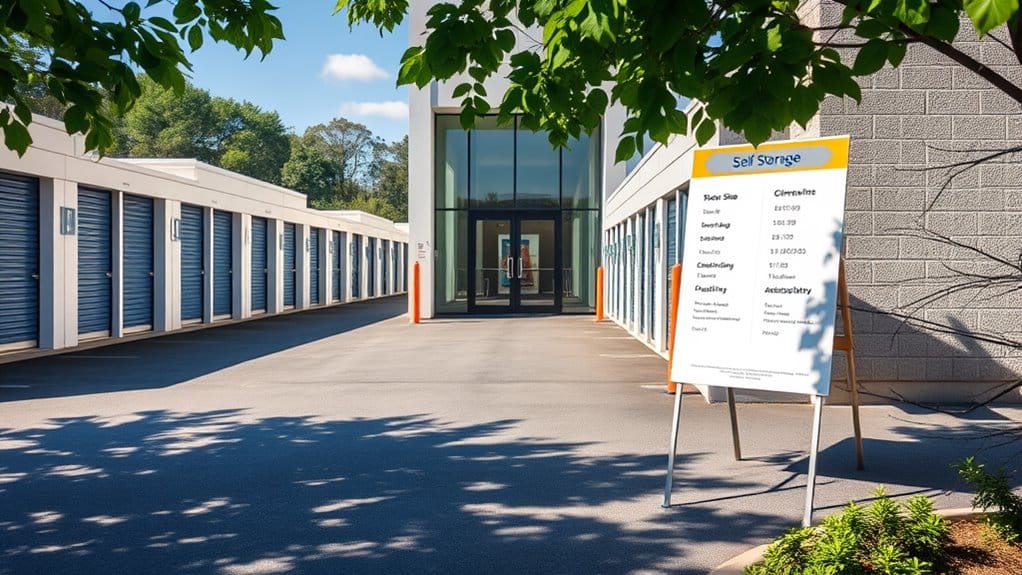
If you need a medium-sized storage solution, a 10×15 unit could be just right for you.
It offers ample space for the contents of two to three bedrooms, making it suitable for storing furniture, appliances, and other larger items. Its total cubic space of approximately 1,200 cubic feet allows for efficient organization of your belongings.
Its versatility is great for various needs, whether you’re moving house or seeking long-term storage during renovations.
Ideal for Medium Spaces
When looking for storage solutions, a medium self-storage unit is an excellent option for those in need of extra space. Measuring 10 feet by 15 feet with a height of 8 feet, this unit provides 1,200 cubic feet of versatile storage—similar to a large bedroom. It’s ideal for maximising space while keeping things organised.
Here are four practical uses for a medium self-storage unit:
- Relocation: Store your belongings temporarily while moving to a new house.
- Household Storage: Keep seasonal items or excess furniture out of your home.
- Business Storage: Small businesses can store inventory or equipment without cluttering their workspace.
- Renovations: Safely stow away furniture and appliances during home or office refurbishments.
This unit’s flexibility makes it suitable for various needs, whether you’re storing gym equipment or small vehicles like motorbikes.
Its accessibility ensures loading and unloading is hassle-free, helping you maintain an organised environment.
Contents of 2-3 Bedrooms
A 10×15 self-storage unit is ideal for storing the contents of two to three bedrooms, offering ample space for furniture, appliances, and personal belongings.
With 150 square feet available, you can comfortably fit a complete bedroom set, dining room furniture, large appliances, and up to 150 boxes. This size is roughly equivalent to half of a single garage, making it a suitable option for a small two-bedroom flat or house.
When organising your storage, consider how frequently you’ll need to access your items. A 10×15 unit provides good accessibility, allowing you to retrieve belongings with ease.
If you have sensitive items, you might want to choose a climate-controlled unit to protect against temperature changes.
Should you require more space in the future, upgrading to a larger unit like a 10×20 is straightforward. Conversely, if your needs decrease, downsizing to a smaller unit is also an option.
With the right storage solution, you can keep your belongings safe and ready for whenever you need them.
10×20 Unit Specifications
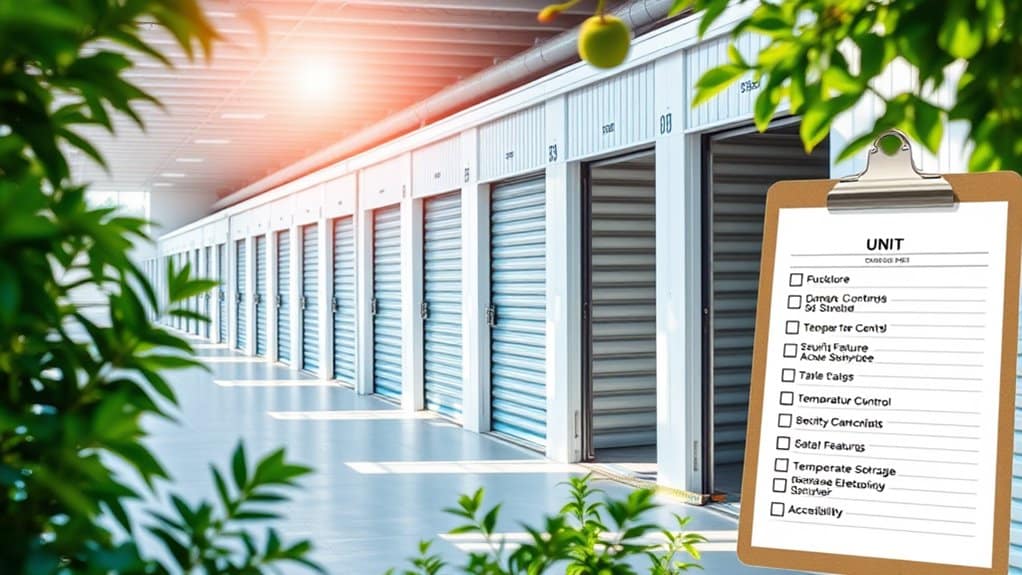
A 10×20 self-storage unit offers 200 square feet of space, with a cubic capacity of 1,600 cubic feet and an 8-foot ceiling. This unit is ideal for storing the contents of a multi-bedroom house or similar-sized items. Knowing the unit’s dimensions and storage capacity is essential for making the right choice.
Here are four types of items you can fit in a 10×20 unit:
- Large Appliances: Refrigerators, washing machines, and tumble dryers.
- Furniture: Sofas, dining tables, and beds.
- Vehicles and Equipment: Motorbikes, canoes, and lawnmowers.
- Miscellaneous: Pool tables, BBQs, and gym equipment.
When selecting a 10×20 self-storage unit, think about your storage requirements and how often you’ll need to access your items.
Online storage size calculators can help ensure you choose the right unit. Also, keep in mind that unit features may vary, so check with the property manager for specifics.
This way, you can enjoy extra space without cluttering your home.
Choosing the Right Location

Choosing the right location for your self-storage unit is crucial for accessibility and attracting customers. Start by analysing the area thoroughly, looking at demographics and population density. Generally, areas with higher income levels see more demand for storage solutions.
Accessibility is key; ensure your unit is easily reachable from main roads and public transport. Visibility matters too. A facility located in a busy area with clear signage can significantly boost brand recognition and draw in potential customers.
It’s wise to assess the competition to avoid oversaturated markets, finding a balance that promotes healthy competition. Don’t forget zoning regulations; ensure your chosen site complies with local laws to avoid future headaches.
Keep an eye on growth prospects by researching upcoming developments and infrastructure reliability—these can indicate long-term success. Lastly, prioritise safety. Opt for locations in low-crime areas that meet community standards.
Being near residential zones can enhance the perception of security, making your facility more attractive. By carefully selecting your storage unit’s location, you’re laying the groundwork for a successful business that meets the needs of your target audience.
Evaluating Security Features
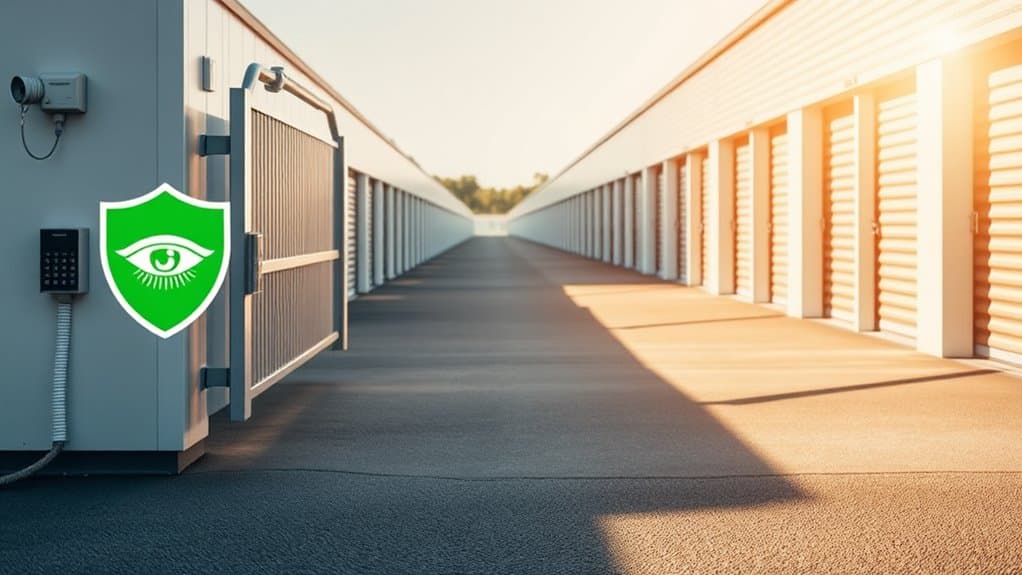
When selecting a self-storage unit, it’s crucial to assess the security features that protect your belongings.
Look for comprehensive CCTV coverage and strong access control measures, as these are vital for keeping your items safe.
Additionally, consider climate control options to ensure your stored possessions remain in optimal condition.
Surveillance Camera Coverage
In today’s world, effective surveillance camera coverage is crucial for securing your self-storage unit.
Choosing the right camera types and understanding their features can significantly enhance your peace of mind. Here are four key points to ensure your unit is well-protected:
1. Camera Types: Use a combination of dome, mini, and infrared cameras for comprehensive indoor and outdoor coverage.
Consider fisheye cameras for monitoring larger areas.
2. Placement Strategies: Install cameras at entrances, exits, and other vulnerable spots.
This approach strengthens perimeter security and effectively monitors busy corridors.
3. Remote Access: Select IP surveillance cameras that enable you to check live feeds from anywhere.
This flexibility reassures you that your belongings are safe.
4. Smart Analytics: Opt for systems with Smart Analytics that provide real-time alerts.
This feature enhances security by notifying you immediately about any suspicious activity.
Access Control Measures
Evaluating access control measures is crucial for the security of your self-storage unit. Look for advanced technologies that restrict entry to authorised individuals only, such as keypad entry systems and card readers. These systems provide an easy way to manage access and give you peace of mind knowing only you can enter your unit.
Consider facilities that combine these access control systems with surveillance cameras. This integration captures footage of any failed access attempts, allowing for swift responses to potential breaches.
Additionally, automated gate access and motion-sensing lights enhance perimeter security, deterring unwanted visitors.
Don’t forget about individual unit security features like high-security locks and alarms, which alert staff to unauthorised access attempts. Regular maintenance of locks and fences is also essential for a secure environment.
Climate Control Options
While robust access control measures keep your belongings safe from unauthorised entry, climate control options are crucial for maintaining their condition.
Climate-controlled storage units regulate temperature and humidity, shielding sensitive items from extreme weather, which is vital for preserving your valuables.
Here are some key benefits of climate control to consider:
- Temperature Regulation: Maintains a safe temperature range of 10°C to 27°C, preventing damage from heat or cold.
- Protection from Pests and Dust: Offers a barrier against pests and dust, ensuring your items remain clean and well-preserved.
- Air Filtration Systems: Many facilities utilise advanced climate control technology for a cleaner, healthier environment.
- Convenient Access: With 24/7 access and coded entry, you can easily retrieve your belongings while keeping them secure.
Before selecting a unit, assess the specific needs of your items alongside the facility’s offerings.
If you store electronics, delicate fabrics, or valuable collections, investing in climate control can save you money and stress in the long run.
Protect your possessions by choosing a climate-controlled unit that maintains their condition.
Available Amenities to Consider
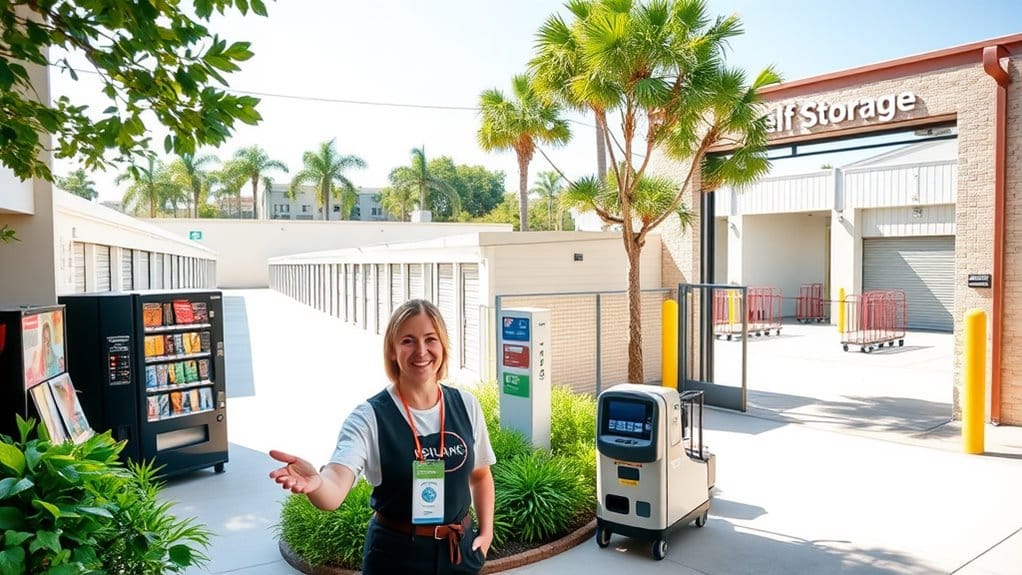
When choosing a self-storage unit, the right amenities can significantly impact your experience. Start with essential security features like 24/7 video surveillance, coded gate access, and motion detectors to ensure your belongings are protected.
Fire safety is crucial too; look for units equipped with fire suppression systems for added peace of mind.
If you’re storing delicate items, consider climate-controlled units to guard against extreme temperatures. For convenience, opt for facilities offering 24-hour access and drive-up storage, allowing you to easily drop off or pick up your items whenever needed.
Business owners should look for units with additional amenities like conference rooms, tech equipment, and online payment options.
Custom features such as moveable shelving can help you optimise your space, while lounge areas provide a comfortable setting for breaks or meetings.
If you need to store vehicles, find facilities that offer dedicated vehicle storage for cars, boats, and RVs.
With these varied amenities, you can customise your self-storage experience to suit your needs perfectly.
Budgeting for Storage Costs
Budgeting for storage costs is crucial to ensure you’re making a wise financial choice. To avoid unexpected expenses, keep these cost-saving tips in mind:
- Research Pricing Trends: Monitor local pricing trends to identify the best times for rental agreements. Off-peak seasons often offer better deals.
- Read Facility Reviews: Look at reviews to determine if a facility provides fair pricing for its services and amenities, such as climate control or 24-hour access.
- Evaluate Storage Insurance: Consider the cost of storage insurance. It’s a necessary expense to safeguard your belongings, especially during busy periods.
- Plan for Unit Upgrades: If you think you’ll need more space in the future, plan ahead for unit upgrades instead of waiting until you’re in a pinch and need to move to a larger unit.
Comparing Facility Prices

When comparing facility prices, it’s important to go beyond the initial price tag and consider any hidden fees that might affect your overall budget.
For instance, some facilities may charge extra for insurance or late payment fees.
It’s wise to employ various price comparison strategies to ensure you’re securing the best deal for your requirements.
This approach can help you make a well-informed choice and potentially save a significant amount on your storage expenses.
Price Comparison Strategies
Navigating the self-storage market can seem daunting, especially with the variety of pricing options available.
Here are some straightforward price comparison strategies to help you make informed decisions:
1. Carry out a competitive analysis**: Research local facilities to understand their pricing structures**.
Look for trends based on unit size and features, and see how occupancy rates influence their prices.
2. Use market research: Examine local demographics and customer segments to assess your needs.
This understanding will help you gauge demand and set realistic expectations.
3. Consider promotional strategies****: Keep an eye on promotional rates and discounts from competitors.
These offers can significantly enhance your overall value.
4. Prioritise pricing transparency****: Choose facilities that clearly outline their pricing, including any extra services.
Transparency builds trust and ensures you know exactly what you’re paying for.
Understanding Hidden Fees
When exploring the self-storage market, it’s crucial to be aware of hidden fees that can significantly increase your overall costs. Understanding these fees is essential for anyone who wants to keep their budget in check.
Common charges include administrative fees (£15-£25), lock fees (£15-£25), and mandatory insurance fees that can catch you off guard. Additionally, late fees can be steep—up to £50 if you’re more than 30 days late.
Often, these costs aren’t disclosed upfront, leading to unexpected expenses. Month-to-month contracts may seem convenient, but they can also result in frequent rent hikes with little notice, particularly in popular areas.
To avoid these surprises, be proactive: thoroughly review rental agreements and inquire about all potential charges before you commit.
It’s wise to compare prices from various facilities, looking for those that include essential services in their monthly fees. With a bit of careful planning, you can avoid hidden fees and find a self-storage unit that suits your needs without straining your finances.
Planning for Future Needs

Carefully planning for future needs is crucial when selecting a self-storage unit to ensure you don’t outgrow your space too quickly.
Considering flexibility will help you find a solution that adapts to your changing lifestyle. Here are some straightforward steps to assist your decision:
- Assess Current and Future Storage Needs: Take measurements of your items, consider the layout and height, and estimate the overall volume. This will guide you in selecting a unit size that meets future requirements.
- Identify Essential Features: If you’re storing delicate items, look for climate-controlled options. Additionally, consider security measures, 24-hour access, and on-site management for added peace of mind.
- Evaluate Local Facilities: Research nearby facilities, read reviews, and visit potential sites to check for cleanliness and accessibility.
- Consider Long-term Options: Opt for facilities that offer long-term contracts and sustainable practices, ensuring you have the capability to expand as needed without sacrificing efficiency or security.
Frequently Asked Questions
What Items Should I Avoid Storing in a Storage Unit?
When storing items, steer clear of hazardous materials and perishable goods. These can attract pests, pose safety risks, and potentially damage your belongings. For instance, chemicals like paint or cleaning supplies should be kept out, as should food items that can spoil. Ensuring your storage unit is secure and safe gives you peace of mind about your possessions.
Can I Access My Storage Unit After Hours?
Yes, you can access your storage unit after hours at many facilities. They typically have strong security measures, such as CCTV, to keep your belongings safe while allowing you the flexibility to access your unit whenever you need. For instance, if you’ve had a long day and remember you need to retrieve something, you can easily pop over to your unit, even if it’s late.
What Happens if I Forget to Pay My Storage Bill?
If you forget to pay your storage bill, you could incur late fees and risk losing access to your unit. For instance, if you store important items like furniture or seasonal clothing, missing a payment could mean they are temporarily inaccessible. To prevent this, consider setting up payment reminders to help you stay on top of deadlines and ensure your belongings remain secure and within reach.
Are There Restrictions on What I Can Store?
When storing your belongings, it’s crucial to be aware of regulations that prohibit hazardous materials, such as flammable liquids and toxic chemicals. Before you start packing, make sure you know what’s allowed. For instance, you can’t store petrol or cleaning products that contain harmful substances. Understanding these rules will help you avoid any issues and ensure your peace of mind.
How Do I Properly Prepare Items for Long-Term Storage?
To prepare items for long-term storage, use good-quality packing materials and ensure climate control. Choose airtight containers, keep an eye on temperature and humidity levels, and regularly check your supplies to ensure they remain in good condition over time. For example, storing clothes in vacuum-sealed bags can help prevent moisture damage, while using sturdy boxes for books can protect them from pests.
Conclusion
Choosing the right self-storage unit can be like solving a puzzle. Picture finding a unit that perfectly accommodates your belongings, creating more space at home and reducing stress. By assessing your needs, understanding different unit sizes, and comparing prices, you can find the ideal solution for you. Don’t let your valuables become clutter—take the time to choose a storage unit that meets your current requirements and anticipates future ones.
For example, if you’re storing seasonal items like holiday decorations or garden furniture, a unit with enough height might be essential. If you’re downsizing, consider a unit that can hold furniture and boxes securely. Always remember to factor in potential future needs, such as additional items you might accumulate. With a bit of planning, you can select a storage solution that works for you now and in the future.