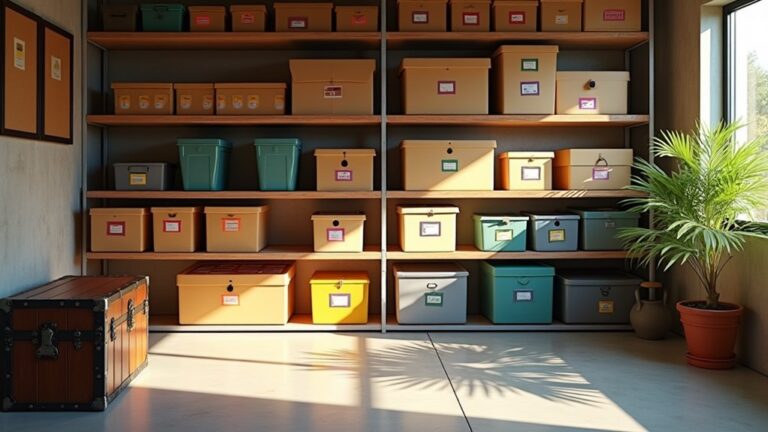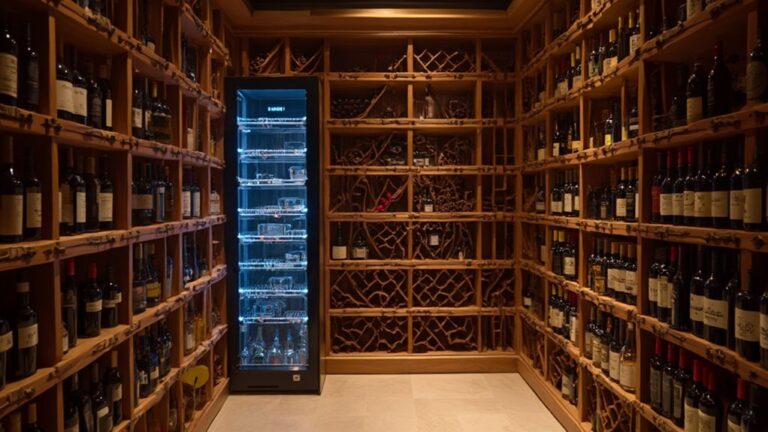
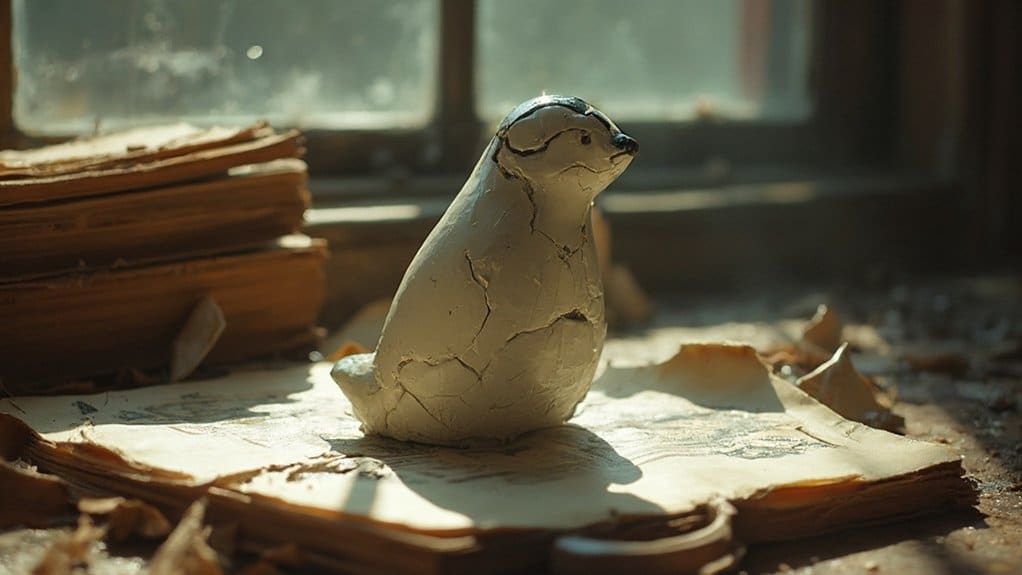
Temperature fluctuations can significantly damage your belongings if you lack climate control. High heat can harm electronics, leading to overheating and reduced lifespans. Conversely, cold temperatures can make wood brittle, resulting in cracks in furniture and musical instruments. Moreover, changes in temperature can warp documents and artwork, compromising their quality. Inconsistent conditions also encourage mould growth and make plastics more prone to breakage. Being aware of these risks can help you protect your valuables. For further tips on safeguarding your items, keep reading.
Key Takeaways
- Temperature fluctuations can warp plastics and crack wooden items, weakening their structure.
- Excessive heat speeds up material degradation, causing inks to fade and lose their vibrancy.
- Cold conditions make metals contract, rendering parts brittle and more likely to break.
- High humidity encourages mould growth, damaging textiles, documents, and wooden furniture.
- Rapid changes in temperature put stress on materials, increasing the risk of deformities and failures.
Impact of Temperature on Electronics and Appliances
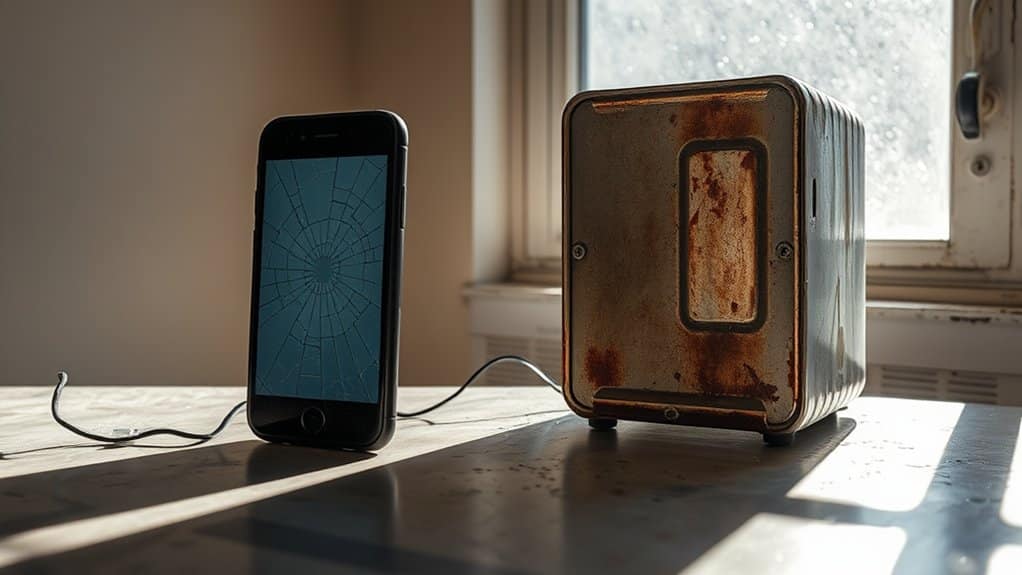
The impact of temperature on electronics and appliances is significant, as both heat and cold can affect their performance and lifespan. High temperatures can accelerate wear on components, leading to problems like thermal runaway and higher energy consumption. This not only increases running costs but also diminishes the reliability of your devices. Additionally, maintaining a cool environment is crucial for preventing overheating and extending equipment longevity.
On the other hand, cold temperatures can cause metals to contract and make parts more brittle, raising the risk of mechanical failures. While cooler environments often improve reliability, thermal cycling can still put stress on materials, potentially causing breakdowns. Understanding these factors is crucial for maintaining your devices, ensuring they function efficiently and last longer in various conditions.
The Effects of Humidity on Furniture
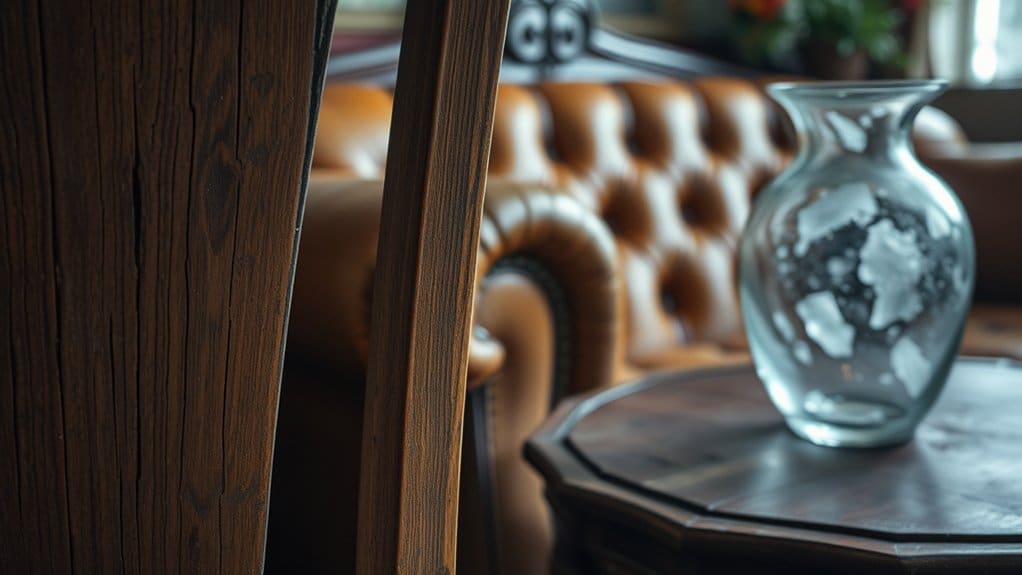
Humidity significantly affects the health of your furniture, impacting both its appearance and structural integrity. High humidity can cause wood to swell, leading to warping, while leather and fabrics may develop mould.
On the other hand, low humidity can result in cracking and shrinkage, creating gaps in wooden joints.
To maintain your furniture effectively, it's crucial to keep humidity levels between 40% and 60%. Balanced humidity not only preserves the look of your pieces but also extends their lifespan. Additionally, utilizing climate-controlled units can significantly mitigate the risks associated with fluctuating humidity levels.
Neglecting humidity control can lead to irreversible damage, increased repair costs, and reduced durability.
Consider investing in climate-controlled environments to protect your furniture from the harmful effects of fluctuating humidity. This way, you can ensure it remains a valued part of your home for years to come.
Risks to Art and Document Preservation
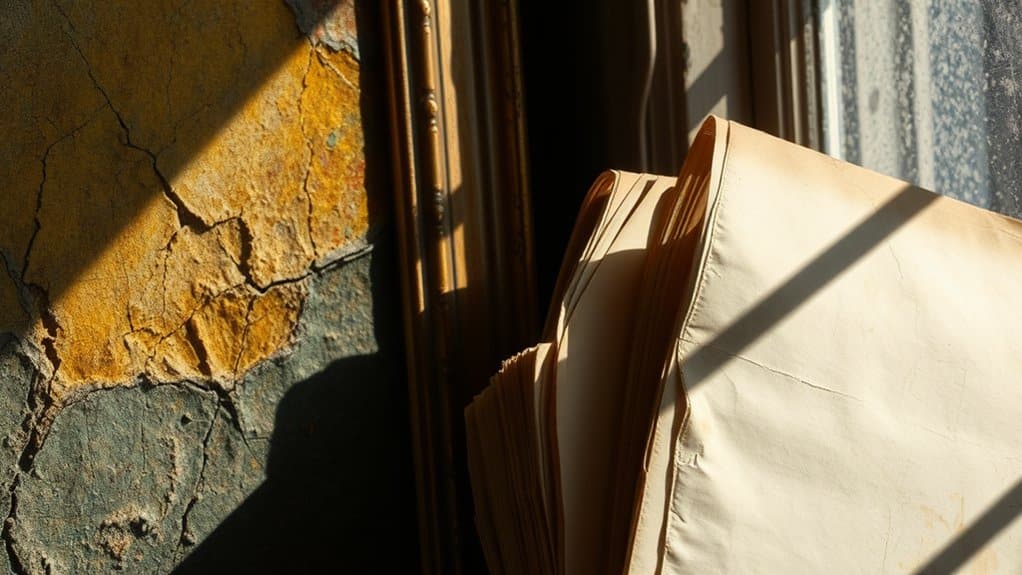
Temperature fluctuations pose significant risks to the preservation of art and documents, chiefly through the degradation of inks and materials. When temperatures rise, inks can lose their integrity, resulting in fading and illegibility. Moreover, unstable conditions can lead to humidity-related mould issues, which threaten both paper and textile artworks. Maintaining optimal conditions is crucial for preventing such deterioration and ensuring the longevity of valuable items.
Ink and Material Degradation
As environmental conditions change, the integrity of inks and materials in artworks and documents can suffer significantly. Heat can cause ink to fade, while fluctuations in temperature can warp materials, jeopardising your treasured items. Here's a breakdown of how temperature affects preservation:
| Impact | Description |
|---|---|
| Ink Fading | Excessive heat leads to a loss of colour vibrancy. |
| Material Warping | Temperature changes can cause structural deformities. |
| Chemical Reactions | Higher temperatures speed up degradation processes. |
| Adhesive Melting | Intense heat can weaken the bonds in artworks. |
| Media Disintegration | Extended heat exposure can damage intricate details. |
Being aware of these risks is vital for effective preservation, helping to ensure your artworks and documents retain their value and integrity over time. Additionally, storing sensitive items in climate-controlled units can greatly mitigate these temperature-related risks.
Humidity and Mold Issues
When humidity levels rise, the risk of mould growth also increases, which can seriously threaten the preservation of art and documents. Mould flourishes in environments with over 70% relative humidity, causing stains and structural damage.
Different materials—such as wood, paper, and textiles—need specific humidity control for proper preservation. Keeping relative humidity below 60% is crucial to protect your valued items. High humidity can speed up chemical reactions and weaken paper-based artworks over time. To maintain stable conditions, consider using advanced HVAC systems and monitoring equipment, as well as climate-controlled environments that help regulate temperature and humidity levels. Remember, taking proactive steps to control humidity is essential for preventing mould outbreaks and safeguarding your treasured collections from irreversible damage.
Damage to Musical Instruments From Climate Variations
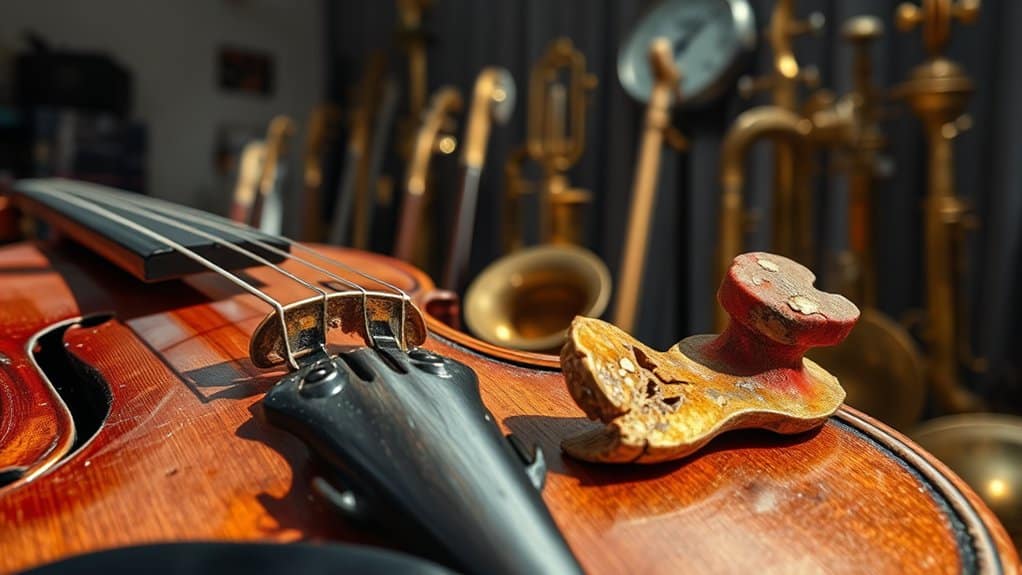
Musical instruments, made from various materials, can suffer considerable damage from changes in climate, leading to expensive repairs and poorer sound quality. For example, woodwinds may warp due to humidity, brass instruments can lose their resonance with temperature shifts, and stringed instruments are at risk of cracking. To safeguard your instruments, it's essential to prioritise maintenance and monitor temperature levels.
| Instrument Type | Temperature Sensitivity | Maintenance Tips |
|---|---|---|
| Woodwinds | Sensitive to moisture changes | Keep in a stable humidity environment |
| Brass | Affected by thermal expansion | Conduct regular tuning checks |
| Strings | Prone to cracking/warping | Use climate-controlled cases |
How Wine and Collectibles Suffer From Temperature Changes
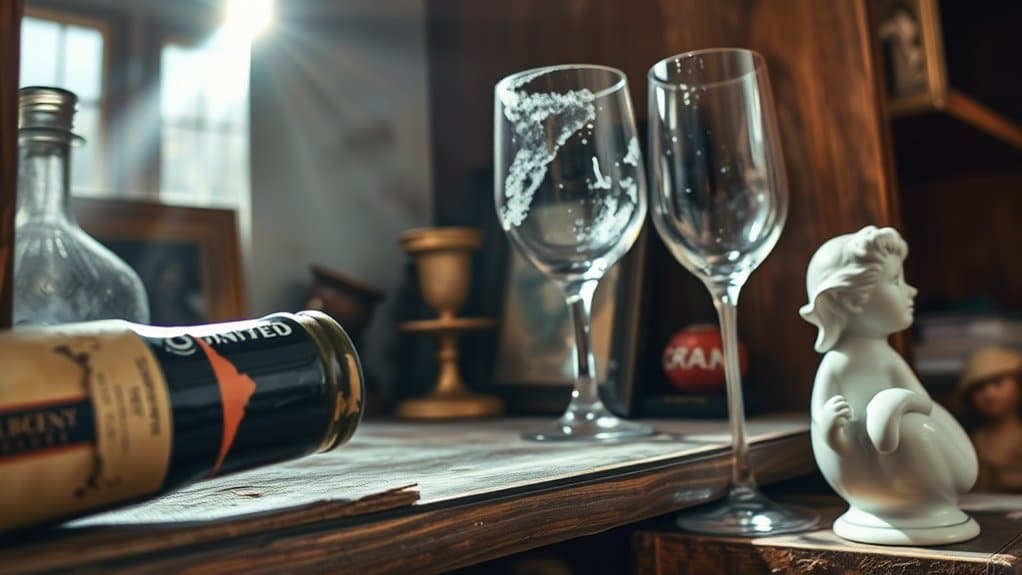
Temperature fluctuations can significantly affect the quality of wine and collectibles, often resulting in irreversible damage and a decline in value.
For wine, storing bottles at temperatures above 21°C (70°F) can lead to flavour degradation, resulting in muted tastes and unpleasant aromas. Both red and white wines are susceptible to heat damage, but red wines are particularly affected due to their intricate profiles.
When it comes to collectibles, temperature changes can cause warping or fading, which diminishes both their aesthetic appeal and monetary worth.
It's essential to maintain stable, cool conditions for both wine and collectibles. Investing in climate control solutions ensures ideal environments, safeguarding your treasured items from the harmful effects of temperature variations.
General Risks of Non-Climate-Controlled Storage
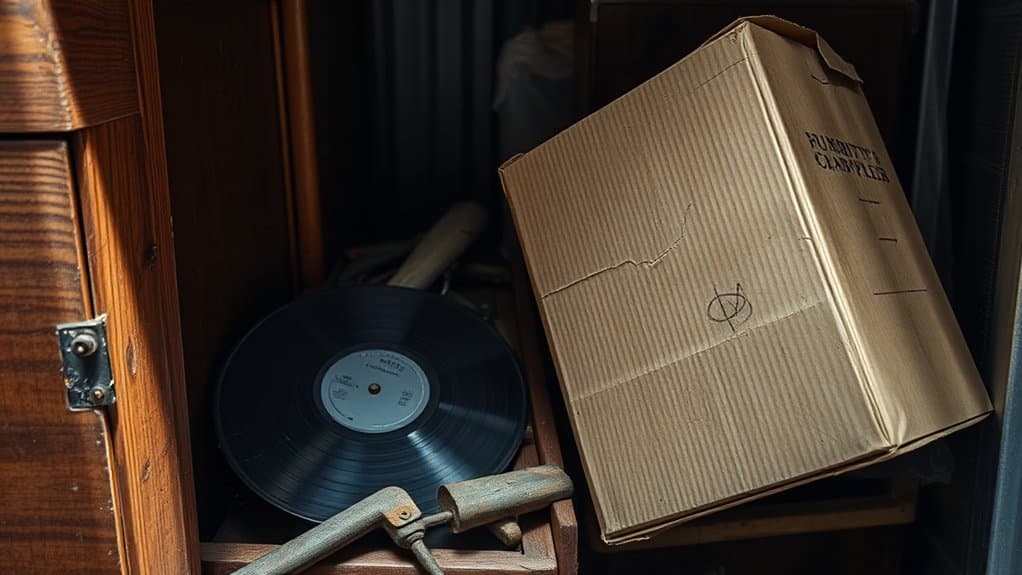
Storing items in non-climate-controlled environments can lead to serious risks that may compromise their condition and longevity.
Temperature fluctuations can warp plastics, crack wood, and weaken metals, particularly in electronics. High heat and humidity encourage mould and mildew growth, while cold conditions can make materials brittle.
Excess moisture can cause rust and damage important documents, textiles, and furniture. These temperature changes also create stress on materials, often resulting in breakages or deterioration. This is especially concerning for sentimental or irreplaceable items.
Therefore, understanding these risks is essential when choosing storage options. Opting for climate-controlled storage is key to ensuring the long-term preservation and safety of your belongings.
Prevention Strategies for Protecting Sensitive Items
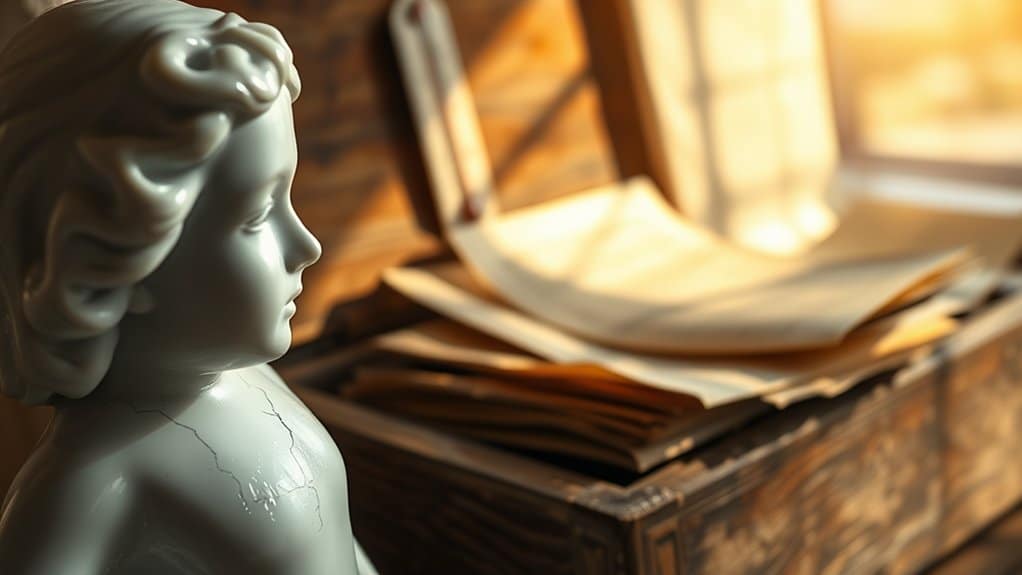
To effectively protect sensitive items from temperature changes, implement suitable storage solutions and establish regular monitoring practices.
Using climate-controlled environments and the right packaging can significantly minimise the risk of damage. For instance, storing delicate antiques in a temperature-regulated room helps preserve their condition.
Additionally, consistently checking temperature and humidity levels ensures your items remain safe over time.
Proper Storage Solutions
When it comes to preserving sensitive items for the long term, choosing the right storage solutions is crucial. Use suitable containers like insulated bags or airtight boxes to keep stable temperatures, protecting your valuables from external changes.
Insulated transport options are vital during transit to ensure your items are shielded from temperature extremes.
Avoid storing delicate items in spaces that receive direct sunlight or experience extreme temperatures, such as attics or garages. Instead, consider climate-controlled storage units that manage both temperature and humidity—this is particularly important for electronics, artwork, and wooden furniture.
Regularly maintain your storage equipment to ensure it functions properly and protects against moisture, mould, and pests.
Regular Monitoring Practices
Proper storage solutions are key to preserving sensitive items, but without regular monitoring, their effectiveness can wane.
It's vital to establish a consistent monitoring schedule. Use hygrometers and thermometers to keep an eye on humidity and temperature, ensuring they remain within safe limits. Data loggers can be useful for continuous recording, allowing for comprehensive analysis over time.
Conduct weekly inspections to catch early signs of damage, and adjust your monitoring frequency with the seasons to counteract extreme weather conditions.
Have a plan in place for quick responses to any fluctuations, and keep daily logs to track environmental changes.
Frequently Asked Questions
What Are the Signs of Damage From Temperature Fluctuations?
Signs of damage from temperature fluctuations include faded colours on fabrics and artwork, as well as warped wood in furniture. These examples clearly show how inconsistent temperatures can negatively affect your belongings.
How Can I Identify Moisture-Related Issues in Stored Items?
To spot moisture-related problems in stored items, look out for signs such as mould growth, discolouration, and unpleasant smells. It's essential to control humidity levels and use moisture detection tools to ensure your belongings are protected. For instance, if you notice a musty smell when opening a box, that's a clear indicator of moisture issues. Regular checks can help you maintain the right conditions for your items.
Are There Specific Temperature Ranges for Different Items?
Certain items require specific temperature ranges for optimal preservation. For instance, photographs should be stored at temperatures between 18°C-24°C, while wooden furniture benefits from similar conditions to prevent warping. It's also essential to maintain appropriate humidity levels for these items.
How Often Should I Inspect Items in Non-Climate-Controlled Storage?
You should inspect items in non-climate-controlled storage at least once a month. Regular checks help you spot potential problems early, preserving the condition of your belongings and preventing long-term damage from environmental factors. For example, frequent inspections can identify mould growth in damp conditions or pest infestations before they become serious issues.
What Protective Covers Are Best for Sensitive Items?
When choosing protective covers for sensitive items, opt for insulated covers that maintain temperature stability. These covers help preserve your valuables by reducing humidity changes and preventing contamination. For example, if you're storing delicate electronics or important documents, insulated covers can ensure they remain safe during transport or in storage.
Conclusion
In conclusion, temperature fluctuations can severely damage your valuable items, including electronics, artwork, furniture, and musical instruments. These changes can compromise the integrity of documents and collectibles, leading to costly losses. To protect your belongings, it's essential to recognise these risks and implement suitable storage solutions. Investing in climate control is a wise decision, as it helps safeguard your possessions from unpredictable conditions, ensuring their longevity and maintaining their value. Don't let temperature changes dictate the fate of your items.