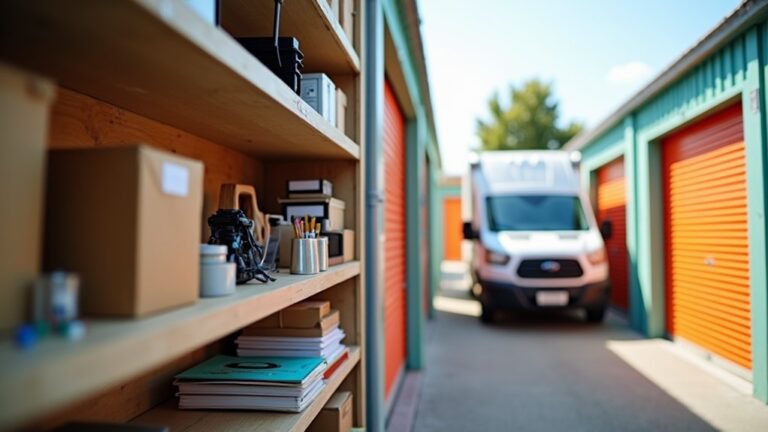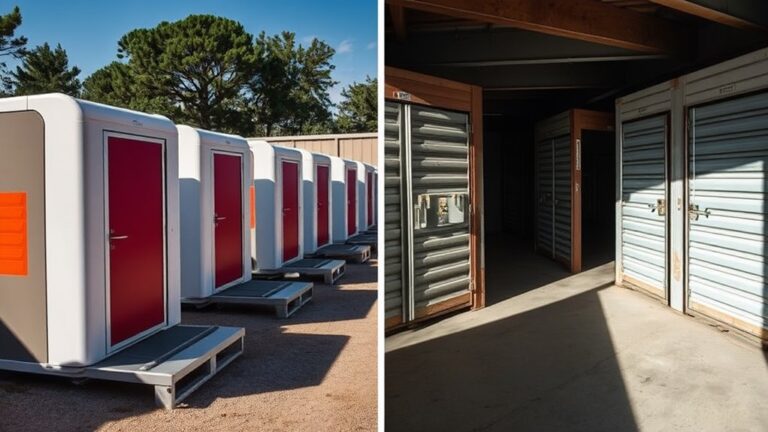
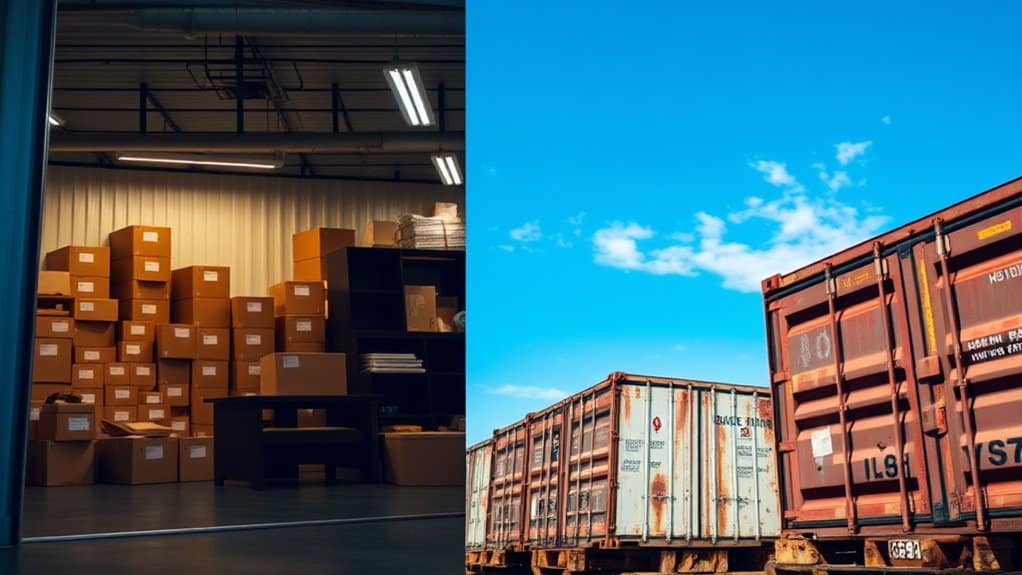
When choosing between indoor and outdoor storage units, it's important to consider their pros and cons. Indoor units provide climate control and better security, making them ideal for delicate items like electronics or antiques. However, they usually come with a higher price tag.
In contrast, outdoor units tend to be more budget-friendly and offer easy drive-up access, which is great for larger items such as furniture or garden tools. The downside is that your belongings will be exposed to the elements and potential security issues.
Ultimately, think about your storage needs, budget, and the level of protection your items require. By doing so, you'll be able to make a well-informed decision on which storage option is right for you.
Key Takeaways
- Indoor storage units offer temperature and humidity control, safeguarding delicate items from damage, whereas outdoor units leave belongings exposed to the weather.
- Outdoor storage units tend to be more cost-effective and provide larger space, making them suitable for bulky items that require straightforward access.
- Indoor units typically have enhanced security measures, such as controlled access and CCTV, while outdoor units often lack these features, increasing the risk of theft.
- Access is generally easier with outdoor units, allowing for quick loading and unloading, whereas indoor units might require navigating through corridors.
- Long-term costs should be considered; indoor units have higher monthly fees but offer better protection and organisation for valuable items.
Overview of Storage Unit Types
When choosing storage solutions, it's important to understand the differences between indoor and outdoor storage units.
Indoor storage units are typically situated within a building, offering controlled access and climate control. This makes them ideal for sensitive items that need protection from temperature changes and humidity. However, they often come at a higher price due to these added security and environmental features.
On the other hand, outdoor storage units are similar to home garages and tend to be more affordable, particularly in rural areas. They're suitable for larger items like vehicles or outdoor equipment, but they can be affected by the weather. Outdoor self-storage units are designed specifically for storing goods securely, often surrounded by a fence for added security.
Drive-up storage units allow for easy vehicle access, making loading and unloading straightforward, but they usually lack climate control, which makes them less suitable for delicate belongings.
Container storage units, made from steel shipping containers, offer good weather resistance and security.
When comparing storage options, think about your specific needs—whether you value cost, accessibility, or protection. Understanding these features will help you select the right storage solution for your items.
Benefits of Indoor Storage

Indoor storage units offer a range of benefits that suit various needs. One major advantage is their excellent temperature regulation and humidity control. These units ensure a stable temperature throughout the year, safeguarding your belongings from harsh weather, whether it's rain, snow, or heat. This is particularly important for delicate items like electronics, artwork, and collectibles, which can be damaged by temperature and moisture fluctuations. Additionally, climate control in indoor storage protects sensitive items from damage caused by extreme conditions. Furthermore, these units can accommodate specialized storage needs, such as business inventory or vehicles.
Additionally, indoor storage facilities typically have enhanced security features. With controlled access, CCTV cameras, and on-site staff, you can rest assured that your items are well-protected.
The easy accessibility of these units means you can retrieve your belongings whenever you need them. The loading and unloading process is also more comfortable in indoor storage, making it ideal during home renovations or when dealing with seasonal items.
If you have limited space at home, these units provide extra storage without sacrificing security or organisation. Overall, indoor storage units give you the freedom to store and access your belongings safely and conveniently.
Drawbacks of Indoor Storage
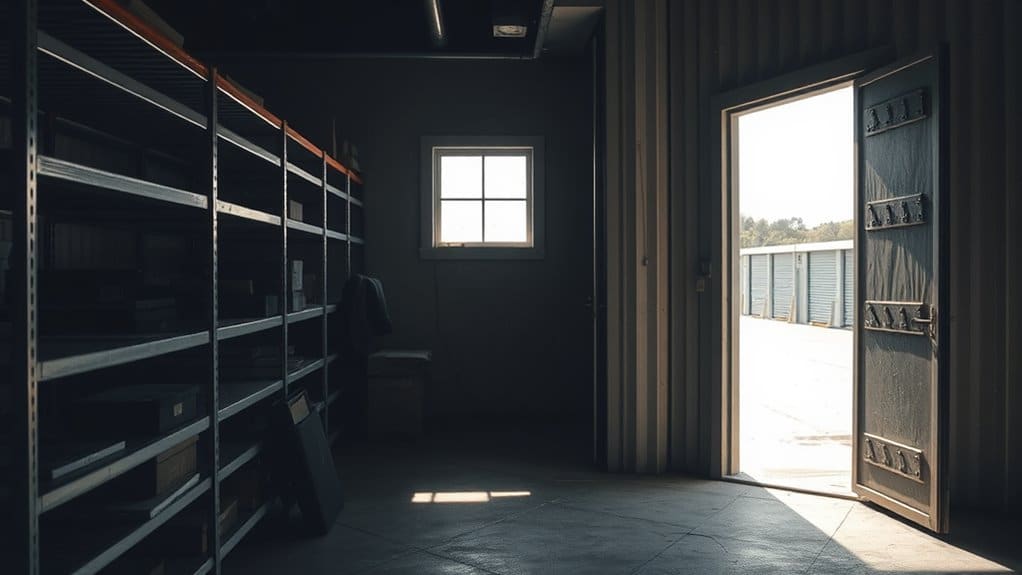
While indoor storage units offer various benefits, they also have notable drawbacks that potential users should bear in mind. One major issue is the cost; the added expenses for climate control and enhanced security can make indoor options more expensive than outdoor storage. If you need extra services, these costs can add up quickly, making it a considerable financial investment. Additionally, monthly rates for short-term storage can be steep, especially for extended durations.
Accessibility can also be a challenge. Many indoor facilities require you to navigate through hallways and use lifts, which can be inconvenient, particularly when moving large or heavy items. Limited opening hours may further restrict your access, complicating your ability to retrieve or store items as needed.
Additionally, indoor units often have size restrictions, which can be a problem for larger items like vehicles or machinery. The individual storage rooms may not accommodate bulkier possessions, limiting your choices. In contrast, outdoor units often provide flexibility for larger items, making them a better option for those storing items like boats or large appliances.
Finally, while indoor facilities generally promote their security features, they aren't completely immune to theft or vandalism. Moisture build-up can also be a concern, despite climate control efforts. It's crucial to select a reputable facility, but no storage system is entirely secure. Understanding the advantages and disadvantages of storage types can help you make a more informed decision.
Advantages of Outdoor Storage
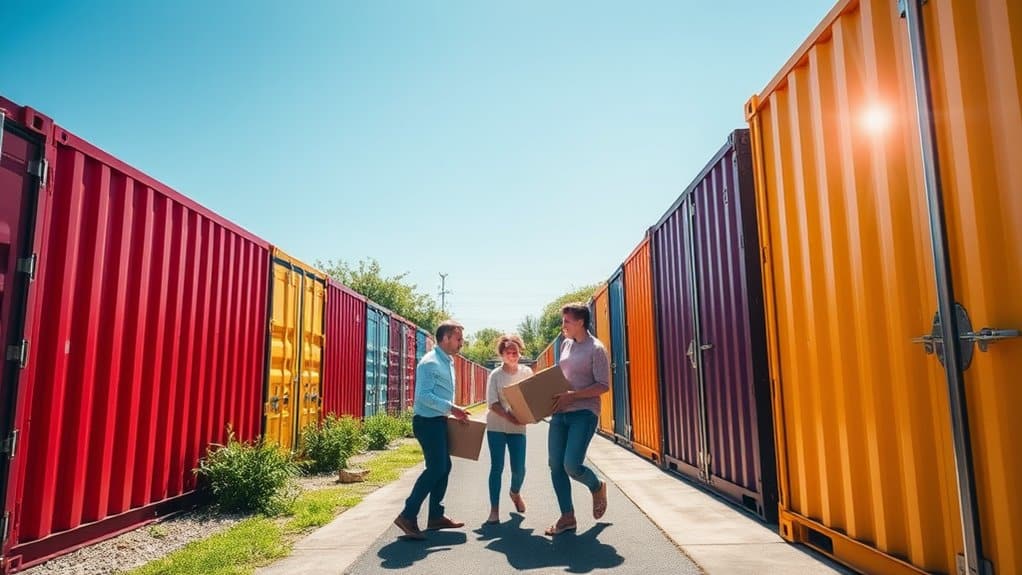
When it comes to choosing a storage solution, understanding the benefits of outdoor storage units is key. These units offer several practical advantages, particularly in terms of convenience, cost, and space efficiency.
| Advantages | Details | Impact |
|---|---|---|
| Convenience | Drive-up access for easy loading | Saves time and effort |
| Cost-Effectiveness | Generally more affordable | Fits within budget |
| Space and Capacity | Larger units available | Perfect for bulky items |
| Efficiency and Practicality | Enhanced privacy and easy access | Reduces risk of damage |
With outdoor storage, you can access your belongings easily without the hassle of lifts or stairs. The spacious units allow for straightforward manoeuvring of larger items, making them ideal for vehicles or equipment. Plus, minimal exposure to the elements during loading and unloading helps keep your items safe. Overall, outdoor storage is a practical choice that meets various needs, offering cost-effective, accessible, and spacious options that align with your lifestyle. Additionally, many facilities provide enhanced security features, ensuring your belongings are well protected while stored outdoors.
Disadvantages of Outdoor Storage
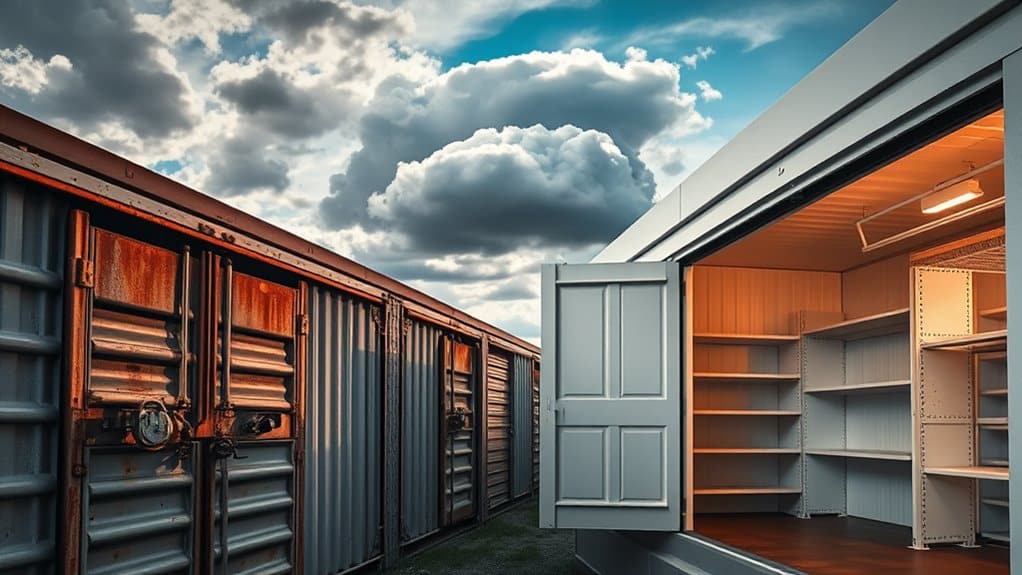
When considering outdoor storage units, it's important to be aware of some key disadvantages. Your belongings can be exposed to the elements, leading to damage from rain, humidity, and fluctuating temperatures.
For example, wooden furniture may warp or rot if left outside. Additionally, outdoor units often lack robust security features, making them more vulnerable to theft.
They can also attract pests, which can cause further damage to your items. Overall, outdoor storage may not be the best option for protecting your valuables.
Weather-Related Damage Risks
Outdoor storage units are at risk of various weather-related damage. Heavy rain can lead to water seepage, while extreme temperatures may damage sensitive items. Flooding from poor drainage can cause significant harm, and prolonged sun exposure can result in UV damage and fading.
Additionally, snow and ice can compromise the unit's structure, allowing for water intrusion.
To reduce these risks, it's crucial to adopt effective weather preparedness strategies. Conducting a climate impact assessment can help identify the specific weather challenges your storage unit might encounter. Regular inspections will help spot potential issues, such as leaking roofs or inadequate ventilation, which can worsen humidity problems.
Using waterproof containers and sealing any gaps can significantly enhance the protection of your belongings.
When choosing an outdoor storage unit, opt for features like stormproof doors and reinforced structures. These can provide better protection against harsh weather, keeping your items safe and secure.
Security Vulnerability Concerns
Security vulnerabilities are a major concern for anyone considering outdoor storage units. Unlike indoor facilities, outdoor units lack protective barriers like walls and ceilings, making them more prone to theft and vandalism. Their easy access can attract criminals, who may find it simpler to break in without adequate security measures.
Access control is a key issue; gates can be difficult to secure, particularly if they rely on shared access codes. Criminals might exploit weaknesses in gate security, such as following legitimate users in (tailgating) or using stolen codes. This raises the risk of unauthorised entry, especially when effective surveillance is hard to maintain over the larger outdoor area.
Moreover, outdoor storage facilities often employ digital systems for monitoring and access control, which brings its own cybersecurity risks. Without appropriate safeguards, these facilities can be vulnerable to data breaches and operational disruptions.
Pest Infestation Potential
Choosing outdoor storage units carries a notable risk of pest infestations due to the absence of climate control. Changes in temperature and humidity create an ideal environment for pests, particularly when moisture builds up. Severe weather, like heavy rain or snow, can exacerbate the situation.
Furthermore, storing food or organic materials is likely to attract unwanted pests, while unsealed containers and cardboard boxes offer easy access.
To reduce these risks, it's important to adopt effective pest prevention strategies. Regular inspections can help you spot potential problems early, using monitoring techniques to stay ahead of infestations. Keeping your storage unit tidy and free from clutter acts as a deterrent, and using airtight containers for sensitive items can provide added protection.
Opting for indoor units with climate control can significantly lower the risk of pests and moisture-related issues.
Key Considerations for Choosing
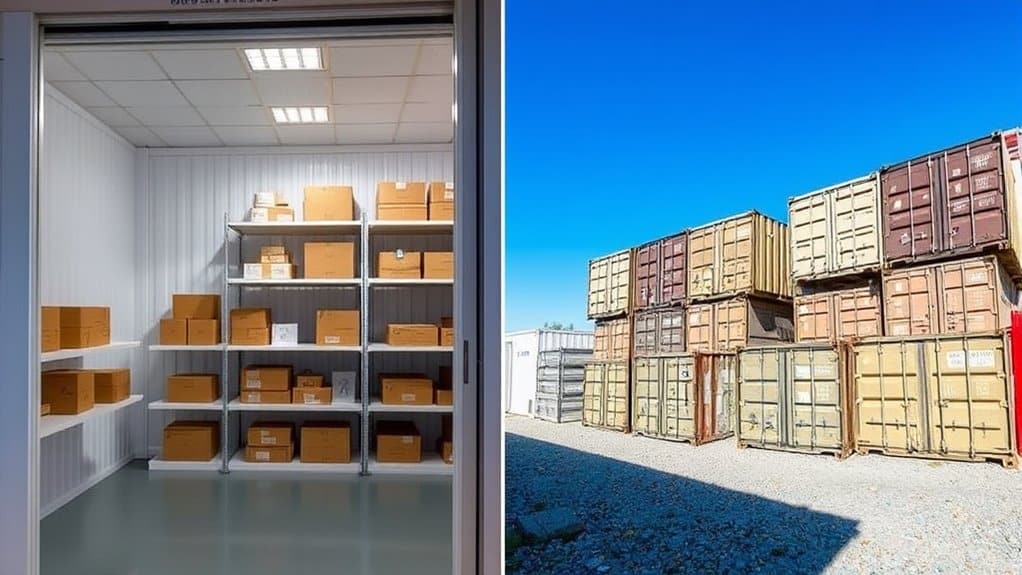
When deciding between indoor and outdoor storage, consider the nature of your items and your budget.
For example, if you have delicate antiques or electronics, indoor storage with climate control and security is ideal.
On the other hand, if you need to store larger items like garden furniture or a bicycle, outdoor storage might be more suitable.
Assessing your budget will also help you find the most cost-effective solution for your needs.
Item Sensitivity Assessment
Assessing item sensitivity is crucial for choosing the right storage solution for your belongings. Sensitive items, such as electronics, wooden furniture, and delicate fabrics, need specific conditions to preserve their quality.
They're particularly susceptible to changes in temperature and humidity, which can cause damage. Therefore, opting for climate-controlled indoor storage units is often necessary to protect against pests, mould, and environmental factors.
On the other hand, non-sensitive items like garden tools and vehicles can tolerate outdoor conditions without significant harm. They're less impacted by temperature and humidity fluctuations, giving you the flexibility to choose between indoor and outdoor storage options.
When it comes to storage duration, short-term needs may offer more flexibility, especially for non-sensitive items. However, even valuable possessions can benefit from indoor storage.
For long-term storage, prioritising protection from environmental factors is key, making climate-controlled indoor units essential for sensitive items.
Budget and Cost Analysis
Budgeting for storage is essential to ensure a financially sound choice. Begin with a cost comparison between indoor and outdoor storage units. Generally, larger units are pricier but may provide better value per square foot, particularly for long-term rentals that often come with discounts.
Remember, location plays a significant role in pricing; storage in urban areas usually costs more than in rural settings.
Consider additional factors such as amenities like climate control and security features, as these can raise costs. Most facilities also require insurance, so include that in your budget.
Keeping an eye on rental trends can help you navigate pricing changes and pinpoint the best time to secure a unit.
Be clear about your storage needs to avoid unnecessary expenses from excess space. Research various facilities to ensure you're getting the best deal, and watch out for hidden fees.
Decision Factors to Evaluate

When deciding between indoor and outdoor storage units, several factors need to be considered.
Firstly, think about space optimisation. Indoor units can restrict your options, particularly for larger items. If you have bulky or oddly shaped belongings, outdoor storage generally offers more space without strict size restrictions.
Next, consider accessibility. Outdoor units usually allow easier access for loading and unloading larger items, which is a significant advantage if you often need to retrieve things. In contrast, indoor storage may require navigating through hallways or using lifts for bigger units, which can be a hassle.
Cost is another important factor. Indoor units often come with higher monthly fees due to climate control and enhanced security, whereas outdoor storage typically has lower operating costs and more flexible pricing, especially in rural areas.
Consider how often you'll need access to your belongings, as this can greatly affect your decision.
Finally, assess the security and protection each option provides. Indoor storage usually offers better protection against pests and environmental damage, while outdoor units may have gated access for security.
Weighing these factors will help you make an informed choice that suits your storage needs.
Final Thoughts on Storage Options

When deciding between indoor and outdoor storage options, it's important to consider the specific benefits each type provides in relation to your needs. Evaluating current storage trends and anticipating future developments can help you make an informed choice.
| Consideration | Indoor Storage |
|---|---|
| Cost-Effectiveness | Typically more expensive |
| Security | Superior security features |
| Size and Space | Limited to unit specifications |
| Item Sensitivity | Suitable for delicate items |
| Climate Control | Protects against extreme temperatures |
| Consideration | Outdoor Storage |
| Cost-Effectiveness | More affordable |
| Security | Basic security measures |
| Size and Space | Ideal for larger items |
| Item Sensitivity | Best for robust items |
| Flexibility | Offers more flexible rental terms |
Ultimately, your decision should reflect your budget, the types of items you're storing, and how frequently you'll need access. Whether you value security or cost-effectiveness more, understanding these factors will help you choose the storage solution that best fits your lifestyle and future requirements.
Frequently Asked Questions
How Do I Choose Between Indoor and Outdoor Storage Units?
When selecting a storage option, think about the benefits of indoor units, like climate control and enhanced security for delicate items. In contrast, outdoor units are often more cost-effective and provide easier access for larger items, such as furniture or equipment. Your specific requirements will ultimately determine the best choice for you.
Can I Access My Storage Unit After Hours?
You can access your storage unit outside of normal hours, but this generally depends on the facility's policies. Make sure you understand their security measures, as 24-hour access may require permission from the manager to ensure safety. For instance, some facilities might provide a keycode for entry, while others may limit access to certain hours for security reasons. Always check with the facility for their specific rules.
What Items Are Prohibited in Storage Units?
"An ounce of prevention is worth a pound of cure." It's essential to understand storage regulations. Prohibited items include flammable materials like petrol, toxic substances such as chemicals, and perishables like food. Steering clear of these ensures safety and compliance with storage facility rules.
Are There Insurance Options for Stored Items?
Yes, there are various insurance options for items in storage. You can opt for named perils or all-risk policies for comprehensive protection. It's wise to check your current insurance to ensure it meets your requirements and adequately protects your belongings, such as furniture or electronics.
How Do I Prepare Items for Storage?
To prepare items for storage, use suitable packing materials and consider climate control options. Clean your belongings, disassemble larger items, and ensure boxes are clearly labelled. Wrap fragile items carefully, such as glassware or ceramics, to keep them safe during storage.
Conclusion
When deciding between indoor and outdoor storage units, it's important to consider the pros and cons of each. Indoor units often provide climate control and enhanced security, making them ideal for valuable items like electronics or antiques. For instance, if you're storing a vintage guitar, an indoor unit can help protect it from humidity damage.
On the other hand, outdoor storage units tend to be more cost-effective and easier to access, which is great for larger items or everyday use, like garden furniture or tools. If you need to frequently retrieve or add items, an outdoor unit might be more convenient.
Ultimately, the choice depends on your specific needs. Think about what you're storing and how often you'll need access to it—there's no one-size-fits-all solution in the world of storage.