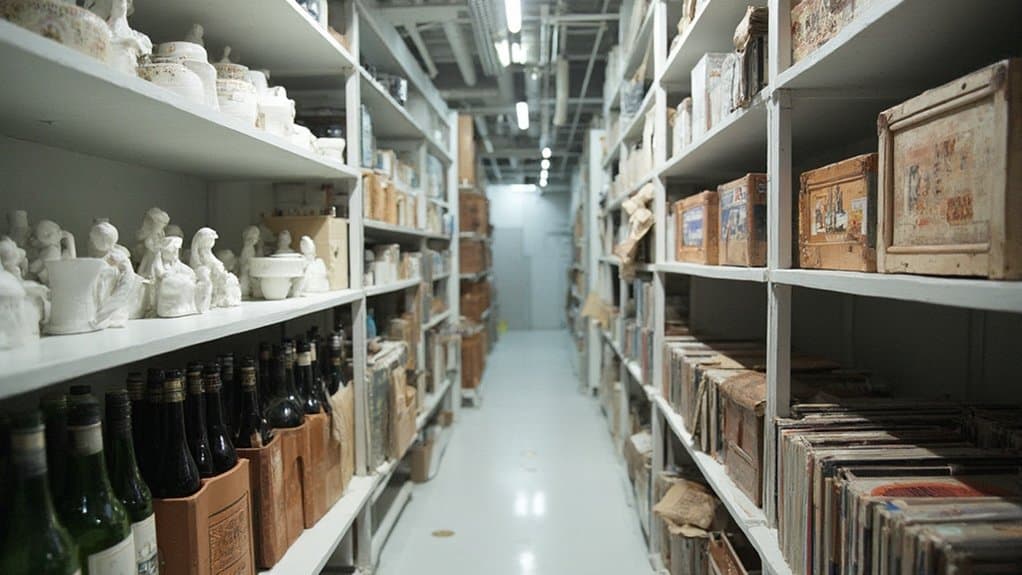
If you're keen on protecting valuable items, consider climate-controlled storage for wooden furniture, electronics, artwork, musical instruments, important documents, sports equipment, plastics, toys, wine collections, and batteries. These items are sensitive to fluctuations in temperature and humidity, which can lead to irreversible damage. Keeping them in a stable environment is essential for maintaining their integrity and longevity. Understanding the specific needs for proper storage of these items can make all the difference.
Key Takeaways
- Wooden furniture and musical instruments require climate-controlled storage to avoid warping, cracking, and moisture damage.
- Electronics are particularly sensitive to heat and humidity, needing stable temperatures between 15-24°C for optimal preservation.
- Important documents should be kept at 18-21°C with 30-50% humidity to prevent brittleness and mould growth.
- Artwork, such as paintings and sculptures, needs consistent temperatures and controlled humidity to maintain their condition and avoid damage.
- Medicines, cosmetics, and batteries must be stored within specific temperature ranges to ensure their effectiveness and prevent deterioration.
Wooden Furniture
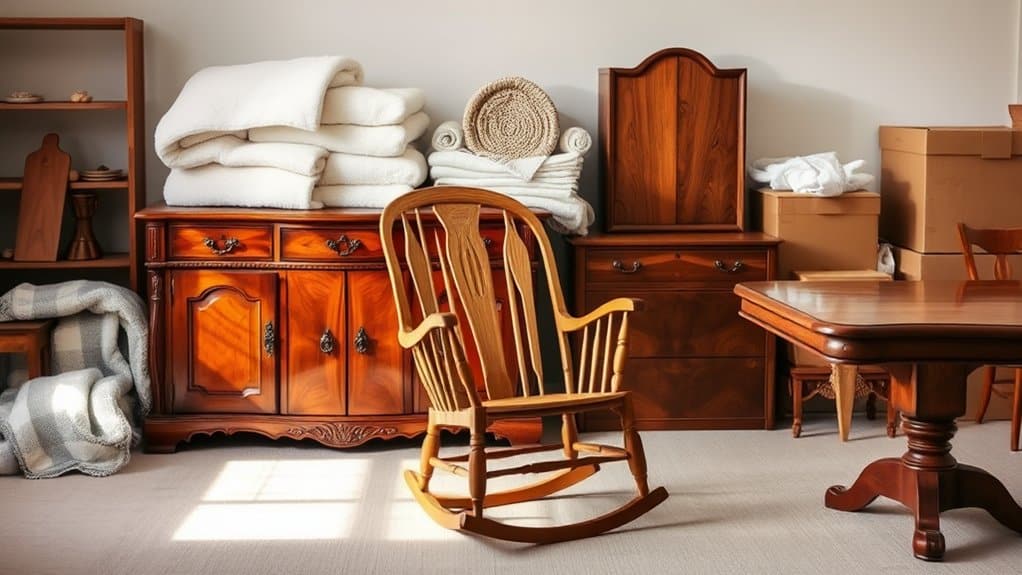
When storing wooden furniture, it's crucial to cater to its specific needs to keep it in top condition. Different types of wood, like hardwood and softwood, demand particular storage methods to prevent issues like warping, cracking, and moisture damage.
Opt for climate-controlled storage units that maintain a consistent temperature between 13-29°C and manage humidity levels. This helps avoid long-term deterioration and retains the value of your furniture. Humidity control is key to protecting wooden furniture, as it prevents damage from excessive moisture. Additionally, using climate-controlled units can safeguard your items against pests and dust that may cause harm.
Before storing, clean your items thoroughly and consider disassembling larger pieces to save space. Wrap each item in breathable materials, such as cotton sheets, as plastic can trap moisture.
Elevating your furniture off the ground also protects it from potential water damage, ensuring your wooden treasures stay in excellent condition for years to come.
Electronics
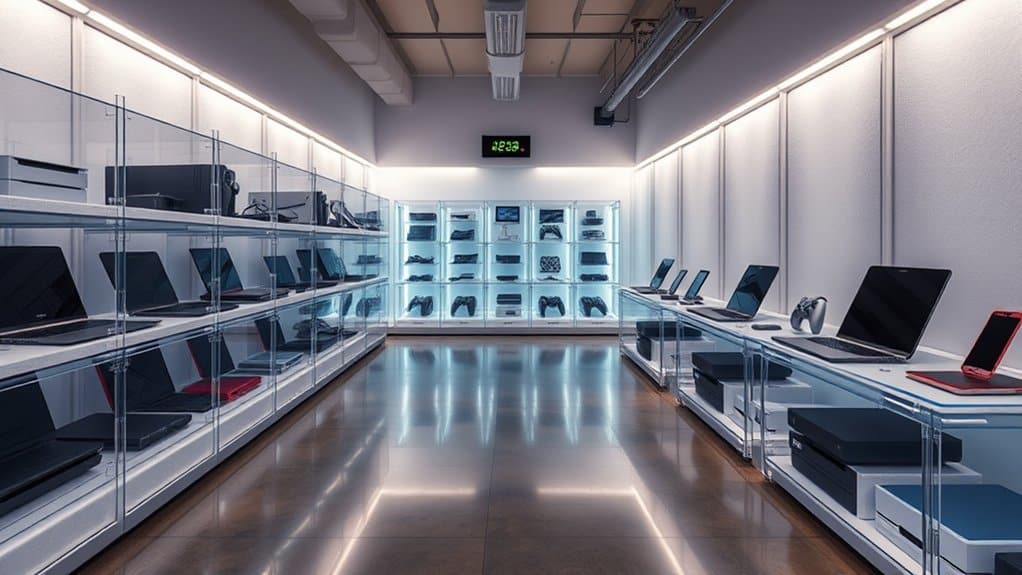
When storing electronics, it's crucial to consider their sensitivity to heat and moisture. Extreme temperatures can cause lasting damage, while high humidity can lead to corrosion of fragile components. Using climate-controlled storage ensures your devices stay functional and protected for the long term. For example, keeping a laptop in a damp garage could result in rust on its internal parts, while leaving it in a hot car might cause the battery to fail. To prevent these issues, it's essential to utilize climate-controlled storage that maintains an ideal environment for your electronics. Additionally, these units often feature enhanced security measures to further safeguard your valuable items.
Heat Sensitivity Issues
Heat sensitivity issues can seriously harm electronics. If devices are stored at the wrong temperatures, they may suffer performance loss or even permanent damage.
To keep your gadgets in good working order, ensure they're kept in a stable environment between 15°C and 24°C. Large temperature fluctuations can cause thermal stress, leading to mechanical failures in delicate components. Excessive heat can also accelerate the breakdown of materials, potentially harming batteries and screens. To protect your electronics, consider using cooling pads or thermal insulation cases. Additionally, utilizing adequate ventilation can help disperse heat and reduce moisture buildup in your storage area. Renting climate-controlled storage units is another option to maintain an ideal environment. These units provide advanced HVAC systems that help regulate temperature and humidity, further ensuring the safety of your electronic devices.
Make sure to regularly check your stored devices for any signs of overheating or damage due to cold, ensuring their longevity and performance.
Moisture Damage Prevention
Moisture can seriously damage electronics, causing malfunctions or even permanent failure. To protect your devices, consider these straightforward moisture prevention tips:
- Desiccant Packs: Use silica gel to absorb excess moisture.
- Humidity-Controlled Cabinets: Maintain humidity levels below 10% for optimal storage.
- Vacuum-Sealed Bags: Remove air—and moisture—to safeguard your electronics.
It's also important to prevent corrosion. Choose corrosion-resistant materials and apply protective coatings to susceptible metal parts.
Regular inspections can help you catch early signs of moisture damage, and using humidity indicator cards allows you to keep an eye on moisture levels.
Long-Term Storage Benefits
Storing electronics in climate-controlled environments offers significant benefits that help protect your valuable devices. Keeping temperatures and humidity levels stable prevents damage to components and ensures data integrity.
For instance, consistent conditions can extend the life of sensitive parts like solder joints and batteries, safeguarding them from thermal stress and corrosion. Proper storage reduces wear and tear, ensuring your devices remain functional for years.
Furthermore, a controlled environment protects screens from cracking and stops moisture from accumulating, which can lead to corrosion. Ultimately, you can have peace of mind knowing your electronics are well-preserved and ready for use when needed.
Artwork
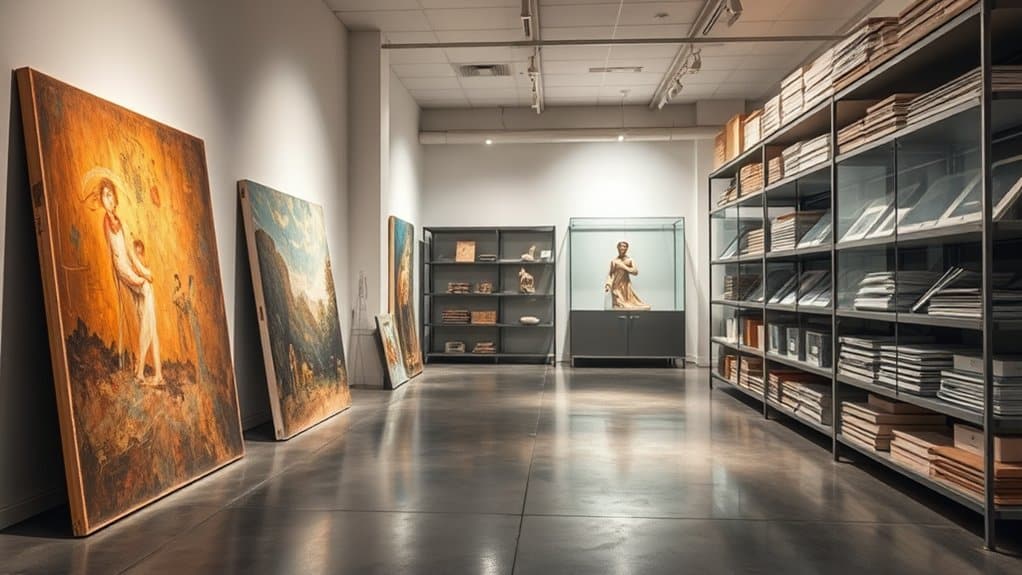
To preserve artwork effectively, it's crucial to maintain the right environmental conditions.
Without stable climate control, your cherished pieces could suffer irreversible damage. Here are some key considerations:
- Paintings: They require consistent temperatures to prevent any shrinkage or expansion.
- Sculptures: Those made from wood, in particular, need controlled conditions to avoid warping.
- Textile art: It's essential to manage humidity levels to stop mould and deterioration.
Musical Instruments

When storing your musical instruments, it's essential to consider temperature and humidity.
Keeping them in a climate-controlled space helps prevent issues like warping and cracking caused by temperature and moisture changes.
For instance, wooden instruments, such as violins or acoustic guitars, can easily be damaged if exposed to extreme conditions.
Temperature Sensitivity
Understanding temperature sensitivity is crucial for the care of your musical instruments, as even minor temperature changes can cause significant damage.
- Wood can warp or crack in heat.
- Metal parts can become sluggish in extreme temperatures.
- Sound quality can suffer due to material changes related to temperature.
Temperature extremes can greatly affect your instruments. For example, woodwind instruments perform best in temperatures between 18-25°C, while string instruments prefer 15-22°C.
When materials expand or contract, their durability is weakened, impacting tuning stability and sound quality. Regular inspections and climate-controlled storage are key to protecting your instruments.
Humidity Control Importance
Humidity control is crucial for maintaining your musical instruments. Fluctuations in moisture can cause significant damage, especially to wooden instruments, which can warp, crack, or swell if humidity levels fall outside the ideal range of 40% to 60%.
Brass and woodwind instruments are also affected; high humidity can lead to corrosion and tarnishing, while low humidity may cause brittleness.
To protect your collection, ensure you monitor humidity levels with hygrometers and consider investing in climate-controlled cases or storage units.
Important Documents
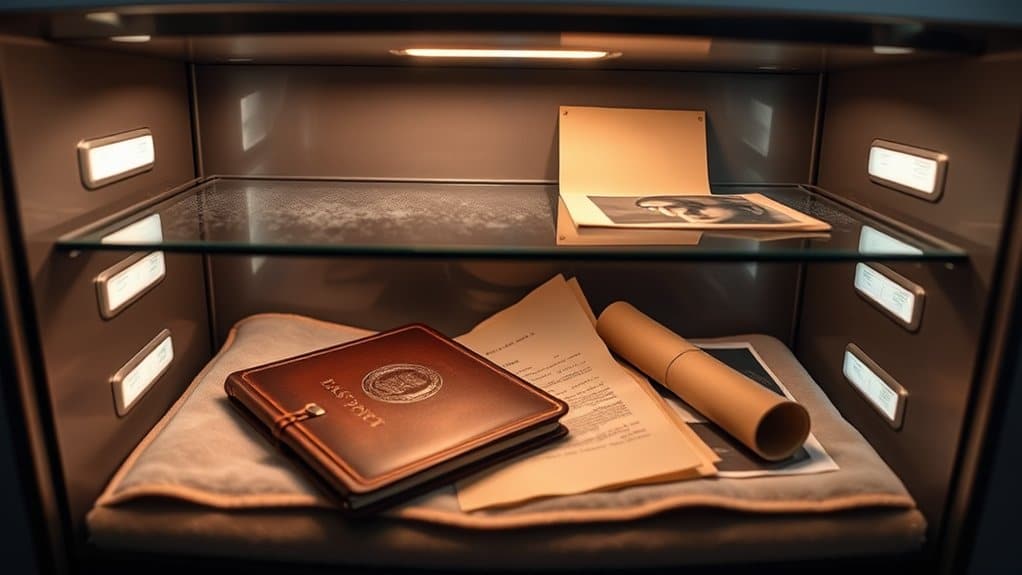
Important documents, such as legal records and medical files, require careful handling to ensure their preservation and integrity. Storing these documents in a climate-controlled environment is vital to prevent damage from environmental factors.
- Legal documents must remain legible and in compliance with regulations.
- Medical records need to be safeguarded to protect patient confidentiality.
- Historical documents can lose their value if not properly preserved.
Maintaining ideal temperature and humidity levels—between 18-21°C (65-70°F) and 30-50%—is crucial. Excessive heat can make paper brittle, while high humidity may encourage mould growth.
Climate control also protects against fading due to light exposure. By investing in proper storage, you can safeguard your important documents from irreversible damage, ensuring their longevity and value for years to come.
Medicines and Cosmetics

When storing medicines and cosmetics, it's crucial to consider temperature and humidity.
Many pharmaceuticals and beauty products need specific conditions to remain effective and prevent spoilage.
For instance, creams and serums often require cool, dry environments, while some medications must be kept refrigerated.
Temperature Sensitivity
Temperature sensitivity is crucial for the effectiveness of both medicines and cosmetics, as improper storage can compromise their quality.
Certain medications, such as vaccines and insulin, need to be kept refrigerated. Similarly, cosmetics can melt or change in texture when exposed to high temperatures. It's important to understand how temperature affects these products to maintain their stability.
When storing medicines, be mindful that temperatures exceeding recommended ranges can lead to a loss of potency. For example, diazepam can lose up to 25% of its effectiveness if stored above 37°C (98°F).
Likewise, cosmetics often contain sensitive ingredients that can degrade in heat. By ensuring they're kept in a climate-controlled environment, you can help preserve their integrity and extend their shelf life, allowing you to enjoy their full benefits.
Humidity Risks
Humidity presents serious risks to both medicines and cosmetics, as excessive moisture can hasten degradation and diminish their effectiveness. High humidity can also foster mould growth, jeopardising product safety and usability. To counter these risks, it's crucial to monitor humidity levels and utilise climate-controlled storage.
| Item Type | Risks of High Humidity | Management Strategies |
|---|---|---|
| Medicines | Faster degradation; mould | Use dehumidifiers; seal containers |
| Cosmetics | Deterioration; mould growth | Store in airtight containers; maintain climate control |
| Both | Reduced effectiveness and safety | Conduct regular inventory checks; ensure proper packaging |
Sports Equipment
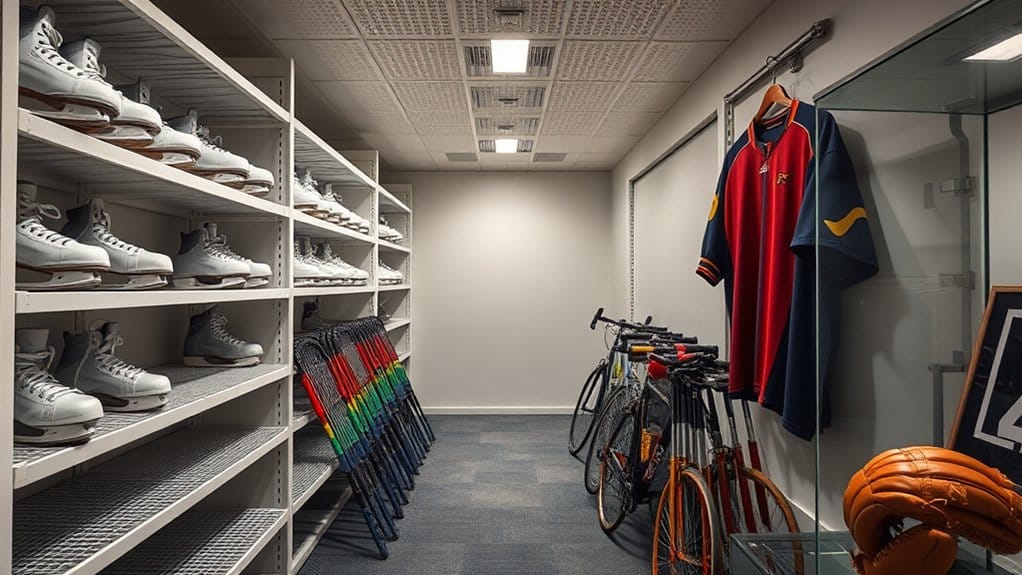
Proper care and storage of your sports equipment can significantly increase its lifespan and performance. Using climate-controlled storage protects your gear from damage due to temperature changes and humidity, ensuring it remains in peak condition.
Items like skis, snowboards, and road bikes benefit particularly from this controlled environment, which helps minimise wear and tear, and reduces the risk of rust or mould. This means your equipment will be ready to go, no matter the season.
Plus, with easy access and tailored storage options, retrieving your gear is hassle-free whenever adventure beckons.
Investing in climate-controlled storage is a wise decision for anyone who values their sports equipment.
Plastics and Toys
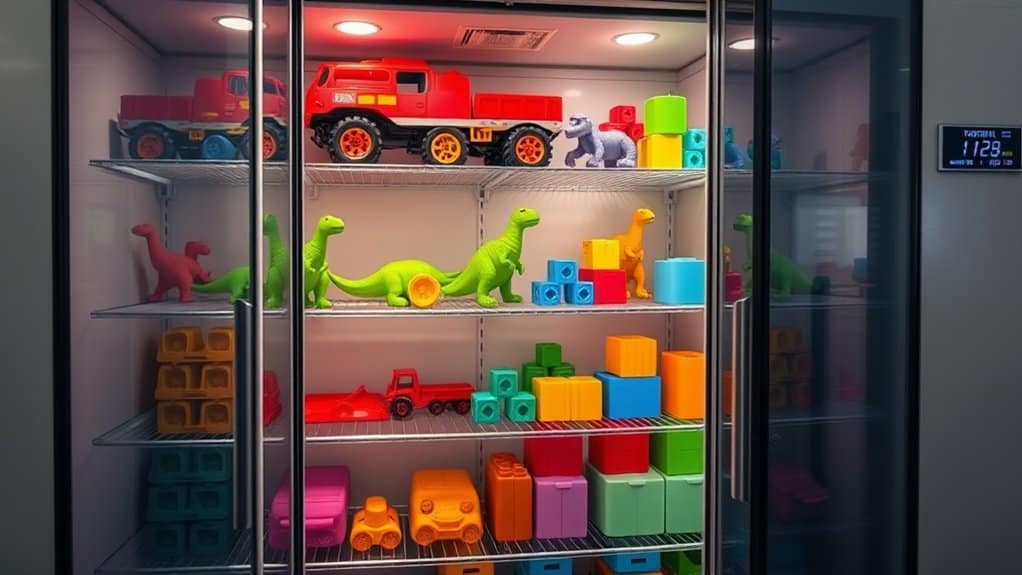
When storing plastics and toys, it's essential to consider how environmental factors affect their condition.
Plastic can deteriorate with temperature changes and excess moisture, so using climate-controlled storage is advisable.
To keep toys in good shape, store them in airtight containers and ensure they're clean and dry.
Avoid direct sunlight, as UV rays can cause fading and damage.
Regularly check for pests by sealing containers properly.
If your toys have batteries, remove them to prevent chemical leaks.
By using climate-controlled storage, you protect your items from moisture and temperature damage, helping them last longer and stay in great condition for future enjoyment.
Paying attention to these details makes a significant difference.
Wine Collections
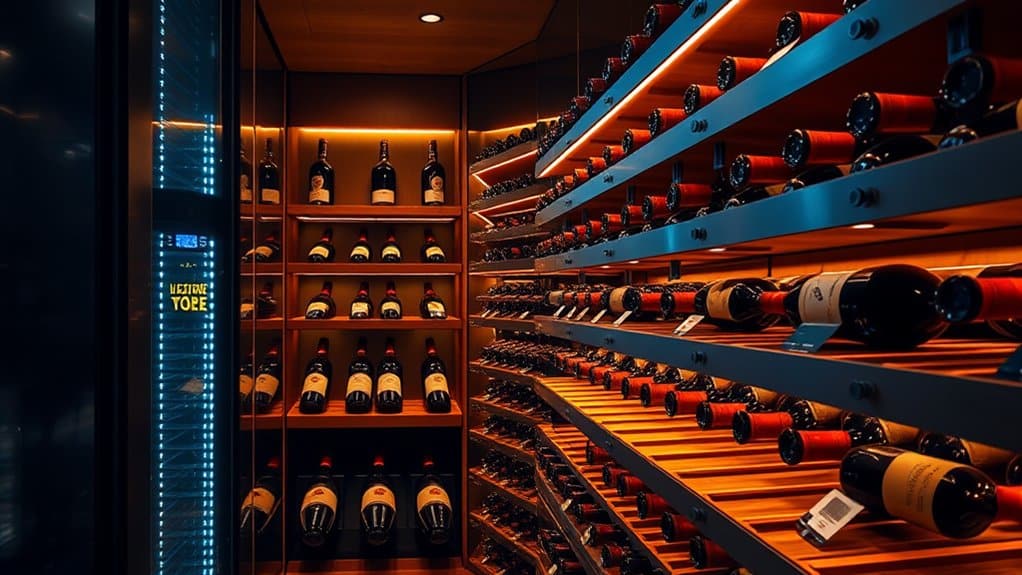
While you may have spent time and money building your wine collection, overlooking proper storage can lead to disappointment. To preserve your wine effectively, it's essential to control the climate.
- Ideal temperature: 7-18°C, ideally around 13°C
- Humidity levels: Keep between 60-80%
- Store bottles horizontally to keep the corks moist
For optimal cellar management, consider using professional storage facilities that provide precise climate control, security, and minimal vibration.
These environments mimic the cool, dark cellars that are crucial for developing rich flavours and aromas. Proper storage not only safeguards your investment but also allows your wine to mature beautifully.
Don't let poor conditions undermine your efforts—invest in climate-controlled storage.
Batteries
Batteries, especially lithium-ion ones, need specific storage conditions to ensure they perform well and last longer. Store them in a temperature range of 15°C to 25°C.
Anything below 10°C can slow down chemical reactions, while temperatures above 25°C can speed up degradation. Aim for a humidity level of around 50% to prevent corrosion and drying out of the electrolyte.
It's also crucial to follow safety regulations, such as NFPA 855, particularly for electric vehicle (EV) batteries. Keep an eye on storage conditions to avoid risks like thermal runaway or permanent capacity loss.
Frequently Asked Questions
How Do I Choose the Right Climate-Controlled Storage Facility?
When selecting a climate-controlled storage facility, start by evaluating essential features such as security measures and access points. Next, consider the location to ensure it's convenient for you. For instance, a facility close to home or work can save you time and hassle. Prioritising these factors will improve your overall storage experience.
Can I Store Food Items in Climate-Controlled Units?
Yes, you can store food items in climate-controlled units. Just be sure to follow food safety and storage guidelines. This will help keep your perishables fresh and extend their shelf life, allowing you to enjoy your meals for longer. For example, fruits and vegetables will last much better in a climate-controlled environment compared to a regular storage unit.
What Are the Costs Associated With Climate-Controlled Storage?
When looking into climate-controlled storage, you'll find that prices are generally about £10 more than standard units. However, the added expense is worth it as these units protect your belongings from damage, help them last longer, and maintain their value over time. For example, delicate items like wooden furniture or electronics can suffer in fluctuating temperatures and humidity, making climate control a smart investment.
How Often Should I Check on My Stored Items?
You should check your stored items regularly, ideally every few months, to assess their condition. Increase the frequency of your checks after severe weather or significant changes to ensure nothing deteriorates unnoticed. This helps to preserve the value and integrity of your belongings. For example, if you've stored furniture, a quick inspection can prevent mould or damp damage.
Are Climate-Controlled Units Pest-Proof?
Climate-controlled units aren't entirely pest-proof, but they do improve pest prevention through proper maintenance. Their regulated environment and insulation help reduce moisture and minimise entry points, making them less appealing to pests compared to standard storage options. For instance, you're less likely to find rodents or insects in a climate-controlled unit than in a typical garage or shed.
Conclusion
In conclusion, climate-controlled storage is vital for safeguarding valuable items. Temperature changes can cause wooden furniture to warp or crack in just a few months. By maintaining a stable environment, you protect your investments, whether it's fragile artwork or important documents. Keeping ideal conditions not only preserves your belongings but also extends their lifespan. So, if you have a wine collection or musical instruments, opting for climate control is a wise decision.