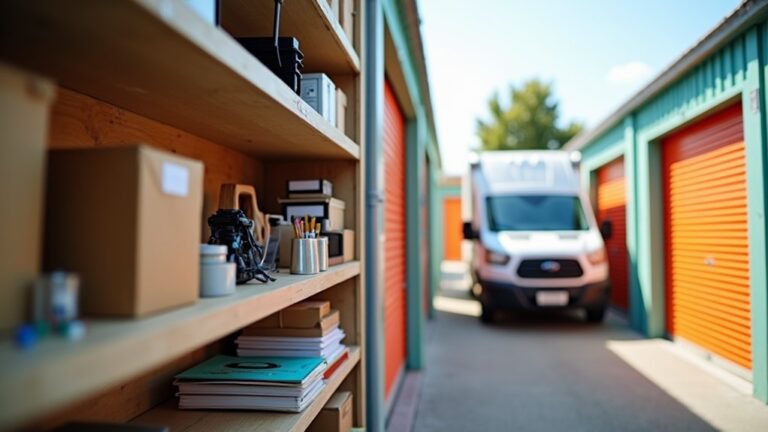

When comparing self-storage and traditional storage, there are notable differences that can influence your decision. Self-storage provides 24/7 access, enhanced security features such as CCTV, and flexible rental agreements. You can select from various unit sizes without being tied to long-term contracts, making it easier to adapt to your changing needs. Many self-storage facilities also offer climate control and packing supplies on-site, streamlining the moving process.
On the other hand, traditional storage might come with hidden fees and limited access hours. By understanding these differences, you can make a more informed choice about your storage options. Exploring these aspects further will offer even more clarity on what best suits your needs.
Key Takeaways
- Self-storage facilities provide advanced security features such as electronic access and video surveillance, whereas traditional storage typically relies on basic locks and minimal monitoring.
- Self-storage offers flexible rental terms with month-to-month contracts, in contrast to traditional storage’s longer commitments of three to seven years.
- With self-storage, you have 24/7 access to your units, making it more convenient, while traditional storage often restricts access to certain hours.
- Climate-controlled units in self-storage safeguard sensitive items, unlike traditional storage, which usually lacks such environmental controls.
- Many self-storage sites sell packing supplies on-site, simplifying the moving process, whereas traditional storage may require professional assistance, limiting user control.
Key Differences Overview
When deciding between self-storage and traditional storage, it’s important to grasp their key differences. A major factor is security. Self-storage facilities typically offer advanced security features, such as CCTV and on-site staff, whereas traditional storage may only provide basic locks and limited monitoring.
Flexibility is another growing trend. Self-storage units come in various sizes to suit your needs, while traditional options often have a restricted selection, potentially leading you to rent multiple units. If you need a portable solution, self-storage offers customisation to meet your specific requirements. Additionally, the presence of well-lit premises in self-storage enhances safety during access.
Cost is also a vital consideration. Self-storage usually presents better value with flexible rental terms and no hidden charges, unlike traditional facilities with fixed fees.
Additionally, self-storage often includes extra features like climate control, which is essential for safeguarding sensitive items.
Accessibility and Convenience
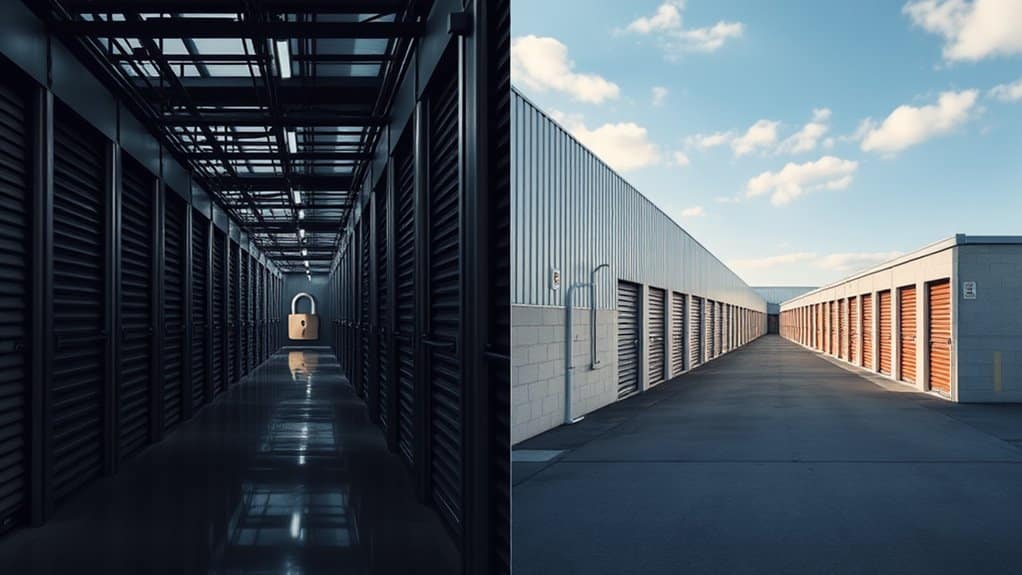
When it comes to accessibility and convenience, self-storage really excels.
With 24/7 access, you can collect your belongings whenever it suits you. This flexibility is especially beneficial during emergencies requiring immediate access to items.
Drive-up units simplify the loading and unloading process, saving you both time and effort. Plus, having supplies on-site means you can easily grab what you need to organise or protect your items without any fuss. Additionally, many facilities offer extensive operating hours, ensuring you have the flexibility to retrieve your items whenever necessary.
24/7 Access Benefits
Self-storage facilities offer key access benefits that improve convenience for users. With features prioritising physical accessibility, these facilities ensure that everyone can effectively utilise storage services.
| Access Feature | Description | Benefit |
|---|---|---|
| 24/7 Access | Available at all hours | Flexibility for all users |
| ADA-Compliant Units | Units designed for individuals with disabilities | Inclusive storage options |
| Remote Access | Control access via mobile devices | Easy access management |
| Accessible Entrances | Ramps and clear signage for everyone | Smooth entry and navigation |
Modern self-storage solutions often include advanced security measures, such as 24/7 surveillance and electronic gate access, to keep your belongings safe. Compliance with accessibility regulations means that ramps and appropriate signage enhance the user experience. Additionally, gate access control systems streamline entry processes, making it even easier for customers to access their units. You’ll find a range of unit sizes tailored to your needs, along with flexible rental options to suit your changing requirements. Furthermore, these facilities often offer climate-controlled units to protect sensitive items, ensuring that your belongings are stored in optimal conditions. Overall, these access benefits create a more convenient and secure environment, allowing you to manage your belongings with ease.
Drive-Up Unit Convenience
Drive-up units offer a level of convenience that enhances self-storage facilities’ 24/7 access. With the ability to drive directly to your storage unit, you can avoid the hassle of elevators and stairs, making loading and unloading a breeze. This ground-level access allows you to move heavy furniture, appliances, or multiple boxes with ease, without the physical strain often encountered with traditional storage options.
Frequent visits become straightforward when you can quickly load and unload items straight from your car. Whether you’re storing business stock or hobby equipment, the ease of access with these units facilitates swift retrieval and organisation. Drive-up storage not only simplifies your move-in and move-out processes but also provides a cost-effective alternative to indoor climate-controlled spaces.
While these units are outdoors and may be exposed to the elements, the convenience they offer often outweighs this drawback. Additionally, the direct parking in front of the units allows for faster move-in and move-out, making it ideal for users with larger items. If you prioritise quick and efficient access to your belongings, drive-up units could be the perfect solution, providing the flexibility you need for your storage requirements.
On-Site Supplies Availability
Having immediate access to packing supplies at self-storage facilities significantly improves the customer experience. Unlike traditional storage, where you may need to make separate trips for packing materials, self-storage provides on-site supplies to meet various needs. This means you can easily find everything from boxes to packing tape, making your move more efficient. Additionally, 24/7 access to your stored items enhances your ability to pack and retrieve supplies at your convenience.
Purchasing supplies directly at the facility saves you time and effort, allowing you to concentrate on your storage requirements. Many self-storage locations also have knowledgeable staff who can assist you in choosing the right materials for your needs.
The integrated services at self-storage facilities create a convenient, one-stop solution, reducing the logistical challenges often faced with traditional storage options. You can grab what you need and start packing straight away, avoiding delays that come with sourcing supplies elsewhere.
In short, having these resources readily available not only enhances accessibility but also helps you manage your storage more effectively, giving you the freedom to organise your life on your terms.
Security Features
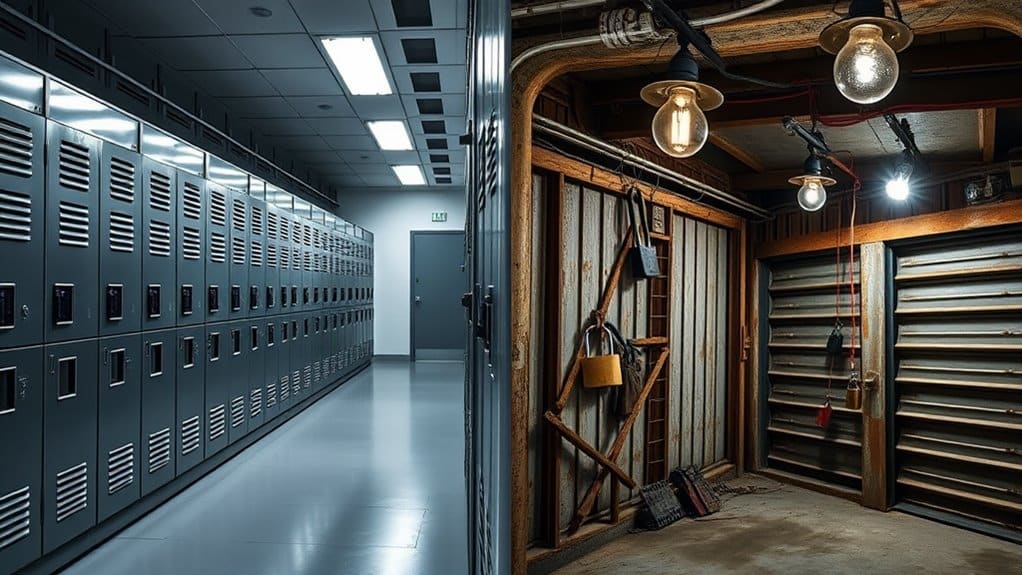
In today’s world, security features are crucial when deciding between self-storage and traditional storage options. Self-storage facilities use advanced security technology to prevent theft and protect customer privacy. For instance, electronic gate access ensures that only authorised individuals can enter, while unique access codes help track who accesses the facility. This not only enhances safety but also allows managers to monitor movements effectively. Additionally, video surveillance and on-site security personnel provide a strong deterrent against theft. Many self-storage units also feature individual alarms and robust emergency protocols, ensuring your belongings remain safe even when you’re not there. The design of these facilities often includes physical intrusion detection systems, further safeguarding your items. Furthermore, each storage unit is equipped with its own security alarm system, providing an additional layer of protection.
In contrast, traditional storage typically relies on basic locks and limited surveillance, which may not offer the same level of security. While some may provide insurance options, the absence of modern monitoring systems can leave your possessions at risk. Therefore, when it comes to security features, self-storage clearly stands out as the superior choice, prioritising your peace of mind with cutting-edge safety measures.
Flexibility in Unit Size
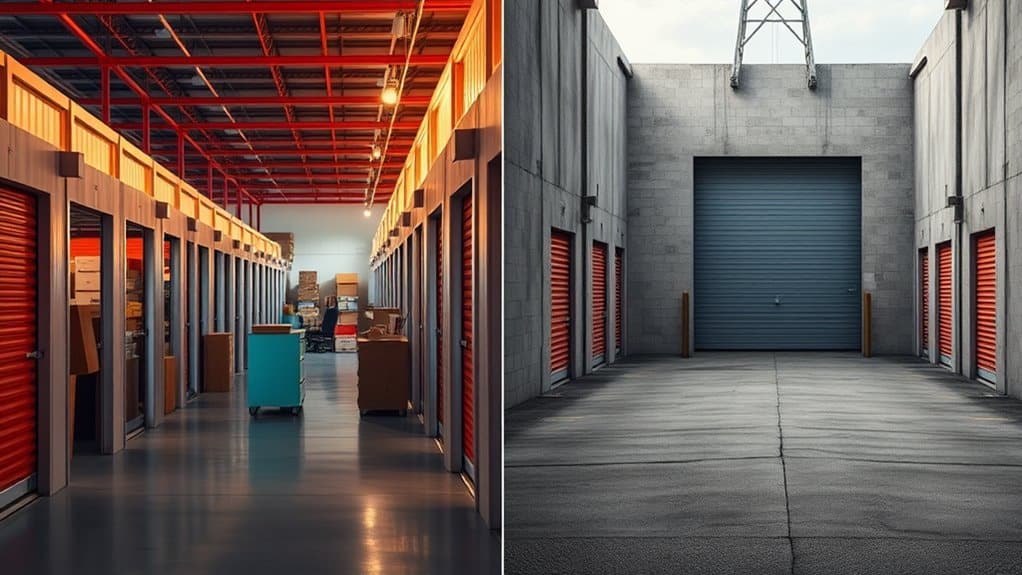
When it comes to storage solutions, self-storage facilities stand out for their flexibility in unit sizes, catering to a variety of needs. This adaptability is key to enhancing your storage experience.
Here are three important factors to consider:
- Unit Variety: With options ranging from small lockers for seasonal items to larger units for vehicles or business stock, you can easily find a suitable space for your belongings.
- Scalability: Your storage needs may change over time, and you can quickly upgrade or downsize your unit to ensure you’re only paying for what you require. Additionally, it’s wise to anticipate potential acquisitions to avoid running out of space unexpectedly.
- Space Optimisation: By using vertical storage and effective organisation techniques, you can make the most of the available space in your unit.
Assess your belongings and future storage needs to make informed choices. Measure larger items and think about how often you’ll need access to your unit.
Lease Term Options
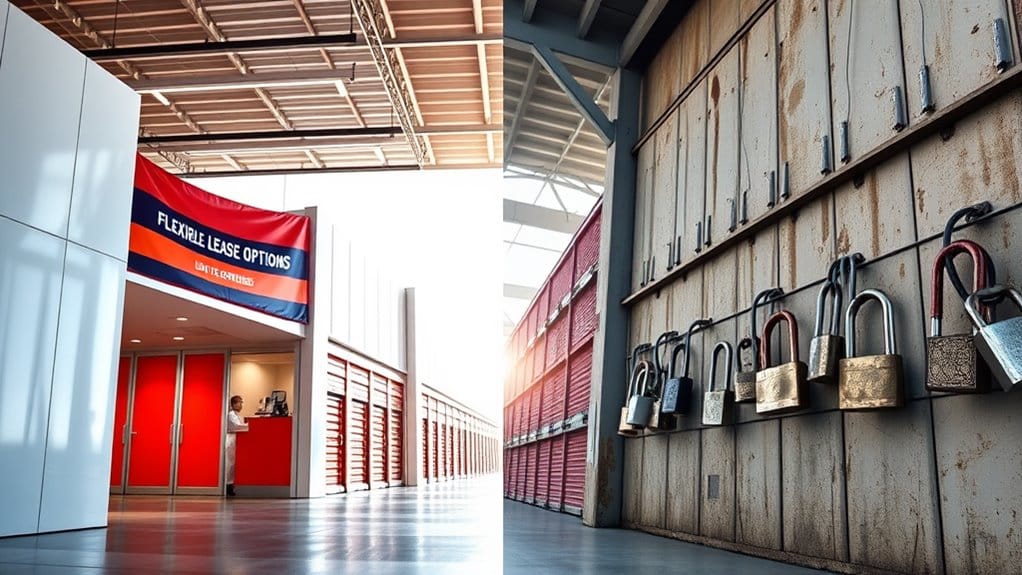
Selecting the right storage solution involves more than just the size of the unit; the lease term options are equally important. When considering self-storage, you’ll typically find lease durations of no more than three months. This flexibility enables you to adjust your storage space according to your needs without being locked in. Month-to-month contracts are common, allowing you to avoid long-term commitments that mightn’t suit your future plans.
On the other hand, traditional storage leases often last between three to seven years, which can restrict your options. Such fixed terms may not accommodate changes in your circumstances or market conditions. While some full-service storage providers require a minimum commitment of three to six months, self-storage remains far more adaptable. Additionally, the terms of self-storage agreements must adhere to local, state, and federal laws, ensuring that both parties are protected.
Ultimately, the length of the lease affects how quickly you can respond to changes. Self-storage offers the freedom to terminate leases with short notice, while traditional options provide stability but at the expense of flexibility.
When deciding between these solutions, think about how each aligns with your lifestyle and storage needs.
Cost-Effectiveness Comparisons

Cost-effectiveness plays a vital role in choosing between self-storage and traditional storage options. Here are three key advantages of self-storage:
- Lower Upfront Costs: Self-storage facilities typically have lower initial costs, steering clear of the hefty construction fees that often come with traditional storage solutions.
- Reduced Operating Expenses: Self-storage facilities usually incur minimal maintenance and operational costs, maintaining expense ratios between 25% and 40%. This can lead to significant long-term savings for you. Additionally, the minimal maintenance required for self-storage further enhances profitability compared to traditional real estate.
- Flexibility and Scalability: Self-storage units can be easily expanded or modified at a fraction of the cost of traditional storage, allowing you to adjust your space requirements as your needs evolve.
These benefits of self-storage highlight the downsides of traditional options, such as hidden fees, expensive renovations, and higher ongoing maintenance costs.
By opting for self-storage, you not only save money but also gain the freedom to manage your belongings on your own terms.
In short, self-storage offers a more economical, flexible, and efficient solution for your storage needs.
Pricing Structures
When looking at pricing structures for self-storage in the UK, you’ll come across flexible options tailored to different needs, such as dynamic rates and tiered pricing based on the features of the storage unit. It’s crucial to be aware of any hidden fees that could affect your total costs. For instance, some facilities may charge for insurance or admin fees. Regular market research identifies shifts in customer behavior that may influence pricing strategies, helping you make a more informed decision. Being mindful of these factors will help you choose a storage solution that fits your budget effectively.
Flexible Pricing Options
Flexible pricing options in self-storage facilities cater to a variety of customer needs through different pricing structures that reflect market trends.
These models adjust to seasonal demand, ensuring you pay a fair rate for your unit based on current conditions.
Here are some key features of flexible pricing:
- Dynamic Pricing: Prices change based on real-time market conditions and competitor pricing. This means you can take advantage of lower rates during quieter periods.
- Tiered Pricing: Facilities often offer different rates for units depending on features like climate control or size, allowing you to choose options that fit your budget.
- Volume Discounts: If you require multiple units, many facilities offer discounts, helping you save money when storing larger amounts.
Transparency in pricing is crucial.
Clear communication regarding base rates, insurance costs, and any additional fees ensures you know what you’re paying for.
Hidden Fees Comparison
When deciding between self-storage and traditional storage, it’s not just the advertised prices that matter; hidden fees can significantly increase your overall costs. Both options may come with unexpected charges that affect your budget.
In traditional storage, you might face mandatory insurance fees, lock replacement costs, and hefty late payment penalties. These can quickly add to your monthly bill, so it’s vital to read the fine print carefully.
Self-storage facilities, on the other hand, often use dynamic pricing based on demand, which can lead to fluctuating costs for the same unit. You may also encounter high setup fees, charges for locks or insurance, and penalties for changing your contract. It’s crucial to be aware of these hidden costs.
Regardless of whether you opt for self-storage or traditional storage, doing thorough research is key. Look for facilities that are upfront about their fees and offer clear pricing with no hidden surprises.
This way, you can make a well-informed choice that suits your financial situation and storage requirements.
Amenities Offered
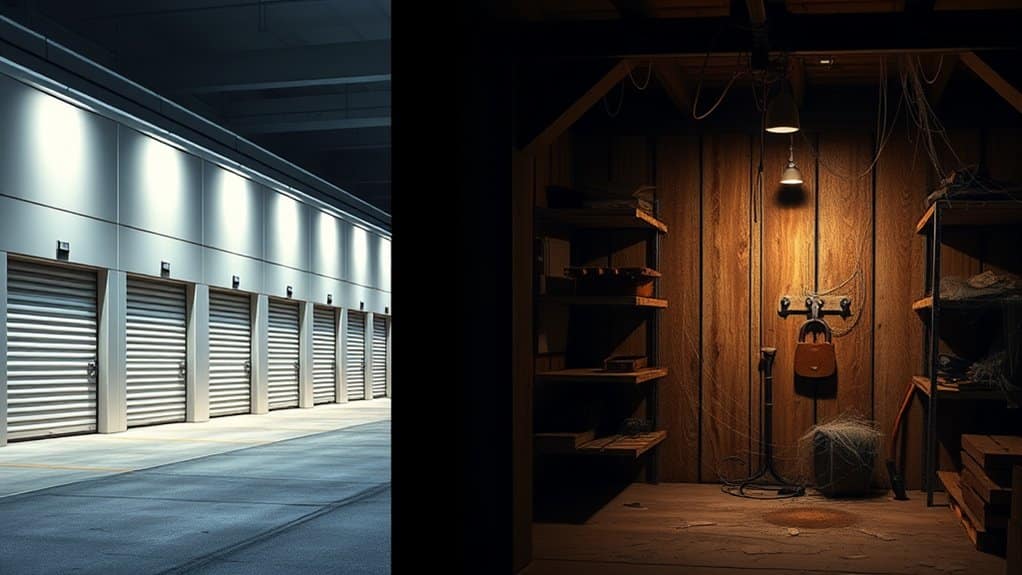
Many people consider the amenities of self-storage compared to traditional storage options. Self-storage generally offers more flexibility and convenience to suit your needs. Here are a few key benefits:
- 24/7 Access: You can access your unit at any time, which is ideal for those with unpredictable schedules or urgent storage requirements.
- Customisable Units: Self-storage facilities provide a range of unit sizes and features, allowing you to select what best suits your belongings and packing preferences.
- Extra Services: Many self-storage sites offer packing supplies and even moving van rentals, making it easier to store your items.
On the other hand, traditional storage often involves professional handling and typically doesn’t give you the same level of control over your items.
While this option can be convenient for those who prefer a full-service experience, it usually comes with fixed rental fees and less flexibility.
If you value accessibility, customisation, and cost-effective solutions, self-storage may be a better fit for your need for independence in managing your belongings.
Climate Control Advantages

When it comes to protecting your belongings, climate control offers clear advantages over traditional storage options. With temperature management and humidity control, you can safeguard items from damage caused by extreme conditions. This is crucial for sensitive materials like electronics, artwork, and wooden furniture, which thrive in stable environments.
Here’s a straightforward comparison of the benefits of climate-controlled storage:
| Advantage | Climate Control | Traditional Storage |
|---|---|---|
| Temperature Control | Maintains consistent temperatures | Subject to outside fluctuations |
| Humidity Regulation | Controls moisture levels | Often experiences high humidity |
| Pest Protection | Sealed units deter pests | Vulnerable to infestations |
| Longevity | Preserves delicate items and antiques | Risk of accelerated deterioration |
With climate control, you’re not just storing items; you’re ensuring their longevity and value. The reassurance that your belongings are protected from environmental factors makes the investment worthwhile. Choosing climate-controlled storage shows you care about your possessions and want to keep them in the best condition possible.
Moving Supplies Availability
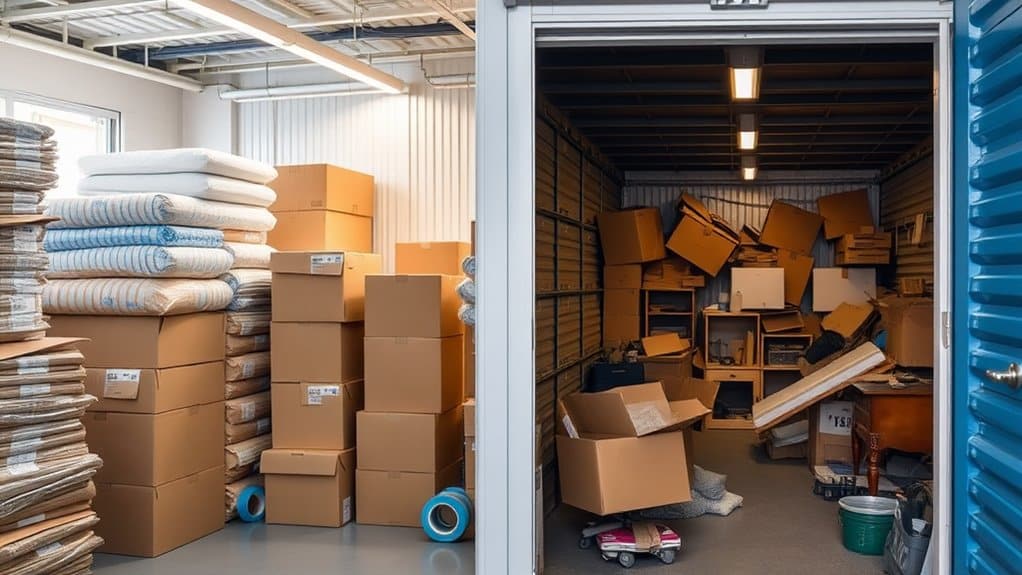
When it comes to protecting your belongings in climate-controlled storage, having the right moving supplies is crucial for a smooth relocation.
Self-storage facilities in the UK offer a range of supplies tailored to your needs, making it easier to find what you require. Here are three essential items to consider:
- Specialty Boxes: Ideal for fragile items like crockery and glassware, these boxes ensure your valuables are well-protected during transit.
- Tape and Bubble Wrap: These supplies are vital for securing and cushioning your items, helping to prevent damage while you move.
- Furniture Pads: Designed to protect larger items, these pads help avoid scratches and dents.
Many self-storage facilities stock these supplies on-site, allowing you to purchase them conveniently.
The quality of these items is typically higher, as they’re specifically designed for moving, meaning they can endure the challenges of transport.
By employing proper packing techniques and choosing the right supplies, you can optimise your storage space and minimise the risk of damage.
This convenience makes self-storage a great choice compared to traditional storage options.
On-Site Support
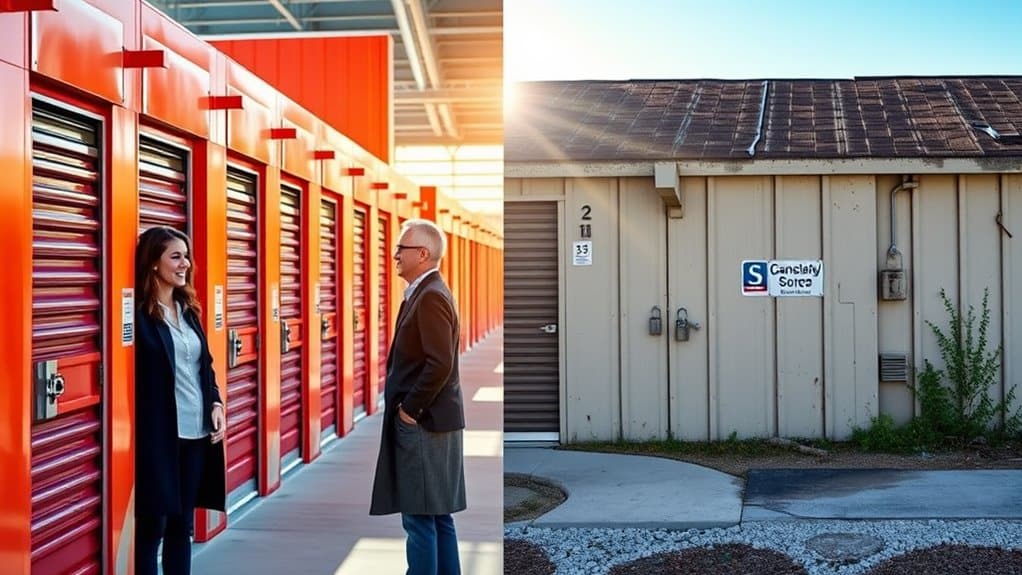
When considering on-site support, self-storage facilities in the UK offer immediate access to staff who can assist you with your storage needs during office hours.
This face-to-face interaction helps you choose the right unit and ensures that maintenance issues are dealt with promptly.
In contrast, traditional storage models often rely on off-site management, which can lead to delays in addressing any concerns.
Staff Availability
Accessibility is a crucial factor when selecting the right storage solution, and staff availability significantly impacts this. When comparing self-storage to traditional storage options, you’ll notice clear differences in customer service and support.
Here are three key points to consider:
- 24/7 Access: Self-storage facilities often allow you to access your units at any time, so you can retrieve your belongings whenever it suits you. In contrast, traditional storage typically has restricted hours and may require you to book an appointment for access.
- On-Site Support: Many self-storage facilities have an office on-site with staff available to help during business hours. This immediate support can be crucial for quickly resolving any issues you may encounter, unlike traditional storage, which often relies on off-site management that may not respond as swiftly.
- Enhanced Security: With staff on-site monitoring security systems, self-storage facilities provide an added sense of safety. Traditional storage often lacks this direct support, leaving you dependent on remote management.
If you prioritise accessibility and responsive customer service, self-storage is likely the better option for you.
Maintenance Assistance
When deciding between self-storage and traditional storage, maintenance assistance is a crucial factor. Self-storage facilities often provide on-site support to ensure the property is well-maintained. Regular tasks such as facility inspections, rubbish removal, and landscaping help create a clean and secure environment, enhancing your overall experience.
Preventative maintenance is essential to prevent expensive repairs down the line. Regular checks can spot potential problems early, and equipment maintenance keeps everything running smoothly. Self-storage facilities take a proactive approach to security and safety, giving you peace of mind regarding your belongings.
Choosing self-storage also allows you to benefit from modern technology, such as management software and automated kiosks. These features streamline the process and offer immediate support, making your experience more efficient.
In contrast to traditional storage, where maintenance may be infrequent, self-storage prioritises upkeep and improvements, ensuring high standards in facility management. This commitment not only safeguards your items but also increases the value and usability of the space you’re using.
Drive-Up Access Benefits
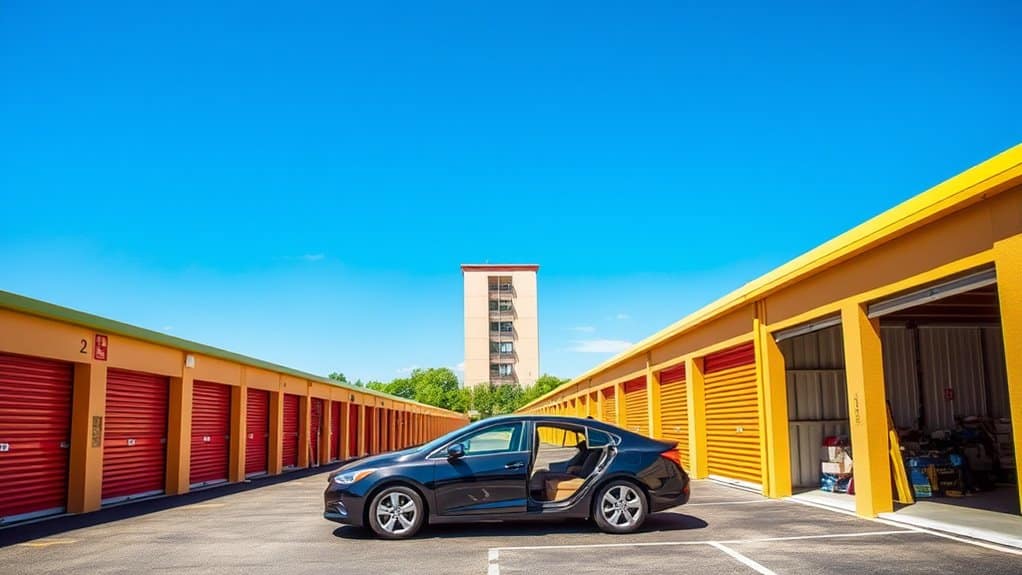
Drive-up self-storage units offer a level of convenience that can significantly enhance your storage experience. With drive-up access, you can park right at your unit, avoiding the hassle of navigating long corridors or waiting for lifts. This feature improves loading efficiency, allowing you to quickly load and unload items without unnecessary physical effort.
Here are three key advantages of drive-up access:
- Time-Saving: Quickly move items in and out, reducing the time spent on storage tasks.
- Ease of Use: Ground-level access makes it easier to use trolleys or hand trucks, particularly for heavy or bulky items.
- Enhanced Security: High visibility and the ability to keep an eye on your belongings while loading provide added protection against theft and damage.
Choosing a drive-up self-storage unit gives you greater freedom and flexibility, simplifying the way you manage your belongings.
This convenience saves you time and improves your overall storage experience, allowing you to focus on what really matters.
Long-Term vs. Short-Term Storage

Storage needs can vary significantly depending on how long you plan to keep your items and how often you need to access them. When choosing between long-term and short-term storage, it’s important to consider your specific circumstances.
Long-term storage is ideal for items you won’t need for six months or more. This option usually offers lower monthly rates and better security, making it suitable for things like seasonal furniture or archived paperwork. However, it often requires a more rigid contract.
Conversely, short-term storage offers greater flexibility. If you need storage temporarily—perhaps while moving house or during renovations—this option allows for rental periods that can start as short as a month. While it may be pricier on a month-to-month basis, it suits those who need frequent access.
Ultimately, your decision should reflect how often you’ll need to access your items, your budget, and your future plans. Consider what you’re storing and how often you’ll require it, and balance the cost with the convenience of access. This will help you find the storage solution that best fits your needs.
Frequently Asked Questions
What Items Are Prohibited in Self-Storage Units?
In self-storage units, you cannot store prohibited items such as flammable materials, perishable foods, and illegal goods. It’s important to understand the storage regulations to ensure your belongings remain safe and comply with the facility’s rules. For instance, items like paint, gas canisters, and fresh produce are typically not allowed. Always check the specific guidelines of your chosen storage facility to avoid any issues.
How Do I Choose the Right Unit Size?
To choose the right unit size, measure your belongings accurately and think about future needs and vertical space. For example, if you’re storing furniture, consider how much space they take up when stacked. Keeping an organised inventory ensures you select a unit that fits well, preventing wasted space.
Can I Access My Unit During Emergencies?
You can access your unit during emergencies, but it depends on the storage facility’s policies. Generally, access is limited for safety reasons, but in certain circumstances, you may be granted temporary 24-hour access. For instance, if there’s a flood or fire threatening your belongings, the facility might allow you in. Always check with your provider for specific guidelines.
Are There Insurance Options for Stored Items?
Yes, there are several insurance options available for your stored items. You can select policies tailored to your requirements, such as liability and theft coverage. For instance, if you’re storing valuable antiques or electronics, it’s wise to ensure they’re properly protected. Always compare different policies to secure the best possible coverage for your belongings.
What Happens if I Miss a Payment?
What would you do if you lost access to your belongings? Missing a payment can lead to late fees and even lockout from your storage unit. If the issue remains unresolved, your items could be auctioned off.
Conclusion
In summary, when considering self-storage versus traditional storage, each has its advantages. Self-storage is more accessible and offers flexibility, perfect for those needing quick access to their items. On the other hand, traditional storage is a more conventional option, often providing added security for long-term needs. Think about what suits you best—whether it’s short-term convenience or long-term safety—and make an informed choice. With the right option, your belongings will be secure and ready whenever you need them.