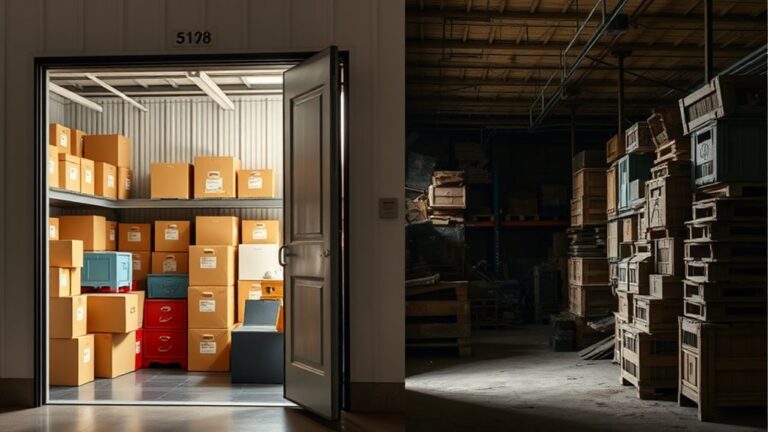
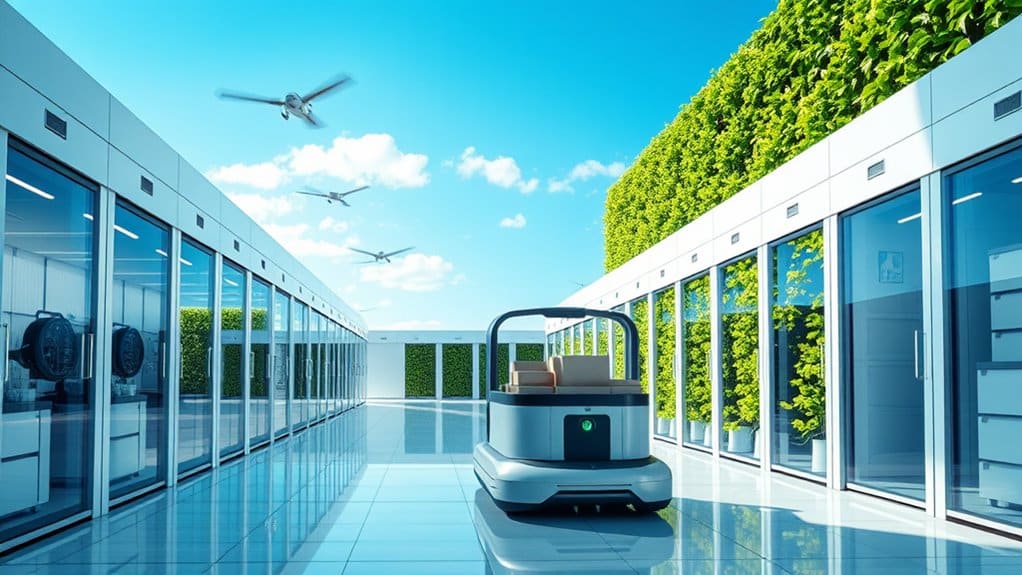
The future of self-storage is set to be revolutionised by innovative technology and smart units that enhance user experience. Expect features such as RFID technology for streamlined inventory management and mobile apps that allow remote access to your unit. Improved security measures, including biometric access and AI-driven surveillance, offer added peace of mind. Moreover, dynamic pricing strategies and real-time monitoring help optimise both usage and costs. With the self-storage market predicted to grow significantly, these advancements are well-suited to meet the demands of increasing urbanisation and e-commerce. Discover how these trends are shaping the industry to provide solutions that align with your evolving storage needs.
Key Takeaways
- Smart self-storage units will utilise RFID technology and digital inventory systems, allowing for efficient tracking and management of your belongings.
- Enhanced security features like biometric access and AI-driven surveillance will significantly bolster safety and user confidence.
- Mobile apps and remote management solutions will enable 24/7 access, making the storage experience much more convenient.
- Data-driven insights and automated property management systems will streamline operations, improve marketing efforts, and boost customer satisfaction.
- Growing sustainability trends will increase demand for eco-friendly storage options, reflecting consumers' preference for environmentally responsible practices.
Smart Self-Storage Features
As technology advances, smart self-storage features are becoming increasingly popular, enhancing both security and convenience for users. These innovations not only provide peace of mind but also allow for more efficient management of your stored items.
For instance, smart inventory management employs RFID technology to keep track of your belongings, ensuring you always know what you have in storage. This digital inventory system sends alerts for any changes, helping to reduce the risk of item loss. Additionally, many facilities offer enhanced security features, including controlled access and individual alarms on each unit, further safeguarding your belongings.
Additionally, motion detection alerts offer an added layer of security. With motion-sensing technology, you receive immediate text notifications if unexpected movement is detected. This proactive approach helps deter unauthorised access, supported by audible alarms and procedures you can customise. With continuous monitoring, you can rest easy knowing that your storage unit is being watched around the clock.
You can choose how you receive updates, so you stay informed without needing to monitor constantly.
The combination of smart inventory management and motion detection not only enhances security but also simplifies your storage experience. By adopting these smart features, you gain greater control over your belongings, allowing you to enjoy the peace of mind that comes from knowing your items are safe and accessible whenever you need them.
Advanced Security Technologies
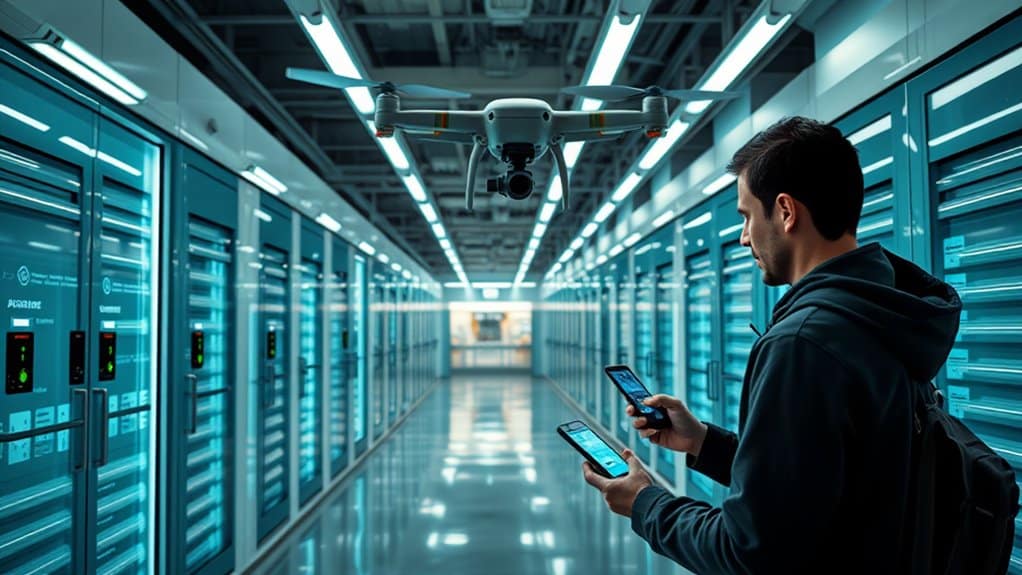
As you look into advanced security technologies for self-storage, you'll find that biometric access solutions and AI-driven surveillance systems lead the way. These innovations not only ensure that only authorised users can access storage units, but they also offer real-time monitoring and alerts, significantly lowering the risk of theft and vandalism. Furthermore, effective security prevents break-ins, protecting tenant-owned property and enhancing overall trust in self-storage facilities. The integration of IoT technology into these security systems allows for even more sophisticated monitoring and control, creating a safer environment for users.
Biometric Access Solutions
Traditional security measures like keys and access codes can often be inadequate for protecting self-storage facilities. Biometric access solutions significantly enhance security by using unique biological traits for user authentication, making unauthorized access nearly impossible.
With biometric systems, you benefit from quick access without the need to remember keys or codes, improving your overall experience. Additionally, biometric traits can't be transferred or stolen like traditional keys, giving you peace of mind. Furthermore, the integration of enhanced security features such as 24/7 video surveillance can complement biometric systems for an even stronger security framework.
These systems also maintain audit trails, recording entries and exits, which enables facility managers to effectively monitor access history. Although the initial investment in biometric scanners—between £500 and £1,000—might seem considerable, the long-term reduction in security risks can justify the expense. Moreover, companies like Move It self-storage have shown a commitment to embracing cutting-edge innovations, leading the way in adopting biometric technology.
As biometric technology becomes more common in self-storage, expect features like mobile app integration for remote management. However, it's crucial to consider biometric privacy and understand how your data is used.
Ultimately, these innovations not only bolster security but also provide you with seamless access to your belongings.
AI-Powered Surveillance Systems
AI-powered surveillance systems are transforming how self-storage facilities protect their assets. These systems use automated threat detection to spot patterns and anomalies that may signal security risks, such as unauthorized access. With real-time monitoring, you receive instant alerts, allowing for quick action to secure your belongings. AI solutions, including intelligent cameras, ensure broad coverage, capturing crucial evidence while cutting down on the labour costs of manual monitoring. This scalability enables facilities to serve more users without needing additional investment.
However, as these technologies evolve, privacy concerns and ethical implications arise. It's essential for facilities to balance improved security with individual privacy rights.
Additionally, AI's capability to analyse data from various sources provides valuable insights for security decisions. Integrating with IoT devices and cloud storage enhances real-time monitoring, making it more convenient for customers.
As AI technology progresses, self-storage providers must remain aware of ensuring that security innovations don't infringe on personal privacy.
Automation Enhancements

Transforming operations in the self-storage sector, automation enhancements are crucial for boosting efficiency and customer satisfaction.
With cloud-based management software, you can monitor occupancy and unit availability in real-time from anywhere, making informed decisions easier than ever. Automated tenant management and billing processes streamline operations, reducing human error and administrative workload. Furthermore, automation streamlines processes by reducing costs and enhancing tenant convenience.
Smart locks and self-service kiosks improve customer convenience, allowing for seamless access to units while minimising manual tasks. Additionally, dynamic pricing strategies driven by AI can optimise revenue, potentially increasing it by up to 10%.
These technologies adjust rates based on occupancy and demand trends, ensuring you remain competitive. Real-time data on occupancy and revenue enables you to make strategic business decisions, while automated reminders and reports keep operations running smoothly.
Smart access control systems offer enhanced security, facilitating contactless operations that prioritise safety and convenience. As the self-storage industry adopts these automation enhancements, you're not just increasing efficiency; you're creating a more responsive and user-friendly customer experience.
Customer Experience Innovations
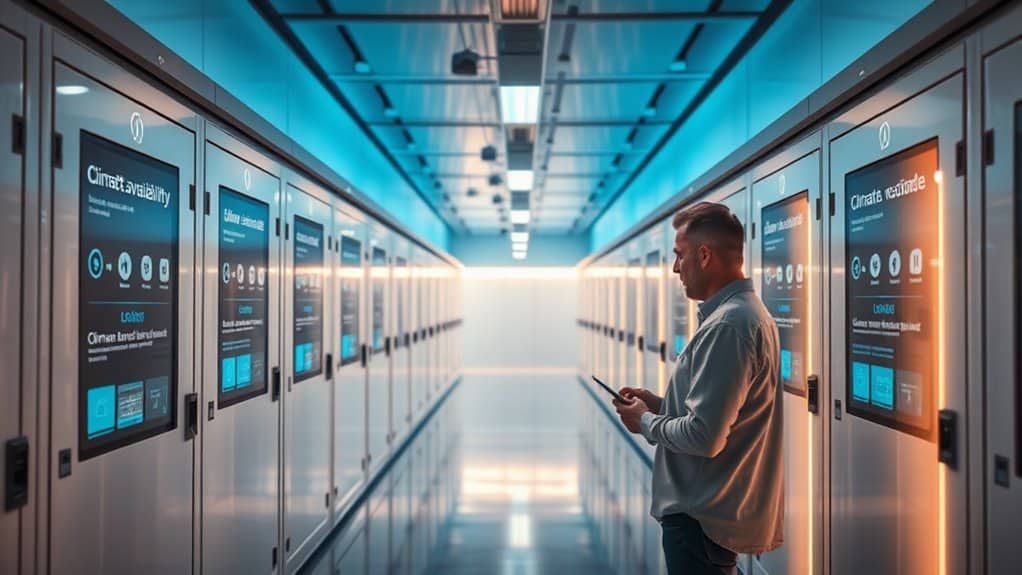
Customer experience innovations are transforming the self-storage industry by focusing on accessibility and personalisation. With technology leading the way, you can enjoy a smooth customer journey tailored to your needs. Mobile apps enable remote management of storage units, while 24/7 access means you can retrieve your belongings whenever you need. Digital payments and contactless access make transactions straightforward and enhance security. The self-storage market is projected to reach $83.67 billion by 2031, highlighting the increasing importance of these innovations.
Here are some key innovations:
| Innovation Type | Description |
|---|---|
| Mobile Applications | Manage units remotely for added convenience |
| AI-Powered Chatbots | Provide immediate and efficient customer support |
| Omnichannel Approach | Ensures a consistent experience across all platforms |
| Virtual Tours | Allow you to visualise spaces before booking |
| Integrated Digital Platforms | Combine reservation, payment, and support services |
The focus on personalised service, including AI-driven recommendations and augmented reality, enhances your experience. With 83% of customers citing price as a major factor, these innovations not only meet your expectations but also provide flexibility and ease. Embracing these advancements ensures a tailored approach, ultimately improving satisfaction and loyalty in the self-storage sector.
Operational Efficiency Improvements
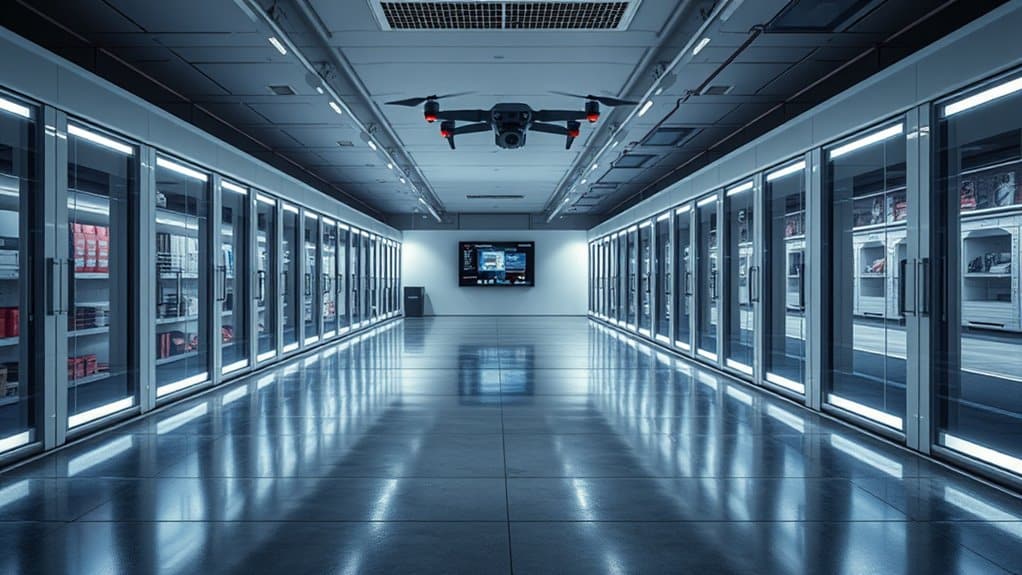
Implementing remote monitoring solutions revolutionises the management of self-storage facilities, offering real-time oversight and bolstering security.
By utilising data-driven operations, you can streamline processes, optimise resource allocation, and ultimately cut costs. This approach not only enhances efficiency but also empowers you to make informed decisions that foster business growth. Additionally, advanced video surveillance ensures that your facility remains secure while providing peace of mind to your customers.
For example, with remote monitoring, you can quickly identify and address issues, ensuring a smoother operation and improved customer satisfaction.
Remote Monitoring Solutions
Implementing remote monitoring solutions is revolutionising the self-storage industry by improving operational efficiency and security. As the demand for effective management increases, these solutions utilise sensor integration and scalable monitoring to provide real-time insights into facility conditions and security.
Here are three key components of remote monitoring solutions:
- Sensors and Devices: These monitor temperature, humidity, and detect leaks, as well as oversee locks and access points to prevent unauthorised entry.
- Integration and Scalability: Facilities can integrate with third-party systems via APIs, enabling remote data access and flexible monitoring across single or multiple locations.
- Automation and Efficiency: IoT sensors automate processes, optimise space utilisation, and enhance tenant management, which reduces labour costs and boosts overall operational efficiency. Additionally, comprehensive monitoring solutions ensure tailored surveillance needs are met, proactively managing risks to protect stored assets.
The benefits go beyond cost savings; they also enhance customer satisfaction through 24/7 access and proactive security measures.
By adopting these technologies, you'll not only protect your assets but also gain a competitive advantage in the evolving self-storage market.
Embracing remote monitoring is a strategic step towards a more efficient, secure, and customer-focused operation.
Data-Driven Operations
Remote monitoring solutions are improving security and operational efficiency in self-storage facilities. Data-driven operations take this innovation further by using analytics to optimise management.
By harnessing data analytics, you can make informed market predictions and gain insights into customer behaviour, leading to better pricing strategies. Real-time insights help you keep track of occupancy rates, enabling accurate demand forecasting and adjustments to your offerings. This capability not only enhances operational efficiency but also optimizes pricing strategies based on data insights.
Integrating market data through tools like Radius+ allows you to stay competitive by monitoring pricing strategies and competitor performance. Tenant profiling lets you customise services to meet specific customer needs, enhancing satisfaction.
Modern property management systems automate processes like billing, lease agreements, and communications, which reduces errors and boosts efficiency.
Additionally, big data applications and AI provide real-time insights across various channels, helping you identify popular storage sizes and improve your marketing efforts.
Emerging Industry Trends

The self-storage industry is undergoing notable growth, projected to rise from £51.7 billion in 2024 to £69.8 billion by 2028. This expansion is largely driven by urbanisation and the increasing demand for e-commerce. As more people look to declutter their homes, flexible storage solutions are in high demand.
Here are three key trends influencing the sector:
- Micro Storage Solutions: Smaller storage units are becoming popular, catering to urban residents with limited space.
- Commercial Storage Demand: Businesses are recognising the cost-effectiveness of self-storage, using these units for excess inventory and seasonal stock. Additionally, the self-storage market size increased from $59.03 billion in 2023 to $63.58 billion in 2024, highlighting the industry's growth potential.
- Enhanced Customer Convenience: Facilities are investing in user-friendly platforms for seamless booking and management, improving the overall customer experience.
With strong market projections, self-storage investments are increasingly appealing. Stakeholders need to adapt to these trends to meet changing customer needs and navigate the evolving self-storage landscape.
AI and Augmented Reality Impact
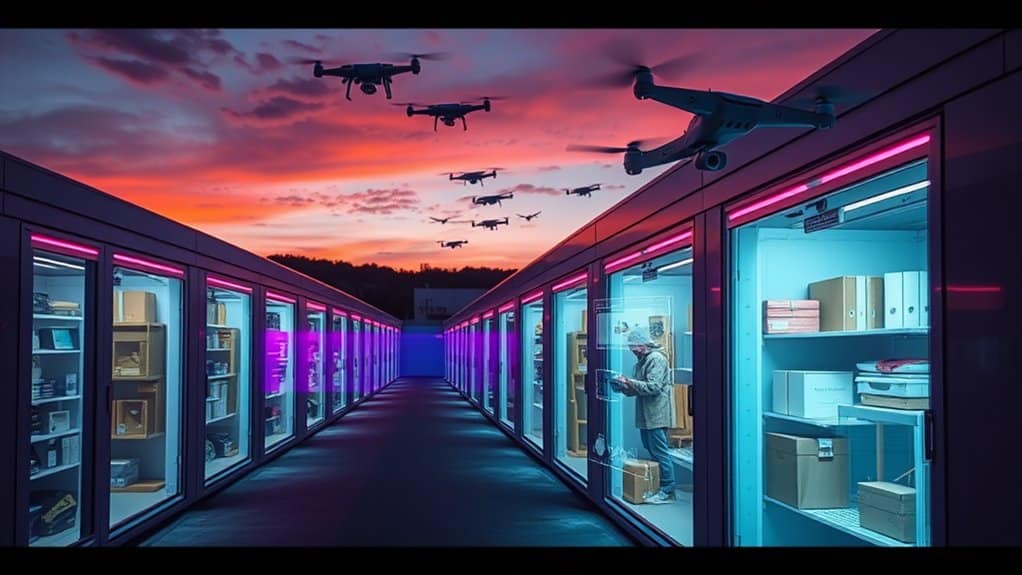
The integration of AI and augmented reality (AR) is revolutionising the self-storage sector, significantly improving operational efficiency and customer engagement.
With AI, you can streamline operations by analysing occupancy patterns and forecasting future demand. This enables you to make informed decisions, ensuring units are used effectively and cutting unnecessary costs.
AR takes organisation to a new level. Picture having immediate access to a detailed digital catalogue of your stored items through AR technology. This not only aids in locating items but also offers placement suggestions, optimising your storage space. Such capabilities enhance inventory management, making it simpler to monitor item conditions and retrieve essential information.
Additionally, AI-driven surveillance systems bolster security with real-time alerts and predictive analytics, providing peace of mind.
As you navigate the competitive landscape, AI's insights into market trends and competitor activities can help keep you ahead.
Adopting AI and AR isn't just about keeping pace; it's about transforming your self-storage experience. These technologies deliver greater efficiency and user-friendliness, making your storage solutions smarter.
Future Outlook for Self-Storage

The self-storage market is set to reach approximately £63.58 billion by 2024, making its future look bright. This growth is largely driven by urbanisation and the surge in e-commerce. When considering your storage options, it's important to understand the trends influencing this industry.
- Urbanisation and Population Growth: As cities grow, the demand for storage solutions rises, benefiting both individuals and businesses.
- E-commerce Demand: With the rise of online shopping, many businesses require self-storage to efficiently manage their inventory.
- Sustainability Initiatives: There's a growing focus on sustainable practices in self-storage, appealing to eco-conscious consumers while also improving operational efficiency.
These trends pave the way for technological advancements like automated inventory management and smart storage units.
The market is expected to grow at a compound annual growth rate (CAGR) of 7.9% from 2024 to 2030, indicating opportunities for investment.
As the industry progresses, opting for self-storage solutions that incorporate technology and sustainability will likely offer you the flexibility you need.
Frequently Asked Questions
How Are Smart Self-Storage Units Environmentally Friendly?
Smart self-storage units improve energy efficiency with automated systems and use sustainable materials in their construction. This not only lessens their environmental impact but also supports eco-friendly practices. For instance, by using LED lighting and smart climate control, these units ensure a convenient and responsible storage solution.
What Are the Costs Associated With Smart Self-Storage Technology?
When assessing the costs of smart self-storage technology, it's important to break down the initial investments. This includes expenses for access control systems and security cameras. Additionally, consider ongoing costs such as maintenance, software subscriptions, and potential upgrade expenses to ensure optimal performance and security. For example, a facility might spend on a modern keypad entry system and then need to budget each month for software updates and routine maintenance.
Can I Access My Unit From Anywhere in the World?
Imagine being able to access your belongings from anywhere in the world. With remote access, you can easily enter your unit using apps or keypads, offering you the freedom and peace of mind you need, no matter where you are. For instance, if you're on holiday or at work, you can still manage your items without any hassle.
What Happens if My Smartphone Battery Dies?
If your smartphone battery runs out, you'll lose access to important features. It's wise to have a portable charger handy for emergencies, so you can quickly recharge and stay connected. This helps avoid interruptions in your daily life, whether it's missing a call from a friend or being unable to check your emails.
Are There Size Limitations for Smart Storage Units?
Yes, smart storage units offer a range of sizes. Common dimensions vary from 1.5m x 1.5m to 3m x 7.6m, catering to different needs. For example, some units, like SMARTBOX, have a weight limit of 1,134 kg to meet specific requirements.
Conclusion
In a world where your belongings could have their own social media accounts, the future of self-storage is looking promising. With smart units featuring advanced security and automation, you won't just be storing your items; you'll be keeping them in a high-tech stronghold. As artificial intelligence and augmented reality transform the industry, you can expect personalised storage solutions that rival luxury hotels. So, the next time you pack up, remember: your shoes might just be enjoying a better life without you!