Portable storage units offer solid security thanks to robust steel construction and high-security locks, making them suitable for short-term use. However, they often lack the comprehensive security features found in permanent facilities, such as climate control and 24/7 surveillance. While portable units are convenient and cost-effective, they may expose your belongings to risks over time. For sensitive or high-value items, opting for permanent storage is likely a wiser choice. Explore the differences in security across various storage options to make an informed decision.
Key Takeaways
Portable storage units use heavy-duty padlocks and reinforced hasps, but they don’t have the advanced security features found in permanent facilities. Permanent storage options often include electronic access controls, biometric scanners, and 24/7 surveillance, providing a higher level of security.
For long-term storage, portable units can be less secure as they are exposed to the elements and potential theft. While they offer convenient access, their security measures are not as comprehensive as those in permanent facilities.
Permanent facilities also provide organised access and climate control, making them better suited for sensitive items that require stable conditions.
Overview of Security Features
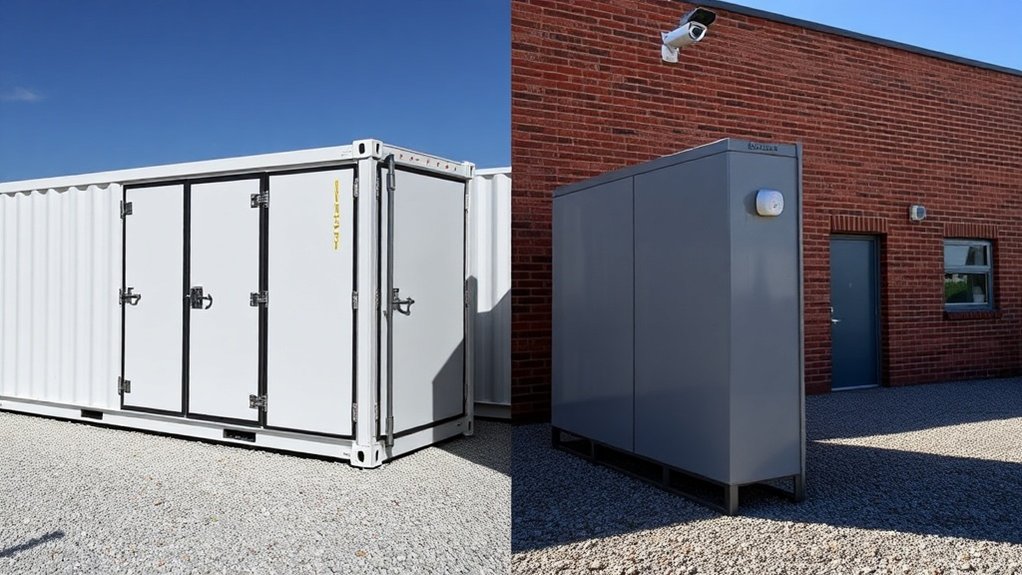
When it comes to the security of portable storage units, it’s important to know the features designed to keep your belongings safe.
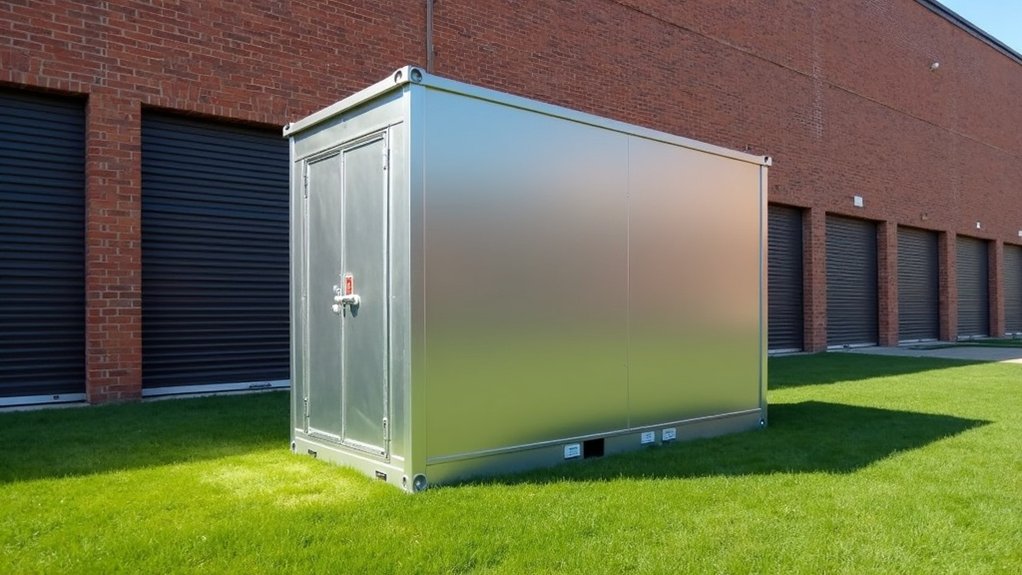
These units are usually made from robust steel, which makes them tough against vandalism and break-ins. Unlike traditional storage facilities that often rely on flimsy padlocks, portable units typically feature high-security locking systems and heavy-duty padlocks attached to reinforced hasps. Durable materials like galvanised steel enhance the structural integrity of these units, providing additional protection against potential threats.
Having a single access point reduces the number of entry options, enhancing security. Some providers may also offer tamper-evident seals or alarm systems for added protection. Additionally, portable storage containers are designed with all-steel construction for durability, making them a reliable option for safeguarding possessions.
While permanent storage facilities might’ve electronic keypad gates, portable units give you individual control over security, allowing you to manage it according to your needs. This personalised approach offers both freedom and peace of mind.
Environmental Protection and Climate Control
While securing your belongings is important, it’s also essential to consider how portable storage units help protect the environment and manage climate change.
These units are more sustainable, generating fewer carbon emissions during their production and reducing transport emissions by being set up on-site. By minimising trips and making better use of space, they can lower emissions by up to 30% compared to traditional storage methods. Their thermal insulation features not only safeguard your items but also reduce energy consumption. Furthermore, portable storage units prevent permanent land use, helping to preserve green spaces and urban areas. Their flexibility allows for various temporary uses, enhancing efficiency and reducing environmental impact. Additionally, the use of recycled materials in portable storage solutions further supports resource conservation and minimizes the environmental impact of new resource demand. Moreover, these units are designed for weather resistance, ensuring that your belongings are safeguarded from environmental damage.
Choosing portable storage is a step towards a more sustainable future.
Size and Capacity Options
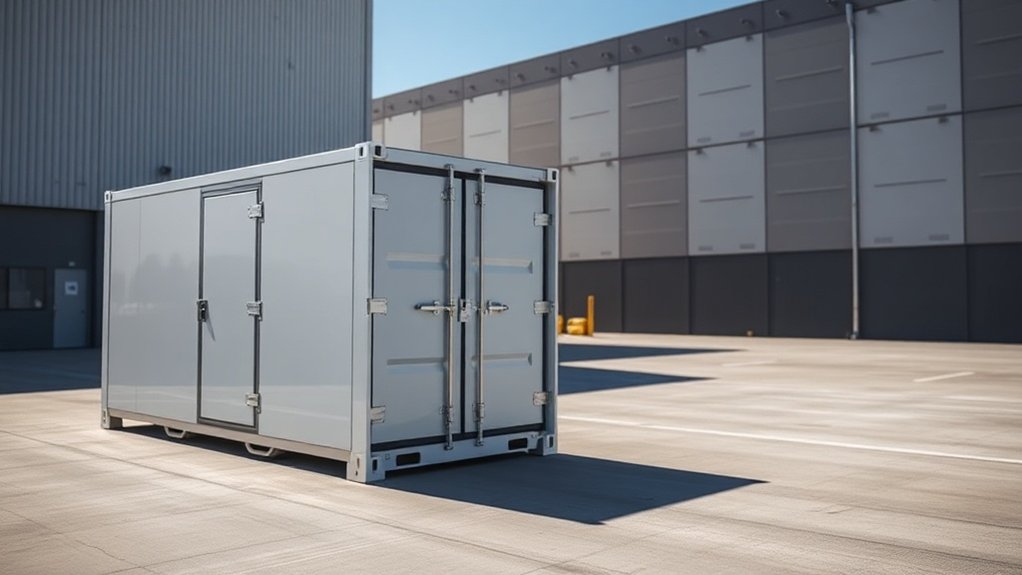
When looking at size and capacity options for portable storage units, you’ll encounter a range that offers both convenience and certain limitations. These units come in standard dimensions, but they may not be suitable for larger items compared to traditional storage facilities. Understanding the different sizes and volume restrictions will help you identify the best options for your storage needs. For instance, if you’re storing furniture or larger appliances, you may need to consider a larger unit or a traditional storage solution. Additionally, scalable unit sizes in portable storage can help match your specific storage requirements, but may still fall short for oversized items. Furthermore, while portable storage pods typically have limited size options, traditional units provide a wider range of sizes to accommodate diverse storage needs.
Space Variety Comparison
Portable storage units and permanent storage facilities provide a variety of sizes and capacities to meet differing needs. With portable units, you benefit from flexible sizing and the option for customisation, choosing containers ranging from 8 to 40 feet to suit your requirements. In contrast, permanent facilities generally offer fixed sizes, from small 5×5 units to larger 10×30 options.
| Type | Size Range | Ideal Use Case |
|---|---|---|
| Portable Storage | 8′ to 40′ | Flexible, temporary storage solutions |
| Permanent Storage | 5’x5′ to 10’x30′ | Long-term, stable storage needs |
| Smaller Portable Unit | ~8′ (office/studio) | Ideal for compact storage of limited items |
| Medium Portable Unit | 16′ to 20′ | Suitable for residential moves and medium businesses |
| Larger Permanent Unit | 10’x20′ and up | For entire home contents or large appliances |
This table highlights the main differences, helping you select the right storage option for your needs.
Volume Limitations Explained
Choosing the right storage solution involves understanding both size options and the volume limitations of portable storage units.
Small units offer around 11.3 cubic metres, which is ideal for compact living spaces. Medium units provide approximately 17 cubic metres, suitable for one- to two-bedroom flats. Large units can accommodate between 34 to over 56 cubic metres, perfect for larger homes or projects.
However, it’s important to consider weight limits, as heavier items can reduce the usable volume. These units typically have load capacities ranging from 2,100 to 2,400 kilograms.
Furthermore, height restrictions usually cap at 2.1 to 2.4 metres, which limits how high you can stack items and creates volume constraints that differ from more spacious permanent storage facilities.
Ideal Usage Scenarios
Understanding the ideal usage scenarios for portable storage units revolves around their size and capacity options, which cater to various needs.
These units, typically available in 7-foot, 12-foot, and 16-foot sizes, are great for short-term projects like home renovations or local moves. For businesses, having immediate on-site access can significantly enhance efficiency during transitional periods.
If you don’t have a large vehicle or time to spare, portable storage can save you from transport hassles. You can choose to keep the units at your location or use secure facilities for added flexibility.
However, for long-term storage or larger items, traditional facilities might be a better fit. Assess your specific needs to make the most of portable storage options.
Access and Convenience
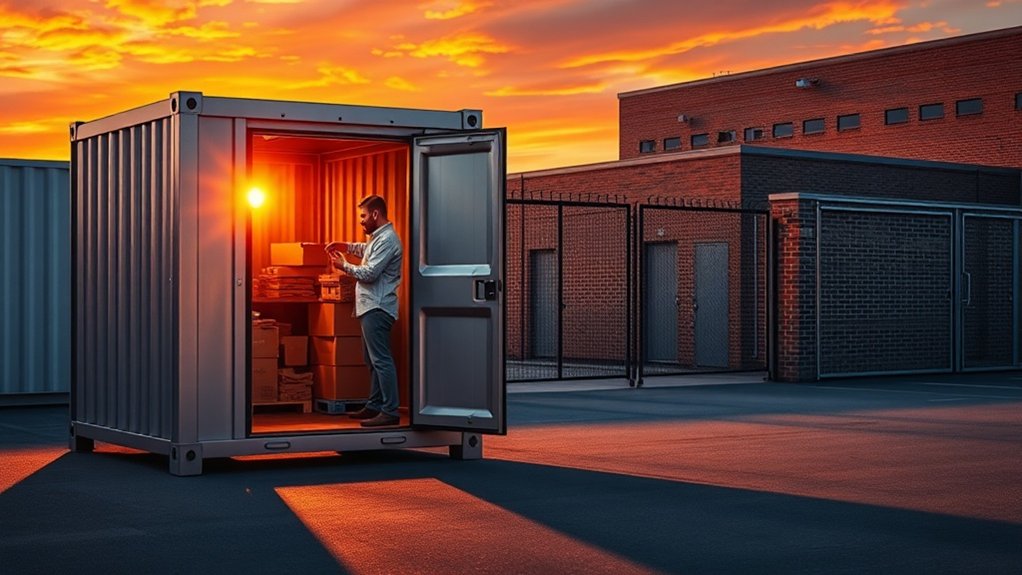
How does the accessibility of your belongings impact your storage experience?
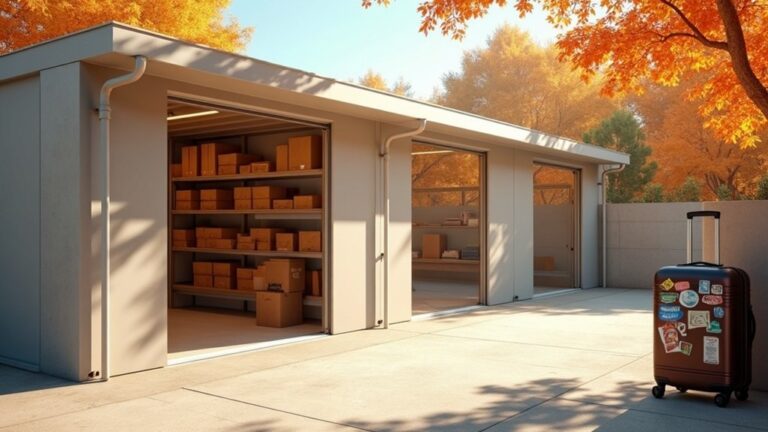
With portable storage units, you benefit from exceptional convenience. These units are typically delivered directly to your doorstep, allowing you to access or store items whenever you need, without the constraints of traditional facility hours.
You have full control over your belongings, using your own padlock to manage access. This means no more trips to distant locations; you can pack and unpack at your leisure.
While traditional storage facilities may offer certain perks and security features, they often come with delays and logistical headaches. In contrast, portable units provide the flexibility you need for a hassle-free storage experience.
Cost and Economic Considerations
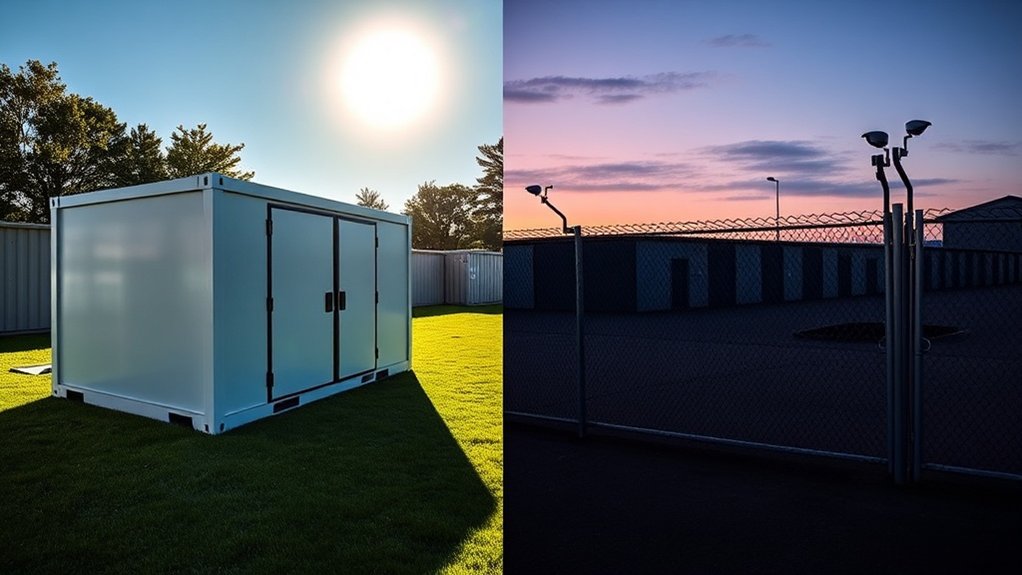
When considering storage options, it’s important to assess the overall costs and economic factors of portable versus traditional storage units.
Portable units generally average around £149 per month, plus additional fees, while traditional units start at approximately £107.
For short-term needs, portable storage can be more cost-effective due to its flexibility. However, for long-term rentals, traditional facilities often provide better pricing and more stable monthly rates.
Keep in mind potential extra charges, like delivery fees for portable units or move-in costs for traditional ones.
Ultimately, weighing convenience against cost is crucial for making a decision that suits your financial situation.
Technological Advancements in Security
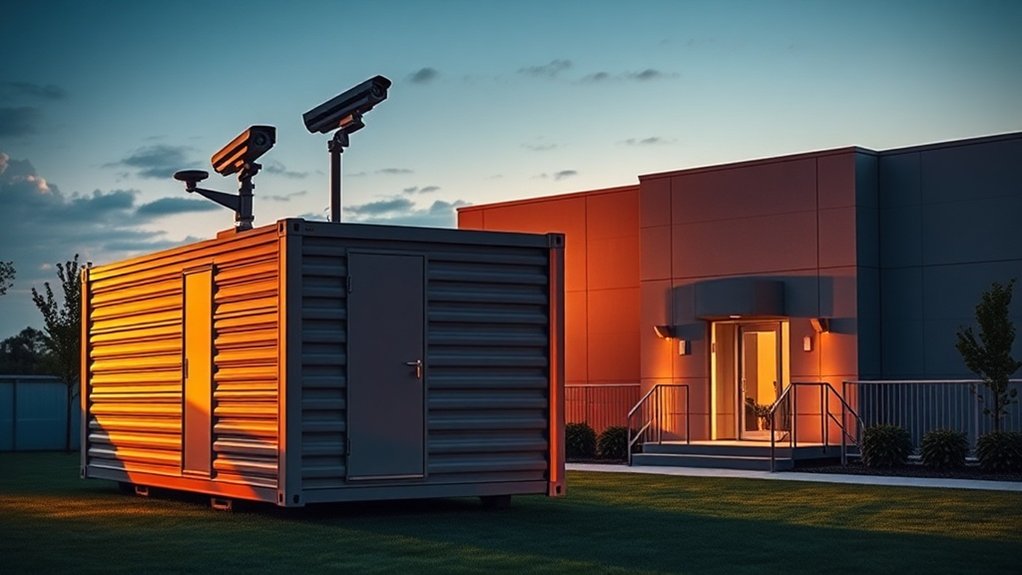
Technological advancements are transforming storage security, with both permanent facilities and portable units adapting to new safety standards.
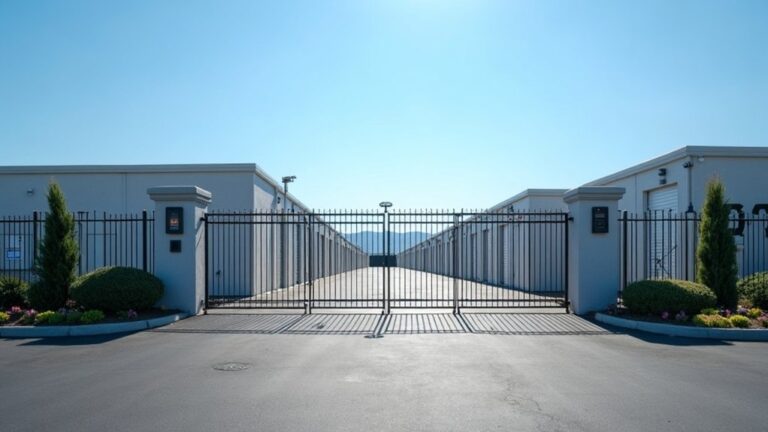
Permanent facilities benefit from advanced security measures such as electronic access controls, biometric scanners, and round-the-clock surveillance, providing comprehensive monitoring and instant alerts for any unauthorised access.
In contrast, portable units generally rely on heavy-duty padlocks, which lack these sophisticated monitoring features. While some portable options are beginning to incorporate mobile app controls, they still fall short in integrated security, making them less dependable.
Moreover, permanent facilities often utilise real-time digital inventory management, allowing for efficient tracking of items.
On the other hand, portable storage typically requires manual oversight, underscoring the significant technological disparity in security between these two options.
Long-term vs. Short-term Storage Needs
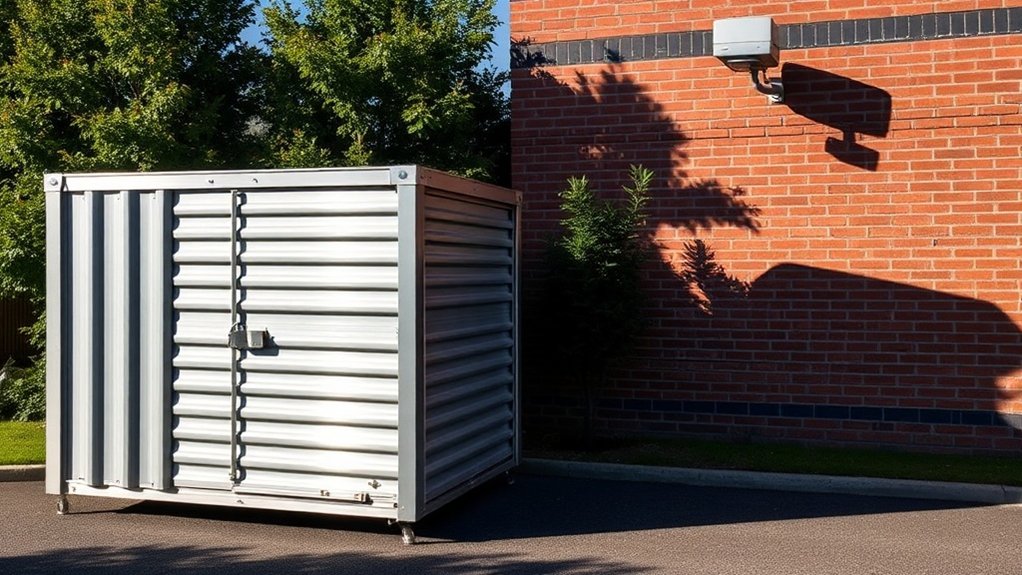
When choosing storage options, consider how long you need to store your items and their sensitivity to environmental conditions.
For short-term needs, portable units are ideal as they provide easy access.
In contrast, long-term storage may call for traditional facilities that offer enhanced security and climate control.
Storage Duration Considerations
When choosing a storage solution, it’s important to consider how long you’ll need it. For short-term storage, portable units are convenient and easily accessible, making them suitable for items that aren’t sensitive.
However, they come with risks for longer durations, such as exposure to the elements, pests, and security concerns.
For longer-term storage, permanent facilities offer climate control and better security, which is crucial for protecting valuable items. They also allow for larger inventories and organised access, making them ideal for extended needs.
Weighing the immediate benefits of portable units against the long-term advantages of permanent facilities will help you make the best choice for your storage needs.
Item Sensitivity Assessment
Assessing the sensitivity of your items is crucial for choosing the right storage solution, whether for the long or short term. A detailed evaluation can help you decide between portable and permanent storage based on the needs of your valuables.
- Long-term storage: Opt for permanent facilities with climate control and enhanced security for sensitive items.
- Short-term storage: Portable units can be sufficient for items that are less affected by environmental conditions.
- Sensitive items: Antiques, electronics, and important documents require stable environments, making permanent storage the better choice.
Insurance and Liability Considerations

Understanding insurance and liability considerations for portable storage units is crucial, as standard home or contents insurance often doesn’t cover risks associated with mobile or temporary storage.
You may need specialised insurance policies to protect against theft, fire, and other specific damages related to portable units. Some providers offer tailored liability coverage, but be aware that payouts are usually based on depreciation rather than replacement costs.
Liability can also be shared; if damage occurs due to poor packing, you might be partly responsible.
It’s generally advisable to opt for insurance, given the increased risks. By ensuring that you comply with operational standards, you can improve your coverage options and reduce liability exposure, helping to safeguard your belongings while enjoying the convenience of portable storage.
Conclusion on Security Comparisons
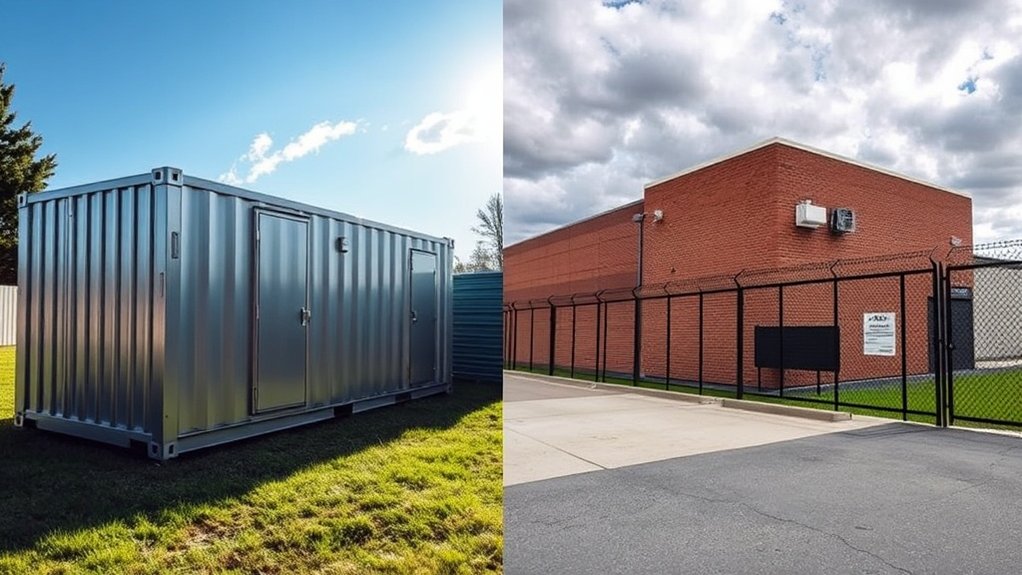
When comparing security options between permanent storage facilities and portable storage units, each has its own benefits and drawbacks.
- Permanent facilities typically offer advanced security features, such as gated access and surveillance cameras.
- Portable units allow for user-controlled access but lack professional monitoring.
- Permanent facilities also provide better environmental protection, which is crucial for safeguarding sensitive items.
Ultimately, your choice will depend on what you prioritise: convenience or security.
Portable units offer immediate access and flexibility, but their reliance on user vigilance can pose a risk.
In contrast, permanent facilities, with their strong security measures and controlled environments, provide robust protection against theft and damage.
Weigh your priorities carefully to decide which option suits your storage needs and offers you peace of mind.
Frequently Asked Questions
Can I Customize the Security Features of a Portable Storage Unit?
Yes, you can customise the security features of a portable storage unit. Consider various upgrades such as heavy-duty padlocks or electronic locks to enhance protection, ensuring your belongings remain safe and accessible.
What Happens if My Portable Unit Gets Damaged During Transportation?
If your portable unit gets damaged during transport, it’s important to assess the damage carefully and explore your insurance options. First, document the damage with photos and notes. Then, file an insurance claim as soon as possible. Quick action can help you get the repairs done swiftly, ensuring that your unit remains functional and your belongings stay protected.
Are There Weight Limits for Items Stored in Portable Units?
Yes, there are weight limits for portable storage units. Sticking to these limits ensures your items are safe during transport and helps maintain the unit’s structure. For example, if you’re storing furniture or heavy boxes, make sure to check the weight guidelines to avoid any issues and protect your belongings.
How Do I Ensure My Items Are Safe During Extreme Weather?
To ensure your belongings are safe during extreme weather, use weatherproofing methods and maintain climate control. Properly seal containers, employ protective packaging, and keep humidity levels stable to shield your items from moisture and temperature changes. For example, use airtight boxes for electronics and moisture-absorbing sachets for documents.
Can I Access My Portable Unit While It’s Being Transported?
You cannot access your portable unit while it’s being transported due to safety regulations and security protocols. To ensure its availability, make sure to lock it before transport. Accessing it during the move could compromise security and breach company policies.
Conclusion
When comparing the security of portable storage units to permanent facilities, both have their pros and cons. Portable units offer flexibility, making them ideal for short-term needs, while permanent facilities provide a strong, reliable option for long-term storage. Your decision should depend on your specific requirements, whether you need convenience for a short period or a secure solution for the long haul. Understanding these differences will help you protect your belongings effectively.