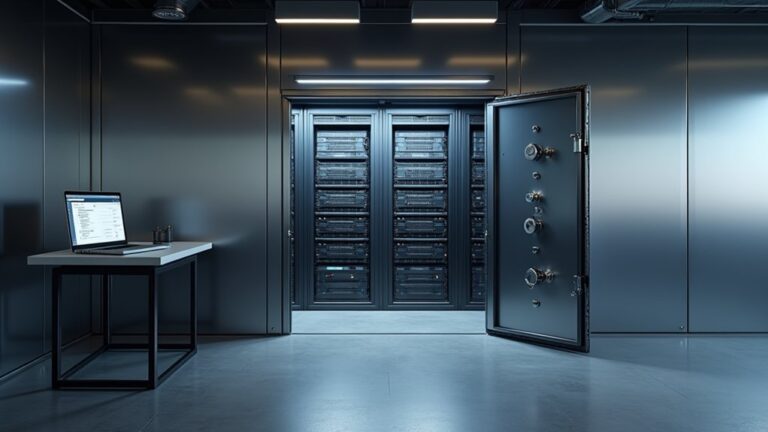
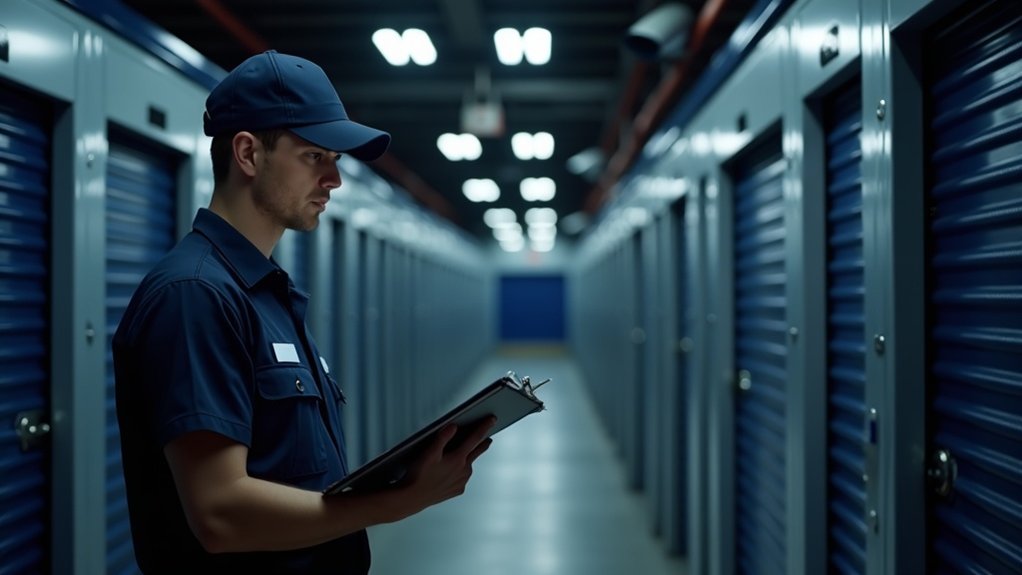
Staff are vital in ensuring security at storage facilities. You monitor CCTV systems, control access, and respond to incidents. Regular training helps you spot suspicious behaviour and improve emergency response skills. Your role is key in promoting a culture of vigilance through teamwork and clear communication. By documenting security protocols, you ensure compliance with data protection measures. Your proactive involvement can significantly enhance safety and reduce risks. Explore how different aspects work together to further bolster security.
Key Takeaways
- Staff training in identifying potential security threats is essential for the early detection and reporting of incidents in storage facilities. For instance, recognising unusual behaviour can prevent theft or vandalism.
- Regular emergency response drills enable employees to respond quickly and effectively during incidents, significantly improving overall safety.
- Having clear communication channels among staff encourages vigilance and allows for quick reporting of suspicious activities or security breaches, such as unauthorised access to restricted areas.
- Ongoing training and evaluations help reinforce security protocols and pinpoint areas needing improvement, ensuring staff are always prepared.
- Fostering teamwork and collaboration builds a strong security culture, making every employee feel responsible for maintaining a safe environment.
The Importance of Continuous Monitoring

Continuous monitoring is crucial for maintaining the integrity of storage facilities, especially for sensitive goods. Automated systems provide real-time alerts for any changes in conditions like temperature and humidity. This immediate detection enables quick corrective action, helping to prevent potential loss or damage. Additionally, climate-controlled storage ensures that items are preserved under optimal conditions, further safeguarding their integrity.
Moreover, ongoing data analysis allows you to manage operations effectively, rather than relying solely on periodic inspections. Monitoring tools with various sensors offer constant oversight, ensuring reliability. By implementing edge analytics in your monitoring systems, you can pre-filter data and focus on critical alerts, enhancing the overall efficiency of your operations.
With real-time data at hand, you can act proactively, minimising downtime and protecting stored assets. Ultimately, effective monitoring safeguards your inventory and empowers you to make informed decisions that enhance overall storage security.
Access Control Management Strategies

Access control management is crucial for securing storage facilities, directly affecting both the security of the premises and the assets inside. Using effective access control technologies—such as automated gates, biometric scanners, and smart locks—ensures that only authorised individuals can enter. Implement solid credential management strategies by clearly defining user roles and establishing straightforward protocols for granting or revoking access. Cloud-based systems can simplify this process, allowing for remote monitoring and quick adjustments to access levels when needed. Incorporating anti-tailgating measures, like turnstiles and AI identity verification, further strengthens your security framework. Regularly reviewing access logs and conducting security assessments helps you identify vulnerabilities and maintain a secure environment, giving tenants the freedom they want while protecting your facility’s integrity. Additionally, almost 5,000 rental storage facilities are targeted for theft annually, underscoring the importance of effective access control measures.
Effective Incident Response Protocols
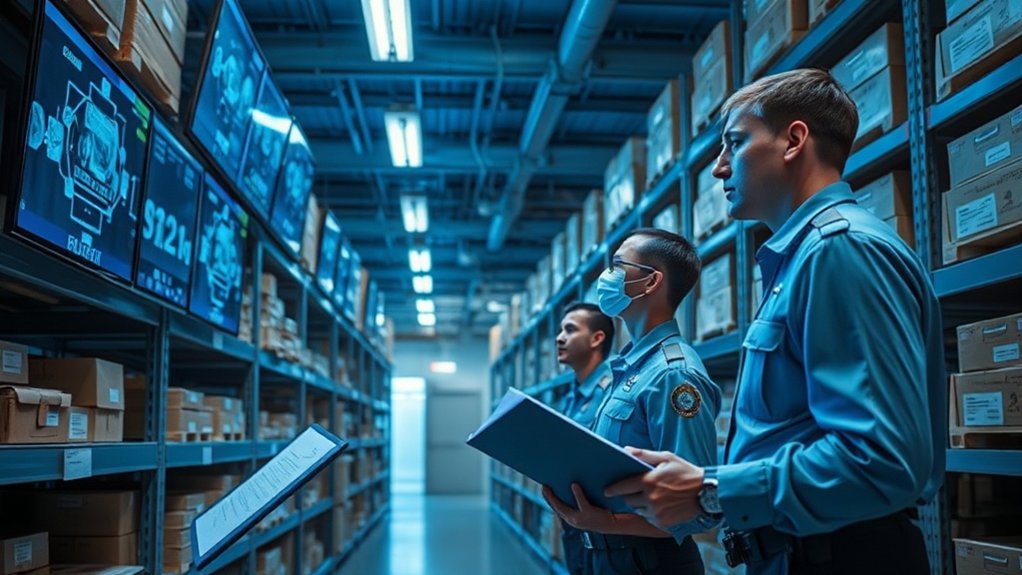
Incidents can arise unexpectedly, but having robust incident response protocols ensures your storage facility can react swiftly and effectively.
Form an incident response team with clearly defined roles across departments, including IT and security. Use classification strategies to differentiate and prioritise your response actions based on severity.
Quickly assess potential incidents to verify and analyse them, and ensure all anomalies are logged for future reference. A well-structured cybersecurity incident response plan enhances business continuity and reduces liability.
Regular training for your team on immediate actions, such as securing affected areas and communicating with stakeholders, builds confidence and encourages a proactive culture.
Regularly review and refine your protocols based on lessons learned to continuously improve your incident response capabilities.
Emergency Handling Procedures
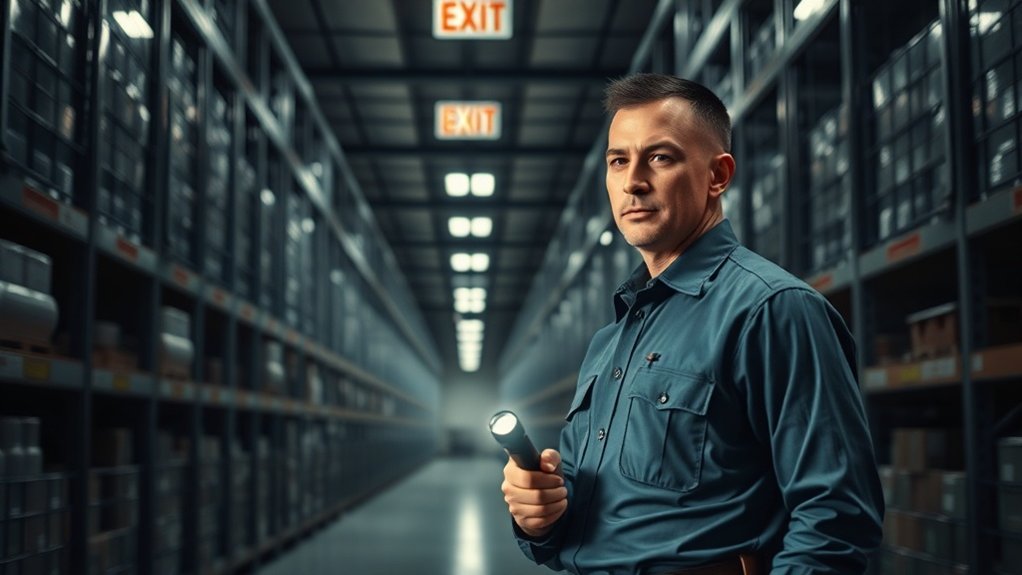
In emergencies, follow established incident response protocols to ensure a quick and effective reaction.
It’s crucial to coordinate with emergency services, as this allows for prompt assistance and improves safety. By familiarising yourself with these procedures, you help maintain a safe storage environment for everyone involved.
For example, if there’s a fire, immediately alert the fire brigade and follow the evacuation plan.
Your knowledge and preparedness can make a significant difference.
Standardized Incident Response Protocols
Standardised incident response protocols are crucial for ensuring quick and effective management of emergencies in storage facilities.
It’s important to have a clearly defined incident response team with specific roles for different situations. Assign authority levels for making decisive actions during incidents and establish protocols for incident detection, analysis, and categorisation. This enables accurate assessment and prioritisation based on severity.
Document all incidents promptly to ensure accountability and support any investigations.
Make sure effective communication channels are in place for notifications and updates, reducing confusion during an incident.
Regular training on these protocols equips you and your team to act decisively, protecting both facility operations and tenant data while fostering a culture of awareness and preparedness.
Coordination With Emergency Services
Effective coordination with emergency services is crucial for a prompt and organised response during incidents at storage facilities. As a staff member, you must immediately notify emergency services, providing clear identification of the facility and its location.
Appoint an Emergency Response Coordinator to manage the situation and maintain communication with responders. Ensure that all personnel are accounted for during evacuations and report any missing individuals without delay.
Regular drills with local emergency services will help everyone understand their roles and procedures. Keep updated emergency contact lists and ensure that communication channels are tested and accessible.
Always prioritise safety by isolating hazardous materials and guiding emergency services through the facility to speed up their response efforts.
Staff Training for Security Awareness
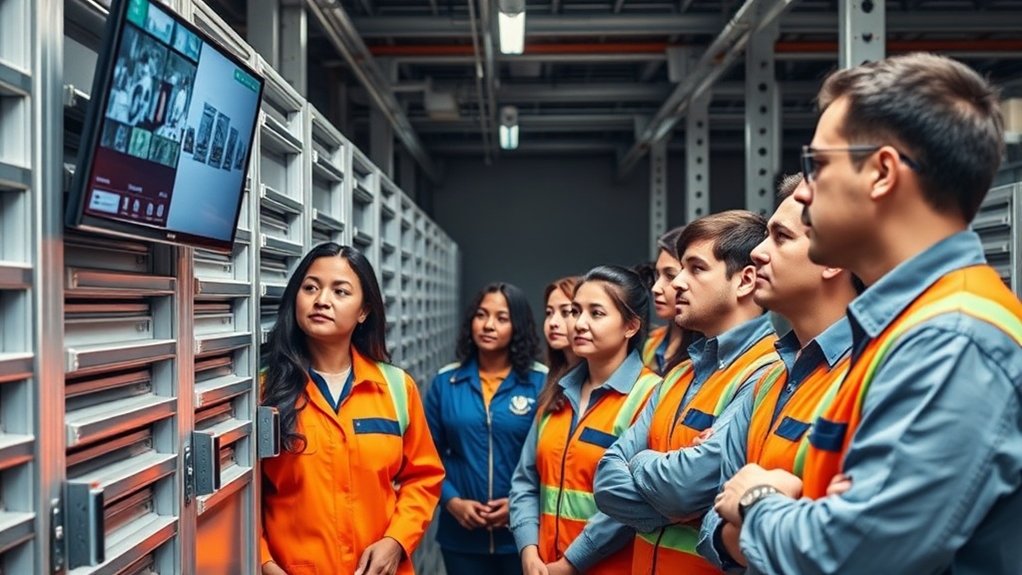
Understanding potential security threats is crucial for you and your team in a storage facility.
Participating in emergency response training enables you to act quickly and effectively during incidents.
By encouraging proactive security practices, you can foster a safer environment for everyone involved.
For example, knowing how to identify suspicious behaviour or report an incident can make all the difference.
Recognizing Potential Security Threats
Recognising potential security threats is crucial for anyone working in a storage facility. It’s important to be aware of common risks such as phishing attacks, ransomware, and social engineering, as these can compromise sensitive information and disrupt operations.
Training in security awareness helps you identify phishing emails and recognise manipulative behaviours that might lead to insider threats. Stay alert to unauthorised physical access, including tailgating or tampering with locks.
Regular drills and ongoing training reinforce these skills, ensuring you’re prepared to respond effectively.
Emergency Response Procedures Training
Emergency response procedures training is crucial for ensuring that staff can respond effectively during crises. It’s important to prepare for various scenarios, such as fires, evacuations, and medical emergencies.
Regular drills, including quarterly tabletop exercises and annual full-scale simulations, enable you to practice and improve your response strategies. Involving non-emergency response team members ensures that everyone understands their roles, promoting a sense of teamwork.
After each drill, conducting evaluations helps identify weaknesses and refine protocols. Additionally, specialised courses like Advanced Bulk Storage Emergency Responder training provide valuable insights for specific sectors.
Promoting Proactive Security Behaviors
To effectively promote proactive security behaviours among staff, it’s crucial to implement regular, targeted training that addresses specific risks within your facility.
Encourage a security mindset by combining classroom and online training that promotes open communication. Focus on both physical and cyber threats, integrating real-world scenarios to enhance relevance.
Use gamification and interactive formats to engage employees and maintain their attention. Short, frequent sessions minimise disruption while reinforcing key concepts.
Establish a dedicated security awareness team to coordinate efforts and provide ongoing updates. Measure effectiveness by tracking reduced security incidents rather than merely completion rates, fostering a vigilant workforce ready to protect your facility and its assets. Additionally, incorporating advanced security features can further enhance the overall protection of your facility, ensuring staff are equipped with knowledge about the systems in place.
Enhancing Surveillance Technology

As technology advances, improving surveillance systems is crucial for maintaining security in storage facilities. AI developments enable smart cameras to monitor areas with minimal human intervention. These systems can detect unusual activities and send real-time alerts, which enhances response times.
Facial recognition technology improves access control, helping to prevent unauthorized entries. Predictive analytics can assess behavioral patterns, allowing for the anticipation of potential threats.
Integrating surveillance with IoT devices facilitates continuous monitoring of storage conditions, while mobile apps enable remote security management. By adopting these technologies, you can take a proactive approach to security, protecting both the facility and its contents. Implementing strong access controls is essential to ensure only authorized personnel can access sensitive data.
Embrace these innovations to bolster safety and enhance your operations.
Routine Maintenance of Security Systems
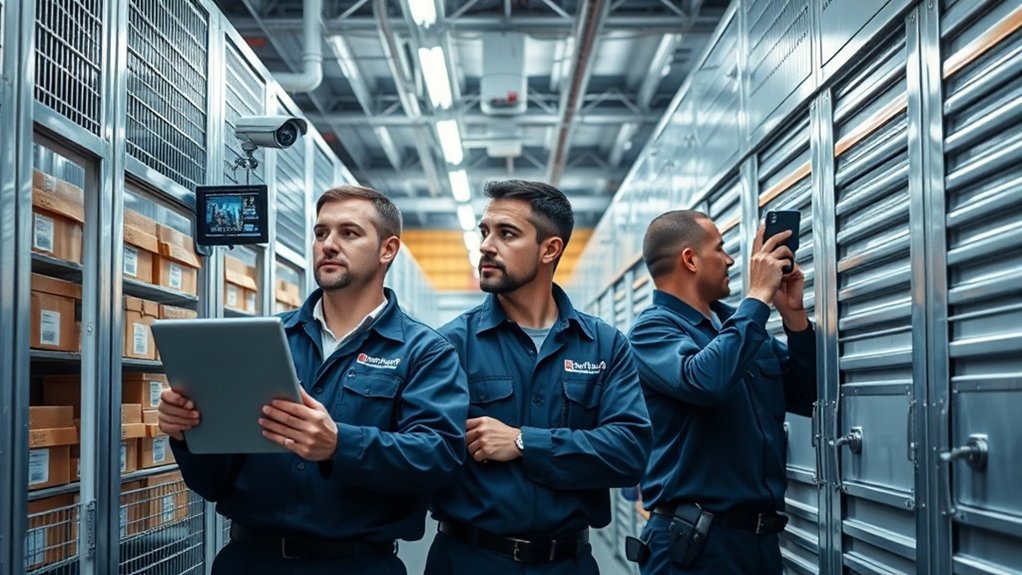
To maintain security at your storage facility, it’s essential to carry out routine maintenance of your surveillance systems. Establish a regular maintenance schedule that includes everything from visual inspections to functionality tests. Clearly assign responsibilities and ensure staff are trained in the necessary procedures.
| Task | Frequency |
|---|---|
| Routine Inspections | Weekly |
| Functional Testing | Monthly |
| Software Updates | Quarterly |
Regularly check cameras, keypads, and sensors to identify and resolve issues promptly. Keep hardware clean and well-maintained to ensure optimal performance. By following these routines, you’ll enhance your facility’s security, deter unauthorised access, and create a safer environment for your tenants.
Record Keeping Practices for Security

Effective record-keeping is essential for security in your storage facility, ensuring all records are accurately tracked and managed.
Use clear classification methods to organise documents by type, sensitivity, and retention needs, making management easier. Implement standardised metadata to improve searchability, allowing for quick access to important information.
Regularly update your inventory and document each record’s physical location to reduce errors and save time during searches. Keep detailed logs of all record transfers, including complete metadata to maintain the chain of custody.
Data Privacy and Compliance Measures

In today’s data-driven environment, it’s crucial to comply with regulations governing data protection.
You need to understand the specific requirements for various types of data and implement strong security measures to protect sensitive information.
For instance, adhering to the General Data Protection Regulation (GDPR) not only reduces legal risks but also builds trust with your clients.
Data Protection Protocols
Ensuring data protection is crucial for compliance and privacy. To safeguard sensitive information in storage facilities, implement strong measures such as data encryption. Use Advanced Encryption Standards (AES) to protect data both at rest and in transit.
Conduct regular access audits and maintain logs to track who accesses data and when. This helps ensure compliance with role-based access controls.
Multi-factor authentication (MFA) provides an extra layer of security, minimising the risk of unauthorised access.
Establish a strong password policy that requires complex, regularly updated passwords. Regular training sessions for staff will keep them informed about cybersecurity threats and proper data handling practices.
Compliance With Regulations
Compliance with data privacy regulations is crucial for storage facilities to protect sensitive information and avoid significant legal penalties. Adhering to frameworks like GDPR is mandatory, which requires transparency in how data is collected, used, and disposed of.
Regular audits ensure compliance with these standards, while providing staff training helps your team identify cybersecurity threats and understand their responsibilities.
Implementing role-based access controls and multi-factor authentication reduces data exposure and enhances security. A clear incident response plan allows for swift action in the event of a breach, ensuring you meet legal obligations.
Keep detailed records of data disclosures and maintain open communication about compliance expectations to foster a culture of accountability and security.
Teamwork and Coordination Among Staff

Effective teamwork and coordination among staff are crucial for maintaining security in a storage facility. By using collaborative strategies, you can improve team dynamics and ensure everyone understands security protocols.
Regular training sessions keep your team updated on access control measures, surveillance operations, and incident response procedures. Clear channels for reporting suspicious activities encourage quick action and promote a proactive security culture.
Open communication and sharing of intelligence strengthen vigilance among staff. Holding regular team meetings allows you to review security status, learn from past incidents, and refine strategies.
Future Trends in Storage Facility Security

As technology advances, security at storage facilities is evolving to tackle new challenges and enhance safety. The integration of digital access controls, such as mobile app-based entry and biometric authentication, ensures that only authorised personnel can gain access.
Artificial intelligence is crucial, with surveillance systems autonomously detecting unusual activity and predicting potential breaches through advanced pattern recognition. Hybrid-cloud solutions enable centralised monitoring across various sites, streamlining data management.
Furthermore, the move towards mobile credentials makes access simpler and more convenient. Stronger data protection strategies and cybersecurity measures are essential to protect both physical assets and sensitive information.
Frequently Asked Questions
How Do Staff Communicate During Emergencies or Security Incidents?
During emergencies, staff adhere to established protocols, using communication tools such as radios and mobile applications. By being concise and clear, you ensure that everyone receives vital information swiftly, allowing for effective responses to security incidents. For instance, if there’s a fire alarm, staff will use radios to quickly inform colleagues of evacuation routes, ensuring safety for all.
What Are the Consequences of Unauthorized Access Attempts?
Unauthorized access can result in significant security breaches, leading to financial losses, legal repercussions, and reputational damage. For instance, businesses may face increased operational costs and a decline in customer trust, which can disrupt their activities. It’s crucial to implement robust security measures and access controls to mitigate these risks.
How Often Are Staff Security Trainings Conducted?
Monthly security training is implemented by 38% of organisations, helping to maintain high levels of staff engagement. Regular training is vital, as 74% of security breaches are caused by human error. This highlights the importance of ongoing education in security practices.
Who Is Responsible for Managing Security Technology Upgrades?
You are responsible for managing security technology upgrades. This includes implementing security protocols, assessing technology, and working with suppliers to ensure your facility stays secure and efficient against emerging threats and operational demands.
What Happens to Security Footage After a Set Period?
After a certain period, security footage is usually automatically deleted or overwritten. For example, a shop might discard footage after 30 days, which helps them comply with privacy regulations and manage storage efficiently.
Conclusion
In today’s fast-paced environment, your staff is crucial to the security of your storage facility, much like a lighthouse guiding ships safely through rough waters. By focusing on continuous monitoring, access control, and comprehensive training, you can build a strong defence against potential threats. It’s essential to go beyond mere protocols and cultivate a culture of security awareness and teamwork. Looking ahead, staying abreast of emerging trends will help ensure your facility remains a secure environment, safeguarding both assets and data effectively.