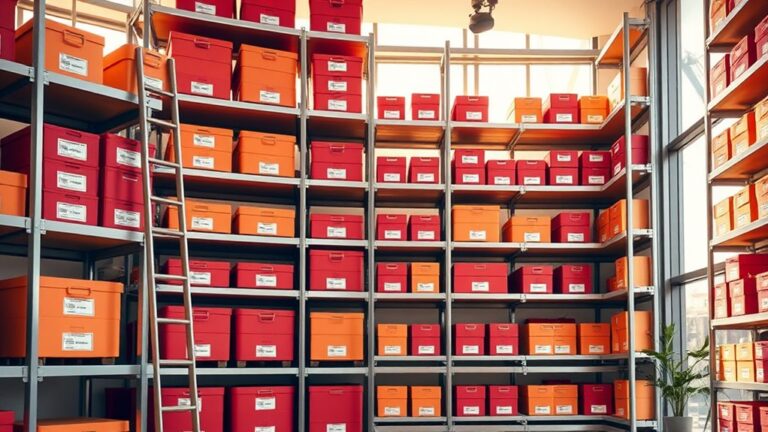
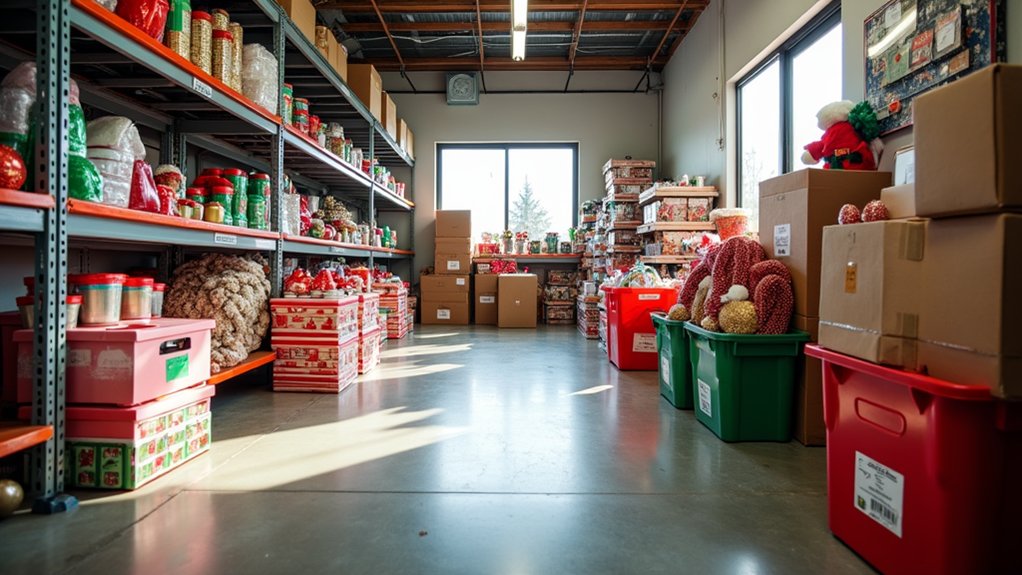
Self-storage offers flexible solutions for managing seasonal retail inventory, helping you make the most of your space while saving costs. By storing off-season stock, you can avoid overstock issues and stockouts, making your retail area more efficient. Many self-storage facilities provide month-to-month leases, climate control, and security features to keep your inventory safe and accessible. This approach fits well with the changing demands of e-commerce, improving your inventory management. For example, if you run a clothing shop, you can store winter stock during the summer months, allowing you to focus on current sales without clutter. Consider how self-storage can benefit your business further.
Key Takeaways
Self-storage offers retailers a flexible and cost-effective way to manage seasonal inventory without the high costs of traditional warehousing. By renting storage units, retailers can store off-season stock, freeing up valuable retail space for current products.
Climate-controlled self-storage options are ideal for preserving sensitive seasonal items, ensuring they stay in excellent condition until required. With month-to-month leases and various unit sizes, retailers can easily adjust their storage needs as inventory fluctuates throughout the year.
Using effective self-storage solutions improves the visibility and organisation of seasonal stock, helping to minimise waste and boost inventory turnover during peak periods. For example, a clothing retailer can store winter apparel during the summer months, ensuring they have more room for summer lines while keeping their off-season stock safe and accessible.
Understanding Seasonal Demand in Retail
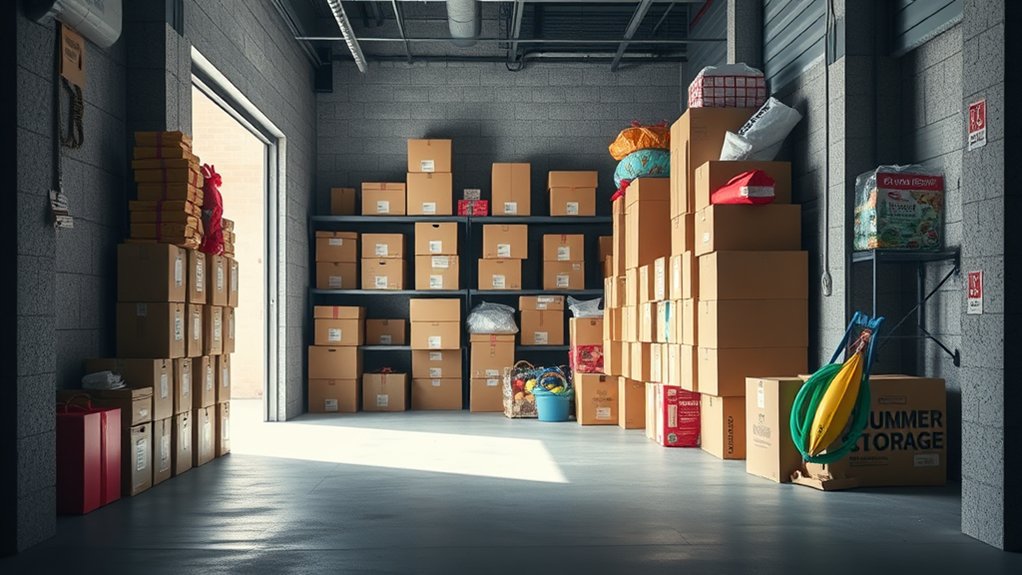
Understanding seasonal demand in retail is crucial for effective inventory management and boosting sales. By recognising seasonal trends, you can align your stock with what customers want, ensuring you’re ready for busy periods. For example, sales of winter clothing typically increase during the colder months, while swimwear is popular in summer. Additionally, demand spikes around holidays like Christmas and Halloween can significantly affect your sales strategy. It’s important to anticipate these changes and adjust your inventory accordingly. By using predictive analytics and historical data, you can refine your strategy to respond better to consumer buying habits. This alignment helps minimise the risk of overstocking and maximises your sales potential, allowing you to focus on growth and innovation. Implementing effective management of seasonal inventory can also lead to increased customer satisfaction during peak demand periods. Furthermore, utilizing self-storage solutions can provide a flexible option for managing excess inventory during off-peak times.
Benefits of Self-Storage for Retailers
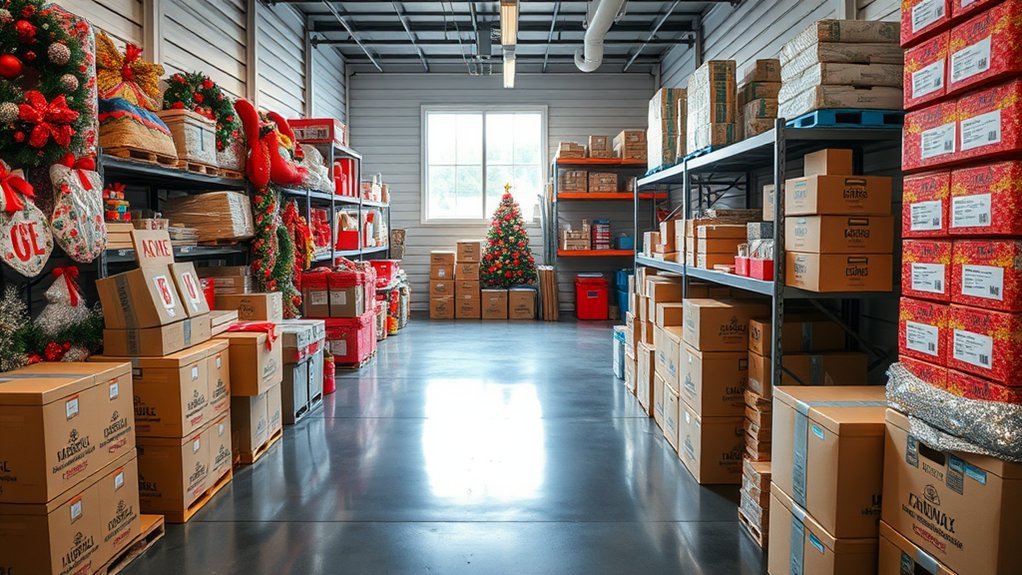
When handling seasonal stock, self-storage provides flexible solutions that cater to your changing requirements. By making use of cost-effective space, you can optimise your budget and steer clear of the costs linked to traditional warehousing. This practical approach not only improves your inventory management but also boosts your overall operational efficiency. For example, if you sell winter clothing, you can store your summer stock during the off-season, freeing up valuable space in your retail premises. Additionally, the self-storage market is projected to grow to $85.27 billion by 2030, indicating a rising demand for these storage solutions among retailers. Many facilities also offer month-to-month leases that provide added flexibility for managing fluctuating inventory needs.
Seasonal Inventory Management
As seasonal demand varies, retailers need to manage their inventory effectively to prevent issues like overstocking and stockouts. Using self-storage can boost your inventory turnover during seasonal sales, offering a cost-effective way to optimise space. By renting storage units, you can keep off-peak stock, minimising the risk of dead stock and markdowns after the season ends. This flexibility enables you to respond quickly to demand surges without incurring permanent warehouse costs. Moreover, secure self-storage options ensure your seasonal stock is safe and accessible, helping you meet customer expectations while keeping profits in check. Additionally, accurate demand forecasting is essential to ensure that the right amount of stock is stored, further enhancing your inventory management strategy. This ensures that you can take advantage of flexible rental agreements that allow for easy adjustments based on your changing inventory needs.
Flexible Storage Solutions
Managing seasonal inventory can be tough, but self-storage solutions offer retailers a practical advantage.
With flexible rental options, you can rent space only when you need it during peak seasons. Different unit sizes and features like climate control allow you to match your storage with your inventory needs precisely.
Plus, with extended access hours and conveniently located facilities, you can quickly grab stock when demand rises.
This flexibility not only makes your operations smoother but also helps you manage inventory effectively across various locations.
Cost-Effective Space Utilization
Self-storage provides retailers with an effective way to manage costs through flexible space options that adapt to changing inventory needs.
By using inventory optimisation strategies, you can handle seasonal stock without the need for permanent space expansion. Seasonal pricing allows you to adjust costs according to demand, meaning you only pay for the space you actually need.
With high occupancy rates in the self-storage sector, you can have confidence that your inventory is secure and accessible.
Seasonal storage solutions also help keep your workspace tidy, boosting operational efficiency and productivity.
Ultimately, utilising self-storage can lead to significant cost savings, allowing you to concentrate on growing your business without the burden of fixed overheads.
Types of Inventory Suitable for Self-Storage
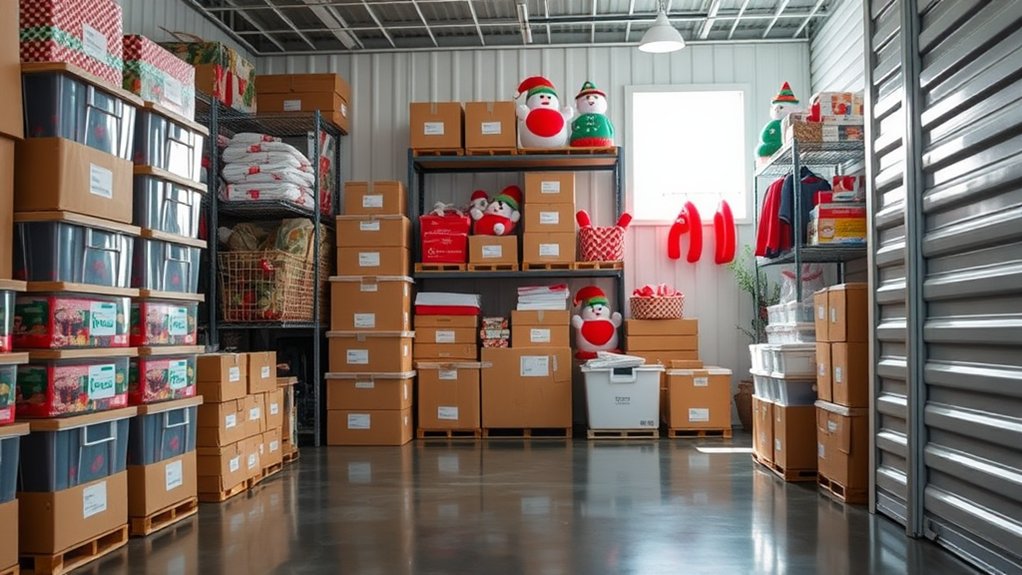
When considering self-storage for your retail inventory, it’s important to pinpoint the types of products that benefit most from this approach.
Seasonal clothing, festive decorations, and specialised equipment are excellent choices, as they tend to pile up outside of peak selling periods.
Seasonal Merchandise Storage
As retailers manage seasonal inventory, self-storage solutions can be a smart choice for various merchandise types. These facilities help you handle seasonal trends and streamline your stock rotation.
Consider storing:
- Festive decorations for various holidays
- Seasonal clothing that fits current trends
- Garden and outdoor products for summer enjoyment
- Supplies for events like pop-up sales
- Marketing materials for promotional campaigns
Self-storage helps reduce clutter in your shop and offers secure, flexible options tailored to your needs.
With easy access and cost-effective terms, you can respond to changing demands while keeping your inventory organised and protected.
Equipment and Supplies Management
Effective management of equipment and supplies is crucial for retailers aiming to streamline operations and boost efficiency.
Using self-storage for items like office machinery, seasonal furniture, and kitchen equipment provides flexibility and reduces clutter. Implementing an inventory system ensures easy access to your stored supplies, making tracking straightforward.
Optimise your storage space with shelves and organisational tools to keep everything orderly and easy to find. For sensitive IT equipment, consider climate-controlled units, and ensure robust security features are in place to protect your assets.
Many facilities offer 24/7 access, allowing you to retrieve or drop off items whenever needed, keeping you agile and responsive to seasonal demands. This method helps you optimise storage while maintaining operational flexibility.
Cost-Effectiveness of Seasonal Storage Solutions
Managing seasonal retail inventory can be quite a task, but using cost-effective storage solutions can significantly boost your profitability. A detailed cost analysis will help you pinpoint the best storage strategies to keep expenses low.
Here are some key points to consider:
- Seasonal inventory can attract carrying costs ranging from 12% to 35%.
- Self-storage rates can vary, potentially offering savings during quieter periods.
- An efficient storage layout can optimise space and reduce rental costs.
- Well-organised storage enhances inventory visibility, which helps minimise waste.
- Effective inventory management can lessen the risks associated with unsold products.
Flexibility and Accessibility of Self-Storage Units
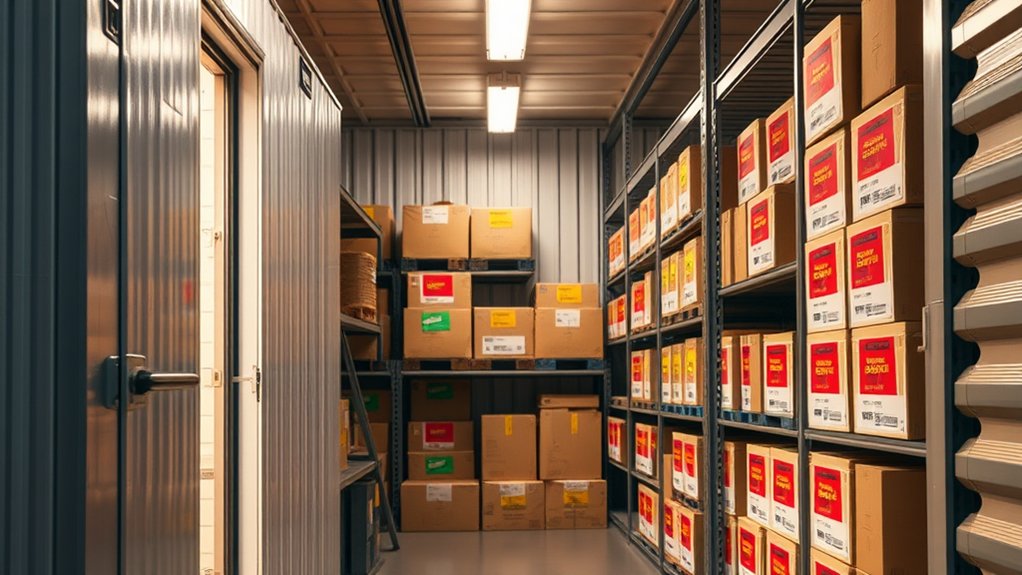
Managing seasonal retail inventory effectively requires more than just keeping costs low; it also depends on flexible and accessible storage solutions.
Self-storage units provide adaptable options, allowing you to adjust your space based on seasonal demand. For example, if you’re a retailer selling winter clothes, you can expand your unit size during the winter months and downsize in the summer.
You can also choose features like climate control to safeguard delicate items. With flexible lease terms, you only pay for the space you need, whether it’s short-term for peak seasons or longer for consistent inventory.
Many self-storage facilities are conveniently located and offer extended access hours, making it easy to manage your stock when it suits you. Plus, enhanced digital security gives you peace of mind as you focus on growing your business.
Choose self-storage that meets your needs and enjoy the benefits of efficient inventory management.
Choosing the Right Self-Storage Facility
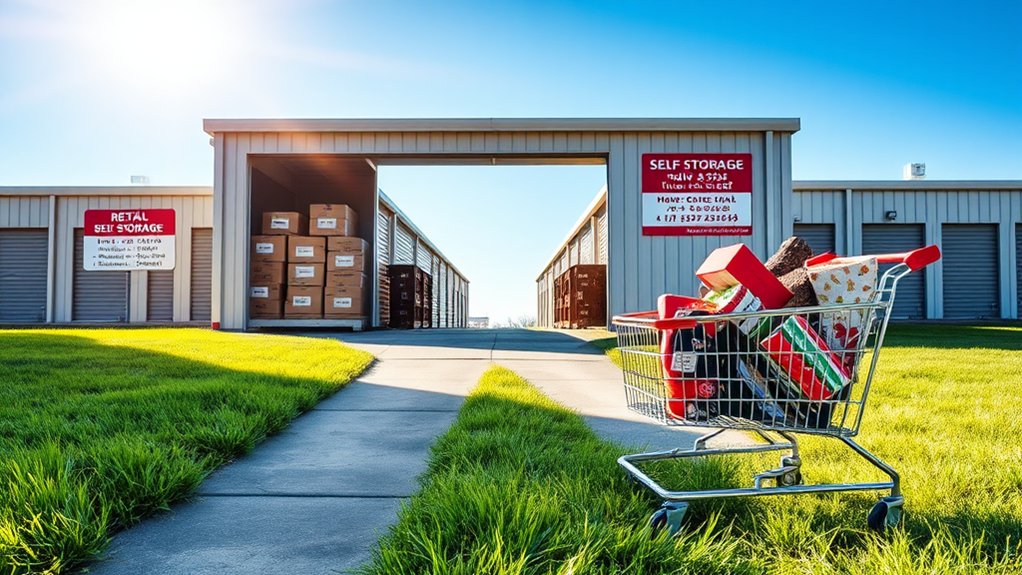
When choosing the right self-storage facility for your seasonal retail stock, it’s crucial to focus on factors that suit your business needs and budget.
Here are some key points to consider:
- Location: Make sure the facility is near transport routes and retail areas for convenient access.
- Unit Variety: Select facilities that offer a range of unit sizes to accommodate your inventory.
- Climate Control: Look for storage options that protect sensitive items from temperature changes, especially if you deal with items like clothing or electronics.
- Security Features: Choose facilities with strong security measures, such as CCTV and gated access, to keep your goods safe.
- Flexibility: Find contracts that allow for adjustments during busy periods, ensuring you can scale up or down as needed.
Impact of E-Commerce on Seasonal Inventory Management
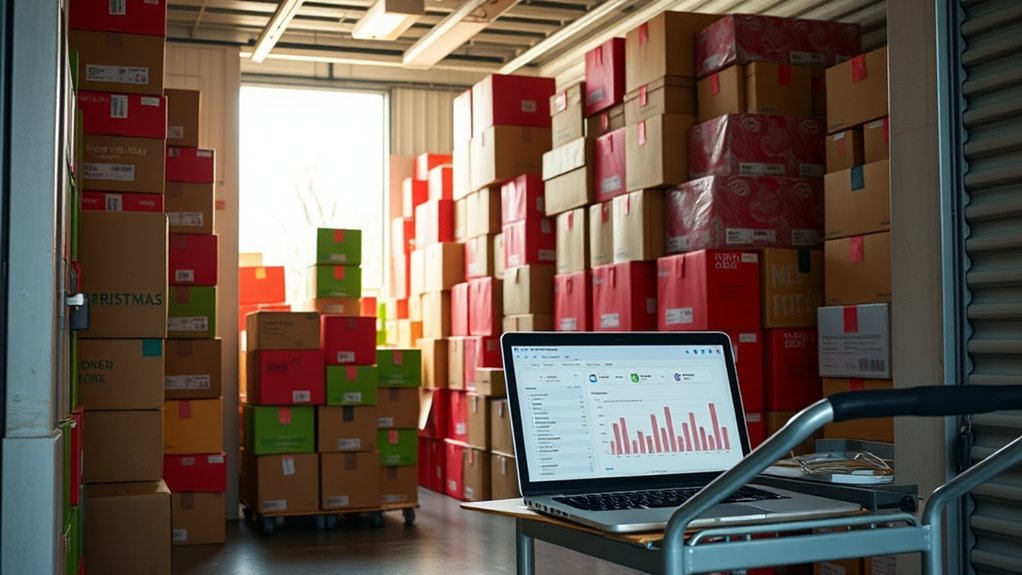
As e-commerce reshapes the retail landscape, it’s vital for businesses to grasp its impact on seasonal inventory management. E-commerce trends show fluctuating demand, making accurate seasonal forecasting essential to align stock with consumer needs.
Managing inventory across multiple channels can lead to discrepancies and delays in fulfilment, posing significant challenges.
Embracing technology is key to improving data accuracy and enhancing supply chain efficiency. For instance, using inventory management software automates processes and reduces errors, streamlining operations.
This strategic move not only optimises cash flow but also boosts customer satisfaction by ensuring that demand is met during peak seasons.
In today’s e-commerce environment, adopting these strategies is crucial for effectively navigating the complexities of seasonal inventory.
Future Trends in Seasonal Storage for Retailers
As retail dynamics continue to evolve, staying ahead of future trends in seasonal storage is crucial for competitiveness.
Adopting innovations in the supply chain and advanced inventory forecasting will enable you to swiftly respond to market demands.
- AI-driven analytics will enhance your ability to predict seasonal demand accurately.
- Mobile and modular storage solutions provide the flexibility needed for variable inventory levels.
- Sustainable practices will resonate with consumer preferences and help minimise waste.
- Real-time tracking improves your responsiveness to shifts in the supply chain.
- Short-term rentals can effectively manage seasonal spikes in demand.
Frequently Asked Questions
How Do I Determine the Right Size Storage Unit for My Inventory?
To determine the right size storage unit for your inventory, start by evaluating your items and calculating their total volume. Think about unit dimensions that not only fit your current stock but also allow for potential future growth and easy access. For instance, if you’re storing boxes of clothing, consider how many you have and how they stack. A unit that’s too small can lead to cramped conditions, while one that’s too large may waste space and money. Make sure to choose wisely!
What Security Features Should I Look for in a Self-Storage Facility?
When selecting a self-storage facility, it’s essential to focus on strong access control and advanced surveillance systems. Look for features like biometric entry and round-the-clock camera coverage to ensure your belongings are secure, giving you peace of mind. For example, facilities that use key fob access or keypad entry can help restrict access to authorised individuals only, enhancing security.
Can I Access My Inventory Outside of Business Hours?
You can access your inventory outside of business hours if the facility provides extended access. Knowing the access hours is crucial for effective inventory management, helping you make the most of your time and resources. Always verify the facility’s policies to ensure you’re informed.
Are There Insurance Options Available for Stored Inventory?
Yes, there are several insurance options available for protecting stored inventory. You can select policies designed to meet your specific needs, including comprehensive coverage that protects against theft, damage, and other risks, helping to keep your assets safe. For example, if you run a retail business and store stock in a warehouse, having the right insurance can prevent significant losses in case of an unfortunate event.
What Happens if I Exceed My Rental Contract Duration?
If you go over your rental contract duration, you could run into some trouble. You may have to extend your contract, and late fees could increase significantly. For instance, if you’re renting a flat and stay beyond the agreed period, you could end up paying hefty charges. It’s essential to keep track of your timeline to avoid these financial pitfalls and maintain your flexibility.
Conclusion
In the dynamic world of retail, self-storage serves as a vital resource for managing seasonal inventory when demand falls. By using these flexible solutions, you save both space and costs, enabling your business to respond quickly to market changes. With the rise of e-commerce influencing consumer habits, utilising self-storage can streamline your operations and ensure you’re prepared to meet customer demands. Keep ahead of the competition and let self-storage support your sustainable growth.