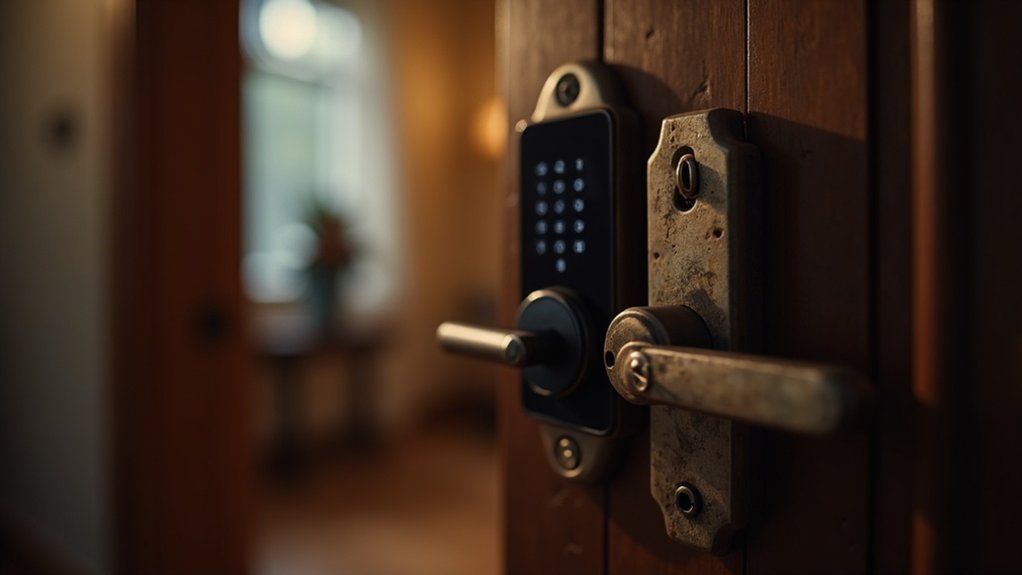
When comparing smart locks to traditional locks, smart locks typically provide better safety features. They use advanced technology such as biometric authentication and encryption, which helps prevent issues like key duplication and lock picking. However, their dependence on batteries can be a drawback during power outages. Traditional locks, while straightforward and reliable, lack the convenience of keyless entry. To determine the best security option for your unit, it’s important to understand the unique features and potential weaknesses of both types.
Key Takeaways
- Smart locks come with advanced security features like biometric authentication and AES 128-bit encryption, making them more difficult to bypass compared to traditional locks.
- Traditional locks are mechanically straightforward and do not depend on batteries, ensuring they work reliably even during power cuts.
- Smart locks allow for remote access and provide real-time alerts, enabling users to monitor who enters their home from anywhere.
- Traditional locks are generally less susceptible to hacking, unlike smart locks that rely on internet connectivity and software security.
- While smart locks can be equipped with backup physical keys for emergencies, traditional locks do not require any electronic components to function.
Understanding Smart Locks: Features and Functionality

Smart locks are a modern advancement in home security, combining traditional locking methods with cutting-edge technology. These devices can replace or enhance standard deadbolts and allow you to control access via wireless connections such as Bluetooth and Wi-Fi.
You can secure your home without physical keys by using smartphone apps, PIN codes, or even biometric scanners. With features like remote locking, you can manage access from anywhere, which is handy if you need to grant entry to family or guests while you’re away. Unique access codes enable you to control who can enter your home, making it easy to share access temporarily.
Smart locks prioritise your security with robust encryption and two-factor authentication. They also offer automated locking and can integrate seamlessly with your smart home system. One example is the August Wi-Fi Smart Lock, which features built-in Wi-Fi for direct connectivity, eliminating the need for an additional bridge.
Traditional Locks: Security and Vulnerabilities
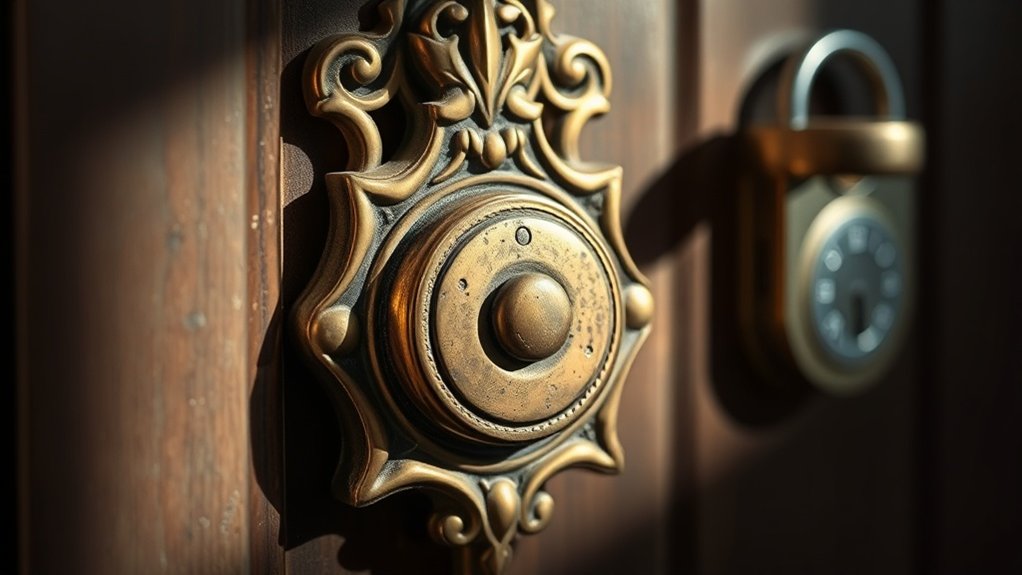
Traditional locks have been a cornerstone of home security for years, but they come with vulnerabilities that can put your safety at risk.
It’s essential to be aware of these issues when considering your security options.
- Traditional locks are prone to lock picking and bumping, methods that often leave no visible signs of tampering. Additionally, the use of robust roller shutters in conjunction with traditional locks can significantly enhance overall security.
- Key duplication is a significant concern, especially if your keys aren’t protected by patented designs, as this makes it easy for unauthorized copies to be made.
- Locks that are poorly installed can be easily forced open, heightening the risk of a break-in.
- Environmental factors, like rust or wear and tear, can affect lock performance, leading to jamming or failure over time. Furthermore, as the market for smart locks continues to grow, enhanced security features such as encryption and access logs are becoming more prevalent, highlighting a stark contrast to the vulnerabilities of traditional locks.
While traditional locks have their merits, understanding these vulnerabilities is crucial to ensure your security measures genuinely safeguard your home and provide peace of mind.
Keyless Convenience: The Advantage of Smart Locks
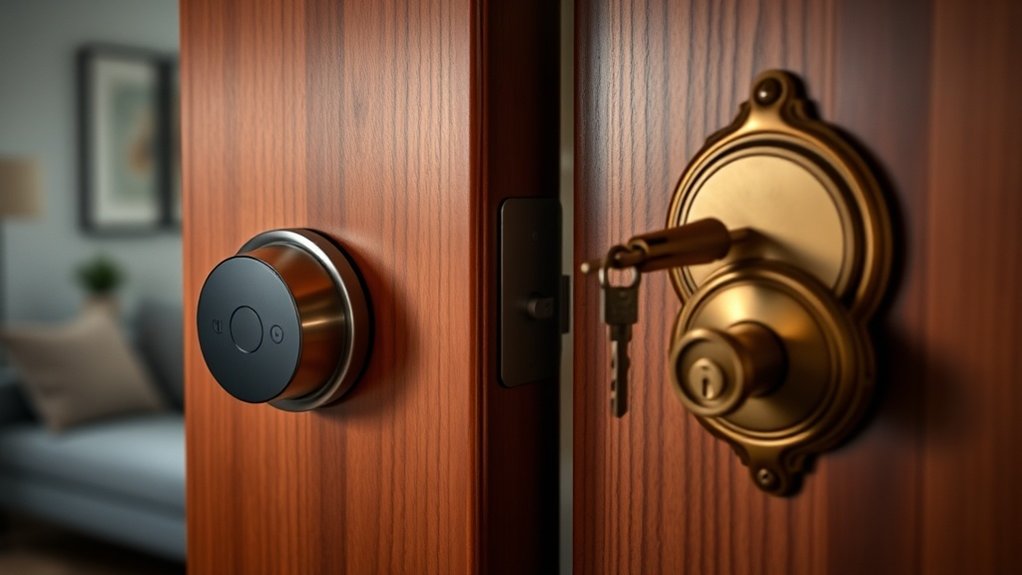
Smart locks provide keyless entry benefits that greatly enhance convenience and security.
With remote access, you can lock and unlock your doors from anywhere, allowing you to manage who enters your home without the need for physical keys. This technology not only minimises the chance of being locked out but also enables real-time monitoring and alerts, keeping you updated on any access events. For instance, if a family member forgets their key, you can simply let them in remotely. Additionally, smart locks offer cloud-based access control, allowing for real-time management from any location.
Keyless Entry Benefits
How does the convenience of keyless entry change the way you access your home or business? Keyless entry systems improve user satisfaction by simplifying access and enhancing security.
Here are four key benefits:
- No Physical Keys: Ditch the hassle of carrying keys; access your property with your smartphone or biometric data.
- Instant Entry: Gain immediate access without waiting for traditional keys, ideal for busy hospitality settings.
- Improved Security: With advanced encryption and real-time alerts, the risk of unauthorised access is significantly reduced.
- Easy Management: Effortlessly manage access for multiple users, making it simpler to operate in shared living or working environments.
Remote Access Features
Remote access features in keyless entry systems significantly improve how you secure and manage access to your property.
With smartphone apps, you can lock or unlock your doors from anywhere in the world, giving you unparalleled control. Real-time monitoring alerts you when someone enters or leaves your home, while you can grant temporary access to guests or service workers easily.
Security is robust, with two-layer encryption and two-factor authentication ensuring that communications remain secure and protecting against unauthorised access attempts.
Features like automatic re-arming and detailed event logs enhance security and help you stay compliant. By integrating with home automation systems, remote access not only makes your life easier but also strengthens your overall security strategy, allowing you to manage access effortlessly.
Accessibility Challenges With Traditional Locks

Managing physical keys can be a considerable challenge, particularly for individuals with mobility or cognitive impairments.
Keeping track of multiple keys can lead to lockouts and unnecessary stress. Moreover, traditional locks lack remote access, which can be problematic during emergencies when every second matters.
For instance, if someone needs to get into their home quickly but can’t find their keys, it could delay vital assistance.
Key Management Issues
While traditional locks have been a staple in security, they come with significant key management issues, especially in terms of accessibility.
Managing physical keys can be unwieldy and inefficient, leading to several challenges:
- Key Loss: Losing keys can cause access delays and expose properties to security risks.
- Duplication Risks: Without stringent control, unauthorised duplication of keys is a serious threat.
- Administrative Errors: Tracking key distribution often leads to human error, complicating management further.
- Accessibility Limitations: Physical keys can be problematic for individuals with disabilities, hindering their access to properties.
These points illustrate the complexities and operational burdens of traditional locks, making effective key tracking essential for property management.
Adopting solutions that resolve these issues can significantly improve both security and accessibility.
Limited Remote Access
How do traditional locks limit accessibility in today’s fast-paced environment?
The drawbacks of traditional locks create notable challenges for remote access. You must be physically present to hand out keys or change locks, complicating quick actions like rekeying after losing a key. This lack of remote access means you can’t revoke permissions instantly, which hampers operational flexibility.
Moreover, without proper identity verification, unauthorised individuals could enter your property. The absence of audit trails or access records makes it hard to monitor who comes and goes, increasing the risk of security breaches.
These issues not only reduce efficiency but can also raise operational costs due to the need for frequent manual interventions and the risk of unauthorised access, compromising your security and peace of mind.
Power Dependencies: Reliability of Smart vs. Traditional Locks
As smart locks gain popularity, it’s important to understand their power dependencies compared to traditional locks for assessing their reliability.
Unlike traditional locks, smart locks depend heavily on battery performance, which can lead to potential issues. Here are four key points to consider:
- Most smart locks use replaceable batteries, with life ranging from three months to over a year.
- Cold weather can significantly reduce battery capacity, affecting performance.
- Higher-end models feature power optimisation tools like remote monitoring and predictive alerts, which can enhance reliability.
- Backup power options, such as USB interfaces, ensure functionality during outages.
Installation Processes: Smart Locks vs. Traditional Locks
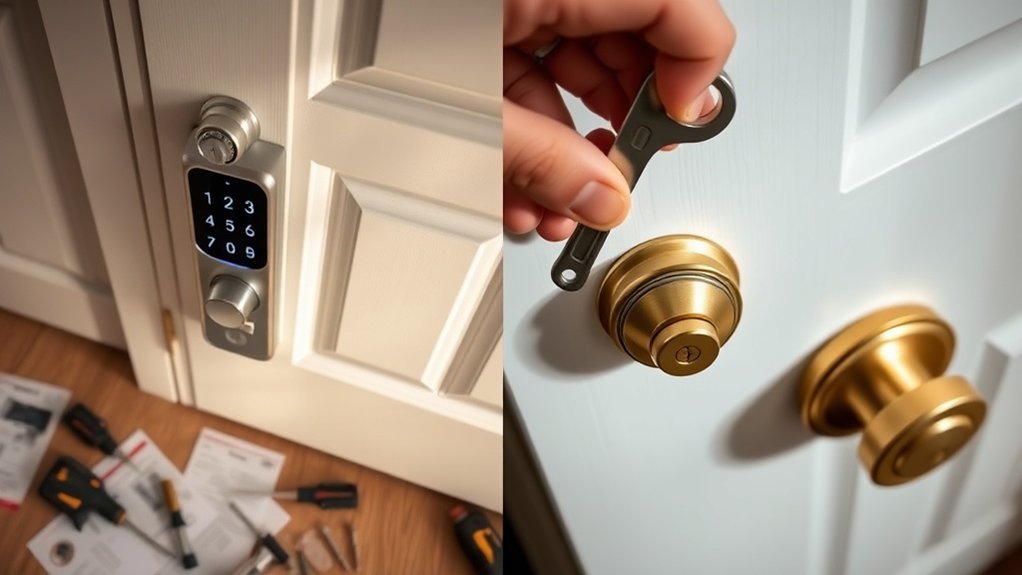
Understanding the installation processes for smart locks versus traditional locks is crucial for making an informed choice.
Smart locks come with their own set of challenges due to electronic components, requiring network setup and sometimes professional help. You’ll need to configure apps and ensure a stable internet connection, which can be daunting if you’re not particularly tech-savvy.
In contrast, traditional locks are generally quick to install, often taking less than 30 minutes with just basic tools. There’s no wiring or software involved, making them a more straightforward option for DIY enthusiasts.
If you value simplicity and speed, traditional locks might be the better option for you. However, if you’re looking for advanced features, be prepared for a more complex installation process with smart locks.
Maintenance Considerations for Smart and Traditional Locks
When it comes to maintenance, smart and traditional locks have different needs.
Smart locks require regular software updates and battery checks, while traditional locks need mechanical care, such as lubrication and cleaning.
For instance, you might need to replace the batteries in your smart lock every few months, whereas a traditional lock may just need a bit of oil occasionally.
Recognising these differences will help ensure that both types of locks function reliably over time.
Installation Complexity
Installation complexity varies significantly between smart locks and traditional locks, affecting user experience and maintenance.
Here are some key points to consider:
- Compatibility: Smart locks may encounter installation issues due to specific door hardware requirements, whereas traditional locks typically fit standard door preparations.
- Technical Skills: Installing smart locks often requires specialised tools and skills, while traditional locks can usually be installed with basic tools.
- Time Investment: Smart lock installations can take longer, particularly when it comes to integration, while traditional locks can generally be fitted in under an hour.
- Professional Help: The complexity of smart locks often leads people to seek professional installation, which can significantly increase overall costs.
Being aware of these differences will help you decide which option best suits your needs.
Routine Maintenance Needs
Both smart locks and traditional locks require maintenance to ensure optimal performance, but their needs are quite different due to their technologies.
Smart locks need regular checks, including monthly functionality tests and routine cleaning of sensors and keypads. It’s crucial to manage the batteries effectively; replacing them every 6 to 12 months helps maintain reliability and prevents lockouts.
On the other hand, traditional locks require physical upkeep such as cleaning, lubrication, and inspections for wear or corrosion. It’s advisable to check internal components and ensure proper alignment at least twice a year.
While both types of locks benefit from proactive care, smart locks focus on digital maintenance, whereas traditional locks need mechanical attention. This ensures security and functionality for both options.
Cost Analysis: Smart Locks vs. Traditional Locks
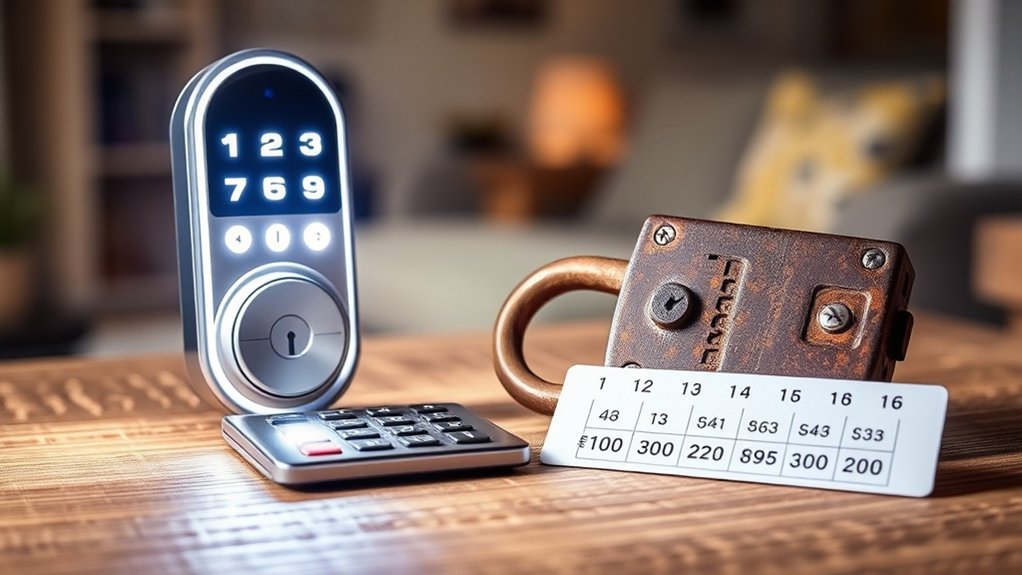
When comparing smart locks and traditional locks, it’s essential to consider your budget and requirements. Here’s a brief overview:
- Upfront Costs: Smart locks typically range from £150 to £400, while traditional locks usually cost between £25 and £100.
- Installation Fees: Smart locks often need professional installation, which can increase costs. Traditional locks are generally straightforward enough for DIY installation.
- Maintenance: Smart locks require battery changes and software updates, whereas traditional locks need very little maintenance.
- Long-Term Savings: Smart locks can save on locksmith fees and key duplication, whereas traditional locks may be more vulnerable, potentially leading to expensive replacements.
Ultimately, weigh your budget and lifestyle needs when deciding between the two options.
Enhanced Security Features of Smart Locks
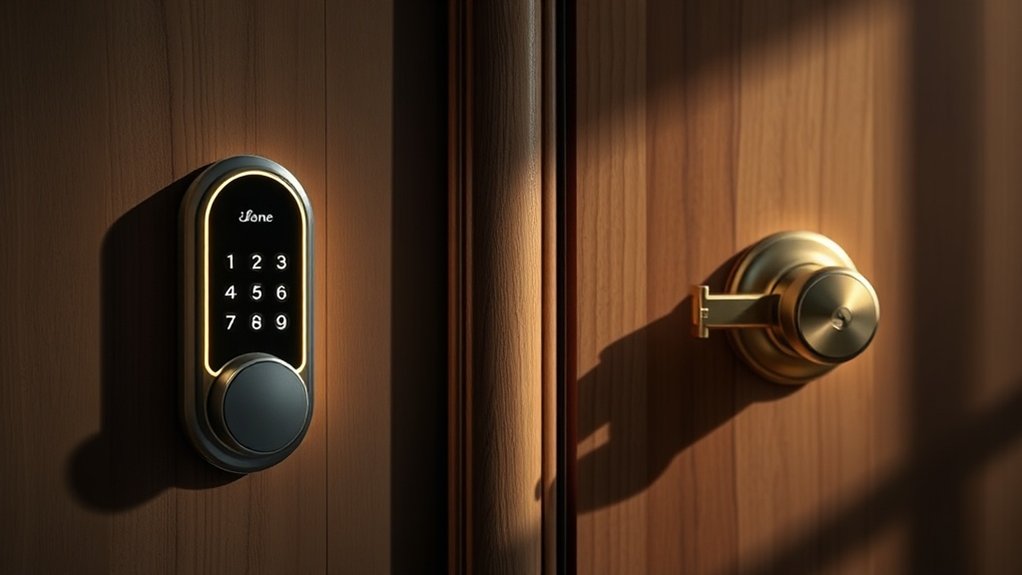
As you delve into the enhanced security features of smart locks, you’ll discover a variety of advanced technologies that offer superior protection compared to traditional locks. For instance, biometric authentication options, such as fingerprint recognition, ensure that only authorised individuals can access your property. Smart locks also come with emergency access methods, including backup physical keys and power ports, which provide reliability during power outages.
| Feature | Smart Locks |
|---|---|
| Biometric Authentication | Fingerprint, palm vein recognition |
| User Capacity | Up to 250 unique user profiles |
| Encryption Standards | Military-grade AES 128-bit |
Real-time notifications and integration with home automation systems further enhance security, making smart locks an appealing choice for today’s homeowners.
Making the Right Choice for Your Security Needs
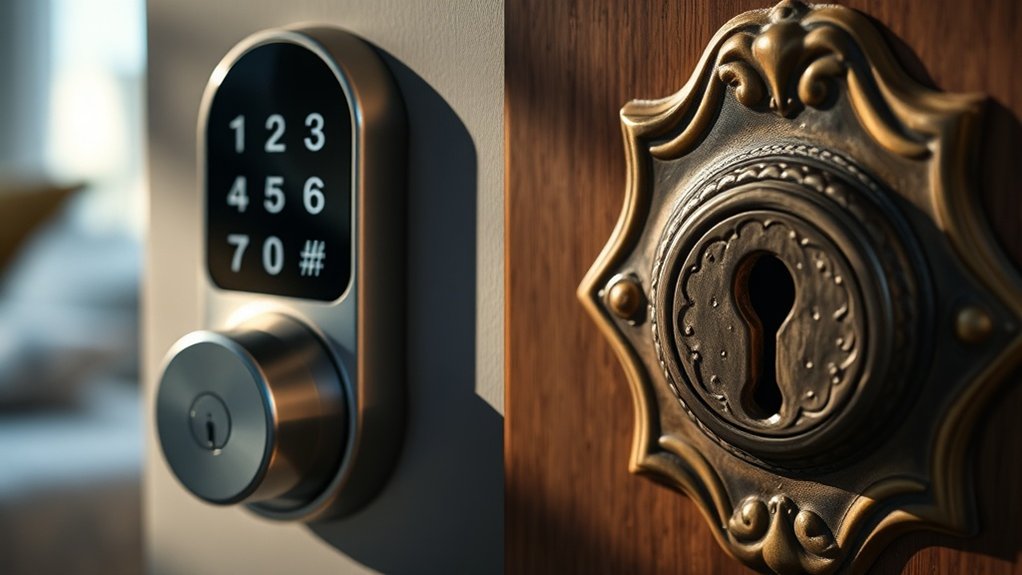
When assessing your security needs, it’s essential to weigh the advantages of smart locks against traditional locking systems. Here are some key points to consider:
- Convenience: Smart locks provide keyless entry and remote access via your smartphone, while traditional locks require physical keys, which can be easily misplaced.
- Durability: Traditional locks are reliable and don’t rely on batteries, whereas smart locks can fail if the batteries run out or if there’s a power outage.
- Cost: Smart locks generally have a higher initial cost compared to traditional locks. However, consider potential long-term savings on replacement keys and locksmith fees.
- Maintenance: Traditional locks require minimal upkeep. In contrast, smart locks need regular software updates and battery changes to function properly.
Additionally, many self-storage facilities offer enhanced security features to complement your locking system, providing an extra layer of protection for your belongings.
Ultimately, your decision should reflect your lifestyle and security needs. Weigh the convenience of modern technology against the dependable nature of traditional locks.
Frequently Asked Questions
Can Smart Locks Be Hacked Easily?
Yes, smart locks can be vulnerable to hacking if adequate security measures aren’t implemented. Techniques such as replay attacks and man-in-the-middle (MITM) attacks can take advantage of weak encryption. It’s crucial to have strong security in place to protect your property. For example, using two-factor authentication and regularly updating passwords can significantly improve your lock’s security.
How Do Smart Locks Handle Power Outages?
Smart locks usually provide 24 to 72 hours of functionality during power outages, thanks to their battery backup systems. They also come with emergency access features, so you can still get into your home when necessary. For instance, if the power goes out during a storm, you can rely on these features to ensure you’re not locked out.
Are Traditional Locks More Reliable in Extreme Weather?
Yes, traditional locks are generally more reliable in extreme weather conditions. They are built to withstand harsh elements and don’t rely on batteries, which can fail in cold temperatures. For instance, while smart locks may struggle in freezing conditions or power outages, a good old-fashioned key and lock will keep working regardless of the weather.
What Happens if I Lose My Smartphone With a Smart Lock?
If you lose your smartphone with a smart lock, there’s a risk of unauthorised access. To protect your home, ensure you have robust security measures in place, such as remote wipe functions. Consider using two-factor authentication as an extra layer of security to help keep your property safe.
Can Smart Locks Be Installed on Any Door?
You can’t install smart locks on every door. For example, a solid wooden door is ideal, but a thin glass door may not be suitable due to its material and the way the lock needs to be mounted.
Conclusion
When comparing smart locks and traditional locks, both have their pros and cons. Smart locks boast advanced features and convenience, but they rely on power and technology, which can sometimes be a drawback. On the other hand, traditional locks are reliable and straightforward, but they can be susceptible to picking. The best choice for you will depend on your specific security needs and lifestyle. Remember, a lock isn’t just a barrier; it’s your first line of defence!