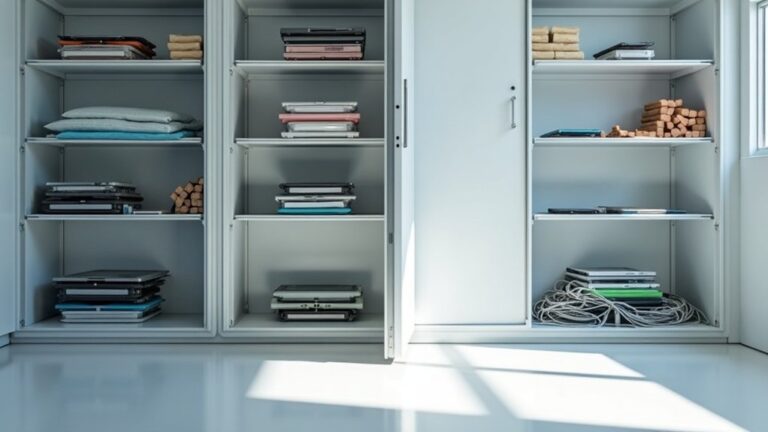

Choosing the right climate-controlled storage unit is crucial for safeguarding your belongings. First, determine what items you'll be storing. For example, electronics and artwork need specific temperature and humidity controls. Next, consider the size of the unit; larger items like furniture will require more space. Also, think about the flexibility of the lease for your storage duration. Don't overlook security features and energy efficiency—they're important too. By prioritising these factors, you'll ensure your possessions are well cared for and find the perfect unit for your needs.
Key Takeaways
- Identify the items you need to store to see if you require temperature or humidity control for their protection. For example, antiques and electronics often need climate control.
- Measure your belongings and think about future storage needs to choose the right unit size. This ensures you have enough space now and later.
- Check the security features of the facility, such as CCTV, access control, and individual unit alarms, to ensure your items are safe.
- Review the lease terms carefully. It's wise to choose flexible month-to-month agreements if you might need to change your storage requirements.
- Opt for energy-efficient climate control systems to lower costs and minimise environmental impact while keeping your items in optimal condition.
Understanding Climate Control and Its Importance
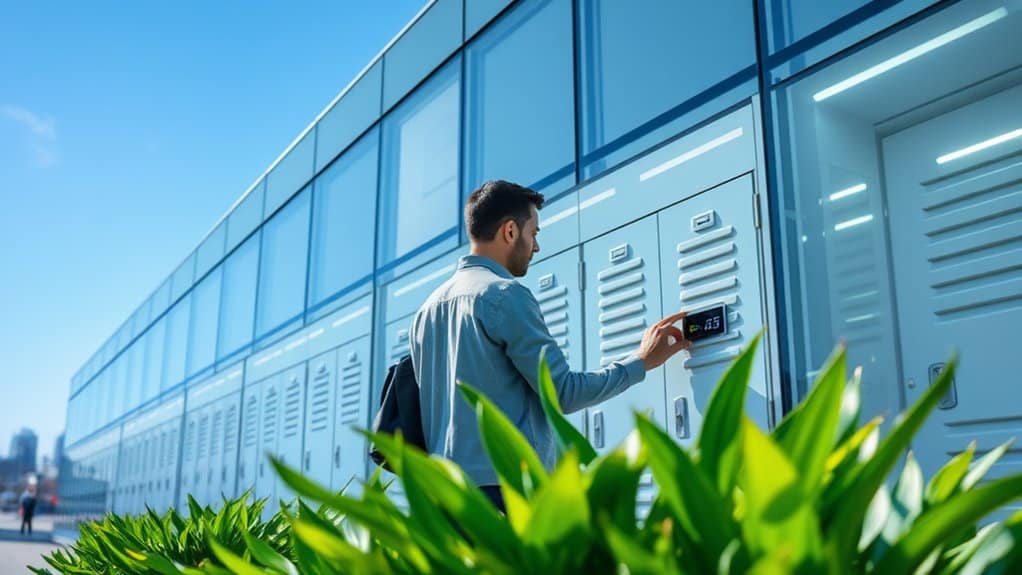
When storing valuable items, understanding climate control is crucial. It helps maintain stable temperature and humidity levels, preserving the integrity of your possessions. Fluctuations can cause warping, rust, or malfunction of delicate items. By using climate-controlled storage solutions, you protect your belongings from damage caused by the elements. Typical temperature settings range from 10°C to 27°C, depending on your specific needs. These systems also prevent mould and mildew growth, improving air quality and creating a safer environment for your valuables. Investing in climate-controlled units is a wise choice for safeguarding what matters most, allowing you to rest easy knowing your items are protected. Additionally, these units improve indoor air quality by regulating humidity and filtering air, further enhancing the safety of your stored items. Moreover, climate-controlled units often feature air filtration systems that help eliminate dust and allergens, ensuring a cleaner environment for your belongings.
Types of Climate-Controlled Units Explained
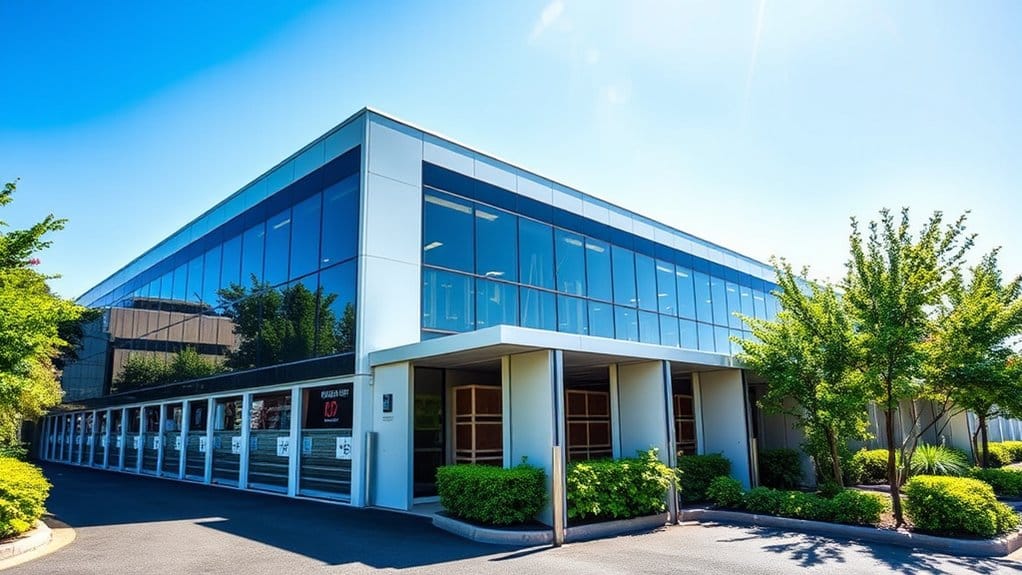
When selecting a climate-controlled unit, it's important to grasp the various types available to suit your requirements. Temperature-controlled units provide a consistent environment, while humidity-controlled options offer added protection for delicate items. If you're in a colder region, heated storage can be crucial for safeguarding your belongings during the winter months, especially for temperature-sensitive items that may be damaged by extreme cold.
Temperature-Controlled Unit Overview
Temperature-controlled units are crucial for keeping your belongings in the right conditions, especially for items sensitive to extreme temperatures.
These units maintain a range between 13°C and 27°C, providing effective storage that protects against freezing and overheating. If your items are at risk from temperature changes, these units are a wise choice. Additionally, climate-controlled storage is ideal for delicate items like wooden furniture and electronics, ensuring they remain in optimal condition. Offering enhanced security features, these units give you peace of mind knowing that your valuable possessions are well protected.
You can choose from standard options for everyday household goods or specialised heated or air-cooled units designed for specific climates. While they don't control humidity, they're ideal for electronics and sturdy furniture.
Humidity-Controlled Unit Benefits
Humidity-controlled units provide essential benefits for preserving your belongings. By maintaining stable humidity levels, these units help prevent fluctuations that can lead to mould and mildew, effectively safeguarding your fabrics and paper items.
They also protect materials like wood and paper from warping and swelling. For electronics, humidity control is crucial, as it helps prevent corrosion on metal components.
Furthermore, these units are ideal for preserving delicate collectibles and important documents. Opting for a humidity-controlled unit ensures your valuables remain in excellent condition, allowing you to store your items with confidence. Additionally, optimal humidity levels should remain below 60% RH to further enhance the protection of your stored items.
Heated Storage Unit Use
If you want to protect your belongings from the damaging effects of cold weather, heated storage units are an excellent option. These units provide numerous benefits, ensuring that temperature-sensitive items such as electronics and musical instruments are well-protected. They're particularly useful in areas with harsh winters and can help prevent warping in wooden furniture.
| Heated Storage Applications | Benefits |
|---|---|
| Electronics | Shields against cold damage |
| Musical Instruments | Keeps a stable environment |
| Vintage Items | Preserves delicate materials |
| Automotive Parts | Protects temperature-sensitive components |
| Household Furniture | Prevents warping |
Identifying Suitable Items for Climate-Controlled Storage

When choosing items for a climate-controlled storage unit, it's important to consider how they react to environmental conditions.
Some items need special care to keep them in good condition. Here are key categories to think about:
- Electronics: Protect against damage from humidity and temperature extremes.
- Artwork and Antiques: Safeguard valuable pieces from changes in the environment.
- Wood Furniture: Prevent warping or cracking due to humidity fluctuations.
Using a climate-controlled environment for these items helps maintain their quality and gives you peace of mind, ensuring that you can access your treasured possessions without concern.
Selecting the Right Size for Your Storage Needs
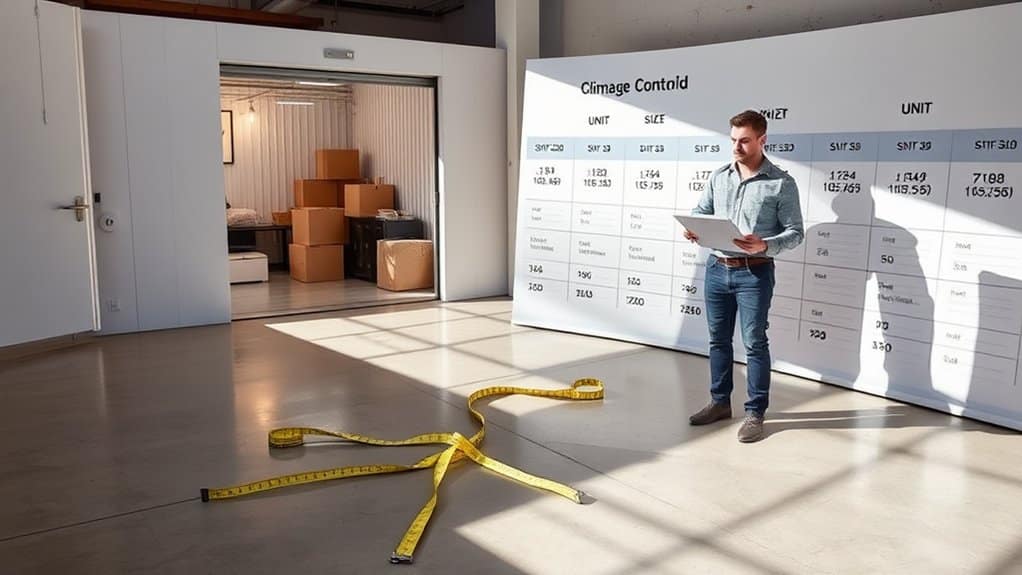
Choosing the right size for your storage needs is crucial for keeping your space organised.
Begin by assessing your items—make an inventory of boxes, furniture, and appliances to help determine the appropriate unit size. For instance, a 5×5 unit is ideal for smaller items, while larger furniture items will typically require at least a 10×10 space.
Be sure to measure larger pieces to avoid overcrowding. You can use online size guides or consult with facility staff for tailored advice.
Additionally, consider your future storage requirements; a smaller unit may save you money now, but a larger one could be a better investment if you anticipate needing more space later.
Prioritising the right size will ensure your items remain accessible and secure over time.
Access Options for Climate-Controlled Units

How can you ensure convenient access to your climate-controlled storage unit? Look for facilities that provide various access options and features tailored to your needs:
- Electronic keypads for secure entry
- Flexible access hours to suit your lifestyle
- Wheelchair accessibility for easy movement
Choosing the right features means hassle-free access to your belongings.
Opt for facilities with drive-up access, ample parking, and clear signage for easy loading and unloading.
Elevators and ramps can significantly improve your experience, allowing you to manage your storage needs efficiently.
Make an informed choice, and access will never be a problem!
Security Features to Look For
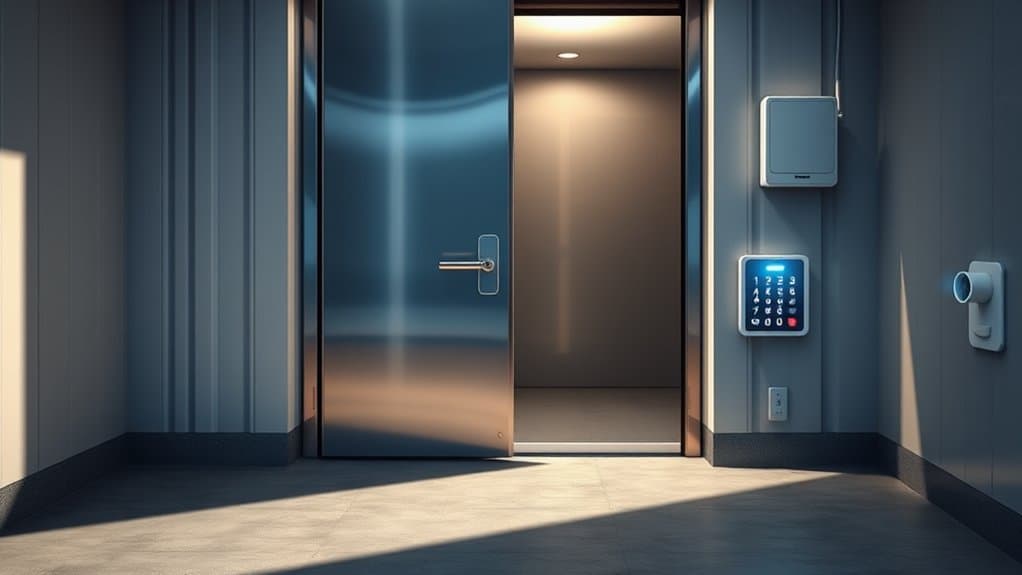
While climate control is important for your storage unit, security features are crucial for keeping your belongings safe.
Look for facilities with advanced security technology, such as electronic gate access that requires a unique PIN or even biometric entry systems for added protection.
Ensure the facility has 24/7 video surveillance covering all entry points and motion detectors to detect any unauthorised movement.
High-quality deadbolt locks and individual unit alarms provide an extra layer of security.
Also, check for adequate exterior lighting and regular inspections of locks to uphold safety standards.
Evaluating Environmental Benefits

When selecting a climate-controlled unit, pay attention to its energy usage and improvements in air quality.
Efficient systems not only cut costs but also lessen your carbon footprint.
Additionally, improved air quality helps protect your stored items from contamination and damage, ultimately extending their lifespan.
Energy Consumption Considerations
When looking at climate-controlled units, it's important to consider energy consumption—not just for your wallet, but for the environment too.
Prioritising energy efficiency can have a positive effect on both your finances and the planet. Real-time optimisation technologies help you save energy by adjusting systems to fit current conditions.
- Smart controllers can automate climate management, reducing costs.
- Upgrading to energy-efficient systems can lead to significant savings.
- Regular maintenance of your HVAC system can lower running costs by up to 30%.
Air Quality Improvements
Choosing a climate-controlled unit significantly enhances your comfort and air quality, which is essential for your well-being.
By using advanced filtration systems like HEPA and carbon filters, you can effectively eliminate dust, pollen, and harmful pollutants from your indoor space. Adding UV light technology helps neutralise bacteria and viruses, leading to cleaner air.
It's important to maintain these filters regularly to ensure they work efficiently. Additionally, smart ventilation controls can adjust based on real-time air quality data, keeping your space fresh and comfortable.
Better air quality means fewer airborne illnesses, improved productivity, and long-term health benefits.
Invest in a climate-controlled unit that prioritises air quality for a healthier, more refreshing living environment.
Considering Energy Consumption and Costs
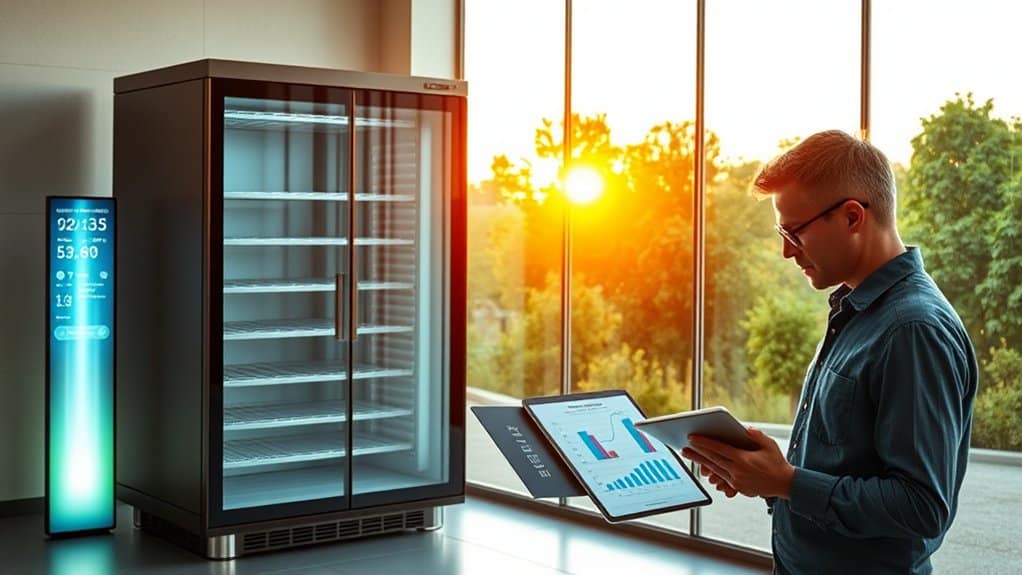
When considering climate-controlled units, it's crucial to think about energy consumption and costs, as these significantly affect your budget.
By adopting energy-efficient technologies, you can find cost-effective solutions that cut expenses and enhance efficiency. Here are some strategies to consider:
- Upgrade to high-efficiency HVAC systems to significantly reduce energy bills.
- Install solar panels to utilise renewable energy, which could lower your bills by up to 35%.
- Switch to LED lighting for potential savings of up to 80% on your lighting costs.
Assessing Humidity Control in Storage Units
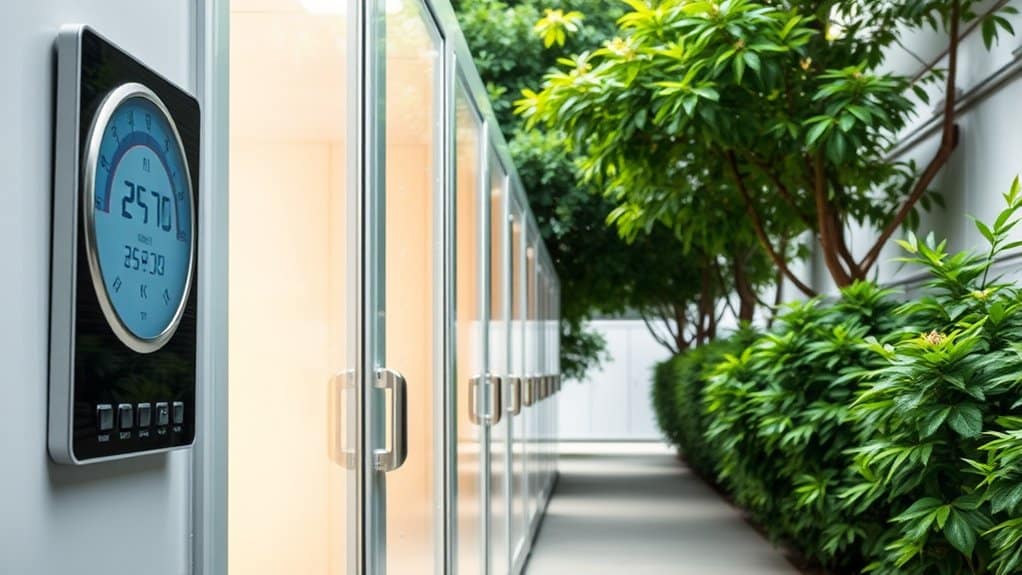
When selecting a climate-controlled storage unit, it's essential to assess its humidity control.
High humidity can cause mould, rust, and damage to delicate items such as furniture and electronics.
Ensure the unit you choose effectively regulates humidity levels to protect your belongings and keep them in excellent condition.
Importance of Humidity Control
Humidity control is vital for safeguarding your stored items. High moisture levels can encourage mould and mildew, resulting in costly damage.
Consider how humidity affects your belongings, particularly if they're sensitive or valuable. Effective moisture management is key for preserving:
- Electronics: Excess moisture can lead to rust and malfunction.
- Artwork: Humidity can cause deterioration and discolouration.
- Furniture: Wood and leather can suffer significant damage.
Taking steps to control humidity can save you money and protect your cherished items.
Identifying Humidity-Controlled Units
How can you ensure your belongings are safe from moisture damage? Look for humidity-controlled units that maintain levels below 45% to prevent mould and mildew. Advanced moisture detection systems and humidity measurement tools help verify that your items remain secure. Consider these features when selecting a unit:
| Feature | Benefits | Importance |
|---|---|---|
| Dehumidification Systems | Regulates humidity | Prevents mould growth |
| Insulated Buildings | Maintains stable conditions | Protects against external weather |
| Continuous Monitoring | Confirms ideal conditions | Reduces allergens and pests |
| Specialty Climate Control | Tailored for specific items | Preserves unique collections |
| HVAC Systems | Integrated temperature and humidity | Enhances overall storage security |
Choosing the right unit provides peace of mind, ensuring your belongings are free from moisture-related issues.
The Importance of Consistent Temperature Maintenance
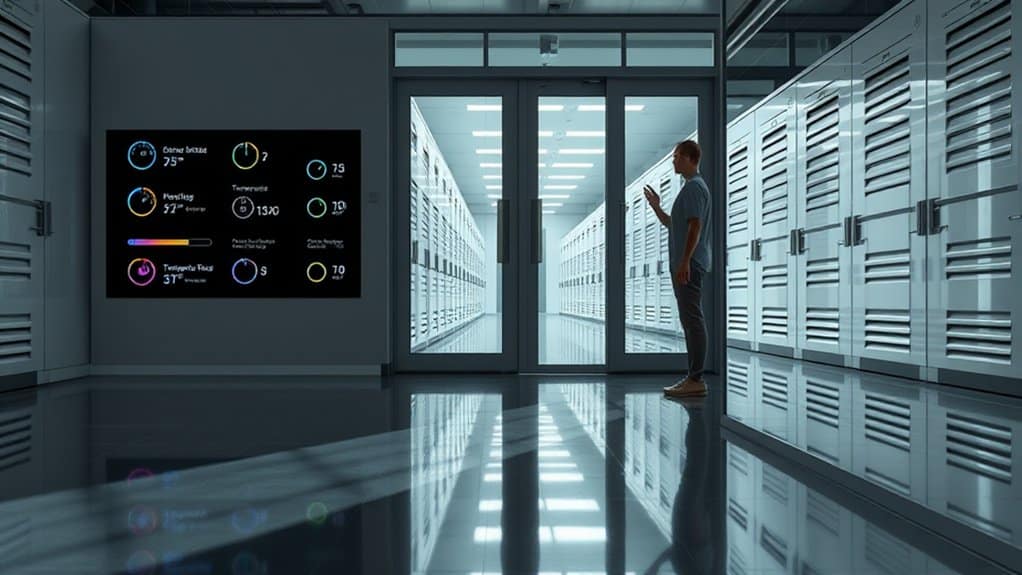
Consistent temperature control is crucial for preserving your belongings, as temperature fluctuations can cause irreversible damage. By regulating the temperature, you can ensure that sensitive items, such as electronics and artwork, remain protected from deterioration.
Here's why it's important:
- Prevents heat and cold damage
- Prolongs the lifespan of materials by maintaining stable conditions
- Minimises the risk of mould growth and moisture-related problems
Using effective preservation methods helps you sidestep the dangers of temperature changes, allowing your cherished items to thrive.
Whether it's important documents, antiques, or musical instruments, a stable environment is essential. Consider investing in a climate-controlled unit to protect your possessions, ensuring they stay in excellent condition for years to come.
Flexibility With Lease Terms and Rental Options
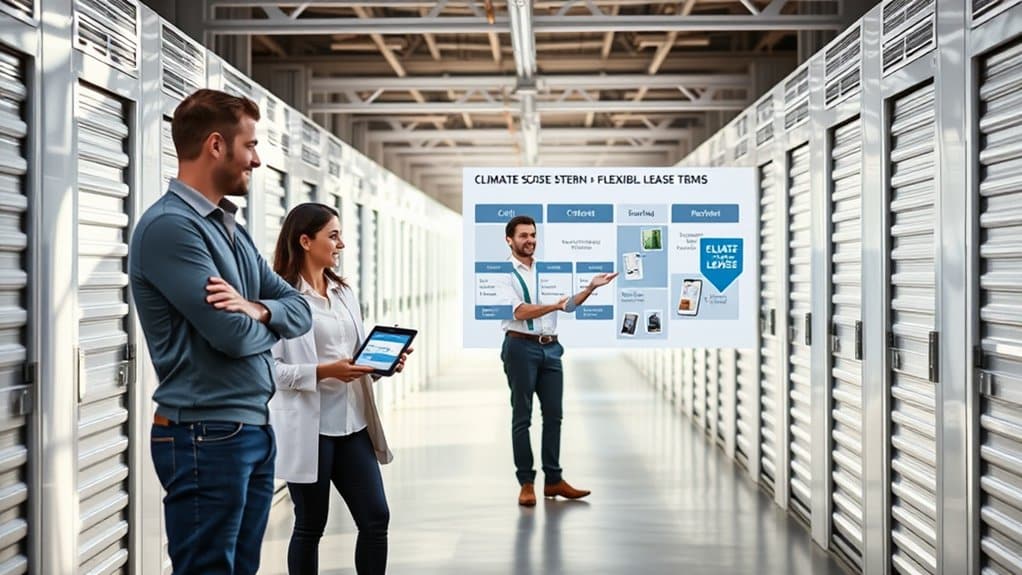
When considering a climate-controlled storage unit, having flexible lease terms and rental options can significantly impact your experience.
Look for providers that offer month-to-month leases, ideal for short-term storage during home renovations or moving. This flexibility allows you to adapt your storage needs as your situation changes.
Additionally, consider various rental options, including different unit sizes and climate control types, like air-cooled or heated storage. Some facilities even offer bespoke solutions to meet your specific requirements.
With 24/7 access at certain locations, you can retrieve your belongings whenever necessary. Prioritising flexibility ensures your storage experience fits seamlessly into your lifestyle.
Tips for Packing and Storing Items in Climate-Controlled Units
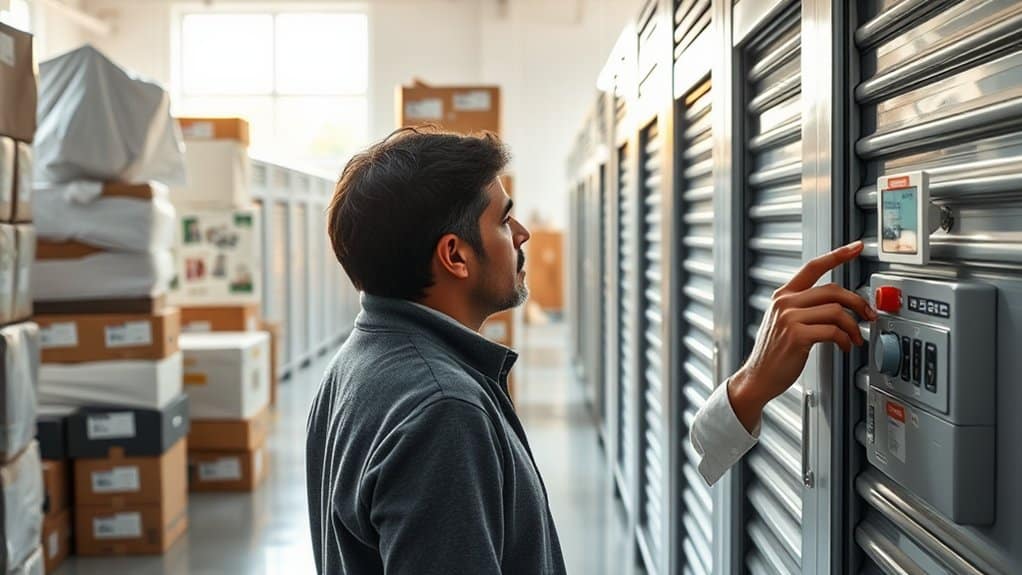
What steps can you take to ensure your belongings remain safe and secure in a climate-controlled unit?
Start by cleaning and drying your items to prevent mould. Use sturdy packing materials such as bubble wrap and cardboard boxes, and consider disassembling larger items to save space.
- Store fabric items in vacuum-sealed bags to avoid creasing.
- Keep electronics in waterproof containers, and remember to remove batteries first.
- Clearly label boxes for easy access later.
Frequently Asked Questions
How Do I Prepare Items for Climate-Controlled Storage?
To prepare items for climate-controlled storage, use sturdy packing materials and wrap delicate items securely. Include humidity absorbers and label boxes for easy access. This will help maximise your storage efficiency and protect your belongings. For example, using bubble wrap for fragile items like glassware can prevent breakage.
Are Climate-Controlled Units More Expensive Than Standard Storage Units?
Yes, climate-controlled units generally cost more than standard storage options. When comparing costs, consider features like temperature regulation and humidity control. These advantages help protect sensitive items, such as antiques or electronics, from potential damage, keeping your valuables safe and in good condition.
Can I Store Food in Climate-Controlled Units?
Yes, you can store food in climate-controlled units. They maintain the right temperature and humidity, which helps preserve the quality of your food over time. For instance, perishable items like fruits and vegetables will stay fresh longer, reducing the risk of spoilage. This means you can store your food with confidence, knowing it will remain safe to eat.
What Happens if the HVAC System Fails?
Did you know that poorly maintained HVAC systems can lose up to 20% of their efficiency? If your system fails, you could be facing higher energy bills, expensive repairs, and a lack of comfort in your home. For example, a malfunctioning boiler in winter can leave you shivering, while a broken air conditioner in summer can turn your living space into an oven. Regular maintenance of your HVAC system can help prevent these problems and save you money in the long run.
Are Climate-Controlled Units Available in All Storage Facilities?
Not all storage facilities provide climate-controlled units. Generally, urban areas have a higher availability of these options due to demand. It's advisable to check local facilities to find the best options that suit your needs.
Conclusion
When selecting a climate-controlled unit, you're not just safeguarding your belongings; you're investing in their longevity. The right size, access options, and humidity control ensure that your items are preserved rather than just stored. Avoid the damage that temperature fluctuations and moisture can cause. By following these straightforward guidelines, you can ensure your valuables remain safe. Remember, this isn't just about storage; it's about peace of mind. Choose wisely and protect your treasures today!