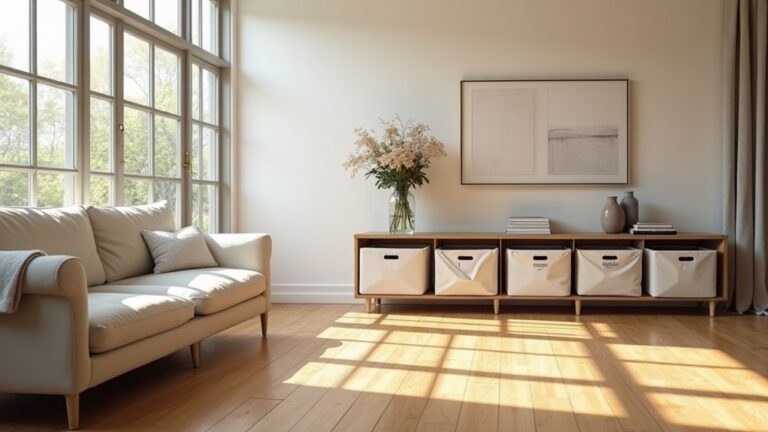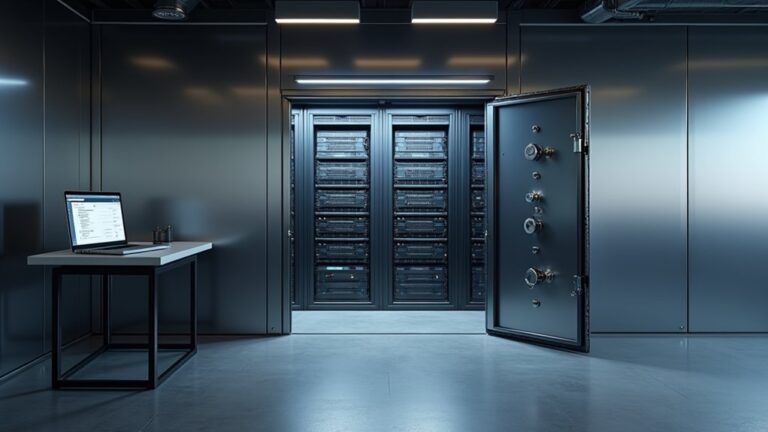
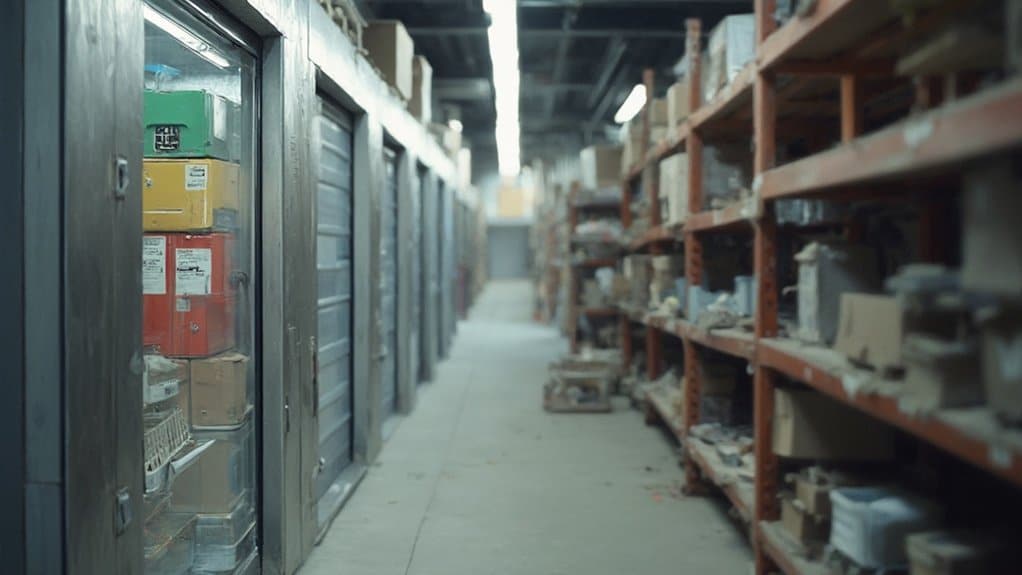
When comparing standard storage with climate-controlled options, it's essential to consider the sensitivity of your items alongside your budget. Standard storage is a budget-friendly choice for sturdy items but doesn't protect against humidity or temperature changes. Climate-controlled units provide a stable environment, making them ideal for delicate belongings, although they typically incur higher monthly fees. Don't forget to think about accessibility features and security as these can also influence your decision. There are several key factors to examine that will help you make the right choice.
Key Takeaways
- Standard storage is generally more budget-friendly but doesn't offer climate control, making it suitable for robust items like tools or garden furniture.
- Climate-controlled units regulate temperature and humidity, which is crucial for delicate items such as electronics, antiques, or documents that need to be preserved over time.
- Both options typically include security features like gated access and CCTV, but it's wise to verify the specific security measures in place.
- Accessibility can differ; climate-controlled storage often provides better facilities for those with disabilities, making it easier to access your belongings.
- When deciding between standard and climate-controlled storage, consider the fragility of your items and your budget.
Understanding the Differences in Storage Types

When deciding between standard and climate-controlled storage, it's important to grasp their key differences.
Standard storage lacks temperature and humidity control, making it suitable for robust items like garden tools and patio furniture. These units protect against rain and dust but don't guard against pests or mould. Standard units provide affordable options for those storing non-sensitive items temporarily, especially in cost-effective options for rural areas.
In contrast, climate-controlled storage maintains a consistent environment, usually between 13 and 29 degrees Celsius. This is ideal for sensitive items such as electronics, artwork, and collectibles, as it shields them from extreme temperature changes and moisture.
Ultimately, the choice of storage type should depend on the nature of your belongings and their preservation needs.
Cost Comparisons: Which Option Fits Your Budget?
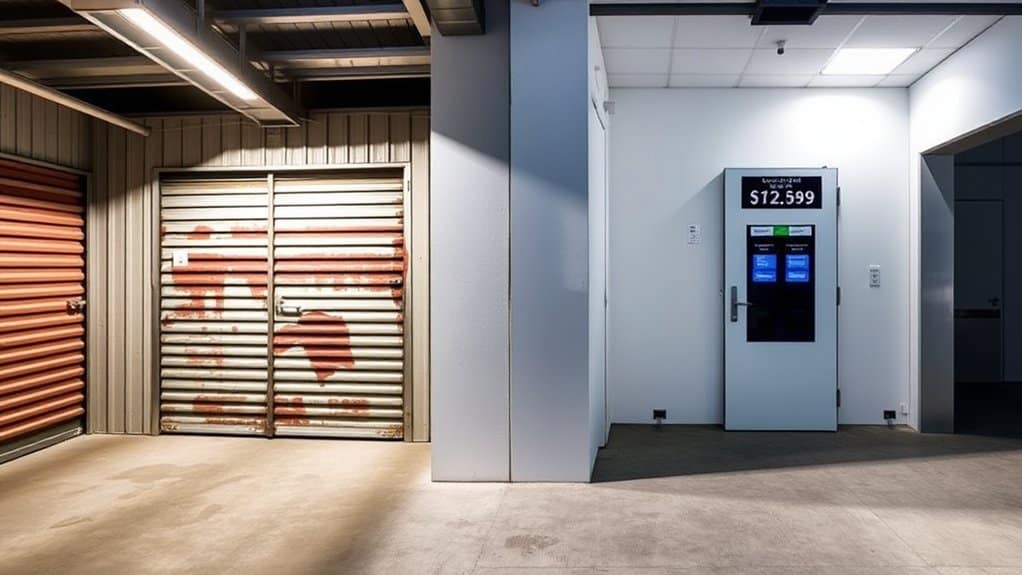
How do you decide which storage option fits your budget? Start with a cost comparison of standard and climate-controlled units.
Standard storage is typically cheaper, while climate-controlled units can be 25-40% more expensive. Monthly fees for climate-controlled units can range from £50 to £200, depending on location, size, and demand. Areas with extreme temperatures may have higher rates. Keep in mind that the average cost of a storage unit in the US is $85.14 per month, which can help you gauge overall pricing trends. Additionally, understanding pricing fluctuations based on demand and rental duration can aid in making informed decisions.
If you're aiming to save money, consider smaller non-climate-controlled units, which are often more affordable for items that aren't sensitive to temperature changes.
Look out for long-term rental agreements and special promotions to maximise your budget. Ultimately, comparing prices across different facilities can help you find the best deal.
Accessibility: Choosing the Right Storage for Your Needs
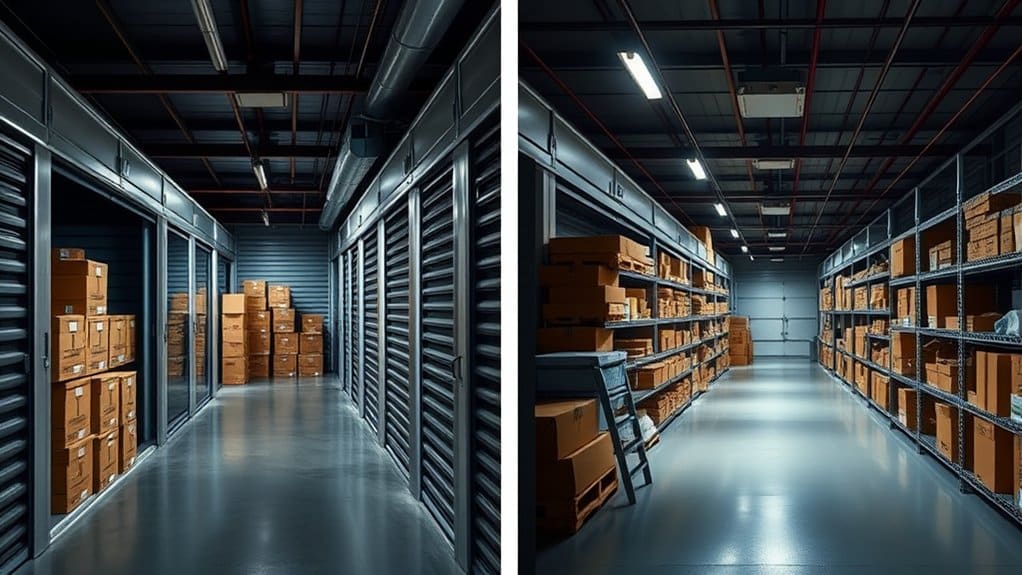
What factors should you consider to ensure your storage choice meets accessibility needs?
Firstly, check for compliance with the Equality Act, ensuring the facility has ramps, accessible doors, and clear signage. Accessible units should make up a percentage of the total, so confirm their availability. Additionally, make sure the facility provides ADA-compliant storage units, which are essential for accommodating individuals with disabilities. Consider verifying the presence of security features that also comply with accessibility standards to enhance safety for all users.
Look for door modifications, such as roll-up doors with handles suitable for wheelchair users. Ensure there's ample lighting and signage, including braille, to aid navigation.
If you use mobility aids, climate-controlled options often provide better interior accessibility, with smooth layouts and protection from the weather.
Standard units should have clear pathways and sufficient parking to maintain accessibility. Choose facilities that emphasise these accessibility features for a hassle-free experience.
Ensuring Item Protection and Security

Ensuring item protection and security is crucial for anyone considering storage options, as the right features can significantly reduce the risk of theft or damage.
Security measures such as gated access and CCTV systems provide strong safeguards, allowing entry only to authorised individuals. Individually alarmed units further bolster security, alerting staff immediately to any unauthorised access.
Moreover, facilities with perimeter fencing and adequate lighting effectively deter intruders. While climate-controlled storage is ideal for sensitive items, both standard and climate-controlled units can offer similar security features.
Ultimately, understanding these security measures is essential for making an informed choice that prioritises the safety and longevity of your stored belongings.
Long-Term Storage: Factors to Consider
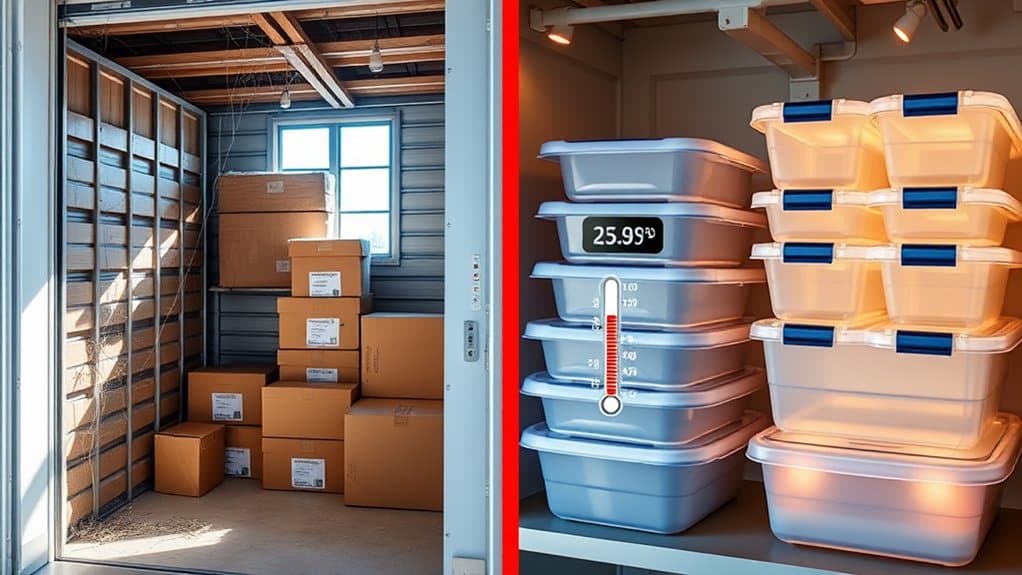
When planning for long-term storage, there are several important factors to consider that can significantly impact your choices.
It's essential to evaluate the sensitivity of your items and how long you intend to store them. Here are some key points to keep in mind:
- The type of items you're storing and their specific climate needs.
- Your budget versus the potential risks of damage to your items.
- The level of accessibility you require for your stored belongings.
These considerations will help you decide between standard and climate-controlled storage.
For example, valuable or delicate items, such as antiques or electronics, often need climate control to avoid damage from humidity or temperature changes.
Ultimately, balancing long-term protection with initial costs ensures your items remain safe throughout the storage period.
Frequently Asked Questions
Can I Switch Between Standard and Climate-Controlled Storage Later?
Yes, you can switch between standard and climate-controlled storage later, subject to unit availability and the facility's policies. This flexibility allows you to adjust as your needs change, ensuring your belongings are stored correctly. For instance, if you start with a standard unit but later realise you need climate control for sensitive items like electronics or antiques, you can make that change.
How Do I Prepare Items for Climate-Controlled Storage?
To prepare items for climate-controlled storage, use suitable packing materials that guard against temperature changes. Ensure items are clean, dry, and clearly labelled for easy retrieval, making the most of the temperature regulation benefits. For example, using sturdy boxes for books and bubble wrap for fragile items can help protect your belongings.
Are There Size Differences Between Standard and Climate-Controlled Units?
When comparing sizes, standard and climate-controlled units generally have similar dimensions, available in small to large options. Your selection should depend on the specific items you intend to store and their needs. For instance, if you're storing delicate items like antiques or electronics, a climate-controlled unit might be the better choice, even if the size is the same as a standard unit.
Can I Store Food Items in Climate-Controlled Units?
Yes, you can store food items in climate-controlled units. They help preserve food and ensure safe storage by maintaining optimal temperature and humidity levels. This prevents spoilage and extends the shelf life of perishable goods like fruits, vegetables, and dairy products.
What Are the Typical Lease Terms for Storage Units?
Typical lease agreements for storage units in the UK usually operate on a month-to-month basis or fixed terms. It's important to check the availability of units and understand your responsibilities, including payment schedules, security deposits, and adherence to facility rules. For example, if you rent a unit for a fixed term, be aware of the notice period required if you wish to end the lease early.
Conclusion
When deciding between standard storage and climate-controlled options, it's important to consider the implications. Picture your valuable belongings deteriorating in a damp, hot unit—quite concerning, isn't it? By evaluating costs, access, and protection, you can choose a solution that suits your budget while ensuring the safety of your items. Ask yourself: do you want your possessions to be well-preserved like a cherished photo album or damaged like an old, forgotten book? The choice is significant, so think it through carefully.