
Downsizing can be daunting, but self-storage provides a secure space for your treasured belongings during the transition. Look for facilities with climate-controlled units and robust security measures to keep your items safe. Efficient packing can help you sort through your possessions without stress. Consider accessibility features that make visits easier for seniors. If you want advice on selecting the best storage options and tips for a smoother transition, we’re here to help.
Key Takeaways
- Self-storage provides a secure space for treasured possessions while downsizing, allowing you to sort through items without the pressure to discard immediately.
- Opt for a storage facility with climate-controlled units, robust security, and easy access to keep your belongings safe and give you peace of mind.
- Pack smartly by focusing on one room at a time. Sort items into categories: keep, donate, gift, and discard, and create an inventory list for reference.
- Check rental fees and look for senior discounts, comparing prices to find the most affordable storage solution.
- Choose facilities with accessible features and modern security measures to ensure a comfortable and secure experience for seniors.
Understanding the Need for Self-Storage During Downsizing

When downsizing, it’s crucial to consider how self-storage can help ease the transition.
Self-storage offers a temporary space for your treasured items, allowing you to approach the emotional aspects of downsizing at a comfortable pace. You can sort through belongings without the immediate pressure to throw things away. This flexibility helps you reclaim your living space, making your new home feel less daunting. Starting early knowing your valuables are safe also brings peace of mind. Utilizing climate-controlled units can further protect sensitive items during this transitional period.
In the end, self-storage can support your journey towards a more manageable lifestyle, letting you focus on the exciting opportunities that lie ahead.
Choosing the Right Storage Facility

When downsizing, choosing the right storage facility is crucial for a smooth experience. Start by comparing local facilities that are close to home and offer easy drive-up access. Look for features like climate-controlled units to safeguard your belongings and strong security measures for added peace of mind. Consider the size of the unit you require and any flexible rental agreements that fit your lifestyle. Be sure to read online reviews to assess customer satisfaction. A facility with helpful staff and clear communication can greatly improve your experience, making you feel supported during this transition. Additionally, it’s important to evaluate local market characteristics to ensure the facility meets your needs in terms of demand and availability. Enhanced security features can provide you with the freedom you need in this new chapter, making an informed choice even more essential.
Efficient Packing and Organization Tips

Efficient packing and organisation can greatly enhance your downsizing experience, helping you feel more in control and less stressed.
Begin by setting clear goals and establishing a timeline, focusing on one room at a time. Use effective packing strategies, such as short sessions and packing by room, to minimise fatigue. Ensure you label boxes clearly for easy identification and prioritise essentials for quick access.
Consider sorting items into four categories: keep, donate, gift, and discard. This method simplifies decision-making. Downsizing enables a simpler, stress-free lifestyle, allowing you to focus on what truly matters. Additionally, consider evaluating security features of your chosen self-storage facility to safeguard your belongings.
It’s also helpful to create an inventory of stored items for future reference. Make the most of your storage space by using vertical storage solutions and stackable containers.
Regularly review your inventory and adjust your organisation as your needs evolve. This thoughtful approach will help you embrace your newfound freedom with confidence.
Financial Considerations for Storage Solutions

When considering storage solutions, it’s important to budget for both immediate and long-term costs.
Evaluate not only the rental fees but also potential expenses like insurance and protection for your belongings.
For example, if you’re storing valuable items, investing in insurance can save you money in the long run.
Budgeting for Storage Costs
Budgeting for storage costs can be daunting, particularly when downsizing.
Begin by comparing prices for different unit sizes, as larger spaces usually come with higher monthly fees. Take stock of your belongings to choose the right size and avoid paying for unnecessary space. On average, the cost is about £1.21 per square foot, so consider which items truly need climate control.
Look for discounts for seniors or longer rental agreements, as these can significantly lighten your expenses. By planning your storage budget carefully, you can keep your finances in check while ensuring your treasured items are safely stored.
Each decision you make brings you closer to a smooth transition into your new home.
Evaluating Long-Term Expenses
As you settle into your new home, it’s crucial to think about the ongoing costs related to storage solutions. Being aware of pricing trends and lease options will help you make informed decisions and maintain your financial freedom.
Here are some key factors to consider:
- Monthly rates differ based on the size and type of unit, so be sure to compare your options.
- Lease options such as annual contracts may offer discounts, which can lead to savings.
- Additional fees, including admin charges or costs for moving supplies, can accumulate quickly.
Always check for hidden charges and ensure transparency with your chosen facility.
Insurance and Protection Options
Navigating the world of self-storage can be daunting, especially when it comes to understanding the insurance and protection options available. To safeguard your belongings, it’s vital to know the different types of insurance, such as property insurance and customer goods legal liability.
Assessing your risks will guide you in deciding what coverage is necessary. For example, if you’re worried about theft or damage from natural disasters, ensure your policy covers these risks.
Regularly reviewing your policy is important, as your needs may change over time. Including insurance costs in your financial planning can provide peace of mind, allowing you to embrace downsizing without added stress.
Ensuring Accessibility and Security for Seniors

When selecting a self-storage facility, it’s essential to consider accessibility and security for a hassle-free experience.
Look for features such as ramps and secure access codes, which can simplify the moving process and ensure safety.
With the right precautions in place, you can focus on your next steps with confidence.
Facility Accessibility Features
Navigating a self-storage facility can be daunting for seniors, but accessible features can greatly enhance their experience. When selecting a facility, consider these key accessibility features:
- Wide, obstacle-free pathways to ensure easy movement with mobility aids.
- Threshold ramps at unit entrances for smooth access, reducing the risk of tripping.
- Lever-style door handles for easier operation, promoting independence when accessing belongings.
Many facilities also offer unit modifications, such as adjustable shelving, to meet individual needs.
With well-trained staff available to help, you’ll find a supportive environment that prioritises your comfort and independence, making the downsizing process much easier.
Security Measures Overview
When selecting a self-storage facility, it’s crucial for seniors to prioritise both access and security.
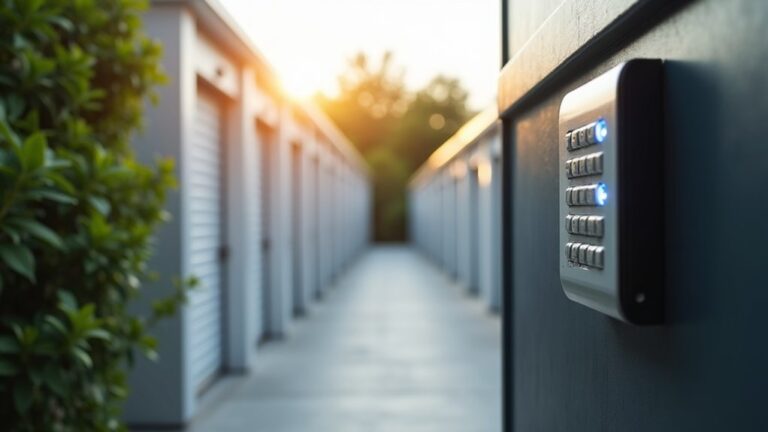
Look for facilities that use modern security technologies, such as access control systems with personalised codes and smart locks. These features ensure that only you can access your unit and provide a digital log of all entries.
Additional safety measures like video surveillance and motion-activated cameras further enhance security. Strong fencing, automatic gates, and well-lit pathways also contribute to a safe environment.
With these safeguards in place, you can concentrate on downsizing and enjoying your freedom, knowing your belongings are secure and easily accessible.
Planning for Long-Term Storage Needs

As you plan for long-term storage, it’s crucial to determine which items are truly important to you. This assessment will help you prioritise what to keep.
Here are some straightforward steps for an efficient process:
- Assess the Size: Consider the furniture and appliances you need to store. For example, will your sofa fit in the storage unit?
- Define Your Goals: Identify which items are essential and which can be stored away. Think about sentimental items versus everyday necessities.
- Budget Accordingly: Set a budget for rental costs and insurance to avoid unexpected expenses.
Frequently Asked Questions
How Do I Determine the Right Storage Unit Size for My Needs?
To find the right storage unit size for your needs, start by taking an inventory of your belongings. Measure any larger items, such as furniture, and refer to a size guide for reference. For example, a 10×10 foot unit typically fits the contents of a one-bedroom flat. This approach will help you choose the ideal space for your items.
What Items Should I Avoid Storing in Self-Storage?
“An ounce of prevention is worth a pound of cure.” Avoid storing hazardous materials such as toxic chemicals and flammable items, along with perishable goods that can attract pests. Ensure your space remains safe and clutter-free.
Are There Discounts Available for Long-Term Storage Rentals?
Yes, many storage facilities in the UK offer discounts and promotional deals for long-term rentals. These offers can help make storing your belongings more affordable. For example, some places might provide a reduced rate for the first few months or loyalty discounts for extended stays. It’s worth shopping around to find the best option for your needs!
Can I Access My Storage Unit Outside of Regular Business Hours?
If you need access to your storage unit outside of regular hours, check your facility’s security features. Many offer extended hours or even 24/7 access, but it’s essential to confirm these details to ensure both your convenience and safety when visiting your unit.
What Happens if I Forget to Pay My Storage Unit Bill?
If you forget to pay your storage unit bill, you may face late fees and restricted access to your unit. It’s important to check your storage unit’s policies to stay informed and prevent any surprises. For instance, if you miss a payment, you could be charged an additional fee, and you might not be able to access your belongings until the bill is settled.
Conclusion
As you begin your downsizing journey, remember that every great adventure starts with a single step. Self-storage can be a valuable ally in this transition. By making thoughtful choices and organising efficiently, you can create a space that feels comfortable. Embrace this change; it’s not just about letting go, but also about making room for new memories and experiences. You can do this!