Access control systems for storage units come in various types, including keypad, card-based, mobile, and biometric systems. Each type has its own features and potential vulnerabilities, which can affect the security of your belongings. Key components often include electric gates and smart locks, while advanced features can enhance both security and user convenience. With options to manage access remotely or customise permissions, you can streamline operations. If you dig a bit deeper, you’ll find the latest trends and innovations that are shaping access control solutions.
Key Takeaways
Access control systems for storage units include various options such as traditional keypads, card-based systems, mobile credentials, and biometric technologies. Smart locks, mobile apps, and cloud-based management systems provide added convenience and allow for remote access.
Advanced security features, including surveillance integration and detailed access logs, help prevent unauthorised entry and assist in security audits. Customisable permissions enable tailored access for both tenants and guests, ensuring secure and flexible use of storage units.
Emerging technology trends like AI surveillance and RFID tracking enhance safety, improve operational transparency, and enrich the user experience in managing storage access.
Types of Access Control Systems
When selecting access control systems for storage units, it’s important to assess the different types available to find the one that best fits your security requirements.
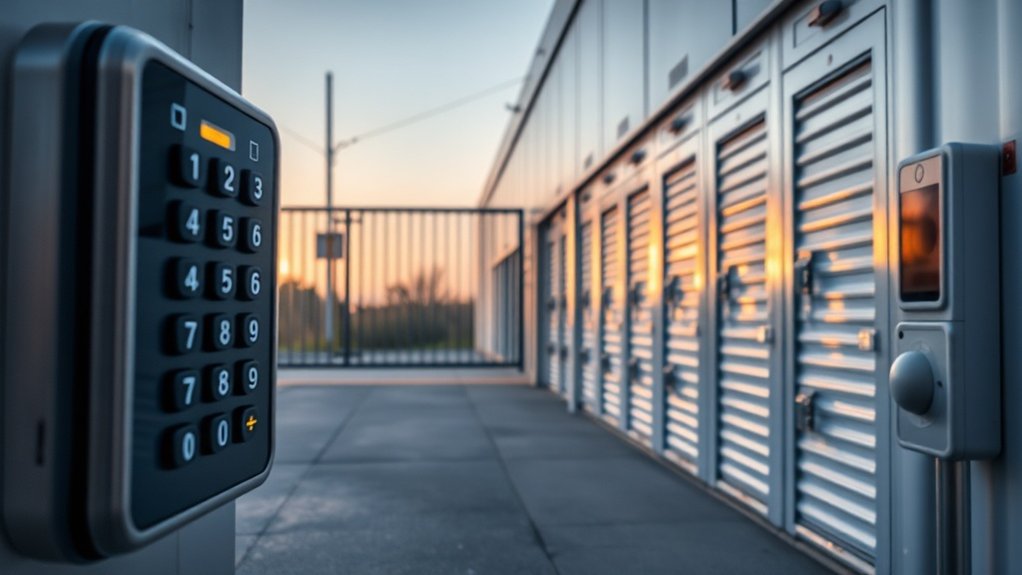
Traditional keypad systems can be vulnerable due to issues like shared PINs and wear, which can compromise their reliability over time. Card-based systems improve security by allowing for easy deactivation of lost cards, but they can still be shared or misplaced. Additionally, smart self storage access control systems enhance security by restricting access to authorized individuals, making them a valuable option for facility owners.
Mobile credential systems offer convenience, enabling touchless access through smartphones, though they do depend on compatible devices. Biometric systems boast high accuracy by using unique physical traits, but they raise privacy concerns and typically carry higher costs. RFID systems provide quick and secure access while also supporting remote management features.
Each option has its pros and cons, so consider what matters most to you in terms of ease of use and security.
Components of Self Storage Access Control Systems
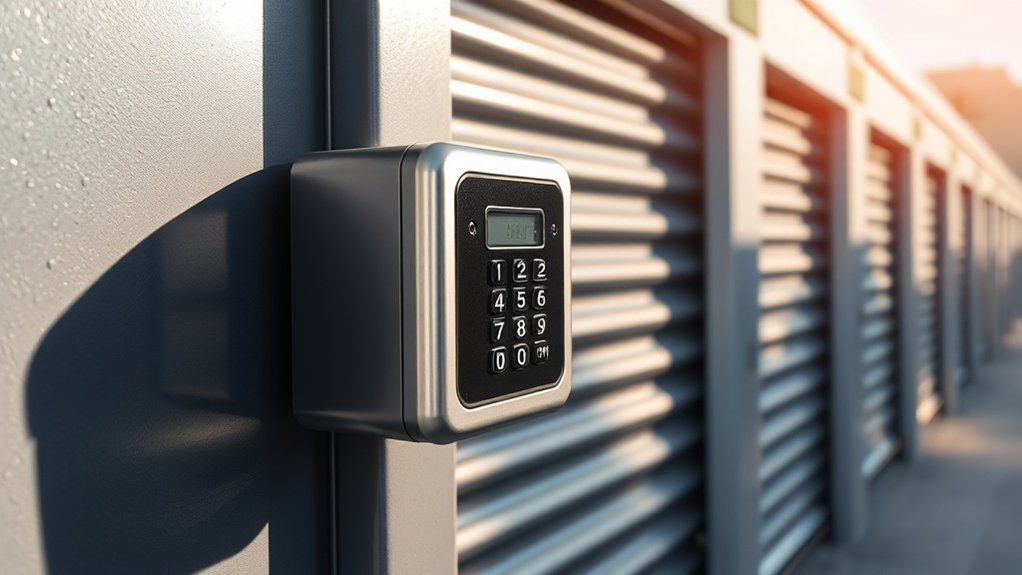
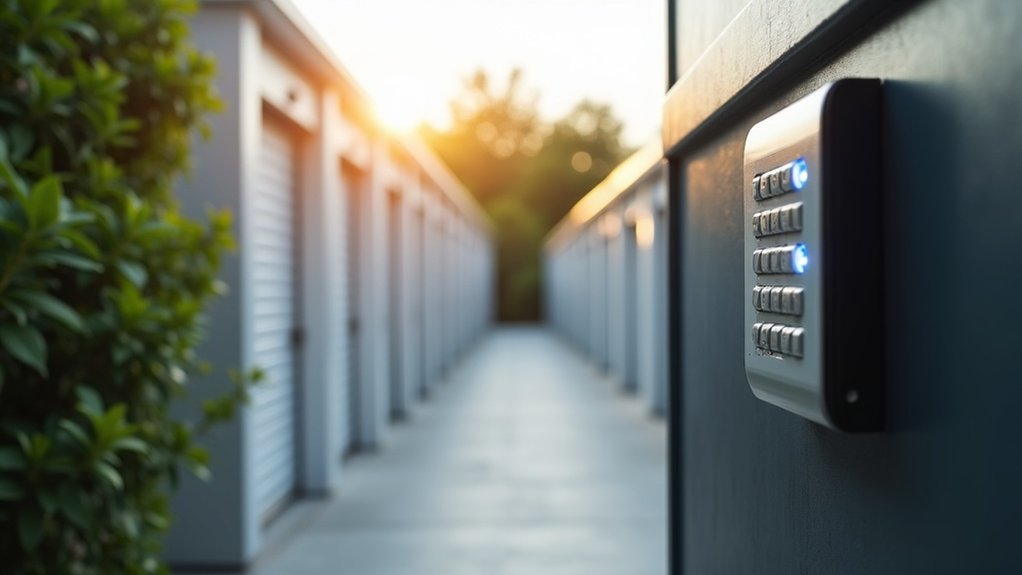
When examining the components of self-storage access control systems, it’s important to grasp how each part enhances security and efficiency. Key hardware includes electric gates, keypads, biometric systems, and smart locks. User interfaces, such as mobile apps and electronic keypads, improve tenant interaction. A robust security system acts as multiple layers of protection for self-storage facilities, particularly when combined with advanced security features that deter break-ins and restrict unauthorized access.
| Component Type | Description |
|---|---|
| Entry Points | Electric gates, keypads, biometric systems |
| Storage Unit Access | Smart locks, electronic keypads |
| Access Management | Cloud-based systems for remote control |
These elements work in unison to provide a smooth experience while ensuring strong protection. By integrating various technologies, you can simplify access and maintain a secure environment suited to your requirements.
Security Benefits of Advanced Access Control
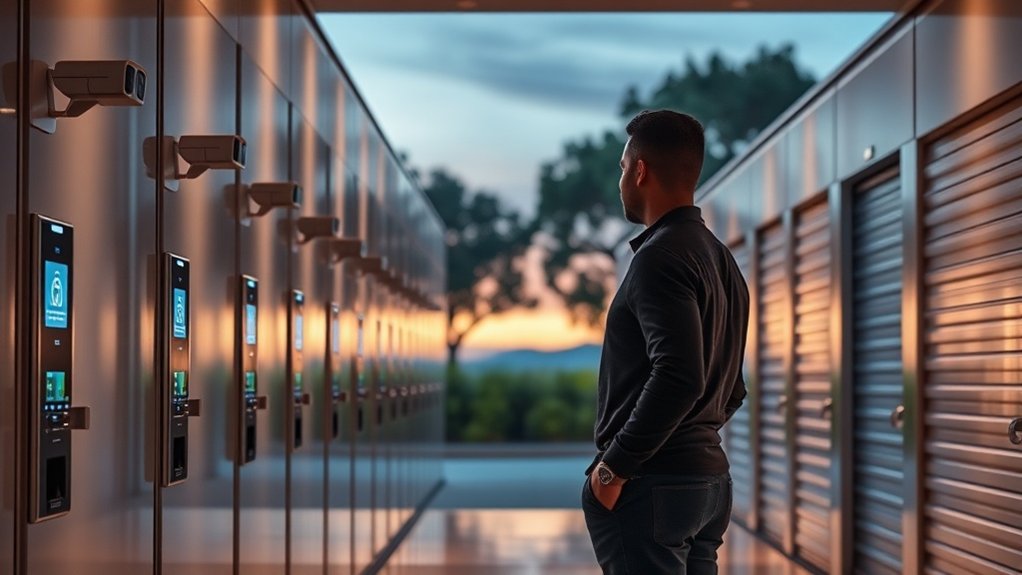
Advanced access control systems provide crucial security advantages for storage facilities, ensuring that only authorised personnel can enter.
These systems are vital for preventing theft and enhancing overall security through:
- Strict access restrictions to limit unauthorised entry.
- Integration with surveillance systems for quick detection and response to incidents.
- Detailed logs of access events, aiding in comprehensive security audits.
- Use of biometric and RFID technology, which mitigates the risks associated with lost or stolen keys. Advanced systems provide cost-effective solutions that reduce unauthorized access risks with advanced technology.
User Convenience and Flexibility Features
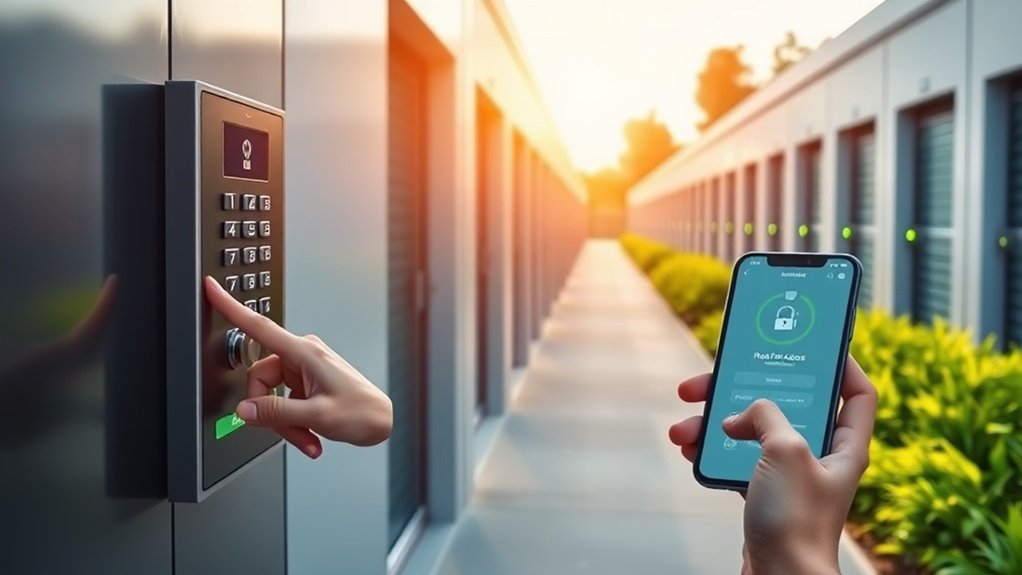
Traditional access methods can often be a hassle, but modern access control systems significantly improve convenience and flexibility.
With mobile app integration, you can remotely open gates and storage units, making your experience smoother. Online portals enable secure management of access credentials from anywhere, while QR code scanning allows for contactless entry, reducing physical interactions.
Customisable access permissions provide tailored controls for tenants and guests, ensuring effective access management. Temporary codes offer security without compromising flexibility. User-friendly interfaces make code entry straightforward, and real-time monitoring adds transparency, helping to build trust. Additionally, these systems often include robust security features, which enhance the overall safety of your stored items.
These features give you the freedom to manage storage access efficiently, ensuring peace of mind in your daily operations.
Technology Trends in Storage Access Control
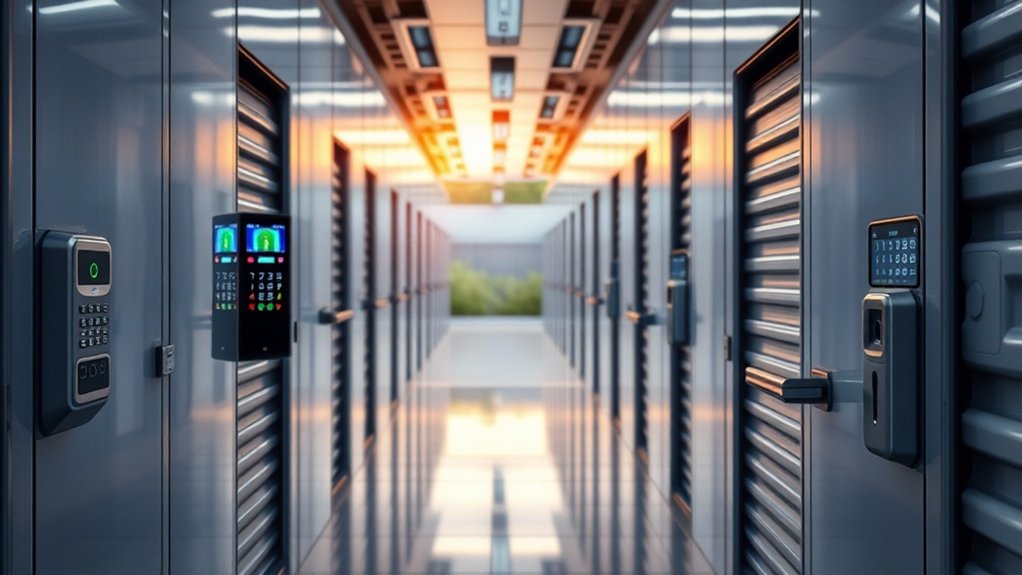
With the rise of digital technology, access control systems for storage units are increasingly adopting innovative solutions that enhance both security and user experience.
Key trends include smart lock integration and AI surveillance.
- Bluetooth-enabled smart locks allow remote access via smartphones, removing the need for physical keys.
- Mobile apps provide real-time notifications and round-the-clock monitoring of unit access.
- AI-driven surveillance can identify unusual behaviour, offering timely alerts without the need for constant human oversight.
- RFID tracking systems boost inventory management and operational transparency.
These advancements cater to consumer demands for convenience while significantly improving safety, operational efficiency, and customer satisfaction in storage facilities.
Challenges and Considerations in Access Control Systems

As access control systems develop, several challenges and considerations can affect their effectiveness in storage facilities.
Operational efficiency often takes a hit due to the need for facility staff to troubleshoot issues, leading to higher costs and diminished automation benefits.
Keypad systems can experience problems such as failed entries and expired codes, which increase security risks due to human error during manual interventions.
Additionally, the risk of unauthorised access persists with shared or stolen credentials, while tailgating can exploit weaknesses in traditional systems.
Harsh environmental conditions can also compromise lock durability, necessitating ongoing maintenance that adds to operational burdens.
Integrating advanced technologies demands careful planning and investment, underscoring the need for a balanced approach to enhance security without sacrificing user convenience.
Future Innovations in Access Control Solutions
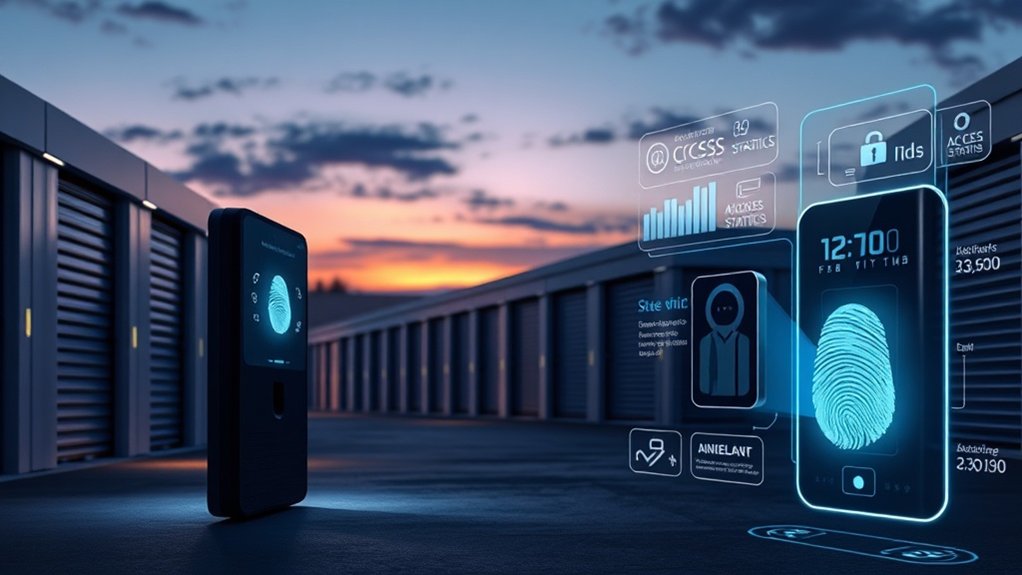
Innovations in access control solutions are transforming the security of storage units, improving convenience and safety for users.
- Biometric technologies, such as fingerprint and facial recognition, are enhancing security measures.
- Cloud integration enables real-time monitoring and remote management of access.
- Automated systems simplify entry processes while ensuring only authorised individuals gain access.
- Interoperable platforms link various security systems, providing better situational awareness.
These advancements not only bolster security but also grant users greater control over their storage units.
By adopting these technologies, you can enjoy a more streamlined experience, minimising the risks associated with traditional security methods.
The future of access control solutions is set to make self-storage facilities safer and more user-friendly than ever.
Frequently Asked Questions
How Do I Choose the Right Access Control System for My Needs?
To select the right access control system, assess features such as remote management and ease of use. Consider your security requirements alongside tenant preferences, while keeping budget constraints in mind. For example, if you’re managing a block of flats, a system that allows residents to grant access to visitors remotely can enhance convenience and security. Aim for a solution that balances functionality and efficiency to meet your needs effectively.
What Maintenance Is Required for Access Control Systems?
Regular maintenance can cut down malfunctions by more than 30%. To ensure your access control system runs smoothly, perform routine checks on keypads, gates, and software. Make sure to document any issues promptly to keep your system secure and functioning at its best. For example, regularly testing a keypad can help identify problems before they escalate.
Can I Upgrade My Current System to a More Advanced Option?
Yes, you can upgrade your current system to a more advanced option. Start by checking if your existing system is compatible with the latest technologies. Look into various upgrade options and ensure they align with your organisation’s changing security and operational requirements. For example, if your current software is outdated, consider switching to a cloud-based solution for better accessibility and security.
What Happens if the Power Goes Out?
If the power goes out, your access control system could stop working. It’s essential to have backup power solutions and emergency protocols in place to maintain security during outages. For example, consider using battery backups or generators to keep systems running. Being prepared for unexpected power interruptions is crucial for ensuring safety and access.
Are There Any Insurance Benefits for Using Advanced Access Control?
Advanced access control systems can surprisingly lead to insurance discounts, despite their initial costs. By improving risk management, you can reduce claims and liability, which often results in lower premiums. For instance, a business that implements biometric access control may see a reduction in theft, leading to fewer insurance claims and a more stable financial situation.
Conclusion
Access control systems for storage units are essential for protecting your belongings while offering convenience. As technology advances, these systems provide a blend of security and user-friendly access. For instance, keyless entry and mobile app controls allow you to manage access easily. Staying updated on the latest features can enhance your storage experience. The future promises even more innovative solutions, ensuring your storage needs are met with efficiency and ease.