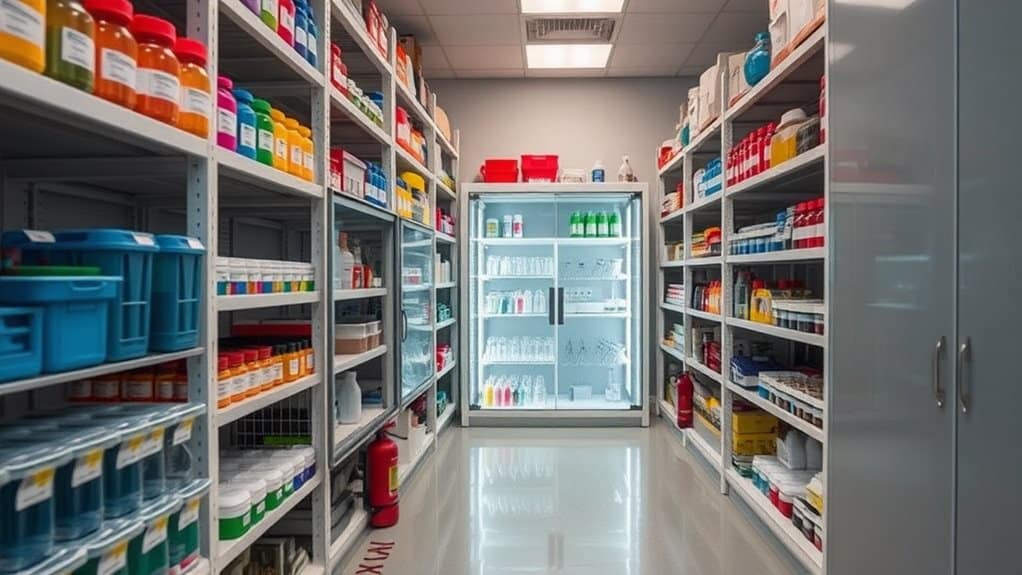
When storing hazardous or sensitive materials, it's essential to prioritise identification, compatibility, and security. Always label containers with both chemical and common names, and separate substances by hazard class to prevent dangerous reactions. Use suitable, secure containers and store them in cool, dry locations away from contaminants. Ensure that access is restricted to authorised personnel with proper training. Implement a digital tracking system for inventory management to keep an eye on expiration dates and safety compliance. By following these guidelines, you can significantly reduce risks and enhance safety in your storage practices.
Key Takeaways
- Clearly identify and label hazardous materials using their chemical names and NFPA 704M markings for safety and compliance. For example, if you store bleach, ensure it's marked clearly to avoid confusion with other substances.
- Implement secure access controls and surveillance systems to prevent unauthorised entry to storage areas. This might include keycard access or CCTV.
- Store hazardous materials separately by class to prevent dangerous reactions. For instance, keep acids away from bases to avoid violent reactions.
- Maintain optimal storage conditions with proper temperature and humidity control in well-ventilated areas. For example, flammable materials should be kept in cool, dry spaces away from direct sunlight.
- Regularly carry out inventory audits and inspections to ensure safety and compliance with storage regulations. This helps identify any expired materials that need to be disposed of safely.
Identification and Labeling
When handling hazardous materials, proper identification and labelling are crucial for safety and compliance. Effective identification methods such as Raman and FTIR spectroscopy are essential. Raman spectroscopy is particularly useful for identifying solids and liquids, especially light-coloured powders and substances in water. The combined use of FTIR and Raman spectroscopy can enhance the reliability of substance identification, ensuring a safer handling process.
FTIR spectroscopy is ideal for sealed containers, as it measures light absorption, ensuring important information isn't overlooked.
Adhering to labelling standards is equally vital. The NFPA 704M marking system provides a quick reference for emergency responders, clearly outlining health hazards in an easy-to-understand format.
Ensure that labels on packages display the hazard class or division number prominently. For mixed or consolidated packages, follow specific labelling requirements to prevent confusion.
Your product labels should include both the chemical and common names of hazardous substances, particularly if they're present in significant amounts.
Additionally, Safety Data Sheets (SDS) offer crucial information about hazardous ingredients, bolstering your safety protocols.
Compatible Storage Practices
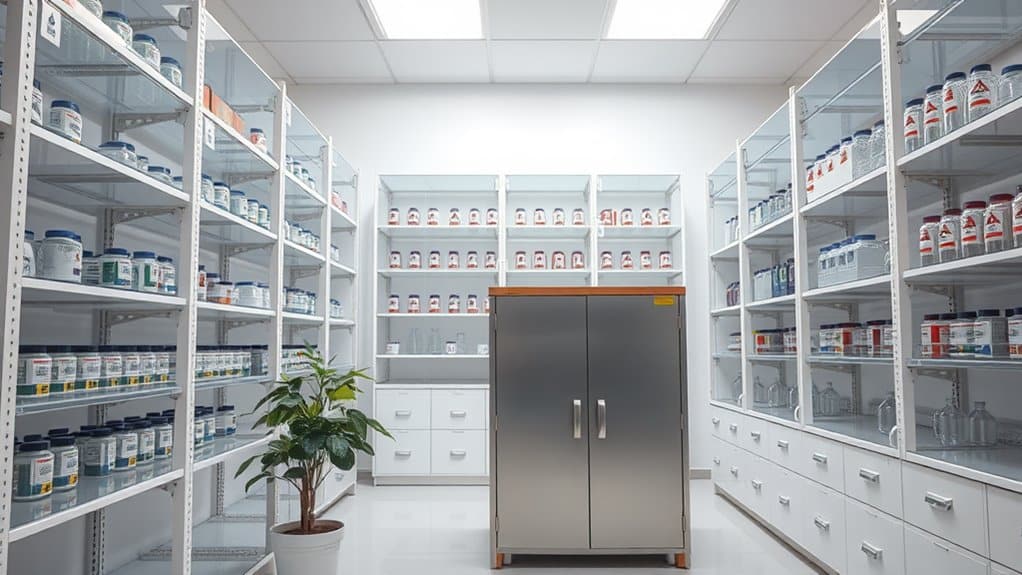
When storing hazardous materials, it's crucial to separate them by hazard class to avoid dangerous reactions. For instance, keep acids away from bases, as mixing them can create harmful fumes. Assess compatibility to pinpoint potential risks and use physical barriers, like shelves or containers, to enhance safety. Additionally, ensuring proper storage of these materials is essential to minimize the risks of toxic exposure and environmental contamination.
Hazard Class Separation
Understanding hazard class separation is crucial for the safe storage of hazardous materials. By following proper hazard classification, you can reduce risks associated with chemical reactions.
Start by keeping substances apart based on their specific hazards. For example, always store oxidisers away from flammable substances and ensure acids are kept separately from bases and reactive metals. Additionally, all chemicals must be stored in secure locations to prevent unauthorized access.
Use containers that are appropriate for the materials you're handling, making sure they're in good condition and clearly labelled. Flammable liquids should be stored in approved safety containers, away from heat sources.
Avoid placing incompatible chemicals in the same cabinet unless there are sufficient physical barriers between them.
Before storing substances, assess their compatibility. For instance, don't mix mineral acids with oxidising agents, as this can cause dangerous reactions. Instead, use partitions or secondary containment to maintain safe distances between incompatible materials.
Compatibility Assessment Importance
Proper evaluation of chemical compatibility is essential for ensuring a safe storage environment for hazardous materials. By assessing potential chemical interactions, you can significantly reduce the risk of accidents and create a safer workspace.
Begin by using chemical compatibility charts and safety data sheets (SDSs) to determine which substances can be stored together safely. Group chemicals according to their compatibility; for example, store organic bases with similar materials, while keeping oxidisers and acids apart.
This organised approach requires a thorough risk assessment of all chemicals in storage. Regularly reviewing and updating your storage practices is crucial, as the introduction of new materials may change compatibility dynamics.
Utilising a standardised storage system, such as the ChemTracker or a nine-group system, can streamline this process. Also, consider specific storage requirements—some chemicals may need refrigeration or protection from light.
Physical Barriers Utilization
Utilising physical barriers is essential for the safe storage of hazardous materials. Adhering to storage regulations helps mitigate risks related to chemical interactions and leaks. Begin by choosing appropriate barrier materials and containers designed for specific chemicals, ensuring they are in good condition, free from cracks or leaks. Implement secondary containment to separate incompatible substances, which is crucial for avoiding hazardous reactions.
Here's a summary of key practices:
| Barrier Type | Purpose | Key Considerations |
|---|---|---|
| Storage Containers | Hold hazardous materials | Must meet compatibility needs |
| Secondary Containment | Prevent leaks and spills | Use for incompatible chemicals |
| Secure Storage | Limit unauthorised access | Lock and restrict access |
Ensure storage areas are well-ventilated and equipped with proper drainage systems. Clearly label all containers and maintain a colour coding system to quickly identify risks. By following these guidelines, you comply with storage regulations and foster a safer environment for everyone.
Proper Container Selection

Choosing the right container for hazardous materials is crucial for safety and compliance. Here are some key factors to consider:
- Material Compatibility: Ensure the container material is suitable for the hazardous substances you're storing. For instance, avoid using metal containers for corrosive waste, but they can be appropriate for flammable materials.
- Container Sizes: Select container sizes that match the volume of material. They should be large enough to hold the contents without the risk of spills.
- Condition of Containers: Always check containers for any damage or wear. They must be free from cracks and leaks to ensure safety.
- Regulatory Compliance: Make sure your containers are DOT approved and adhere to UK regulations, including proper labelling and safety data sheets.
Ideal Storage Locations
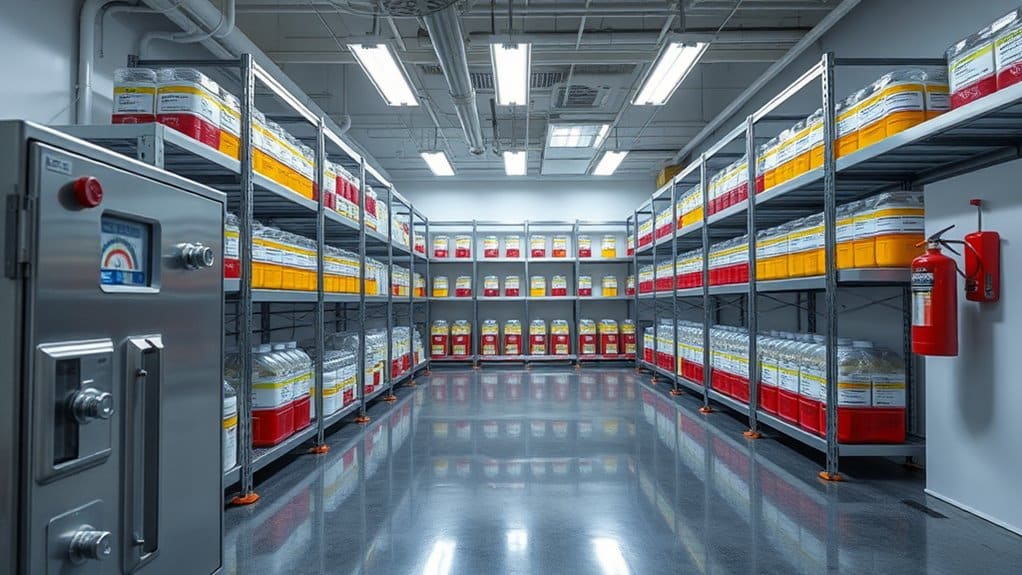
When storing hazardous materials, select cool, dry locations to avoid chemical reactions.
Ensure these areas have secure access to prevent unauthorised access while prioritising safety.
Additionally, keep materials away from potential contaminants to reduce risks.
For example, storing chemicals in a dedicated, well-ventilated cupboard can help maintain a safe environment.
Cool, Dry Environments
For the safe storage of hazardous materials, selecting a cool, dry environment is essential for their stability and safety.
Focus on regulating temperature and controlling humidity to ensure optimal conditions. Here are some key guidelines to follow:
- Select a dry, well-ventilated space away from direct sunlight to prevent heat accumulation.
- Avoid high-traffic areas and living spaces to minimise the risk of accidental exposure.
- Keep away from ignition sources like heaters or open flames, which could ignite volatile substances.
- Consider using climate control systems to maintain consistent temperature and humidity levels.
- It is also crucial to evaluate security features to ensure that hazardous materials are stored safely and access is restricted to authorized personnel.
Secure Access Areas
Properly securing access areas for hazardous materials is crucial for safety and compliance. Access to these storage areas must be restricted to authorised personnel only. Implement strong access control measures, such as locking systems, to ensure these areas are secure when not in use. Clearly label storage locations with appropriate signage to prevent unauthorised entry.
It's essential to maintain access logs to track who enters and exits these areas. Regular inspections can help identify security vulnerabilities before they escalate. Designate specific spaces for hazardous materials within storage facilities, using containers that suit their unique properties. Outdoor areas should also be secured with fencing and gates.
You can further enhance security by installing surveillance systems, including CCTV cameras and alarms. Use tamper-evident seals on containers to deter unauthorised access. Ensure that all personnel handling these materials are properly trained and undergo background checks.
Away From Contaminants
Securing access areas is just the first step in ensuring the safe storage of hazardous materials. To effectively prevent contamination, you need to choose your storage locations carefully. Here are some key guidelines:
- Ventilation: Store materials in well-ventilated areas to avoid the accumulation of toxic fumes.
- Distance from Ignition Sources: Keep hazardous materials away from flames and busy areas.
- Environmental Control: Maintain cool, dry conditions to reduce the risk of ignition or deterioration.
- Segregation: Isolate incompatible substances and use suitable cabinets for different hazard classes.
Regular inspections of storage areas are crucial for safety. Check that all materials are properly labelled and that conditions remain suitable for storage.
Remember, preventing contamination isn't just about the location; it's about creating a controlled environment that minimises risks. By following these guidelines, you help maintain the integrity of your hazardous materials and enhance workplace safety.
Prioritising these practices not only protects you but also allows you to work without unnecessary risks. Stay alert and keep safety at the forefront of your storage strategy.
Inventory Management Strategies
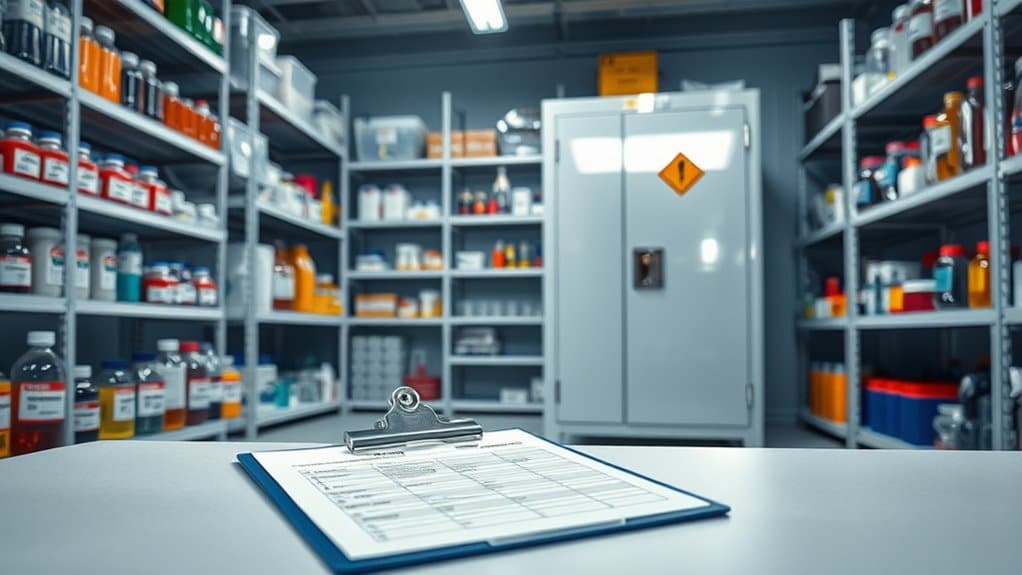
Effective inventory management strategies are crucial for safely storing hazardous materials while minimising risks and costs.
Start by setting inventory limits that align with your emergency response capabilities. This ensures safety and helps control costs by reducing excess stock. Only purchase what you need to maintain a high inventory turnover rate.
Tracking materials, especially time-sensitive items, is essential. Use a digital tracking system to monitor expiration dates and usage effectively. Conduct regular inventory audits at least once a year to ensure your records match physical counts for accuracy and accountability.
Centralised purchasing is another important strategy. Direct all material purchases through a designated individual or department to improve oversight and prevent unnecessary acquisitions.
Always specify receiving terms that include material inspections before acceptance to guard against potentially hazardous discrepancies.
Lastly, ensure clear labelling and store compatible materials together to prevent dangerous reactions.
Specialized Storage Requirements
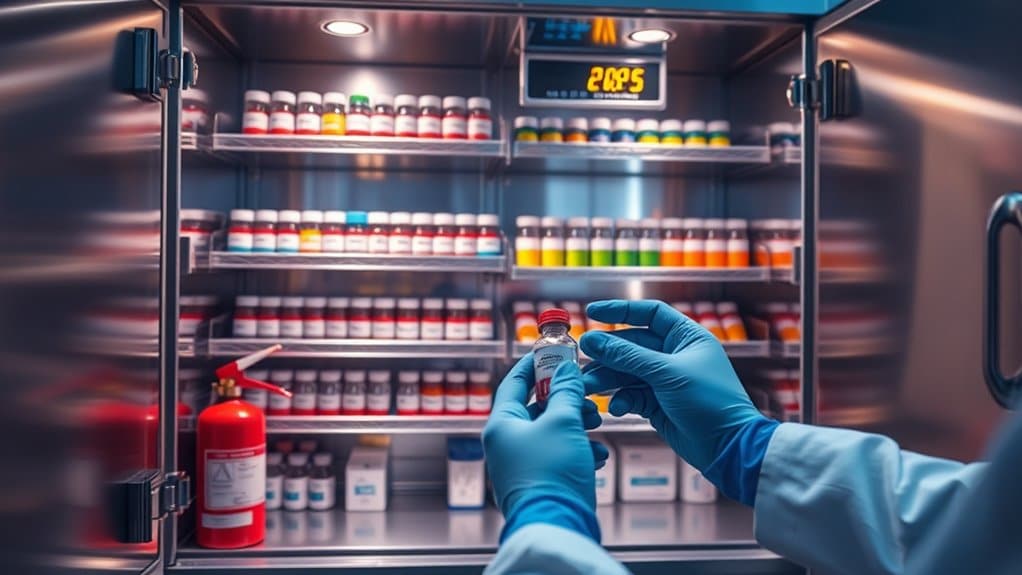
Managing hazardous materials requires careful inventory management and specific storage practices to ensure safety and compliance. Here are some essential factors to consider:
- Approved Containers: Always use containers that are approved for use in the UK, ensuring they're chemically resistant and suitable for the materials being stored.
- Separation and Security: Keep hazardous materials separate from incompatible substances, heat sources, and unauthorised personnel to reduce risks.
- Clear Labelling: Clearly label all containers with the chemical name, hazard classification, and any relevant warnings to facilitate safe handling.
- Emergency Preparedness: Develop and regularly update emergency procedures for spills and leaks, ensuring that all staff are trained and well-equipped to respond effectively.
Regular inspections and keeping up with regulatory changes are crucial for compliance.
By adhering to these specialised storage requirements, you not only safeguard your workforce and environment but also promote a culture of safety and responsibility.
Frequently Asked Questions
What Should I Do if a Container Is Damaged?
If a container is damaged, first assess the situation and ensure the area is secure. Immediately notify the emergency services. Maintain the integrity of the container by isolating it, clearly labelling any hazards, and following the correct procedures for transferring contents to prevent further incidents.
How Often Should I Review My Chemical Inventory?
You should review your chemical inventory at least once a year to ensure safety compliance. If there are significant changes, such as acquiring new substances or disposing of old ones, increase the frequency of your assessments. This helps keep your work environment organised, safe, and compliant with regulations. For example, if you've recently added a new batch of chemicals for a project, it's wise to check your inventory sooner rather than later.
Can I Store Chemicals in Their Original Containers?
You can store chemicals in their original containers. This ensures stability and maintains the integrity of the container, reducing risks. Original containers are specifically designed for the substances they hold, featuring necessary safety elements and accurate labels for easy hazard identification. For example, storing cleaning products in their original bottles helps prevent confusion and ensures you're using them safely.
What Is the Best Way to Label Homemade Mixtures?
To ensure the safety of your homemade mixtures, it's essential to label them clearly. Include the product name, ingredients, and any allergy information. Make sure the labels are easy to read and comply with UK regulations. Consistency in your labelling helps build trust with your customers. For example, if you're making jam, state the fruit used and whether it contains any allergens like nuts.
How Should I Dispose of Expired Hazardous Materials?
Disposing of expired hazardous materials requires caution. Use licensed disposal methods such as incineration or macroencapsulation to manage hazardous waste properly. This ensures you comply with regulations and protect the environment. For example, if you have old paint or chemicals, take them to your local waste disposal facility that handles hazardous waste. Always prioritise safety and legality when disposing of these materials.
Conclusion
Storing hazardous or sensitive materials is not just about safety; it's also about reliability. Proper identification and labelling are crucial to ensure everything remains intact. Selecting the right container is just as important as knowing the best storage location. Balancing inventory management with specific requirements means you're ready for any eventuality. By following these steps, you create a secure environment that safeguards both your materials and your peace of mind. Stay alert, stay safe.