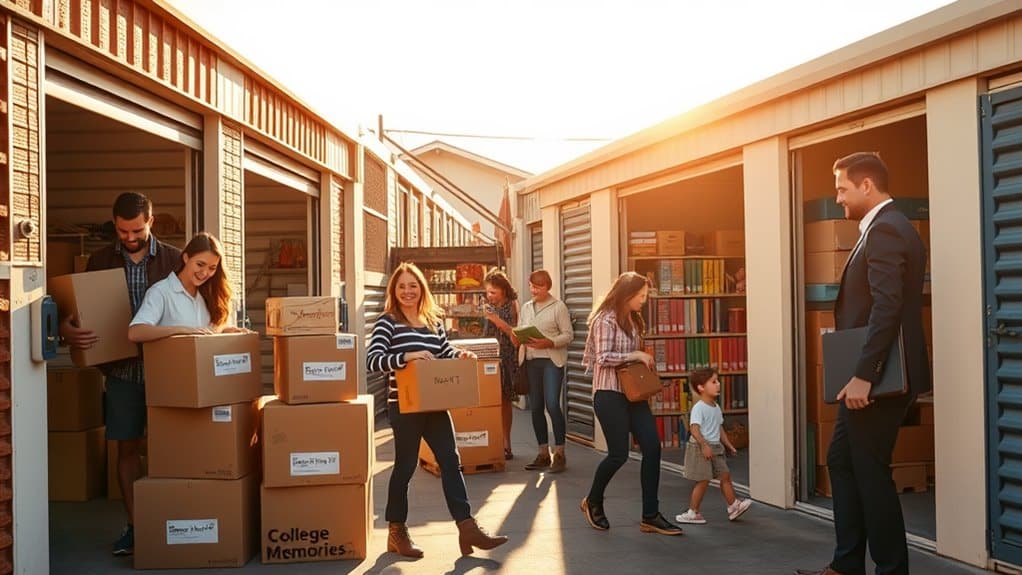
You might be surprised by the range of people who use self-storage. Home renovators often rely on it to keep their belongings safe during renovations. When moving house, many find it essential for bridging gaps between properties. Expectant parents frequently need extra space for nursery preparation, while businesses downsizing use storage to manage excess equipment. Life changes, such as divorce, can also create a need for temporary storage. With so many scenarios, self-storage can cater to your specific needs. Explore how self-storage might be the perfect solution for your situation.
Key Takeaways
- Home renovators often use self-storage to keep their belongings safe during renovations, needing well-organised and climate-controlled spaces for delicate items.
- People moving between homes frequently turn to self-storage for added flexibility, typically renting for around 10 months.
- Expectant parents utilise self-storage to sort nursery items and larger essentials, creating more space at home.
- Businesses downsizing may store excess assets and sensitive documents in climate-controlled units to facilitate transitions and clear out office space.
- Various professionals, like builders and artists, rely on self-storage to organise tools and materials, boosting efficiency and safeguarding valuable supplies.
Home Renovators
Home renovators often struggle to manage their belongings during construction. It’s essential to ensure your items are safe and organised while the work is underway.
Start by assessing the scale and timeline of your project to gauge your storage requirements. Creating a detailed inventory of your belongings, from furniture to electronics, will help streamline your storage process. Consider that self-storage protects items from dust and damage, providing peace of mind during renovations. Additionally, many facilities offer climate-controlled environments to ensure your sensitive items are stored in optimal conditions.
Self-storage can offer a secure temporary space for your items, reducing clutter in your home and making the renovation easier to navigate. Look for month-to-month rental agreements for added flexibility, allowing you to adjust your storage duration as your project progresses.
When packing, protect your items from dust and damage. Labelling and categorising your belongings will make it easier to find what you need when you need it.
Make the most of vertical space in your storage unit to enhance efficiency. As your renovation evolves, be prepared to modify your storage solution based on your changing needs.
With proper planning and organisation, you can manage the upheaval of home renovations while keeping your belongings safe and accessible.
Home Relocators

Moving homes can be a daunting task, with the packing and unpacking often feeling overwhelming. Self-storage can provide a practical solution, giving you a safe place to store your belongings during the transition. This can make your move smoother, allowing you to concentrate on settling into your new home without the added stress of managing all your items at once. In fact, 34% of individuals cite moving as a significant reason for utilizing self-storage. Additionally, climate-controlled units can be particularly beneficial for protecting sensitive items during the moving process.
Transitioning Between Homes
Navigating the challenges of moving between homes often highlights the importance of a reliable storage solution.
Whether you’re dealing with delays in your move or need temporary accommodation, self-storage provides the flexibility you need. It helps ease the transition, giving you a safe space for your belongings when it’s most necessary.
Changing homes can be hectic, and effective storage logistics can simplify the process. If you’re downsizing or adjusting to changes in your household—like a divorce or a new partner—having a secure place for your extra items is essential.
Many find themselves in temporary living situations, such as serviced apartments or short-term rentals, where space is limited, making self-storage a practical choice. Additionally, understanding the various unit sizes available can help you select the right space for your needs.
A 10×10 storage unit offers plenty of room for furniture and clothing, while climate-controlled units protect sensitive items from temperature fluctuations. Additionally, with approximately 11.1% of U.S. households utilizing self-storage services, it’s clear that many people rely on these facilities during their transitions.
Drive-up access units make it straightforward to load and unload larger belongings. With an average rental period of around 10 months, you can manage your home transition confidently, knowing your valuables are stored securely and conveniently until you’re ready to settle in.
Packing and Unpacking Assistance
Packing and unpacking assistance can significantly simplify your moving experience. With professional help, you can implement effective packing methods and find unpacking solutions tailored to your needs.
Here’s how it can help you:
- Time-Saving: Professional services can greatly reduce the time it takes to settle in, meaning you can start enjoying your new home much quicker. This is especially beneficial for those who may find themselves juggling work schedules during a move.
- Stress Reduction: Experts ensure your belongings are packed securely and unpacked efficiently, reducing the hassle and risk of damage.
- Customised Options: You have the flexibility to select which items you want packed or unpacked, giving you control over the process.
- Comprehensive Care: Many services also include furniture assembly and the removal of packing materials, helping to keep your new space tidy and organised.
Relationship Changes
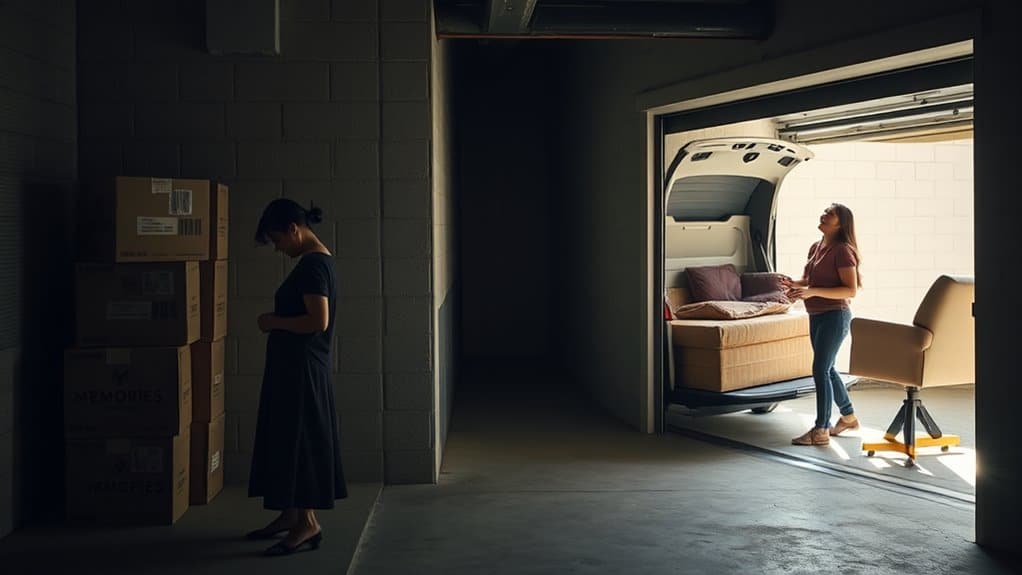
Navigating relationship changes can present unexpected challenges, especially when it comes to managing personal belongings.
Whether you’re experiencing the emotional upheaval of a divorce or facing the complexities of moving in with a new partner, your living situation can change dramatically. With the divorce rate in the UK hovering around 42%, many find themselves in need of temporary storage solutions for their possessions during this difficult time.
As couples merge households, flexibility is crucial. It’s common to have excess items that simply won’t fit into a shared space. This need for flexibility is particularly evident among Generation X, who often seek storage solutions during major life transitions like these.
Short-term storage offers a practical way to lighten the load, allowing you to adjust to new living arrangements without the stress of clutter.
When dealing with the impacts of relationship changes, self-storage can provide a secure space for your belongings during these transitional periods.
It not only serves as a practical solution but also offers peace of mind, letting you focus on rebuilding your life and redefining your relationship dynamics.
Knowing your items are safe can give you the freedom to embrace this new chapter.
Soon-to-Be Parents

As you prepare for your little one’s arrival, finding space for all the baby essentials can be daunting. Self-storage provides a practical solution for temporarily storing larger items like cots and pushchairs, freeing up room for nursery renovations. Organising baby clothes and gear in labelled boxes helps ensure everything is easy to find when you need it. Additionally, you can store basic items in a storage unit during nursery setup to ensure readiness for your baby’s needs.
Preparing for Baby Arrivals
Preparing for a baby’s arrival can be daunting, but with some organisation, you can create a safe and welcoming nursery. Here’s how to ensure your space is functional and baby-safe:
- Sort and Declutter: Clear out a room for the nursery. Decide what to keep, donate, or store. Remove any hazardous items from the area.
- Organise Essentials: Use storage bins for baby clothes and dividers to keep sizes separate. Consider floating shelves for extra storage, and also utilize storage under the crib to maximize space for blankets and linens.
- Store Smart: Keep larger items like prams in a self-storage unit when not in use. Use labelled boxes to sort baby clothes and toys by age.
- Prioritise Safety: Ensure dangerous materials are out of reach and fit childproof outlet covers. Anchor furniture to the wall to prevent tipping.
Temporary Storage Solutions
Once you’ve organised your nursery, the next step is to think about how to manage the influx of items that come with welcoming a new baby.
Temporary space management is crucial during this exciting time. Self-storage provides a practical solution, enabling you to declutter your home and create a calm environment for your little one. Additionally, you can store non-baby friendly items that may be hazardous to your child, ensuring a safe space for exploration.
When choosing a storage unit, consider your specific needs. Ground-level access is ideal for easy loading and unloading, especially when mobility might be a concern.
Drive-up units can save you time by minimising the distance you need to walk. Be sure to select a facility with robust security features to keep your treasured items safe.
You’ll appreciate the flexibility that self-storage offers. Whether it’s seasonal clothing or non-essential baby gear, you can store items you won’t need just yet.
This not only frees up space in your home but also keeps your valuables out of reach of curious little hands.
Take this opportunity to simplify your life and enjoy the journey into parenthood with less clutter and more peace of mind.
Organizing Baby Essentials
Preparing for a new baby means getting essentials organised to ensure a functional nursery. Good organisation not only enhances safety but also optimises space and reduces clutter. Here are some key areas to consider:
- Diaper Organisation: Use a dedicated drawer or shelf with a caddy for easy access to nappies and wipes.
- Feeding Supplies: Keep bottles, formula, and bibs in labelled bins, either in cabinets or on open shelves for quick retrieval.
- Bath Time: Designate a cabinet for bath essentials, using labelled baskets to maintain an efficient routine.
- Labelling Bins: Clearly label storage bins and drawers for easy identification of baby items, making it simpler to find what you need.
Invest in adaptable storage solutions that can grow with your child. Removable bins and spacious storage keep your nursery flexible as your baby transitions into toddlerhood. Additionally, you can explore a variety of storage solutions available at Pottery Barn Kids to enhance your nursery setup.
Consider using a self-storage unit for seasonal or non-essential items to clear space, ensuring your nursery stays organised and safe.
With these strategies, you’ll create a nurturing environment for your little one.
Corporate Downsizers
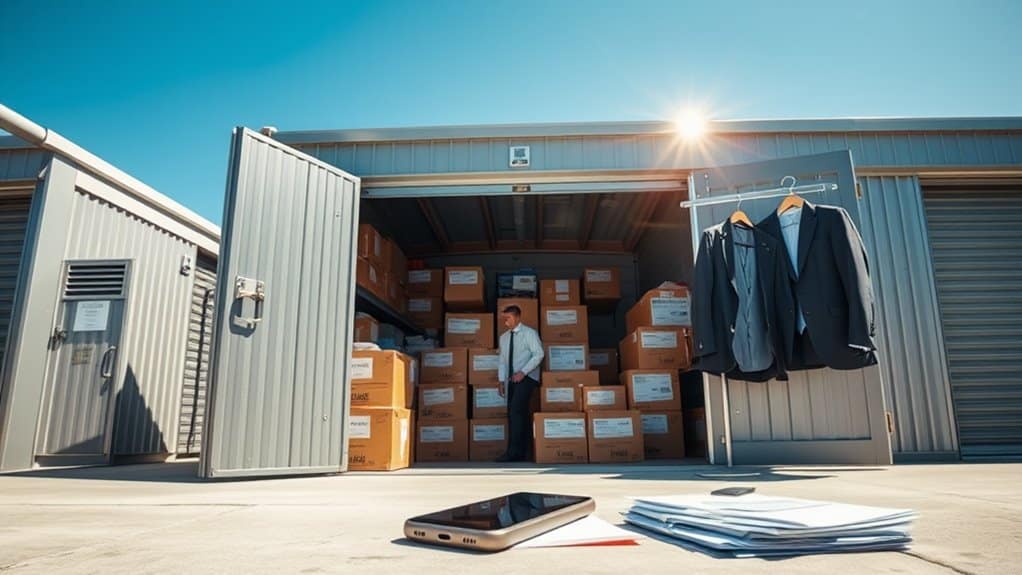
Corporate downsizers encounter specific challenges as they streamline operations, often requiring effective solutions for surplus assets. Self-storage can be invaluable in managing your business’s assets during this transition.
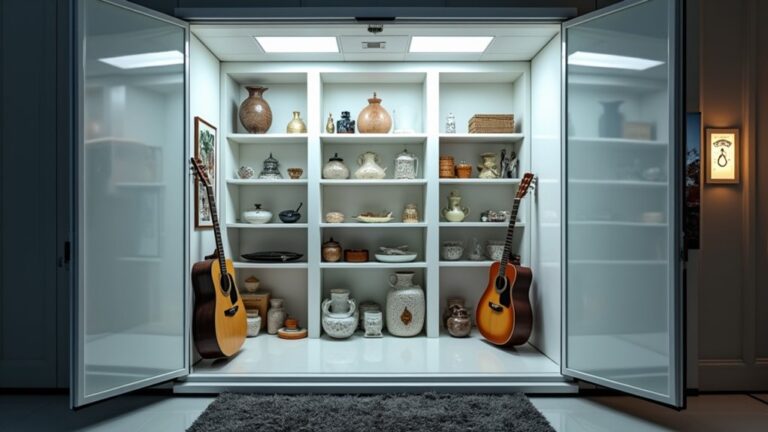
Whether you’re storing inactive files, important documents, or sensitive electronics, climate-controlled units ensure everything remains safe and secure. This is particularly important because climate control prevents damage to important documents and electronics.
Using self-storage allows you to reclaim valuable office space by keeping excess inventory or seasonal decorations nearby, making it easy to access items as needed. This flexibility supports downsizing strategies, enabling you to adapt as your business changes.
When selecting a self-storage facility, focus on security, accessibility, and proper climate control for sensitive items. Evaluate the size of the storage unit to suit your requirements and explore local options that cater to businesses.
To enhance your self-storage experience, organise and inventory your items effectively. Utilise shelving and racks to maximise space, and regularly inspect your stored goods to avoid damage.
Planning for long-term storage needs can provide peace of mind, allowing you to concentrate on your core business operations.
Age Demographics
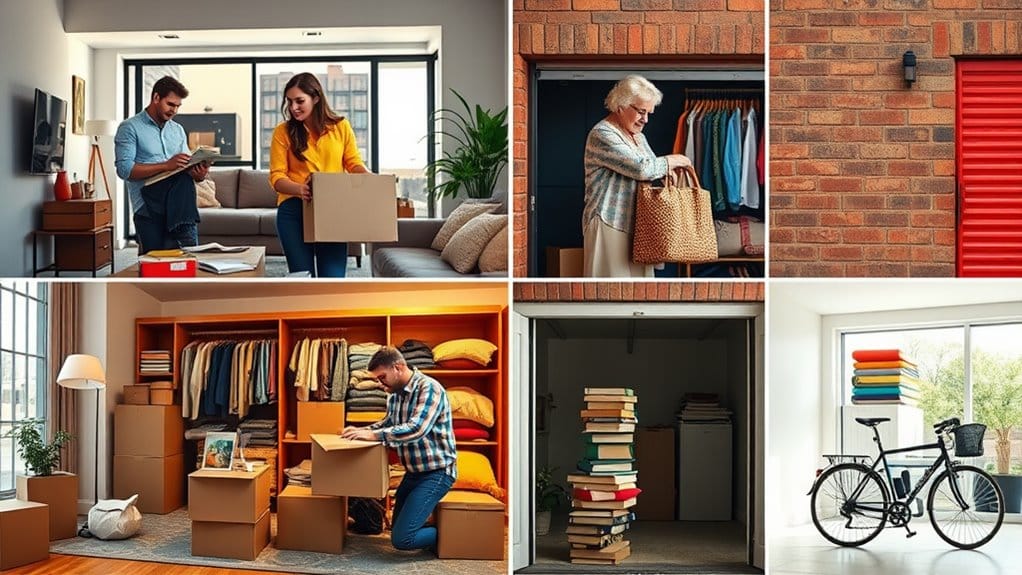
As businesses downsize and adapt, people from various age groups are increasingly turning to self-storage to meet their changing needs.
Here’s a quick look at how different generations use these services:
- Millennials (25%): Leading the way, they often seek self-storage due to lifestyle changes like moving, downsizing, or needing flexibility.
- Gen Xers (23%): Many are navigating significant life transitions, such as becoming empty nesters, and use self-storage for both short- and long-term needs.
- Baby Boomers (22%): They often require long-term storage solutions, having accumulated belongings over the years that need extra space.
- Gen Zers (12%): Though they currently have the lowest usage rate, this group is starting to engage with self-storage as they move into adulthood and gather possessions.
These trends highlight a clear pattern: as lifestyles change, self-storage becomes a practical solution.
Whether you’re relocating or preparing for retirement, self-storage offers the flexibility to adapt to your evolving needs.
Income Levels
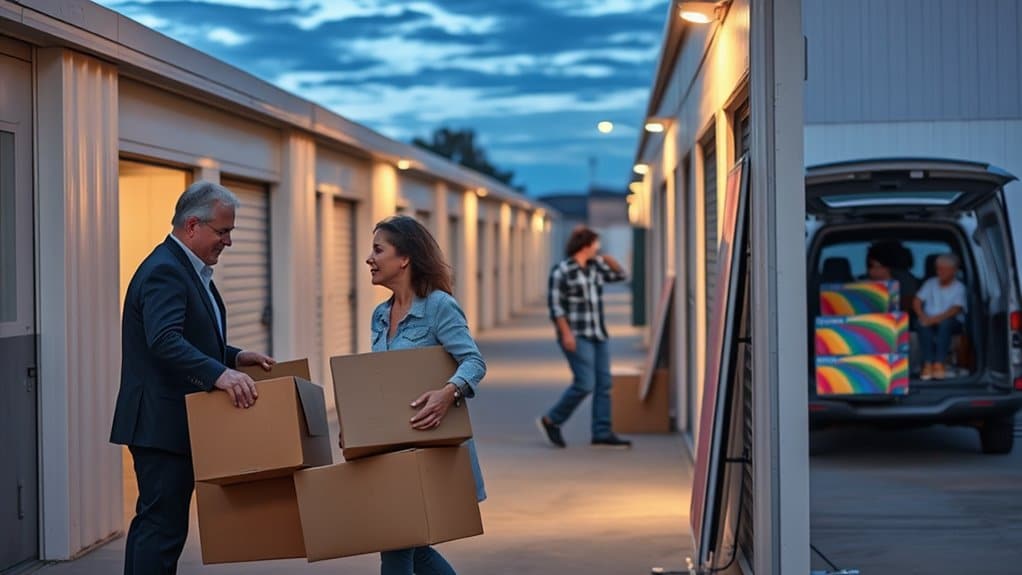
Income levels significantly impact the self-storage market, determining who can access these services. An affordability analysis shows that most self-storage renters are typically from middle and upper-middle-class income brackets. With the average monthly cost to rent a unit at £108.18, many individuals seek storage solutions that align with their budgets.
| Income Bracket | Average Monthly Storage Cost |
|---|---|
| Middle Class | £108.18 |
| Upper-Middle Class | £132 |
| High-Income Areas | £150+ |
As cities expand, the demand for self-storage increases, particularly in areas with a higher cost of living. Factors such as downsizing and urbanisation drive this demand. In densely populated regions, monthly rental prices can vary significantly, affecting affordability.
The self-storage industry has seen a robust growth trajectory, with a projected 13% revenue increase from 2020 to 2024, reflecting its appeal across various income levels. Whether you are moving, decluttering, or simply need additional space, self-storage offers a flexible and economical solution suitable for a wide range of income groups.
Gender Distribution

Understanding gender distribution in self-storage is essential for addressing varied needs.
For instance, research may show that women often utilise storage for downsizing or seasonal items, while men might lean towards tools and sports equipment.
Recognising these trends allows you to tailor your marketing to connect with both audiences effectively.
Female Usage Trends
In recent years, self-storage has seen a notable rise in female customers, with women now making up 84% of all users. This shift reflects various storage needs and lifestyle changes. Here are some key insights:
- Age Range: 88% of female renters are aged between 21 and 55, showing a strong presence of Gen X and millennials.
- Income Level: 78% of female self-storage customers are within the lower to upper-middle income brackets, indicating economic flexibility.
- Common Uses: Many women use self-storage for moving or managing limited space at home, with half currently renting units.
- Storage Preferences: Women typically opt for smaller units, like 5’x10′ and 10’x10′, mainly storing clothing and household items.
This significant involvement of women in self-storage highlights the demand for secure and convenient storage solutions.
As lifestyles change, many women are seizing the opportunity to declutter and adapt their living spaces.
Self-storage is more than just a trend; it’s a vital resource for managing personal belongings and enhancing everyday life.
Male Participation Rates
Male Participation Rates
Although female renters dominate the self-storage market, men still play a vital role in the industry. Only 16% of self-storage customers are men, but they account for over 95% of those involved in the physical moving process.
Men typically prefer larger storage units, particularly the 10 feet by 30 feet options, which they rent more often than women. Interestingly, they tend to avoid smaller units, opting instead for medium to large sizes to meet their needs.
When it comes to reasons for renting, men and women are largely aligned—most seek extra space during significant life changes, such as moving or downsizing. Security is also a top priority for both genders, reflecting a common concern for protecting their belongings.
In terms of age, men primarily fall within the 21 to 55-year range, consistent with broader demographic trends.
Understanding men’s preferences for larger units and their behaviours within the self-storage market can improve the customer experience.
Gender-Specific Storage Needs
While men significantly contribute to the self-storage market, women make up the majority of the customer base, influencing the industry’s trends and preferences. Understanding what female customers want can help you provide better services. Here are some key insights:
- High Usage Rate: Over 50% of female renters use self-storage units.
- Decision Makers: A notable 84% of storage decisions are made by women, highlighting their strong influence in this area.
- Item Storage: Women are more inclined to store clothing, with 28% choosing this option compared to 18% of men.
- Age and Income: Most female customers are in the lower-middle to upper-middle income brackets, with Gen X women being particularly prominent.
This insight suggests that women, especially those living in urban areas or smaller homes, often seek self-storage during significant life changes, such as moving or downsizing.
Their preference for unit sizes, like the popular 5’x10′ and 10’x10′, reflects a need for convenience and versatility. By recognising these trends, you can better meet the specific needs of female customers in the self-storage sector.
Occupation Types

Self-storage units cater to a diverse range of occupation types, providing essential support for both professionals and individuals with specific requirements.
For contractors, professional storage helps keep tools and equipment organised, boosting on-site productivity. E-commerce entrepreneurs often use self-storage as temporary warehouses for their business inventory, reducing clutter at home.
Service workers, such as handymen and landscapers, benefit from secure storage for their essential tools and supplies. Musicians also find value in dedicated spaces to safely store instruments and equipment between gigs.
Collectors can protect valuable items using climate-controlled units. Artists rely on storage for their artwork and supplies, ensuring their creations remain safe.
Remote workers, including freelance photographers and IT specialists, appreciate the convenience of storing equipment and materials when not in use.
No matter your profession, self-storage offers a flexible solution tailored to your needs, allowing you to focus on what truly matters while keeping your workspace and home organised.
Reasons for Storage Use

With many professionals and individuals turning to storage solutions, it’s essential to understand why self-storage might be the right choice for you.
People use self-storage for various practical and emotional reasons, reflecting current trends. Here are four common motivations:
- Space Management: In urban areas, homes can be quite compact. Self-storage allows you to declutter and create space for future use without compromising your lifestyle.
- Seasonal Storage: From Christmas decorations to summer sports gear, having a designated area for seasonal items helps keep your home tidy and organised.
- Life Changes: Events like moving house or changes in relationships often require temporary storage for cherished items or family heirlooms, ensuring they remain safe and accessible.
- Convenience: Students and military personnel often need storage during breaks or deployments, allowing them to keep their belongings secure without the hassle of moving everything.
In essence, self-storage offers flexibility, whether you’re adopting a minimalist lifestyle or simply looking to manage your possessions more effectively.
With options like climate control, you can even protect sensitive items while enjoying the extra space.
Security Priorities

When selecting a self-storage facility, prioritising security is crucial to ensure your belongings remain safe. Look for features such as electronic access control, individual unit alarms, and CCTV cameras to give you peace of mind. These measures help monitor vulnerable areas and prevent unauthorised access.
Engaging with the facility’s management is also important. Regular communication and collaboration with staff can enhance security, ensuring everyone remains vigilant.
Additionally, well-lit areas and on-site monitoring act as deterrents to potential intruders, making your storage experience worry-free.
Strong security measures not only protect your items but may also reduce insurance premiums and attract more tenants. Facilities that emphasise security show a commitment to safeguarding your possessions, lowering the risks of theft and damage.
Convenience Factors
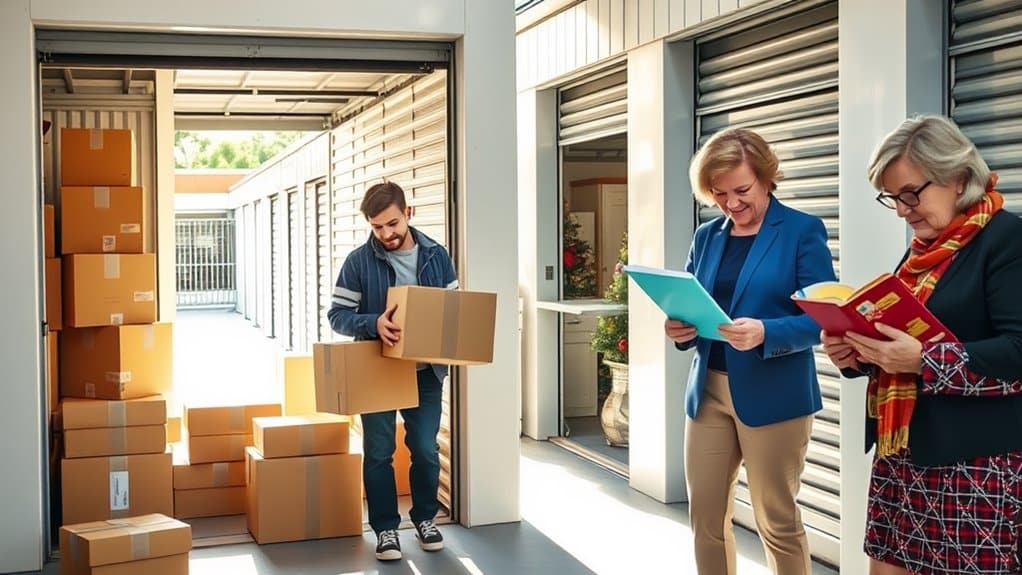
When selecting a self-storage facility, consider convenience factors such as location and ease of access.
Opt for facilities that are near your home or workplace, provide flexible rental terms, and include security measures to protect your belongings.
These aspects can significantly enhance your ability to access your storage unit and lead to a more straightforward, hassle-free experience.
For instance, a facility just down the road can save you time and effort when you need to retrieve items.
Accessibility and Location
Accessibility and location are crucial for a positive self-storage experience, ensuring you can access your belongings easily. When selecting a facility, consider these important factors:
- Accessibility Features: Choose units with ramps, wide driveways, and simple locking systems to make accessing your items straightforward.
- Location Advantages: A facility close to home allows you to quickly retrieve or store items, saving time and effort.
- Parking Availability: Sufficient parking means you won’t waste time searching for a spot, facilitating smooth loading and unloading.
- Signage and Compliance: Facilities with clear signage and ADA-compliant features demonstrate their dedication to accessibility, enhancing your experience.
By keeping these points in mind, you can fully enjoy the benefits of self-storage.
Whether you’re moving, decluttering, or need extra space, selecting a facility that prioritises accessibility and location lets you concentrate on what matters most—your belongings and peace of mind.
Embrace the convenience of self-storage!
Flexible Rental Options
Flexible rental options can significantly enhance your self-storage experience, making it more convenient and suited to your needs. Many facilities offer month-to-month leases, providing you with genuine lease flexibility to adapt your storage solution as your circumstances change.
Whether you’re moving house or just need temporary storage, these short-term options help you avoid long-term commitments. The ability to book online adds to this convenience. You can complete your move-in details at any time, without the need to visit a facility.
This contactless process allows you to manage everything 24/7, making it easier to integrate storage solutions into your busy lifestyle. Additionally, many facilities offer adjustable lease durations, enabling you to transition smoothly from short-term to long-term storage as your needs evolve.
If you require extended storage, some places even let you prepay for up to 12 months. While short-term storage can be pricier, it’s important to evaluate your budget and storage needs to find the most cost-effective solution.
Embrace the freedom that flexible rental options provide, and choose what truly suits you.
Security Features Importance
While convenience is important in self-storage, you mustn’t overlook the significance of strong security features. Security plays a vital role in building customer trust and ensuring your peace of mind.
When choosing a self-storage facility, keep these key security features in mind:
- Access Control: Systems that use keys or electronic access codes ensure that only authorised individuals can enter.
- Surveillance Systems: CCTV cameras help monitor the site, deterring potential intruders and keeping an eye on any suspicious activity.
- Physical Barriers: Secure fences, gates, and locks restrict unauthorised access, protecting your belongings.
- Alarm Installations: Alarms equipped with motion detectors alert you to any unusual activity, enhancing overall security.
As security technology advances, facilities are increasingly capable of safeguarding your items.
Strong security measures not only provide peace of mind but can also lead to lower insurance premiums and reduced liability risks.
Facilities with visible security features tend to attract more customers, making security a crucial factor in your decision-making process.
Market Trends

As the self-storage industry evolves, current market trends indicate substantial growth opportunities. The market size is projected to reach £86.05 billion by 2028, with a compound annual growth rate (CAGR) of 7.9%. Key drivers include urbanisation and the rise of e-commerce, which are increasing demand for storage solutions.
Here’s a quick overview of the market dynamics:
| Market Trends | Key Insights |
|---|---|
| Projected Market Size | £86.05 billion by 2028 |
| CAGR | Between 5.9% and 7.9% |
| Personal Use Dominance | Over 66% of global revenue |
| Business Segment Growth | Fastest CAGR of 6.5% (2024-2030) |
| Technology Adoption | Growing use of AI, IoT, and digital platforms |
With an ageing population and significant domestic migration in the UK, the personal storage segment is set to flourish. Businesses are also utilising self-storage to enhance efficiency, particularly in response to remote working trends. The adoption of technology is improving customer experiences, making storage solutions more accessible. Overall, the self-storage market is adapting and expanding, providing you with flexibility in managing your space.
Industry Insights

The self-storage industry is undergoing a significant transformation as various customer profiles emerge, each with distinct needs. Here are some key demographics driving the market:
- Home Renovators: They often require temporary storage for their belongings during home improvements.
- Military Personnel: Regular relocations and deployments create a high demand for self-storage solutions.
- Corporate Downsizers: As businesses streamline operations, they need space for office equipment and excess inventory.
- E-commerce Sellers: With the rise of online shopping, sellers need adequate space for inventory and shipping materials.
As urbanisation continues, more individuals are turning to self-storage to adapt to their evolving lifestyles.
The ageing population is also a factor, with many downsizing their homes.
Furthermore, the increase in remote working and e-commerce has led to more flexible storage requirements.
With the integration of technology, such as AI and digital platforms, customer experiences are improving, making self-storage more accessible than ever.
Understanding these industry trends will help you navigate the self-storage market and effectively meet your storage needs.
Frequently Asked Questions
What Items Are Commonly Stored in Self-Storage Units?
Self-storage units often contain furniture, seasonal decorations, collectibles, and sometimes even vehicles. As storage needs change, you can free up space in your home while ensuring your belongings remain secure and easy to access.
How Long Can I Rent a Self-Storage Unit?
You can rent a self-storage unit on a month-to-month basis, providing flexibility in how long you keep it. Storage contracts usually allow for extensions or cancellations, so you can easily adapt as your needs change. For instance, if you’re decluttering before a house move, you can rent a unit for just a couple of months without a long-term commitment.
Are There Climate-Controlled Storage Options Available?
Are you looking to keep your valuables safe? Climate-controlled storage options are available, providing precise temperature regulation to safeguard your items from extreme conditions. For example, delicate antiques or electronics can benefit greatly from this protection. Enjoy peace of mind knowing your belongings are stored securely!
What Are the Average Costs of Self-Storage Units?
The average cost of self-storage units in the UK ranges from £50 to £250 per month, depending on the location. Facilities in urban areas tend to be pricier, while those in suburban regions often offer better value. It’s worth comparing various sites to secure the best deal for your needs.
Can I Access My Stored Items Anytime?
You can access your stored items during the facility’s specified access hours. Some locations may provide 24/7 access upon request, allowing you to collect your belongings whenever you need.
Conclusion
Self-storage isn’t just for those who accumulate too much; it’s a practical solution for various life changes. Whether you’re renovating your home, moving, or adjusting to a new family situation, the flexibility of self-storage can be a real asset. As businesses downsize and security becomes increasingly important, these facilities are adapting to meet a range of needs. If you find yourself in any of these situations, consider self-storage as your go-to option. It’s more than just extra space; it can be a vital support during times of change.