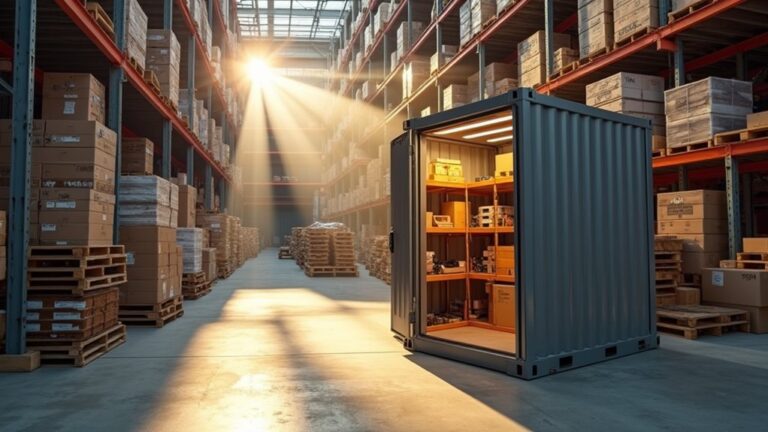
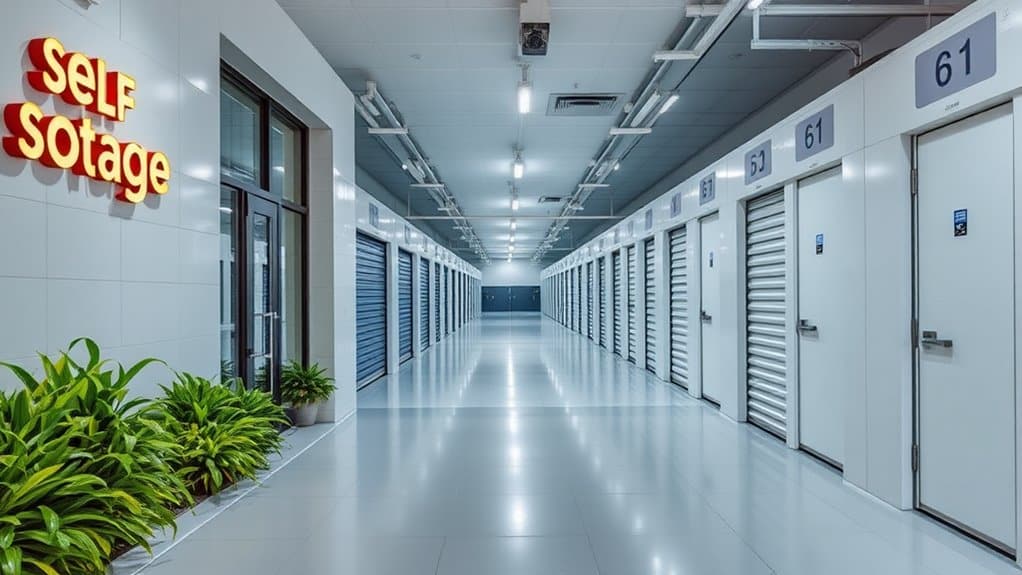
When viewing virtual tours of self-storage facilities, concentrate on key features that are important to you. Look for clear visuals of unit sizes, security measures such as CCTV and electronic access, and the overall layout for easy navigation. Check for accessibility options, like 24/7 access and customer support availability. If you have sensitive items, consider climate-controlled units. Lastly, keep an eye out for technology integration, like mobile app access, which can streamline the renting process. The more you explore, the better prepared you'll be to find the ideal storage solution.
Key Takeaways
- Check the range of unit sizes available, including climate-controlled options, to suit your storage requirements.
- Look for security features such as electronic gate access, CCTV, and individual alarms for added peace of mind.
- Examine the facility's layout, ensuring there are wide access roads and conveniently placed gates for easy navigation.
- Seek flexible access hours, including 24/7 availability, to fit your schedule for collecting or storing items.
- Evaluate customer support services, including round-the-clock assistance and clear communication regarding rental terms.
Importance of Virtual Tours
In today's fast-paced world, virtual tours of self-storage facilities are transforming how you select your storage solutions. These engaging experiences enhance customer interaction and simplify the rental process, allowing you to explore options from the comfort of your own home. You can accurately gauge storage unit sizes, helping you avoid overcrowding or wasted space. Virtual tours also provide insight into vital security features, such as CCTV and access control, giving you peace of mind. By minimising the need for physical visits, you enjoy maximum convenience, while facility owners can reduce staffing and overhead costs—benefiting everyone involved. Additionally, many facilities now offer enhanced security features like individual unit alarms and unique access codes to further safeguard your belongings.
Offering virtual tours distinguishes facilities from their competitors, making them more attractive to potential renters. As the self-storage market expands, adopting these technologies is essential for maintaining relevance. With the self-storage market projected to reach USD 115.62 billion by 2025, embracing virtual tours can boost customer satisfaction, ultimately driving revenue and giving you more freedom in selecting the ideal storage solution for your needs. So, why settle for less? Explore virtual options and make informed decisions today!
Facility Layout Overview
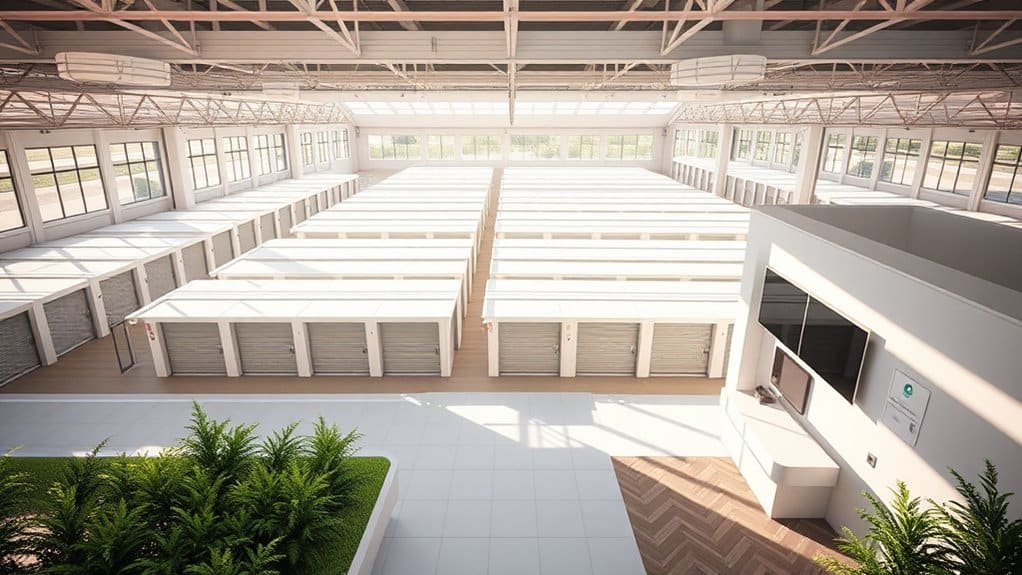
A well-planned facility layout is crucial for a positive self-storage experience. When assessing a facility, consider how the layout optimises space and facilitates access.
Here are three key aspects to look for:
- Access Roads: Ensure the facility has wide access roads (at least 28 feet) to allow for easy navigation and fewer tight turns.
- Variety of Units: Seek a range of unit sizes, including climate-controlled options, to cater to your storage needs, particularly in areas with varying temperatures. Climate-controlled buildings are preferred for front visibility and can enhance customer appeal.
- Useful Amenities: Look for features like well-placed gates and reliable security systems that improve accessibility and safety.
Understanding Unit Sizes
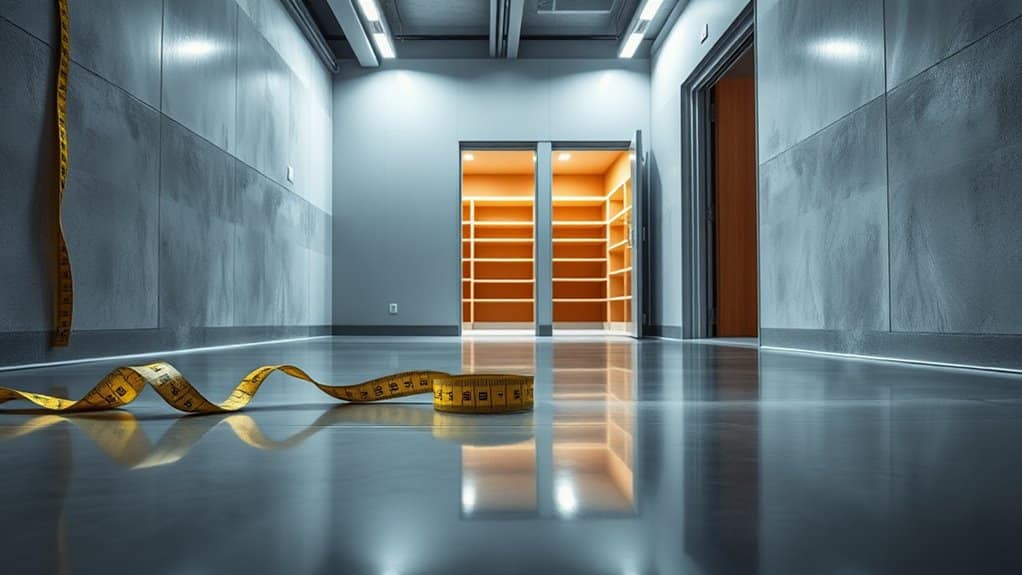
When choosing a storage unit, it's essential to understand the different size options available.
Visualising the dimensions can help you determine how much you can fit, ensuring you select the right space for your needs.
Let's break down the various unit sizes to help you find the perfect fit for your belongings. For instance, a small unit (around 25 square feet) is ideal for storing a few boxes or a small piece of furniture, while a medium unit (50-75 square feet) can accommodate the contents of a one-bedroom flat. Additionally, a 10×10 unit is commonly used to hold the contents of a one or two-bedroom apartment, making it a versatile choice for many renters. Understanding storage duration can also guide you in selecting the appropriate unit size based on how long you plan to store your items.
If you have larger items or need to store the contents of a family home, a larger unit (100 square feet or more) would be more suitable.
Visual Size Comparisons
Understanding the different sizes of self-storage units is crucial for choosing the right space for your belongings.
Visual size comparisons can help clarify your needs and improve storage efficiency. Here are some common unit sizes to consider:
- 10×10 unit: About the size of a small bedroom, suitable for the contents of a one-bedroom flat. This unit can typically accommodate larger items and maintain a manageable organization system.
- 10×15 unit: Similar to three-quarters of a one-car garage, ideal for a two-bedroom flat. It provides ample space for furniture and seasonal items, allowing for efficient space utilization.
- 10×30 unit: Comparable to a one-and-a-half-car garage, capable of storing items from a five-bedroom house. Understanding the different unit sizes available can greatly assist you in making an informed choice.
Unit Dimensions Explained
Choosing the right storage unit size can be daunting, but understanding the dimensions of different options makes it easier. Knowing the capacity of each unit is crucial for efficient storage.
For example, a 5×5 unit (25 sq. ft.) is ideal for small items like seasonal decorations. A 5×10 unit (50 sq. ft.) can hold the contents of a mid-sized bedroom, including a queen-size bed and a dresser.
If you need more space, a 10×10 unit (100 sq. ft.) can accommodate the contents of a family room or two full bedrooms. For larger requirements, a 10×15 unit (150 sq. ft.) is suitable for storing items from three bedrooms, including larger pieces like pianos. Additionally, the most popular size is the 10×10 unit, which comprises 23% of all self-storage units, making it a common choice for many renters.
Lastly, a 10×20 unit (200 sq. ft.) can take on the entire contents of a five-bedroom house, making it perfect for significant life changes.
To make the best choice, carefully consider your storage needs. Visualising how your items will fit into these spaces can help you decide.
Additionally, packing efficiently and stacking boxes strategically can enhance your storage capacity, allowing you to reclaim your space with ease.
Security Features to Assess
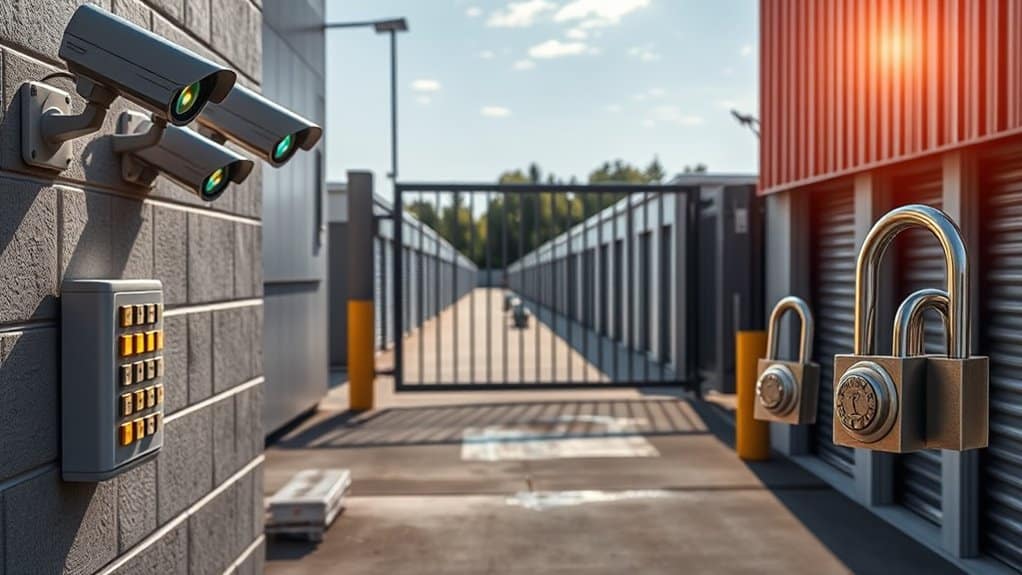
When exploring virtual tours of self-storage facilities, pay close attention to the security features, as they're vital for protecting your belongings.
Here are some key elements to consider:
- Access Control: Look for electronic gate access using secure PIN codes or card readers. Individual PINs help prevent unauthorized entry, while multiple layers of security deter tailgating.
- Surveillance Systems: Ensure the facility has IP surveillance cameras positioned around the site. Visible cameras and live feeds monitored by staff can quickly detect and address any suspicious activity, enhancing self-storage security.
- Alarms and Intrusion Detection: Check if storage units have individual alarms linked to unique access codes. Motion and sound sensors can trigger immediate alerts to security teams, ensuring a quick response to potential threats.
Evaluating Accessibility and Hours
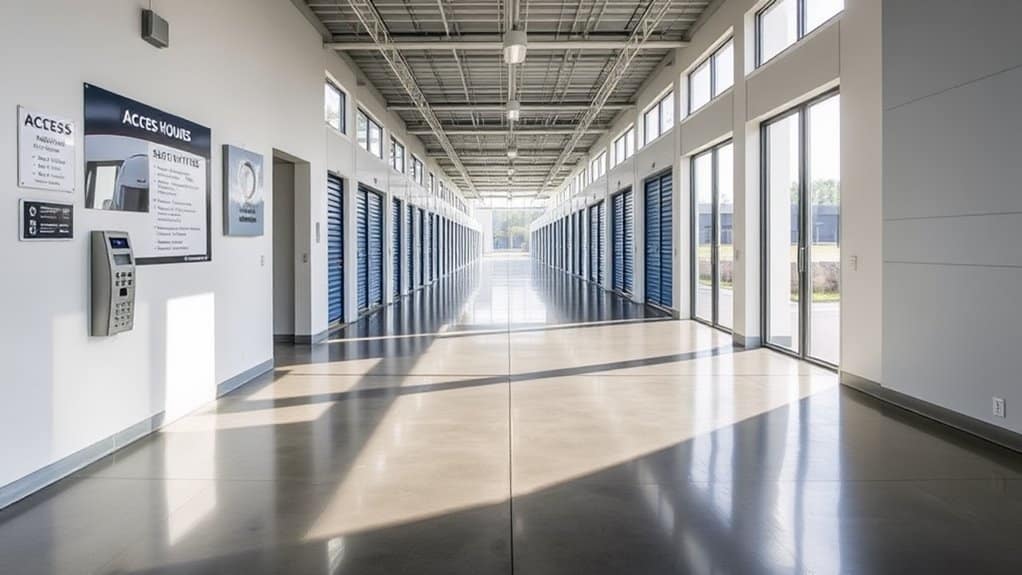
When selecting a self-storage facility, it's crucial to consider accessibility and operating hours to ensure it suits your needs.
Look for facilities with flexible access options that let you visit your unit at times that work for you. Additionally, the location of the facility matters—choose one that's convenient to minimise travel time. Taking these factors into account will help streamline your storage experience. An important aspect to evaluate is whether the facility has made a commitment to accessibility, ensuring that all customers, including those with disabilities, can access their units comfortably.
Operating Hours Overview
When evaluating the operating hours of self-storage facilities, it's crucial to ensure you can access your belongings when needed. Here are three key considerations:
- Extended Hours: Look for facilities offering extended hours, enabling access outside the usual business hours.
- 24/7 Access: If you need flexibility, opt for facilities that provide 24/7 access, allowing you to retrieve or store items at any time, day or night.
- Compare Hours: Don't forget to compare the operating hours of different facilities to find one that fits your schedule.
Also, be aware of special operating hours during holidays or events, as these can affect access. For instance, some facilities offer daily access from 6:00 AM to 10:00 PM, providing convenience for early risers and late users.
Choose a facility with consistent hours to avoid any surprises. By considering these factors, you can make a decision that suits your lifestyle, giving you the freedom to access your belongings whenever you wish.
Access Policies Explained
Access policies are essential for ensuring you can safely and easily retrieve your belongings at self-storage facilities. When reviewing these policies, pay attention to access hours and identification requirements. Most facilities will ask for a government-issued ID, such as a driving licence or passport, to confirm your identity before you can access your unit. This step not only enhances security but also helps safeguard your property.
Look for facilities that offer clear accessibility features, like ramps, roll-up doors, and well-lit areas. These details are important for a hassle-free experience, especially if you're storing larger items or have mobility concerns. Additionally, comprehensive security measures are crucial for protecting your stored items and ensuring a safe environment.
Additionally, check that the facility meets ADA regulations, ensuring it's accessible for everyone, including those with disabilities.
Make sure to review the access policies thoroughly before signing any agreement—this includes understanding any business or residential requirements that may apply. Knowing the specific access hours can save you frustration and ensure you can get to your belongings when you need them.
Facility Location Importance
Choosing the right self-storage facility involves more than just understanding access policies; location is crucial to your overall experience. Here are some key factors to consider:
- Proximity and Convenience: Opt for self-storage facilities close to your home or workplace. This saves time and transport costs, making it easier to retrieve your belongings when needed.
- Access Hours: Look for facilities that offer flexible access hours, preferably 24/7. This allows you to visit your unit at your convenience, rather than being restricted to set times. Additionally, it's beneficial to choose locations near major roads and highways to ensure easy access during your visits.
- Visibility and Security: A facility in a well-lit, safe area with strong security measures not only protects your items but also provides peace of mind. High visibility can deter vandalism and theft, ensuring your belongings are safe.
Additional Services Offered
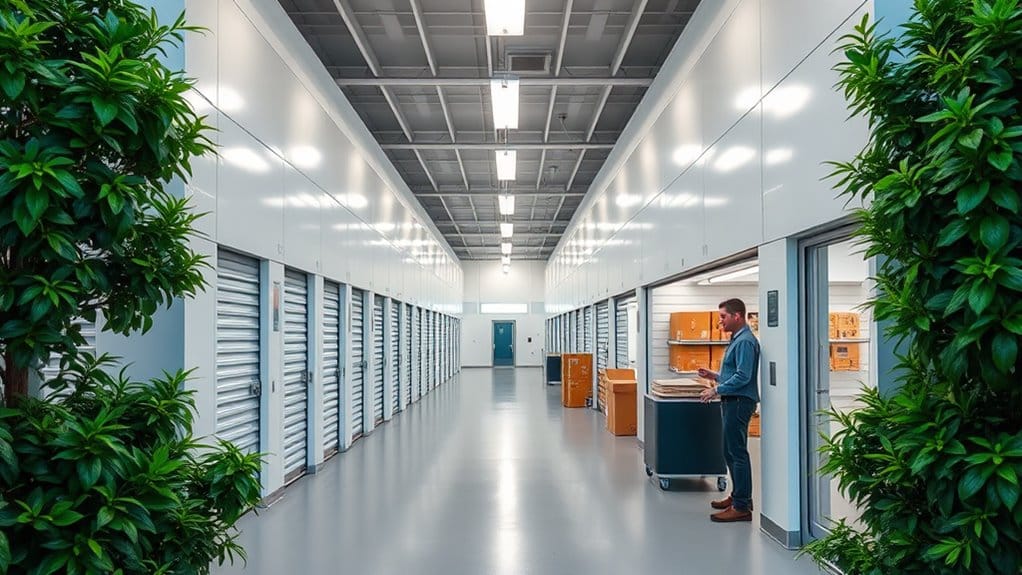
When considering self-storage facilities, you'll find a variety of additional services that enhance your experience and cater to your needs. Many facilities offer flexible month-to-month leases, allowing you to rent without the worry of long-term commitments.
If you run a business, you can utilise office rentals, complete with package delivery and conference rooms equipped with the latest technology for smooth operations.
For delicate items, climate-controlled units ensure your valuables are protected from temperature changes. If you need to store a vehicle, options are available for cars, boats, and caravans, keeping them secure.
You'll appreciate the convenience of online reservations and payments, making the process hassle-free.
Don't forget about the on-site retail supplies! You can easily purchase boxes and moving essentials as needed.
Plus, with adjustable shelving options, you can tailor your space to suit your specific requirements. Extended access hours allow you to manage your belongings at your convenience.
Explore these services during your virtual tour and discover how they can streamline your storage experience!
Surveillance and Monitoring
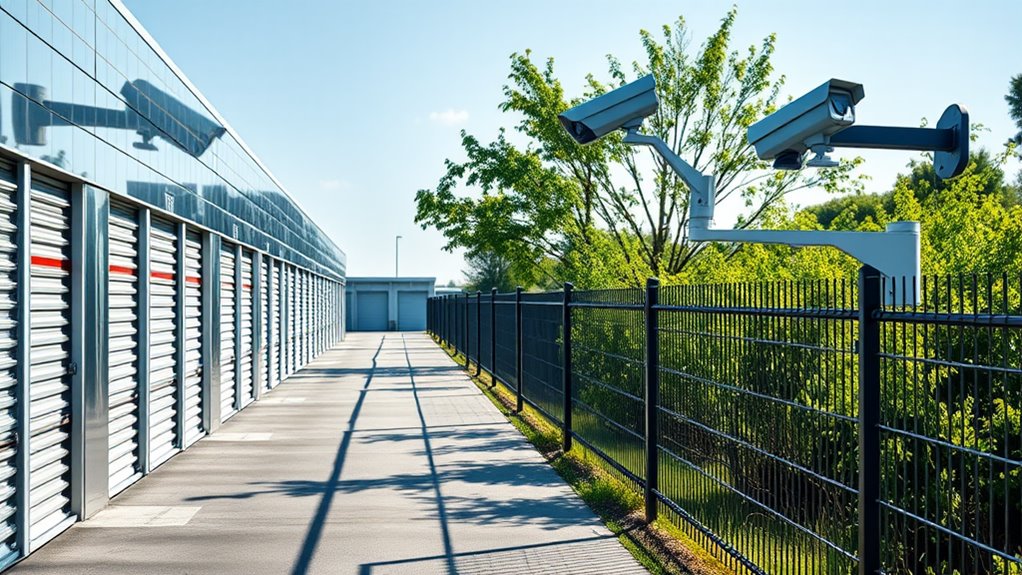
To secure your belongings, it's crucial to understand the coverage areas of your cameras and the features of your alarm system.
Ensure that all entry points and common areas are effectively monitored, and that the alarm system is designed to deter potential intruders.
With the latest technology and strategic camera placements, these security measures offer peace of mind and protect your valuables.
For instance, having a camera at your front door can deter thieves and provide evidence if needed.
Camera Coverage Areas
In today's world, effective camera coverage is essential for securing self-storage facilities. When choosing a facility, consider how strategic camera placement improves monitoring. It's important to ensure that every angle is captured, leaving no blind spots.
Here are three key factors to assess:
- Camera Placement: Opt for dome cameras in hallways and communal areas, while outdoor cameras should be weatherproof and capable of zooming in on distant spots.
- Visibility: Cameras that are easily seen can deter potential intruders, making them think twice before attempting any mischief.
- Technology: High-resolution cameras equipped with motion detection and night vision ensure clear footage, regardless of lighting conditions.
Alarm System Features
A reliable alarm system is crucial for enhancing the security of self-storage facilities, ensuring every angle is safeguarded against potential threats.
Look for systems featuring advanced sensors, such as motion detectors, pressure sensors, and sound sensors. These components work together to detect unauthorised movements and alert you to any breaches, providing peace of mind.
Alarm notifications are a vital aspect of this security setup. When a threat is detected, alarms trigger automatically, sending real-time alerts to your security team via cloud management. Imagine receiving mobile alerts, so you're kept in the loop no matter where you are.
Moreover, integration with surveillance systems boosts security even more. Video analytics can spot suspicious behaviour, while visual alerts from cameras offer immediate verification.
With centralised monitoring, you can easily oversee both alarm systems and surveillance feeds.
Don't overlook the importance of remote monitoring. Access your alarm data from anywhere, ensuring you're always in control.
Choose a self-storage facility that prioritises these alarm system features, letting you store your belongings with confidence.
Alarm and Safety Systems

Security is vital for safeguarding your belongings at self-storage facilities, and effective alarm systems provide essential peace of mind.
When assessing your options, consider these key features that enhance safety and support alarm integration:
- Individual Unit Alarms: Choose facilities that offer alarms for each unit. This deters unauthorised access and ensures your possessions are monitored closely.
- Motion Sensors: Facilities equipped with motion-activated alarms provide an additional layer of security by alerting management to any suspicious activity.
- Wireless Technology: Look for self-storage with wireless alarm systems. They simplify installation and maintenance while ensuring reliable operation with long battery life.
These safety features not only protect your items but also allow you to store your belongings without worry.
With options like alarm notifications sent directly to your phone and high-definition surveillance, you can be confident that your possessions are secure.
So, during your virtual tour, prioritise these alarm and safety systems to find a facility that meets your security requirements.
After all, your peace of mind shouldn't come at a premium.
Facility Maintenance Standards
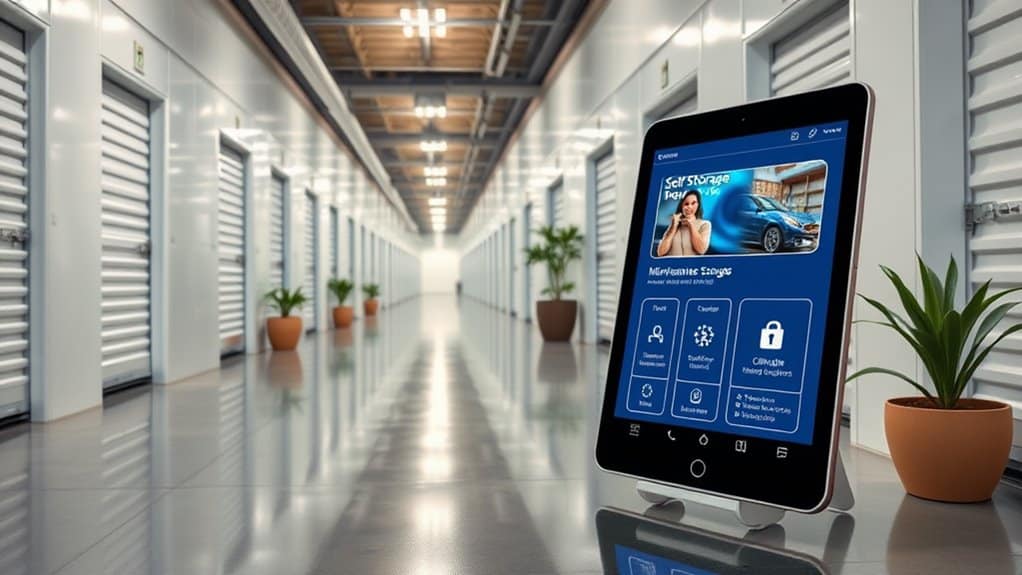
Maintaining high standards in storage facilities is crucial for ensuring your belongings are safe and in good condition. When assessing self-storage options, pay close attention to the facility's upkeep and maintenance practices. A well-maintained facility not only demonstrates professionalism but also protects your items from potential risks.
Check for daily maintenance tasks, such as security measures that prevent unauthorised access and ensure all cameras are functioning. Cleanliness is vital—look for clear walkways and storage units free from rubbish. Ensure that utilities are working properly; lights should be bright, heating and cooling systems should be operational, and plumbing should be leak-free.
Seasonal maintenance plans indicate a facility's commitment to long-term care. Regular inspections, pest control, and adherence to local regulations enhance safety and reliability. Additionally, a tidy exterior, with well-kept parking areas and landscaping, contributes positively to the overall experience.
Choosing a facility with high maintenance standards gives you peace of mind. So, take your time during virtual tours to ensure the facility prioritises the care of your belongings just as much as you do.
Choosing the Right Unit
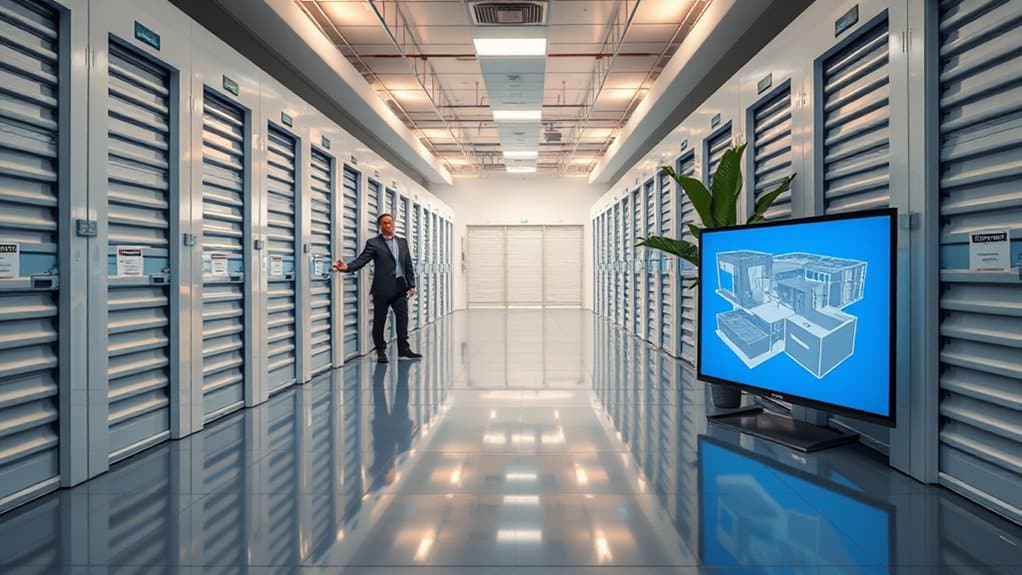
When selecting the right storage unit, start by evaluating your size and space requirements.
Think about whether you need climate control for sensitive items, such as electronics or antiques.
Also, ensure you fully understand the rental terms before committing.
These steps will help you choose a unit that suits your needs and gives you peace of mind.
Size and Space Considerations
Choosing the right storage unit can be daunting, but understanding your size and space needs simplifies the process. By assessing your requirements, you can ensure your belongings fit well while making the most of the available space.
Consider these three key factors:
- Inventory List: Write down all items you plan to store, noting their dimensions. This will help you accurately estimate the size of the unit you need.
- Standard Unit Sizes: Get to know common sizes such as 5×5, 10×10, or 10×20. You can visualise these spaces by comparing them to a small cupboard or a one-bedroom flat.
- Accessibility: Consider how often you'll need to reach your items. Ensure the unit layout allows for easy movement and stacking, which optimises the space.
Before deciding, visit storage facilities, either online or in person, to see how the units meet your needs.
Opt for a slightly larger unit if you might need extra space in the future, and remember to utilise vertical space to enhance your storage potential.
Making informed choices will help you store efficiently!
Climate Control Options
Once you've determined the right size for your storage unit, the next step is to understand climate control options. Climate-controlled units maintain a consistent temperature, generally between 10°C and 27°C. This regulation is essential for protecting sensitive items such as electronics, wooden furniture, and important documents from damage caused by extreme temperatures.
Consider how sensitive your items are to temperature and humidity. Some facilities offer both heating and cooling, while others may provide just one. If you're storing valuable or delicate items, investing in climate control is advisable. It safeguards against temperature fluctuations and offers humidity control, preventing mould and bacteria growth.
Keep in mind that climate-controlled units typically cost more than non-climate-controlled options. However, the peace of mind and protection they provide for long-term storage make the extra expense worthwhile.
Many facilities also include air filtration systems for a cleaner environment. If you want your belongings kept in excellent condition, a climate-controlled unit is the best choice to ensure they remain safe and sound.
Rental Terms Clarity
Understanding rental terms is essential when choosing a self-storage unit. Clear agreements allow you to enjoy self-storage without unexpected surprises.
When reviewing your rental contract, keep these three key points in mind:
- Payment Options: Ensure the contract specifies your monthly payment amount, the due date, and accepted payment methods. For example, knowing whether you can pay by Direct Debit or credit card helps you avoid late fees.
- Rental Periods: While most facilities offer month-to-month rentals, some may require a minimum commitment. Check that the lease clearly states the rental period and any renewal policies.
- Contract Negotiation: Remember, contracts are negotiable. Don't hesitate to discuss terms with property managers. Understanding your rights and responsibilities, including liability clauses, is crucial.
Taking the time to review a sample self-storage agreement can shed light on the contract structure.
Being informed helps you choose the right unit with confidence. Clarity in your agreement not only protects you but also enhances your overall self-storage experience.
Climate Control Considerations
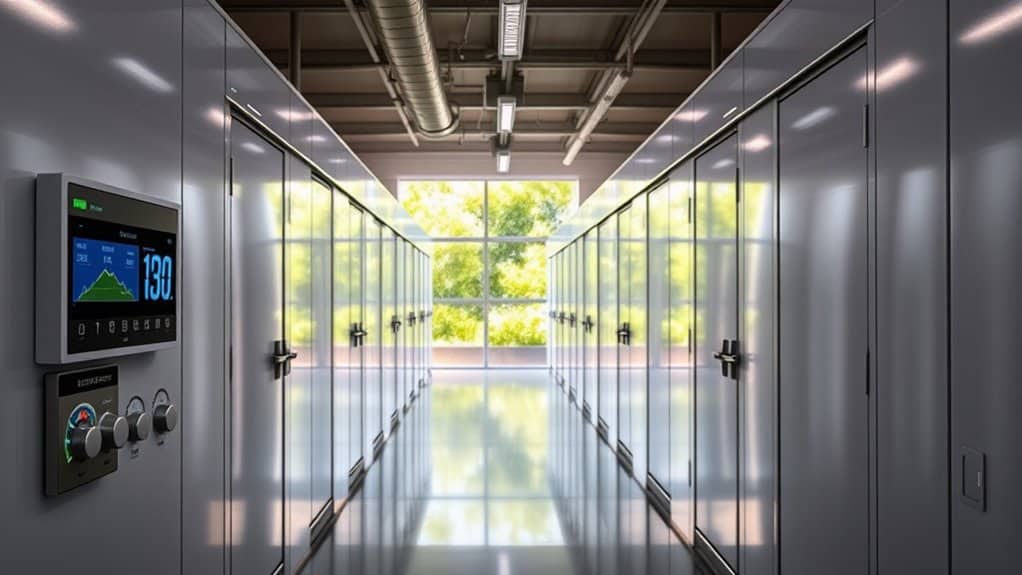
How can you ensure your valuable belongings remain safe in storage? The key is selecting a facility with climate control. These units maintain a consistent temperature—usually between 13°C and 29°C—and regulate humidity, protecting your items from harsh weather conditions. This is essential for safeguarding sensitive items like electronics, antiques, and clothing.
The advantages of climate control are obvious: you'll shield your possessions from mould, mildew, and temperature fluctuations. This is particularly important for seasonal items or delicate items like medical supplies and vital documents.
Just think of the peace of mind you'll have, knowing your valuables are in a stable environment.
When assessing storage facilities, look for advanced features such as HVAC systems and dehumidifiers that ensure optimal conditions.
Also, consider the cleanliness, security measures, and access hours of the facility. Choosing a climate-controlled unit is about more than just storage; it's about eliminating worry.
Make a wise choice, and you'll protect your treasures while enjoying the flexibility you need.
Customer Support Availability
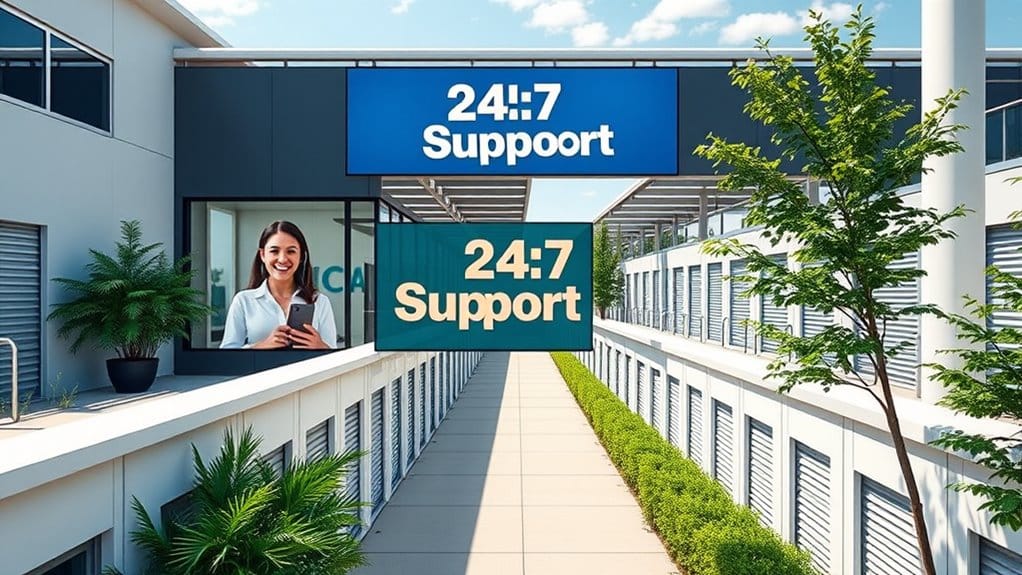
When storing your belongings, it's essential to choose a reliable facility, but dependable customer support is just as important. Here are three key factors to consider:
- Phone Support: Look for storage facilities that offer 24/7 phone support. Many customers choose the first facility they contact, so having access to timely assistance can make a significant difference. Knowledgeable agents can help with questions, bookings, and payments.
- Email and Chat Support: Choose facilities that provide multiple ways to communicate, such as live chat and email. This ensures you can get quick help when needed, while also allowing you to log more complex inquiries.
- Integration with Facility Operations: Good call centres will integrate with property management systems, giving agents real-time access to information. This means you'll receive accurate answers about the facility's operations.
When assessing customer support, take note of customer reviews; they often indicate the level of service you can expect.
Reliable support channels not only enhance your experience but also provide peace of mind while you store your items.
Packing and Moving Supplies
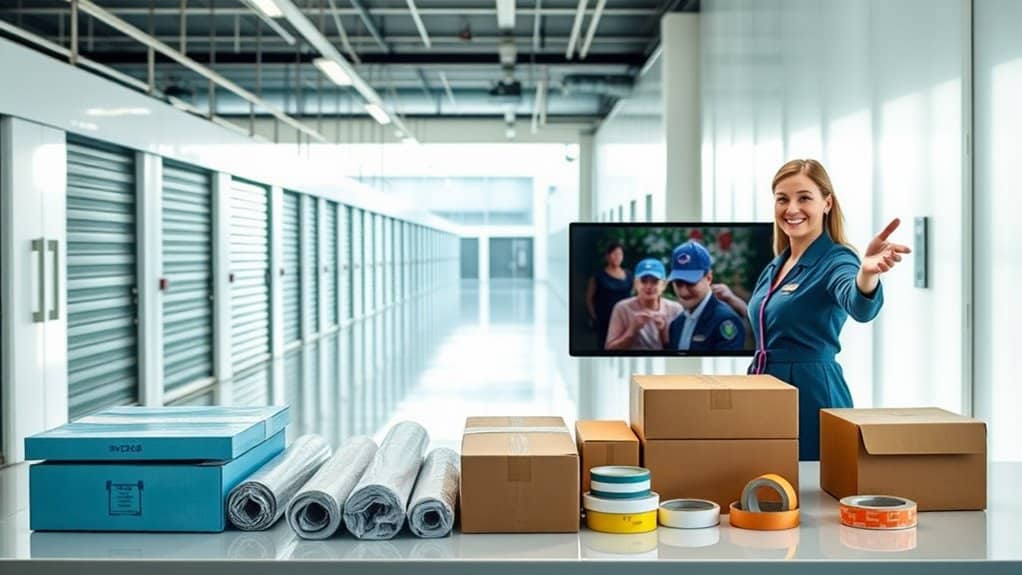
Packing and moving supplies are crucial for a seamless transition when storing your belongings. It's important to have a range of moving boxes in various sizes to pack efficiently. Invest in quality packing materials like bubble wrap and packing paper to safeguard fragile items. Dish and glass packing kits can help minimise the risk of breakage during transport.
To stay organised, use furniture covers to protect against water damage and moving pads to prevent scratches. Ensure your storage unit is secure with padlocks or disc locks for added security.
Effective packing techniques include labelling each box for easy identification and grouping similar items together for simple retrieval. Utilising shelves in your storage unit helps optimise vertical space and creates clear pathways.
Planning your loading and unloading process can save time and energy, making the experience hassle-free. Many storage facilities offer on-site packing supplies, allowing you to collect everything you need in one trip. With the right supplies and strategies, you can achieve a well-organised storage solution.
Specialized Storage Options
After sorting your packing and moving supplies, you may need specialised storage options for unique items or vehicles.
Whether you're storing seasonal equipment or your boat, knowing your choices can make a significant difference.
Consider these three specialised storage options:
1. Vehicle Storage: Seek facilities that provide dedicated spaces for various vehicles, such as boats, caravans, and motorbikes.
Places like SmartStop offer both indoor and outdoor options to keep your vehicles secure.
2. Climate-Controlled Units: Safeguard sensitive items with climate-controlled storage.
These units maintain a stable temperature between 13 and 27 degrees Celsius, protecting your electronics, artwork, or antique furniture from damage caused by temperature fluctuations.
3. Variety of Unit Sizes****: Select from a range of unit sizes to suit your needs, whether you require a compact space for personal belongings or a larger area for business stock.
Technology in Self-Storage
In today's fast-paced environment, technology is revolutionising self-storage facilities and how you manage your belongings. With innovations like mobile app access and smart locks using facial recognition, accessing your storage unit is as easy as tapping your smartphone, all while your items are safeguarded by advanced surveillance and real-time monitoring.
These smart features not only bolster security but also simplify the rental process. Contactless payment options are now standard, and automated kiosks make everything from renting to payments hassle-free.
Additionally, remote facility management allows you to keep an eye on your storage needs from anywhere, ensuring your possessions are always monitored.
Virtual tours and interactive property maps are also game-changers, enabling you to explore facilities and compare options from the comfort of your home. This self-service approach saves time and enhances customer satisfaction.
Embracing these technological advancements gives you greater freedom and flexibility in managing your storage needs—because convenience is essential in today's world.
Frequently Asked Questions
How Can I Schedule a Virtual Tour of the Facility?
To schedule your virtual tour, visit the facility's website and look for the scheduling options. Complete the form provided. Make sure to choose a time that suits you for a smooth and enjoyable experience. Enjoy the flexibility!
Are There Any Special Promotions for First-Time Renters?
Yes, many storage facilities offer discounts and incentives for first-time renters. You might find a free month or special rates by checking online, inquiring about promotions, or even negotiating a better deal that suits your needs!
Can I Change My Unit Size After Renting?
Consider your belongings like a river – they can change and adapt. Yes, you can change your unit size after renting, giving you flexibility. Just check for availability and the staff will help make the transition easy.
What Payment Methods Are Accepted for Rent?
At our facility, we accept various payment methods, including cash, credit cards, and online payments. Your payment security is important to us, so you can be confident that your information is safe while you enjoy the convenience of flexible payment options.
Are There Restrictions on What Items I Can Store?
Yes, there are restrictions on what you can store in self-storage. Items like flammable liquids, explosives, and perishables are prohibited. Always check the facility's guidelines to ensure you're storing items safely and legally.
Conclusion
When searching for the ideal self-storage facility, virtual tours are invaluable. They allow you to explore different layouts, sizes, and security features, helping you to make informed decisions. Don't forget to consider accessibility and customer support, as these are essential for a smooth storage experience. Take advantage of these virtual tours to discover the right space for your belongings, ensuring they are kept safe and secure.