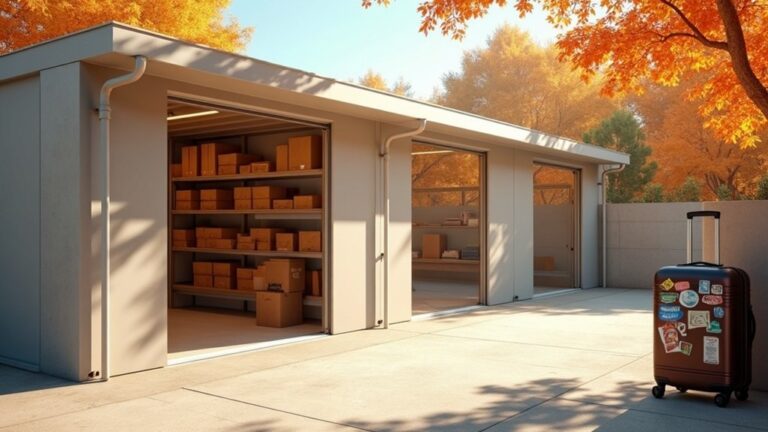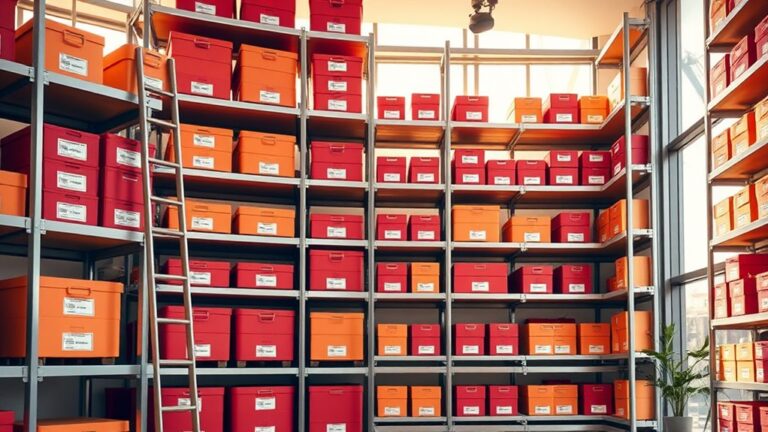

Understanding self-storage jargon is essential for making informed decisions. Key terms include 'climate-controlled units,' which safeguard sensitive items from temperature fluctuations, and 'mini storage,' perfect for smaller belongings. Familiarise yourself with security features like electronic gate access and CCTV, which help keep your items secure. It's also important to know the move-in and move-out processes, including inspections and possible refunds. Payment options can differ, so it's wise to find what suits you best. By grasping these terms, you'll navigate self-storage more effectively and uncover additional helpful insights along the way.
Key Takeaways
- Climate-Controlled Units: These are storage units that manage temperature and humidity levels, safeguarding delicate items like electronics and antiques from potential damage.
- Move-In Checklist: A handy list for new tenants detailing necessary items and steps, such as identification, payment methods, and packing tips for a smooth moving experience.
- Refund Policy: This outlines how to receive refunds for prepaid rentals, usually requiring notice before you vacate and processing within 14 days.
- Security Features: These include video surveillance, electronic gate access, and individual locks on units, all designed to enhance safety and protect your belongings.
- Payment Options: Various methods for paying your rent, like online payments, in-store transactions, and direct debit, each offering different levels of convenience and fee arrangements.
Understanding Self-Storage Basics
Understanding the Basics of Self-Storage
Renting a self-storage unit is simple and flexible. One of the main advantages is the month-to-month rental option, so you won't be tied down by long-term contracts. This means you can access the space you need without a lengthy commitment.
The rental process is generally straightforward; most facilities allow online payments and offer autopay for your convenience. On-site managers are usually available to answer any questions. Additionally, the self-storage industry is rapidly growing, valued at over $39 billion in 2023(39 billion in 2023).
When choosing a unit, consider features like climate control for sensitive items and drive-up access for easy loading and unloading. It's also a good idea to take stock of your belongings to determine the right size unit. Count your boxes, appliances, furniture, and any oddly shaped items.
Self-storage isn't just for clearing clutter; it can also be useful during life changes like moving or downsizing.
Types of Storage Units
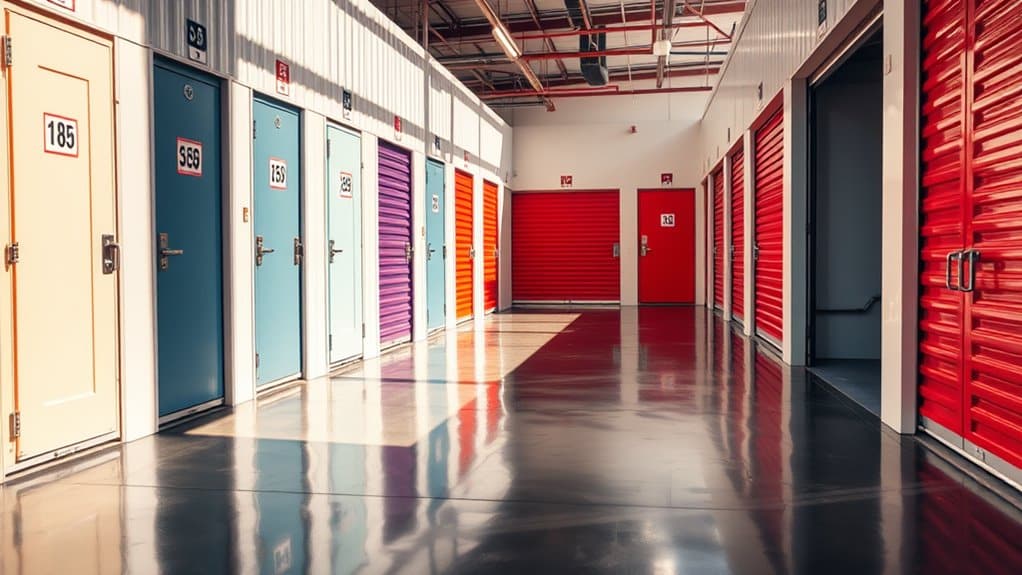
When selecting a storage unit, consider your specific needs, such as options for furniture storage, the advantages of mini storage, and long-term solutions. Each type of unit provides distinct benefits suited to various situations. For example, if you need to store seasonal items, a mini storage unit could be ideal. Additionally, climate-controlled storage units are perfect for safeguarding sensitive items like electronics and antiques from extreme temperatures. Understanding the importance of climate control options will further enhance the protection of your valuable belongings.
Furniture Storage Options
For effective furniture storage, it's important to know your options. Choosing the right type of storage unit can significantly improve your organisation and maximise your space. Here's a quick overview of popular furniture storage options:
| Type of Unit | Key Features | Ideal For |
|---|---|---|
| Indoor Storage Units | Secure, dust protection, various sizes | Short-term & long-term storage |
| Climate-Controlled Units | Stable temperatures, protects sensitive items | Long-term storage of valuable pieces |
| Large Storage Units | Fits furniture from multiple rooms | Office moves & home relocations |
Indoor storage units are suitable for a range of furniture, while climate-controlled units ensure a stable environment to protect delicate items. Additionally, many facilities offer flexible access hours that cater to customer convenience, making it easier to retrieve or store items. Large units can accommodate everything from office equipment to furniture from several bedrooms. Furthermore, many facilities offer flexible lease terms and services like packing supplies and professional help. By carefully choosing your storage type, you'll not only save space but also keep your furniture in great condition. Understanding climate-controlled units can be crucial for maintaining the integrity of sensitive items, especially during extreme weather.
Mini Storage Benefits
Mini storage provides numerous benefits suited to various storage requirements. One key advantage is cost savings. With a range of unit sizes—from 1.5m x 1.5m for smaller items to 3m x 6m for larger households—you can select a space that matches your budget and belongings, ensuring you only pay for what you need. Moreover, mini storage units are versatile for both personal and business use. Smaller units are ideal for documents and seasonal items, while medium-sized units can hold business inventory or equipment. Month-to-month leasing options allow you to adapt your storage as your needs shift, whether you need to increase or decrease your space. Additionally, the flexibility of short-term contracts makes it easy for businesses to adjust their storage solutions according to seasonal demands. This adaptability is particularly useful for businesses seeking cost-effective storage solutions during fluctuating demand cycles.
Accessibility is another major benefit. Many facilities offer extended hours and climate-controlled units, ensuring your items are secure and readily available. With the option to rent multiple units at the same site, you can tailor your storage solution even further. Overall, mini storage is a practical choice for anyone looking to optimise their space and keep costs down.
Long Term Solutions
When considering the benefits of mini storage, it's crucial to think about long-term solutions that meet your needs. Planning ahead is vital when selecting the right storage unit.
Standard units, ranging from 5×5 to 10×30, are cost-effective and ideal for general household items like furniture and boxes. For sensitive items such as antiques or electronics, climate-controlled units are worth considering. These maintain stable temperature and humidity levels, protecting your valuables from mould and mildew. Additionally, using long-term storage units can help families declutter their homes while retaining sentimental items.
Accessibility and location are also key factors. Choose a facility that's easy to reach for regular visits. Look for security features like video surveillance and electronic gate entry to ensure your items are safe. Units offering 24-hour access provide added flexibility.
For efficient storage, pick a unit size that suits your needs. Smaller units are great for seasonal items, while larger ones can hold bulky belongings or even vehicles.
With careful thought, you can discover the perfect long-term storage solution, allowing you to declutter while keeping your possessions secure.
Key Security Features
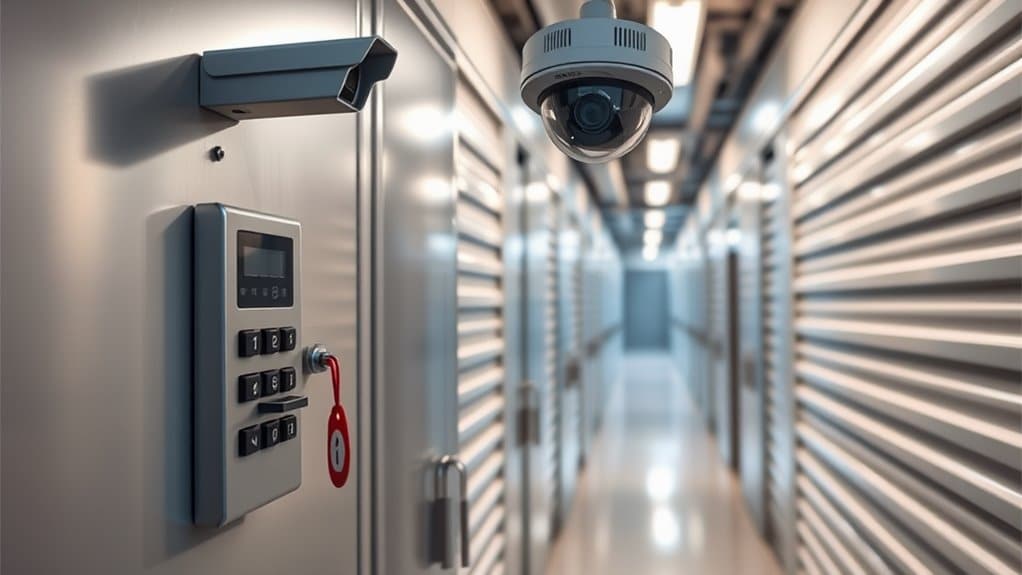
Understanding the key security features of a self-storage facility is essential for safeguarding your belongings. As security technology continues to advance, it's crucial to select a facility that implements robust measures.
Here are three important features to consider:
- Electronic Gate Access: This system requires a unique code for entry, ensuring that only authorised individuals can access the facility.
- Video Surveillance: Continuous monitoring via IP cameras helps deter theft and provides crucial evidence if an incident occurs. Additionally, video footage can aid law enforcement in investigations related to theft or damage.
- Individual Unit Security: Each storage unit is fitted with its own security system, guaranteeing that only you can access your items.
In addition, advancements in perimeter security, such as physical barriers and comprehensive surveillance, further bolster safety.
Features like motion sensors and on-site monitoring can significantly enhance protection.
Role of Facility Management
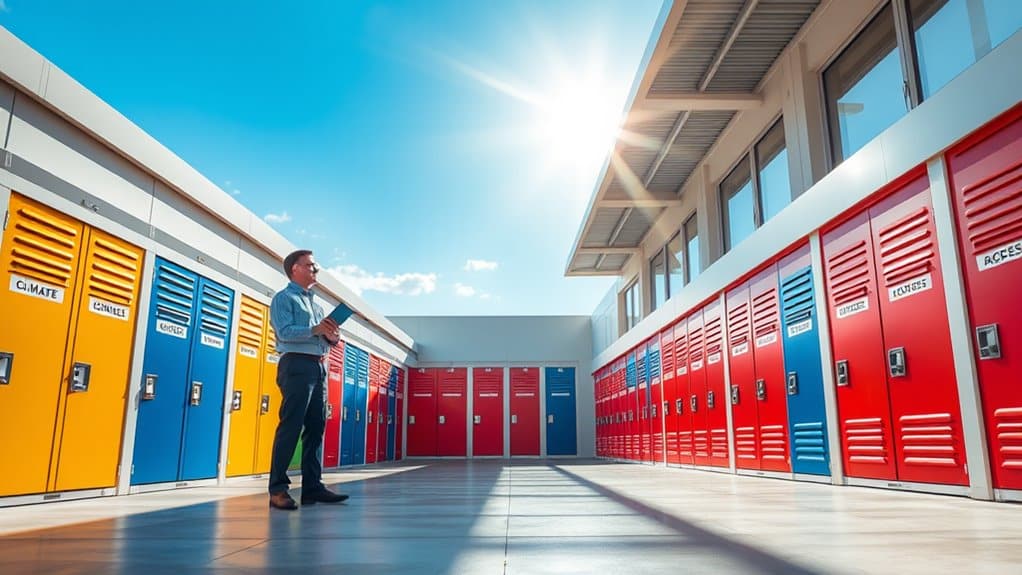
In the self-storage sector, effective facility management is crucial for smooth operations and customer satisfaction. A facility manager's role includes overseeing daily activities and implementing marketing strategies. For instance, a well-managed facility can improve customer retention by ensuring cleanliness and security, while targeted marketing can attract new clients. Understanding the advantages of resident management and proper oversight can significantly boost your facility's performance. Additionally, maintaining accurate records of rental agreements and customer interactions is essential for enhancing service delivery and operational efficiency.
Facility Manager Responsibilities
Managing a self-storage facility entails several key responsibilities that ensure smooth operations and customer satisfaction. As a facility manager, you play a crucial role in the operation, overseeing various tasks:
- Customer Engagement: Providing excellent customer service is essential. This includes giving tours of the facility, explaining pricing options, and managing lease agreements. Additionally, your focus on personalized customer service helps to build strong relationships with tenants.
- Financial Oversight: You'll handle financial responsibilities such as collecting rent, tracking overdue payments, and coordinating auctions for delinquent units.
- Facility Maintenance: Regular inspections and maintenance are critical. You'll oversee security measures, ensure the facility remains clean, and manage repairs as needed.
Moreover, you'll implement marketing strategies to boost the facility's online visibility and utilise technology for smart entry systems.
Supervising staff is also key; you'll need to lead your team effectively. Strong problem-solving skills are vital for addressing unexpected issues while maintaining open communication with tenants.
Your ability to manage these varied tasks will significantly influence the facility's success and tenant satisfaction, creating a secure and valued environment for all.
Resident Manager Benefits
Having a resident manager at your self-storage facility can significantly improve operational efficiency and customer satisfaction. With a manager on-site, you benefit from quick problem resolution, enhanced security, and a stronger sense of accountability. Their continuous presence encourages resident interaction, greatly enhancing the customer experience and providing clients with peace of mind. Moreover, offering living arrangements to resident managers attracts high-quality candidates. Covering most of their living expenses reduces recruitment challenges and results in lower turnover rates. Managers tend to feel more loyal and satisfied in their roles when they've a stable living situation, which can lead to improved performance for your facility. In addition, having a resident manager allows for streamlined daily operations as they can oversee maintenance and address customer queries effectively.
However, there are challenges associated with hiring a resident manager. You might encounter issues with conflict resolution if the manager isn't a good fit, or if they become complacent due to their proximity to the job. Additionally, managing sick days or holidays can prove to be tricky.
Effective Operations Oversight
Effective operations oversight is crucial for the success of any self-storage facility. Managing a facility means not only ensuring it runs smoothly but also improving operational efficiency and providing a secure environment for tenants.
Here are three key responsibilities to focus on:
- Facility Maintenance: Conduct regular inspections to identify potential issues early. Keep the premises clean and well-lit, and ensure that security systems are functioning properly. Implementing a proactive maintenance plan can help prevent costly repairs and maintain the facility's appeal.
- Administrative Duties: Use digital management tools to streamline tasks such as rentals, invoicing, and payment collection. This reduces errors and saves time.
- Staff Training: Train your team to handle customer queries and emergencies effectively. A well-trained staff enhances service quality and tenant satisfaction. Empowering employees to make decisions can further enhance customer service and satisfaction.
Common Storage Concerns
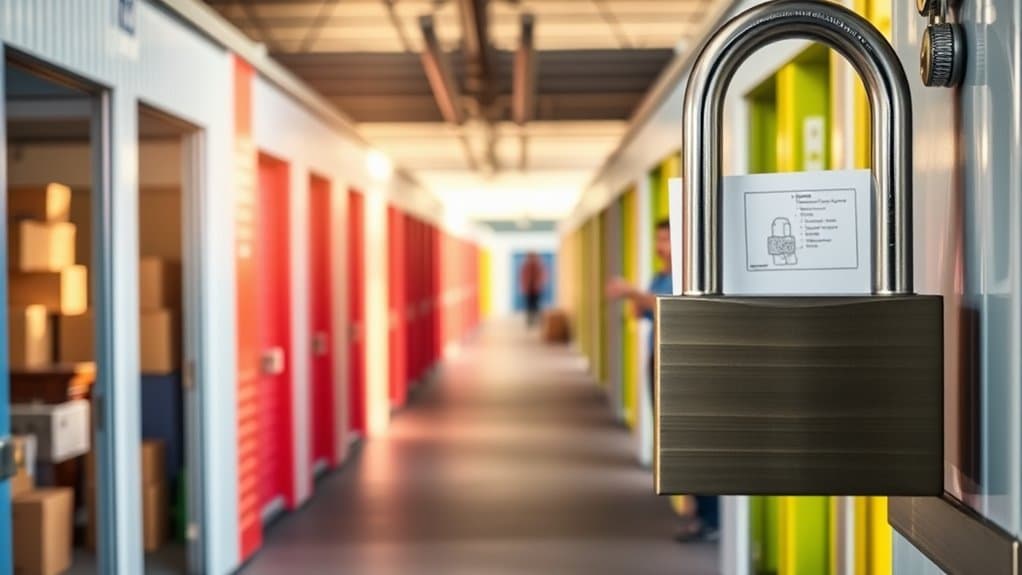
When it comes to self-storage, several common concerns can affect your experience and the safety of your belongings. One key issue is the accessibility of storage units. Many facilities limit access to business hours, making it difficult to retrieve items when needed.
Additionally, inadequate security measures, such as a lack of 24/7 surveillance, can leave your possessions at risk of theft.
Another concern is the physical environment of the storage facility. Without proper pest control, you may face infestations that can damage your belongings. Climate control is also important; without it, temperature-sensitive items can be harmed by humidity changes.
Poor maintenance may lead to structural issues, like leaks causing water damage, and insufficient fire safety measures can pose serious hazards.
Lastly, consider the organisational aspects of your storage solution. Overpacking units or not keeping an inventory can make it hard to find what you need.
It's crucial to choose the right unit size and make use of vertical space to avoid unnecessary costs. By being aware of these common concerns, you can make informed choices and better protect your valuables.
Navigating Lease Terms
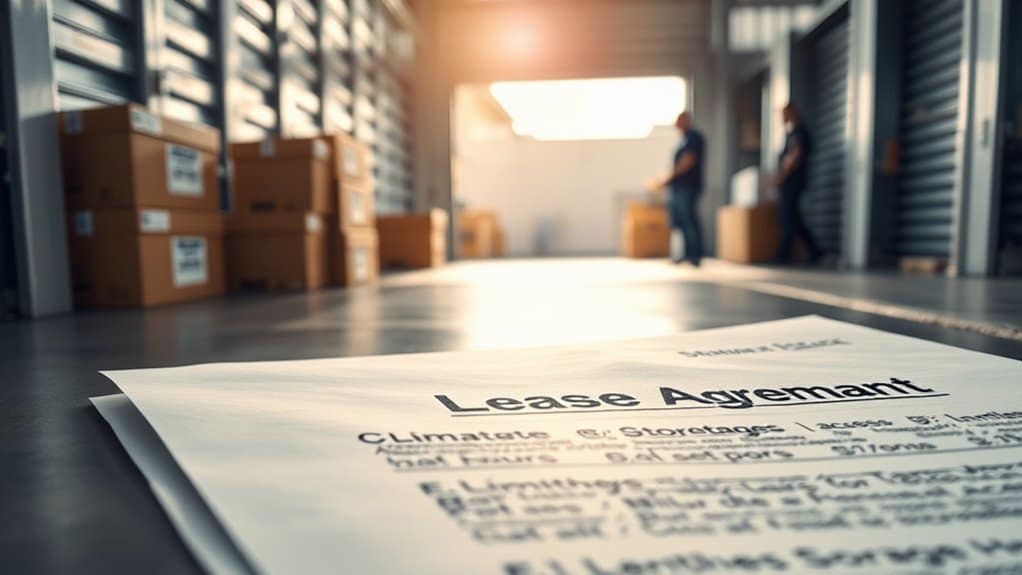
Understanding the common concerns in self-storage can greatly enhance your experience, particularly when navigating lease terms. Being informed about your rental agreements allows for better decision-making during lease negotiations.
Here are three key points to consider:
- Lease Term: Most agreements operate on a month-to-month basis, but short-term and long-term options are available. Typically, the minimum rental period is one month, while the maximum can be extended as required.
- Rate Provisions: Be prepared for potential rent increases, usually with 30 days' notice. Costs can differ based on your length of stay and market trends. While promotions may provide initial discounts, be wary as rates could increase afterwards.
- Termination and Move-Out: Ensure you completely vacate your unit and leave the door ajar to indicate it's empty. You may need to inform the facility in writing or by phone.
Delays in payment could result in late fees or other penalties.
Payment Options Explained
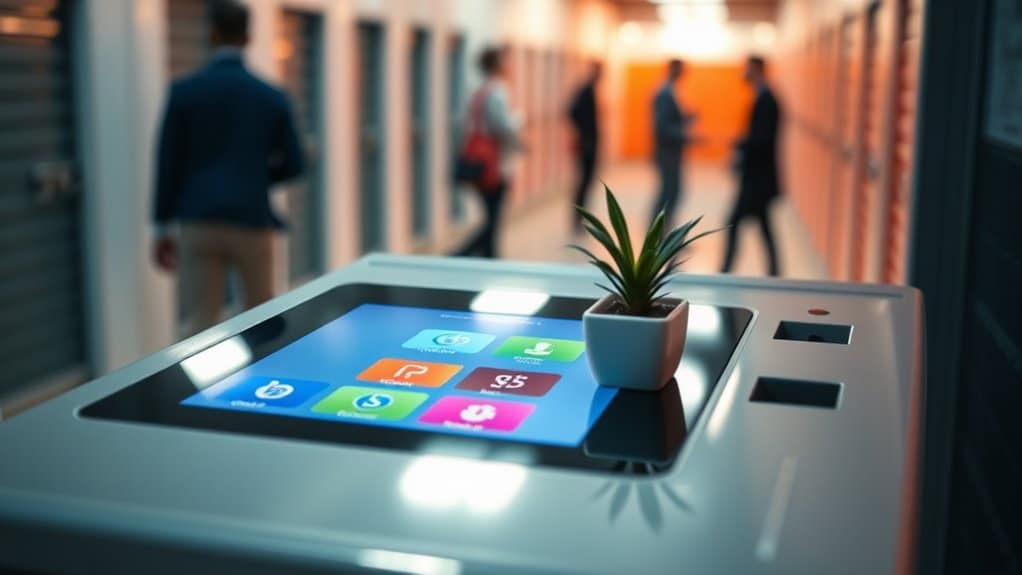
Navigating payment options in self-storage can significantly impact your experience. Being aware of your payment preferences can help you avoid unnecessary transaction fees and maintain a good account status.
Here's a brief overview of common payment methods:
| Payment Method | Description |
|---|---|
| Credit Cards | Accepts Visa, MasterCard, American Express, and Discover. |
| Debit Cards | Suitable for payments and direct debits. |
| Cheques | Personal cheques, banker's drafts, and postal orders accepted. |
| Cash | Only for in-person payments; not advisable for drop boxes. |
| Direct Debits | Set up via bank accounts or credit cards for automated payments. |
Most facilities provide various payment options, including online, in-store, and kiosk payments. Be aware that transaction fees can range from 40 to 65 pence per payment, depending on the processor. Missing the payment deadline on the first of the month may also incur late fees. To avoid penalties, consider enrolling in direct debit programmes for seamless payments. Understanding these options empowers you to choose what best suits your self-storage requirements.
Insurance for Stored Items
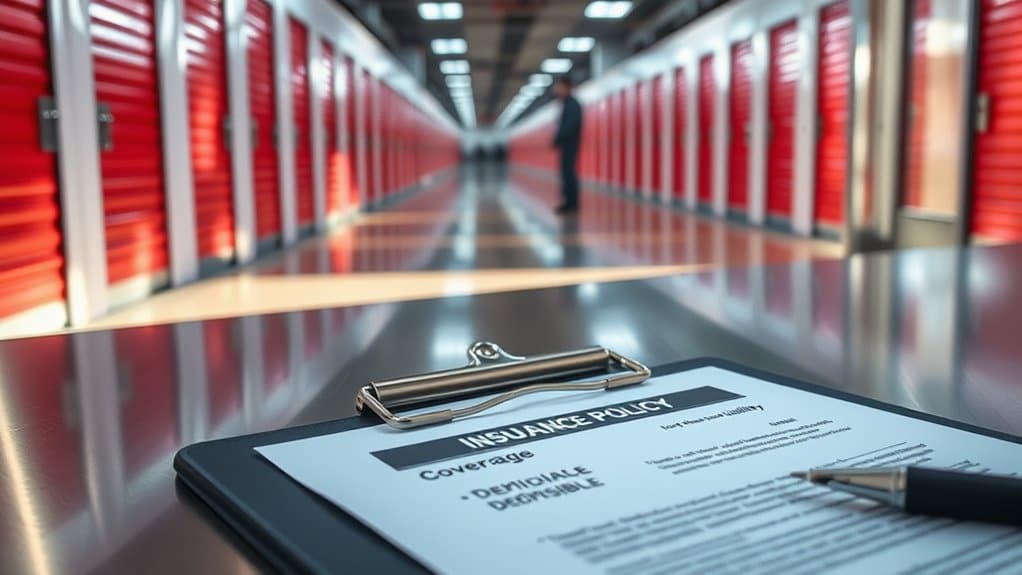
When storing your belongings, having insurance is crucial to protect against unexpected events like theft or damage.
You can choose from various types of coverage, including home insurance and specialised storage unit policies, each offering different levels of protection.
For instance, your home insurance may cover items in storage, but it's worth checking the limits.
Understanding these options ensures your possessions are safe while in storage.
Importance of Insurance
While you might believe your stored belongings are safe, the importance of insurance is crucial. Many people mistakenly think their personal policies cover everything. However, there are significant gaps in coverage you need to know about.
Here are three key reasons to consider insurance for your stored items:
- Financial Protection: Insurance shields you from losses due to unexpected events such as theft, fire, or flooding, so you won't face the entire financial burden alone.
- Peace of Mind: Having insurance for your possessions eases your worries, allowing you to concentrate on other aspects of life without the stress of potential losses.
- Liability Coverage: Liability insurance protects you from legal claims if someone is injured at the storage facility, providing an extra layer of security.
In short, investing in insurance for your stored items is both wise and necessary.
Types of Coverage
Understanding the different types of insurance coverage for your stored items is essential for protecting your belongings. By evaluating your options, you can customise your insurance to suit your specific needs.
Here's a quick overview of the coverage types available:
| Coverage Type | Description | Key Considerations |
|---|---|---|
| Named Perils Policies | Covers only specified risks | Limited coverage; be aware of the perils listed |
| All-Risk Policies | Offers broad coverage, excluding specific risks | More extensive; check for exclusions |
| Comprehensive Policies | Covers natural disasters, theft, and vandalism | May include indirect damage; review coverage limits |
| Specialist Policies | Addresses unique storage risks like pests and mould | Tailored for specific environments |
| Transit Coverage | Protects items while in transit | Important if you frequently move items |
When choosing the right option, consider the value of your belongings, coverage limits, and any exclusions. Regularly reviewing your policy ensures that you have adequate protection against unexpected risks. Your belongings deserve the best coverage, so take the time to understand your options!
Importance of Climate Control
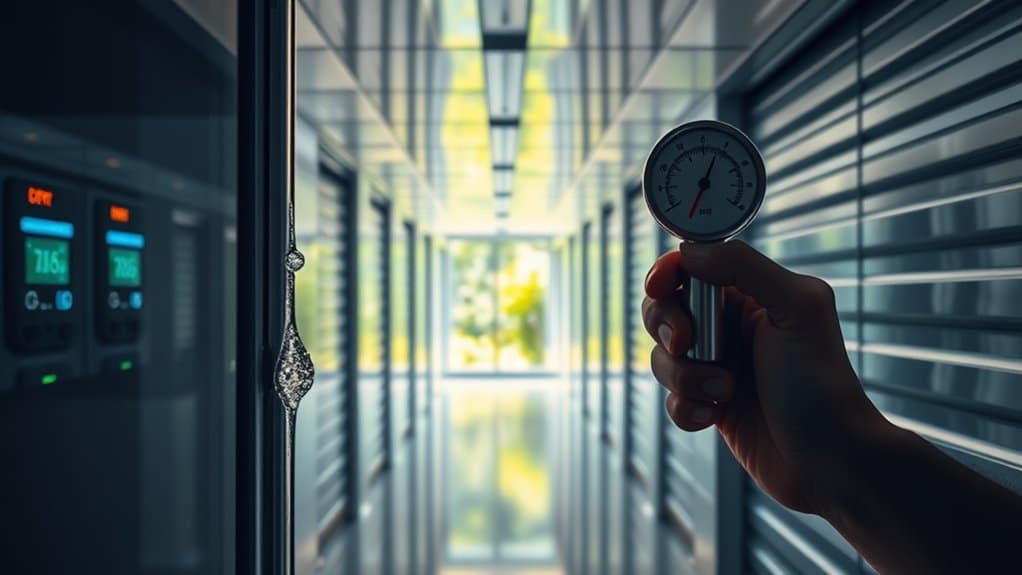
Maintaining the right environment for your belongings is crucial, especially for sensitive items that can be easily damaged by extreme temperatures or humidity. Opting for climate-controlled storage offers several key benefits.
- Humidity Control: Regulated humidity levels help prevent moisture damage, protecting your items from mould, mildew, and pests.
- Preservation of Delicate Items: Climate control is particularly important for preserving fragile goods like antiques, electronics, and fine art, ensuring they last longer.
- Improved Air Quality: Climate-controlled units often include air filtration systems, which enhance air quality and reduce dust and debris.
Investing in climate-controlled storage can be the difference between preserving your items or facing damage. This is especially vital in regions with extreme weather, where maintaining a stable environment for your belongings is essential.
While these units may come at a higher cost, the protection they offer for your valuable items is well worth it. Choose wisely and consider securing a climate-controlled unit for your peace of mind.
Understanding Prohibited Goods
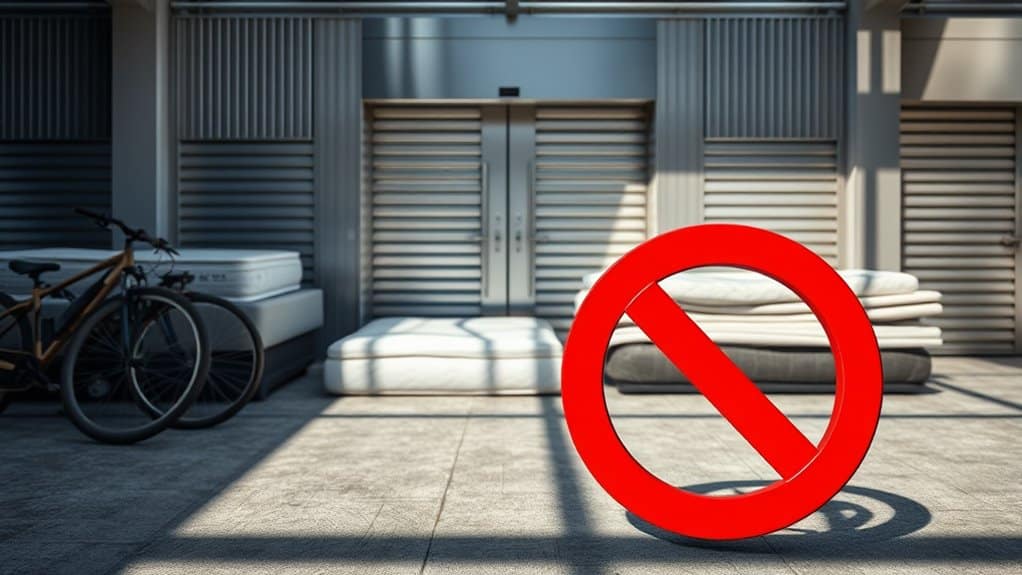
When using a self-storage facility, it's crucial to be aware of items that are prohibited. Ignoring these rules can result in legal trouble and safety hazards. Here's a quick look at commonly banned items:
| Category | Examples | Consequences |
|---|---|---|
| Flammable Items | Petrol, paint, fireworks | Fire risks and potential explosions |
| Hazardous Materials | Chemicals, gas canisters | Risk of leaks and legal penalties |
| Irreplaceable Items | Antiques, valuable artworks | Loss of treasured possessions |
Stay informed to ensure your storage experience is safe and hassle-free.
Move-In and Move-Out Procedures
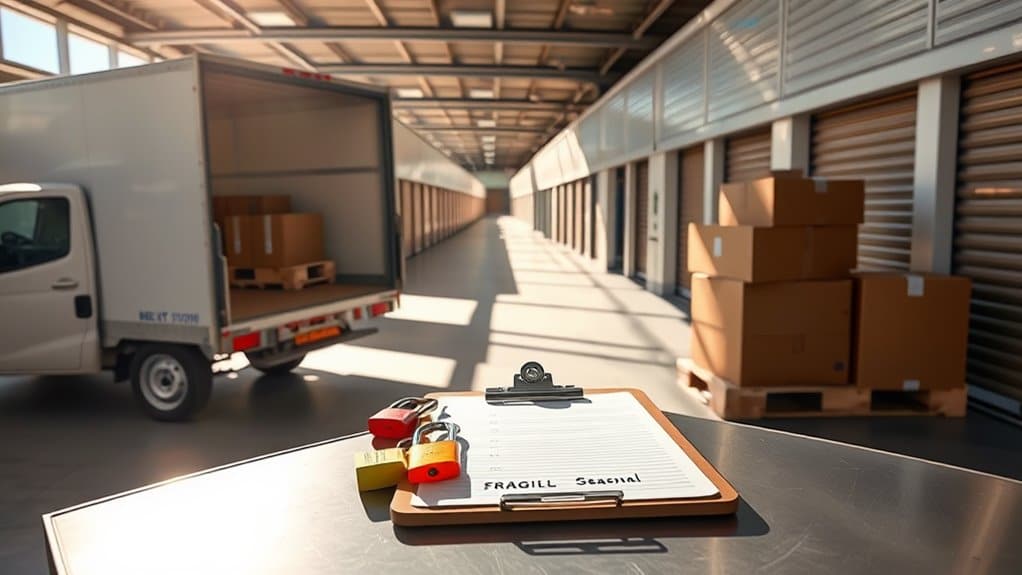
After ensuring you're aware of prohibited items, let's turn to the practicalities of using a self-storage facility: move-in and move-out procedures.
Here's a concise move-in checklist to make the process easier:
- Preparation: Bring your reservation number, identification, and payment method. Ensure you have submitted an authorised user list and checked the facility's office hours.
- Packing and Loading: Clearly label your boxes, gather necessary packing supplies, and create an itemised list of what you're storing. Familiarise yourself with the facility layout to make your move more efficient.
- Final Steps: Complete the rental agreement, confirm the details via email, and securely lock your unit after placing your items inside.
For the move-out process, don't forget to arrange a move-out inspection.
Provide notice before you leave, clean your unit, and return any facility locks. Check your inventory to ensure all items have been removed and document the condition of the unit post-move.
Finally, settle any outstanding payments and confirm the cancellation of your rental agreement to officially close your account.
Following these procedures will help you navigate the process smoothly, allowing you to focus on what really matters.
Extension and Cancellation Policies
Understanding extension and cancellation policies is crucial for effectively managing your self-storage needs. These policies outline how to handle your contract duration and avoid unexpected charges.
Most self-storage agreements automatically renew unless you give notice before a specified deadline, so it's important to keep track of renewal dates.
You can choose from various contract types, such as short-term agreements lasting three to six months or month-to-month options that provide greater flexibility. Your choice should reflect your storage requirements and how long you plan to keep your items stored.
When it comes to cancellation, it's vital to follow the correct termination process to avoid any legal complications. Each contract specifies the notice period required, so make sure you adhere to these guidelines for a hassle-free cancellation.
Also, inform the storage facility of any changes to your contact details, as this will aid in the termination process.
Refund Policies Overview
Understanding refund policies is essential when managing your self-storage rental. Knowing these details can save you both time and money. Here are the key points to consider:
- Refund Eligibility Criteria:
- Refunds are typically available for any unused full periods of prepaid rental.
- Some facilities may only issue refunds for entire unused months.
- To qualify for a refund, you usually need to give notice—often 14 days—before vacating.
- Refund Processing Timeline:
- Refunds are processed after you vacate your storage unit.
- Generally, you should receive your refund within 14 days.
- Refunds are issued via debit or credit card, or cheque, but not in cash.
- Notice and Penalty:
- It's crucial to provide the required notice.
- If you fail to do so, you may incur penalties, calculated at a pro-rata rate based on your contract.
Always check your rental agreement for specific terms, as individual contracts may differ. By familiarising yourself with these refund policies, you can ensure a smoother experience when you decide to vacate your unit.
Frequently Asked Questions
How Do I Choose the Right Storage Unit Size?
To choose the right storage unit size, start by listing your belongings and estimating how much space you'll need. Think about factors like accessibility and any future storage requirements. For example, if you're storing furniture, a larger unit may be necessary. Aim for a space that accommodates both your current items and any potential additions.
Can I Access My Storage Unit at Any Time?
Accessing your storage unit can feel like discovering hidden gems. The hours you can access your unit depend on the facility, so it's essential to check their policies. Some places offer 24/7 access, while others have set opening hours. Always confirm to avoid any surprises.
What Items Are Typically Prohibited in Storage Units?
Prohibited items in storage units include flammable materials, perishable food, illegal items, and high-value possessions. Knowing these regulations is essential to ensure your belongings remain safe and compliant, allowing you to enjoy peace of mind. For example, storing items like petrol cans or fresh produce is not allowed, as they can pose risks to both your items and the facility.
Are There Any Additional Fees Besides Monthly Rent?
You might think you're all set, but hidden costs can catch you out. Alongside your monthly rent, be sure to check rental agreements for admin fees, late payment charges, and lock fees. These can quickly turn your storage solution into a budgeting headache.
How Can I Ensure the Safety of My Stored Items?
To ensure the safety of your stored items, opt for climate-controlled units and implement strong security measures such as CCTV and sturdy padlocks. Regularly inspect your belongings and report any unusual activity to keep everything secure. For example, if you notice a door that isn't properly locked, it's best to alert the facility management right away.
Conclusion
Now that you're familiar with self-storage terminology, you're ready to navigate storage units confidently. Did you know around 10% of households in the UK rent a self-storage unit? That's over 2.5 million homes! With this insight, you can make well-informed choices, whether you're storing seasonal items or moving between properties. Keep these key terms in mind to simplify your self-storage experience and protect your belongings.