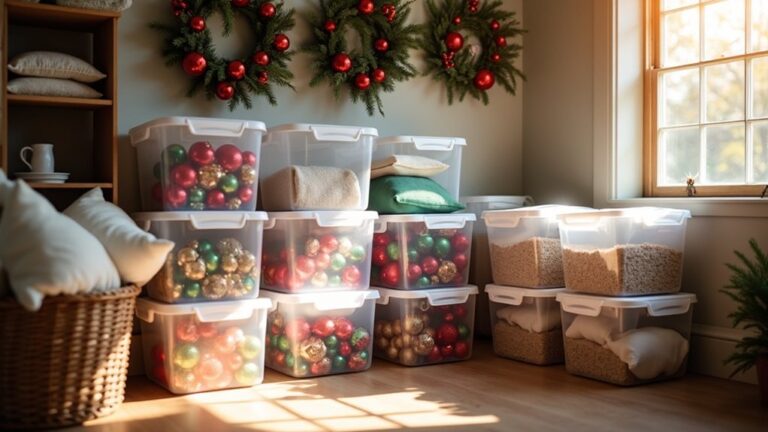
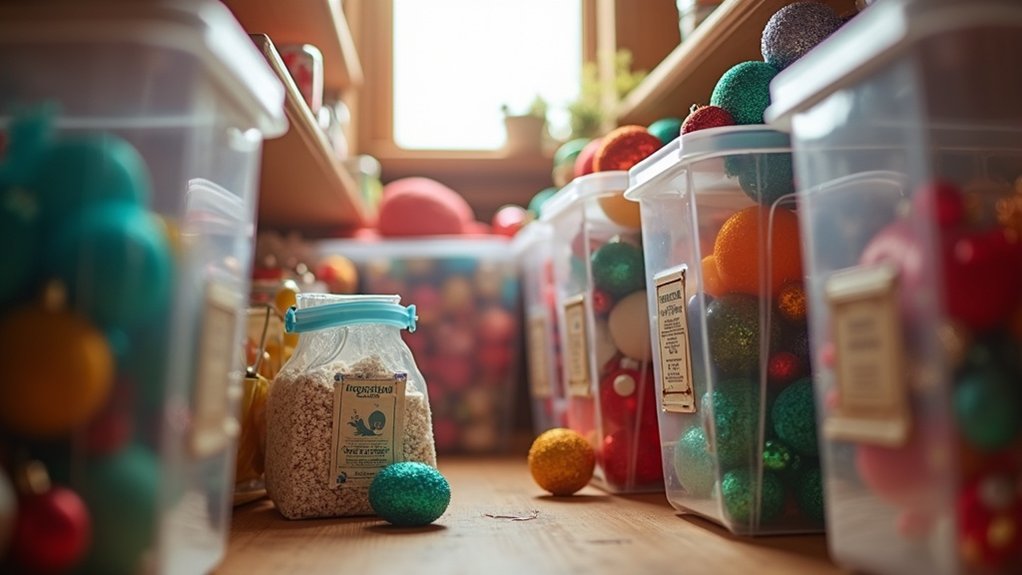
To protect your seasonal items from pests in storage units, begin by cleaning all fabrics and hard surfaces, ensuring everything is dry. Opt for climate-controlled, indoor units to minimise pest exposure and humidity. Use pest-proof containers with tight seals, and consider vacuum sealing textiles to deter pests. Natural repellents like mint or lavender oils can also be effective inside the unit. Regularly inspect your items and report any issues promptly. Effective pest management requires careful attention to detail.
Key Takeaways
- Wash and thoroughly dry all seasonal fabrics to remove dirt and oils before storing them.
- Use airtight plastic containers with secure lids to keep pests and moisture out.
- Opt for climate-controlled and pest-resistant storage facilities to safeguard delicate items.
- Consider using natural repellents like peppermint oil and cedar blocks within your storage unit.
- Regularly check your stored items for any signs of pests and keep the unit tidy.
Pre-Storage Cleaning and Preparation
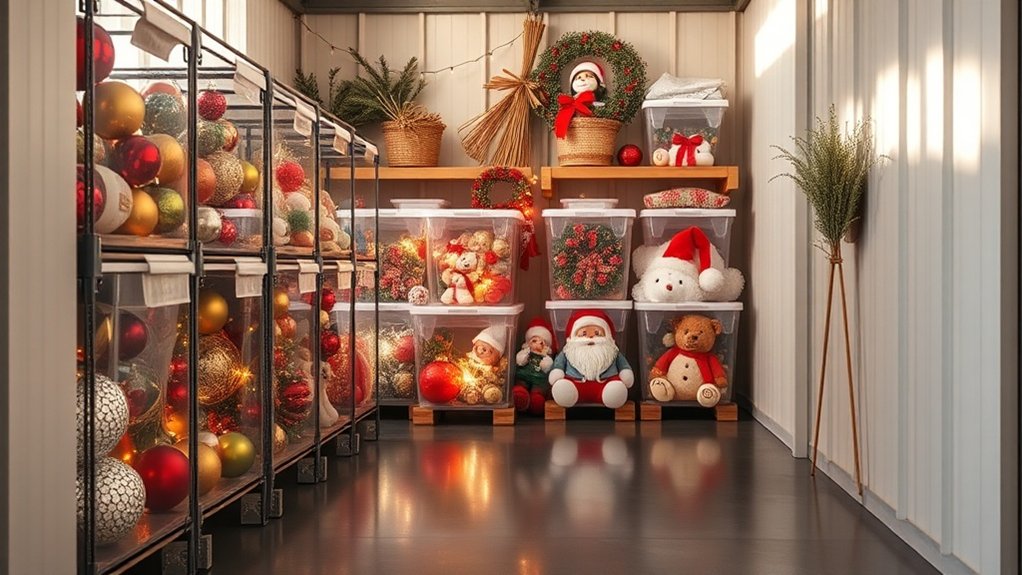
Before storing seasonal items, it’s crucial to clean and prepare them properly to prevent pest infestations.
Start with a pre-storage checklist: wash all fabrics to eliminate dirt and oils that attract pests, ensuring they’re completely dry. Wipe down hard surfaces of furniture and treat any stains promptly. Conduct a thorough inspection for any existing pest damage before packing.
Opt for airtight plastic bins instead of cardboard to keep out pests and moisture. Consider using natural pest repellents, like cedar blocks or lavender sachets, to deter insects. Additionally, it’s important to control humidity levels to deter moisture-loving pests like silverfish that may be attracted to stored items. Maintaining optimal humidity levels is vital to ensuring that your stored items remain free from damage caused by pests.
Lastly, keep items off the floor to reduce moisture exposure. By following these steps, you can ensure your seasonal belongings stay safe and pest-free during storage.
Choosing the Right Storage Unit
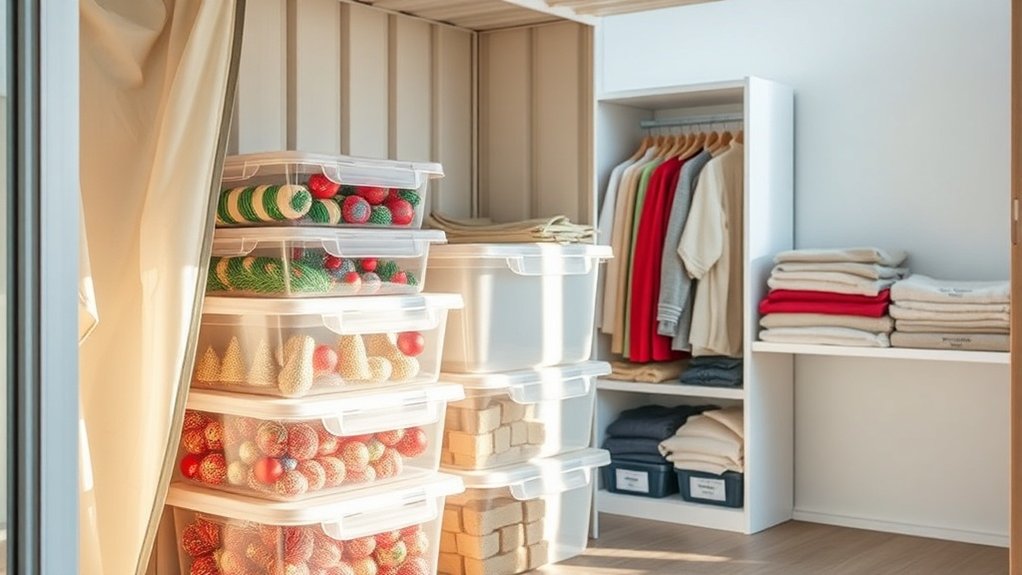
When selecting a storage unit, it’s important to consider how to protect your seasonal items from damage.
Start by choosing climate-controlled units for delicate items like antiques and electronics, as they help maintain stable temperatures and humidity. Assess your belongings carefully; a heated-only unit may not be adequate for sensitive items. This is especially true for items that need climate-controlled storage to prevent degradation over time. Additionally, it’s crucial to understand that climate control plays a significant role in preserving the condition of your stored items.
Opt for indoor units to reduce exposure to weather and pests. Ensure the unit is easily accessible for regular checks, allowing you to keep an eye out for any pest issues.
Finally, look for a facility with robust pest control measures, sealed entrances, and proper ventilation to protect your valued possessions from deterioration and infestations.
Pest-Proof Packing Materials

Choosing the right storage unit is only part of protecting your seasonal items; the packing materials you select are crucial for pest prevention.
Opt for pest-resistant containers with tight snap lids to create airtight seals that deter insects. Vacuum sealing your textiles, such as clothing and bedding, reduces oxygen and creates an unwelcoming environment for pests. Effective storage limits scents, crumbs, and clutter that invite pests. Additionally, ensure that appropriate storage materials are used to prevent deterioration and maintain the integrity of your items.
Here are some best practices:
- Use opaque containers to block light and reduce attraction for pests.
- Label containers on the outside to limit unnecessary openings.
- Pair vacuum sealing with natural repellents like cedar blocks.
Pest Deterrents Inside Storage Units
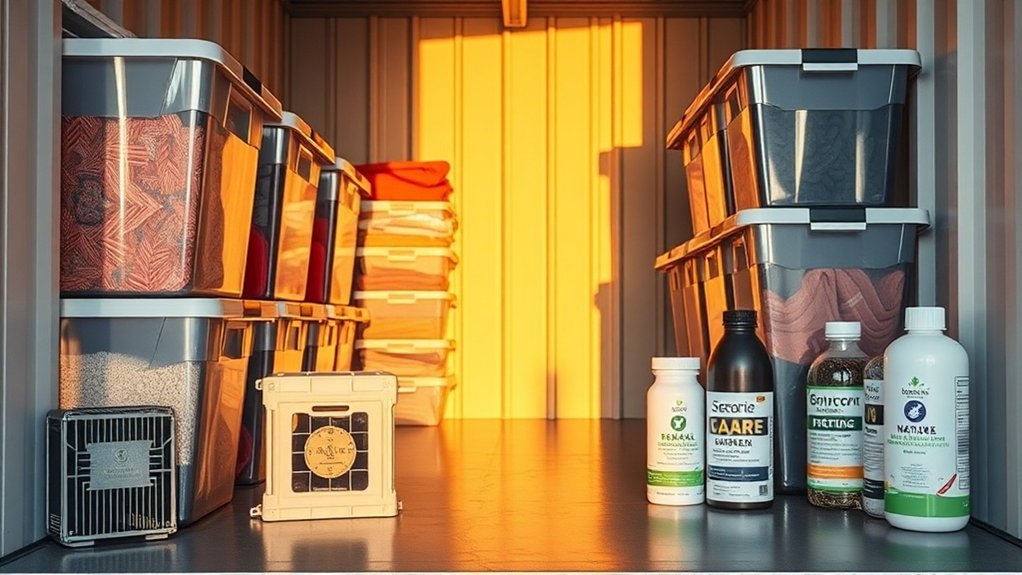
Effective pest deterrents in storage units are crucial for protecting your seasonal items from infestations. Natural repellents, such as peppermint oil on cotton balls, can help keep rodents and insects at bay without using harsh chemicals. Cedar cubes or chips emit scents that act as barriers against various pests.
Additionally, spreading lavender and mint oils throughout your unit can enhance protection.
Regularly inspect your unit for signs of pests, such as droppings or nests, to catch issues early. Maintaining cleanliness is key—sweep the floors and remove debris to eliminate potential hiding spots for bugs.
Finally, store fabrics and food items in airtight containers to minimise pest attraction, ensuring your belongings stay safe and secure.
Seasonal Item-Specific Storage Tips
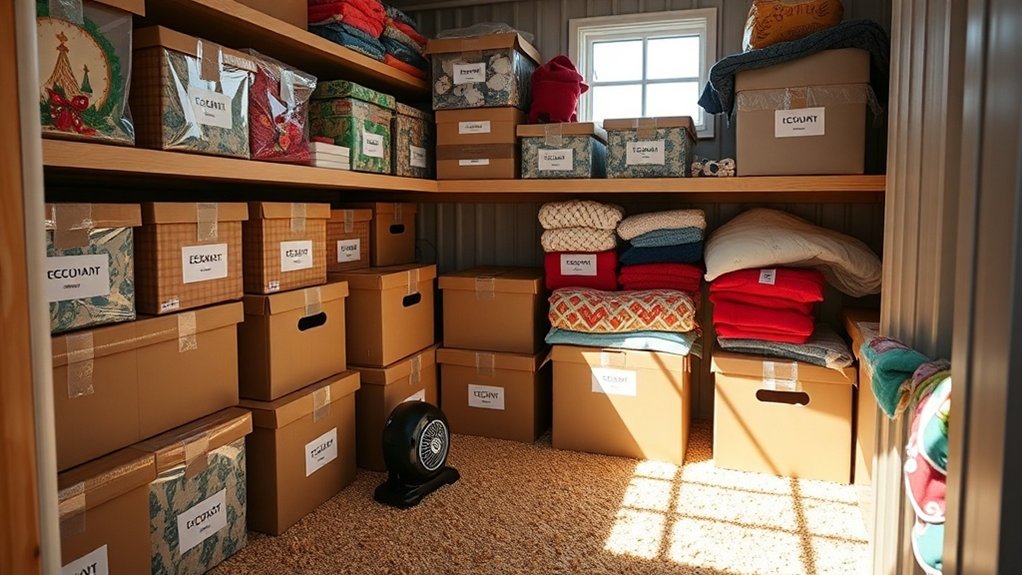
Proper storage methods for seasonal items can significantly reduce the risk of pest infestations.
When organising your holiday decorations, opt for pest-resistant materials like sturdy plastic containers.
Here are some key tips:
- Wash clothing and fabrics before storage to remove any attractants.
- Use airtight containers for outdoor tools to keep them rust-free and pest-free.
- Thoroughly clean holiday items, ensuring any organic remnants are removed.
Facility and Tenant Responsibilities
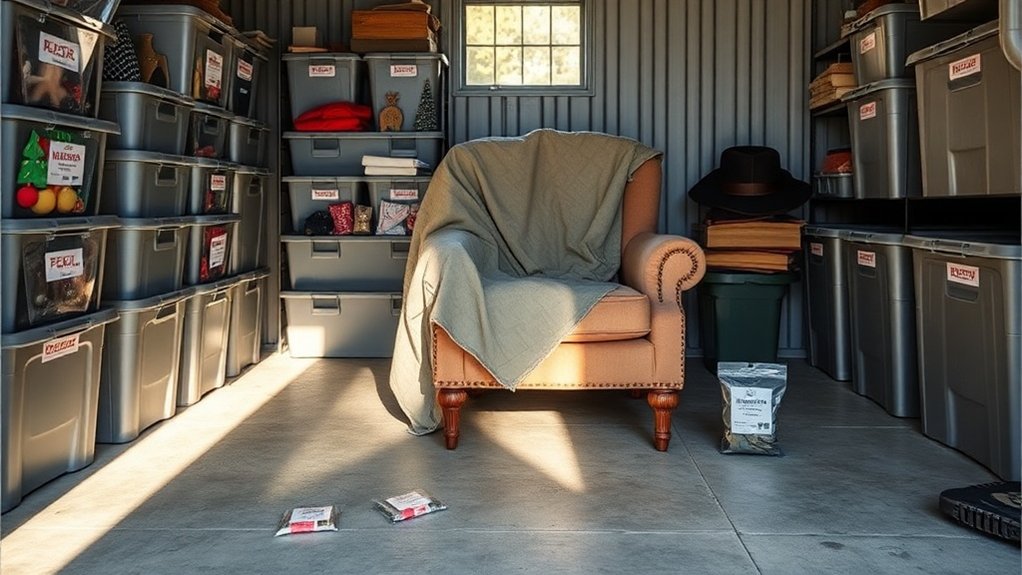
Both facility management and tenants have important roles in preventing pests, and knowing their specific responsibilities can significantly improve results.
Facilities should maintain regular cleaning schedules, seal any structural gaps, and promptly fix leaks to deter pests. Engaging professional pest control services for ongoing monitoring is also vital.
Tenants, on the other hand, need to store items in airtight containers, avoid leaving food in units, and keep their spaces clean.
It’s essential for tenants to report any signs of pest activity or damage to facility management without delay.
Regular Inspections and Maintenance
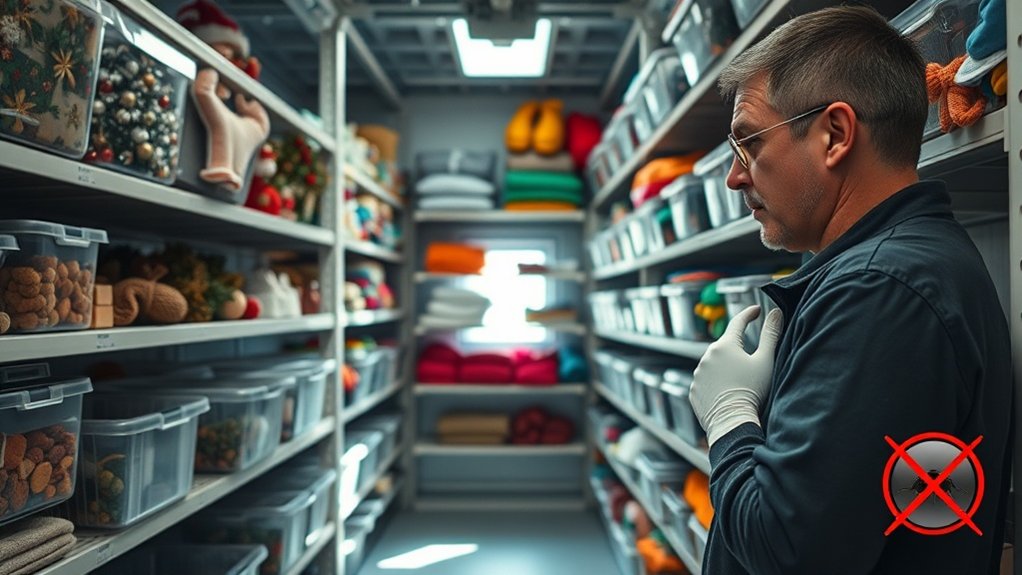
Regular inspections and maintenance are crucial for protecting seasonal items from pests. To effectively manage pest risks, schedule inspections every 1-2 months. During these visits, perform thorough visual checks and document your findings.
- Remove rubbish and food scraps that may attract pests.
- Control humidity and moisture levels to prevent infestations.
- Utilise natural repellents and ensure containers are intact to block pest access.
Establish maintenance routines that include cleaning, sealing storage units, and replacing damaged containers.
Frequently Asked Questions
How Often Should I Check My Storage Unit for Pests?
You should check your storage unit for pests at least once a month, especially during peak seasons. To effectively reduce the risk of infestations, implement pest prevention measures, maintain cleanliness, and ensure that seasonal items are stored properly. For example, use airtight containers for clothes and food items to deter pests.
Can I Use Homemade Pest Repellents in My Storage Unit?
Yes, you can use homemade pest repellents in your storage unit. Use natural ingredients such as essential oils to create effective solutions that protect your belongings from pests while keeping the environment chemical-free. For example, a mixture of peppermint oil and water can deter mice, while citronella oil is known to repel insects.
What Items Should I Never Store in a Storage Unit?
You should never store perishable foods or valuable electronics in a storage unit. Perishables can attract pests and spoil, while electronics may be damaged by temperature changes, which can shorten their lifespan significantly.
Are There Specific Pests to Watch for in Storage Units?
Be on the lookout for common storage pests like cockroaches, silverfish, and rodents. To protect your belongings from infestations, seal containers, keep the area clean, and check it regularly for signs of pests.
How Do I Safely Dispose of Infested Items?
To safely dispose of infested items, seal them securely in heavy-duty plastic bags. Make sure to follow your local council’s guidelines for disposal methods. Always wear personal protective equipment (PPE) like gloves and a mask to protect yourself during the process. For example, if you’re dealing with infested furniture, wrap it tightly before placing it in the bin or taking it to a designated disposal site.
Conclusion
While you may believe your seasonal items are safe in a storage unit, this isn’t always the reality. To keep those unwanted pests at bay, follow these simple tips. After all, no one wants their cherished decorations becoming a feast for mice! Take some time to prepare, choose appropriate materials, and inspect your items regularly. It’s a small effort for the peace of mind that comes with truly secure storage.