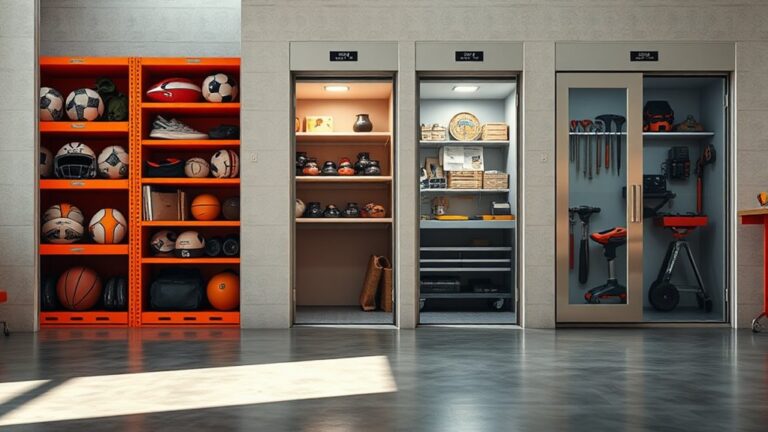
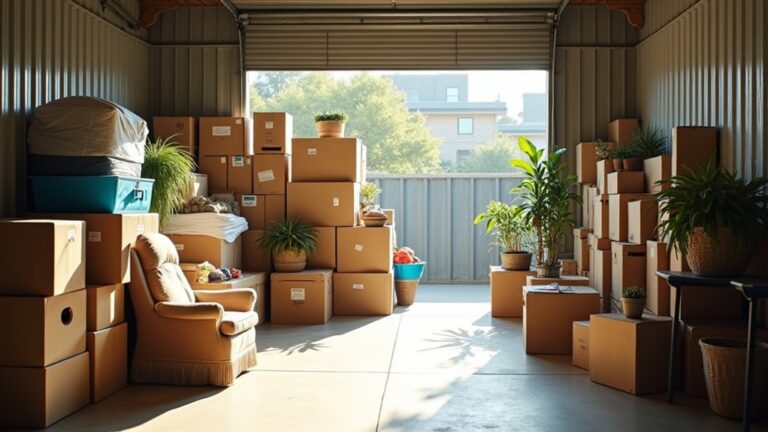
Private Storage Pods vs. Traditional Units: What’s the Difference?
Private storage pods provide the convenience of delivery right to your doorstep, allowing you to pack at your leisure. However, they can be more expensive, with higher monthly fees and delivery costs, making them more suitable for short-term storage needs. In contrast, traditional storage units offer a wider range of sizes and greater flexibility, typically at a lower long-term cost. They also come with enhanced security features, ideal for protecting valuable belongings. Your decision should be based on how often you need access, how long you'll store your items, and your security requirements. Understanding these differences will help you choose the best option for your needs.
Key Takeaways
- Private storage pods are convenient as they can be delivered directly to your location, whereas traditional storage units require you to travel to a facility.
- The average cost for private pods is around £150 a month, plus delivery fees, while traditional units usually cost about £60 a month.
- Traditional units offer a greater range of sizes and more flexibility with month-to-month rentals compared to the limited options available with pods.
- Security in traditional units often features advanced measures like CCTV, while the security of pods largely depends on the quality of the locks used.
- Pods are perfect for short-term storage and easy access, whereas traditional units are better suited for long-term storage needs.
Convenience and Accessibility
When weighing up convenience and accessibility, the decision between private storage pods and traditional units can significantly influence your storage experience.
Private storage pods have the distinct advantage of being delivered straight to your door, enabling you to load and access your belongings without the hassle of travel. This flexibility allows you to pack at your own pace, alleviating much of the stress that often comes with moving. You can even keep the pod on your property for immediate access whenever you require it. Additionally, PODS are available in multiple sizes, catering to various storage needs. Many people appreciate the cost-effective options that storage pods can provide compared to traditional units.
In contrast, traditional storage units are located in central areas and often offer round-the-clock access. While you won't have to wait for a delivery, accessing your items means making a trip to the facility, which can be inconvenient if you need to retrieve things frequently.
Ultimately, the best choice depends on your individual needs. If you value flexibility and reduced pressure, storage pods may suit you well.
However, if you prefer straightforward access without the wait for delivery, traditional units might be the better option. Each has its own benefits, so consider what matters most to you in terms of convenience and accessibility.
Cost Considerations
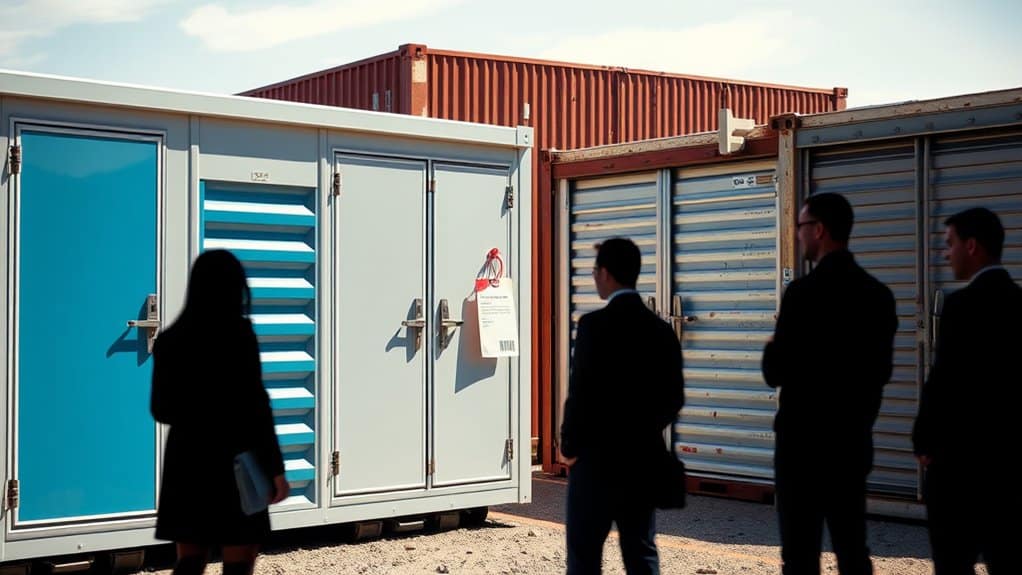
When deciding between private storage pods and traditional units, it's crucial to evaluate the cost implications. A clear cost comparison highlights notable differences in expenses. Generally, traditional storage units offer lower monthly rates, while portable storage containers, such as PODS, tend to be more expensive due to delivery and rental conditions. Here's a quick overview:
| Storage Type | Average Monthly Cost |
|---|---|
| Traditional Unit (5×10) | £60 |
| PODS Portable Container | £150 |
| Delivery Fees (PODS) | £60 each way |
| Additional Amenities Cost | £4 – £40 per month |
Traditional facilities may impose extra charges for access and often require longer rental periods. Conversely, PODS can save on transportation fees if you need to move the container. If you're looking for long-term storage, traditional units may be more cost-effective, especially if you can manage transport yourself. Ultimately, consider both the monthly costs and the convenience you require. The base cost of storage units will vary based on size and location, so weighing these factors will help you make a well-informed decision that suits your budget and needs. Additionally, understanding the cost considerations for different storage types can guide you in making the right choice for your specific situation.
Size and Flexibility
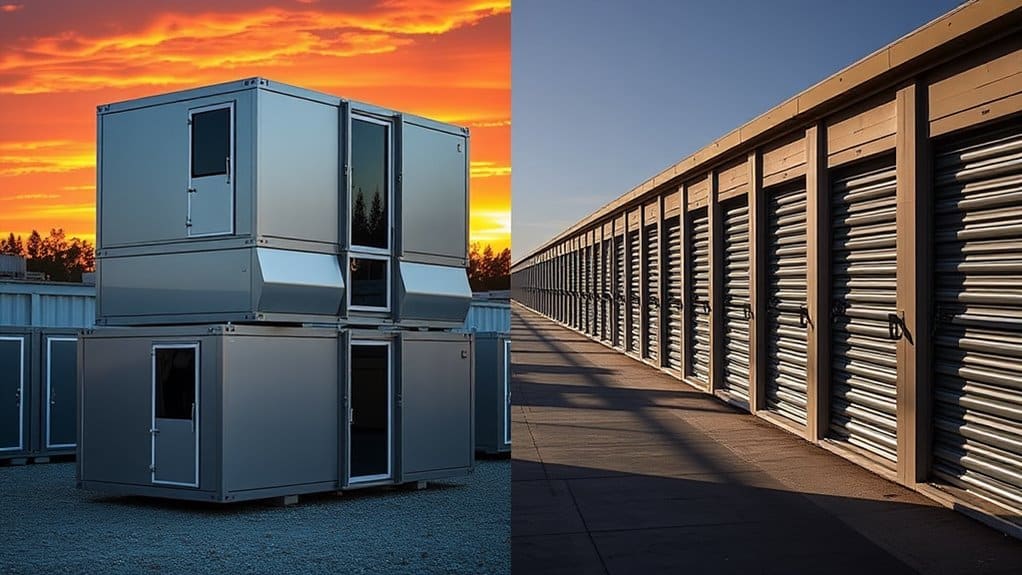
When selecting a storage solution, it's important to consider the size and flexibility of private storage pods versus traditional units.
Private storage pods usually come in a limited range of sizes, which can restrict your options. They're ideal for smaller storage needs, such as those found in compact flats or houses, but their fixed dimensions can make it challenging to organise larger items or significant quantities of belongings. Additionally, private pods may not offer the same level of security features as traditional storage units, which can impact your peace of mind.
In contrast, traditional storage units are available in a wide variety of sizes, from small cupboard-like spaces to large commercial units. This flexibility allows you to choose a unit that fits your specific items, whether it's seasonal decorations or oversized furniture. Additionally, traditional units often provide month-to-month rental flexibility, accommodating changing storage needs over time.
Traditional units can also adapt to your changing storage requirements over time. With various unit sizes available, you can easily upgrade or downsize based on your current inventory, ensuring that you only pay for the space you need.
While private pods offer the convenience of delivery and pick-up, traditional units provide on-site access, making it easier to retrieve or organise your items whenever necessary.
When weighing your options, consider your specific storage needs and how each choice aligns with your preferences for convenience and adaptability.
Security Features
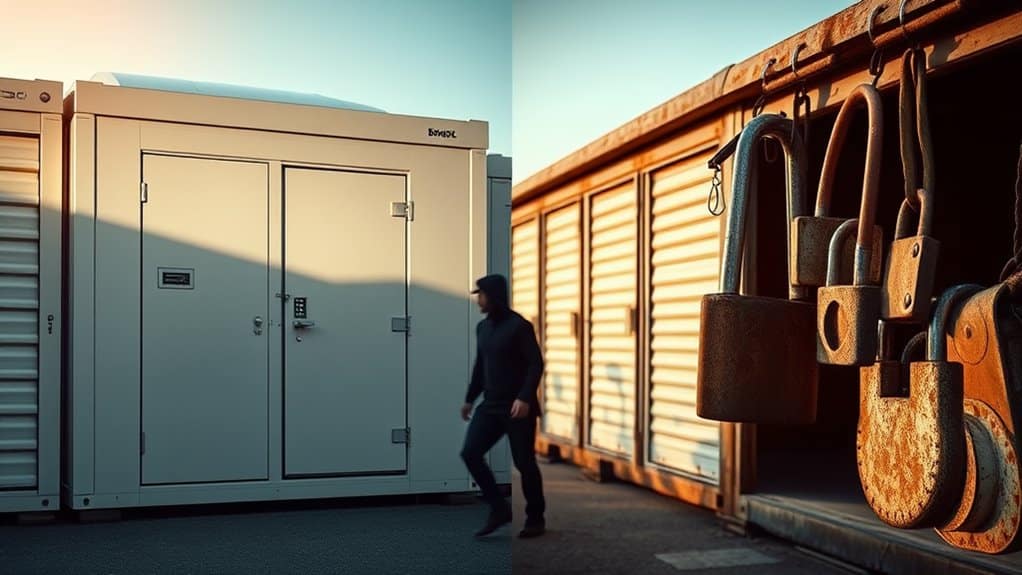
Security features are crucial for ensuring the safety of your belongings, whether you choose private storage pods or traditional storage units.
With private storage pods, the level of security largely depends on the type of lock you use. Basic locks, like standard padlocks, may not provide adequate protection. Opting for high-quality locks, such as disc locks or cylinder locks, is advisable for enhanced security. Remember, the pod's security is only as strong as the lock you select.
Private storage pods are generally constructed from aluminium or steel, offering a basic level of protection against break-ins and the elements. However, features like roll-up doors may be less secure compared to double-sealed swinging doors found in traditional units.
Traditional storage units often come with advanced security measures, including access control systems, CCTV cameras, and robust perimeter security. These features create a safer environment, significantly lowering the risk of theft or unauthorised access.
Ultimately, your choice should reflect the level of security you require and the specific features each option offers.
Usage Scenarios
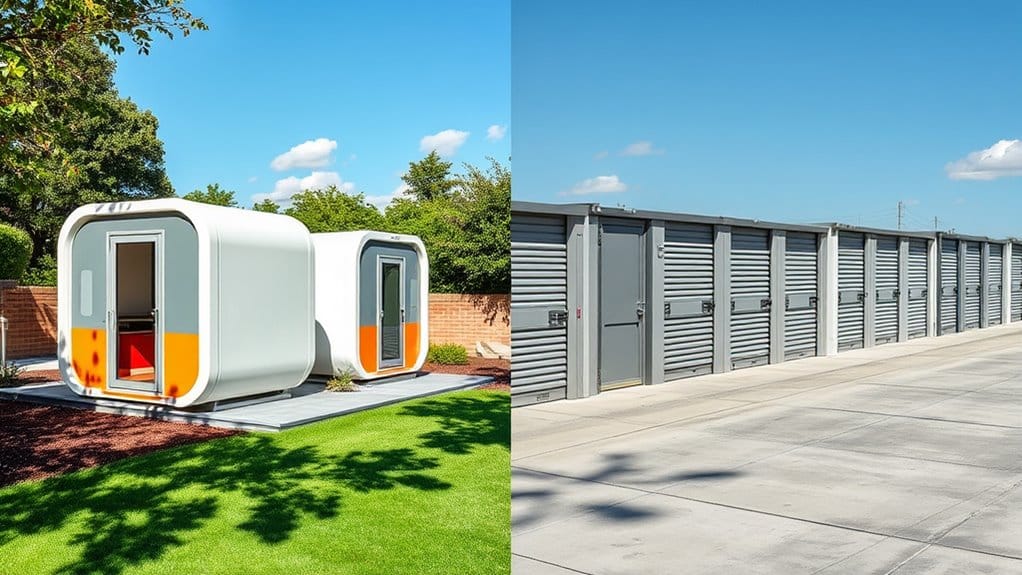
When choosing between private storage pods and traditional units, it's essential to consider your specific needs. Each option caters to different situations based on how long you'll need storage, how much you have, and how often you'll access your belongings.
For short-term storage, think about:
- Moving or Renovating: Pods are convenient, allowing you to load and unload on-site without the hassle of multiple trips.
- Frequent Access: If you need to reach your items regularly in a short period, pods are a suitable choice.
For long-term storage, traditional units are often more advantageous:
- Cost-Effectiveness: They typically offer better value for extended use, particularly for larger quantities of items.
- Climate Control: Many traditional units provide climate-controlled options, safeguarding your possessions from potential damage over time.
Frequently Asked Questions
How Do I Choose Between PODS and Self-Storage?
To decide between PODS and self-storage, evaluate the costs and convenience. Think about your budget, how often you'll need access to your belongings, and whether you prefer having storage on your property or if you're okay with visiting a facility during opening hours. For example, if you need to access your items frequently, self-storage might be more suitable. Conversely, if you want the flexibility of having a storage unit delivered to your home, PODS could be the better choice.
Are There Weight Limits for Items in PODS?
PODS do have weight limits for their containers, so it's important to be mindful of these restrictions. Each container has a different capacity, so make sure to distribute the weight evenly. For instance, place heavier items like furniture at the bottom to ensure safe transport and make the most of the space available.
Can I Access My PODS at Any Time?
You can't access your PODS container at any time; it has set hours for access. However, this arrangement offers flexibility, allowing you to schedule visits at times that suit you best, ensuring you can get to your belongings when you need to.
What Happens if My PODS Is Damaged During Transportation?
If your PODS container is damaged during transport, make sure to document everything carefully for your damage claim. It's wise to consider insurance options in advance to safeguard against potential losses, as how you pack your items can affect your liability in these cases. For example, if fragile items aren't properly secured and get damaged, you may not be fully covered.
Do Self-Storage Facilities Offer Packing Supplies for Purchase?
Yes, self-storage facilities sell a range of packing supplies. You can purchase sturdy boxes, bubble wrap, and protective covers to help make your moving process easier and ensure your belongings are well-protected.
Conclusion
When deciding between private storage pods and traditional units, you're not just choosing a space; you're opting for a lifestyle. Each has its benefits, including convenience, cost, security, and flexibility. For instance, private storage pods offer ease of access and can be placed close to your home, while traditional units often provide a more permanent solution for long-term storage. Ultimately, the best choice depends on your individual needs and circumstances.