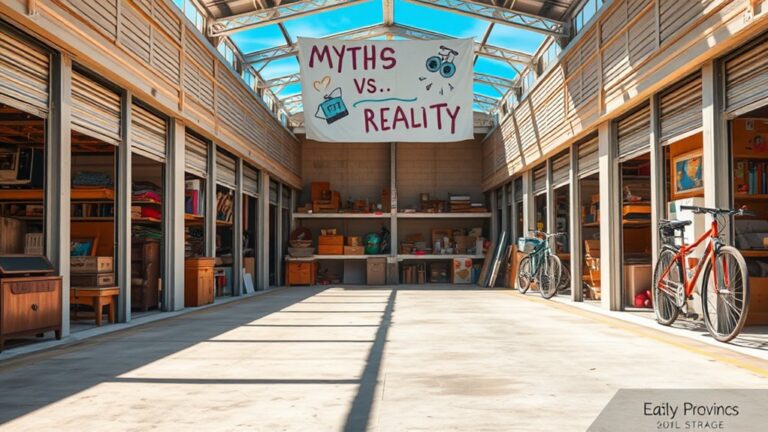
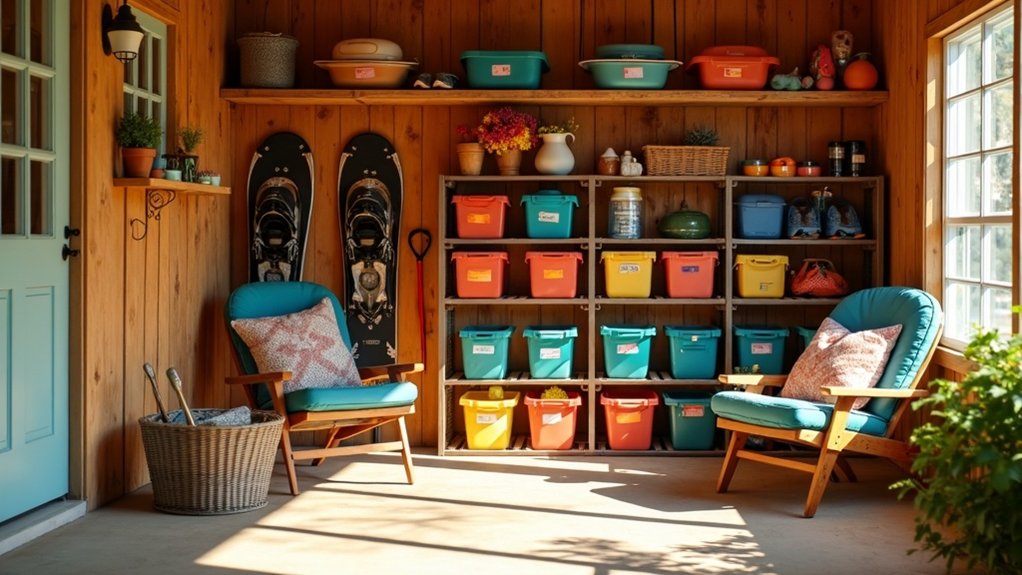
To save money on seasonal self-storage, consider renting during off-peak months like autumn and winter, when prices can drop by as much as 15%. Choose the right unit size to avoid paying for unnecessary space, and think about whether you need climate control for items like electronics or antiques. Look for promotions or discounts that storage facilities often provide, especially for students or military personnel. Efficiently organise your belongings to maximise space and ensure everything remains accessible. Follow these straightforward tips to make the most of your storage!
Key Takeaways
- Plan your storage needs during off-peak seasons, such as winter, to benefit from lower rates and special offers.
- Use a storage size calculator to choose the right unit size, preventing unnecessary expenses for extra space.
- Look for discounts like the first month free or promotions for students and seniors to make the most of your budget.
- Organise and label your items for easy access. This saves time and effort when searching, helping you avoid additional costs.
- Explore alternative storage options, such as garage space or portable containers, for a more cost-effective solution.
Understand Seasonal Demand Patterns
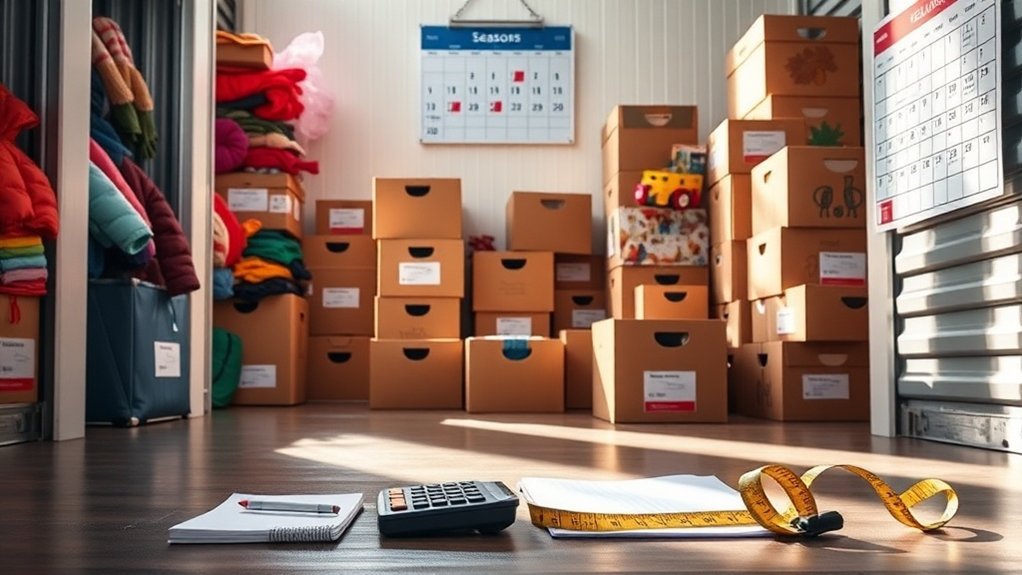
Understanding seasonal demand patterns is crucial if you’re considering self-storage options in the UK. Demand typically peaks during spring and summer, coinciding with moving season and home renovations. Many people declutter to prepare for moves or renovations, leading to a surge in storage rentals. Conversely, winter months often see lower demand, which can mean better deals for you. Although post-pandemic shifts have made these patterns less predictable, significant life changes—such as relocating or starting university—still drive demand. Recent trends indicate that new supply in the self-storage market is constrained, further influencing seasonal demand dynamics. Additionally, the urban demand for self-storage is fueled by the increased population density in city areas, making it essential to anticipate your storage needs ahead of seasonal peaks.
Choose the Right Unit Size
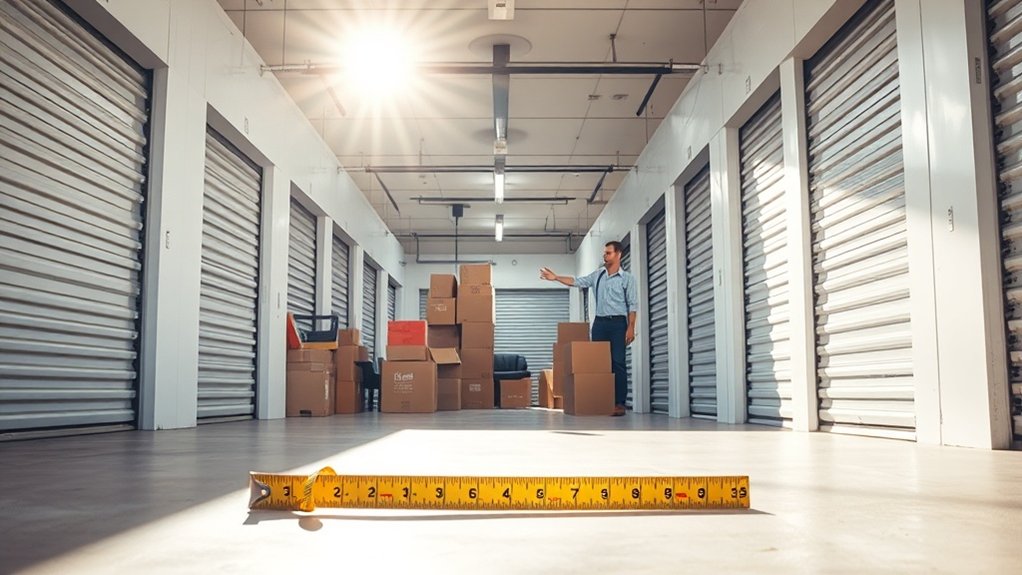
Choosing the right storage unit size is crucial for a smooth self-storage experience. Start by assessing your needs and the dimensions of available units.
For seasonal items like decorations, a 5’x5′ unit will suffice. If you have larger items, such as outdoor furniture, opt for a 10’x10′ or 10’x15′ unit. Also, consider how easily you can access your belongings; ensure you can reach everything when needed. Measure your larger items, like sofas or appliances, to avoid paying for unnecessary space. Remember that special considerations like disassembling bulky items can also impact your storage choices.
A slightly larger unit can provide easy access without breaking the bank. By carefully evaluating your storage requirements, you can select the perfect size that suits your budget and storage goals. Additionally, utilizing a storage size calculator can help you make a more informed decision about the unit size you need.
Assess the Need for Climate Control
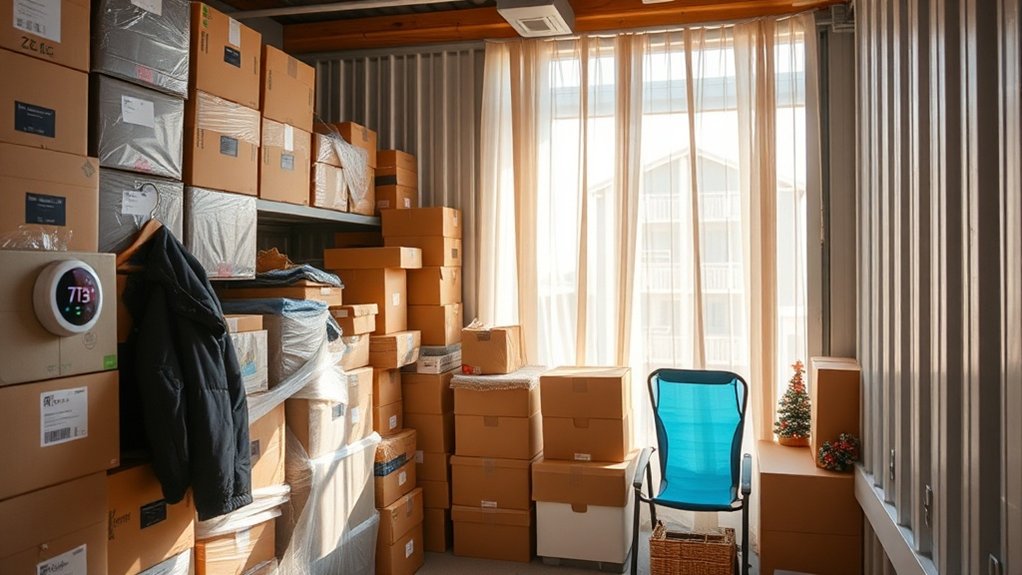
When choosing self-storage, consider if your items require climate control. Think about the sensitivity of your belongings, such as wooden furniture or electronics, which may be affected by temperature and humidity changes. Weigh the cost difference between climate-controlled and standard units. Additionally, if you live in an area with extreme weather conditions, climate controlled storage can significantly reduce the risk of damage to your items. Moreover, regulated temperature in climate-controlled units ensures that your belongings are kept in an optimal environment, preventing potential deterioration. Also, consider how long you plan to store your items, especially if they’ll be exposed to seasonal weather variations that could impact their condition.
Evaluate Item Sensitivity
Assessing the sensitivity of your items is crucial for deciding if climate control is necessary for your storage unit.
Consider how delicate your belongings are; antiques, artwork, and fine fabrics are particularly susceptible to changes in temperature and humidity.
For example, wood can crack or warp, and artwork could develop mould or paint may crack if not kept in stable conditions.
Electronics can also fail in extreme temperatures.
To reduce damage, use preservation methods like airtight containers for textiles.
If your items hold significant value or are irreplaceable, investing in climate control is advisable.
Conversely, low-value, durable items typically need less protection.
Evaluating the sensitivity of your items can help prevent costly repairs or replacements later on.
Climate Control Costs
Climate control costs can significantly affect your self-storage budget, ranging from £70 to £290 per month.
It’s important to weigh these expenses against the protection offered to your belongings. Prices vary considerably based on location and unit size, so comparing climate-controlled units with non-climate-controlled ones is essential.
For example, a small climate-controlled unit might only be £30 more than a traditional one, but larger units can see much steeper increases due to energy costs.
If you reside in an area with extreme weather, investing in climate control could save you money in the long run by preventing damage to sensitive items.
Always assess your specific needs before making a decision.
Seasonal Item Considerations
Many seasonal items may appear sturdy, but they require careful storage, particularly when it comes to climate control. It’s essential to consider the climate factors that can impact your belongings. Here’s a quick guide:
| Item Type | Climate Control Need |
|---|---|
| Electronics | High humidity and temperature control |
| Wooden Furniture | Stable humidity to prevent warping |
| Seasonal Clothing | Regulated conditions to prevent mustiness |
Using proper storage methods, such as airtight containers, helps keep moisture at bay. If you live in an area with extreme temperatures, investing in climate-controlled storage is vital for preserving your items. Regularly check on your belongings to ensure they’re kept in ideal conditions, allowing you to enjoy your seasonal treasures without concern.
Take Advantage of Off-Peak Rates
If you want to save on self-storage costs, consider the timing of your rental.
Rates usually drop during the winter months when demand is lower, so make the most of these off-peak opportunities.
For instance, if you can plan your storage needs outside the busy summer moving season, you could secure considerable savings.
Seasonal Pricing Variations
Many individuals rush to secure storage units during the warmer months, but wise renters understand that off-peak seasons—especially autumn and winter—can lead to significant savings. Demand typically decreases during these times, resulting in lower prices and attractive promotions. By leveraging these pricing trends, you can find a better deal on your storage unit.
| Unit Type | Average Price Decrease |
|---|---|
| Climate-Controlled Units | 10% |
| Non-Climate-Controlled Units | 5% |
| 5×5 Units | 8% |
| 10×30 Units | 6% |
| Long-Term Rentals | 15% |
These savings can add up, so consider planning your rental during these quieter periods to make the most of your budget!
Timing Your Rental
Timing your rental can significantly affect your self-storage costs, especially if you take advantage of off-peak rates. Renting during the winter months often results in lower prices due to reduced demand.
If you book in advance of peak seasons or wait until after summer, you can sidestep higher rates. Economic conditions, such as high interest rates or a downturn, can also lower demand and rental prices.
Pay attention to local trends, like university terms and housing market changes, to identify the best time to rent. By synchronising your rental timing with these factors, you can save money and have more flexibility in managing your self-storage needs.
Explore Promotions and Discounts
Are you looking to save money on self-storage? Exploring promotions and discounts is a smart move. Here are some effective options to consider:
- Prepay discounts: Pay for 6 or 12 months in advance to unlock savings.
- First month free: Many facilities offer this with a minimum rental commitment.
- Demographic discounts: Students, seniors, and military personnel may be eligible for special rates.
- Moving supplies discounts: Save 10-20% on packing materials when purchased alongside storage.
Be sure to check if you qualify for any discounts and make the most of these offers.
Planning ahead can significantly lower your costs and give you peace of mind while storing your belongings!
Organize and Prepare Your Items
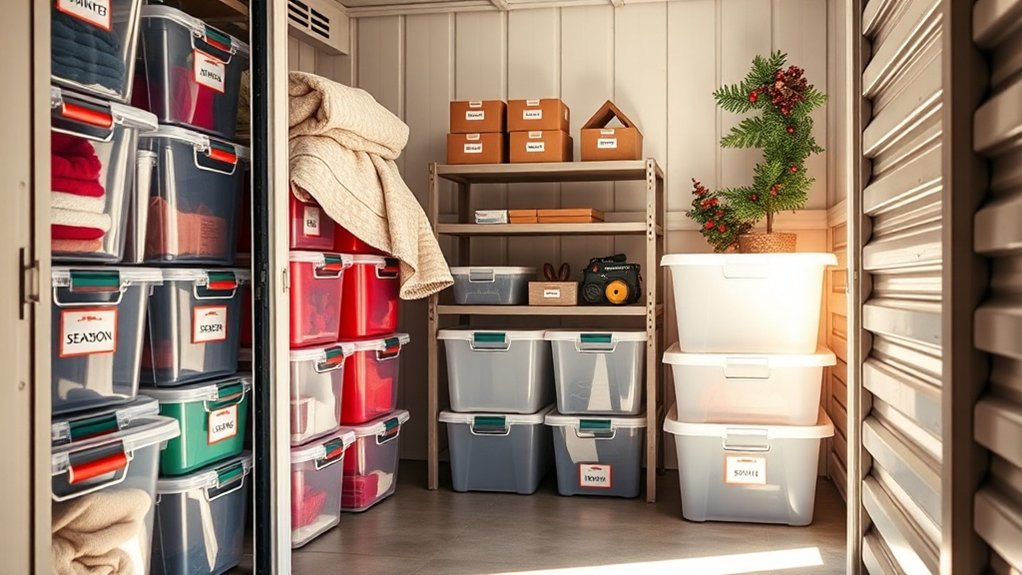
Once you’ve secured discounts on self-storage, the next step is to organise and prepare your items efficiently.
Begin by sorting your belongings by season, placing similar items in clear bins. This seasonal arrangement allows for easy rotation when needed. Make sure to clean everything thoroughly to avoid stains or mould, and ensure items are completely dry before packing them away.
Use vacuum-sealed bags for clothing and soft furnishings, and opt for original packaging for delicate electronics.
As you prepare, think about your access needs: store frequently used items near the entrance and push off-season items further back. Clearly label each bin for quick identification.
With proper preparation, accessing your belongings will be straightforward and hassle-free.
Leverage Technology for Convenience

Harnessing Technology for Convenience
Navigating self-storage can be much easier with the right technology. By using digital access and mobile apps, you can enhance your experience and gain more flexibility.
Here are some key benefits:
- 24/7 access to your storage unit via mobile apps, fitting seamlessly into your busy life.
- Online booking systems that allow you to reserve units instantly, eliminating the need to visit the facility.
- Real-time updates on unit availability, enabling you to find the right size and location quickly.
- Easy payment options for straightforward billing and account management.
With these tools, managing your storage needs becomes simple and hassle-free, giving you more freedom.
Embrace technology to streamline your storage experience!
Consider Alternative Storage Solutions
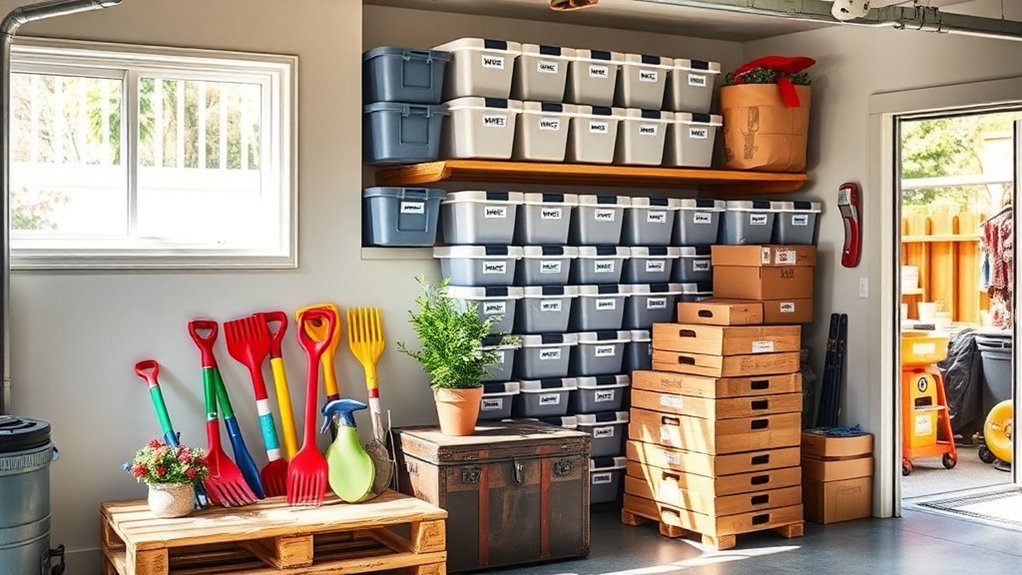
When looking for storage solutions, considering alternatives to traditional self-storage units can save you both money and hassle.
Portable containers like U-Pack Relocube and U-Haul U-Box provide flexible, on-site options that keep your belongings safe and accessible. While they may come with a slightly higher monthly cost, the convenience means fewer trips to and from storage.
If you need creative solutions, think about using your garage or attic, or look into local community storage lockers.
Remember to declutter—donating or selling items you no longer need can significantly reduce your storage requirements.
Frequently Asked Questions
How Can I Find the Nearest Storage Facilities?
To locate the nearest storage facilities, utilise online storage locators or mapping applications. Compare prices, read reviews, and check available amenities to ensure you select the best option for your requirements. For instance, if you need climate-controlled units for sensitive items, make sure to filter your search accordingly.
What Items Are Prohibited in Storage Units?
Prohibited items in storage units include flammable materials, toxic substances, perishable goods, and illegal items. It’s essential to understand the storage regulations to avoid storing anything hazardous or against facility rules. This ensures your belongings remain safe. For example, you shouldn’t keep things like petrol, food, or any banned items that could cause issues.
Are There Size Limits for Larger Items?
Yes, there are size limits for larger items. Most facilities have set dimensions for storage units, and you’ll encounter restrictions for safety and accessibility reasons. Always measure your items to ensure they fit comfortably within the selected unit. For instance, if you’re storing a sofa, check its dimensions against the unit size to avoid any surprises.
Can I Access My Storage Unit at Any Time?
You cannot access your storage unit at any time. Your rental agreement specifies certain access hours. Make sure to check these hours to enjoy hassle-free access without any restrictions or penalties.
What Happens if I Miss a Payment?
Missed a payment? Unfortunately, you’ve unlocked the unwelcome realm of late fees and other consequences. Your access to certain services may be limited, and your outstanding balance will increase. Remember, ignoring the issue won’t make it go away—only prompt action can help you resolve it!
Conclusion
When it comes to storage, think of yourself as the manager of your own budget. By being mindful of demand, selecting the right size unit, and looking for discounts, you can keep costs down while safely storing your seasonal items. For example, if you only need to store a few boxes of Christmas decorations, don’t pay for a large unit. Instead, go for a smaller one that fits your needs. With a bit of planning and organisation, you can tackle clutter without overspending. Now, get started on clearing out those messy corners, one box at a time!