Cost of Climate-Controlled Storage: Is It Worth It?
The cost of climate-controlled storage can be 25-50% higher than standard units, but it's a worthwhile investment for valuable items. Protecting your belongings from temperature and humidity changes helps prevent damage and ensures their longevity. For instance, if you're storing electronics, antiques, or important documents, the extra expense is justified. Additionally, enhanced security and a lower risk of pests provide added value. Want to learn more about how climate-controlled storage can protect your possessions and fit into your budget?
Key Takeaways
- Climate-controlled storage usually costs 15-30% more than standard units, reflecting the advantages for sensitive items.
- Rental rates for climate-controlled units can be 25-50% higher, but the added protection makes it worthwhile for valuable belongings.
- Safeguarding items from damage can save you significant money in the long run, making climate-controlled storage a smart investment.
- High occupancy rates show a robust demand, particularly in areas with variable weather conditions.
- Energy-efficient systems can lower operational costs, increasing the long-term value of climate-controlled storage facilities.
Understanding Climate-Controlled Storage
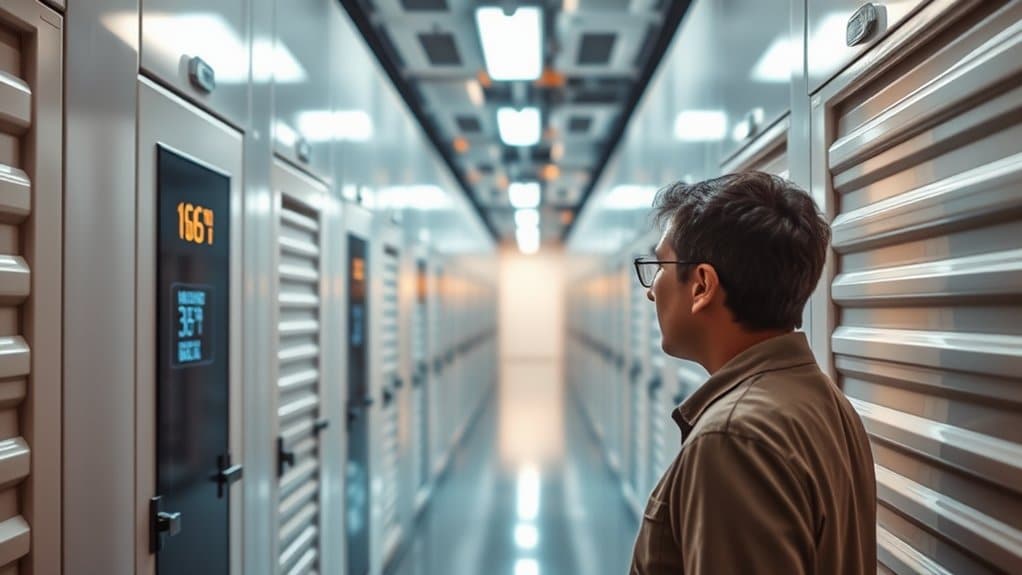
Climate-controlled storage is a vital option for safeguarding your belongings from the harmful effects of temperature and humidity changes. By keeping temperatures between 13°C and 29°C, these units provide a stable environment ideal for items like electronics, antiques, and important documents. With advanced heating and cooling systems, you'll benefit from lower risks of mould and improved air quality. The controlled conditions also help prevent warping or cracking, ensuring your items remain in good condition over time. Additionally, climate control helps to protect against pests, making it an even more attractive option for long-term storage. Furthermore, many facilities offer security features to enhance the safety of your stored items. While climate-controlled storage can be 15% to 30% more expensive than standard options, it's worth considering as an investment in the protection of your treasured possessions. The peace of mind and long-term value it offers far outweighs the additional cost.
Types of Climate-Controlled Storage Options
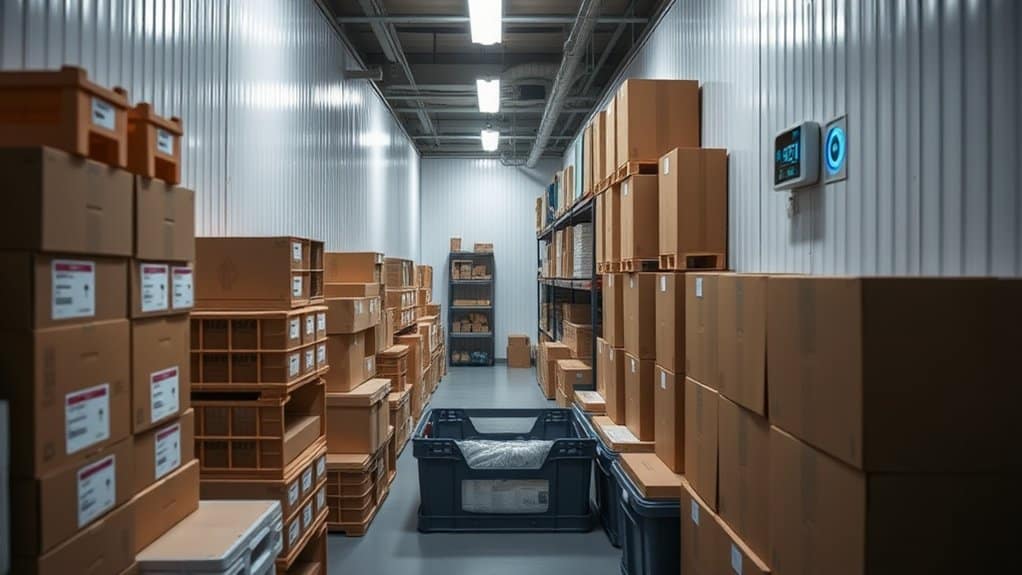
When it comes to protecting your valuable belongings, it's essential to know the different types of climate-controlled storage options available. Public facilities like Public Storage offer a variety of unit sizes to suit your needs. If you have delicate items, consider specialised facilities that focus on fine art or electronics. Climate-controlled storage units are particularly beneficial for high-value or sensitive possessions, providing extra protection from dust and pests. In addition, these units maintain consistent temperature and humidity levels, which helps to prevent mould and mildew growth. Peer-to-peer storage platforms, such as Neighbor, can provide more flexible and often cost-effective solutions. Local storage centres may also offer climate-controlled units tailored to your requirements. For larger items or business inventory, large-scale climate-controlled storage provides ample space and enhanced security. Whatever your needs, there's a suitable option to ensure your items are well-protected.
Factors Influencing the Cost of Storage
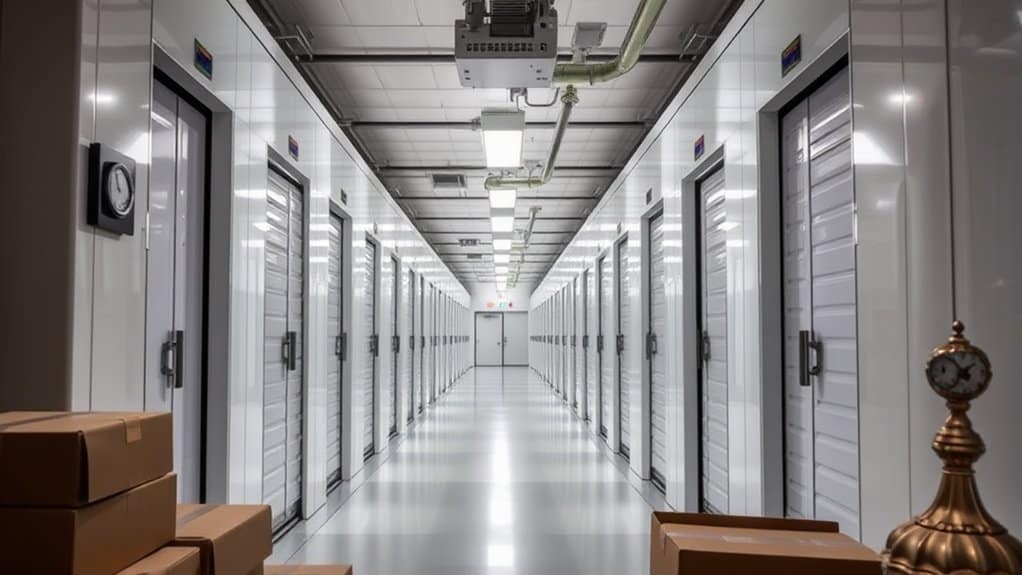
Understanding the factors that affect storage costs is crucial for making an informed choice about your storage needs.
Location is a key factor; urban areas typically have higher rates due to greater demand and land costs. For instance, living in London will likely cost you more than in a rural area. Additionally, climate-controlled storage is generally 15-30% higher than standard options, which can significantly impact your budget. This premium is often justified by the enhanced security features offered by such facilities.
Unit sizes also play a significant role; larger units come with higher prices and can lead to wasted space if you're not careful. Selecting the right size is essential for saving money.
Additionally, be mindful of seasonal fluctuations in demand. Prices often rise during peak moving months, while off-peak times may offer discounts.
Items That Benefit From Climate-Controlled Storage

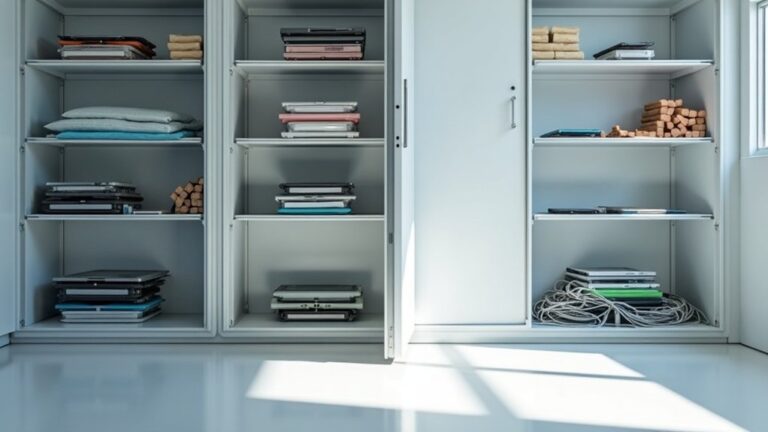
When storing valuable items, climate-controlled units are crucial for protecting electronics, artwork, and important documents.
These items are particularly vulnerable to damage from temperature and humidity changes, which can cause malfunction, fading, or deterioration.
Electronics and Appliances
Storing your electronics and appliances in climate-controlled units significantly extends their lifespan and performance.
These units protect your devices from extreme temperatures and humidity fluctuations, ensuring they remain functional for years. For example, a regulated environment helps keep batteries in good condition and prevents screens from cracking, while appliances are less likely to suffer from corrosion and mechanical failures.
Although the initial investment may be higher, the long-term savings from fewer repairs or replacements make it worthwhile. If you live in an area with harsh weather, climate control is even more essential for maintaining your appliances.
Ultimately, storing your valuable items in a climate-controlled setting gives you peace of mind and helps preserve their value over time.
Artwork and Antiques
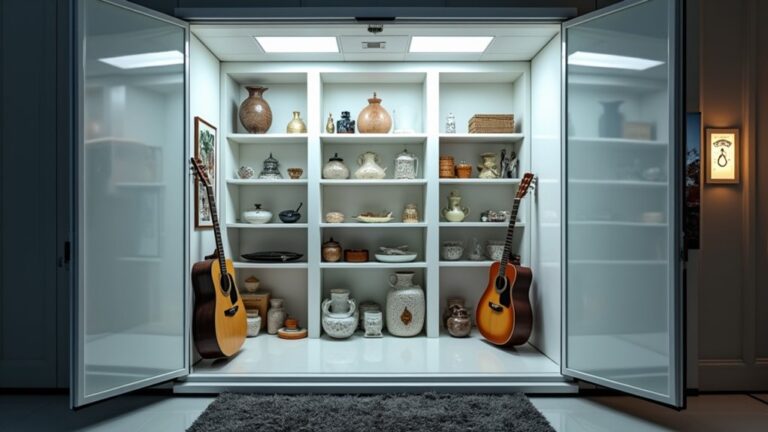
Protecting valuable items like electronics and appliances is important, but preserving artwork and antiques is just as crucial. Both require climate-controlled environments to prevent damage and ensure longevity. Here's how climate control can help safeguard these treasures:
| Item Type | Benefits of Climate Control | Risks of Ignoring Climate Control |
|---|---|---|
| Artwork | Preserves colours and materials | Warping, cracking, mould growth |
| Antiques | Maintains structural integrity | Drying out, pest infestations |
| Textiles | Prevents fading and deterioration | Loss of texture and value |
| Rare Books | Protects from humidity damage | Pages sticking or crumbling |
Investing in climate-controlled storage not only protects your items but also preserves their financial and sentimental value for future generations.
Important Documents and Records
It's essential to protect your important documents and records, as they carry significant personal or business value. Climate-controlled storage is an excellent solution for keeping your documents organised and preserved.
Extreme temperatures and humidity can damage paper, causing it to become brittle, discoloured, or even mouldy. By opting for climate-controlled units, you ensure a stable environment that shields your documents from these risks, helping to keep them legible and intact.
Moreover, these facilities typically offer enhanced security measures, which reduce the chances of theft or unauthorised access.
Although climate-controlled storage may be more expensive, the long-term preservation of your valuable documents makes it a worthwhile investment. It provides peace of mind and protects what matters most to you.
Evaluating the Worth of Climate-Controlled Storage
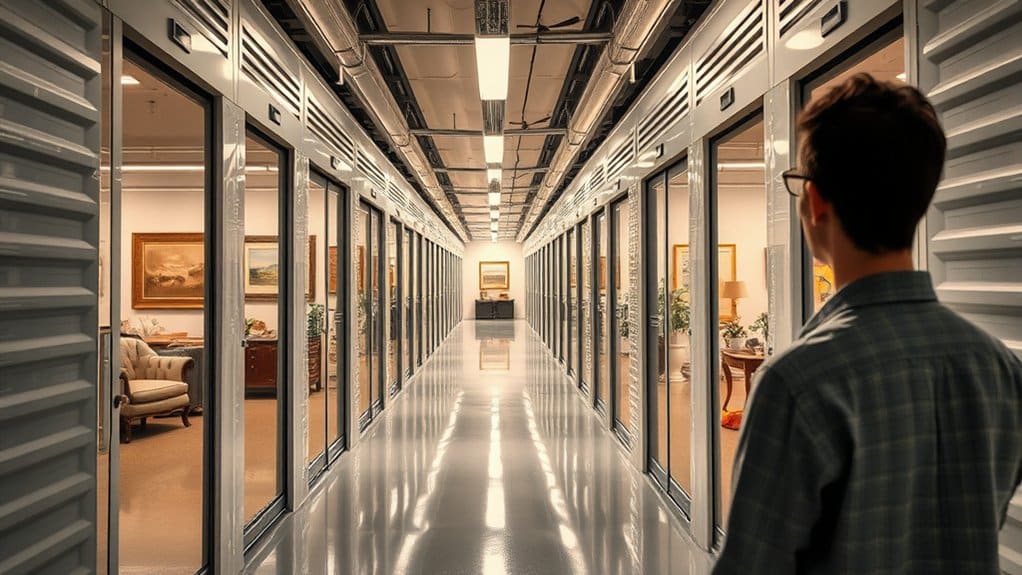
Why consider climate-controlled storage? While rental rates are 25-50% higher than standard units, the added protection can justify the expense.
If you're storing valuable items like electronics or fine furniture, the advantages—such as safeguarding against extreme temperatures and humidity—far outweigh the extra cost. Damage to these sensitive items can lead to even bigger financial losses.
In regions with changing weather, climate-controlled units tend to have high occupancy rates, demonstrating their popularity.
Ultimately, investing in climate-controlled storage not only protects your belongings but also provides peace of mind, ensuring your items stay in excellent condition.
Building and Maintaining Climate-Controlled Facilities
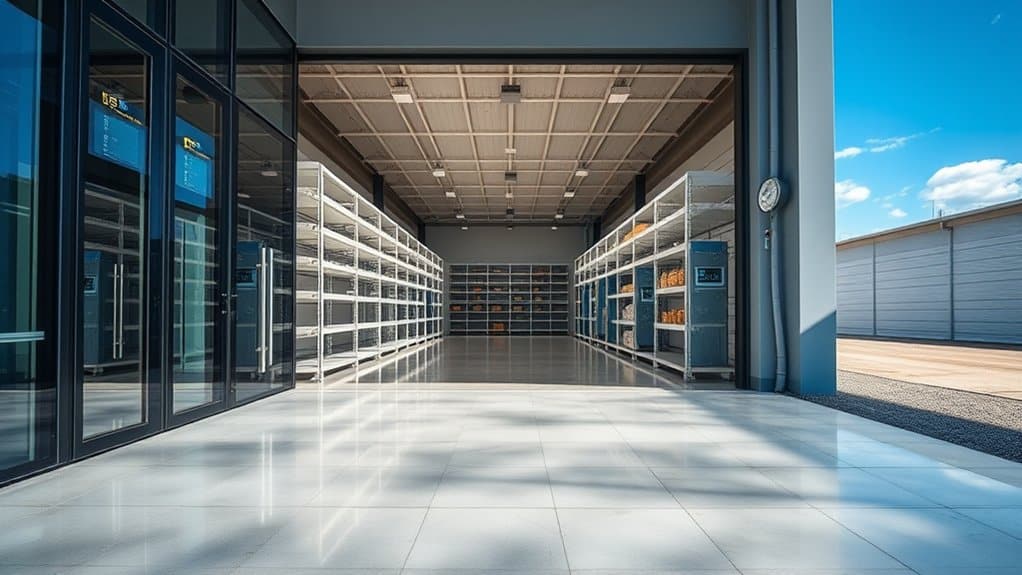
When constructing climate-controlled facilities, it's vital to consider various cost factors that can significantly affect your budget.
Energy efficiency plays a crucial role; investing in modern HVAC systems can lower long-term operational costs while maintaining optimal conditions for your units.
It's important to weigh these expenses against potential rental income to maximise your investment effectively.
For instance, while a higher upfront cost for an energy-efficient system may seem daunting, the savings on energy bills over time can make a substantial difference to your bottom line.
Construction Cost Factors
Building climate-controlled storage facilities involves several cost factors that can significantly impact your overall investment.
Being aware of these factors helps you make informed decisions. Here are three key aspects to consider:
1. Construction Material Prices: The cost of materials, such as steel, can vary, which may affect your budget significantly.
For instance, if steel prices rise due to market demand, your construction costs could increase.
2. Labour Costs: Labour expenses differ depending on local demand and agreements with trade unions, which can influence the total construction cost.
For example, a high demand for skilled labour in your area may lead to higher wages.
3. Land Prices: The cost of land in urban areas is typically higher, making the location a crucial factor in your planning process.
For example, securing land in a city centre could be considerably more expensive than in a rural setting.
Energy Efficiency Considerations
As energy prices continue to rise, understanding energy efficiency in climate-controlled storage facilities is vital for maximising operational savings and sustainability.
By adopting strategies like advanced insulation and high-efficiency heating, ventilation, and air conditioning (HVAC) systems, you can significantly reduce energy consumption while ensuring optimal climate control.
Using sustainable technologies, such as energy recovery ventilation and smart control systems, not only boosts efficiency but may also make you eligible for beneficial tax incentives.
Regular maintenance of these systems enhances their lifespan and performance.
Ultimately, investing in energy-efficient solutions can lower your operational costs, decrease your carbon footprint, and attract environmentally conscious customers, making your facility more appealing and profitable over time.
Market Trends and Future Outlook for Climate-Controlled Storage
As urbanisation continues and consumer spending rises, the demand for climate-controlled storage is set to increase significantly.
With many people downsizing their homes and e-commerce flourishing, the need for secure, temperature-regulated spaces is clear.
Here are three key trends influencing this market:
- Technological advancements: Innovations such as automation are streamlining operations and improving efficiency.
- Diverse offerings: Storage facilities are expanding their temperature ranges to cater to sensitive items, reflecting changing consumer preferences.
- Sustainability focus: Environmentally friendly practices are becoming essential in facility operations.
These trends underscore the impact of urbanisation and the shift towards protecting valuable belongings.
Investing in climate-controlled storage isn't just about having space; it's about preserving what matters most to you.
Frequently Asked Questions
Can I Store Food in Climate-Controlled Units?
You can definitely store food in climate-controlled units. Following the right storage guidelines helps preserve food and prevents spoilage. This ensures your perishable items stay fresh, supporting your cooking and reducing waste. For example, keeping fruits and vegetables in such units can extend their shelf life significantly.
Are Climate-Controlled Units Available Year-Round?
Did you know that climate-controlled units maintain temperatures between 10°C and 27°C? These facilities are available all year round, providing consistent temperature regulation. This means you can store your valuable belongings, like antiques or electronics, without worrying about damage from seasonal changes.
How Do I Choose the Right Unit Size?
To choose the right unit size, first evaluate your space needs and the types of items you have. Measure your belongings and consider the dimensions of the storage units available. This helps ensure you select a unit that fits your items snugly, preventing clutter and allowing for easy access. For example, if you're storing furniture, a larger unit may be necessary, whereas boxes and smaller items might fit well in a compact space.
What Security Features Should I Look For?
When choosing security features, think of it as selecting a stronghold for your valuables. Look for solid security measures such as CCTV and alarm systems to ensure your possessions are protected around the clock.
Can I Access My Items Anytime?
You can't access your items at any time; most facilities have specific opening hours. It's important to know these hours for smooth item retrieval. For example, if you need to collect something after work, ensure the facility is open during that time. Always check each facility's policies to ensure they fit your storage needs and schedule.
Conclusion
In the end, choosing climate-controlled storage is more than just convenient; it's an investment in protecting your belongings. Although it may seem expensive, consider it a safeguard against the unpredictable British weather. By comparing the costs with potential damage from humidity or temperature fluctuations, you'll see that this storage option offers real value in peace of mind and preservation. It's a sensible choice for anyone looking to keep their items safe.