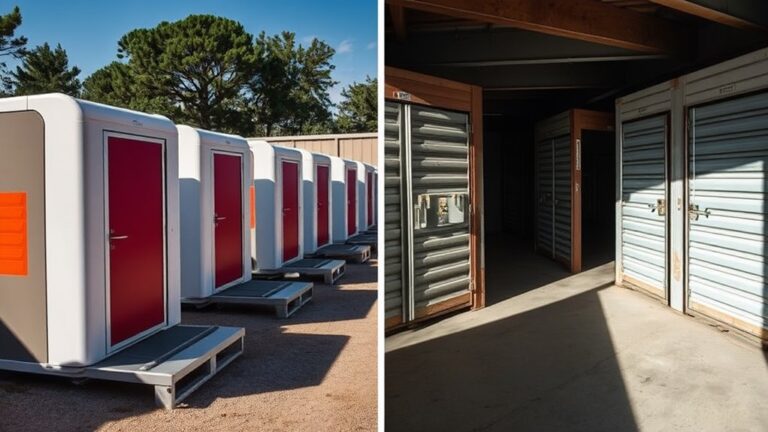

When selecting climate-controlled units for medical supplies and equipment, ensure they maintain consistent temperatures and humidity levels. Look at various options, such as cold storage solutions and modular units. It's essential to include security features like access controls and monitoring systems to protect your inventory. Also, consider the units' resistance to environmental damage and their compliance with regulatory standards. By taking these factors into account, you can effectively safeguard your valuable supplies and make informed choices about your storage solutions.
Key Takeaways
- Assess the various types of climate-controlled units, such as cold storage solutions and modular options designed for specific medical requirements.
- Ensure these units offer reliable temperature and humidity control to maintain the effectiveness of medications and protect delicate medical supplies.
- Prioritise security features like access control and surveillance to prevent theft and unauthorised access.
- Verify compliance with industry regulations and standards to satisfy legal obligations for storing medical supplies.
- Evaluate service flexibility, including lease terms and access hours, to adapt to changing operational needs.
Importance of Temperature and Humidity Control
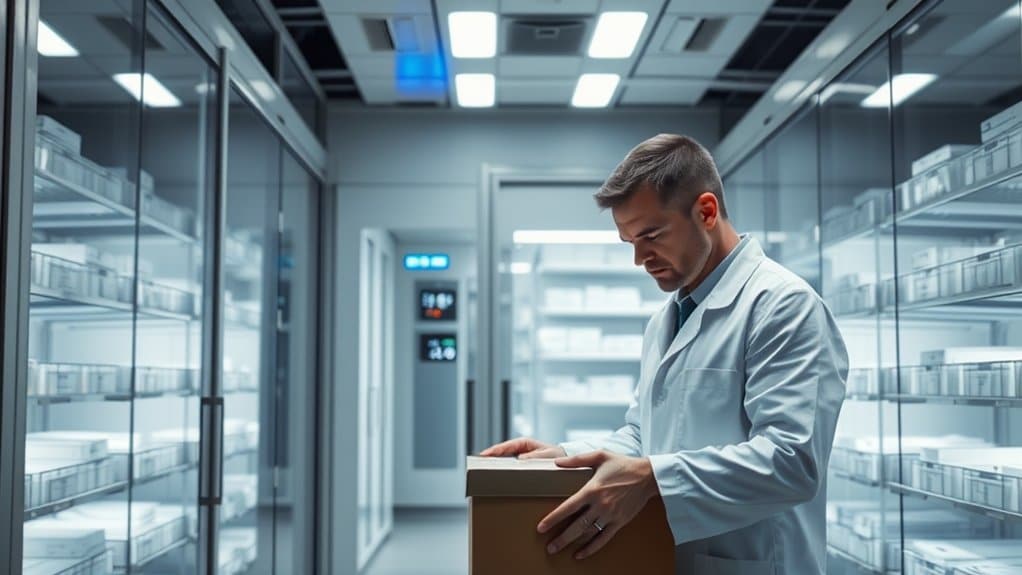
Controlling temperature and humidity is crucial for maintaining a safe and effective medical environment. Proper temperature regulation not only enhances patient comfort but also ensures that medications remain effective, as they need to be stored within specific temperature ranges. Additionally, environmental monitoring can help prevent loss and protect contents from temperature fluctuations or humidity issues.
Equipment longevity depends on stable conditions; for instance, MRI machines perform optimally only in controlled climates.
Humidity control is equally important, as it helps preserve materials, prevents mould growth, and reduces airborne contaminants. By managing humidity, you can minimise static electricity and maintain sterilisation standards, which in turn lowers the risk of infections.
Ultimately, effective climate control safeguards patient safety and equipment integrity, helping to prevent economic losses from spoilage and equipment failure.
Advantages of Climate-Controlled Storage for Medical Supplies

Climate-controlled storage provides significant benefits for managing medical supplies. By ensuring stable temperatures, sensitive pharmaceuticals remain effective, preventing any loss of potency.
Proper humidity control is crucial for protecting items that are vulnerable to moisture damage. Maintaining sterile conditions significantly reduces the risk of contamination, safeguarding patient safety and ensuring compliance with regulations. Furthermore, reliable medication efficacy directly contributes to patient safety, reducing the risk of administering compromised medications.
Moreover, well-organised climate-controlled environments allow for quicker access to supplies, enhancing operational efficiency during urgent situations. This approach not only prolongs the lifespan of medical equipment but also reduces costs related to inventory turnover, enabling healthcare providers to concentrate on delivering outstanding patient care.
Types of Climate-Controlled Units Available

Understanding the different types of climate-controlled units is essential for effective storage, particularly for sensitive medical supplies. Here are the options you should consider:
- Climate-Controlled Storage Units: These maintain consistent temperatures, making them suitable for pharmaceuticals. Additionally, these units typically feature temperature monitoring systems to ensure the safety of your stored items.
- Cold Storage Solutions: This category includes refrigerators and ultra-low temperature freezers, ideal for storing vaccines and stem cells.
- Specialised Storage Solutions: These provide custom options like walk-in freezers and mobile cooling units tailored to specific needs.
- Modular Climate-Controlled Units: These flexible units can be adapted as your requirements change. Additionally, secure storage with perimeter fencing is often implemented in facilities that offer these specialized units, enhancing the safety of your stored medical supplies.
Each type includes temperature monitoring systems, ensuring your medical supplies stay safe and effective, giving you confidence in your storage choices.
Security Features for Protecting Medical Supplies

Choosing the right climate-controlled unit is just one aspect; ensuring the security of the medical supplies inside is equally crucial.
Conduct thorough security assessments to pinpoint vulnerabilities and implement effective access control measures. Use biometric verification and keycard systems to restrict entry to authorised personnel, ensuring compliance with access protocols.
Video surveillance and motion detectors improve monitoring, while alarm systems notify you of unauthorised access or environmental changes.
Reinforced storage rooms and secure cabinet doors protect against theft and damage. Incorporate inventory management systems with barcode and RFID technology for accurate tracking of supplies. Additionally, integrating advanced security features can further enhance protection by deterring break-ins and ensuring comprehensive monitoring.
Environmental Resistance and Durability of Storage Units

When choosing climate-controlled storage units, consider their environmental resistance features to safeguard your belongings from weather damage. It's also vital to implement pest prevention measures, as infestations can ruin stored items. Sturdy construction materials are essential for durability, helping your storage units endure external challenges while maintaining optimal conditions. Additionally, ensuring proper identification and labeling of stored items can enhance safety and compliance within the storage environment.
Weather Resistance Features
When assessing climate-controlled storage units, it's important to consider their weather resistance features, which significantly enhance the durability of your stored items.
A suitable unit can protect your medical supplies from the effects of varying weather conditions, ensuring their integrity.
- Weatherproofing: Protects against rain, snow, and hail.
- UV Protection: Shields against damage from direct sunlight.
- Flood Protection: Elevated designs help prevent water damage.
- Wind Resistance: Robust construction can withstand strong winds during storms.
These features ensure that your valuable medical equipment remains safe and functional, no matter the weather.
Choosing the right storage unit means you're not just storing items; you're ensuring health and well-being.
Pest Prevention Measures
Ensuring your climate-controlled storage unit has effective pest prevention measures is essential for protecting your medical supplies and equipment.
Regular pest inspections help you catch any potential infestations early on. Consistent checks and good sanitation practices significantly lower the risk of pests.
Well-designed storage facilities use weather stripping and sealants to close off entry points, while climate control systems create an environment that deters pests.
Working with professional pest control services ensures prompt management and effective solutions. Regular maintenance also prevents moisture build-up, which further discourages pests.
Robust Material Construction
Effective pest prevention measures highlight the significance of robust material construction in climate-controlled units.
It's essential to ensure these units adhere to high construction standards, focusing on durable materials to safeguard your medical supplies.
- Insulation materials such as fiberglass reduce heat transfer.
- Sturdy walls made from metal or wood guarantee structural strength.
- Moisture-resistant coatings help guard against humidity.
- Fire-resistant materials improve safety.
Opting for climate-controlled units with these features not only protects your equipment but also maintains optimal conditions.
By prioritising robust material construction, you can shield your supplies from external threats, ensuring their longevity and reliability when it matters most.
This provides peace of mind, knowing your valuable items are stored securely.
Factors to Consider When Choosing a Storage Provider

When selecting a storage provider, it's important to evaluate their flexibility to ensure they can meet your changing requirements.
Look for clear pricing structures to prevent unexpected charges and to help you manage your budget effectively.
Also, check if the provider offers support for compliance and regulations, especially for the safe storage of medical supplies and equipment.
Service Flexibility Options
When selecting a storage provider, it's essential to assess various service flexibility options that match your specific requirements.
You need a solution that can adapt to your business's changing needs while ensuring your medical supplies remain safe and easily accessible.
Here are some key factors to consider:
- Flexible Lease Terms: Opt for either short-term or long-term agreements based on your needs.
- Inventory Access: Look for facilities that provide extended or 24/7 access to your stock.
- Tailored Storage Solutions: Ensure options like climate-controlled units are available for sensitive items.
- Packaging and Delivery Services: Choose providers that can manage deliveries on your behalf.
Cost Transparency Practices
Understanding the costs associated with storage services is crucial, just as assessing their flexibility. Look for providers that offer a transparent cost breakdown, so you can easily distinguish between climate-controlled units and standard options.
Financial clarity is essential; ensure you have access to detailed billing information and usage metrics to optimise your storage efficiency. Tracking expenses by facility or department helps clarify your budget allocations.
Use automated tools to generate cost reports and forecasts for real-time monitoring. Regular audits and clear cost oversight policies foster accountability.
Compliance and Regulatory Support
Given the critical nature of medical supplies, ensuring compliance and regulatory support is vital when selecting a storage provider. It's important to confirm that the facility meets legal requirements and industry standards, such as:
- Keeping up with the latest regulatory updates from organisations like the MHRA
- Maintaining thorough documentation for compliance audits
- Holding insurance policies to protect your valuable assets
- Being prepared for inspections and audits
Choosing a provider that prioritises compliance helps ensure the safety and effectiveness of your medical supplies.
Look for facilities that uphold stringent cleanliness protocols, have climate control, and utilise proper tracking systems. This attention to detail safeguards your equipment and helps you meet regulatory standards, allowing for smooth operations and peace of mind.
Cost-Effectiveness of Climate-Controlled Storage Solutions

Investing in climate-controlled storage can significantly improve your operational efficiency and save you money in the long run. While the upfront costs may seem high, a thorough investment analysis often shows considerable savings over time.
By protecting your medical supplies from environmental damage, you minimise replacement costs and ensure that your stock retains its value.
These storage solutions also streamline inventory management, reducing waste and ensuring timely usage. Furthermore, they safeguard your equipment from temperature-related damage, which can lower downtime and boost productivity.
Although ongoing operational costs might be higher, the benefits of reduced contamination risk and increased durability make climate-controlled storage a wise choice.
In the end, this investment enhances the reliability and effectiveness of your supply chain.
Compliance With Regulatory Standards in Medical Supply Storage
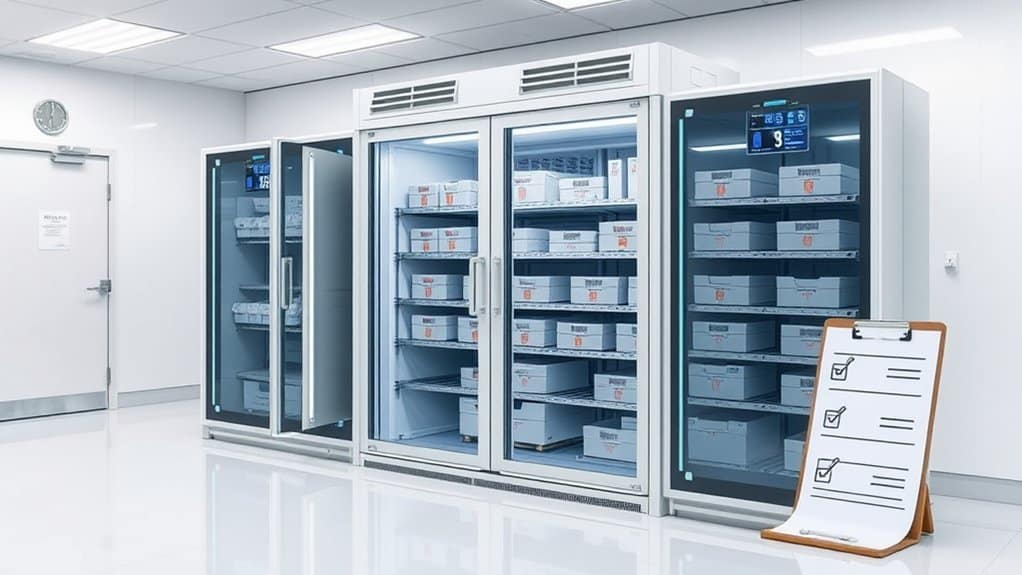
Compliance with regulatory standards in medical supply storage is crucial for legal compliance, patient safety, and operational efficiency.
To tackle regulatory challenges effectively, consider the following strategies:
- Follow guidelines from organisations such as the MHRA and NHS.
- Ensure sterile supply areas are clean and well-ventilated.
- Maintain strict temperature and humidity controls to prevent degradation of supplies.
- Conduct regular audits of inventory management practices to ensure compliance.
Frequently Asked Questions
How Often Should I Check the Temperature and Humidity in Storage Units?
It's essential to continuously monitor temperature and humidity in your storage units. Regular checks help ensure that conditions remain stable, protecting your sensitive items from damage. For example, if you're storing items like wooden furniture or electronics, fluctuations in temperature and humidity can lead to warping or malfunction. Keeping an eye on these factors enhances the reliability and security of your stored belongings.
Can I Customize the Size of the Climate-Controlled Unit?
You can indeed customise the size of your climate-controlled unit. Just like a well-fitted suit, these units offer design flexibility and bespoke sizing options, allowing you to create a solution that perfectly meets your specific requirements.
What Happens During a Power Outage for Climate-Controlled Units?
During a power outage, temperature fluctuations can occur, which may lead to potential damage to equipment. Backup systems, such as generators, are activated, but once power is restored, it's essential to monitor conditions closely to prevent further problems and ensure stability. For instance, if you're storing sensitive items like wine or medication, keep an eye on the temperature to avoid spoilage.
Are There Specific Certifications for Climate-Controlled Storage Providers?
Yes, there are specific certification standards for climate-controlled storage providers in the UK. These standards ensure compliance with storage regulations, which are crucial for managing temperature, humidity, and security. This is particularly important for protecting sensitive items like medical supplies and equipment.
How Do I Transport Medical Supplies to and From These Units?
Transporting medical supplies requires careful planning and adherence to safety protocols. Think of it like a tightrope walker; balance is key. Choose reliable transport methods, such as dedicated medical couriers or temperature-controlled vehicles, to ensure supplies reach their destination safely.
For example, if you're delivering vaccines, using a vehicle with proper refrigeration is essential to maintain their efficacy. Always follow strict guidelines to protect the integrity of the supplies and maintain trust in your logistics. By prioritising precision in your transport methods, you safeguard health and ensure smooth operations.
Conclusion
When storing medical supplies and equipment, opting for climate-controlled units is crucial. Research indicates that around 50% of medical products can lose effectiveness if not kept within the specified temperature range. By investing in climate-controlled storage, you protect your inventory and ensure patient safety while adhering to regulatory requirements. Choosing the right storage solution is vital for maintaining the integrity of essential medical supplies.