Comparing Standard Storage Units to Climate-Controlled Options
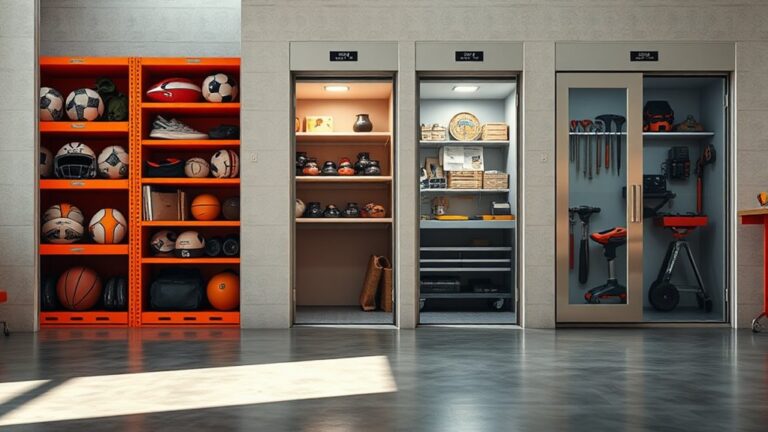
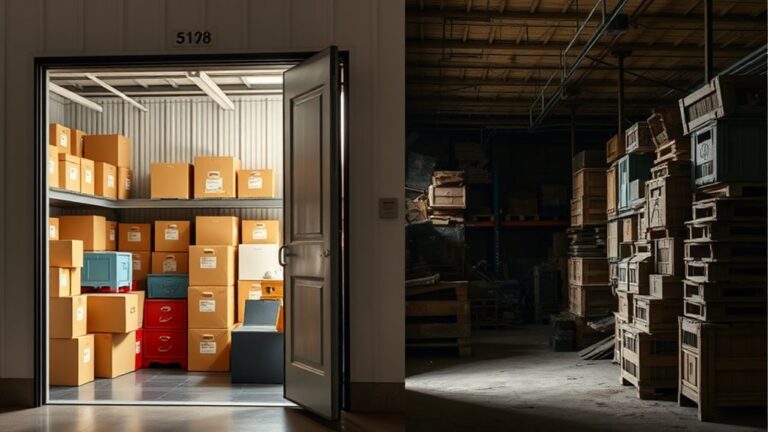
When comparing standard storage units to climate-controlled options, consider the sensitivity of your items and how long you'll be storing them. Standard units are more affordable, averaging £180 per month, while climate-controlled units cost around £190, but offer better protection. Climate control helps maintain stable humidity and temperature, which is crucial for preserving valuable items like electronics and antiques. Additionally, climate-controlled units often come with enhanced security features for added peace of mind.
If you're storing non-sensitive items for a short period, standard units may suffice. However, for long-term storage of delicate belongings, climate control is worth the investment. Take the time to assess your specific needs to make the best choice.
Key Takeaways
- Standard storage units are generally more affordable, averaging around £180 per month, while climate-controlled units typically range from £190 to £270, reflecting a 20%-50% price increase.
- Climate-controlled units maintain optimal humidity and temperature, which is vital for protecting sensitive items such as electronics and antiques.
- If you're storing valuable possessions for an extended period, climate-controlled options are advisable due to their stricter environmental controls that prevent damage over time.
- Enhanced security features in climate-controlled units, like biometric access and CCTV, provide better protection against theft and unauthorised entry.
- The consistent environment in climate-controlled storage reduces the risk of pests and mould, ensuring that your items stay in excellent condition for longer.
Cost Comparison
When choosing storage options, it's important to compare the costs of standard and climate-controlled units.
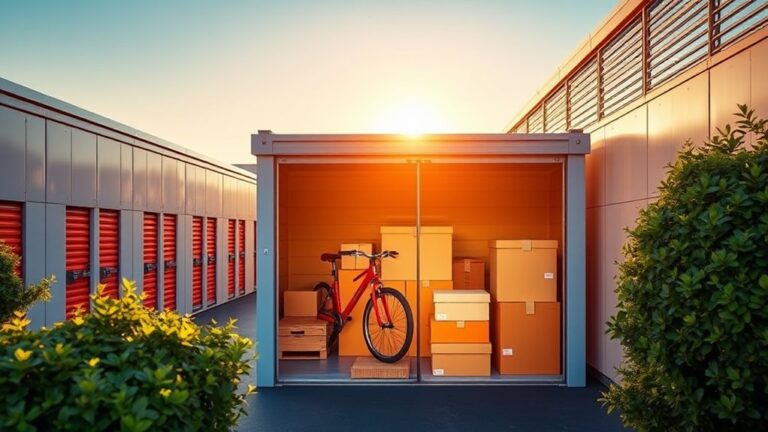
Standard storage units typically cost around £180 per month, with prices ranging from about £70 to £300 depending on demand, location, and size. They're a more budget-friendly option, ideal for short-term storage where environmental conditions aren't a major concern.
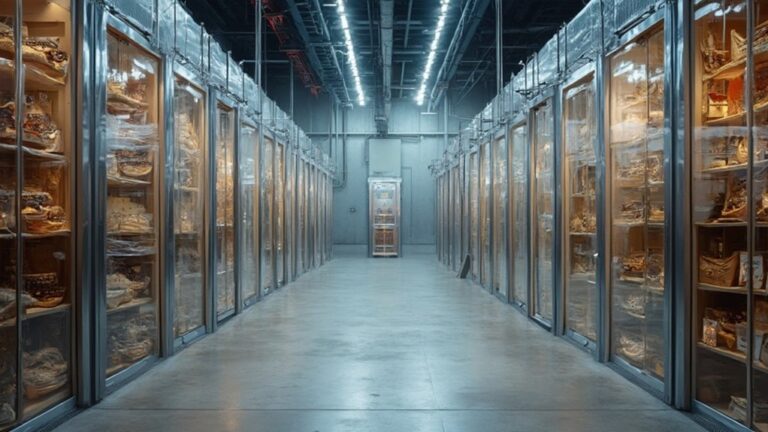
In contrast, climate-controlled storage units average £190 per month, which is just £10 more than standard units but can be 20% to 50% more expensive overall. This slight increase is worth it for the added protection against extreme temperatures and humidity, making them essential for sensitive items. Additionally, price variations can significantly impact the overall cost depending on the region and availability.
For long-term storage of valuable possessions, climate-controlled units can prevent damage from mould, mildew, and moisture, which makes them a better investment.
Ultimately, your choice will depend on the sensitivity of the items you intend to store and the duration of storage.
Finding the right balance between cost and protection is key to making the best decision for your needs.
Environmental Conditions
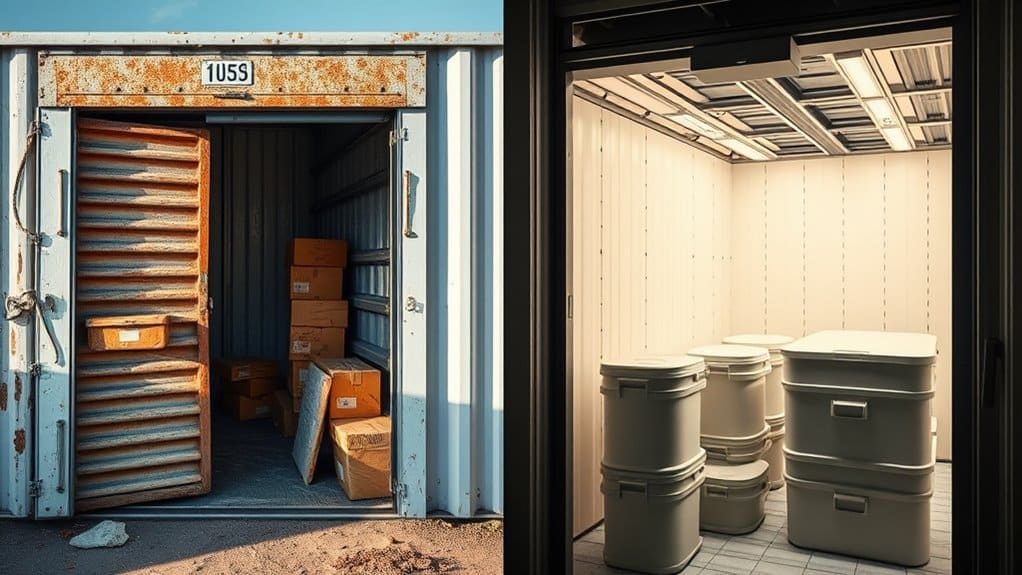
When selecting a storage unit, it's important to consider how the weather can affect your belongings. Humidity control is crucial; it not only prevents moisture damage but also reduces the risk of dust and pests that thrive in damp conditions. For instance, if you're storing wooden furniture or textiles, a controlled environment is vital to avoid warping or mould. Additionally, maintaining optimal humidity levels below 60% RH is essential for preventing damage from mold, mildew, rust, and corrosion. Choosing a unit with climate control options can further enhance the protection of your stored items. Taking these factors into account will help you choose the right storage solution for your needs.
Weather Impact on Items
Extreme weather can significantly affect the condition and lifespan of stored items. Exposure to high temperatures can cause materials like wood, plastic, and certain metals to warp and distort, resulting in permanent damage. Heat can also damage electronic devices, leading to component failure. Additionally, many people opt for climate-controlled units to safeguard their possessions from such temperature extremes.
Conversely, cold temperatures can make materials brittle, jeopardising the structural integrity of metal tools and machinery. Temperature-sensitive items, such as medications, may lose their effectiveness, while perishables are at risk of spoiling. High humidity levels can also encourage the growth of mold and mildew, further compromising the condition of stored goods.
Musical instruments and wooden furniture are particularly vulnerable to warping or cracking in harsh conditions. Therefore, it's crucial to consider these risks when selecting storage options. For long-term storage or across different seasons, climate-controlled storage is essential to protect your belongings from the negative effects of temperature fluctuations. Even high-value items should be stored in climate-controlled environments, regardless of the duration.
Humidity Control Benefits
Humidity control is essential for preserving items in storage, particularly in areas with fluctuating moisture levels. Keeping humidity between 50-55% can significantly minimise the risk of damage caused by dampness.
Using commercial-grade dehumidifiers, facilities can effectively manage moisture levels, protecting sensitive items like electronics, antiques, and artwork from mould, mildew, and deterioration.
In regions with high humidity or drastic temperature changes, the importance of moisture management becomes even clearer. For example, wooden furniture can warp or crack when exposed to excessive moisture, while leather and fabric items are susceptible to mould.
Electronics can also suffer from rust in their connections, leading to operational issues over time.
Humidity-controlled storage units maintain optimal conditions, typically between 13-27°C (55-80°F), to further protect your valuables. Regular inspections and proper packaging are also crucial for preserving your items. Additionally, climate-controlled environments offer excellent protection for valuables, ensuring longevity and reducing the risk of damage.
Dust and Pest Risks
Dust and pests can seriously damage items stored in both standard and climate-controlled units. In standard storage units, high temperatures and poor ventilation lead to dust build-up, which can harm your belongings over time. Dust settles on items, causing deterioration.
Climate-controlled units, on the other hand, use regulated air circulation and filtration to reduce dust exposure, providing better protection for your valuables.
Pest risks are particularly high in standard units due to their exposure to the outdoors. Pests can easily enter through cracks and gaps, which can jeopardise the condition of your stored items.
Climate-controlled units maintain stable temperatures and humidity levels that discourage pests, and they often have security measures to keep them out.
To prevent dust and pests, regular inspections and cleaning are crucial for both types of units. Sealing any gaps and using airtight containers can also provide an extra layer of protection.
Ultimately, choosing a climate-controlled storage unit reduces dust and pest risks, giving you peace of mind that your belongings are safe from environmental threats.
Security Features
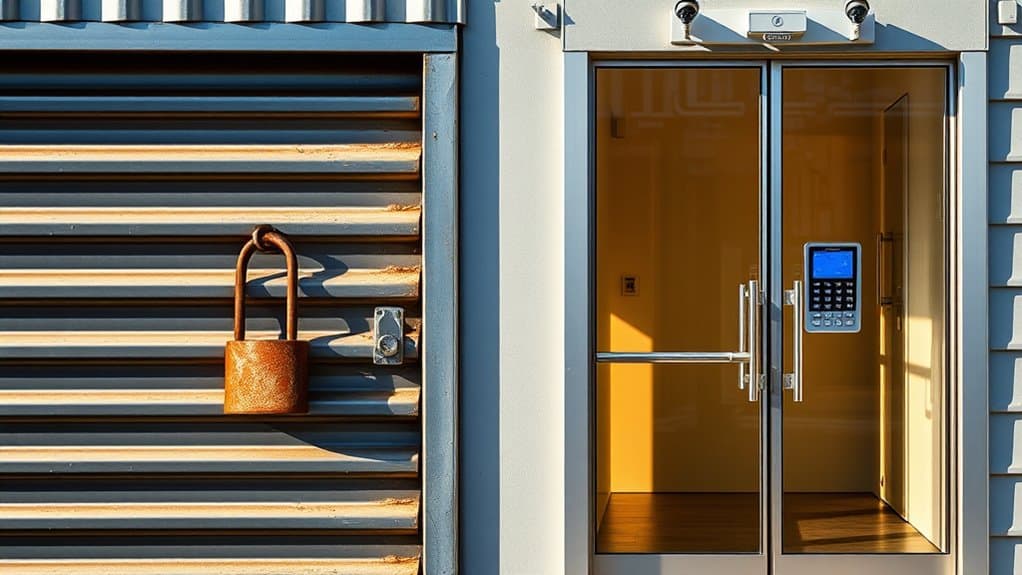
When assessing storage units, security features are crucial for keeping your belongings safe. Standard storage units generally offer basic access management, such as electronic gates with unique PIN codes or traditional keys.
However, they often lack advanced security technologies, leading to fewer surveillance cameras and limited monitoring.
On the other hand, climate-controlled units usually come with enhanced security measures. These often include sophisticated electronic gate systems, biometric access, and comprehensive CCTV coverage for both indoor and outdoor areas.
This heightened surveillance not only deters potential intruders but also assists in investigating incidents if they arise.
Physical security also varies significantly. Standard units might only have basic locks and alarms, whereas climate-controlled units typically feature individually alarmed units and superior locks.
Additionally, these facilities are often located within more secure buildings that are monitored regularly.
Ultimately, when deciding between standard and climate-controlled storage, it's important to consider how each option's security features meet your requirements for access management and protection against unauthorised access.
Your belongings deserve the best security available.
Ideal Use Cases
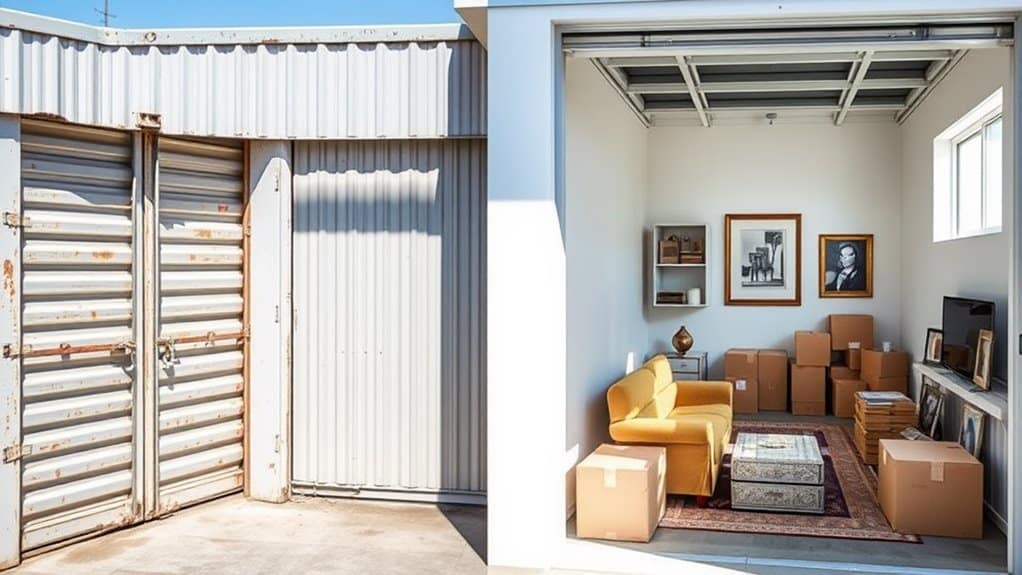
When considering storage options, it's crucial to find the right unit to suit your needs. Standard storage units are perfect for short-term situations, such as moving, renovating, or staging your home. They're ideal for robust items like furniture or seasonal decorations that aren't sensitive to temperature changes.
For business owners with non-sensitive inventory, these units provide a cost-effective way to store office furniture or stock, with convenient drive-up access.
Conversely, if you have delicate items like electronics, antiques, or important documents, climate-controlled storage is the better choice. This option maintains specific temperature and humidity levels, protecting your valuable possessions.
Businesses with sensitive inventory also benefit from these units, ensuring a stable environment for their goods.
Ultimately, the decision between standard and climate-controlled storage depends on your specific requirements. If your items can handle temperature fluctuations, standard units offer flexibility and affordability.
However, for those with sensitive items or particular business needs, investing in climate-controlled storage is essential for long-term protection and peace of mind.
Long-Term Storage Considerations
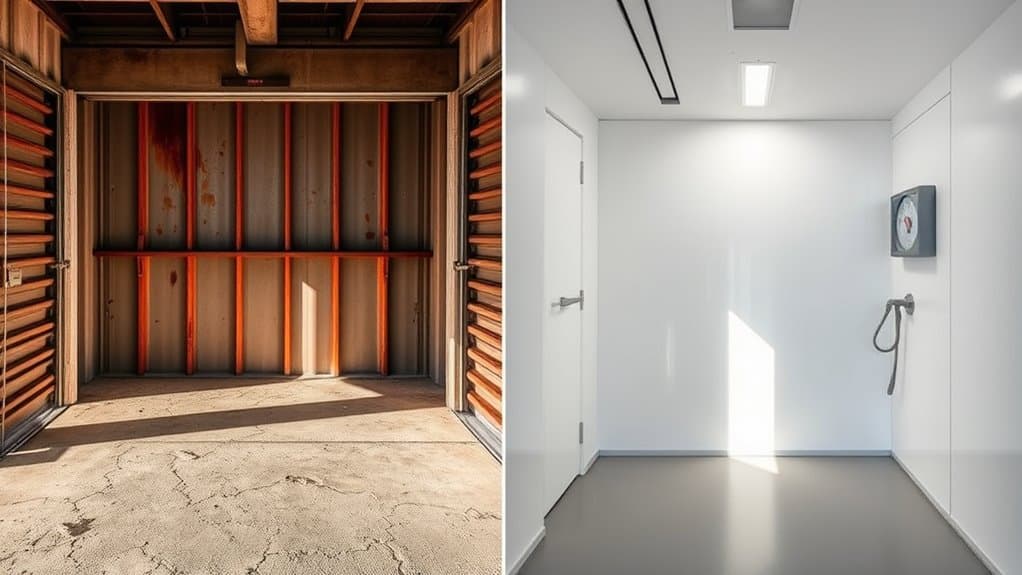
When it comes to long-term storage, environmental stability is crucial for preserving your belongings.
It's important to consider how climate factors might affect your items. For instance, wooden furniture can warp in humid conditions, while metal items may rust if exposed to moisture.
Selecting the right storage solution can significantly influence the lifespan of your possessions, so it's vital to understand these considerations.
Environmental Stability Importance
Maintaining environmental stability is crucial for preserving the quality of products during long-term storage. Temperature fluctuations and humidity levels can significantly impact items, leading to irreversible damage if conditions aren't controlled.
Key factors to consider include:
- Temperature Control: Keeping temperatures around 25°C ± 2°C helps prevent chemical and physical degradation.
- Humidity Control: Maintaining humidity at 60% RH ± 5% RH reduces the risk of mould, mildew, and damage to moisture-sensitive items.
- Storage Duration: Longer storage periods require stricter environmental controls to ensure product stability.
Utilising climate-controlled storage options helps mitigate risks associated with extreme temperatures and changing humidity levels. This is especially important for sensitive items such as electronics, antiques, and pharmaceuticals, which often have specific regulatory requirements.
Prioritising environmental stability not only protects your investments but also ensures their effectiveness and safety over time. Therefore, investing in climate-controlled storage is a wise move to prevent potential degradation during extended storage.
Item Protection Needs
Protecting your items during long-term storage is all about understanding their specific needs. If you're storing valuable or irreplaceable items, climate-controlled storage is a must. This type of storage keeps a consistent temperature and controls humidity, which is crucial for electronics, wooden furniture, and delicate textiles. Sudden changes in temperature or humidity can cause significant damage.
Consider the nature of the items you're storing. For example, musical instruments and important documents need protection from moisture and extreme temperatures.
Also, your geographical location matters; areas with severe weather should use climate-controlled units to prevent deterioration.
Using the right packing materials is essential for safeguarding your belongings. Opt for sturdy boxes and protective padding to reduce the risk of damage during transport and storage. Elevate boxes off the floor to guard against moisture and pests, and label everything for easy access.
Lastly, ensure you have comprehensive insurance for your stored items. By keeping these considerations in mind, you can effectively protect your valuables during long-term storage, ensuring they remain in great condition for years to come.
Accessibility Factors
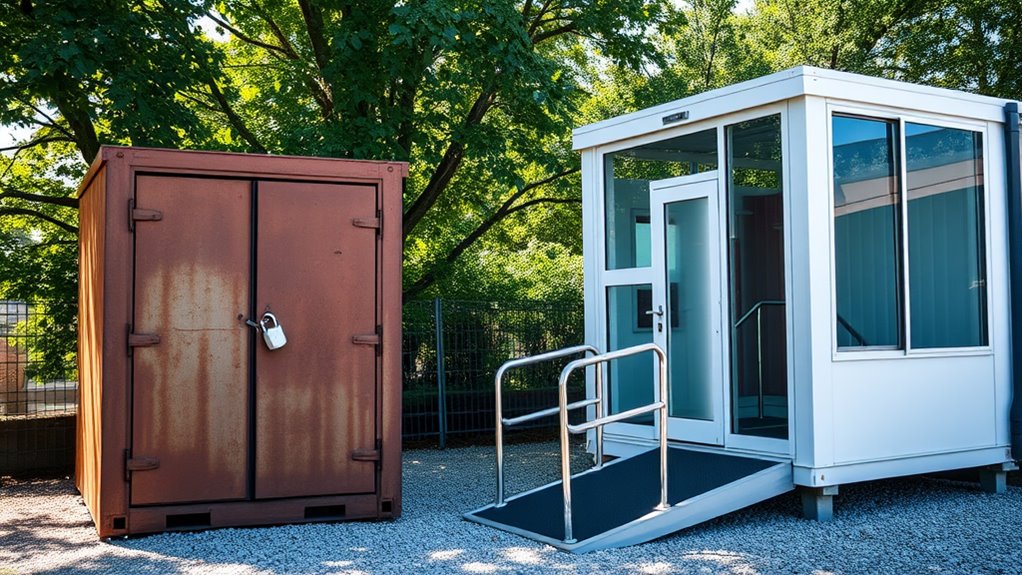
Accessibility factors are crucial for the usability of storage units, especially for individuals with disabilities. When assessing storage options, keep these key elements in mind:
- Wheelchair Access: Units should have ramps and roll-up doors for easy entry, complying with UK accessibility standards.
- Signage Requirements: Clear, legible signage, including braille, is essential for directing users to accessible units and facilities.
- Entrance Modifications: Accessible entrances must be well-lit and fitted with doors that are easy to operate, with handles positioned between 15 and 48 inches from the ground.
These factors ensure that storage facilities are inclusive and promote independence.
A thoughtfully designed layout allows for easy movement, which is vital for wheelchair users.
Furthermore, clear signage enhances safety and usability, enabling individuals to navigate their environment confidently.
Additional Benefits
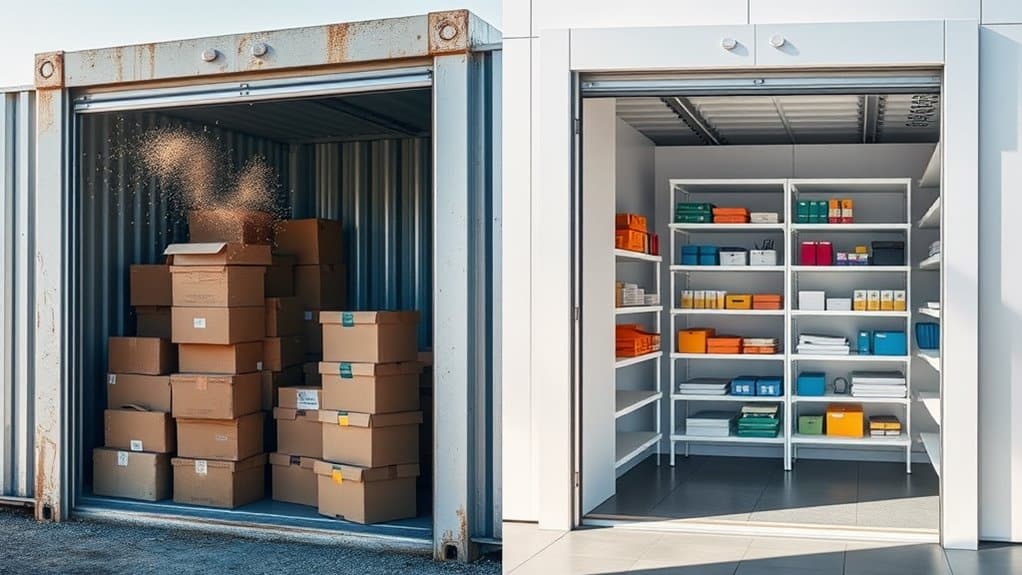
When considering storage units, it's essential to recognise the added benefits of climate-controlled options. These units protect against extreme weather by maintaining consistent temperature and humidity levels throughout the year, which is crucial for preserving sensitive items like paper, leather, and wood that can warp or crack in fluctuating conditions.
Climate-controlled storage also lowers the risk of pests and rodents, creating a cleaner environment and improving air quality. Enhanced security is another benefit; these units are usually indoors, with coded access and better lighting, reducing the likelihood of theft. With less foot traffic, your belongings remain safer.
Moreover, keeping items in climate-controlled units ensures their long-term preservation, making them ideal for antiques, fine art, and electronics. While these units may cost more, the savings from preventing damage and maintaining value often justify the investment.
Ultimately, choosing climate-controlled storage is a smart choice for anyone looking to safeguard their belongings in a secure, adaptable environment.
Frequently Asked Questions
Can I Store Vehicles in These Storage Units?
Yes, you can store vehicles in different types of storage units. Standard units work well for non-sensitive vehicles, while climate-controlled units offer better protection for sensitive materials, ensuring your vehicle stays in top condition while in storage.
What Items Are Prohibited in Storage Units?
Be aware of the items that are prohibited in storage units in the UK. This includes hazardous materials like chemicals and explosives, illegal goods, perishables such as food items, and high-value items like jewellery or important documents. Familiarising yourself with these regulations can help you avoid legal trouble and ensure a safe environment for everyone involved.
How Do I Choose the Right Size Unit?
To choose the right size unit, start by evaluating the total number of items you need to store and their size. Refer to size guidelines to determine suitable unit dimensions. It's wise to consider future storage needs and ensure there's enough space for easy access and organisation. For instance, if you're storing bulky furniture alongside boxes of smaller items, opt for a larger unit to prevent overcrowding.
Can I Access My Unit After Hours?
Generally, you cannot access your storage unit after hours with standard options. This is due to security measures in place to protect your belongings. If you need access outside of regular hours, consider facilities that offer enhanced security features. For example, some may provide 24-hour access with CCTV surveillance, ensuring your items remain safe while allowing you flexibility.
Are There Insurance Options for Stored Items?
There are several storage insurance options available for protecting your items. Named perils policies cover specific risks like theft and fire, while all-risk policies provide broader protection. Assessing the value of your stored items is key to selecting the right coverage for your needs. For instance, if you're storing valuable antiques, an all-risk policy might be the best choice to ensure comprehensive protection.
Conclusion
When it comes to storage, choosing between standard and climate-controlled units is essential. Standard units are budget-friendly, but climate-controlled options protect your belongings from fluctuating temperatures and humidity. Think of your items as fragile heirlooms that require the right environment to stay in good condition. Ultimately, the choice of storage isn't just about having space—it's about keeping your valuables safe and ensuring they remain in excellent shape over time.