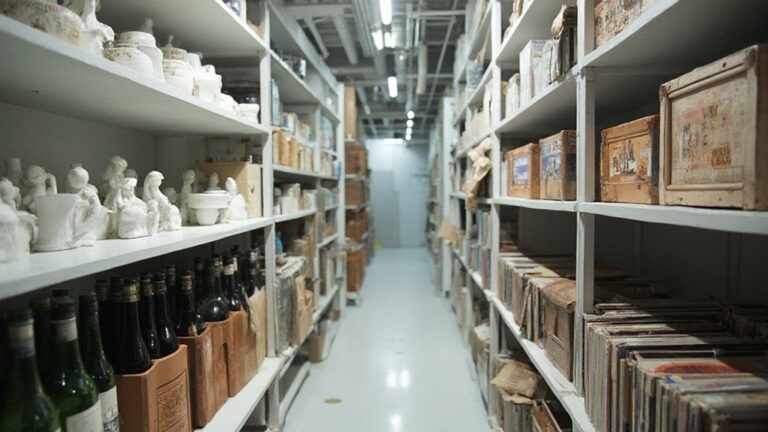
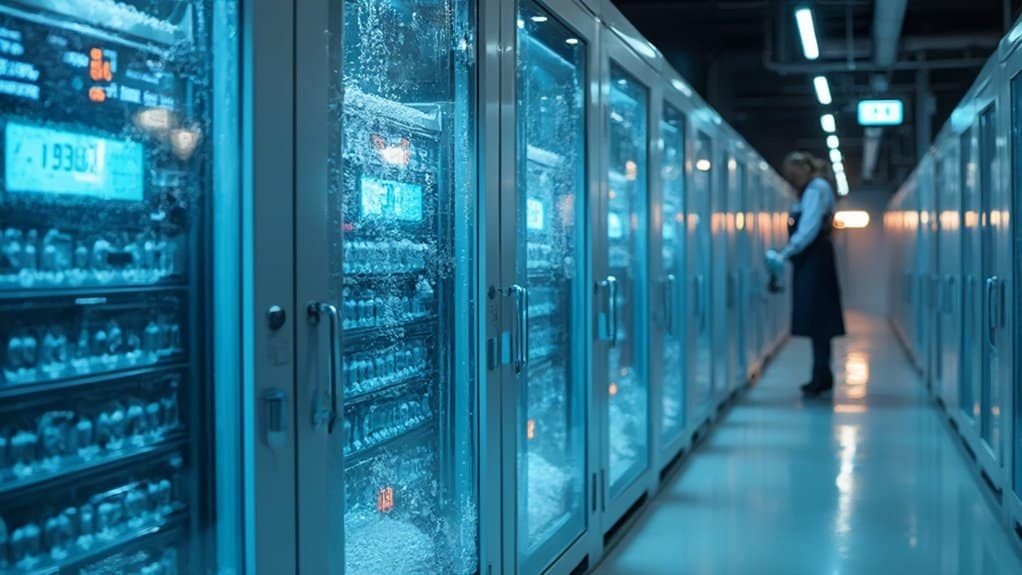
Climate-controlled storage units maintain consistent temperatures using advanced HVAC systems and effective insulation. These systems employ thermostats and temperature sensors to automatically monitor and adjust indoor conditions. Insulation materials reduce heat transfer, ensuring stable environments. Proper ventilation circulates air, helping to prevent unpleasant odours and dampness. Regular maintenance ensures these systems operate efficiently, protecting your belongings. If you're interested in the specific advantages and features of climate-controlled units, there's plenty more to learn about how they safeguard your valuable items.
Key Takeaways
Climate-controlled storage units use HVAC systems to keep temperatures between 13°C and 29°C, providing ideal conditions for your belongings. Smart thermostats and temperature sensors make automatic adjustments to ensure a stable climate.
Good insulation helps to limit heat transfer, reducing temperature changes inside the unit. Ongoing monitoring via building automation systems keeps track of both temperature and humidity levels.
Regular upkeep of the HVAC systems and insulation is crucial to maintain performance and avoid breakdowns that could compromise climate control.
Understanding Climate-Controlled Storage Units
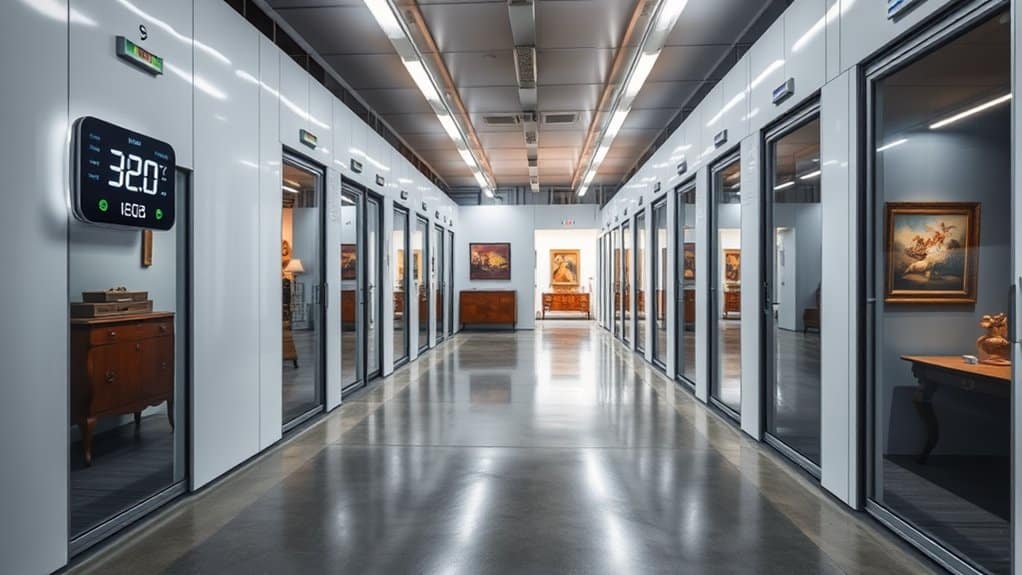
Why should you consider climate-controlled storage units?
These facilities maintain consistent temperatures and humidity levels, protecting your valuable belongings from damage. With temperatures ranging from 13°C to 29°C, they're ideal for sensitive items like artwork, electronics, and musical instruments. Climate-controlled units offer advantages over drive-up or outdoor storage units, ensuring your items remain in good condition. Unlike standard storage options, climate-controlled units guard against extreme weather, pests, and dust, ensuring your items remain in good condition. Additionally, security measures such as gated access and surveillance cameras often accompany these units, providing an added layer of protection. Although they may be pricier, the investment helps prevent issues like mould, mildew, and deterioration.
Plus, these units often come with better security features, giving you peace of mind while storing your treasured possessions. Ultimately, climate-controlled storage is about safeguarding what matters most to you.
The Role of HVAC Systems in Temperature Regulation
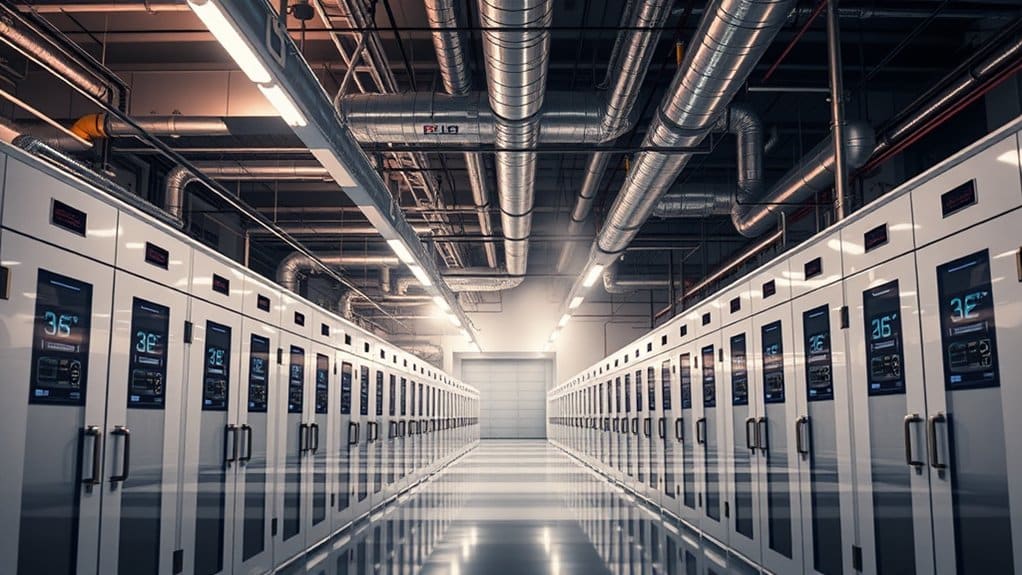
When it comes to climate-controlled storage units, HVAC systems play a crucial role in maintaining the right temperatures. These systems use various components and temperature control methods to ensure your belongings are protected from damage. Climate control enhances customer experience and energy efficiency is also key; selecting the appropriate HVAC setup can lead to significant cost savings over time while effectively regulating temperatures. For instance, a modern, well-maintained system can keep your items safe without driving up your energy bills. Additionally, climate-controlled units are particularly beneficial for protecting sensitive items such as electronics and antiques, which can be adversely affected by extreme temperature fluctuations.
HVAC System Components
HVAC systems play a crucial role in maintaining optimal temperature and humidity levels in climate-controlled storage units. The main components include the thermostat, which manages temperature by signalling the heating or cooling units, and the condensing unit, which cools the space by pressurising refrigerant.
Blower motors circulate air, while the air distribution system ensures consistent temperatures throughout the area. Regular maintenance of these HVAC system components is essential for maximizing efficiency and preventing unexpected breakdowns. Additionally, understanding the specific climate control options available can further enhance the protection of stored items.
Recent advancements in HVAC technology have improved efficiency, particularly with the introduction of smart thermostats that allow for remote management and energy optimisation. These devices offer significant benefits by enabling precise control over the climate.
Additionally, building automation systems can integrate various components, ensuring comprehensive monitoring and control, which is vital for protecting stored items. This integrated approach also promotes energy efficiency and sustainability in climate-controlled environments.
Temperature Control Mechanisms
Maintaining a stable temperature in climate-controlled storage units relies on effective temperature control mechanisms within HVAC systems. These systems utilise various strategies and techniques to create an optimal environment for your belongings.
| HVAC Mechanism | Function |
|---|---|
| Temperature Sensors | Adjust settings automatically based on conditions |
| Humidity Control | Keeps humidity levels between 30% and 50% |
| Ventilation Systems | Ensures proper air circulation to prevent unpleasant odours |
| Continuous Monitoring | Maintains a steady climate |
| Insulation Techniques | Prevents heat transfer, ensuring internal stability |
These mechanisms work together to protect your items, ensuring they remain in good condition. For example, proper humidity control is crucial for preventing mould growth on wooden furniture or documents.
Energy Efficiency Considerations
As energy efficiency becomes increasingly important in modern storage solutions, the significance of HVAC systems in controlling temperature and humidity is clear. High-efficiency HVAC systems help to lower energy consumption while ensuring optimal conditions for stored items.
With effective insulation and air circulation, these systems maintain consistent temperatures, which is crucial for reliable storage. They also manage humidity levels and prevent mould growth, protecting your belongings and reducing potential damage costs.
Investing in energy-efficient HVAC systems not only saves on energy bills in the long run but also enhances your financial flexibility.
Choosing facilities with advanced climate control supports environmental sustainability and meets the rising demand for cost-effective, efficient storage solutions.
Importance of Humidity Control
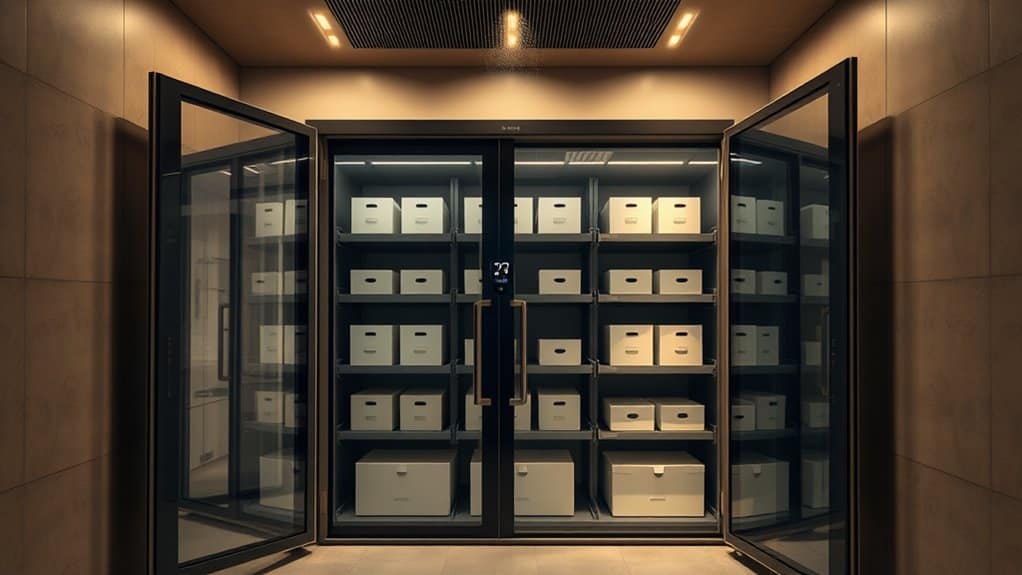
While temperature control is often the main focus in climate-controlled storage units, managing humidity is just as crucial for protecting your belongings. High humidity can cause moisture damage, leading to mould growth and the deterioration of items such as wooden furniture, electronics, and important documents.
Proper humidity regulation ensures a stable environment, safeguarding sensitive possessions like musical instruments, artwork, and antiques. Without adequate humidity monitoring, clothes can develop mildew, and leather items may suffer irreversible damage.
Many facilities use technologies like dehumidifiers and HVAC systems to maintain optimal storage conditions, especially in humid areas or during changing seasons. Ultimately, balancing temperature and humidity is vital for preserving your cherished items.
Insulation Technologies and Their Impact
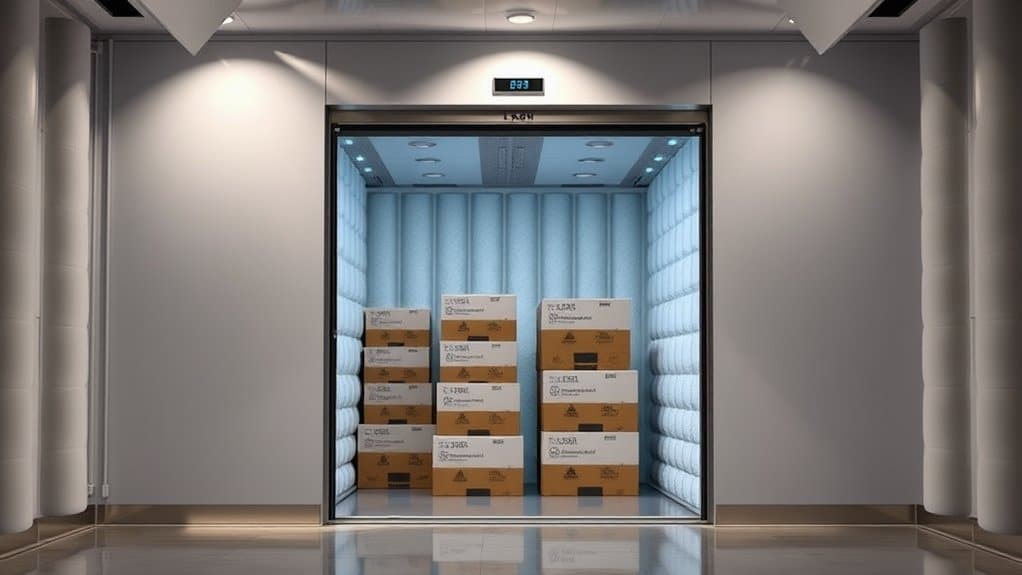
When considering insulation materials for climate-controlled storage units, it's crucial to recognise how they enhance temperature retention and energy efficiency.
Quality insulation prevents temperature fluctuations and lowers energy costs by minimising heat exchange.
For example, using foam board insulation can effectively keep stored items at a stable temperature, protecting them from damage.
Understanding these materials enables you to make better choices for optimising your storage solutions.
Role of Insulation Materials
Insulation materials are crucial for the performance of climate-controlled storage units, significantly affecting temperature stability and energy efficiency.
Using high-quality options like Insulated Concrete Forms (ICFs) and Insulated Metal Panels (IMPs) provides excellent thermal resistance, helping to maintain consistent internal conditions. These materials can reduce air infiltration by up to 60%, minimising heat exchange and keeping temperatures steady within the unit.
This airtight environment is vital for protecting your belongings from temperature fluctuations and prevents pest intrusion, which is especially important for sensitive items.
Additionally, effective insulation helps lower energy costs, promoting a more sustainable operation.
Understanding the importance of these insulation materials enables you to make informed choices for optimal climate control in your storage unit.
Temperature Retention Benefits
The effectiveness of insulation materials plays a crucial role in temperature retention within climate-controlled storage units. By using advanced insulation technologies, you can reduce temperature fluctuations and improve thermal resistance, protecting your valuable items.
Here are some key benefits of maintaining consistent temperatures:
- Extended Shelf Life: Stable conditions help prevent spoilage and degradation of perishable goods.
- Product Quality Preservation: Ideal temperatures keep sensitive items like electronics and antiques in good condition.
- Moisture and Humidity Management: Consistent temperatures regulate humidity levels, minimising the risk of moisture-related damage.
- Pest and Mould Control: A stable environment deters pests and lowers the likelihood of mould growth.
Investing in quality insulation ensures your stored items remain in excellent condition, giving you peace of mind and saving you money in the long run.
Energy Efficiency Improvements
Effective energy efficiency improvements rely on advanced insulation technologies that significantly reduce heat exchange and maintain stable indoor conditions in climate-controlled storage units.
Using energy-saving techniques like thermal insulation materials, such as fibreglass and spray foam, can substantially lower energy consumption, leading to cost savings and increased property value.
Innovations such as radiant barriers and reflective insulation further help regulate temperatures, supporting sustainability goals and compliance with local energy standards.
Additionally, choosing eco-friendly insulation materials boosts your facility's appeal and demonstrates environmental responsibility.
These measures not only create a more comfortable storage environment but also enhance long-term operational efficiency and competitiveness in the market.
Energy Efficiency in Climate-Controlled Units
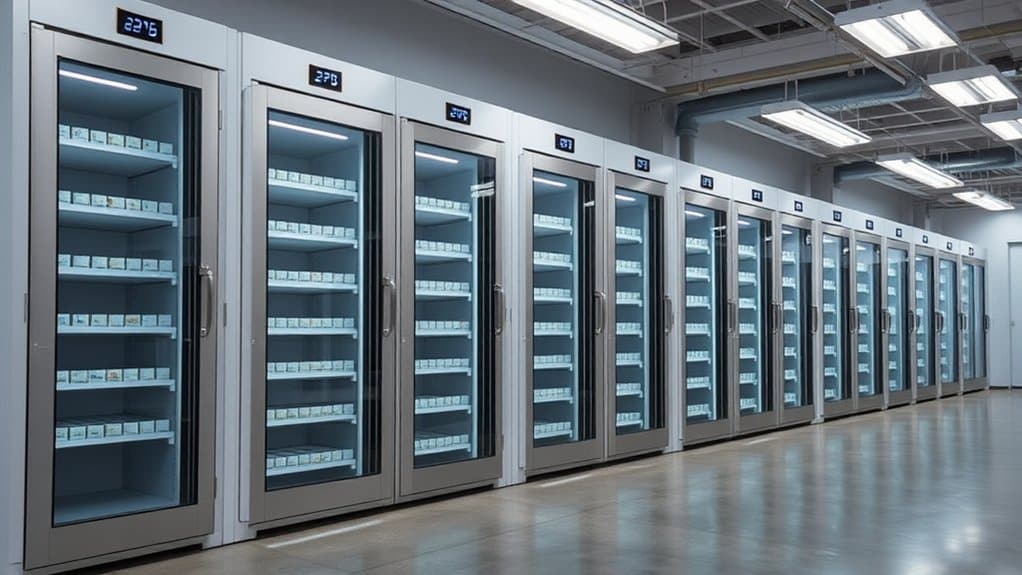
- Insulated walls reduce heat transfer, ensuring temperatures remain steady.
- Airtight construction stops air leaks, helping to maintain consistent conditions.
- Energy-efficient HVAC systems enhance climate control while cutting down energy consumption.
- Smart technologies adapt settings based on real-time sensor data.
Regular Maintenance for Optimal Performance
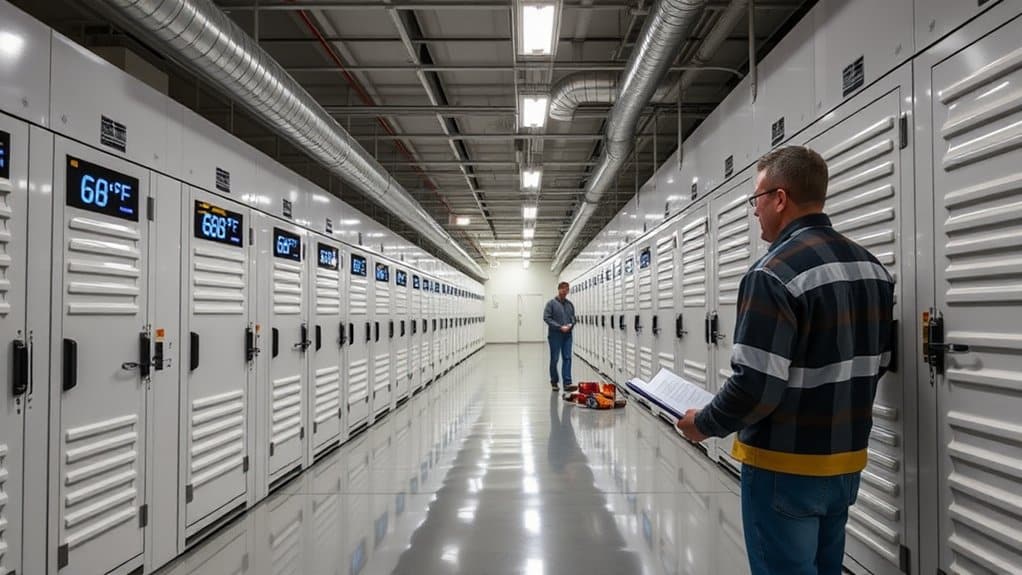
Maintaining the performance of climate-controlled storage units is crucial for safeguarding your belongings. To ensure everything runs smoothly, schedule preventative inspections of the HVAC systems at least twice a year.
Regularly checking thermostat controls is vital for keeping temperatures stable, especially for sensitive items like artwork or electronics. By catching potential issues early, you can avoid expensive repairs and maintain a consistent environment.
Remember to clean filters and check for leaks during maintenance. Humidity control is also key; keep levels below 45% to prevent mould.
Comparing Climate-Controlled and Other Storage Options
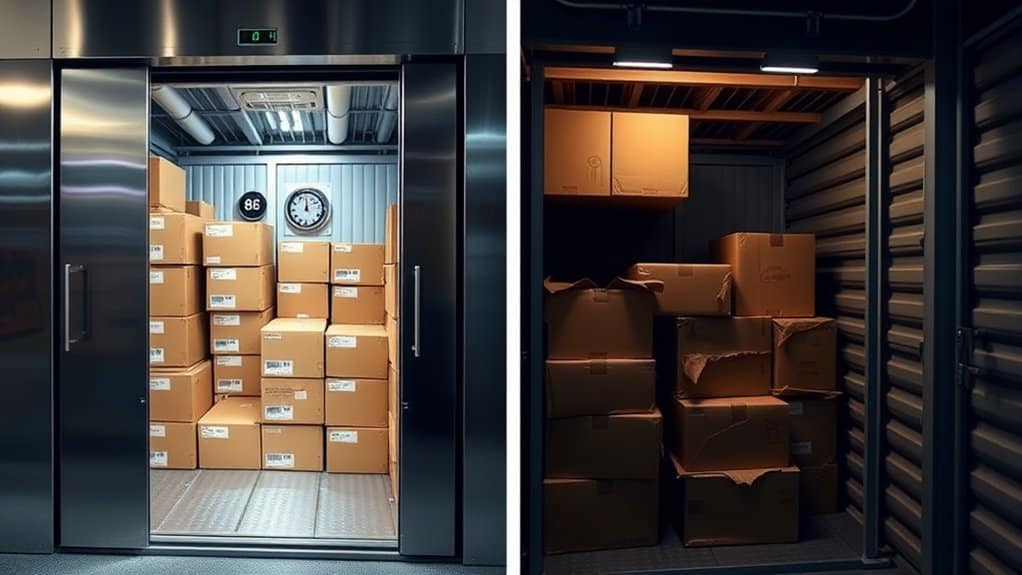
When assessing your storage needs, it's crucial to understand the differences between climate-controlled and traditional storage options. Climate-controlled units maintain consistent temperatures and humidity levels, protecting sensitive items from extreme conditions. However, they tend to be pricier and may offer limited access.
Here are some key points to consider:
- Climate-Controlled Storage: Best for delicate items like antiques, electronics, or artwork that require protection from temperature fluctuations.
- Traditional Storage: More budget-friendly, suitable for robust items such as tools, garden equipment, or seasonal decorations.
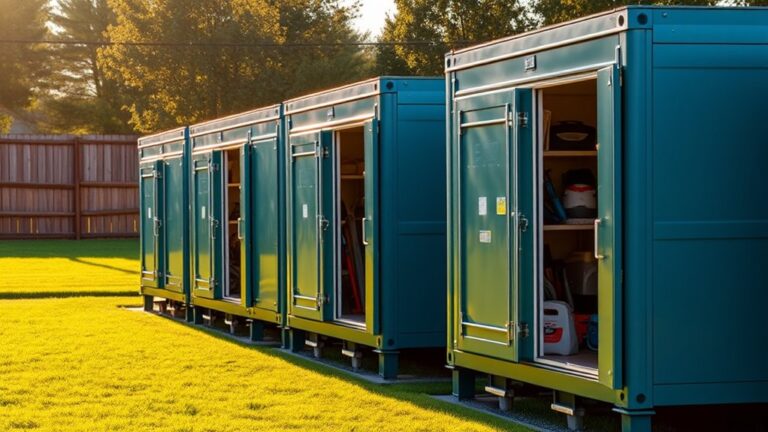
- Accessibility: Traditional units often provide easier drive-up access, making loading and unloading simpler than with indoor climate-controlled facilities.
- Security: Generally, climate-controlled units have enhanced security features, providing added peace of mind.
Ultimately, your decision will hinge on your specific storage needs and budget.
Benefits of Consistent Temperatures for Stored Items
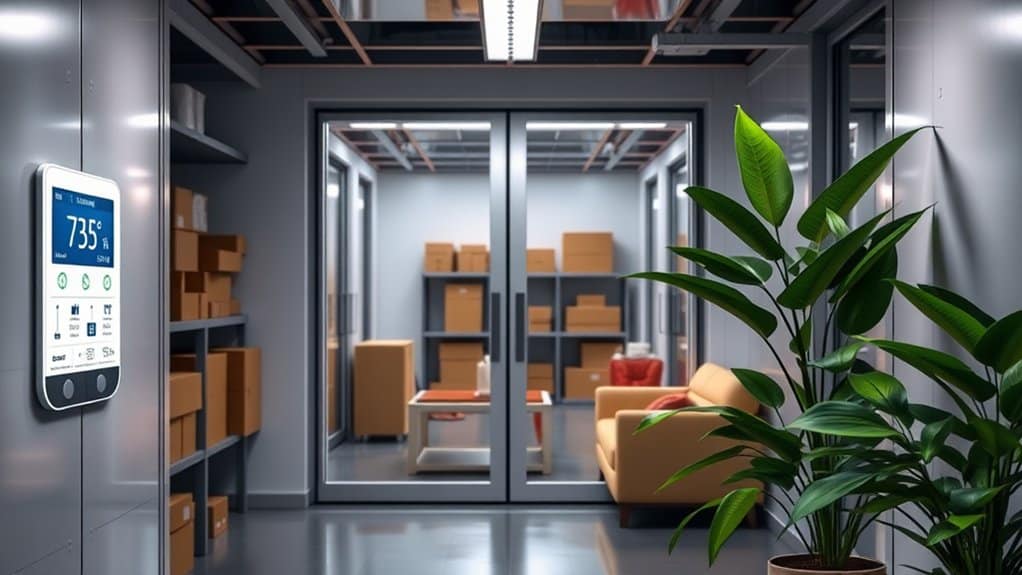
Consistent temperatures in climate-controlled storage units are crucial for preserving your valuable belongings. Stable temperatures protect items like electronics, furniture, and important documents from damage caused by temperature fluctuations.
These units also regulate humidity, which helps prevent mould and mildew on clothing and collectibles. Maintaining the right environment is essential for the long-term preservation of rare items and prevents deterioration of materials like wood and fabric.
Additionally, indoor storage typically comes with enhanced security measures to further safeguard your possessions. With reduced risk of damage, your items will be ready for use when you retrieve them, minimising downtime and avoiding costly repairs.
In short, climate-controlled storage is a wise choice for protecting your most cherished possessions.
Frequently Asked Questions
How Often Should I Check My Items in Climate-Controlled Storage?
You should check your items in climate-controlled storage every three to six months, depending on how delicate they are. Regular inspections help keep conditions optimal, ensuring your belongings, like antiques or electronics, stay safe and well-preserved over time.
Can I Store Food in Climate-Controlled Units?
Did you know that 60% of climate-controlled units fail to manage humidity effectively? While you can store non-perishable items, using them for food storage demands careful thought about temperature control and the risk of spoilage. For example, items like canned goods may be fine, but fresh produce or dairy could go off quickly if the conditions aren't right.
Are Climate-Controlled Units Safe From Natural Disasters?
While climate-controlled units provide some level of protection during natural disasters, it's crucial to complement this with proper disaster preparedness measures. Also, review your insurance policy to ensure your belongings are covered against unforeseen damage.
What Types of Items Are Not Suitable for Climate-Controlled Storage?
Did you know that almost 20% of climate-controlled units are used for storing hazardous materials and perishable goods? These items aren't suitable for such storage, as they require specific conditions to ensure safety and freshness, unlike non-sensitive items like furniture or books. For instance, chemicals can pose risks, while food items can spoil, making them inappropriate for climate-controlled units.
How Do I Choose Between Different Climate-Controlled Facilities?
When selecting a climate-controlled facility, it's important to compare how they regulate temperature and the amenities they offer. Consider the sensitivity of your items, the local climate, and the security of the facility. For example, if you're storing delicate antiques, you'll want a facility that maintains a consistent temperature, particularly if you live in an area with extreme weather. Ensuring your belongings are well-protected will provide you with peace of mind and value for your money.
Conclusion
In summary, climate-controlled storage units offer excellent protection for your valuable items. With effective heating, ventilation, and air conditioning (HVAC) systems, moisture control, and advanced insulation, these units maintain consistent temperatures that prevent damage. Regular upkeep ensures everything runs smoothly, making climate-controlled storage the best choice for sensitive belongings. By opting for climate control, you are not merely storing items; you are ensuring their safety and longevity against the risks of changing environments.