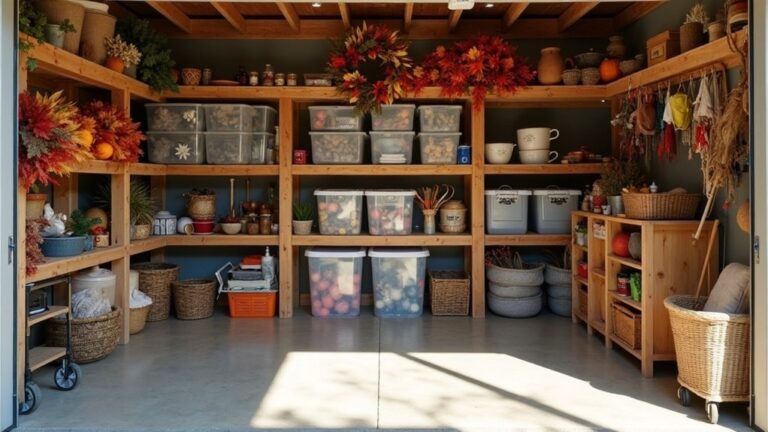
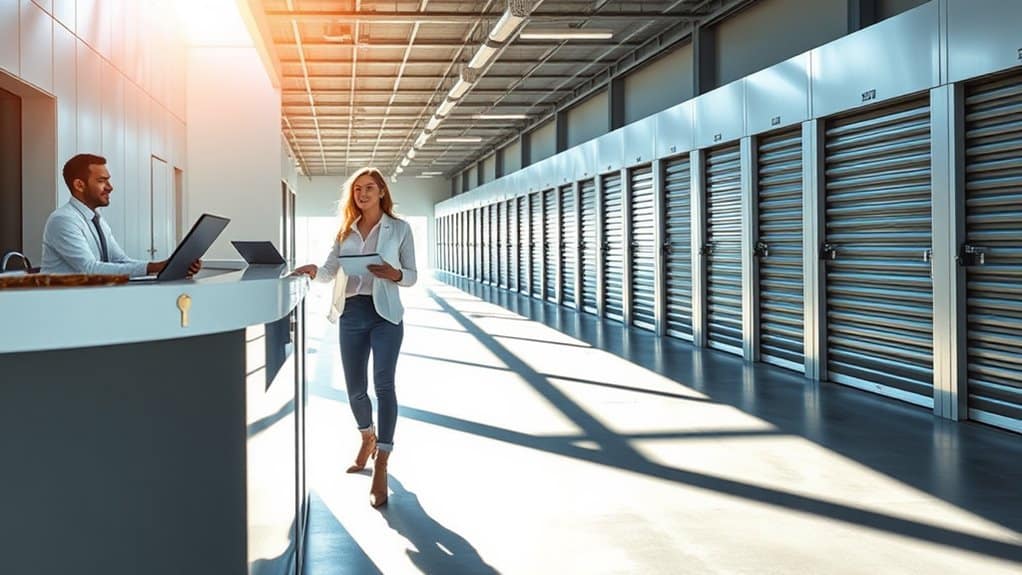
Self-storage is a practical solution for managing your belongings. Start by selecting a unit that meets your needs, taking into account size, accessibility, and security features. Once you’ve chosen a facility, read through the lease agreement, which usually offers either month-to-month or fixed-term options. After signing up, you’ll receive access credentials, such as a key fob or PIN. Many self-storage facilities offer 24/7 access, but it’s wise to check for any restrictions. Regular upkeep and communication with the facility are essential for maintaining your unit. There’s plenty more to discover to ensure a hassle-free storage experience.
Key Takeaways
- Select an appropriate storage unit based on size, access options, and climate control requirements before signing a rental agreement.
- Examine lease terms, payment conditions, and any additional charges to grasp the overall cost of renting the unit.
- Complete the registration process, which may involve providing personal identification and payment information to finalise the lease.
- Access your unit using the credentials provided, such as key fobs or PIN codes, while adhering to the facility’s operating hours.
- Keep in touch with facility staff and carry out regular inspections to ensure the security and cleanliness of your unit.
Choosing a Storage Unit
Choosing a storage unit can seem daunting, but breaking it down into simple steps can help.
First, assess your items. Take note of their size, weight, and fragility to figure out the right unit size. Online calculators can help you avoid paying for extra space you don’t need.
Next, consider the types of units available. If you have items sensitive to temperature, look for facilities with climate control. Decide whether you need an indoor or outdoor unit based on your specific requirements.
Location is key. Choose a facility close to your home or workplace for easy access. Check for features like loading docks or trolleys to make moving items easier. Additionally, ensure the facility has ample parking available for customers and visitors to facilitate efficient loading and unloading.
Also, consider the access hours; 24/7 access is ideal for flexibility.
Don’t overlook security. Ensure the facility has robust security measures like CCTV and gated access. Research customer reviews to assess the facility’s reputation.
Finally, compare pricing and any extra costs. Look out for promotions or discounts for long-term rentals to make the most of your budget.
Understanding Rental Agreements

When entering a rental agreement for a storage unit, it’s crucial to grasp your lease duration options, pricing, and any associated fees.
The agreement should specify how long you’ll be renting the unit and the monthly cost, including any extra charges. Additionally, it’s wise to inquire about any potential hidden fees that could impact your overall budget.
For instance, if you choose a six-month lease, ensure you know if there’s a discount for paying in advance or any penalties for early termination.
Understanding these terms will help you avoid unexpected costs and ensure a hassle-free storage experience. Additionally, knowing the flexibility of month-to-month rental agreements can provide you with options if your storage needs change.
Lease Duration Options
Understanding lease duration options is crucial for anyone considering self-storage in the UK. When selecting a self-storage unit, you’ll come across various lease terms designed to meet your needs. The most common option is a month-to-month lease, which offers flexibility for quick adjustments based on your circumstances.
If you require storage for a short period, consider a lease lasting from one to six months. Long-term leases are also available, although less common; they often come with discounts for those willing to commit for a longer time. Some facilities may even provide customised term lengths to suit your specific requirements. It is important to note that these agreements are legally binding documents that outline the obligations of both parties involved. Additionally, many self-storage facilities offer flexible leasing options to accommodate changing circumstances.
A key factor in choosing your lease duration is understanding the termination options. Generally, you can end your lease with just a 30-day notice, allowing you to adapt to changing situations easily.
When selecting your lease duration, consider your budget, access needs, and future plans. By ensuring your lease agreement clearly outlines these terms, you gain the freedom to make necessary changes without being tied to a rigid contract.
Pricing and Fees
Navigating the costs of self-storage can be tricky, but understanding the pricing and fees is crucial for making smart choices. Here’s a quick breakdown to help you select the right unit for your requirements.
| Feature | Cost Variations |
|---|---|
| Average Monthly Rent | £150 (ranges from £60-£250) |
| Payment Due Date | 1st of each month |
| Late Payment Fees | Varies by facility |
Most storage units average around £150 per month, but prices can vary significantly depending on size, type, and location. For instance, larger units can see prices double with each increase in size. Additional fees may apply for features like 24-hour access or climate control. It’s also important to consider that demand impacts pricing, which means shopping around and comparing quotes can help you find better deals. Moreover, flexible rental agreements can provide added convenience if your storage needs change unexpectedly.
Typically, you’ll need to pay the full rent on the first day of each month, with no option for partial payments. The first month’s rent may be prorated, but you won’t receive a refund for the last month. Rental agreements are generally month-to-month, giving you flexibility, but be aware that rent may increase by 5% to 10% every 6 to 18 months.
Terms and Conditions
How can you ensure you fully understand the terms and conditions when renting a self-storage unit? Knowing your rental agreement is crucial for your peace of mind and security. Here are three key areas to focus on:
- Lease Terms: Look over the lease duration, payment deadlines, and any potential rate increases. Understanding when your lease begins and ends, as well as any planned rent hikes, helps you budget effectively.
- Liability Clauses: Get acquainted with the limitation of liability and indemnity clauses. These sections safeguard the facility against claims related to loss or damage to your belongings, so it’s important to know what you’re responsible for.
- Modification Rights: Review any clauses about changes to the agreement. This includes how amendments can be made and the notice period required for termination.
Security Features of Facilities

When selecting a self-storage facility, it’s crucial to understand its security features to protect your belongings. Look for access control systems, advanced CCTV, and entry monitoring methods that work together to ensure a safe environment. For instance, facilities with keypad access or biometric scanners add an extra layer of protection. Additionally, effective security measures can help prevent break-ins and theft, providing peace of mind for tenants.
Access Control Systems
Access control systems are vital for securing self-storage facilities, ensuring that only authorised individuals can enter the premises. These systems provide a strong layer of protection, allowing you to manage who can access your unit.
Here are three key features of effective access control systems:
- Key Fob/Card Systems: These electronic keys limit access according to user permissions, ensuring that only approved individuals can enter specific areas.
- Smart Locks: By integrating smart locks with access control systems, you enhance security and gain the ability to manage access remotely. The latest technology also offers various gate access devices for enhanced security, including vehicle detection systems.
- Intercoms and Video Intercoms: These systems enable two-way communication, allowing you to identify visitors before granting them entry.
With these features, you can feel confident in the security of your belongings.
Surveillance Technology
Effective access control systems form a solid security foundation, but surveillance technology elevates protection even further. Modern self-storage facilities in the UK now employ advanced surveillance systems with high-definition cameras and AI integration. These cameras provide real-time monitoring, capturing every movement and sending instant alerts for any unusual activity.
With features like Pan-Tilt-Zoom (PTZ) and Smart IR, you can be assured that your storage unit is always under watchful eyes. Video analytics play a crucial role by automatically identifying potential threats and reducing false alarms, ensuring that surveillance is both effective and efficient. Additionally, the integration of live security camera monitoring significantly decreases incidents of theft and property damage, enhancing the overall security of the facility.
The addition of motion sensors enhances security further, triggering alarms for any unauthorized access. This comprehensive approach significantly reduces crime, safeguarding tenants and providing peace of mind.
Furthermore, the capability to record video during off-hours allows for thorough incident reviews, bolstering security measures. With advancements in AI-powered systems, the monitoring environment is proactive, enhancing safety for both tenants and staff.
Ultimately, the benefits of surveillance are evident: improved security features lead to greater customer satisfaction and a safer self-storage experience.
Entry Monitoring Methods
A well-designed entry monitoring system is crucial for improving the security of self-storage facilities. These systems not only safeguard your belongings but also provide peace of mind. By implementing effective access tracking and code management techniques, you can ensure that only authorised individuals enter the premises.
Here are three key entry monitoring methods to consider:
- Electronic Gate Access: Main gates or doors require a unique code for entry, which strengthens security at access points.
- Keypad Entry Systems: These systems assign individual codes to each customer, allowing for precise tracking of who enters and exits.
- Integrated Access Systems: By combining access control with surveillance cameras, you can achieve real-time monitoring and enhanced security. Additionally, on-site resident managers can provide constant monitoring and quick responses to any security issues.
With these entry monitoring methods, you can be confident that your stored items are secure. Unique access codes and time-based credentials simplify management while ensuring that only trusted individuals have access.
Plus, mobile credential systems allow for easy access using your smartphone. Adopting these technologies not only protects your unit but also enables you to manage your storage needs effectively.
Preparing for Your Move

Preparing for a move can be daunting, but a well-structured plan can simplify the process. Begin by drafting a moving checklist to keep track of tasks, ensuring you address the essentials first. Use practical packing methods to sort your belongings into categories: keep, donate, sell, or dispose of. Remember that establishing a moving budget can help manage costs effectively and prevent financial strain.
Here’s a straightforward table to help you stay organised:
| Task | Priority Level | Notes |
|---|---|---|
| Budget and Cost Estimation | High | Factor in all potential expenses |
| Gather Packing Supplies | High | Boxes, tape, bubble wrap |
| Notify Services | Medium | Utilities, banks, and subscriptions |
| Confirm Moving Schedule | High | Finalise at least a week in advance |
Remember to book your storage unit and removal van well in advance to avoid any last-minute hassle. Start packing non-essential items weeks ahead of the move, and label all boxes clearly to ease the unpacking process. By following these steps, you can make your move more manageable and focus on settling into your new home.
Managing Your Storage Unit
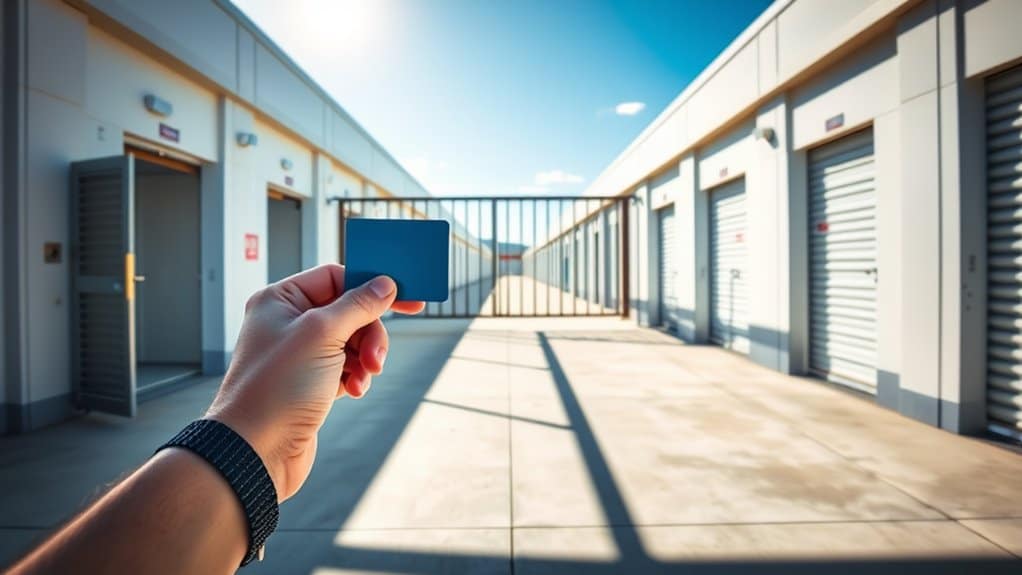
Once you’ve settled into your new home, managing your storage unit is the next crucial step. Proper management ensures your belongings stay safe and accessible. Here are three key areas to concentrate on:
1. Unit Maintenance: Carry out monthly inspections to check for any damage to doors and walls. Regularly clean the interior and look out for signs of mould or mildew.
Remember to lubricate the roll-up door mechanisms to keep everything operating smoothly.
2. Pest Control: Frequently check your unit for pests and act quickly if you find any. Keeping the space clean and well-sealed will help prevent infestations and protect your items.
3. Documentation: Maintain clear records of lease activities, including renewals and terminations. This will help you stay organised and enable you to address any issues swiftly.
Accessing Your Unit

Accessing Your Storage Unit
When you need to access your storage unit, it’s important to understand the security measures in place to protect your belongings. Most facilities have strong security protocols to ensure that you can get to your items while keeping unauthorised individuals out. Typically, you’ll use personal credentials, such as key cards or PINs, to enter through automated gates or access-controlled doors.
Upon arrival, you’ll need to verify your identity with some form of ID before accessing your unit. Many facilities offer 24-hour access, so you can retrieve or store items at your convenience.
Surveillance cameras monitor key areas, recording any suspicious activity, while alarm systems notify security staff of any failed access attempts. Remote monitoring technology allows facility managers to keep an eye on activities, ensuring a secure environment.
Staff are usually available during office hours to help with any questions or access issues. With these robust security measures, you can access your unit with confidence, knowing that your belongings are well-protected.
Enjoy the convenience of self-storage, secure in the knowledge that your items are safeguarded by advanced technology and dedicated personnel.
Important Considerations
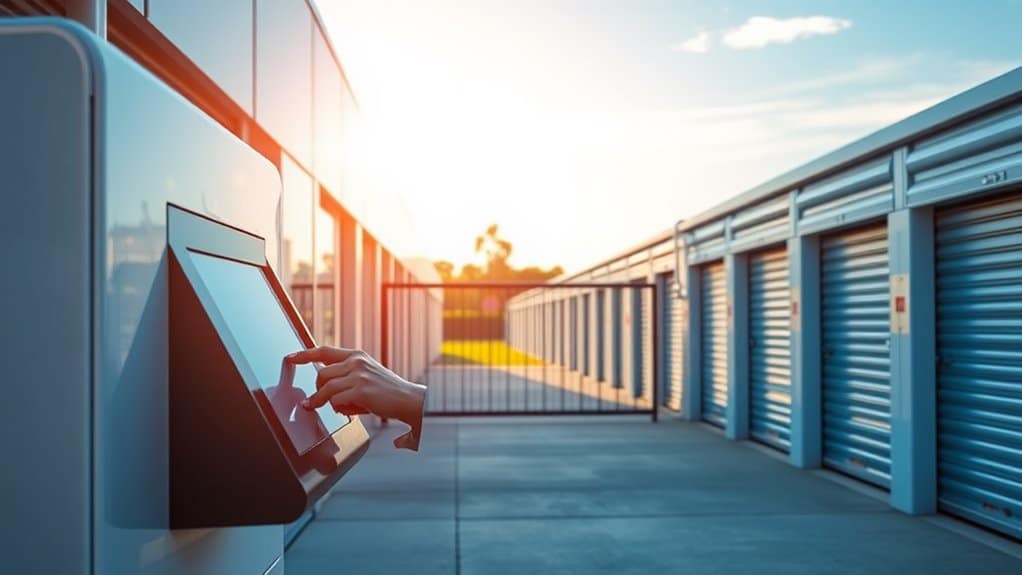
Accessing your storage unit is just one aspect of the self-storage experience; there are several important factors to consider when choosing the right facility for your needs. You want to ensure that the facility you select meets your storage requirements for both practicality and peace of mind.
1. Storage Unit Features: Look for security measures such as gated access and CCTV. If you’re storing valuable or sensitive items, consider climate-controlled units.
Facilities with on-site staff offer an additional layer of security.
2. Insurance Options: Familiarise yourself with the Insurance Options provided. This can safeguard your belongings from unforeseen events, giving you greater peace of mind.
3. Contractual Considerations: Understand the lease terms, including start and end dates, payment methods, and any clauses that may impact your responsibilities.
Frequently Asked Questions
What Items Are Prohibited From Being Stored in Units?
Be aware of the items you can’t store in a unit. Prohibited items include perishable goods like food, hazardous materials such as chemicals or batteries, illegal items, and valuable or irreplaceable possessions like antiques or family heirlooms. Ensure your belongings comply to prevent any issues with your storage unit.
Can I Change My Storage Unit Size After Renting?
You can change your storage unit size after renting it. Just keep in mind that adjustments to your rental agreement may be necessary, and the availability and costs of the new unit will depend on your chosen facility. For example, if you initially rented a small unit for seasonal items but now need extra space for furniture, you can upgrade to a larger unit, provided one is available.
Are There Insurance Options Available for Stored Items?
Yes, there are insurance options available for stored items. It’s important to evaluate the value of your belongings to choose the right policy. You can often get coverage either through the storage facility itself or via your home insurance. This ensures your items are protected against risks like theft or damage. For example, if you’re storing valuable antiques, check if your home insurance covers them while in storage.
How Do I Handle Pest Control in My Unit?
To manage pest control in your flat, start with prevention tips like keeping items clean, using airtight containers, and not leaving food out. Regularly check for common pests such as ants or mice. If you spot any issues, it might be wise to call in a professional for effective treatment.
What Happens if I Miss a Payment?
If you miss a payment, it can hinder your financial progress. After a grace period, late fees may be added, increasing your financial strain. It’s important to communicate with your provider to explore your options and prevent further issues. For instance, if you miss a credit card payment, you could face a penalty fee and potential interest rate hikes. Staying proactive can help you manage the situation effectively.
Conclusion
In summary, self-storage provides a practical solution for your space requirements. By grasping the process—from selecting the right unit to organising your items—you can ensure a positive experience. Take Sarah, for instance; she downsized her home and used a storage unit to safely store her seasonal decorations. With proper planning and knowledge, you can also enjoy a straightforward and hassle-free storage experience. Remember, a bit of preparation can significantly enhance the effectiveness of your storage unit.