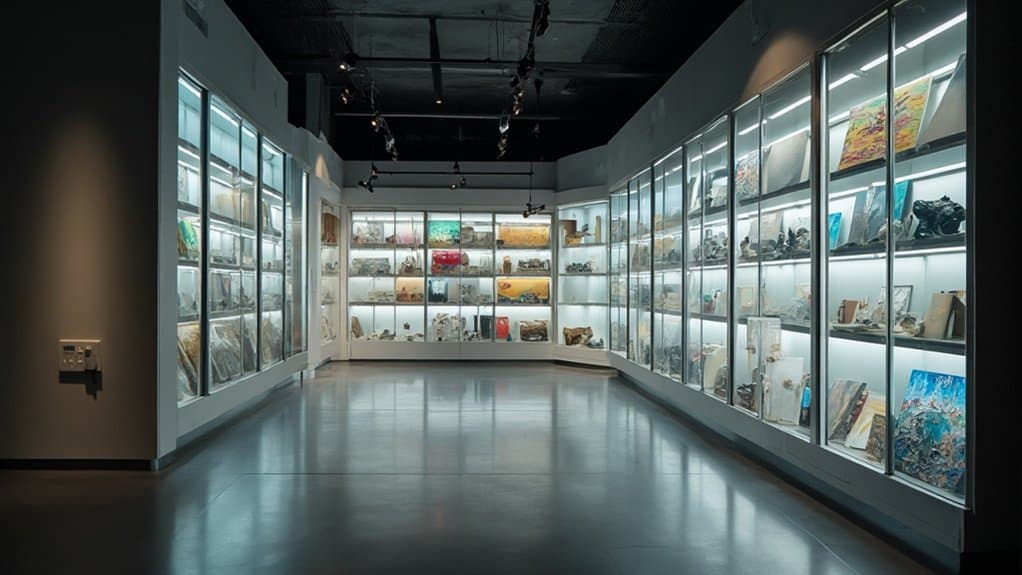
Art collectors use climate-controlled storage to protect their collections from environmental damage. Changes in temperature can cause materials to crack, while incorrect humidity can lead to mould. This type of storage helps maintain the vibrancy of colours and prevents degradation, ensuring your artworks retain their value over time. With enhanced security measures, these facilities also guard against unauthorised access. Choosing the right climate-controlled storage is crucial for preserving your collection's integrity—there's much to consider when it comes to optimising your art preservation strategy.
Key Takeaways
- Climate-controlled storage stops temperature changes from damaging artwork, preventing issues like warping and cracking.
- Regulated humidity levels help stop mould growth, which is crucial for preserving organic materials such as wood and textiles.
- Proper handling and packaging techniques ensure that delicate artworks are transported and stored safely.
- Enhanced security measures protect valuable collections from theft and unauthorised access.
- Keeping stable environmental conditions helps maintain the long-term value and integrity of art, which is vital for preserving cultural heritage.
The Importance of Climate Control in Art Preservation
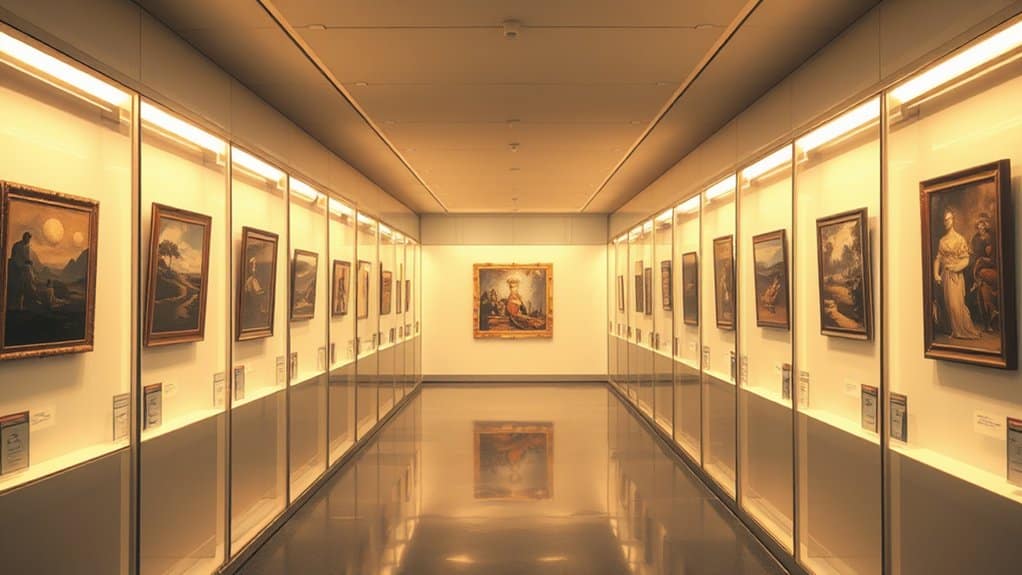
When it comes to preserving art, maintaining a climate-controlled environment is crucial to prevent damage and deterioration. Proper temperature control stops materials from expanding and contracting, while regulated humidity prevents mould growth in organic items like wood and textiles. Additionally, climate control is essential for the preservation of delicate artworks, ensuring they remain in optimal condition.
It's important to note that over 20% of Americans utilize self-storage, reflecting the growing need for secure storage solutions to protect valuable items like art collections. Managing air quality to reduce pollutants is also essential. Advanced ventilation systems and effective HVAC solutions create stable conditions that are vital for art conservation. This stability not only protects the aesthetic and financial value of your artworks but also extends their lifespan, allowing future generations to enjoy them.
Ultimately, investing in climate control safeguards our cultural heritage and reduces restoration costs, ensuring your collection thrives in an optimal environment.
Protecting Sensitive Materials From Environmental Damage
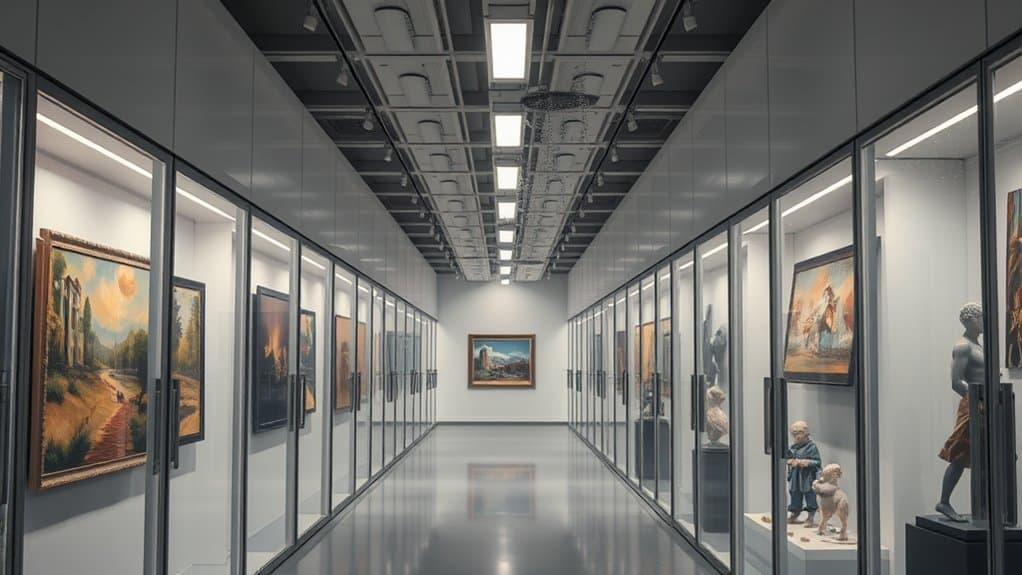
To effectively protect sensitive materials from environmental damage, it's essential to establish a stable climate tailored to the specific needs of each piece. Implementing preventative measures is vital for safeguarding your collection and ensuring its longevity.
- Preserve vibrant colours
- Maintain material integrity
- Protect historical significance for future generations
- Avoid costly restoration issues
- Cherish your emotional connection to the art
Understanding material sensitivity is crucial. For example, temperature fluctuations can lead to cracks, while humidity changes may cause mould. Furthermore, UV light can fade your cherished items. By prioritising climate control and proper storage, you can shield your collection from unnecessary harm, allowing it to thrive in optimal conditions. Additionally, being aware of the environmental impact of art supplies can inform your choices in acquiring new pieces for your collection. Choosing the right unit size is also important, as it helps you manage space effectively while ensuring your items are well-organized and accessible.
Enhancing Security for Valuable Art Collections
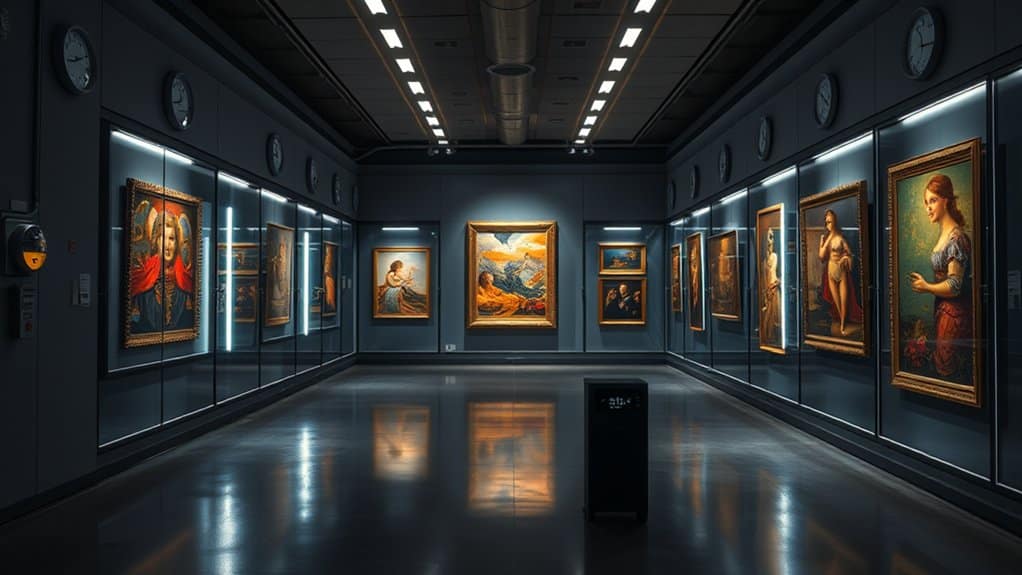
Securing valuable art collections requires a comprehensive approach that blends advanced technology with vigilant monitoring and strong physical protections.
High-resolution surveillance systems act as a deterrent against unauthorised access and assist in investigating incidents. Access control measures, like electronic key cards and biometric entry, ensure that only authorised personnel can access sensitive areas. Additionally, installing a surveillance system enhances overall security visibility within the gallery. Furthermore, robust roller shutters create an additional layer of security, making it difficult for potential intruders to gain access.
Alarm systems notify you of any unauthorised attempts, while trained security staff patrol the premises and manage access effectively. Custom security protocols tailored to your specific needs further enhance risk management. Additionally, motion-detection systems create invisible protection zones around artworks. By integrating these strategies, you not only protect your collection but also foster trust and confidence among collectors and visitors.
Maintaining Stability for Long-Term Value
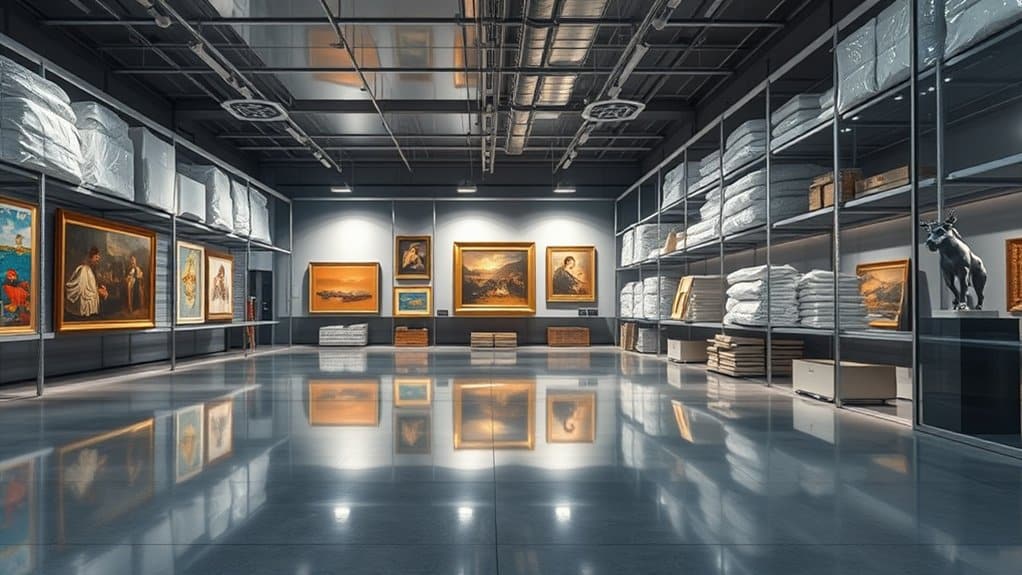
To protect the long-term value of your art collection, it's crucial to maintain stable temperature and humidity levels.
Using environmental monitoring systems allows you to quickly respond to any changes that might harm your artworks.
Optimal Temperature Control
Maintaining ideal temperature control is essential for protecting artwork and ensuring its long-term value.
Temperature fluctuations can cause materials to degrade, leading to irreversible damage to your treasured collections.
- Safeguard the vibrancy of colours and pigments.
- Prevent warping or cracking of delicate materials.
- Ensure the longevity of your artistic investments.
- Preserve the aesthetic appeal of each piece.
- Protect your artwork's monetary and cultural worth.
Consistent Humidity Levels
Consistent humidity levels are crucial for preserving your art collection, as fluctuations can cause significant damage over time.
Keeping humidity between 40% and 50% is essential; this range helps protect materials like wood, canvas, and paper from warping or cracking. High humidity can promote mould growth, while low humidity may make organic materials brittle.
By maintaining stable moisture levels, you can avoid irreversible damage and maintain the long-term value of your artworks.
In climate-controlled storage, advanced equipment monitors humidity, allowing for precise adjustments.
Investing in such facilities protects not only the physical condition of your collection but also its cultural and monetary value, ensuring your passion for art thrives in the best conditions.
Environmental Monitoring Systems
Maintaining stable conditions for your art collection involves more than just regulating humidity; it requires effective environmental monitoring systems. Advanced data loggers ensure that both temperature and humidity are kept at ideal levels, protecting your valuable pieces.
- Real-time alerts notify you of potential risks.
- Cloud monitoring enables remote supervision for added peace of mind.
- Multi-sensor capabilities track a range of environmental factors.
- Compact designs fit neatly into your storage spaces.
- Proactive mould prevention safeguards against moisture damage.
With these tools, you can quickly respond to any changes, preserving the integrity and value of your artwork.
Investing in environmental monitoring systems is crucial for any serious collector dedicated to protecting their passion.
Specialized Handling and Packing for Artworks
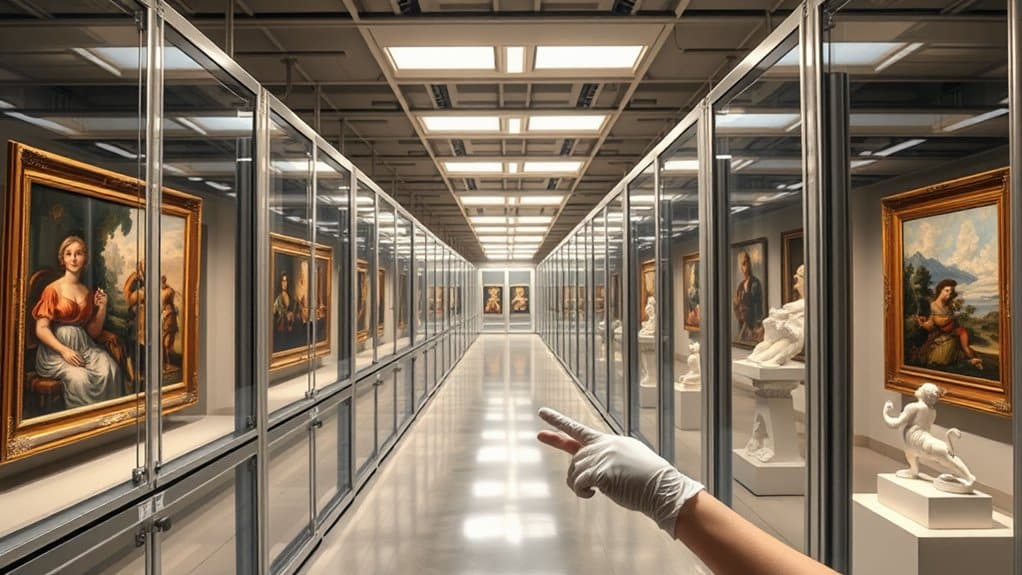
When transporting delicate artworks, it's crucial to use specialised handling and packing techniques to ensure their protection and preservation.
Invest in custom packaging that suits your pieces, using materials like acid-free tissue and bubble wrap for cushioning. For larger or heavier artworks, opt for custom-built crates that offer strong structural support and environmental protection.
Make sure sculptures receive extra support to protect fragile components. Using climate-controlled shipping options helps maintain stable temperatures and humidity levels, preventing damage from changes in conditions.
Proper labelling and secure systems reduce vibrations during transit, further safeguarding your collection.
Choosing the Right Storage Facility for Your Collection
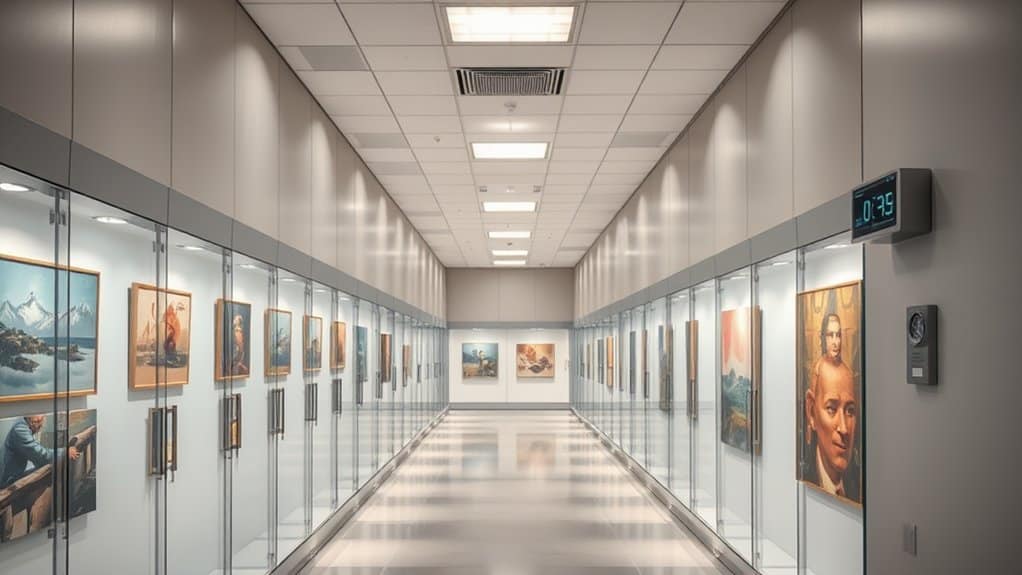
After ensuring the safe transport of your artworks with proper packing and handling, the next step is to choose the right storage facility to protect your collection.
It's essential to consider the location and accessibility to safeguard your investment. Here are some key points to look for in a suitable facility:
- Stable Location: Choose an area less prone to natural disasters, such as flooding or earthquakes.
- Accessibility: Opt for a facility that's easy to reach, which helps reduce transport costs and makes visits easier.
- Security: Ensure the facility has strong security measures in place to prevent theft or damage.
- Climate Control: Look for temperature and humidity control to keep your artworks in optimal condition.
- Experienced Staff: Find a facility with staff knowledgeable in art preservation to ensure your collection is well cared for.
Ensuring Longevity and Cultural Heritage Preservation
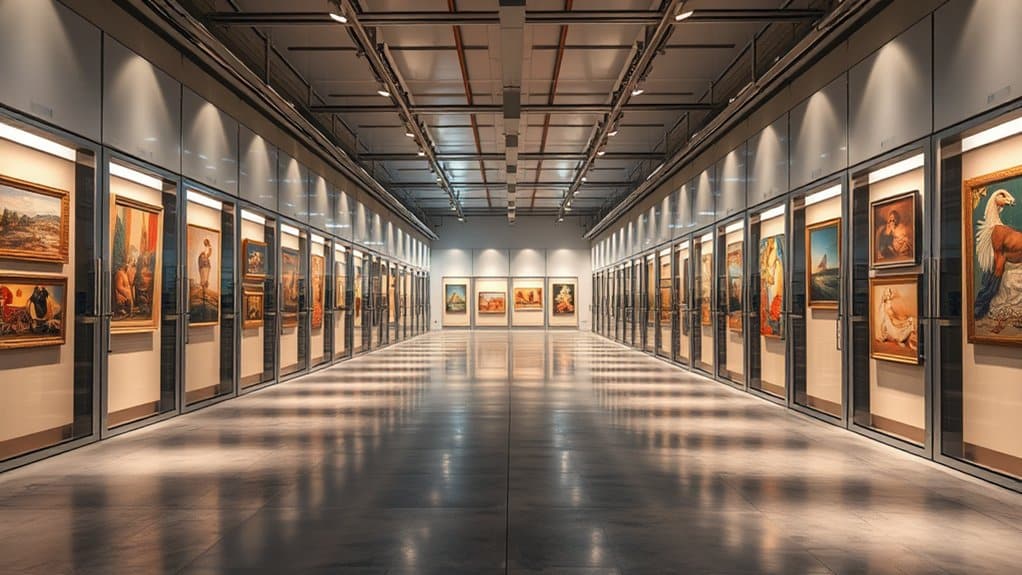
To ensure the longevity of your art collection, it's essential to adopt effective preservation techniques suited to various materials.
By recognising the significance of cultural heritage, you're not just protecting individual works but also preserving their historical value for future generations.
Investing in climate-controlled storage is vital; it shields these valuable artworks from environmental factors that could damage their integrity.
Art Preservation Techniques
Art preservation techniques are vital for maintaining our cultural heritage, protecting valuable works from environmental damage.
Here are some key practices to ensure longevity:
- Keep temperatures stable between 18-22°C to avoid warping.
- Control humidity levels to prevent mould and brittleness.
- Use UV-filtered glass to protect against harmful light.
- Consider non-invasive methods like laser cleaning for delicate pieces.
- Choose archival materials that resist yellowing and fading.
Cultural Heritage Importance
Cultural heritage is more than just a collection of artefacts; its preservation is vital for maintaining our shared history and identity. By protecting these items, we safeguard the cultural narratives and historical contexts that inform our understanding of the past.
Climate-controlled storage is essential, as fluctuations in temperature and humidity can cause deterioration, jeopardising both the artefacts and their stories.
Maintaining ideal conditions ensures that these items remain intact for future generations. Investing in proper thermal regulation isn't simply about protecting materials; it's about respecting our heritage and ensuring that the lessons and narratives within these artefacts remain accessible and meaningful to everyone.
Frequently Asked Questions
How Do I Transport Artwork to a Climate-Controlled Facility?
To transport artwork safely, ensure it is packaged properly using high-quality materials. Plan the transport logistics carefully, employing experienced couriers and climate-controlled vehicles to keep the conditions ideal. This will help guarantee that your valuable pieces arrive in perfect condition. For example, using bubble wrap and sturdy cardboard boxes can prevent damage during transit.
What Types of Artworks Benefit Most From Climate-Controlled Storage?
Preserving paintings and protecting sculptures is crucial for delicate artworks like canvases and wooden pieces. Climate-controlled storage ensures optimal conditions, safeguarding them from temperature changes, humidity, and environmental pollutants. For instance, a valuable oil painting can crack if exposed to excessive heat, while wooden sculptures may warp in high humidity. Using controlled environments helps maintain the integrity of these artworks, making it an essential choice for collectors and galleries alike.
How Often Is the Climate Monitored in Storage Facilities?
You might assume climate monitoring isn't essential, but in storage facilities, it's conducted continuously. Regular checks ensure optimal conditions, safeguarding your valuable artworks from damage and maintaining their integrity. This provides peace of mind for collectors like you.
Can I Visit My Artwork While It's in Storage?
Yes, you can visit your artwork while it's in storage, but you must follow the facility's policies. It's best to arrange an appointment to ensure you can access your pieces safely and under the right conditions. For example, if you own a valuable painting, scheduling a visit will help you inspect it properly without any issues.
What Should I Do if My Artwork Gets Damaged During Storage?
If your artwork is damaged while in storage, start by assessing the extent of the damage right away. Look into restoration options with professional conservators, and make sure to document everything thoroughly for future reference and any insurance claims. This can help protect your valuable pieces.
Conclusion
If you think storing your priceless art in a damp basement is a wise choice, think again! Climate-controlled storage is not just for keeping your grandmother's old furniture; it's vital for protecting your masterpieces from mould, pests, and temperature fluctuations. After all, who wants a Picasso that looks like it's been through a storm? Invest in proper storage to safeguard your investment and ensure future generations can appreciate your cultural treasures—without any musty smells!