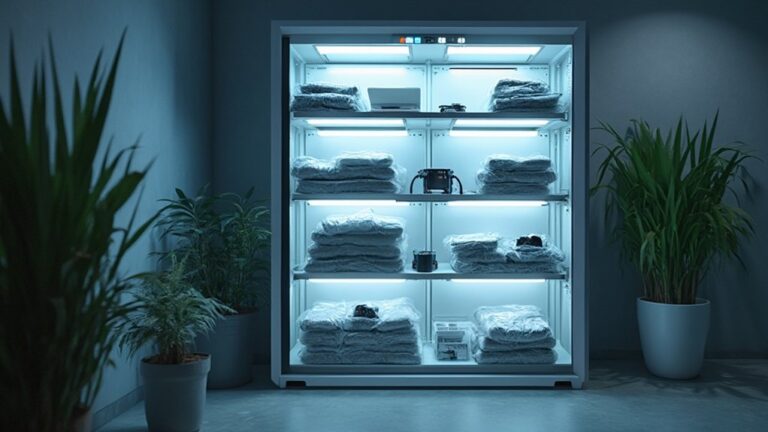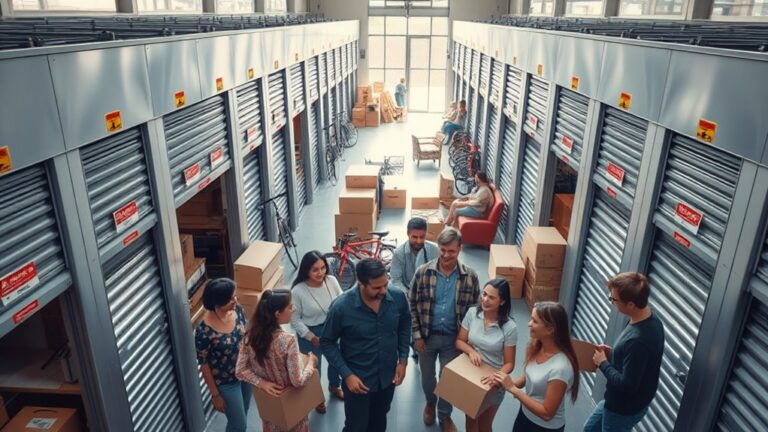
If you have items sensitive to temperature, like fine wine, artwork, or electronics, climate-controlled storage is a must. It safeguards against humidity and temperature changes that can lead to issues such as mould, warping, or fading. This is particularly important in regions with tropical or sub-tropical climates. Consider the cost of climate control against the potential damage to your valuables. Weigh these factors carefully to make the best choice for your storage needs.
Key Takeaways
- Think about what you're storing; items like electronics and fine art are best kept in climate-controlled units.
- Consider your local weather; regions with high humidity or extreme temperatures need climate control to avoid damage.
- Be aware of the risks of mould, mildew, and rust, particularly for wooden and fabric items.
- Compare the cost of climate-controlled storage with the potential damage to valuable possessions; investing now could save you money in the long run.
- Inspect the facility's security and cleanliness standards to ensure your belongings are safe and well cared for.
Understanding the Benefits of Climate-Controlled Storage
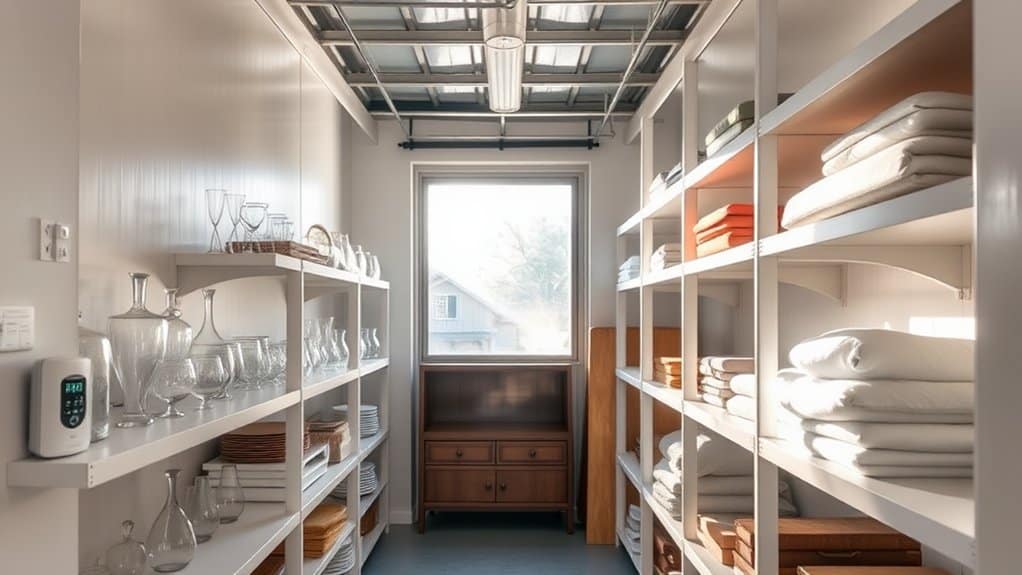
When looking for storage solutions, climate-controlled storage offers notable advantages. This type of storage maintains a stable environment, protecting your belongings from extreme temperatures and humidity changes. For instance, it helps prevent issues like mould, mildew, and rust, which can seriously damage your items. With effective air circulation, air quality is improved, reducing dust and debris buildup. This not only safeguards your possessions from environmental harm but also prolongs their lifespan, making it a smart choice. Ultimately, opting for climate-controlled storage gives you peace of mind, knowing your valuables are well-protected and preserved for the long term. Additionally, many customers consider climate control essential for valuable items due to the added protection it offers. Moreover, using a climate-controlled unit is particularly beneficial for fragile or sensitive items, ensuring they are stored in optimal conditions.
Identifying Items That Require Special Care
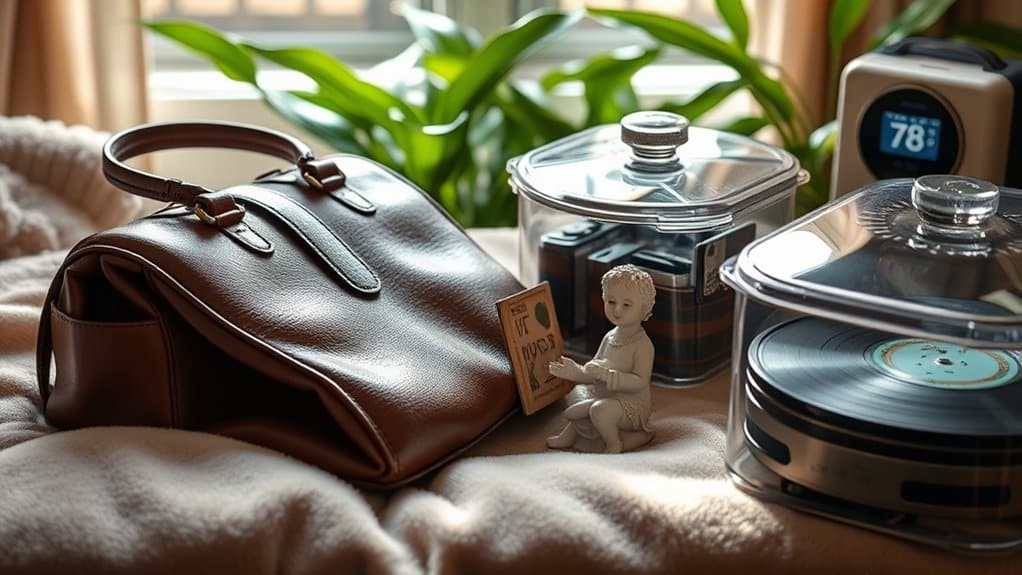
What items in your home require special care when it comes to storage?
Some belongings need extra attention to protect them from temperature and humidity changes.
Here are four items that deserve it:
- Wine Collections: Keep at temperatures below 24°C to prevent spoilage.
- Wooden Furniture: Guard against warping or cracking caused by humidity fluctuations, as wooden furniture can be particularly sensitive to environmental changes. Additionally, using materials with low-maintenance options can enhance durability and performance.
- Fine Art: Ensure stable conditions to avoid cracking or fading.
- Electronics: Protect sensitive components from extreme temperatures and moisture.
Assessing Regional Climate Influences
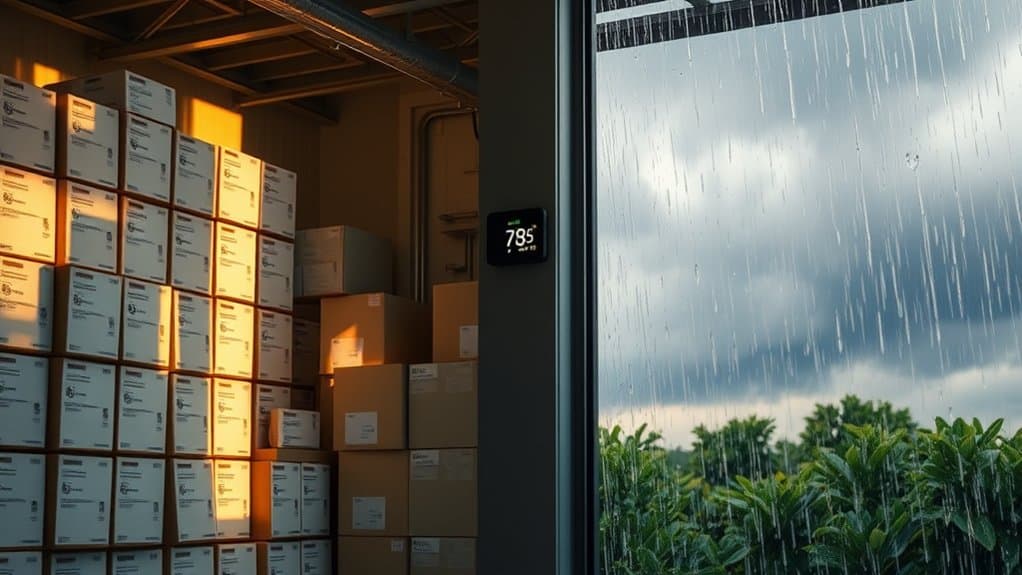
Understanding the influence of regional climates on storage is crucial for preserving valuable items. Different climates can significantly impact storage conditions. For example, tropical climates with their high humidity and temperatures encourage mould and insect activity. In contrast, desert climates are characterised by dry conditions and temperature swings, which require effective air filtration. Additionally, indoor storage units are more suitable for protecting sensitive items in such diverse climates. Sub-tropical regions may also face mould challenges, while continental climates need both heating and cooling to maintain optimal conditions. Local outdoor climate impacts how these factors are managed, making climate control a key consideration. Maritime climates, shaped by oceanic patterns, often require climate control to ensure stability.
Evaluating Cost vs. Protection for Your Valuables
While climate-controlled storage may come at a premium, the protection it offers for your valuables often justifies the cost.
Here are four key benefits to consider:
- Protection for temperature-sensitive items, such as electronics and artwork, prevents damage.
- Humidity control helps avoid mould and mildew on wooden and fabric belongings.
- Enhanced security features safeguard your valuables in indoor locations.
- Durability of items is preserved, ensuring documents and photographs remain in good condition.
When assessing your options, weigh the cost of storage insurance against the potential damage to your items.
Investing in climate control could save you from expensive replacements in the future.
Choosing the Right Storage Facility for Your Needs
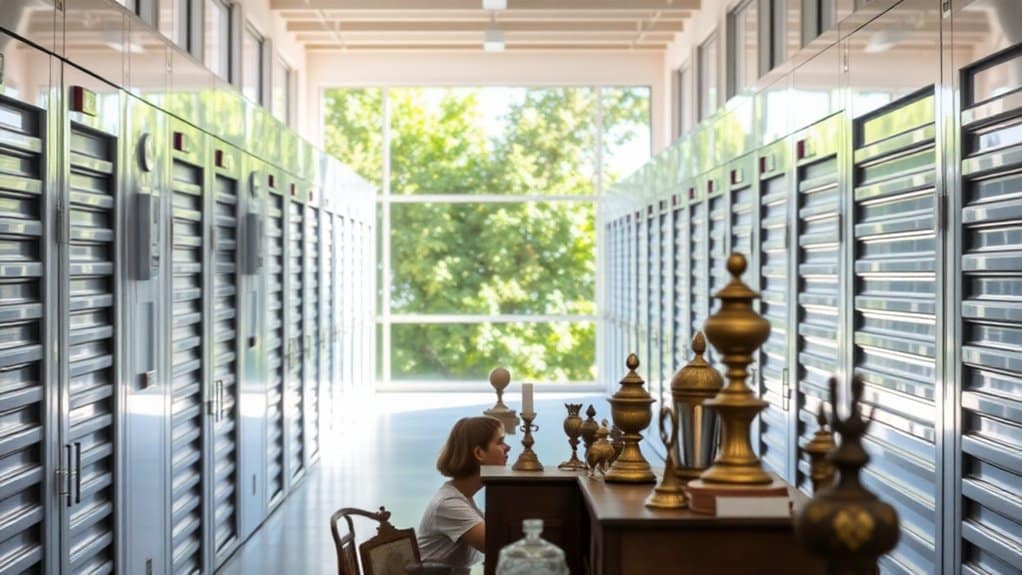
When choosing a storage facility, how do you ensure it meets your needs? Begin by assessing the items you're storing and whether they need special conditions, such as climate control. Think about the size and accessibility options you require, like drive-up access or 24/7 entry.
| Criteria | Considerations | Importance |
|---|---|---|
| Storage Unit Types | Climate-controlled vs. standard | Safeguards delicate items |
| Security Measures | CCTV and alarm systems | Provides peace of mind |
| Cleanliness Standards | Pest control and upkeep | Maintains item condition |
| Accessibility Options | Location and opening hours | Eases item retrieval |
For instance, if you're storing artwork or electronics, a climate-controlled unit is vital to prevent damage. Similarly, if you're accessing your belongings frequently, a facility with convenient hours and good proximity can save you time and hassle.
Frequently Asked Questions
How Do I Know if My Items Need Climate Control?
To find out if your items require climate control, consider how sensitive they are to temperature and humidity. For instance, wooden furniture, important documents, and electronics can warp, crack, or deteriorate in unsuitable conditions. If your belongings fall into these categories, opting for climate-controlled storage is a wise choice to ensure their protection and longevity.
Can I Switch From Non-Climate-Controlled to Climate-Controlled Storage Later?
You can switch from non-climate-controlled to climate-controlled storage later, as 40% of users consider unit flexibility important. This change helps safeguard delicate items, such as electronics and artwork, ensuring their long-term preservation and adapting to your changing storage requirements.
What Features Should I Look for in a Climate-Controlled Unit?
When selecting a climate-controlled unit, focus on security features such as CCTV and coded entry systems. Check the accessibility options to ensure you can easily access your belongings whenever needed. For example, consider whether the unit is on the ground floor or if it has lift access, as this can make a significant difference.
How Often Should I Check on My Stored Items?
Treat your stored items like delicate plants in a garden. To keep them in good condition, check on them regularly. Adjust your inspection frequency based on their sensitivity, the weather, and any potential risks to ensure they stay well-preserved.
Are There Specific Pests That Climate-Controlled Storage Protects Against?
Climate-controlled storage aids in pest prevention by regulating humidity, which discourages pests such as rodents and insects. By maintaining a stable environment with reduced moisture levels, your stored belongings become less attractive to pests looking for shelter and food. This is particularly beneficial for items like furniture or clothing that pests may target.
Conclusion
In conclusion, opting for climate-controlled storage can be a wise choice for safeguarding your cherished items. Consider the specific needs of your belongings, local climate conditions, and your budget when making your decision. It's always better to be cautious when it comes to protecting your valuables. Take the time to find a facility that suits your needs, and you'll feel more at ease knowing your possessions are well cared for.