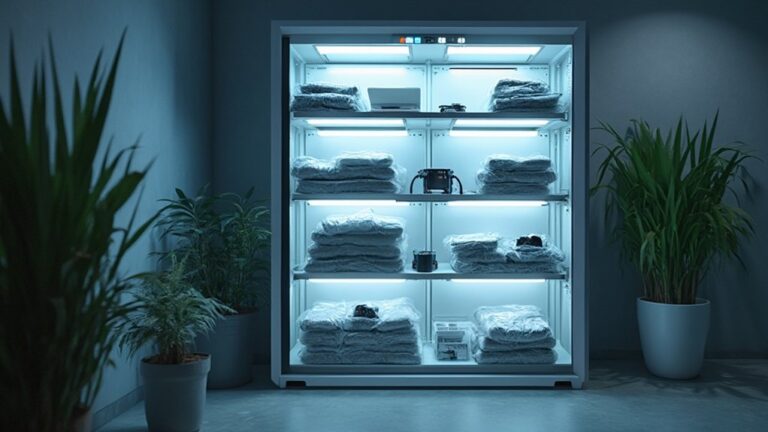
When using climate-controlled storage, it's crucial to consider the sensitivity of your items. For instance, electronics can overheat and artwork may fade if not stored correctly. Ensure you choose a storage unit that's the right size and meets the specifications for your belongings.
Packing is equally important; use quality materials and stack boxes securely to prevent damage. Regular maintenance of the unit is vital to maintain ideal conditions. Make sure to utilise all available features and plan how long you'll need to store your items. Proper storage requires careful planning and consideration.
Key Takeaways
- Not assessing item sensitivity can result in damage; remember, not everything needs climate control.
- Overpacking boxes may lead to collapses, which puts contents at risk; always leave some space for cushioning.
- Skipping regular condition checks can mean missing temperature or humidity changes that could harm your items.
- Using poor-quality packing materials can jeopardise protection; invest in robust supplies to keep your belongings safe.
- Ignoring inventory management makes it hard to find items and can lead to wasted space or lost belongings.
Failing to Assess Item Sensitivity
When storing items in a climate-controlled facility, it's crucial to evaluate their sensitivity to environmental changes. Proper categorisation helps you understand the specific needs of your belongings.
For example, electronics require stable temperatures to avoid overheating or becoming brittle, while documents and photographs need consistent humidity to prevent deterioration. Different belongings require tailored storage conditions for preservation. Fabrics and textiles can suffer in high humidity or dry conditions, leading to mould or brittleness. Wooden furniture and instruments need precise climate control to maintain their quality and functionality. Additionally, high-value items like cash and jewellery often necessitate specific storage considerations to ensure their safety.
Even items like artwork and antiques are at risk of fading and damage without the appropriate conditions. By recognising each item's requirements, you can ensure they remain in excellent condition during storage.
Selecting the Wrong Storage Unit
Choosing the wrong storage unit can lead to unnecessary hassle and costs. Here are some key points to consider:
- Unit Size: Avoid guessing your needs; both too large and too small can cause problems, like wasted space or cramped conditions. Selecting the appropriate unit specifications will ensure that your items are stored efficiently.
- Future Requirements: Think ahead about what you might need to store down the line. Opting for a larger unit now can save you from expensive changes later.
- Comparison Tools: Use size comparison charts to accurately determine what you need.
- Expert Advice: Don't hesitate to ask the staff at the storage facility for guidance based on your specific items and requirements. They can offer valuable insights, especially when it comes to selecting the right size to avoid extra costs.
Improper Packing Techniques
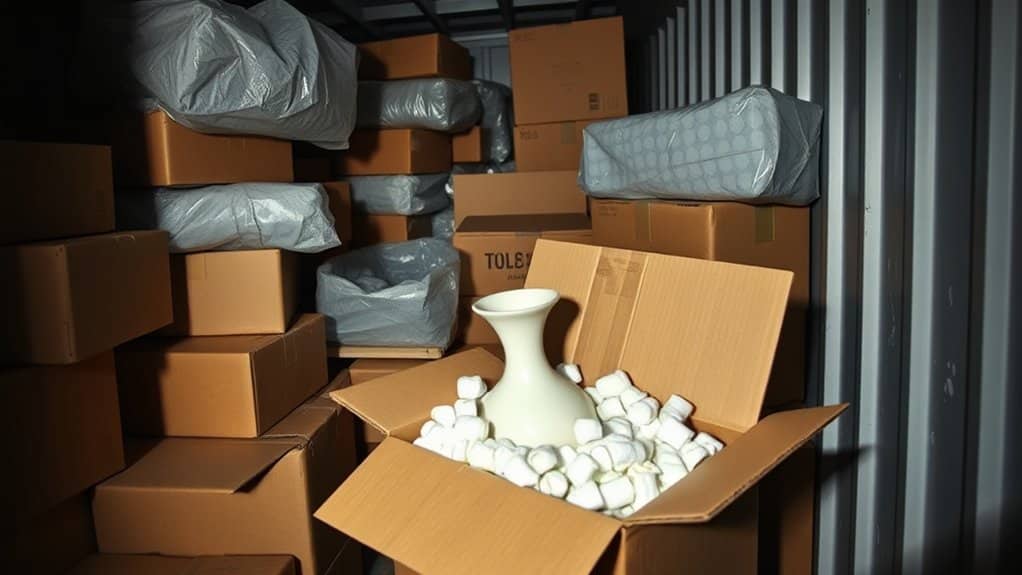
When packing items for climate-controlled storage, using the right materials is crucial to avoid damage. Make the most of vertical space by stacking boxes securely and sealing them properly to protect their contents. For instance, avoid overfilling boxes, as this can lead to collapses and damage. Each step in your packing process significantly affects the condition of your belongings over time, so remember that quality packing materials are essential to prevent costly damage. Additionally, utilizing climate-controlled units can safeguard sensitive items from extreme temperatures, ensuring their longevity.
Appropriate Packing Materials
Using the right packing materials is essential for keeping your items safe in climate-controlled storage.
Incorrect packing can lead to damage, so choose your materials carefully. Here are four key packing materials to consider:
- Bubble Wrap: Use bubble wrap to protect delicate items such as glass and ceramics.
- Acid-Free Envelopes: Protect important documents from fading and deterioration by opting for acid-free envelopes.
- Furniture Covers: Use furniture covers to shield your belongings from dust and dirt.
- Moisture Absorbers: Incorporate moisture absorbers in your storage unit to prevent mould and mildew.
Optimize Vertical Space
To optimise your climate-controlled storage unit, it's crucial to make the most of vertical space. Start by stacking boxes and using stackable containers to enhance efficiency.
Installing sturdy shelving units on the walls will keep items off the floor, allowing you to utilise the full height of your unit. Consider tall storage systems and ceiling-mounted racks for hanging items like bicycles, which will free up valuable floor space.
Always place heavier items at the bottom for stability and avoid stacking them on fragile items. This arrangement maximises your storage capacity while ensuring easy access and protection for your belongings.
Proper Box Sealing
Proper box sealing is crucial for safeguarding your belongings during storage. Incorrect sealing can lead to damage from moisture, dust, and pests.
To ensure your items remain protected, follow these straightforward tips:
- Choose Quality Sealing Tape: Use robust tape designed to handle the weight of your boxes.
- Reinforce Box Bottoms: Strengthen the bases of your boxes to prevent them from collapsing.
- Seal Tightly: Ensure each box is airtight to keep out moisture and protect the contents.
- Avoid Overpacking: Stick to weight limits; overloading can weaken the box's structure.
Neglecting Storage Maintenance
Neglecting storage maintenance can lead to serious problems, such as pest infestations and damage from humidity.
Regular checks, effective pest prevention measures, and a cleaning schedule are vital to keep your belongings safe.
For example, ensuring proper ventilation can prevent mould growth.
Regular Condition Checks
Even if you believe your climate-controlled storage unit is secure, skipping regular condition checks can result in unexpected problems.
To ensure your belongings stay protected, make condition monitoring a priority for:
- Temperature Control: Regularly check the temperature to protect items from extreme heat or cold.
- Humidity Levels: Monitor humidity to keep it within ideal ranges, preventing mould and mildew.
- Air Quality: Keep an eye out for dust and pollutants that could harm your possessions.
- Moisture Detection: Look for signs of moisture to avoid rust, warping, or other water damage.
Pest Prevention Strategies
To keep your climate-controlled storage unit free from pests, it's crucial to adopt effective prevention strategies. Regular inspections and proper upkeep can significantly lower pest risks.
| Prevention Strategy | Description |
|---|---|
| Seal Units | Ensure all entry points are securely sealed. |
| Avoid Food Storage | Refrain from storing food or pet food to deter pests. |
| Elevate Items | Use pallets to keep items off the ground. |
| Pest-Repellent Materials | Use mothballs or cedar blocks for added protection. |
| Organise Storage | Keep a tidy layout for easy identification of issues. |
Scheduled Cleaning Routine
Keeping your climate-controlled storage unit clean is crucial, just as pest prevention is. Neglecting maintenance can lead to significant problems, so implement a regular cleaning routine.
Here are four essential items to include in your checklist:
- Set a Cleaning Schedule: Regularly clean your unit to prevent dust accumulation and ensure good air quality.
- Inspect for Moisture: Check for mould and mildew to avoid potential damage from dampness.
- Maintain Air Filters: Ensure ventilation systems are working effectively to improve air quality.
- Check Security Measures: Regular cleaning allows you to spot any signs of unauthorised access or security issues.
Failing to Utilize Features Effectively
When opting for climate-controlled storage, it's essential to make the most of its features to protect your valuable items. Many people overlook the benefits of climate control, which helps regulate temperature and humidity, safeguarding sensitive electronics, artwork, and antiques from damage.
Be aware of the temperature range provided and how it can benefit your belongings.
Don't forget about the security features; strong measures like 24/7 surveillance and access controls ensure your items are kept safe.
Creating a detailed inventory can help you keep track of what you have stored. By fully utilising these features, you can protect your possessions and enhance your storage experience.
Planning for Long-Term Storage
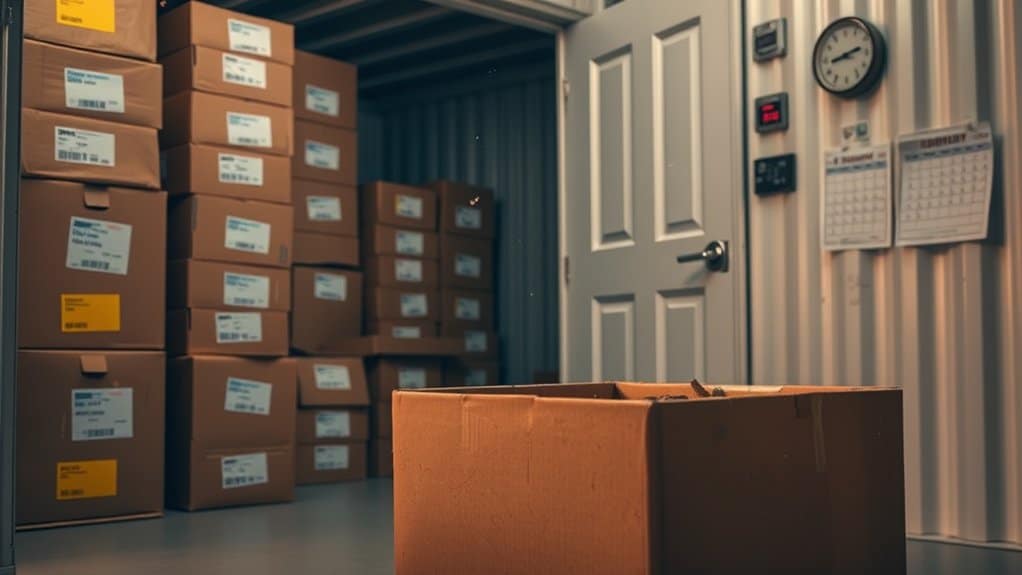
Planning for long-term storage involves careful thought to ensure your items stay safe and in good condition. Here are some important points to consider:
- Inventory Management: Make a list of all your items to determine the size and type of storage required.
- Item Sensitivity: Recognise which items need specific temperature and humidity controls, such as delicate textiles or electronics.
- Storage Duration: Decide how long you'll need the storage to determine if climate control is necessary.
- Location Conditions: Assess the local climate, as factors like humidity and temperature can influence your storage options.
Frequently Asked Questions
What Items Can Be Damaged by Fluctuating Temperatures?
Fluctuating temperatures can lead to considerable damage to furniture, causing issues like warping and cracking. Electronics may also suffer, as humidity and heat can result in rust or short circuits. To protect your belongings, maintain stable storage conditions.
How Do I Choose the Right Packing Materials?
To select the right packing materials, opt for acid-free options for important documents and photographs. Use bubble wrap and packing peanuts to ensure fragile items are well-protected, preventing damage during storage.
Can I Store Food Items in Climate-Controlled Units?
While climate control is beneficial for many items, storing food isn't permitted. It can attract pests and spoil rapidly, even in controlled conditions. Instead, prioritise the preservation of delicate items, ensuring they remain safe and undamaged.
How Often Should I Check My Storage Unit?
You should check your storage unit every month or two, depending on how sensitive your items are. Regular inspections help maintain proper conditions and prevent issues, ensuring your belongings stay safe and secure. For example, if you're storing delicate items like electronics or paperwork, more frequent checks are advisable.
What Insurance Options Are Available for Stored Items?
Approximately 60% of stored items are not sufficiently insured. It's important to consider different policy options, such as self-storage insurance, home contents insurance, or specialised coverage. These can protect your belongings against risks like theft or damage, giving you peace of mind. For example, if you store valuable items like electronics or antiques, specialised coverage might be the best choice to ensure they're fully protected.
Conclusion
In conclusion, steering clear of these common pitfalls will enhance your climate-controlled storage experience. You may think minor oversights are insignificant, but even small mistakes can lead to considerable damage over time. By assessing your items, selecting the appropriate unit, packing correctly, maintaining your space, and making the most of available features, you can ensure your belongings remain in excellent condition. With the right approach, long-term storage can be a hassle-free solution tailored to your needs.