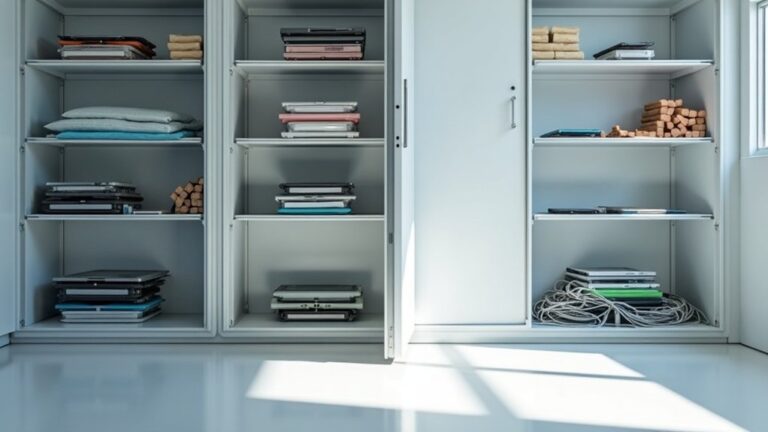
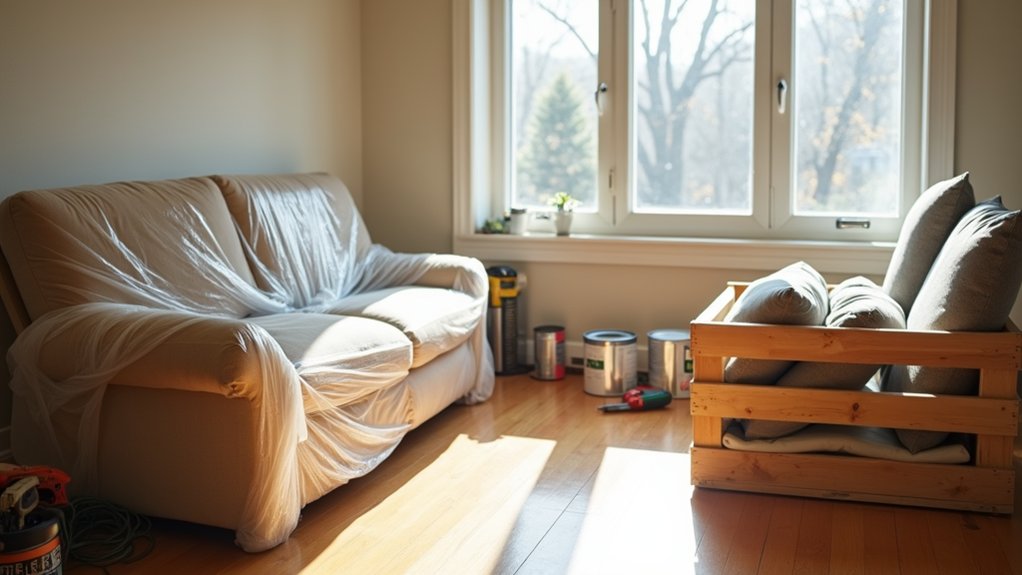
To store your furniture safely during renovations, start by assessing what you have and measuring your items to determine the space you’ll need. Group similar items together for easy access, and consider using climate-controlled storage for delicate pieces. Disassemble larger furniture, clean them thoroughly, and wrap them in protective coverings. Ensure pathways are clear and label everything for quick retrieval. Decide whether on-site or off-site storage is more suitable for your needs. This approach will help streamline the process and make your renovation experience less stressful.
Key Takeaways
- Measure and sort your furniture by type to identify the storage space you’ll need during renovations.
- Clean and dismantle larger items to save space and protect them from damage.
- Opt for a suitable storage solution, such as climate-controlled units, to shield sensitive items from environmental harm.
- Use protective coverings like plastic wraps and blankets to guard against dust, moisture, and scratches.
- Clearly label all boxes and items for easy access and organisation in your storage area.
Assessing Your Storage Needs
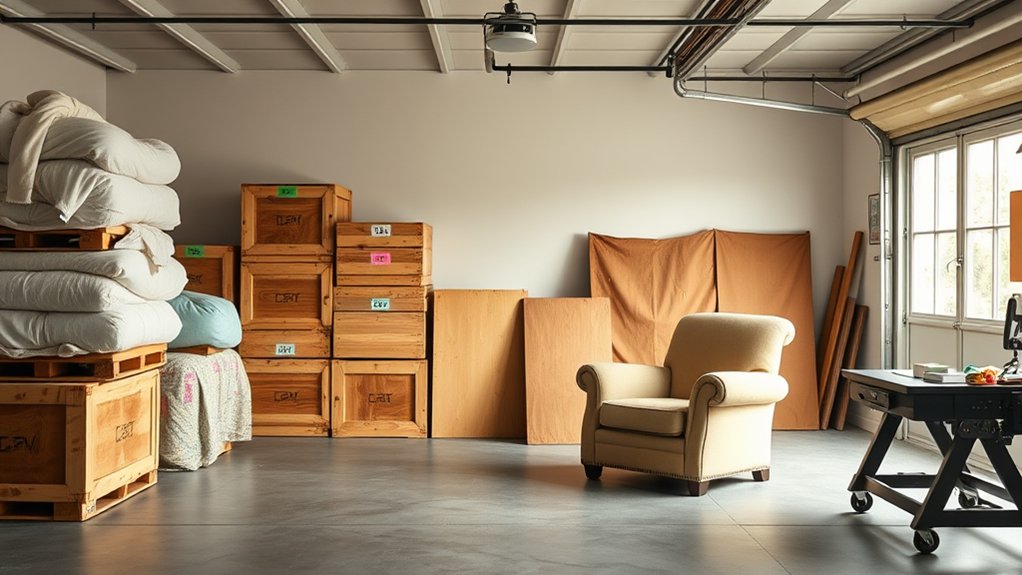
How do you start the daunting task of storing your furniture during renovations?
Begin by listing every item that needs to be stored, from your favourite sofa to seasonal decorations. Group them by type—fragile items require extra care, while things you use often should be easily accessible. Additionally, consider using climate-controlled storage to prevent mould and mildew that can damage your belongings.
Measure their dimensions to accurately estimate the storage space you need, steering clear of units that are too big or too small. Consider protective options, like climate-controlled storage for delicate fabrics or electronics. Additionally, analyzing the volume of items needing storage can help you choose the right solution for your needs.
Prioritise based on what you need most; you don’t want to rummage through boxes for that vital item! Use online calculators or speak to storage experts for the best advice.
Embrace the process, and you’ll make the transition smoother, allowing you to focus on your newly renovated space.
Evaluating the Scope of Renovation
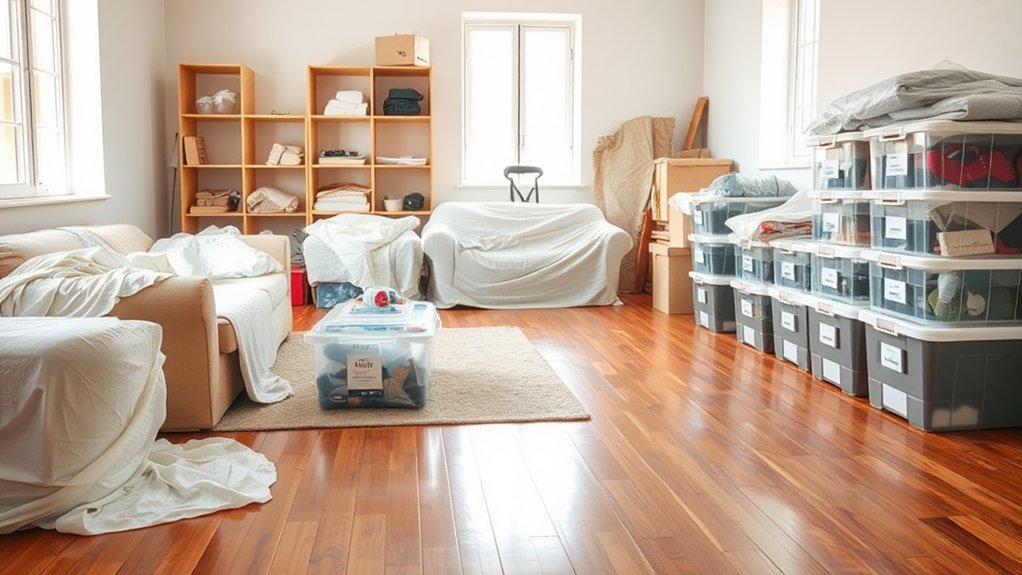
As you embark on your renovation journey, it’s crucial to evaluate the scope of your project to achieve the best results.
Start by defining your goals—are you looking to enhance comfort or increase property value? Next, identify which rooms require major renovations and which only need minor updates. This clarity will help you create a realistic timeline and set milestones to track your progress.
Keep a close eye on your budget, ensuring you allocate funds for unexpected costs. Understand the level of work needed, distinguishing between cosmetic improvements and structural changes.
Don’t forget to check on any necessary permits to comply with local regulations. By planning logistics and considering access, you’ll create a smoother workflow, making your renovation experience both rewarding and enjoyable.
Identifying Types of Furniture
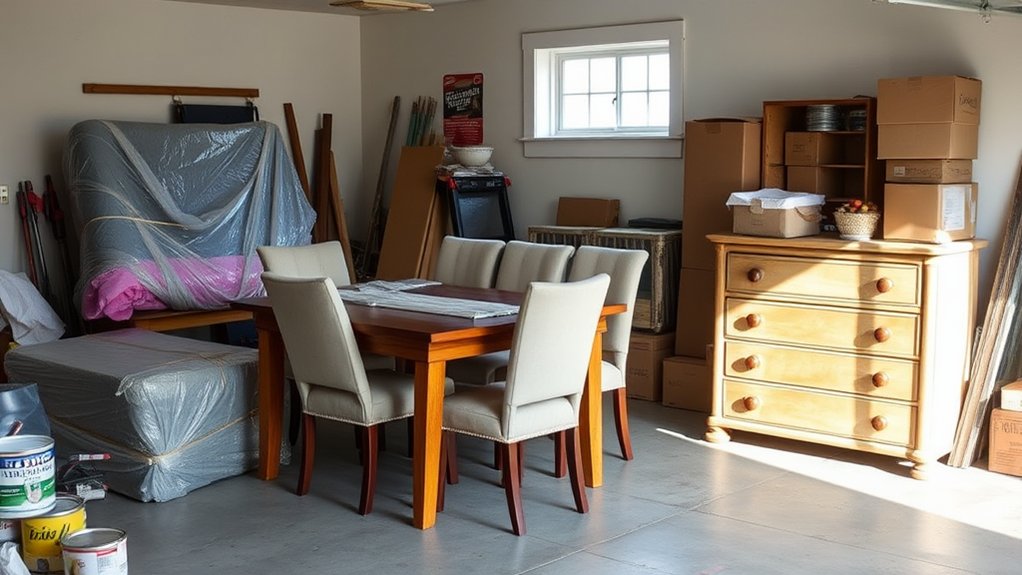
Once you’ve mapped out your renovation project, it’s time to focus on the furniture that will define your spaces.
Start with seating furniture—think sofas and armchairs that make your living room inviting. For restful nights, consider sleeping furniture like beds and futons in the bedroom.
Don’t forget storage solutions, such as cabinets and bookcases, to keep everything organised. Dining furniture, including tables and chairs, is vital for enjoying meals with family and friends.
If you have a home office, include workstation furniture to enhance productivity, and display furniture to showcase your favourite items. Indoor vs. outdoor furniture can significantly influence your selection for different areas of your home.
Embrace different styles—whether it’s classic wood, modern metal, or comfortable upholstery. Look for multifunctional pieces for efficiency, and remember outdoor furniture for enjoying the fresh air.
Each item plays a role in telling the unique story of your home.
Understanding Storage Duration
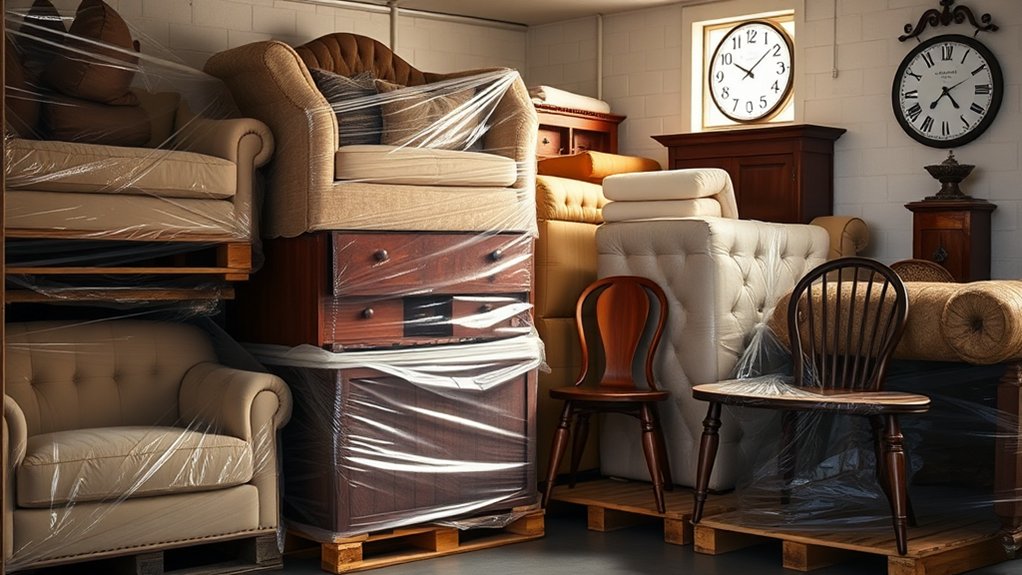
When planning your renovation, it’s important to consider how long you’ll need to store your furniture. For a quick update, short-term storage may be sufficient. However, if you’re undertaking a significant overhaul, you might need to store your cherished pieces for several months or even longer. Knowing the potential storage durations will help you select the right facility and budget accordingly, ensuring your furniture remains safe throughout the renovation process. Additionally, exploring shared storage deals can help reduce costs if you need to store items for an extended period.
Short-term Storage Needs
Understanding your short-term storage needs is essential during renovations, especially if you want to keep your furniture safe and easily accessible. Short-term logistics, lasting from a few weeks to three months, require careful planning.
Consider using mid-sized units, like 10’x10’, as they offer flexibility without breaking the bank.
Make sure to clean your furniture thoroughly to avoid stains, and disassemble larger items to save space. Use protective covers, but take care not to trap moisture.
Elevate your belongings off the floor, and label everything clearly for quick retrieval. Pay attention to climate; well-ventilated spaces are crucial, particularly in humid months. Additionally, assess your storage duration needs to determine the best rental options for your situation.
Long-term Storage Considerations
As you begin your renovation journey, understanding long-term storage is crucial, especially if your furniture will be stored for months or even years.
Here are some key considerations:
- Climate Control: Ensure the storage facility maintains stable temperatures to protect sensitive materials like wood and upholstery.
- Quality Facility: Opt for a reputable and secure storage option to safeguard your belongings.
- Proper Packaging: Wrap your furniture carefully to shield it from dust and moisture.
- Regular Inspections: Check on your items periodically to identify any potential issues before they worsen.
Exploring Storage Options
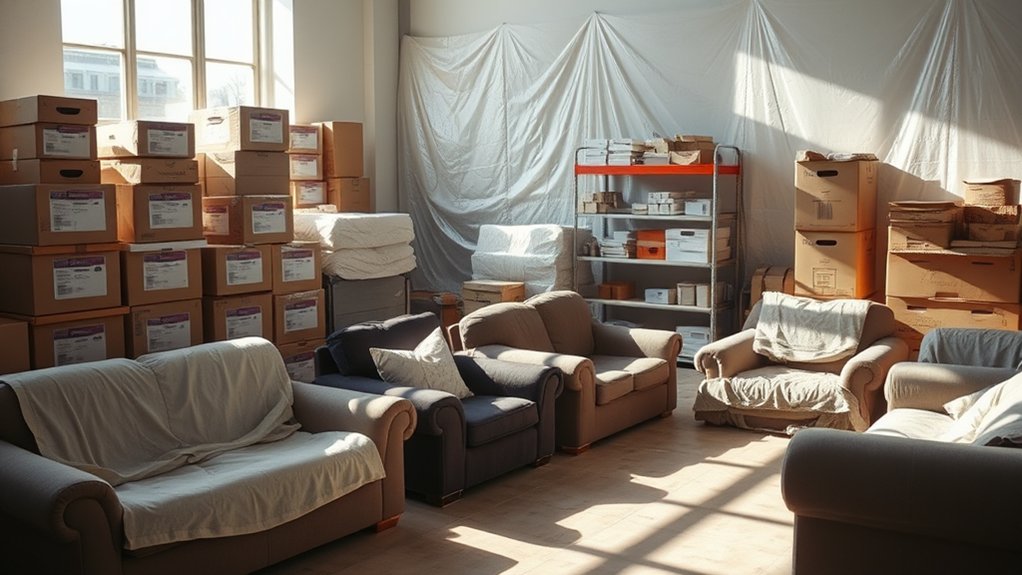
When renovating, consider the benefits of self-storage, portable containers, and climate-controlled options for your furniture.
Each choice offers convenience and protection, ensuring your belongings stay safe. For instance, self-storage provides a secure space for larger items, while portable containers offer flexibility by allowing you to keep your items on-site during the project.
Climate control is essential for delicate pieces that need specific temperature conditions.
Self-Storage Benefits
During renovations, self-storage units can provide valuable support by keeping your belongings safe.
Here are some key benefits of using self-storage:
- Protection: Your furniture and decor are shielded from dust and debris during the work.
- Rental Flexibility: Select from various sizes and lease terms that suit your requirements.
- Climate Control: Sensitive items can be kept in a temperature-controlled environment.
- Convenience: Many facilities offer easy access, allowing you to retrieve items as needed.
Self-storage helps you manage clutter, making your renovation process smoother and ensuring your treasured belongings remain safe.
Portable Container Options
When renovating, opting for portable container solutions can greatly ease your storage requirements. Companies such as 1-800-PACK-RAT and PODS offer the convenience of having containers delivered directly to your home. Made from sturdy steel, these containers provide excellent security for your possessions.
| Provider | Container Size | Key Feature |
|---|---|---|
| 1-800-PACK-RAT | 8 ft, 16 ft | Weather-resistant |
| Go Mini’s | 12 ft, 20 ft | Ground-level access |
| PODS | 8 ft, 16 ft, 12 ft | Free furniture pads |
| Haulaway | 10 ft, 20 ft | Suitable for hardwood floors |
| All Providers | Various sizes | Cost-effective solutions |
Enjoy easy access to your belongings while keeping them secure, making your renovation process much smoother.
Climate Control Importance
Once you’ve secured your furniture in portable containers, it’s crucial to think about how to protect those valuable items during renovations.
Here’s why climate control is important for safeguarding your belongings:
- Temperature Stability: Keeps conditions consistent, preventing damage from temperature fluctuations.
- Humidity Management: Controls moisture levels, reducing the risk of mould and deterioration.
- Protection from Extremes: Guards against severe weather that could adversely affect your furniture.
- Extended Lifespan: Creating the right environment helps your cherished pieces last longer.
Creating a Storage Plan
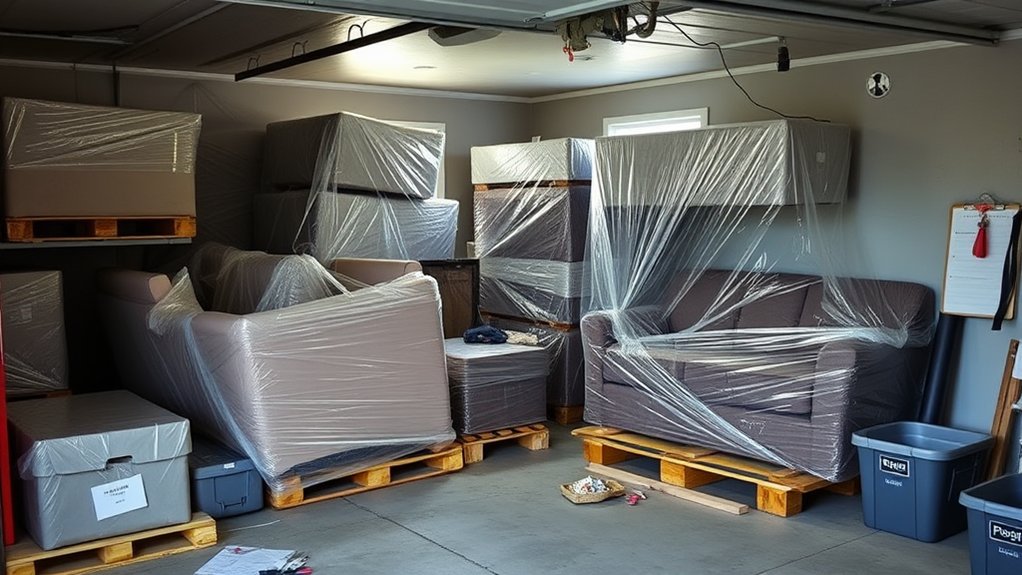
As you start your renovation journey, it’s crucial to create a detailed storage plan to protect your furniture and simplify the process.
Begin by assessing the scope of your renovation to determine the space you’ll require. Identify the types of furniture needing storage, such as large sofas or fragile antiques. Consider how long items will be stored and your budget for storage solutions.
Make the most of your space by using vertical storage options and ensuring clear pathways for easy access. For larger pieces, disassemble them where possible and wrap them securely.
Be sure to label everything for quick identification, helping to keep your belongings safe and organised during the renovation. This careful planning will allow you to concentrate on transforming your home.
Choosing the Right Storage Solution
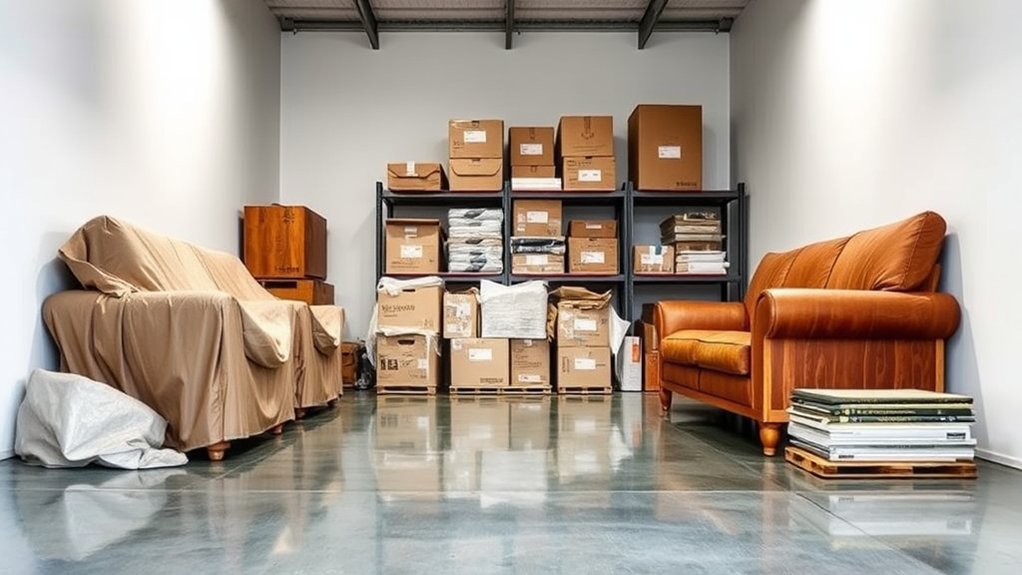
When starting a renovation, choosing the right storage solution can significantly protect your furniture and keep your space tidy.
Here are some practical options to consider:
- Portable storage: Containers delivered directly to your property provide easy access and safeguard your belongings from dust and weather conditions.
- Off-site security: Storage facilities with round-the-clock surveillance offer reassurance for longer-term storage needs.
- Climate control: Select units that maintain stable temperatures to protect sensitive items, such as electronics or artwork.
- Specialised containers: Use boxes tailored for specific furniture types to ensure they’re stored correctly and preserved.
Organizing Your Storage Space
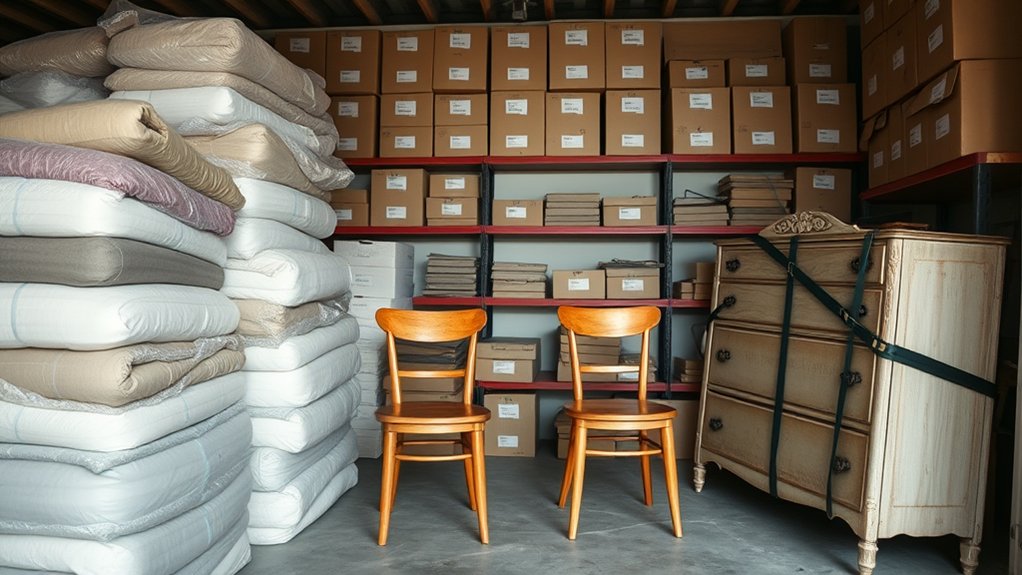
Creating an organised storage space is crucial for keeping your furniture safe and accessible during renovations. Start by assessing your available space and sketching a layout that shows where everything will go.
Group similar items together for easier access. To optimise your space, use sturdy shelving: place lighter items on top and heavier ones below. Clearly label everything, perhaps with colour-coded tags, so you can find things quickly.
Don’t forget about utilising furniture itself; use drawers and the space under tables for smaller items. Keep pathways clear for easy navigation, and adjust your setup as needed.
With careful organisation, your storage can seamlessly integrate into your home’s evolving needs.
Protecting Your Furniture
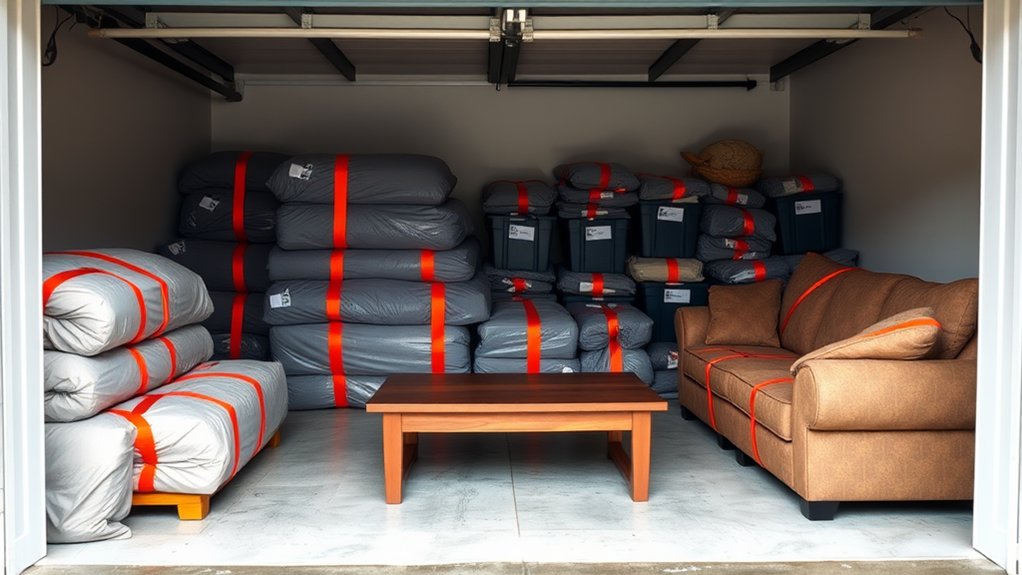
As you get ready for renovations, it’s crucial to cover your furniture to protect it from dust and moisture.
With your cherished items wrapped safely, you can relax knowing they’re shielded from the mess of construction.
Additionally, maintaining proper moisture levels will help ensure your furniture stays in good condition, so it emerges from the renovation ready for its next chapter.
Cover and Wrap Furniture
To protect your furniture during renovations, it’s crucial to wrap and cover it properly. Here are some effective techniques to ensure your cherished pieces stay safe:
- Plastic Covers: Protect against dust, moisture, and paint.
- Furniture Pads: Use these to prevent scratches.
- Heavy Blankets: Perfect for shielding against impacts and debris.
- Triple Layer Paper Pads: Great for delicate items that need extra care.
When wrapping, make sure to secure everything tightly with duct tape or straps for full coverage.
Layer materials for sensitive items and check regularly to maintain effective protection.
With these wrapping techniques, you can relax knowing your furniture will come through the renovation unscathed, ready to take its place in your home.
Manage Moisture Levels
Renovating your home can be exciting, but it often leads to unexpected moisture issues that may harm your furniture.
To tackle this, consider fitting dehumidifiers in storage areas to maintain optimal humidity levels. Air conditioning is also crucial—keep it running to regulate moisture throughout your home.
On low-humidity days, open windows for fresh air, and use ceiling fans to keep the air circulating and prevent dampness.
Regularly check humidity levels and inspect your furniture for any signs of moisture damage.
Position your items away from walls and windows, and employ waterproof barriers in areas prone to dampness.
On-Site vs. Off-Site Storage
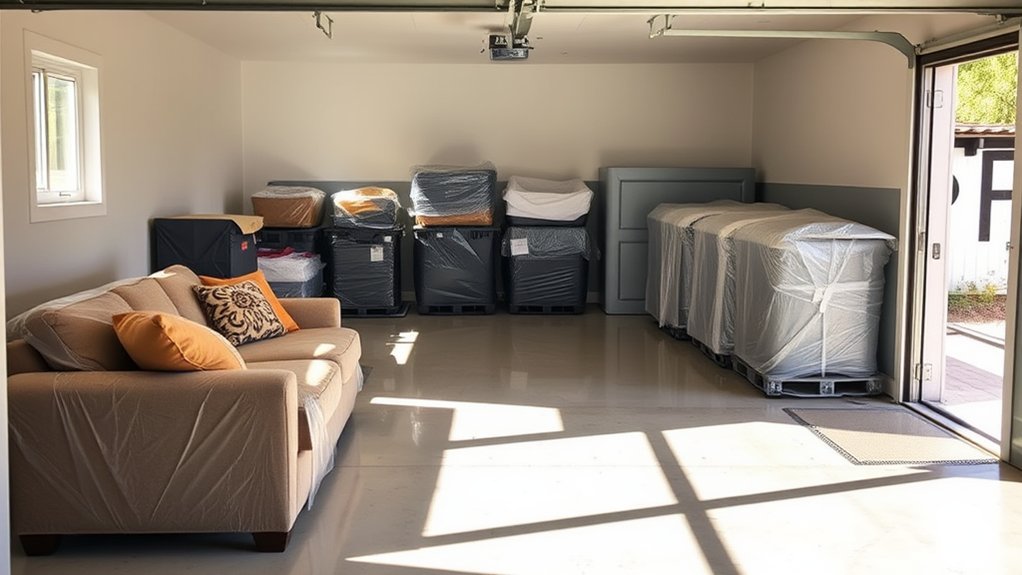
When deciding how to store your furniture during renovations, you’ll need to weigh the pros and cons of on-site versus off-site storage. Here are some key points to consider:
- Accessibility: On-site storage allows for quick access to your belongings, meaning you won’t have to make additional trips to retrieve items.
- Protection: Off-site storage typically offers climate control, helping to protect your furniture from dust and weather-related damage.
- Security: While on-site storage provides convenience, off-site facilities often come with enhanced security systems for added peace of mind.
- Space Efficiency: Off-site storage can free up space in your property, ensuring a smoother renovation process.
Ultimately, you’ll want to balance the benefits of on-site storage with those of off-site options to find the solution that best meets your needs and enhances your renovation experience.
Finalizing Your Storage Arrangements
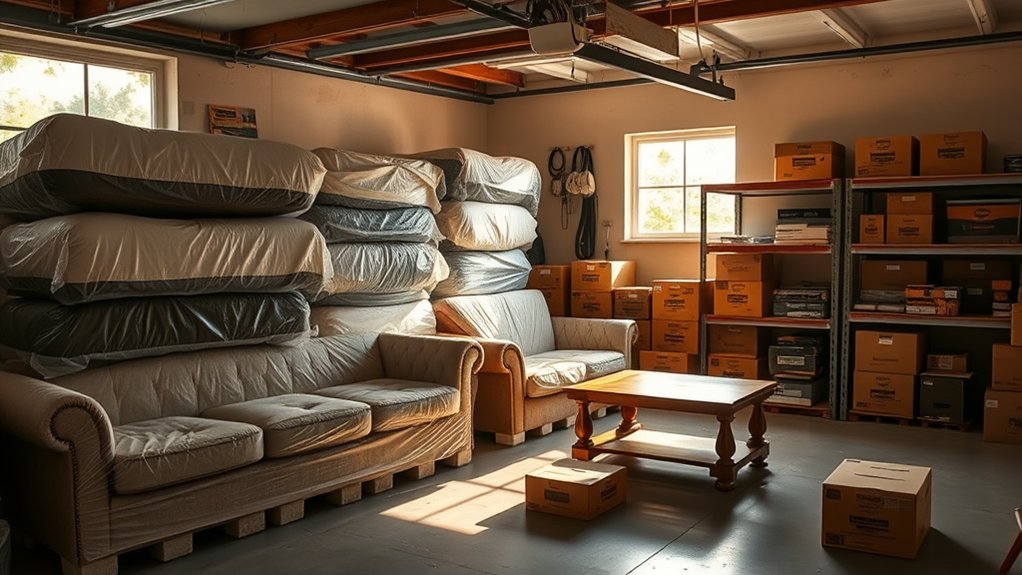
Finalising Your Storage Arrangements
After considering your options for on-site and off-site storage, it’s time to finalise your arrangements. Start with a thorough check: inspect each item, document their condition, and ensure that small parts are securely bagged. Then, select a storage option that offers a good balance of temperature control and security.
| Storage Type | Key Features |
|---|---|
| Indoor Storage | Climate-controlled, secure locks |
| Portable Containers | Flexible access, possible temperature fluctuations |
| Empty Rooms | Cost-effective, easily accessible |
Ensure each item is wrapped in breathable materials and clearly labelled for easy reassembly later. Your furniture deserves proper protection during renovations, and with thoughtful planning, you can achieve that.
Maintaining an Inventory of Stored Items
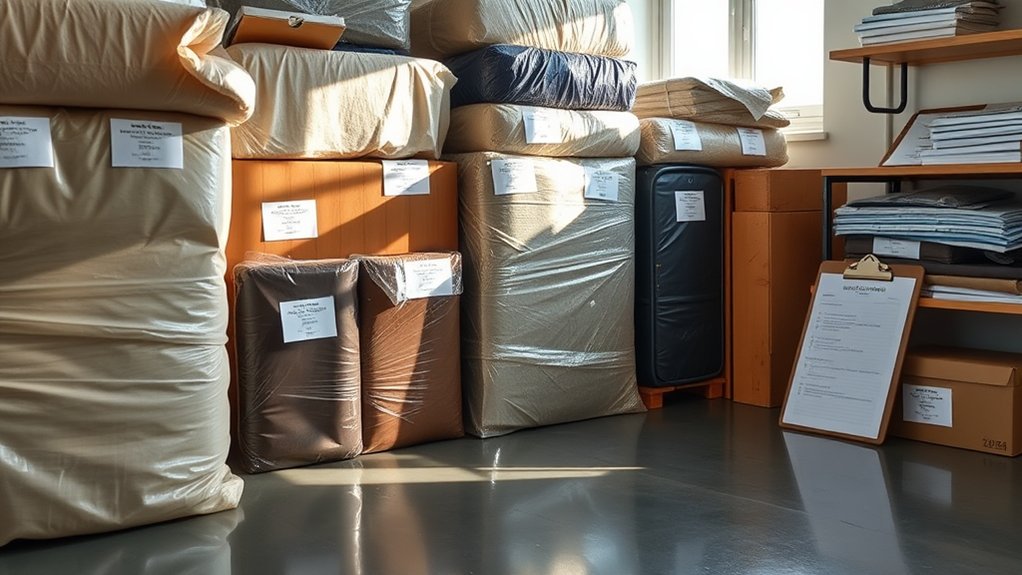
Keeping an accurate inventory of your stored furniture is crucial, especially during renovations. It helps to keep things organised and saves you time and hassle.
Here are some straightforward steps to ensure a smooth process:
- Utilise Inventory Apps: Use tools like Nest Egg for easy item logging with barcode scanning.
- Implement Consistent Labelling: Use a numbering or colour-coding system for quick identification.
- Organise Your Items: Group furniture by type or room to make retrieval easier.
- Update Records Regularly: Make sure your digital lists reflect any changes immediately to maintain accuracy.
Following these steps will help you manage your renovation confidently, knowing your items are safe and well-organised.
Frequently Asked Questions
How Do I Determine the Right Size Storage Unit for My Furniture?
To find the right size storage unit for your furniture, start by measuring your items. Calculate their total cubic feet and choose a unit that suits your needs. Make sure there’s enough space to stack and access your pieces easily, without creating a cluttered environment. For example, if you have a three-piece suite and a dining table, you’ll need a unit that comfortably fits those larger items while allowing for additional boxes or smaller furniture.
What Items Should I Avoid Storing With My Furniture?
When storing furniture, avoid keeping hazardous materials nearby and steer clear of extreme temperatures. Storing flammable items or damp fabrics can lead to damage. For example, don’t place a gas canister next to your wooden furniture, as it poses a fire risk. Keep your belongings safe and sound!
Can I Store My Furniture Without Disassembling It?
You can store your furniture without disassembling it. Just make sure to protect your items with appropriate wrapping and select storage solutions that keep them safe. This way, your furniture remains intact and ready for your next move.
What Are the Costs Associated With Different Storage Options?
Self-storage costs can vary significantly, much like the value of different items in a collection. The price you pay often depends on the size of the unit and its location. For instance, a small storage unit in a rural area will generally be cheaper than a larger one in a city centre. Additionally, if you hire a moving company to transport your belongings, this can add to your overall expenses. Consider your needs carefully to find the most cost-effective solution for your storage.
How Can I Prevent Mold Growth in Storage Units?
To prevent mould growth in storage units, effective humidity control and proper ventilation are key. Use dehumidifiers to reduce moisture in the air, ensure there is good airflow, and regularly check humidity levels to keep your space fresh and free from unwanted spores. For example, placing silica gel packets amongst your items can help absorb excess moisture.
Conclusion
As you navigate the upheaval of renovations, with your furniture safely stored away, a sense of relief takes over. Will it come out unscathed, ready to find its place in your newly transformed home? You can almost hear the echoes of cherished memories, eager to return. The key question remains—will this space be improved, brighter, and more appealing? Time will reveal all, but with your careful planning, you’ve laid the groundwork for an impressive transformation.