

Short-Term Storage for Moving: Keeping Things Organized
Short-term storage is essential when moving, ensuring your belongings are easily accessible during the transition. Start by assessing what you need to store; make a list of items and their sizes. Pack efficiently using sturdy boxes and bags, and label them clearly to stay organised. Keep your budget in mind, especially as many storage facilities offer seasonal discounts. It’s also wise to check that the storage facility has strong security measures for your peace of mind. With careful planning, you can streamline your move—consider these tips to improve your storage experience.
Key Takeaways
- Create a detailed inventory list of items, categorising them by type and fragility to keep things organised during your move.
- Use quality packing materials and clearly label each box with its contents and the room it’s destined for, making unpacking much easier.
- Implement a colour-coding system for boxes to help you quickly identify which room they belong to in your new home.
- Maximise storage space by stacking boxes and placing heavier items at the bottom to ensure stability.
- Choose a storage facility with security features, such as CCTV and access control, to keep your belongings secure.
Understanding the Need for Short-Term Storage
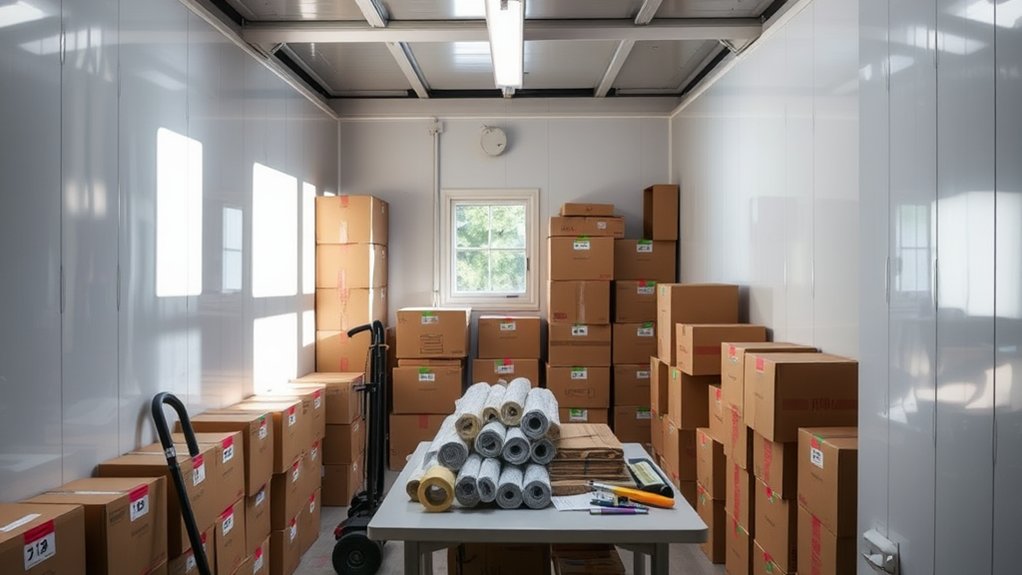
Understanding the need for short-term storage during a move can significantly simplify the process. It provides the convenience of accessing your belongings whenever necessary, without the urgency of unpacking everything at once.
Short-term storage is particularly useful if you’re downsizing or transitioning between rental properties. It offers flexibility, alleviating the stress of managing large items while ensuring your valuables are kept safe. Additionally, the self-storage industry, valued at approximately 58.27 billion dollars in 2023, reflects the growing demand for such services as more people seek solutions during life transitions.
According to statistics, approximately 11.1% of U.S. households use self-storage during transitions, highlighting its relevance in the moving process. For businesses relocating, short-term storage helps maintain efficiency and aids in a seamless transition. It’s also ideal for seasonal items; for instance, you can store away winter clothing or festive decorations, keeping your new home clutter-free.
Using short-term storage can make your move smoother and grant you greater peace of mind.
Assessing Your Storage Requirements
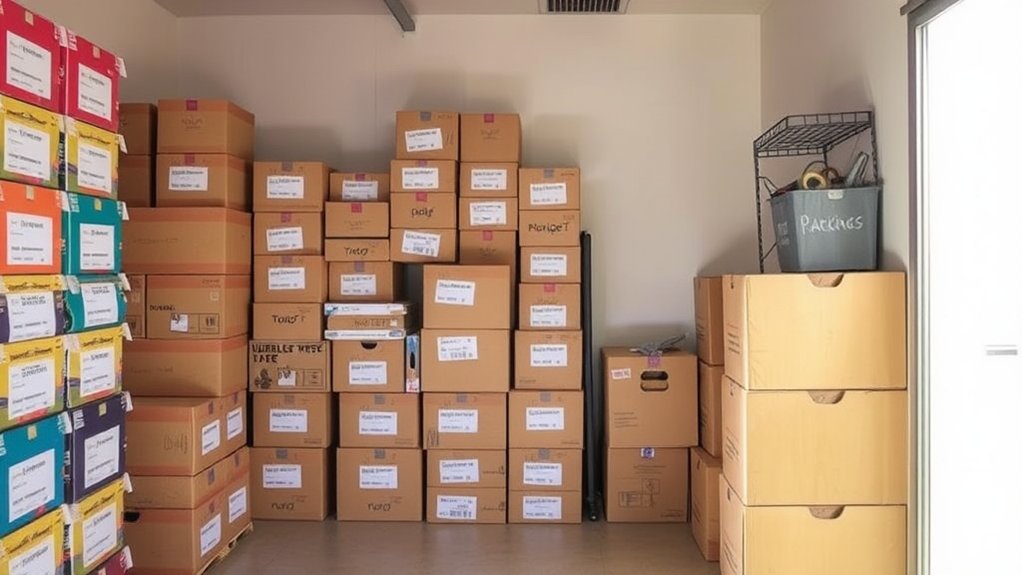
As you prepare for your move, it’s vital to assess your storage needs for a seamless transition.
Start by estimating the volume of your belongings to decide on the right storage unit size. Measure larger items to ensure they fit comfortably.
Make a detailed inventory list, categorising items by type and fragility, especially for delicate pieces like glassware or electronics.
Think about how often you’ll need access to your items; this can affect your choice of facility. Additionally, consider that short-term solutions are ideal for immediate and temporary requirements, which may influence your selection.
Also, consider whether you require climate-controlled storage for sensitive items like artwork or wooden furniture.
Planning for Efficient Packing
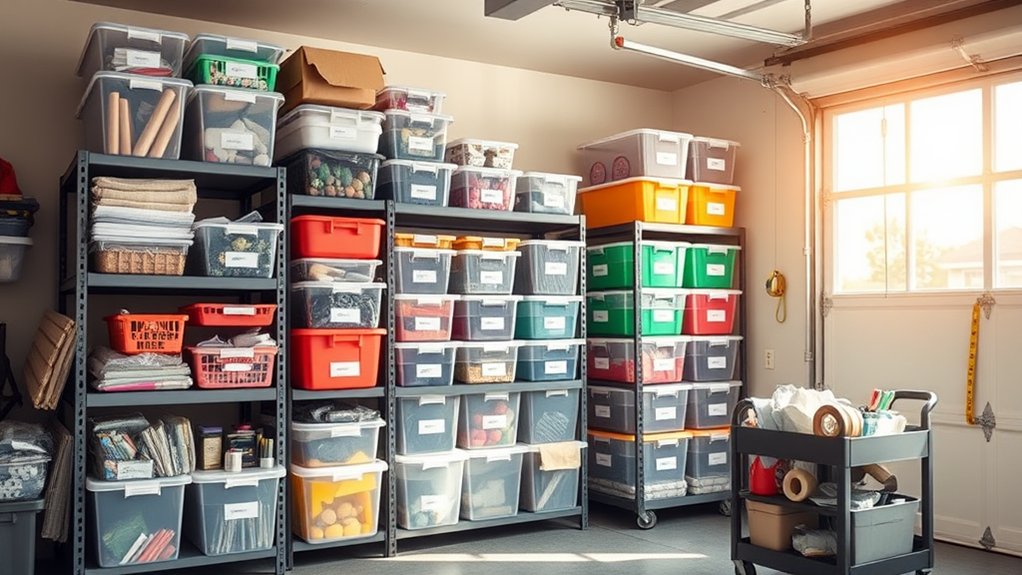
Efficient packing can save you time and reduce stress during your move, so it’s important to have a solid plan. Start by sorting items by room to make unpacking easier later. Use quality packing materials like sturdy boxes, bubble wrap, and strong tape to keep your belongings safe. Try the Russian Doll technique by nesting smaller boxes inside larger ones to save space. Wrap fragile items in towels or clothing for added protection. Setting unpacking goals, like aiming to unpack a few boxes each week to keep your new home organized, is crucial since the average time to fully unpack after a move is 182 days. Additionally, ensure that you assess storage needs to avoid selecting a unit that is too small, which can lead to wasted space and costs. Label each box clearly with its contents and the room it belongs to, making it easier to locate essentials when you arrive at your new place.
Tips for Documenting Your Inventory
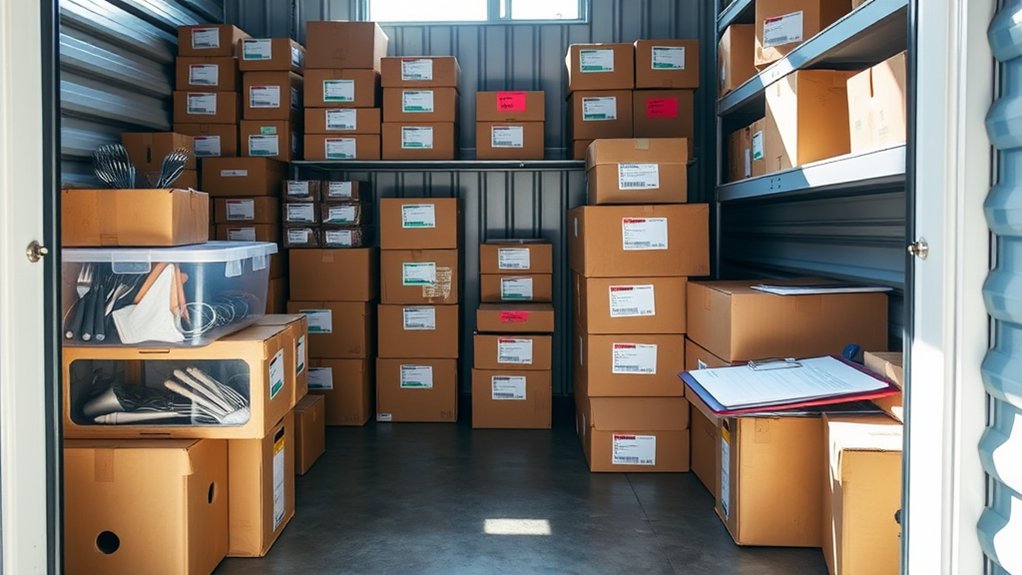
When documenting your inventory, clear labelling is vital for easy identification and organisation. Consider using digital solutions to simplify tracking and ensure your records are always accessible. Consistent methods will help you keep tabs on your items, so nothing goes missing during your move. For example, using a spreadsheet can help you log items by category and location, making it easier to find everything when you need it. Additionally, incorporating climate-controlled units can help protect sensitive items during transit and storage, ensuring they remain in optimal condition.
Clear Labeling Techniques
Effective labelling techniques are crucial for keeping your inventory organised during a move. Here are some straightforward strategies for clear box identification:
| Label Type | Description | Example |
|---|---|---|
| Room-by-Room | Clearly state contents and their destination. | Kitchen – Coffee Maker & Mugs |
| Colour Coding | Assign colours for each room. | Blue for Kitchen, Red for Bedroom |
| Numbering System | Use sequential numbers on boxes. | Kitchen 1/15, Kitchen 2/15 |
Additionally, list contents, mark fragile items, and place labels on multiple sides for better visibility. Opt for durable, water-resistant labels to withstand moving conditions. Regularly check and update your labels to ensure accuracy and organisation.
Digital Inventory Solutions
Digital inventory solutions can make the daunting task of documenting your belongings during a move much easier. By using cloud storage, you can securely access your inventory from any device, ensuring nothing is misplaced.
Consider app-based options like Voxme for straightforward creation and management of your digital inventory. Including photographs of your items enhances your documentation, making it simpler to verify what you have.
Features such as barcode labelling and real-time updates improve tracking, giving you peace of mind. These systems are also scalable, suitable for projects of any size.
Regular data backups keep your information secure, while integration with existing moving software is seamless. Embrace these tools to help keep your move organised and efficient!
Consistent Tracking Methods
Consistent tracking methods are crucial for keeping your inventory organised during a move. Implementing batch tracking can improve inventory accuracy and ensure you know exactly what you possess. Here’s a simple way to document your inventory:
| Method | Benefits |
|---|---|
| Spreadsheets | Cost-effective, but time-consuming |
| Barcode Systems | Quick updates and easy scanning |
| RFID Systems | Real-time tracking, more durable |
| Regular Audits | Maintains accuracy, identifies issues |
Select a method that best fits your needs. Clear labelling and regular audits will help you avoid discrepancies, ensuring a smoother moving process. With the right tracking methods, you’ll feel more organised as you transition to your new space.
Strategies for Effective Labeling
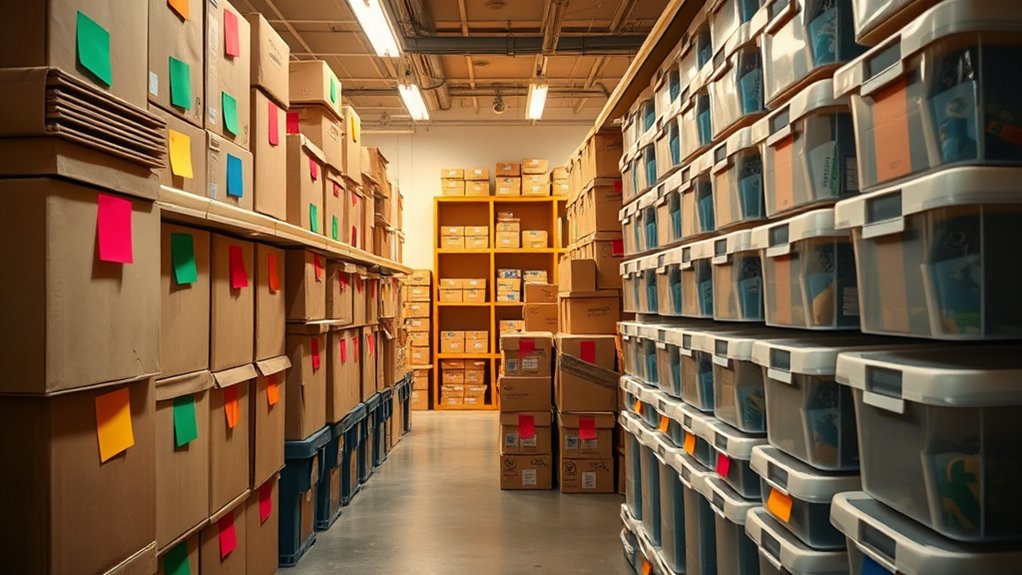
How can you ensure your labelling system makes your move smoother? By adopting effective labelling strategies, you’ll improve box organisation and achieve a stress-free move. Here are some key practices to consider:
- Colour-Code: Assign different colours for each room to quickly identify contents.
- Label Visibility: Affix labels on the top and sides of boxes for easy access.
- Immediate Labelling: Label boxes as you pack to avoid confusion later on.
Be sure to include simple descriptions, room destinations, and markings for fragile items.
Consistency is vital; use the same system throughout your move. High-quality markers and clear tape will keep your labels easy to read and secure.
With these strategies, you’ll maintain clarity and organisation, paving the way for a seamless move.
Choosing the Right Storage Facility
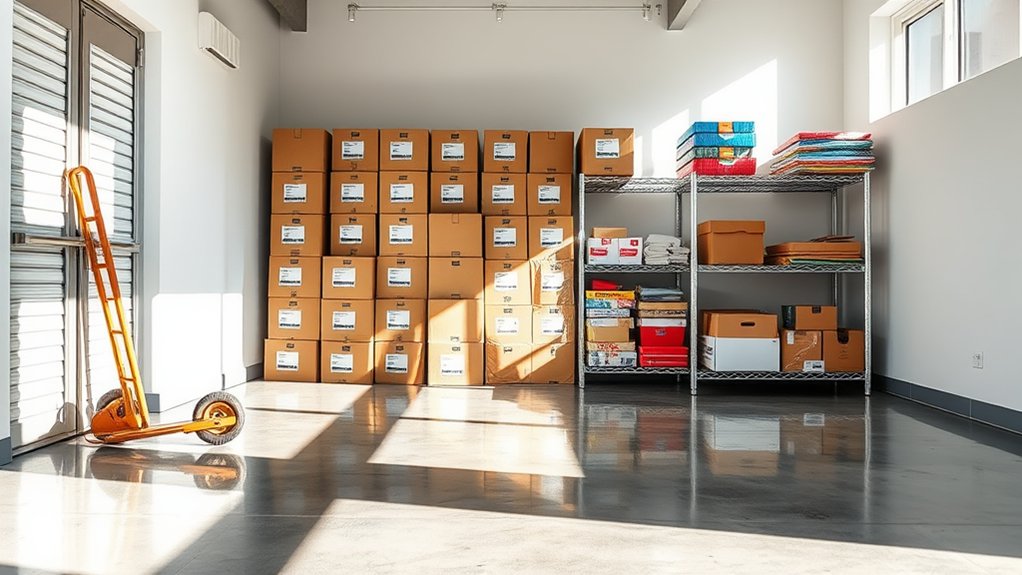
When preparing for a move, selecting the right storage facility is essential for keeping your belongings safe and easily accessible.
Start by considering the location; choose a facility close to your route or new home for convenient access. Look for sufficient parking and loading areas to make the process smoother.
Next, assess the amenities of the storage facility. If you have delicate items, climate-controlled units are important. Ensure the facility has security measures in place, such as 24/7 surveillance and gated access, to give you peace of mind.
Finally, review the rental terms to ensure flexibility, opting for month-to-month leases if you can.
Maximizing Space in Your Storage Unit
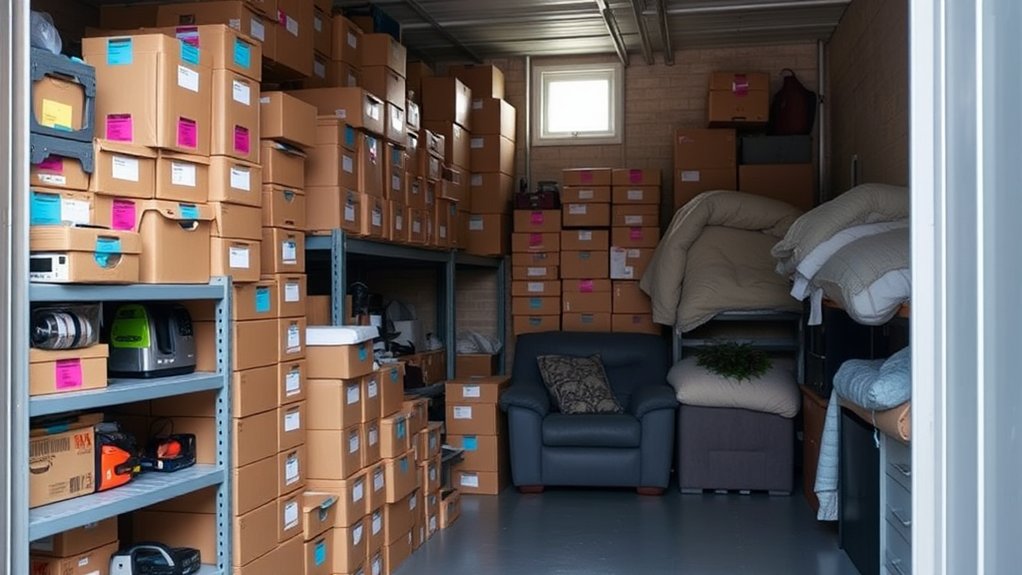
To maximise space in your storage unit, begin with a well-thought-out organisation strategy.
Focus on utilising vertical space by incorporating stackable boxes and shelving. Place heavier items at the bottom with lighter ones on top for stability.
- Declutter by removing unnecessary items to create more room.
- Clearly label all boxes for easy identification.
- Position frequently used items at the front for quick access.
Navigating Consumer Trends in Storage
As consumer lifestyles shift, it’s crucial to grasp the trends in storage demand for both providers and users.
There’s a noticeable preference for flexible storage solutions, particularly due to urban living and a growing number of renters. With many individuals residing in smaller spaces and moving more frequently, the need for short-term storage is on the rise.
Economic factors, such as cost sensitivity and housing prices, also play a key role in influencing choices.
Peak seasons for storage typically occur in spring and summer, so timing your storage needs can help you save money.
As the self-storage market stabilises, staying updated on these trends is essential for making informed decisions about your storage requirements, allowing you to adapt to your changing lifestyle effectively.
Financial Considerations for Short-Term Rentals

Understanding the financial aspects of short-term rentals can greatly enhance your moving experience.
By prioritising cost efficiency, you’ll discover that short-term rentals can save you money while offering flexibility.
Here are some essential points to consider:
- Average rental prices have fallen by 24% since 2023, making storage more budget-friendly.
- Unit sizes vary in cost; a small 5×5 unit averages £28, whereas a larger 10×20 unit is around £105.
- Keep an eye out for seasonal discounts or promotions, which can provide additional savings.
The Importance of Security Features

When selecting a short-term storage solution, security features such as access control systems and surveillance cameras are crucial.
These systems not only limit access to authorised individuals but also provide ongoing monitoring to prevent theft.
Access Control Systems
Access control systems are vital for ensuring security in short-term storage facilities. With strong security features, you can rest easy knowing your belongings are protected.
Here’s how these systems can benefit you:
- Automated systems, such as electric gates and biometric entry, ensure that only authorised individuals can access the facility.
- Real-time tracking records who enters and exits, giving you clear visibility and control over your unit.
- Cloud solutions enable remote management, allowing you to adjust access permissions and receive alerts at any time.
These features provide you with peace of mind, knowing your items are secure.
Surveillance Technology Benefits
Surveillance technology is crucial for improving security at short-term storage facilities, ensuring your belongings stay safe. The benefits include visible deterrents like cameras that help prevent crime, and real-time monitoring that allows for quick incident response.
With advanced features such as high-definition video and AI integration, you receive comprehensive coverage and efficient threat detection. This not only boosts security but also fosters customer trust by demonstrating a commitment to safety.
Moreover, enhanced surveillance can lower insurance costs, making it a wise investment. By implementing these security measures, you create a safe environment that protects your items and offers peace of mind during your move.
Utilizing Digital Tools for Organization
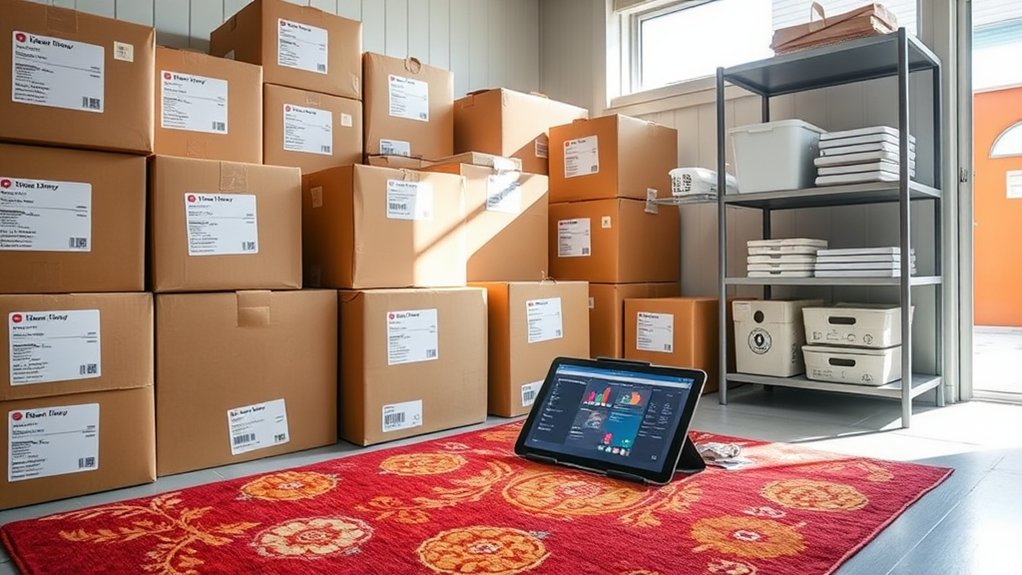
How can digital tools simplify your moving experience?
Using digital organisation can turn chaos into clarity. With the right tools, you can streamline tasks and stay organised.
Here are a few ways to enhance your efficiency during the move:
- Trello: Use boards and cards to organise tasks, assign responsibilities, and set deadlines.
- Everspruce: Take photos of your items for a visual inventory, making it easier to keep track.
- Google Drive: Store and share important documents, so you have access whenever you need them.
Preparing for a Smooth Moving Experience

Moving can feel daunting, but with the right preparation, it can be much easier. Begin by setting up an eight-week timeline to manage logistics without rushing at the last minute.
Create a moving binder to keep all your documents organised and track your budget, including costs for movers and packing supplies.
Declutter early; consider selling or donating items you no longer need to lighten your load. Clearly label boxes for straightforward unpacking, and keep valuable items separate for personal transport.
Remember to schedule utility transfers and update your address well in advance.
Finally, pack an essentials bag with everything you’ll need in the first few days at your new home. By following these steps, you can ensure a smoother and more organised move.
Frequently Asked Questions
How Do I Find Short-Term Storage Options Near Me?
To find short-term storage options nearby, search online for “short-term storage near me” or check the websites of local storage companies. Consider comparing prices, reading customer reviews, and looking for flexible contracts that suit your requirements. For instance, if you’re moving home temporarily, a facility that offers month-to-month rentals can be particularly useful.
What Items Should I Avoid Storing in a Unit?
Think carefully before storing perishable items and valuable electronics. They pose a risk—food can spoil, and electronics may get damaged. To keep your belongings safe, consider secure alternatives that meet their specific needs.
Can I Access My Storage Unit Anytime?
You can access your storage unit during flexible hours, typically from 6 am to 10 pm. Some facilities even provide 24/7 access, so it’s wise to confirm the specific access details directly with them.
Are There Any Hidden Fees With Storage Rentals?
You wouldn’t want to be caught out unexpectedly! Hidden costs, such as setup fees and compulsory insurance, can appear in rental agreements. Always read the small print before signing anything!
How Do I Ensure My Items Are Safe During Storage?
To ensure your items remain safe during storage, use appropriate packing materials and opt for a climate-controlled unit. This helps guard against moisture and temperature changes, keeping your belongings secure and in top condition until you need them. For instance, bubble wrap is great for fragile items, while sturdy boxes are ideal for general storage.
Conclusion
During your move, short-term storage can be a vital link between your old and new homes. Start by assessing what you need to store, pack wisely, and keep a detailed inventory of your items. This will help ensure a smooth transition. Use clear labels for your boxes and pay attention to security, so you can rest assured that your belongings are safe. Consider utilising digital tools to keep everything organised. With these strategies, you can navigate the moving process with confidence and ease.