

Location is crucial for the security of storage facilities, as it directly affects the risk of crime and tenant behaviour. Facilities situated in high-crime areas face increased risks of theft and vandalism. Likewise, areas with a high population density often experience greater demand for storage options. Being near crime hotspots can jeopardise safety, highlighting the importance of strong perimeter fencing, surveillance systems, and access control measures.
Furthermore, understanding the local demographics can help tailor security strategies effectively. For instance, if a facility is located in a student-heavy area, it may need to consider different security approaches to cater to that demographic. To learn more about enhancing your facility’s safety based on its location, continue exploring this important topic.
Key Takeaways
- Facilities located in high-crime areas are at greater risk for theft and vandalism, making location a key factor in security planning.
- Being near crime hotspots raises security concerns, which means stronger surveillance and access control measures are essential.
- Urban centres with dense populations can attract opportunistic thieves, as transient tenants may not be as vigilant, highlighting the importance of location for security.
- The appeal and visibility of a site can affect a facility’s marketability, which in turn influences the resources allocated to security and the types of tenants attracted.
- Working with local law enforcement and staying informed about local crime trends can help develop effective security strategies tailored to each location.
Geographic Crime Risk Factors
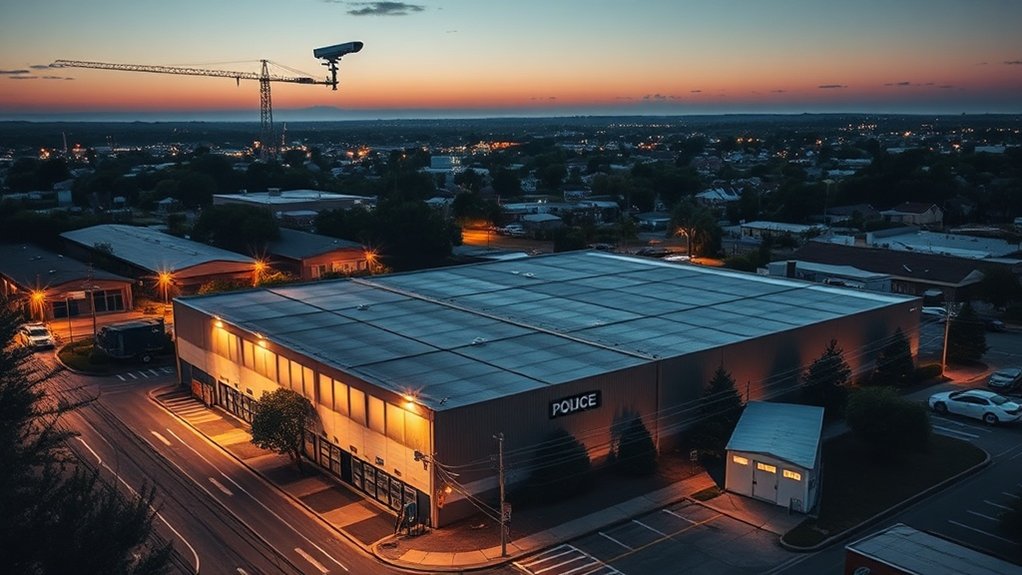
When selecting a storage facility, it’s important to consider geographic crime risk factors that can affect security. Facilities in high-crime areas are at greater risk of theft and vandalism, particularly near known crime hotspots. Offenders tend to operate within familiar areas, so proximity to these locations is crucial. For example, neighbourhoods with increasing violent crime often see higher rates of break-ins, whereas areas near known buffer zones for offenders tend to be safer. Familiarising yourself with local crime patterns can help you enhance security measures where crime is more likely to occur. In urban areas, higher population density can increase risk, while isolated suburban facilities may lack adequate natural surveillance, complicating security. Implementing security systems can further mitigate risks in these vulnerable locations. Additionally, incorporating robust materials in the construction of storage units can significantly improve their resistance to vandalism and theft. Choose carefully to safeguard your possessions.
The Role of Perimeter Security
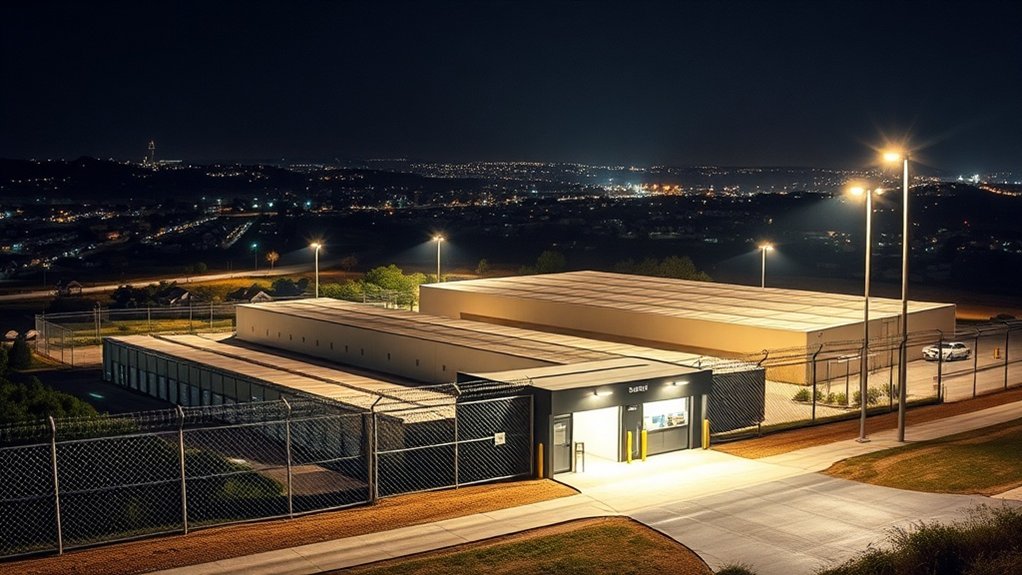
Perimeter security is crucial for protecting a storage facility and your belongings from potential threats. A sturdy perimeter fence serves as the first line of defence, helping to deter unauthorised access. Options range from chain-link to electric fencing, each offering different levels of durability and deterrence. Implementing effective perimeter protection is essential as it enhances safety and appeal for both facility owners and customers. Incorporating automated access control systems at the gates adds an extra layer of security, ensuring that only authorised individuals can enter. Additionally, bright, motion-activated lighting can significantly reduce the chances of intruders hiding in the shadows. Furthermore, implementing advanced access control systems can enhance monitoring and management of facility entry, ensuring comprehensive security measures are in place.
Importance of Surveillance Technologies
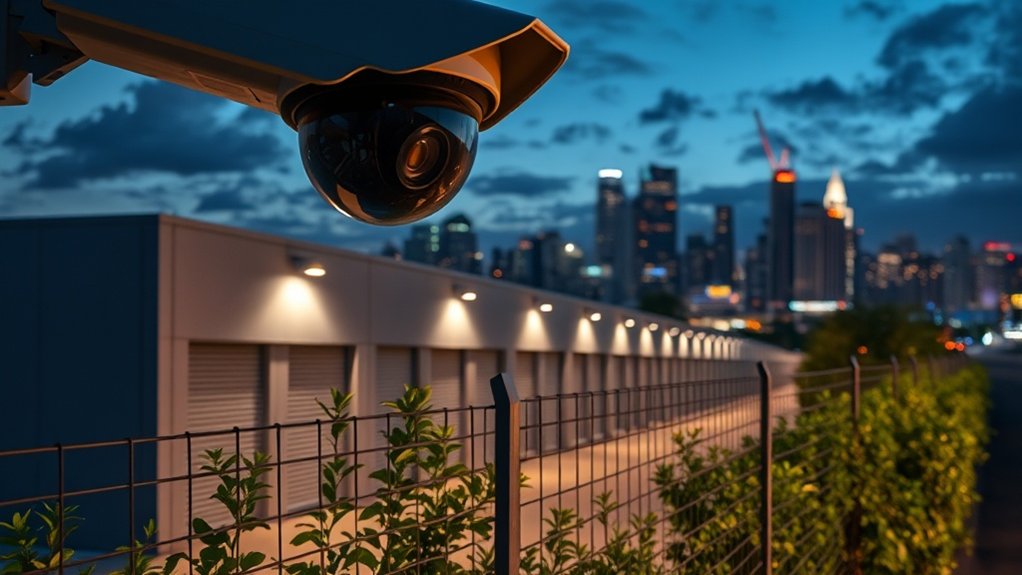
When considering security for your storage facility, advanced camera systems are crucial for enhancing safety. These technologies provide real-time monitoring, allowing you to respond quickly to potential threats and reduce risks. By using high-resolution cameras with intelligent features, you’re not just recording events; you’re actively preventing incidents from escalating. For example, if motion is detected outside your facility, you can receive alerts immediately, enabling swift action. The rising demand for AI vision-based video surveillance systems acts as a key driver in enhancing security capabilities. Additionally, the presence of 24/7 video monitoring ensures that all activities are constantly observed, further increasing the level of security for stored items.
Advanced Camera Systems
Advanced camera systems are crucial for bolstering security at storage facilities, fusing state-of-the-art technology with effective surveillance strategies.
Here are the main advantages of these systems:
- AI Integration: Cameras powered by artificial intelligence can swiftly identify threats such as theft and vandalism, leading to quicker responses.
- Variety of Camera Types: With options like dome and bullet cameras, you can choose the right type for different areas of your facility, ensuring comprehensive coverage.
- Durability: Features like thermal imaging and weatherproof designs ensure reliable monitoring, even in harsh conditions.
- Automated Alerts: Integrated alert systems activate cameras and locks simultaneously, enabling a coordinated security response.
Real-Time Monitoring Benefits
Real-time monitoring systems significantly enhance security at storage facilities by allowing for immediate detection and response to potential threats.
With real-time alerts, you can quickly tackle emergencies such as break-ins or fires, reducing losses and downtime. By integrating surveillance with alarm and access control systems, you ensure coordinated responses that activate automatically when a threat is detected. This continuous monitoring can substitute for or complement physical guards, providing consistent security without fatigue.
Moreover, remote surveillance enables off-site teams to intervene when on-site staff are unavailable, further improving safety.
The combination of visible monitoring and AI analytics not only deters crime but also offers essential evidence, safeguarding your business from liability risks while enhancing overall operational efficiency.
Access Control Measures
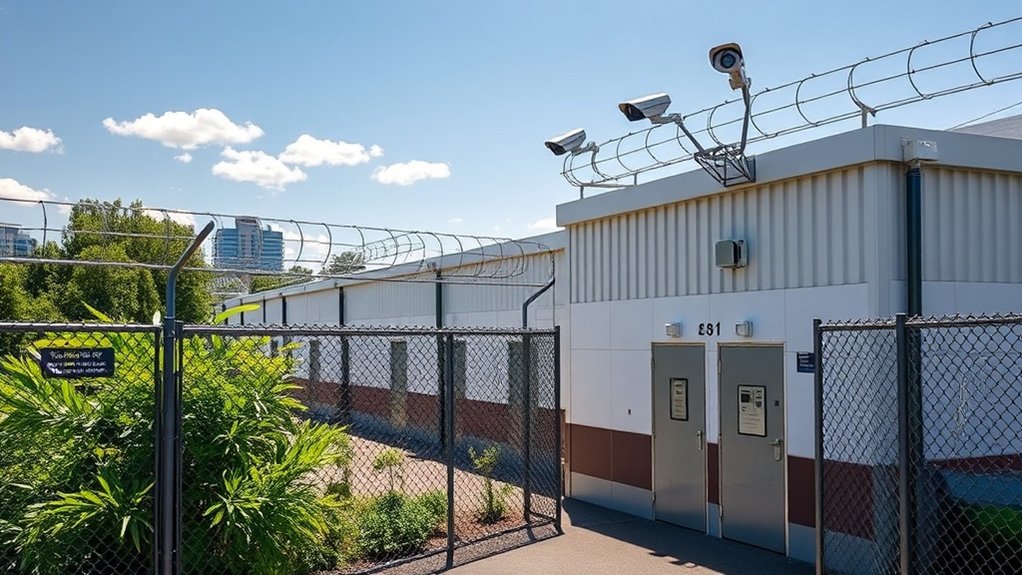
Access control measures are vital for protecting storage facilities, ensuring that only authorised individuals can enter. By adopting effective access control technologies, you boost security and reassure tenants.
Here are some key measures to consider:
- Electric gates limit entry to those with permission.
- Keypads and card readers need unique credentials for access.
- Biometric systems use fingerprint or facial recognition for secure verification.
- Mobile access control enables remote management and real-time monitoring.
With different credential options—such as PIN codes, mobile apps, and biometric identifiers—you can meet various tenant needs while maintaining flexibility.
Integrating these systems not only enhances security but also gives tenants a sense of control over their storage experience.
Tenant Behavior and Demographics
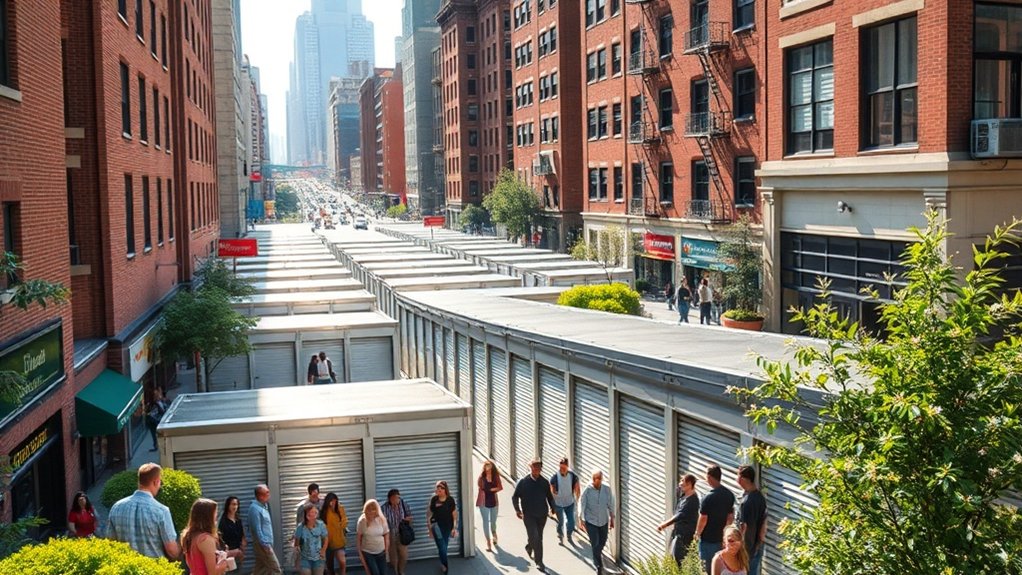
Understanding tenant behaviour and demographics is crucial for improving security at storage facilities.
With a diverse mix of transient populations, it’s important to identify their specific security concerns and expectations.
For instance, someone storing valuables may prioritise enhanced surveillance, while a student might look for affordable access.
Demographic Influence on Security
Demographic factors significantly influence tenant behaviour and, in turn, security at storage facilities. The relationship between income levels, age groups, and population density can reveal unique risk patterns.
Here are some key demographic considerations:
- Higher-income tenants often store valuable items, making them targets for theft.
- Older tenants typically use storage units for longer periods, which can lower turnover and reduce risk.
- In diverse urban areas, varying tenant behaviours can heighten the risk of internal theft.
- Younger, more transient populations tend to have higher turnover rates, which may attract opportunistic theft.
By understanding these factors, you can raise tenant awareness and implement targeted security measures.
Analysing demographic influences allows you to refine your security protocols, ensuring they address the specific challenges posed by your tenant base.
Transient Populations and Risks
As transient populations increasingly turn to storage units for shelter, the associated risks become more evident, presenting significant challenges for facility managers.
These risks include health hazards from extreme temperatures and poor sanitation. Without running water or restrooms, hygiene can deteriorate rapidly, leading to eviction concerns.
Additionally, unauthorised habitation breaches contracts, exposing facilities to legal liabilities, such as injuries and insurance complications.
The anonymity of transient tenants complicates security efforts, as some may use false identities, raising the risk of criminal activity.
Unsupervised access can lead to unsafe behaviour and potential damage to property.
To manage these risks, proactive monitoring and strict adherence to safety regulations are vital, ensuring facility safety while balancing compassion with compliance.
Impact of Location on Marketability

The location of storage facilities plays a significant role in their marketability, driven by various demographic and economic factors. Here are four key aspects to consider:
- Population Density: Areas with high population density often have a greater need for storage due to limited living space, such as flats in urban centres.
- Income Levels: Wealthier neighbourhoods tend to support higher rental rates and premium services. For example, a storage facility in a prosperous suburb may attract customers willing to pay more for added convenience.
- Market Saturation: Understanding local competition is crucial. Assessing how many facilities are nearby can help you spot opportunities or avoid oversaturated markets.
- Accessibility: Facilities that are easily accessible and visible from main roads generally draw in more customers. A site near a busy thoroughfare is likely to see higher foot traffic.
In summary, by recognising these factors, you can better evaluate the desirability of a location, which directly influences your storage facility’s success in a competitive market.
Focusing on these elements will help you cater effectively to demand.
Regional Law Enforcement Collaboration
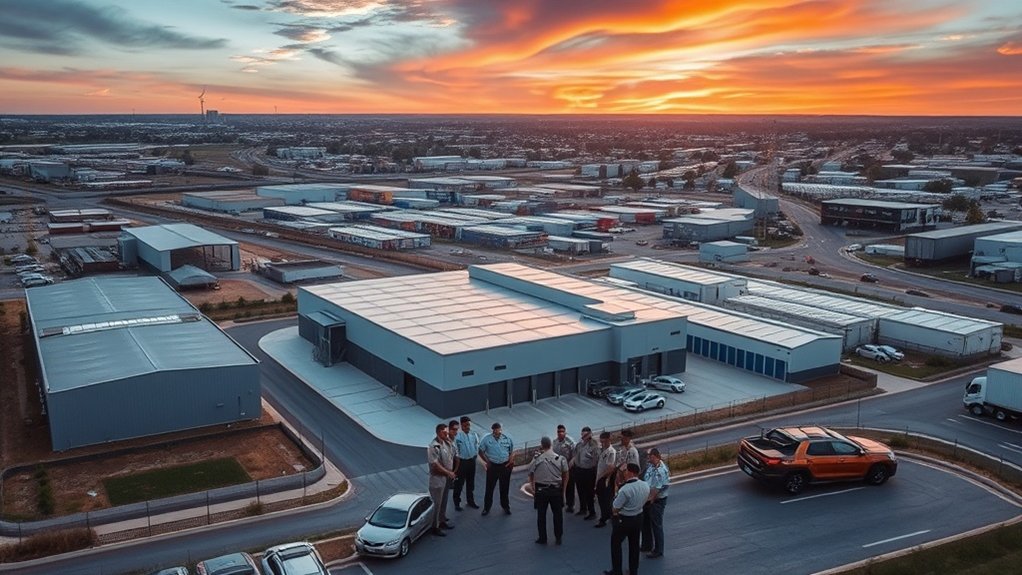
Effective regional law enforcement collaboration is crucial for addressing crime that crosses jurisdictional boundaries. By coordinating efforts between agencies, they can share data and analyse crime patterns to identify emerging threats.
This teamwork enhances the understanding of criminal activities, allowing agencies to pool resources and intelligence for more efficient case resolution. For example, identifying high-crime areas enables law enforcement to adjust personnel deployment and allocate resources effectively, improving public safety.
Additionally, sharing suspect information and alerts in real-time helps in implementing proactive crime prevention measures. Collaborative efforts not only streamline investigations but also ensure a united approach to community safety, ultimately creating a more secure environment for all.
Adapting Security Strategies to Local Conditions
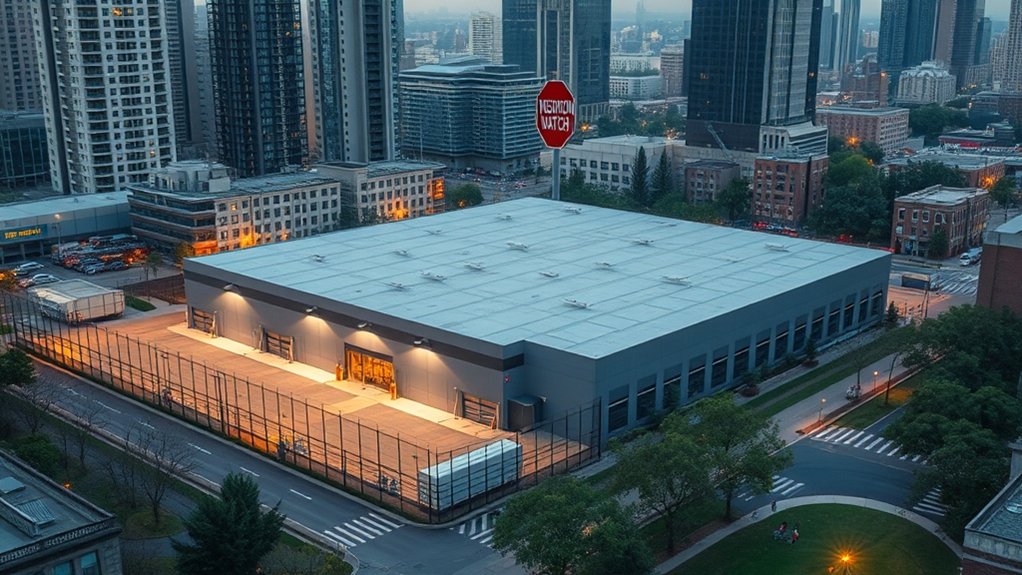
Regional law enforcement collaboration is essential for understanding local crime patterns, but the real enhancement of security for storage facilities comes from adapting strategies to the specific conditions of each area.
Here are some key approaches:
- Use weather-resistant materials for fences and locks to ensure they withstand the local climate.
- Implement customised surveillance technologies, such as thermal cameras, to target specific crime trends.
- Engage with the community to establish local watch programmes, boosting overall awareness and vigilance.
- Tailor lighting and access controls to suit demographic preferences and environmental factors.
Frequently Asked Questions
How Does Weather Affect Storage Facility Security Measures?
Weather significantly affects storage facility security by heightening risks of storm damage and temperature variations. It’s essential to ensure robust construction, effective climate control, and reliable monitoring systems are implemented to safeguard your stored items. For instance, heavy rain can lead to flooding, so facilities should be equipped with proper drainage and waterproofing. Similarly, extreme heat can damage sensitive goods, making temperature regulation crucial.
What Role Do Local Community Initiatives Play in Security?
Local community initiatives improve security by encouraging active involvement and preventing crime. When neighbours build strong relationships and stay alert, they form a collective safety net. For example, neighbourhood watch schemes allow residents to keep an eye on each other’s homes and report suspicious activity. This proactive approach turns communities into defenders against potential threats, making everyone feel safer and more connected.
How Can Landscaping Impact Security at Storage Facilities?
Landscaping plays a crucial role in security at storage facilities by improving visibility with well-kept greenery and effective lighting. Maintaining vegetation helps eliminate potential hiding spots for trespassers. For instance, trimmed hedges and clear pathways make it harder for intruders to go unnoticed. Additionally, good lighting can deter criminal activities and create a safer atmosphere for customers and staff. Overall, thoughtful landscaping can significantly enhance the security of these facilities.
Are There Specific Security Concerns for Seasonal Tenants?
As a seasonal tenant, you may face risks such as theft and damage due to your absence. To enhance your security, consider installing surveillance cameras and using high-quality locks. For example, a smart doorbell can alert you to visitors, while deadbolt locks offer added protection. Taking these steps can help safeguard your property effectively.
How Does Proximity to Universities Influence Security Strategies?
Being close to universities improves security strategies by tackling university-related crime and prioritising student safety. The increased foot traffic and community awareness promote natural surveillance. For instance, local police might adjust patrol schedules around university events or busy times. Additionally, employing advanced technology, such as CCTV and access control systems, helps deter unauthorised access and suspicious behaviour.
Conclusion
In the realm of storage security, location is crucial for shaping your protective measures. Just as a castle’s walls shield against invaders, your facility’s perimeter, surveillance, and access controls must respond to the local crime landscape. By being aware of your environment and tenant behaviours, you not only boost security but also enhance your appeal to potential customers. Think of it like tailoring a suit—every detail, from connections with local law enforcement to understanding regional risks, comes together to protect your valuable assets effectively.