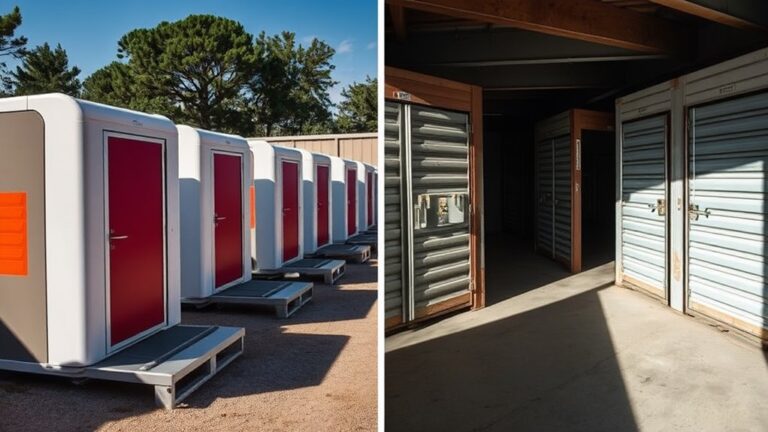
The Rise of Self-Storage in Urban Areas: Convenience for City Dwellers
Self-storage is on the rise in urban areas, providing a vital service for city residents dealing with limited space. As urbanisation and population density increase, finding extra room for belongings becomes essential. Many, particularly millennials, are turning to flexible storage solutions due to smaller living spaces. With over 50,000 facilities across the UK and a growing market, competitive pricing and convenience are readily available. Advances in technology, such as digital access and enhanced security, further bolster this trend. As urban landscapes continue to change, self-storage is increasingly important in meeting the needs of city dwellers, and there’s plenty more to explore about this growing phenomenon.
Key Takeaways
- Urban living and smaller flats prompt city residents to find adaptable self-storage options for their surplus belongings.
- Millennials, who account for 59% of urban renters, favour convenient storage solutions that fit their mobile lifestyles.
- Smaller storage units, such as 5×10 feet, are becoming increasingly popular, with 40% of urban renters opting for these compact sizes.
- Self-storage facilities bolster local economies by creating jobs and aiding small businesses with their inventory needs.
- Innovations like digital access and AI-powered chatbots improve convenience and security for city dwellers.
Urban Demand for Self-Storage
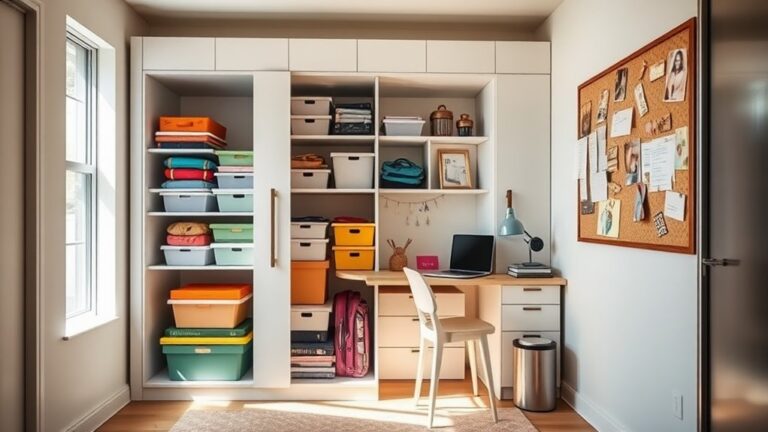
Urban demand for self-storage has risen sharply as cities become vibrant centres of activity. With increasing urbanisation and population density, the need for effective storage solutions is vital. Many urban dwellers now live in smaller spaces, prompting them to seek additional storage options. This change in urban living—marked by limited accommodation and workspace—drives the demand for self-storage facilities.
Younger generations, particularly millennials, often rent their homes and prefer flexible storage arrangements. Their transient lifestyles mean they frequently need smaller units, such as 5×5 or 5×10 lockers. Additionally, high migration rates in cities mean newcomers often require short- and long-term storage solutions to adapt to their new circumstances. Migration has been identified as a significant driver of self-storage usage, demonstrating that it plays a crucial role in the evolving urban landscape. Furthermore, enhanced security features at self-storage facilities provide city dwellers with peace of mind for their belongings.
As cities like London, Manchester, and Birmingham continue to expand, the self-storage market is expected to grow significantly, potentially reaching a valuation of £2 billion by 2033. It’s evident that as urban living changes, so does the need for convenient and accessible storage options that help city residents maintain an active lifestyle.
Benefits to Local Communities
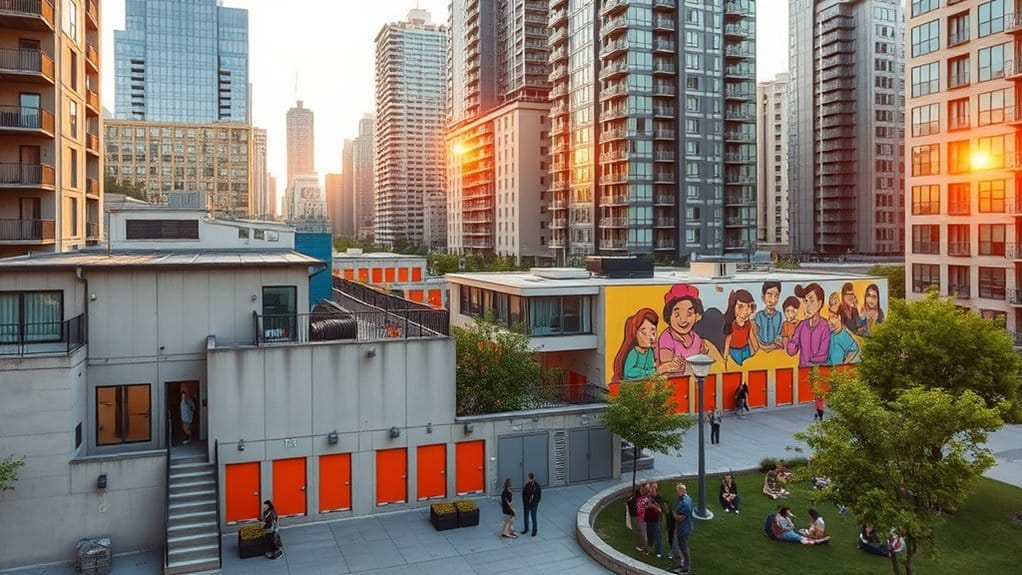
As cities develop, self-storage facilities offer significant advantages to local communities. They boost local economies by generating property taxes and creating jobs. Their low traffic and minimal impact on infrastructure allow them to fit neatly into urban settings, optimising space without overburdening local resources. Additionally, the growth of self-storage creates new business opportunities which further stimulates the local economy.
Self-storage facilities also encourage community involvement. Many engage in local initiatives and charity events, acting as supportive neighbours. Their modern designs can enhance the look of previously neglected areas, increasing property values while providing essential services for small businesses that require flexible storage options. The availability of secure storage options ensures that businesses can store important inventory without compromising their workspace.
Furthermore, self-storage addresses residents’ needs by offering secure, clutter-free living spaces. Whether you’re moving, downsizing, or simply need extra room for hobbies, these facilities help you manage life’s changes with ease and peace of mind.
Key Self-Storage Statistics
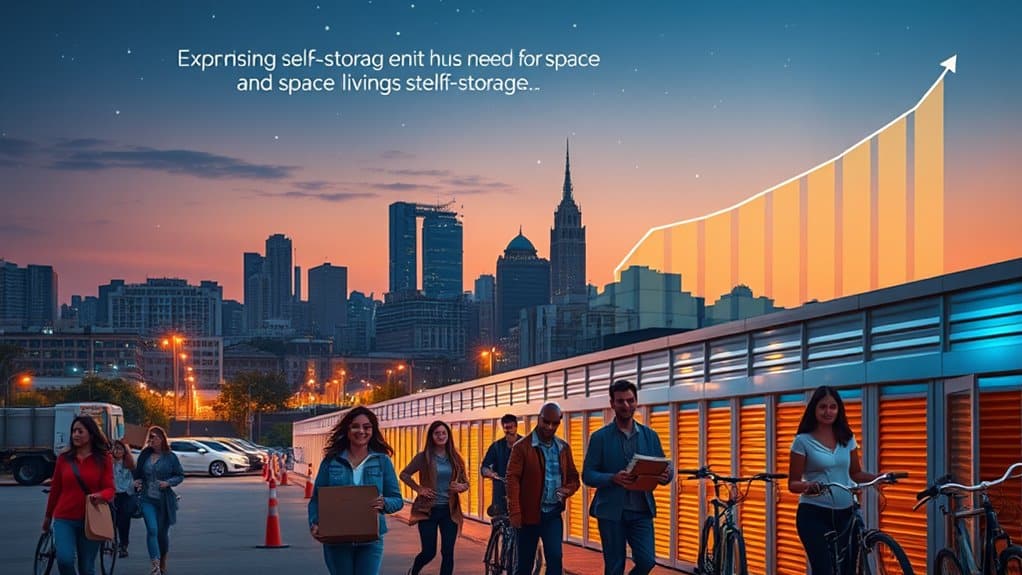
The self-storage industry is experiencing significant growth, particularly in urban areas. As more people move to cities, the demand for storage solutions is rising. Here are some important statistics that illustrate the industry’s impact:
- The global self-storage market was valued at £46.4 billion in 2023 and is expected to reach £66.6 billion by 2030.
- The United States boasts over 50,000 facilities, with cities like London, Manchester, and Birmingham seeing the highest concentrations.
- Millennials and younger generations make up 59% of urban tenants, indicating a shift in the demographics of self-storage users.
As urban living spaces shrink, many renters prefer smaller units, with 40% opting for sizes like 5×10 feet. Additionally, the self-storage market is projected to grow at a CAGR of 7.53% from 2022 to 2027, reflecting a strong demand for these services. The increasing preference for climate-controlled units indicates a growing awareness of how to protect valuable possessions.
Notably, 42% of renters utilise self-storage when moving homes, highlighting its role during transitional periods.
With an average revenue growth of 8%, the self-storage sector isn’t just a necessity but a thriving market, providing city dwellers with essential flexibility and convenience.
Current Market Trends
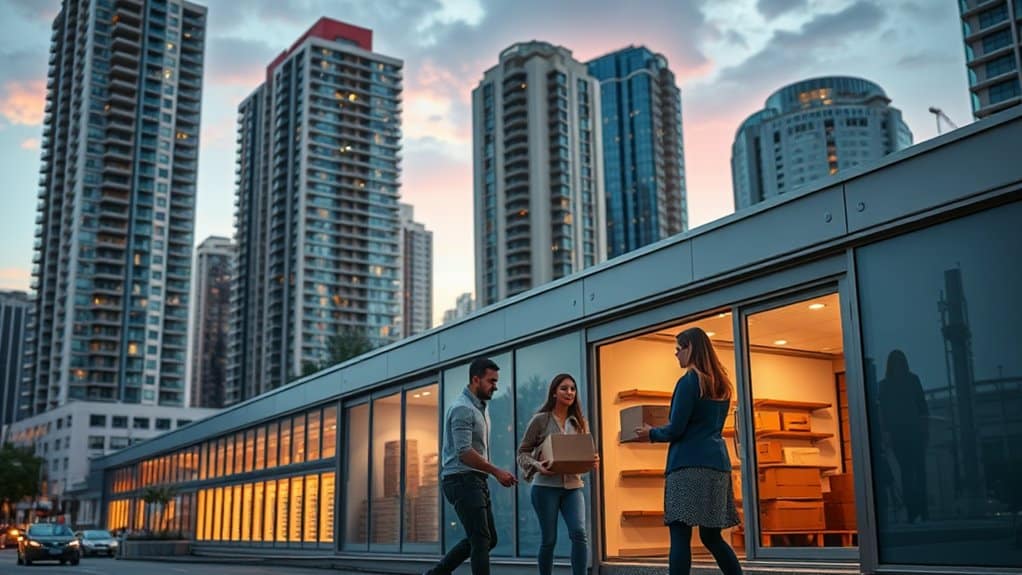
The self-storage market is changing rapidly, influenced by urbanisation and shifting demographics. As city residents encounter space limitations, there’s an increasing demand for smaller storage units, with 40% of urban renters opting for sizes like 5×10 feet or smaller. This trend suggests that these compact units are likely to command higher rental rates, as they meet the needs of those who prioritise efficiency and convenience.
Tenant behaviour is evolving too, with younger individuals visiting their storage more frequently and favouring features like climate control and flexible leasing terms. Urban tenants now consider reasonable pricing, pest control, and enhanced security as essential, given their unique lifestyle challenges. Additionally, the growth of e-commerce is driving up the need for self-storage in urban areas, with 90% of city dwellers living in apartments with limited space.
With the market expected to expand significantly, new facilities should focus on smaller units to cater to this increasing demand. Staying attuned to these trends will provide insights into where the market is heading and how your storage needs may change in urban settings.
Environmental and Technological Innovations
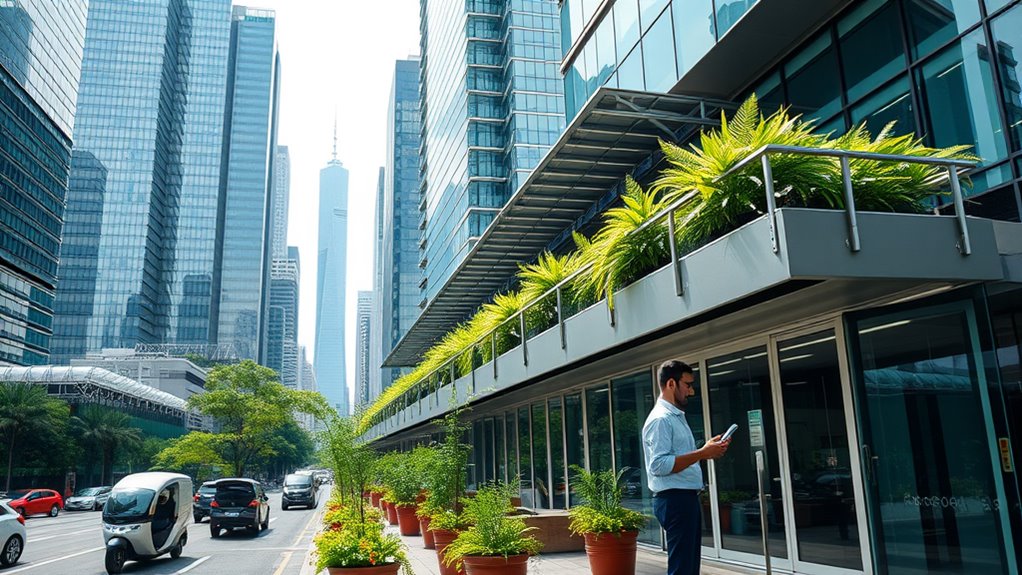
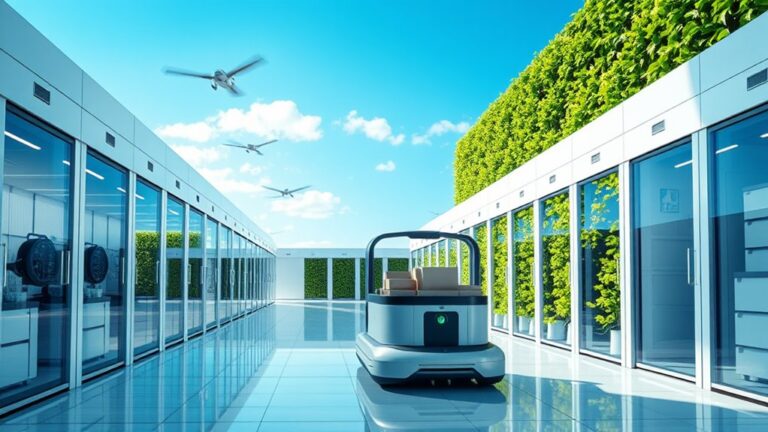
In urban self-storage, energy-efficient building practices are increasingly vital for sustainable solutions. Smart storage technologies enhance convenience and security, while attractive facility designs appeal to customers seeking both functionality and style. These innovations not only boost operational efficiency but also make storage spaces more appealing in crowded areas. The integration of recycled and sustainably sourced materials in construction further supports the push towards eco-friendly practices.
Energy-Efficient Building Practices
Energy-efficient building practices are crucial for urban self-storage facilities, where space is limited and sustainability matters. These facilities utilise energy-efficient technologies and sustainable materials to reduce their environmental impact while providing effective storage solutions.
- High-quality insulation maintains stable temperatures throughout the year.
- Solar panels harness clean energy to operate the facility.
- Recycled materials, such as reclaimed wood, improve durability and aesthetics.
By using advanced insulation and intelligent HVAC systems, these buildings create optimal conditions for stored items while minimising energy waste. Additionally, LED lighting equipped with motion sensors helps lower electricity costs. Higher insulation levels ensure that energy consumption is kept to a minimum, further enhancing the facility’s sustainability.
Choosing sustainable materials ensures that both construction and operation adhere to eco-friendly standards. Recycled and low-toxicity materials enhance indoor air quality and lessen long-term environmental effects.
By adopting these innovations, urban self-storage facilities not only meet strict environmental regulations but also attract environmentally conscious customers.
Implementing these energy-efficient practices leads to significant cost savings, fostering the growth of self-storage options in cities while promoting a greener future. You can take comfort in knowing that your storage choice supports sustainable living in urban areas.
Smart Storage Solutions
With the increasing demand for self-storage solutions, smart storage innovations are changing how city dwellers organise their belongings.
Digital access control systems allow you to enter your storage unit using just your smartphone or a passcode, making it incredibly convenient. Smart units come with motion detection technology that sends you a text alert if there’s any unexpected activity, providing peace of mind around the clock. This technology is similar to that of smart home devices, ensuring that your valuables are securely monitored at all times.
AI-powered customer service chatbots simplify communication, answering questions and helping with bookings instantly. This saves you time and ensures a smooth experience.
Additionally, the integration of IoT devices improves security by sending real-time alerts if unauthorised access is detected.
On the sustainability front, many facilities use renewable energy sources like solar panels, significantly reducing their carbon footprint. Energy-efficient appliances and eco-friendly construction materials further lessen environmental impact, aligning with your commitment to sustainable living.
With these smart storage solutions, you’re not just renting space; you’re adopting a lifestyle that values convenience, security, and environmental responsibility.
In today’s urban landscape, smart storage empowers you to manage your space efficiently and responsibly.
Aesthetic Facility Designs
As urban landscapes change, the design of self-storage facilities is becoming crucial for enhancing both aesthetics and functionality. Developers are now focusing on innovative facades and eco-friendly features to create attractive structures that blend seamlessly with their surroundings. These designs serve practical purposes while contributing positively to the urban environment.
- Green roofs with native plants enhance air quality and provide insulation.
- Solar panels on modern facades generate energy and add visual appeal.
- Vertical storage units maximise space and transform the skyline with their distinct shapes. The emphasis on sustainable practices ensures that these facilities not only meet the needs of city dwellers but also elevate their market value.
These advancements reflect a significant shift towards sustainability. By using eco-friendly materials and incorporating smart technologies like climate control and biometric access, these facilities lower their environmental impact while improving security and convenience.
When self-storage units combine beauty with practicality, they become essential to urban life, catering to city residents who value both efficiency and aesthetics. Embracing these trends allows you to manage your space freely without compromising your surroundings.
Impact on Local Development
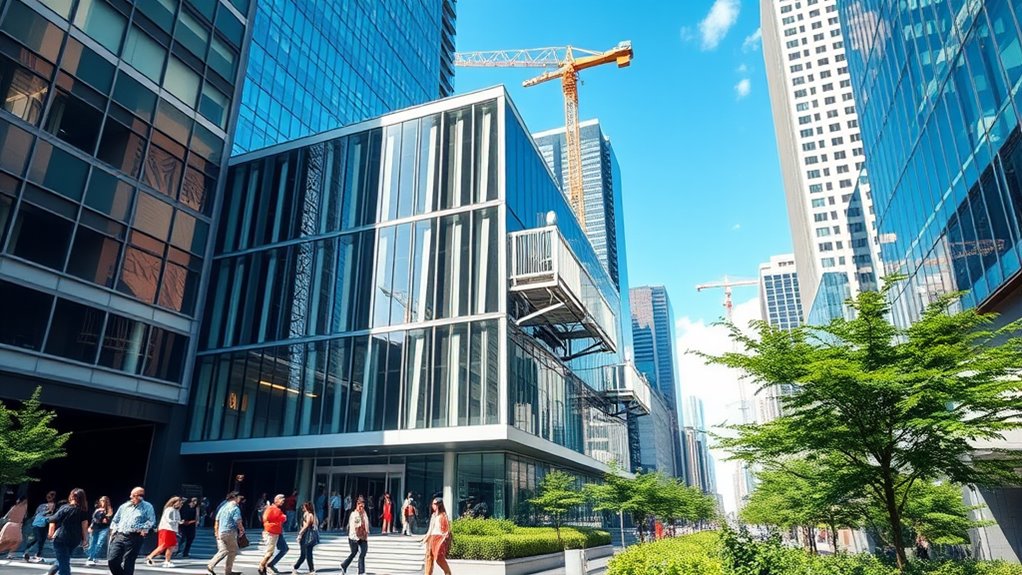
Self-storage facilities can significantly benefit local economies by generating jobs and supporting nearby businesses. When built on underused land, these facilities can also improve urban aesthetics and increase property values, making neighbourhoods more appealing. As urbanization trends indicate that over 55% of the global population now resides in urban areas, the demand for such storage solutions is likely to rise, further enhancing local development.
Economic Boost for Communities
In urban areas, self-storage facilities play a vital role in local economic development by creating jobs and stimulating business opportunities. These facilities not only offer essential services but also engage with the community, promoting local pride and economic resilience.
- Job creation: Self-storage centres generate various employment options, from management roles to customer service positions.
- Support for local contractors: The construction and upkeep of facilities often rely on local businesses, boosting economic growth in the area.
- Opportunities for entrepreneurs: Start-ups can rent storage units for their inventory, fostering local innovation and entrepreneurship. The self storage industry is projected to grow at a rate of 4.37% globally, further enhancing its impact on local economies.
The consistent demand for self-storage, driven by urbanisation and changing lifestyles, ensures these facilities thrive even during economic downturns. They provide a steady income for operators, enabling further community investment.
Moreover, many self-storage facilities participate in local initiatives, enhancing their reputation and reinforcing their importance in urban life. This economic contribution benefits individuals and strengthens the community’s overall fabric, making self-storage an essential element of urban economic development.
Enhancing Urban Aesthetics
Self-storage facilities do more than just provide economic benefits; they significantly enhance urban aesthetics and support local development. By repurposing old, unused buildings, these facilities breathe new life into neighbourhoods while preserving their historical character.
Vertical designs make the most of limited urban space, using air rights to create sleek, compact structures that fit beautifully into the cityscape. Many storage units incorporate green roofs and terraces, promoting sustainability and adding a touch of nature to concrete surroundings. The use of materials like frosted glass reduces visual bulk, allowing these facilities to harmonise with nearby architecture.
Additionally, modular designs offer flexible storage solutions that cater to changing needs. As self-storage facilities are established in previously neglected areas, they help increase property values and foster urban renewal, transforming empty spaces into lively hubs.
Their integration into city planning reflects a creative approach that balances efficiency with aesthetic appeal. Ultimately, self-storage facilities aren’t just about storing belongings; they’re vital elements of a vibrant, modern urban environment.
Self-Storage for Businesses
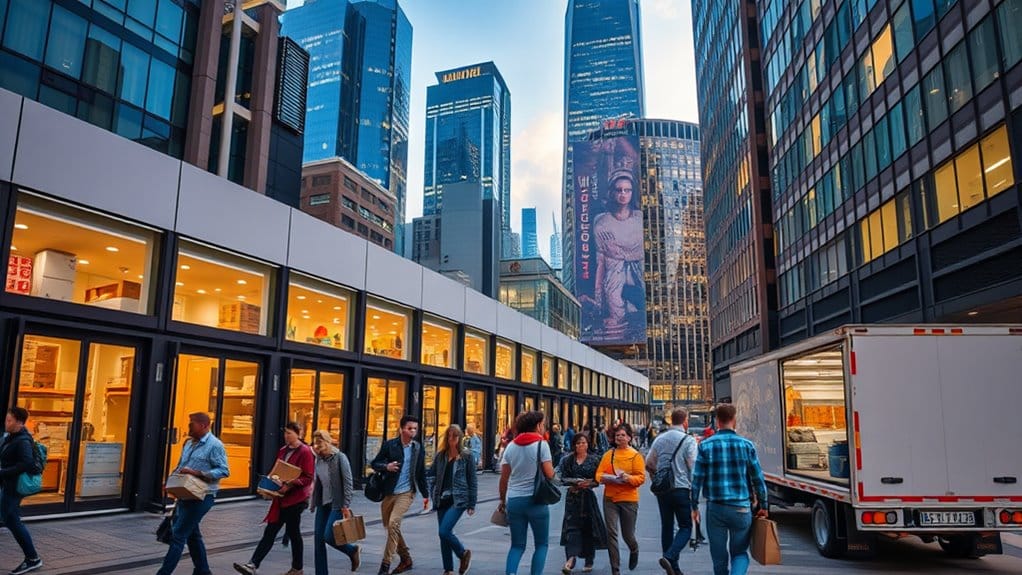
Businesses are increasingly turning to self-storage solutions to meet their evolving storage needs. With the market worth £34 billion and an occupancy rate of 83.85%, it’s evident that business storage has become vital. Flexible leasing options, like monthly agreements, allow businesses to adjust quickly to changing requirements.
Here are a few examples:
- E-commerce Storage: Keep your stock organised and easily accessible.
- Office Storage: Store supplies and equipment without cluttering your workspace.
- Climate-Controlled Units: Safeguard sensitive items from temperature fluctuations.
Urban areas are experiencing a greater demand for smaller units, ideal for businesses needing quick access to their belongings. With an average monthly cost of £70, it’s an affordable option for many.
As younger generations drive this trend, with 20% visiting their units weekly, self-storage has become a strategic asset rather than a mere convenience. Enhanced security features, such as 24/7 surveillance and gated access, ensure your items remain protected.
Embrace the flexibility that self-storage provides and position your business for growth in a rapidly changing environment.
Future of Urban Self-Storage
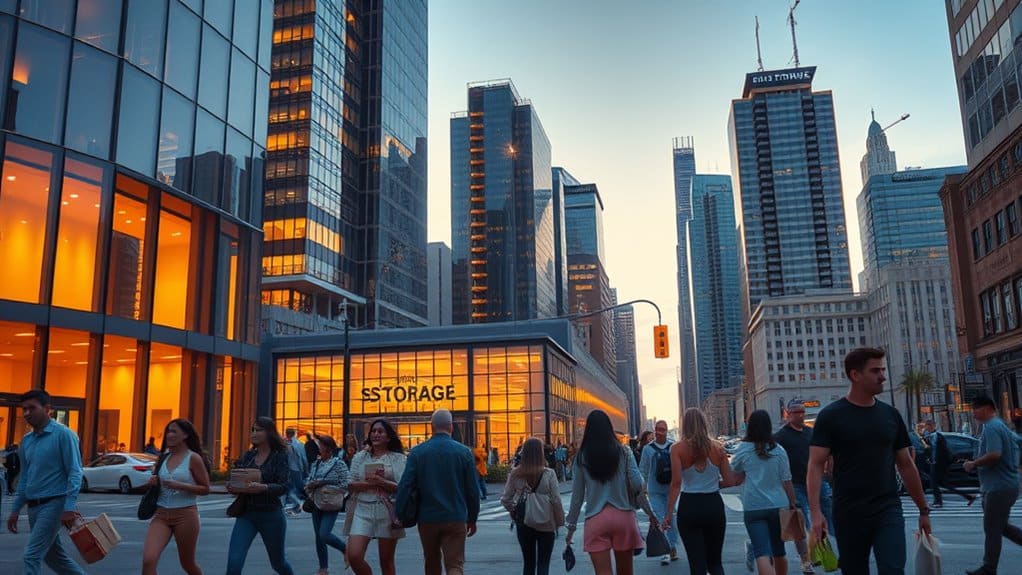
As urbanisation speeds up and living spaces become more compact, the outlook for self-storage in cities appears bright and dynamic. With the evolution of urban lifestyles, the demand for self-storage solutions is set to rise. The self-storage industry is poised for significant growth, driven by factors such as population increases, soaring housing costs, and changing lifestyles.
| Growth Drivers | Market Trends |
|---|---|
| Rising Urbanisation | 10.9% increase in construction activity |
| Population Growth | Signs of stabilisation in major cities |
| High Housing Costs | Surge in self-storage deliveries |
| Increased Mobility | Undersupplied markets in key cities |
| Changing Lifestyles | Expected CAGR of 7.53% |
Technological advancements are transforming this sector. User-friendly digital platforms and contactless access enhance safety and convenience. Additionally, there is a growing demand for value-added services and attractive facilities, reflecting a shift towards customer-focused solutions. As the self-storage market adapts to the needs of urban residents, prioritising convenience and accessibility will be essential for future growth. The choices you make in self-storage today will shape your experience in navigating the fast-paced urban lifestyle of tomorrow.
Frequently Asked Questions
How Do I Choose the Right Self-Storage Unit Size?
To select the right self-storage unit size, start by evaluating your items with size comparison charts. Think about the type of storage unit that suits your needs, considering factors like accessibility, any future storage requirements, and your budget. For instance, if you’re storing seasonal items like garden furniture or Christmas decorations, a smaller unit might suffice. However, if you’re looking to store furniture during a house move, you may need a larger space. Keep it simple and practical for the best experience.
What Security Features Should I Look for in a Storage Facility?
When choosing a storage facility, look for strong security features such as CCTV, individual alarms for each unit, and sophisticated access control systems. These elements help ensure your belongings are protected, providing you with reassurance in today’s busy world.
Are There Any Insurance Options for My Stored Items?
Yes, there are various insurance options for your stored items. You can consider property insurance, liability insurance, and crime coverage. Many policies can be customised to suit your needs, allowing you to adjust coverage limits and deductibles. For instance, if you have valuable antiques or electronics, you can ensure they are adequately protected while in storage.
Can I Access My Storage Unit at Any Time?
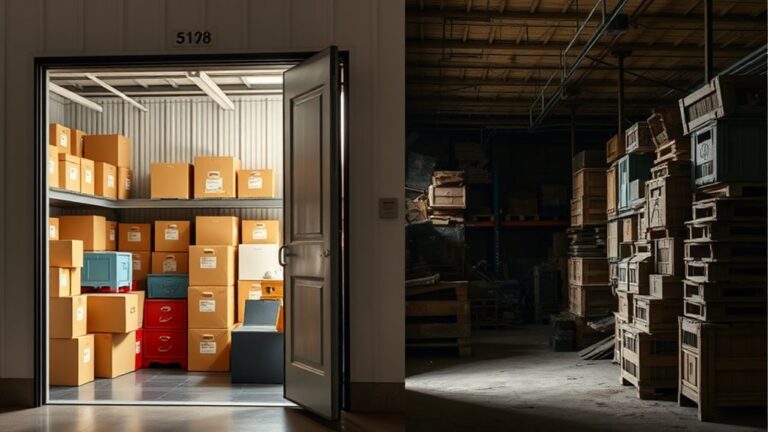
Accessing your storage unit can feel like opening a treasure chest. Depending on the facility’s policies, access hours can vary; some offer 24/7 entry, while others have set opening times. For instance, a facility may allow access from 8 am to 8 pm daily. Always check the specific hours before planning your visit.
What Items Are Prohibited in Self-Storage Units?
In self-storage, there are certain items you cannot store due to safety and legal reasons. Regulations prohibit flammable materials like petrol and fireworks, toxic substances such as chemicals and pesticides, and perishables including food and plants. Knowing these restrictions is essential to avoid issues and ensure your belongings remain safe and compliant.
Conclusion
In urban areas, self-storage has become a vital resource for city residents, encapsulating the saying, “One man’s trash is another man’s treasure.” As city living grows more complex, these facilities provide the convenience and flexibility needed for both personal and business use. With rising demand and innovative solutions emerging, self-storage is set to play an essential role in urban development. It not only addresses space limitations but also enhances community dynamics, making it an invaluable asset for modern life.