When using self-storage units, you can store non-perishable items, furniture, and seasonal equipment. However, avoid keeping hazardous materials like flammable liquids, perishables, or illegal items. Many facilities also restrict high-value items such as cash and jewellery due to theft risks. Be sure to check your storage facility's specific rules, as they may prohibit certain items like firearms or non-operational vehicles. It's important to be aware of local regulations and insurance requirements. Proper packing and organisation can enhance the safety of your stored items, making your experience smoother. For more detailed guidance, consider reviewing additional resources.
Key Takeaways
- You can store furniture, seasonal items, and personal belongings, as long as they are clean and dry.
- Hazardous materials, illegal items, perishables, and firearms are generally not allowed in self-storage units.
- High-value items such as cash and jewellery often have restrictions and may require insurance.
- It's advisable to use climate-controlled units for sensitive items like electronics to safeguard against temperature changes.
- Always check the specific rules and regulations of the facility to avoid any potential issues or legal complications.
General Prohibited Items
When using self-storage units, it's crucial to know what you can and can't store to ensure safety and maintain the facility's integrity. Many people mistakenly believe they can store hazardous materials, illegal items, or perishables without any issues. However, certain prohibited items can pose serious risks.
Hazardous materials, such as flammable liquids, explosives, and toxic substances, are strictly prohibited. Storing these can lead to fire hazards or environmental damage. Additionally, storing hazardous materials can endanger the facility and other stored goods. It's essential to recognize that many facilities have strict security features in place to prevent such risks.
Additionally, illegal items like stolen goods, firearms, and illegal drugs aren't allowed and can result in legal consequences.
It's also important to avoid storing perishables and sensitive items. Perishable food, living organisms, and unprotected electronics can spoil or become damaged, affecting both your belongings and the storage unit's environment.
Non-operational or unregistered vehicles,
Specifically Restricted Items

When storing items in self-storage units, it's important to note that certain flammable materials, such as petrol and paint, are strictly prohibited for safety reasons. Additionally, high-value items like cash and jewellery often have specific storage limitations to prevent theft and damage. Being aware of these restrictions can help you avoid costly mistakes and ensure your belongings are secure. Many facilities also have policies against storing hazardous materials, which can pose significant fire risks and health hazards. To further safeguard your items, it's essential to understand the importance of security features that many facilities implement to protect your belongings.
Flammable Materials Prohibition
Storing flammable materials in self-storage units is a risk you can't take. Certain items are strictly prohibited due to their potential fire hazards. Flammable liquids like petrol and propane cylinders aren't allowed, as they pose a high risk of ignition. You should also avoid lighter fuel and fireworks, which can lead to dangerous explosions.
Items like oil, grease, and flammable chemicals, including paints and various cleaners, are equally banned. Combustible fuels, especially compressed gases, are prohibited to ensure a safe environment for everyone. Additionally, the storage of hazardous materials is not allowed due to the significant safety risks they pose. It's important to follow security features in storage facilities to protect your belongings from fire hazards.
Even paper products can be risky when stored near heat sources, and oily rags are well-known fire hazards. Unstable compounds and materials with low ignition points, such as solvents, are also not permitted in storage facilities.
These regulations are in place to protect both you and the facility. Following these guidelines ensures that your belongings remain safe and that the storage environment stays secure for all users.
Always prioritise safety by avoiding any flammable materials in your self-storage unit.
Valuables Storage Limitations
Understanding the limitations on storing valuables is crucial for ensuring safety and compliance with facility regulations. Many self-storage facilities in the UK have strict restrictions on what you can store, especially concerning firearms and hazardous materials.
Generally, firearms such as revolvers, shotguns, and rifles aren't allowed due to safety concerns. Some facilities may permit firearms stored in gun safes, but it's essential to check their policy first.
Hazardous materials are also strictly prohibited. This includes toxic substances, flammable gases, and any chemicals deemed harmful under UK law. Storing such items not only risks your possessions but also endangers the entire facility.
Additionally, perishable goods, high-value items, and unauthorised items like stolen goods are banned. These rules are in place to protect your valuables and the property of others.
Always review the specific guidelines of a storage facility before committing to a unit to avoid any issues. By understanding these limitations, you can make informed decisions that help keep your valuables safe.
Storage Unit Regulations
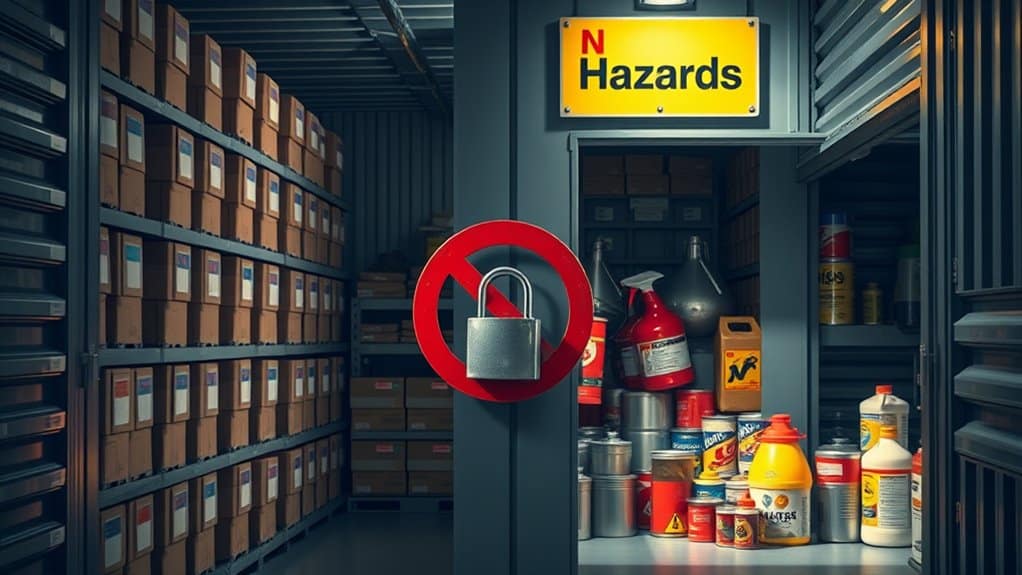
Navigating the rules surrounding storage units is crucial for keeping your belongings safe and compliant with the law. Here's what you need to know:
- Perishable goods and food items must be stored in tightly-sealed, shelf-stable containers.
- Hazardous materials, such as flammable liquids and explosives, are strictly prohibited.
- Stolen goods and illegal drugs aren't allowed under any circumstances.
- Living organisms, plants, and damp items that could cause mould are banned.
- Firearms and ammunition must have proper permits for storage.
Familiarise yourself with your facility's policies on access and insurance coverage.
It's also important to know how to pack your items correctly; consider using climate-controlled units for temperature-sensitive belongings.
Always check the security measures in place, like surveillance cameras, to protect your possessions.
By following these regulations, you not only keep your items safe but also gain peace of mind, allowing you to focus on what really matters.
Stay informed, and your storage experience can be straightforward and secure.
Legal Considerations
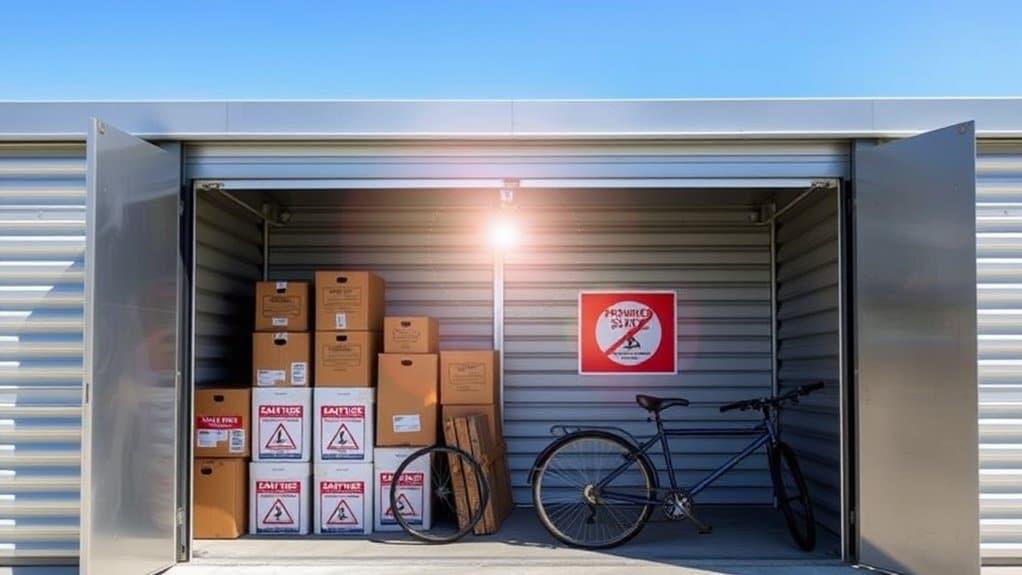
When using self-storage units, it's important to be aware of the legal considerations to avoid potential issues. Understanding what you can and can't store is crucial. Most facilities don't allow hazardous materials, perishable food, firearms without proper permits, or living organisms. Storing such items could endanger your safety and lead to loss of storage access or legal consequences.
Each storage facility has its own set of rules, usually detailed in their Terms of Service. Familiarise yourself with these regulations to prevent violations, which could result in fines or eviction. Moreover, facilities are legally obligated to report any suspicious activities, including the storage of illegal items.
In the UK, laws regarding self-storage require written agreements and outline the procedures for dealing with unpaid rents or lien sales. Not adhering to facility policies may also jeopardise any insurance claims on your belongings.
Additionally, using storage units as workspaces or living quarters is typically prohibited. Stay informed to ensure a hassle-free and lawful storage experience.
Storage Best Practices
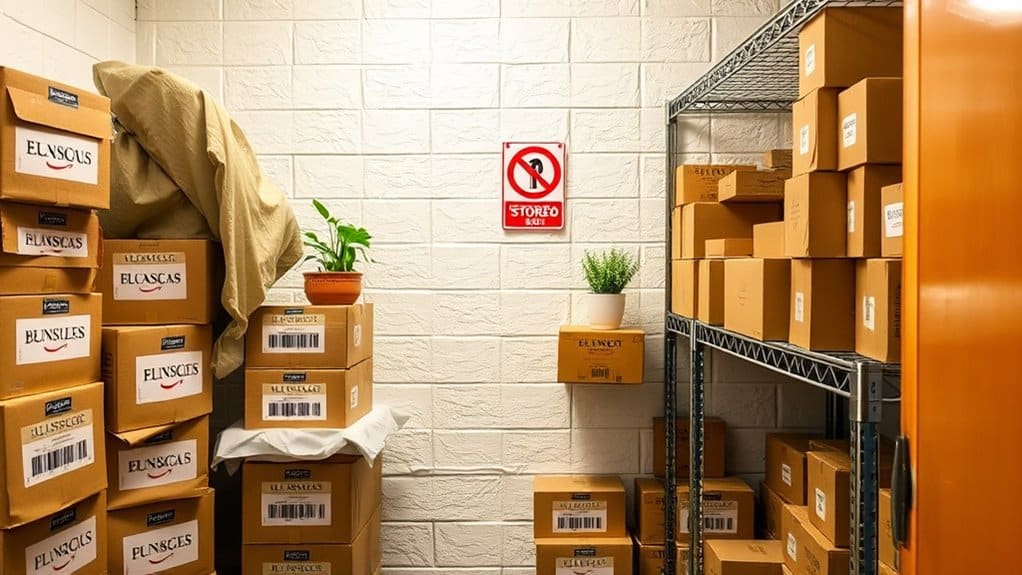
Maximising efficiency in your self-storage unit is crucial for protecting your belongings and optimising your space. By adopting smart storage practices, you can ensure everything remains organised and easily accessible. Here are some straightforward tips to get you started:
- Use furniture sliders to stack items and make the most of your floor space.
- Pack efficiently and label boxes clearly for quick identification.
- Install wall mounts, shelves, and cabinets to take advantage of vertical storage.
- Group similar items together for easier navigation.
- Leave an aisle of at least 2 to 3 feet wide to access all areas comfortably.
Implementing these strategies will create a more functional storage environment.
Efficient packing is vital; disassemble larger furniture and store it neatly. Protect fragile items with sturdy boxes, and consider climate control for sensitive electronics. A bit of planning can make a big difference.
Visualise the layout beforehand, and keep items clean and dry before storage. Following these best practices not only safeguards your belongings but also allows you to retrieve what you need without hassle.
Facility Requirements
When choosing a self-storage facility, it's essential to consider several key requirements, such as minimum site size and zoning regulations.
Most facilities must comply with local laws that specify property size and the need for enclosed buildings to ensure safety and accessibility.
For instance, if you're looking to store valuable items, you'll want a facility that meets these standards to protect your belongings.
Being aware of these factors will help you find a facility that suits your needs while adhering to legal requirements.
Minimum Site Size
Selecting the right site for a self-storage facility is crucial for its success and adherence to local regulations. Understanding minimum site size and zoning requirements is key. Generally, a self-storage facility should be situated on a plot of at least 2,500 square metres, with many facilities ranging from 1 to 2 hectares.
The average facility size is approximately 4,300 square metres of net rentable space, which optimises revenue potential.
Here are some important points regarding minimum site size:
- Site dimensions: Ensure the layout can accommodate a variety of unit sizes effectively.
- Unit capacity: Plan for 130 to 215 storage units per hectare, based on standard 3m x 3m units.
- Floor area ratio: Be aware of the maximum permissible floor area, which can increase by up to 50% of the lot area.
- Special permits: Understand that exceptions may be granted by the relevant planning authority.
- Safety and zoning: Always comply with local zoning regulations to avoid any legal complications.
Enclosed Building Mandates
After laying a solid foundation, the next step is to comply with enclosed building regulations that dictate the design and functionality of self-storage facilities. These regulations ensure the facility is efficient, safe, and visually appealing.
Key considerations for enclosed building design include:
| Requirement | Details |
|---|---|
| Interior Drive Aisles | At least 25 feet wide for easy access |
| Driveway Depth | Minimum of 40 feet of clear depth |
| Exterior Materials | High-quality, visually appealing materials |
| Elevators/Lifts | Required for multistorey facilities |
| Security Measures | Surveillance cameras and access control systems |
Accessibility is crucial for all customers, ensuring safe and easy access to storage units. In multistorey buildings, climate-controlled units should be located on interior hallways to maintain optimal conditions. Landscaping should enhance the facility's appearance while adhering to property coverage limits. These regulations not only safeguard your investment but also foster a welcoming environment. By following these enclosed building regulations, you'll create a standout self-storage facility that operates efficiently.
Zoning Compliance Requirements
Navigating zoning compliance requirements is crucial for setting up a successful self-storage facility in the UK. Zoning classifications can vary significantly between local councils, so it's important to get to grips with the regulations in your area.
Many self-storage projects will require a conditional use permit, which comes with specific conditions you must follow. Here are some essential points to consider:
- Zoning classifications can differ greatly, determining where you can build your facility.
- Conditional permits often involve public consultations, so be ready to present your proposal effectively.
- Some areas may restrict self-storage to industrial zones only.
- There may be minimum plot size requirements, usually demanding at least one acre.
- Development could be constrained by proximity rules related to existing facilities, nature reserves, or road sizes.
Engaging with your local planning department early can help clarify requirements and prevent delays.
Understanding these zoning compliance regulations not only speeds up the approval process but also lays the groundwork for a successful facility.
Safe Storage Tips
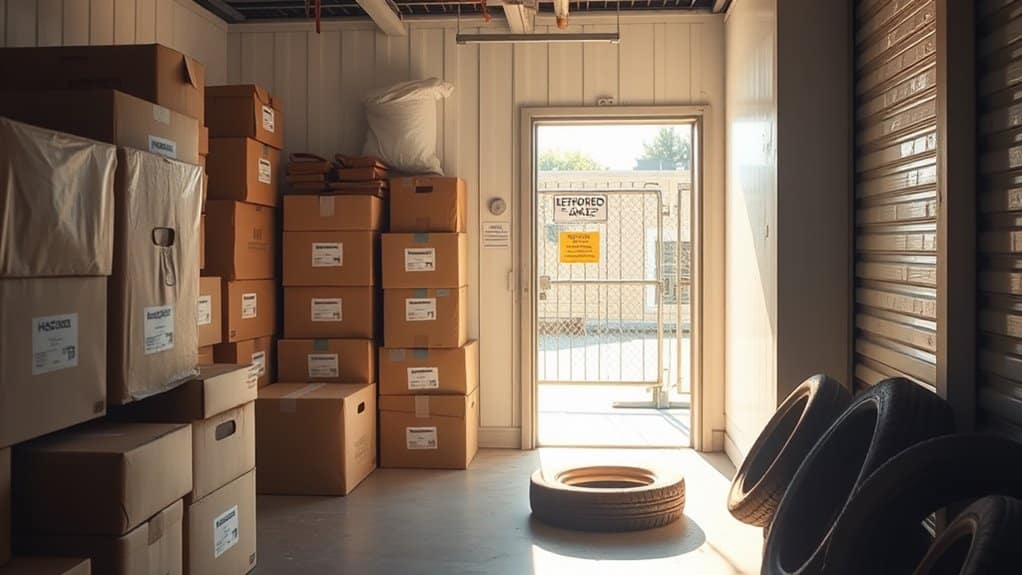
When it comes to storing your belongings safely, preparation is essential. Start by ensuring all items are completely dry, as moisture can cause mildew and mould. Clean appliances thoroughly and leave doors slightly ajar for airflow.
Use smart packing techniques: disassemble furniture where possible to save space, and fill any empty drawers with boxes. Protect your electronics by removing batteries and labelling wires, while keeping important documents in sturdy, labelled filing boxes. Place frequently accessed files near the front for easy retrieval.
Choose suitable storage solutions, such as climate-controlled units, to avoid damage from temperature changes. Secure your unit with reliable locks and select facilities with digital surveillance for added security. Don't forget to get insurance to cover potential damages and maintain an inventory list of your stored items.
For better organisation, label boxes on all sides and create a map of your unit. Keep walkways clear for easy access to all your belongings, allowing you to enjoy a well-organised storage space.
Frequently Asked Questions
Can I Store My Vehicle in a Self-Storage Unit?
Yes, you can store your vehicle in a self-storage unit in the UK, as long as it's registered, insured, and in working order. Different types of vehicles require specific unit sizes, so ensure you choose the right one according to storage regulations. For example, a small car will need less space than a van or motorbike.
Are There Size Limits for Items I Can Store?
Did you know that most storage facilities can accommodate around 150-200 10×10 units? There are size restrictions based on the dimensions of your items, so it's important to measure everything carefully to ensure it fits comfortably in your chosen unit. For example, a 10×10 unit is roughly the size of a small bedroom, making it suitable for furniture, boxes, and other personal belongings.
How Do I Choose the Right Storage Unit Size?
To select the appropriate storage unit size, first evaluate your belongings and estimate the required space. Get to know the different types of storage units available, and consider any future storage needs to make the most of your experience. For example, if you're storing furniture from a one-bedroom flat, a 75 sq ft unit might suffice, but if you plan to add seasonal items like holiday decorations, opt for a larger unit.
Can I Share a Storage Unit With Someone Else?
Yes, you can share a storage unit. It's important to set clear agreements regarding responsibilities, access rights, and communication. For example, if you and a friend are sharing, decide who can access the unit and how often. This helps build trust and prevents conflicts, making it easier to manage your shared space effectively.
What Happens if I Forget to Pay My Storage Bill?
Forgetting to pay your storage bill might seem like a relief at first, but it can quickly lead to account suspension and late fees. You won't be able to access your belongings until the outstanding balance is cleared. For example, if you have important documents or treasured items stored away, they will be inaccessible until you settle the payment. Keep on top of your bills to avoid these issues!
Conclusion
In summary, it's crucial to know what you can and can't store in self-storage units to avoid complications later on. Think of your storage unit as a tidy toolbox; if you fill it with inappropriate items, you may struggle to find what you genuinely need. Just as a toolbox can't hold a car engine, your unit can't store hazardous materials. Adhere to the guidelines, keep things organised, and ensure your belongings remain safe and secure.