Storage Units for Boats, RVs, and Large Vehicles: What You Should Know
When searching for storage units for your boat, RV, or large vehicle, weigh your options carefully. Uncovered storage is cost-effective but leaves your vehicle vulnerable to the elements. On the other hand, covered or enclosed storage offers better protection from weather and theft. Always measure your vehicle to ensure it fits, allowing extra space for manoeuvring. Look for security features such as 24/7 surveillance and controlled access for added peace of mind. Remember that seasonal usage and storage costs can vary significantly by location. Each decision you make affects the safety and lifespan of your vehicle, so take your time to choose wisely.
Key Takeaways
- Choose between uncovered, covered, or enclosed storage depending on your vehicle's value and the level of protection you need.
- Look for facilities with strong security measures, such as CCTV, keypad entry, and staff presence to ensure safety.
- Prepare your vehicle for storage by giving it a thorough clean, checking fluid levels, and sealing it against moisture and pests.
- Think about the location and accessibility; it's best to select facilities close to home or popular recreational spots that offer 24-hour access.
- Consider the costs involved, including the difference between urban and rural rates, and think about month-to-month contracts if you only need storage for part of the year.
Types of Storage Options
When it comes to storing your boat or motorhome, selecting the right storage option is crucial for protecting your investment. You have three main types to consider: uncovered, covered, and enclosed.
Uncovered storage is the most cost-effective choice, but it leaves your vehicle vulnerable to the elements, pests, and theft. While it's flexible and allows easy access, the potential repair costs from exposure can add up over time, especially if you neglect proper maintenance practices.
Covered storage, such as metal carports, strikes a balance. It offers some protection from the weather and better security than uncovered storage, making it a sensible option for many. Additionally, covered storage provides a more economical choice for those who want protection without the higher costs associated with enclosed options.
Enclosed storage provides the highest level of protection. These facilities shield your boat or motorhome from weather and dust, making them perfect for valuable or classic vehicles. Although they tend to be pricier, the added security and peace of mind can justify the expense.
Ultimately, the storage option you choose will depend on your budget, how frequently you access your vehicle, and the level of protection you require.
Weigh your options carefully to keep your investment safe and ready for your next adventure.
Benefits of Self-Storage

Self-storage is an effective solution for safeguarding your boats and caravans while offering several benefits. A key advantage is enhanced security. With 24/7 CCTV, coded gates, and individual alarms, your vehicles are much safer from theft and vandalism than if stored at home. This added security ensures that your investments are protected from harsh weather conditions. Additionally, facilities equipped with advanced surveillance systems enhance safety, providing peace of mind.
Self-storage also helps with space management. By providing a designated area for your larger vehicles, you can declutter your home and keep only the essentials. This is particularly useful during life changes, such as moving to a smaller property or welcoming a new family member. Additionally, it offers cost-effective space management that can be more affordable than purchasing larger property.
Convenience is another significant benefit. Storage facilities feature wide driveways and easy access points, making it simple to manoeuvre larger vehicles. The round-the-clock access ensures you can retrieve or store your vehicle at any time that suits you.
Whether you need short-term or long-term storage, these facilities cater to your needs, allowing you to store anything from boats to caravans.
Key Considerations for Storage

When selecting a storage unit for your boat or caravan, consider the location and accessibility. Ensure there's sufficient space for your vehicle and that you can easily navigate the facility. It's also crucial to check the security measures in place to safeguard your investment from theft and damage. For instance, look for units with CCTV and secure access controls. Additionally, the type of unit you choose will greatly influence the level of protection your vehicle receives from the elements and potential theft. Choosing a facility with enhanced security features can provide extra peace of mind while storing your valuable assets.
Location and Accessibility
Choosing the right location for your boat or caravan storage is crucial, especially if you want easy access to your vehicle. Consider factors like how close the facility is to your home and nearby recreational spots. Storage sites near supermarkets and banks can make preparing for your next outing much easier.
Here's a brief overview of key factors to consider:
| Location Benefits | Accessibility Features |
|---|---|
| Close to recreational areas | 24-hour access available |
| Near residential neighbourhoods | Wide driveways for manoeuvring |
| Cost-effective in industrial zones | Simple entry and exit points |
| High visibility and easy navigation | On-site management for assistance |
Selecting a facility that emphasises accessibility will ensure a smooth experience. Look for wide driveways, well-maintained roads, and convenient access hours. The easier it is to access your boat or caravan, the more spontaneous your adventures can be! Keep these factors in mind when choosing a storage unit, and you'll enjoy greater freedom on the open road or water.
Space Size Requirements
Finding the right storage unit for your boat or caravan involves understanding space size requirements.
Start by measuring the length of your boat from bow to stern, including the trailer. Measure the trailer from the hitch to the end of the bed, plus the length of the trailer tongue. Adding these measurements together will give you the total storage length required.
It's sensible to allow a few extra feet for clearance and movement, particularly if you plan to access your vehicle regularly.
Storage units are available in various sizes: small units for jet skis, medium units for smaller boats, and large units for most motorboats and caravans. For oversized vehicles, consider options that accommodate lengths up to 15 metres.
Lastly, consider additional space for accessories like awnings or equipment. Ensure the door width and height are suitable for your vehicle for easy access.
Keeping these factors in mind will help you find the ideal storage solution, allowing you to focus on enjoying your adventures!
Security Features Offered
Securing your boat or caravan in a storage unit requires careful consideration of various security features for peace of mind.
Look for facilities with strong access control, such as electronic systems that use key cards or smartphone apps. This ensures that only authorised individuals can enter, keeping your vehicle safe from unauthorised access.
Surveillance systems are essential for protecting your investment. Facilities with high-resolution cameras provide round-the-clock monitoring, capturing every detail around the premises.
Motion detectors enhance security by activating cameras when they detect movement, ensuring any suspicious activity is recorded.
Additional features like adequate lighting and alarm systems create a safer environment, particularly during night-time access. Alarm systems can alert security personnel or the police in the event of a breach, while environmental sensors monitor for fire, humidity, or flooding.
Finally, choose facilities with manned entry points and perimeter security, including high fences and infrared beams.
These layers of protection not only deter theft but also give you the confidence to enjoy your adventures, knowing your boat or caravan is secure.
Selecting the Right Size
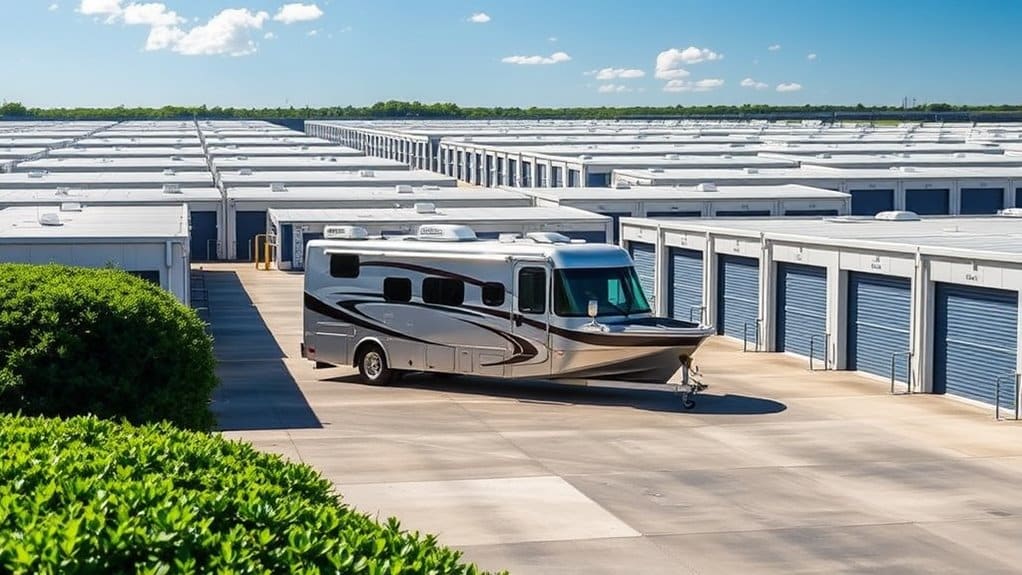
Selecting the right size storage unit for your boat or caravan is crucial for a safe and convenient fit. Start by measuring your vehicle's dimensions—length, width, and height. Remember to include any equipment or accessories that may protrude.
Don't forget about the trailer length and tongue, as these also impact your total storage needs. When determining the required space, it's sensible to add a few extra feet for manoeuvrability and maintenance.
Beyond just the square footage, consider the shape of the storage unit. Ensure it has wide doors and sufficient height to accommodate your vehicle comfortably.
Think ahead about your future needs. If you intend to store more items or upgrade your boat, you might need a larger unit. Common sizes range from small units for jet skis to larger options for boats up to 42 feet in length.
Understanding Security Features
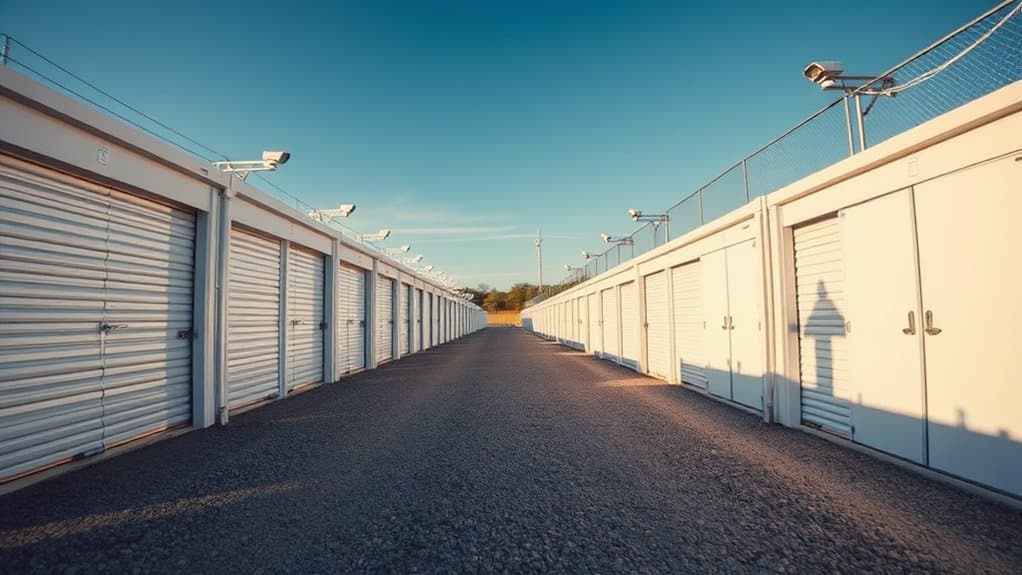
When storing your boat or RV, understanding security features is essential for peace of mind. You want to ensure your investment is protected, so look for facilities that use advanced security technology. Gated access with individual passcodes restricts entry, while CCTV cameras provide round-the-clock monitoring of key areas.
Alarms on units can alert you and security staff to any unauthorised access attempts. Some facilities also have fire detection systems, offering both theft prevention and fire safety. On-site managers or security teams can respond quickly to any suspicious activity, adding an extra layer of security.
Choose facilities equipped with motion sensors and high-definition cameras to capture clear images of incidents. Remote monitoring allows managers to oversee the site even when they're not there. Regular security patrols can deter potential thieves, while controlled access ensures only authorised individuals can enter.
Ultimately, selecting a storage facility with strong security features means you can enjoy your adventures, knowing your boat or RV is safe. Prioritising these measures is a wise choice for any storage decision.
Maintenance Before Storage
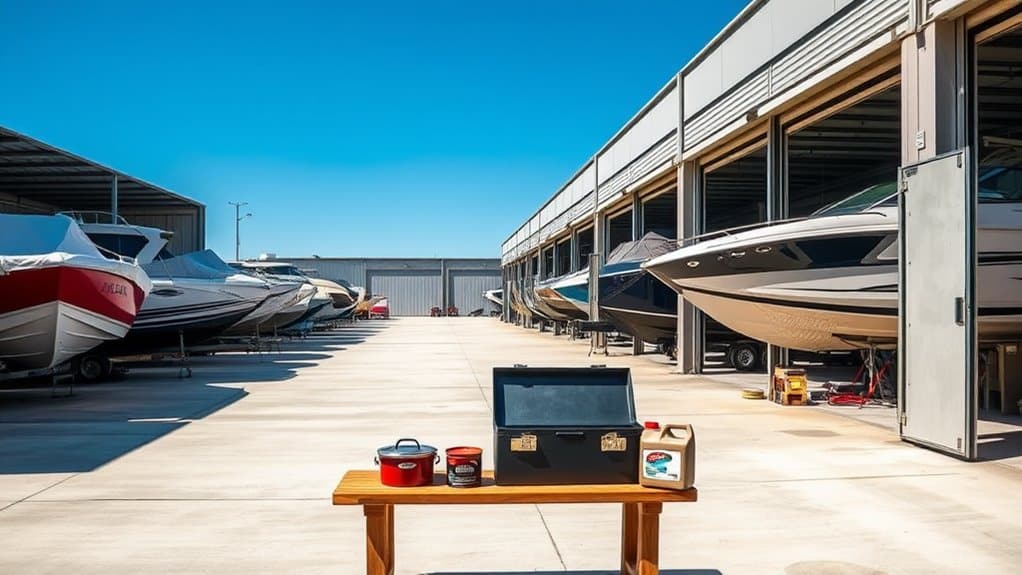
Before storing your boat or caravan, it's crucial to give it a thorough clean, both inside and out, to avoid mould and pests.
Make sure to check all fluid levels and top them up, ensuring everything will run smoothly when you're ready to hit the road again.
Taking these steps now will save you time and hassle later.
Clean Vehicle Thoroughly
Thoroughly cleaning your boat or caravan is crucial for preserving its condition and extending its lifespan before putting it into storage.
Start with the exterior: use effective cleaning methods to remove dirt and grime. Applying a coat of wax not only enhances the shine but also offers protection against UV rays that can lead to corrosion. Be sure to clean key areas like the roof and windows, and repair any cracked seals to prevent water damage.
Next, turn your attention to the interior. Vacuum and dust to remove any food crumbs and debris that could attract pests. Empty the fridge and cupboards to deter unwanted critters, and leave doors slightly ajar to avoid moisture buildup.
To keep rodents at bay, seal any openings and consider using pest deterrents like mothballs.
Finally, prepare for storage by ensuring the area is clean and dry. Cover your vehicle with a high-quality, breathable cover to protect it from dust and moisture.
Following these maintenance steps will ensure your boat or caravan is in excellent condition when you're ready to hit the road or water again.
Check Fluid Levels
Checking fluid levels is a crucial step in getting your boat or caravan ready for storage. Proper maintenance ensures your vehicle is in excellent condition for your next outing. Begin by checking the engine oil, coolant, and brake fluid levels. It's wise to change the oil and filter to eliminate any contaminants. For the fuel tank, fill it up and add a fuel stabiliser to prevent moisture build-up and fuel deterioration.
Here's a simple table to help you keep track of your fluid checks:
| Fluid Type | Action Required | Seasonal Preparation Tip |
|---|---|---|
| Engine Oil | Check and top up | Change oil and filter if dirty |
| Coolant | Check and refill | Flush and replace if contaminated |
| Brake Fluid | Top up | Ensure no air or moisture is present |
| Fuel | Fill and stabilise | Run the engine to circulate the stabiliser |
Remember to check antifreeze levels and lubricate moving parts. By following these steps, you can ensure your boat or caravan is ready for adventures when the season returns. With proper preparation, you can enjoy the open road or water without any concerns.
Preparing Your Vehicle
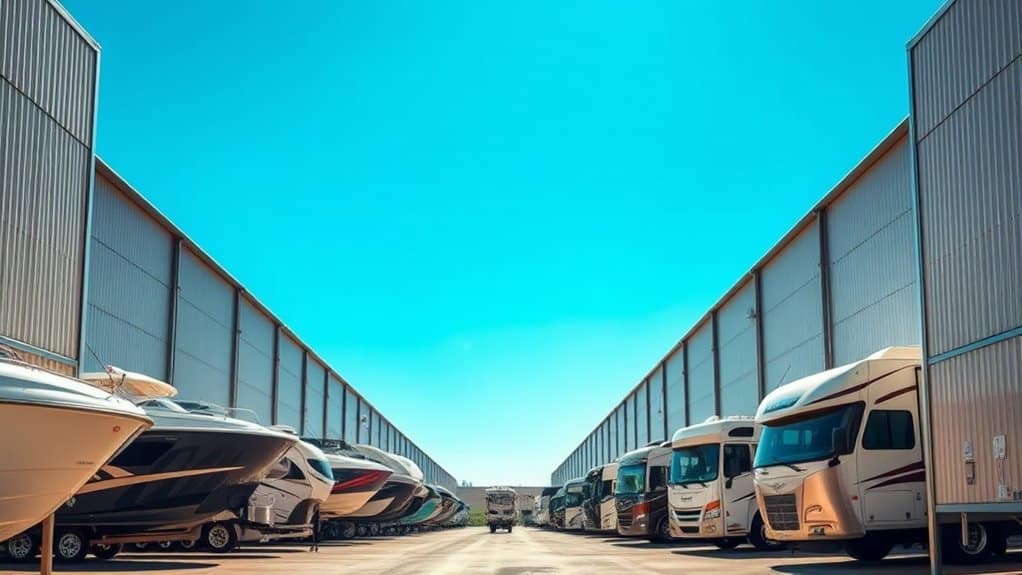
How can you ensure your boat or caravan is ready for long-term storage? Start by giving it a thorough clean. Both the exterior and interior should be spotless to prevent damage and discourage pests. Wax the bodywork to protect the paint, and clean the wheels and hubcaps to avoid rusting.
Don't forget to vacuum the interior and treat leather surfaces to prevent cracking.
Next, attend to vehicle maintenance. Change the oil to remove harmful contaminants, and fill the fuel tank halfway while adding a fuel stabiliser. Inspect for leaks in the brakes, transmission, and engine, and lubricate metal surfaces to prevent rust.
Pay attention to the battery and tyres. Remove the battery for safe storage, using a battery tender if necessary. Block the wheels to stop any rolling, and consider placing the vehicle on jack stands to relieve tyre pressure.
If storing outdoors, cover the tyres to protect them from UV damage.
For effective storage, close all windows and vents to keep moisture out. Plug the exhaust with aluminium foil to deter pests.
Lastly, consider a climate-controlled facility for optimal conditions, and check on your vehicle monthly to keep it in good shape.
Finding Storage Facilities
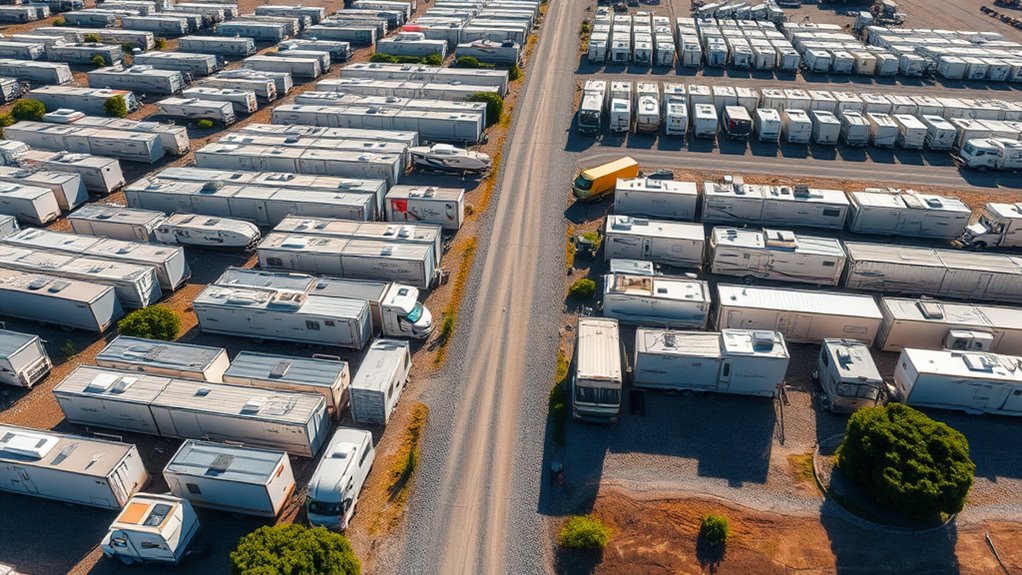
Once your boat or caravan is ready for storage, the next step is to find a suitable facility to keep it safe and secure.
Start by exploring various storage options such as outdoor parking, covered spaces, or indoor units, depending on your vehicle's size. Consider security features—facilities with CCTV, fencing, and good lighting offer added protection for your vehicle.
Look for electric hookups for convenience, especially if you plan to store your vehicle for an extended period. Flexibility is important, so opt for facilities that offer month-to-month rentals to meet your storage needs.
Reading reviews of storage facilities can help you gauge customer satisfaction and find the right fit. Proximity is also key. Choose a facility close to your home or popular recreational areas for easy access.
Lastly, remember to check on your boat or caravan regularly while in storage to keep it in good condition. With these considerations in mind, you'll be well on your way to finding a storage solution that fits your adventurous lifestyle.
Enjoy the peace of mind knowing your vehicle is stored safely!
Reserving Your Storage Unit
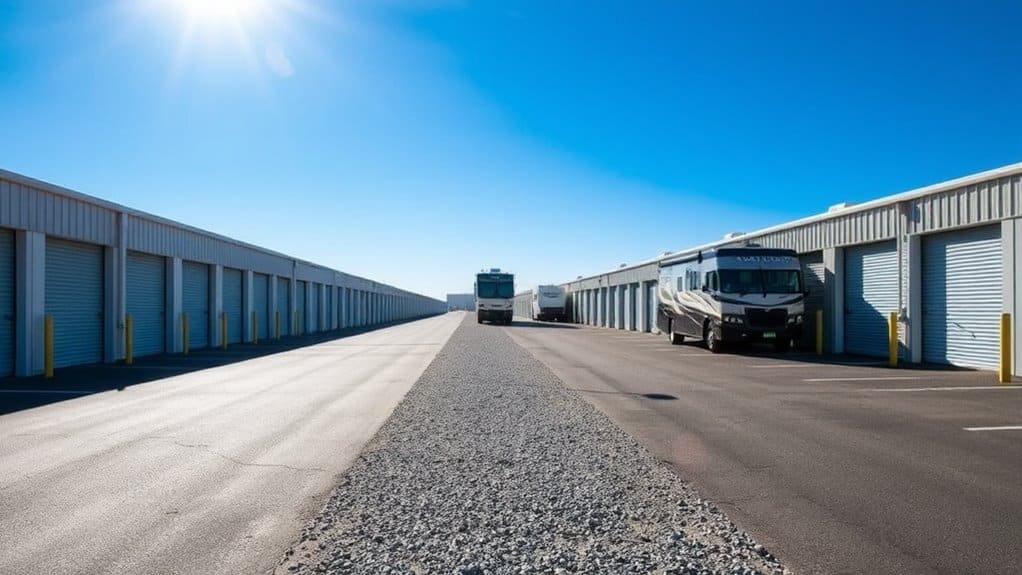
Reserving your storage unit is a simple process that can usually be completed in just a few minutes. You have several options for making a reservation: you can book online, visit a local facility, or call the storage provider directly.
For example, U-Haul allows you to reserve by calling 0800-GO-U-HAUL or by visiting a nearby centre. Remember, booking in advance is essential to ensure availability, so have your vehicle's details handy, including its dimensions and type.
Cancellation policies tend to be flexible. Most facilities permit you to cancel or amend your reservation without penalties, although you might need to pay for the remainder of the month, depending on the timing.
U-Haul, for instance, holds your reservation for one day after your expected move-in date, but it's wise to check with the specific facility for their terms.
You'll also need to provide relevant documentation, such as proof of ownership and insurance, as well as vehicle specifications. This ensures that your boat or caravan fits comfortably in the storage space you've chosen, allowing you to enjoy peace of mind while you explore.
Seasonal Storage Needs
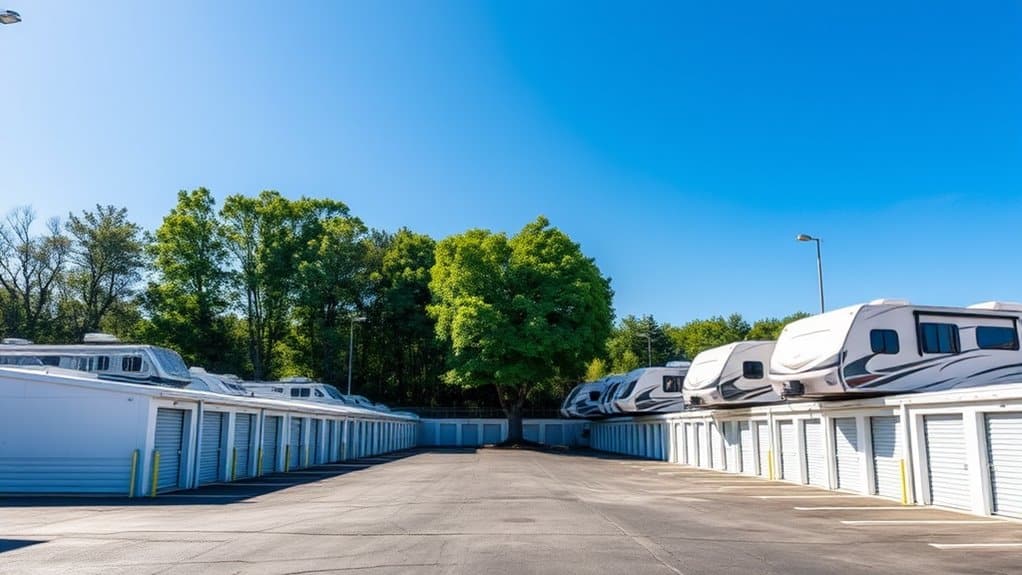
When considering seasonal storage for your boat or RV, it's essential to understand your options. Many RV owners use their vehicles for only about 20 days a year, leading to increased demand for storage during certain times.
Therefore, you need a solution that offers flexibility to meet these changing requirements.
Here are some key factors to consider for seasonal storage:
- Protection from the Elements: It's vital to choose a storage option that shields your vehicle from weather conditions, UV damage, and theft.
- Location and Accessibility: Look for storage facilities in convenient locations that allow easy access when you're ready to embark on your next adventure.
- Flexible Contracts: Opt for month-to-month contracts, allowing you to store your vehicle only when necessary.
Whether you prefer open lot storage for its affordability or enclosed storage for added protection, ensure your choice fits your seasonal usage.
Cost Factors to Consider
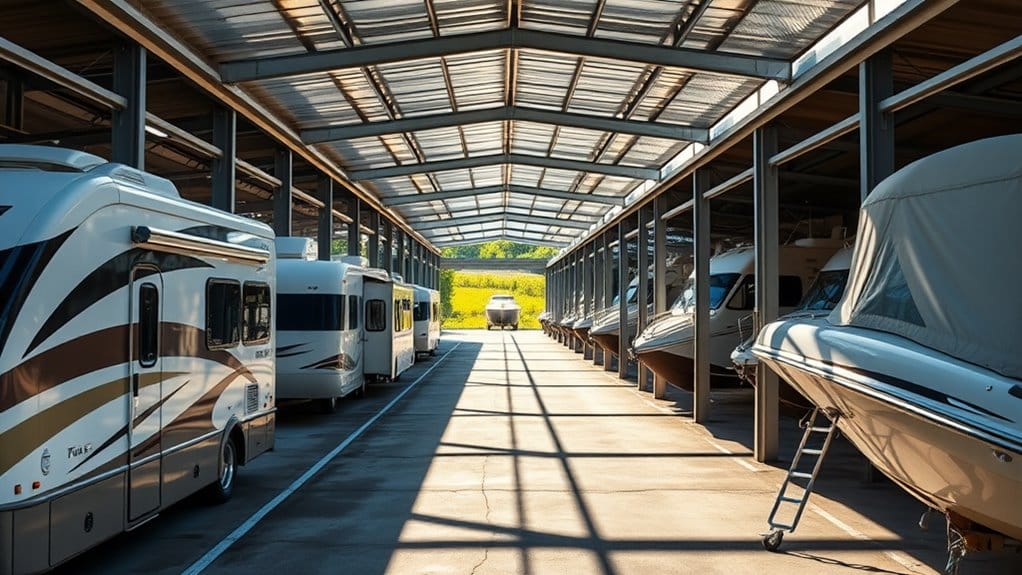
When considering storage units for your boat or caravan, it's important to think about how location influences pricing.
For instance, a unit in a busy city centre will likely cost more than one in a rural area. The size of the space you require and the amenities provided by various facilities can also significantly affect your costs.
For example, units with climate control may be pricier but could better protect your vehicle.
Location-Based Pricing
The cost of storage units can vary significantly depending on location, making it crucial to consider various factors. Understanding these location-based influences can help you navigate pricing effectively. Here are some key points:
– Urban vs. Rural: Storage facilities in urban areas tend to charge higher rates due to increased demand and limited home storage.
Additional amenities can further drive up costs.
- Proximity to Leisure Areas: Facilities located near lakes or marinas often have higher prices, as they offer added convenience for boaters and caravan owners.
- Competitor Research: Investigating local competitors can highlight pricing trends. Knowing what others charge helps you assess whether a facility's prices are reasonable.
In summary, the location of a storage unit can significantly affect your costs.
By considering these factors, you can select a facility that suits your needs without straining your budget.
Taking the time to understand local pricing dynamics can lead to substantial savings and a better overall storage experience.
Space Size Variances
When selecting a storage unit for your boat or campervan, it's important to consider the various sizes available. Larger units, typically ranging from 10'x25' to 15'x50', can accommodate most motorboats, pontoon boats, and larger vehicles.
If you have a smaller boat or campervan, medium-sized units (10'x15' or 10'x20') may be sufficient, although they may not offer enough clearance for larger vessels.
For jet skis or small fishing boats, small units (5'x10' or 10'x10') are a cost-effective choice. However, keep in mind that these spaces won't accommodate larger boats or RVs.
Comparing different unit sizes can help you avoid the hassle of misjudging your storage needs.
Don't forget to allow for additional space for manoeuvring and maintenance, as well as ensuring the door width and height are suitable for easy access.
If you have a trailer, include its length in your overall storage calculations.
Choosing the right size unit will ensure your vehicle is safe and accessible, giving you the freedom to enjoy the road or water whenever you like.
Facility Amenities Impact
The amenities offered by your storage facility can significantly impact both your experience and costs. Choosing facilities with enhanced features typically comes with higher prices, but these benefits can greatly improve the value you receive.
Here are some key factors that affect costs:
- Security Measures: Features like round-the-clock monitoring and fenced enclosures may increase construction and operational costs, but they provide peace of mind.
- On-Site Services: Amenities such as waste disposal points, wash areas, and electrical hookups enhance convenience but can raise initial expenses.
- Climate Control: Units designed to maintain specific temperature and humidity levels are pricier to build and operate, yet they help protect your belongings.
While these enhancements may lead to higher storage costs, they often result in a better overall experience.
You'll benefit from a well-maintained facility with user-friendly features, making your life easier and adding value to your stored items.
Investing in quality amenities can prevent costly repairs in the future, allowing you to enjoy your adventures with less worry.
Frequently Asked Questions
Can I Access My Vehicle Outside of Business Hours?
Yes, you can access your vehicle outside of business hours if the facility has flexible access policies. Many places allow entry after hours, meaning you can collect your car whenever it suits you. For example, if you have a late meeting or need to pick up your vehicle after a night out, check with the facility to see if they offer this convenience.
Are There Restrictions on Vehicle Types for Storage?
If you're storing a classic car, check the vehicle eligibility and storage regulations. Many facilities have restrictions on types of vehicles, so ensure your car meets the size and category requirements before booking storage. For example, some places may not accept oversized vehicles or modified cars. Always confirm these details to avoid any issues later on.
Is Insurance Coverage Provided by Storage Facilities?
Yes, many storage facilities in the UK provide insurance policies with different coverage options. This means you can protect your belongings from theft, damage, or loss while they're stored. For instance, if you're storing a classic car, having insurance gives you peace of mind, allowing you to enjoy your time away without worrying about its safety.
What Happens if I Forget to Pay My Storage Rent?
Forgetting a friend's birthday can lead to late fees and disappointment. Similarly, if you miss your storage rent, expect late fees to accumulate, and there's a risk your belongings could be sold at auction. Keep track of your payments to avoid these issues!
Can I Store Personal Items Inside My RV or Boat?
You can store personal items inside your RV or boat, but it's wise to check the storage regulations first. Make sure to secure your valuables, keep everything organised, and regularly inspect your items to reduce security risks and protect against damage from the weather or pests. For example, using storage bins can help keep your belongings tidy and safe.
Conclusion
When considering storage for your boat or motorhome, space and security are likely top of mind. Picture arriving at a well-lit facility where your vehicle is securely stored, ready for your next trip. With various options available to suit your requirements, finding the right storage solution can be straightforward and hassle-free. Don't let worries deter you; protecting your valuable asset ensures it's safe and primed for your adventures. Safe travels!