How Businesses Use Climate-Controlled Storage for Specialty Items
Businesses utilise climate-controlled storage to safeguard specialty items such as electronics, artwork, and wine from fluctuations in temperature and humidity. By maintaining consistent conditions, you ensure the quality and longevity of these valuable items, which in turn boosts customer satisfaction and loyalty. This method not only mitigates liability risks but also enables businesses to charge premium prices. With the increasing demand and advancements in technology, climate-controlled storage is becoming vital across various sectors. Investigating its benefits can uncover additional opportunities for your business.
Key Takeaways
Businesses use climate-controlled storage to safeguard sensitive items, such as electronics and artwork, from temperature and humidity changes. These specialised facilities create optimal environments for valuable items like wine, antiques, and rare books.
Companies invest in top-notch HVAC systems to maintain ideal conditions for specialty goods, which ultimately enhances customer satisfaction. Additionally, technologies like IoT and AI allow for real-time monitoring and proactive adjustments, ensuring that delicate items are stored under the best possible conditions.
Understanding market segmentation helps businesses identify specific storage needs for niche items, enabling them to offer tailored services and competitive pricing.
Benefits of Climate-Controlled Storage for Businesses
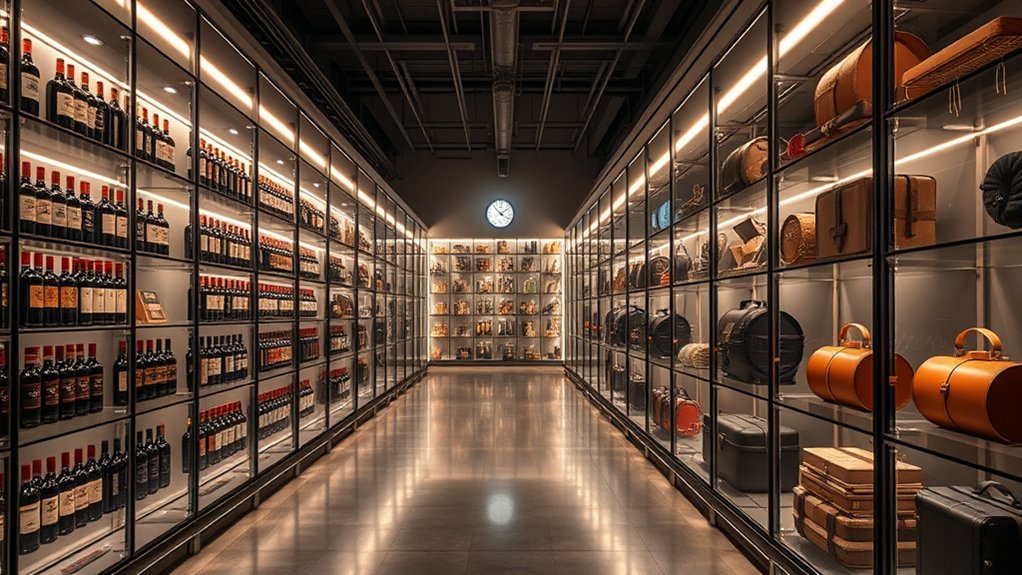
Climate-controlled storage provides significant benefits for businesses that need to protect sensitive items. By maintaining a stable environment, you can enhance customer satisfaction and loyalty. This sets you apart from competitors, attracting a wider customer base. Protecting valuable items from damage caused by temperature and humidity fluctuations reduces liability and allows you to charge premium prices—often more than 25% higher than non-climate-controlled units. To fully leverage these advantages, it’s crucial to educate your customers about the importance of climate control. This can boost demand and improve operational efficiency. Regular training for staff is vital to ensure effective management of these units, which in turn builds customer trust and satisfaction. Additionally, understanding the role of HVAC systems in maintaining optimal temperatures can further enhance the effectiveness of climate-controlled storage. Ultimately, investing in climate-controlled storage sets the foundation for long-term success and growth, especially as the self storage industry revenue is projected to reach $23.6 billion in 2024.
Types of Specialty Items Stored in Climate-Controlled Units
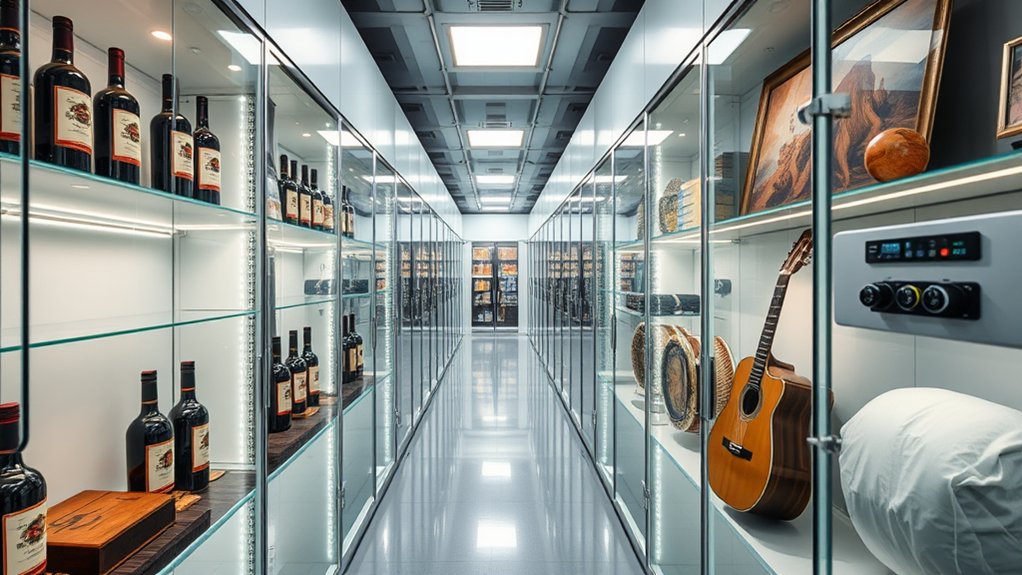
When it comes to specialty items, knowing which ones benefit from climate-controlled storage is essential. Electronics, such as computers and hard drives, thrive in stable conditions to avoid damage. Similarly, art and antiques require specific environments to maintain their value. In addition, climate control is essential for preserving the integrity of vintage books and magazines, protecting them from humidity and temperature fluctuations. Wine, too, demands particular temperature and humidity levels to preserve its quality, making climate control crucial for these items. Proper temperature regulation is vital, as every degree above 13C can speed up aging by 1.2 to 8 times, affecting the wine’s overall quality.
Electronics and Data Storage
When considering the types of speciality items stored in climate-controlled units, it’s important to understand the specific needs of electronics and data storage.
Proper preservation of these items relies on maintaining optimal temperature and humidity levels. Here are some key electronics typically stored in these units:
- Computer Storage Devices: Solid State Drives (SSDs) and Hard Disk Drives (HDDs) perform best in stable environments, where monitoring humidity levels is crucial for preventing damage.
- Sensitive Electronics: Circuit boards and microchips require careful handling and precise conditions to avoid issues related to temperature fluctuations.
- Communication Devices: Smartphones need consistent moisture and temperature control to function effectively, as humidity-controlled storage can significantly extend their lifespan.
Ensuring these conditions helps protect valuable technology from damage. As the demand for climate-controlled storage continues to rise, businesses are increasingly recognizing the importance of securing their electronic assets in optimal conditions.
Art, Antiques, and Wine
The preservation of art, antiques, and wine greatly depends on climate-controlled storage.
Fine art should be kept at a stable temperature of 21 to 22°C with around 50% humidity to avoid cracking and mould. Similarly, antiques require consistent conditions to protect organic materials.
For wine, the ideal storage temperature is between 10°C and 15°C, with humidity levels of 60-70% to prevent spoilage.
Without climate control, fluctuations in temperature and humidity can cause irreversible damage.
Market Trends Influencing Climate-Controlled Storage Demand
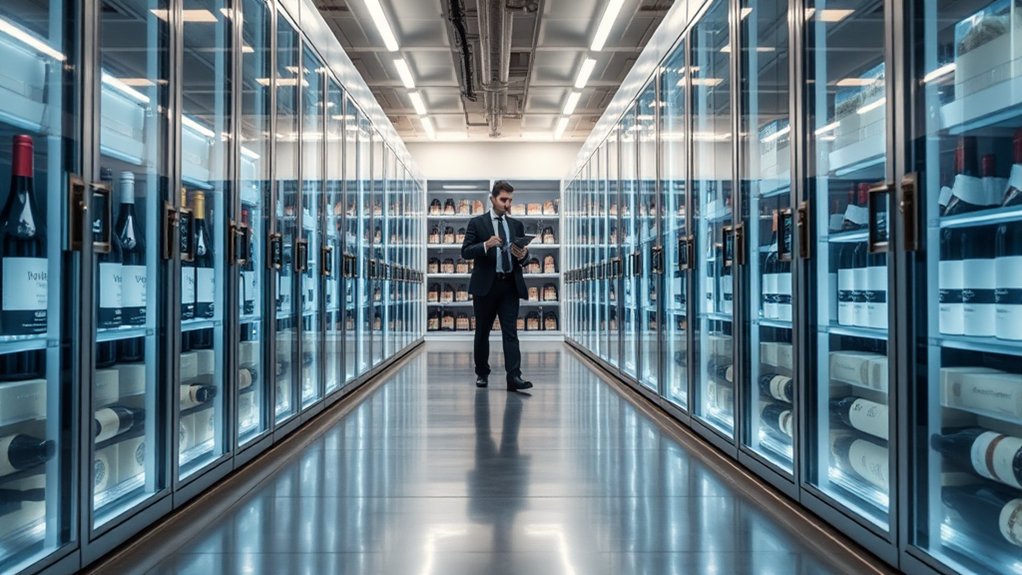
The increasing demand for climate-controlled storage highlights a significant shift in consumer expectations and market conditions. Here are some key trends to consider:
- Demand for Precision: You want to ensure that delicate items are stored in optimal conditions.
- Sustainability Focus: Eco-friendly practices, such as energy-efficient systems, are becoming more popular, making climate-controlled options more attractive.
- Market Growth: With the self-storage market expected to reach £14.3 billion by 2030, you have more options than ever.
These trends point to a bright future for climate-controlled storage, driven by your need for quality, sustainability, and flexibility.
As consumers prioritise advanced storage solutions, businesses are evolving to meet these changing demands, ensuring they offer appealing choices in the market.
Technological Innovations in Climate-Controlled Storage
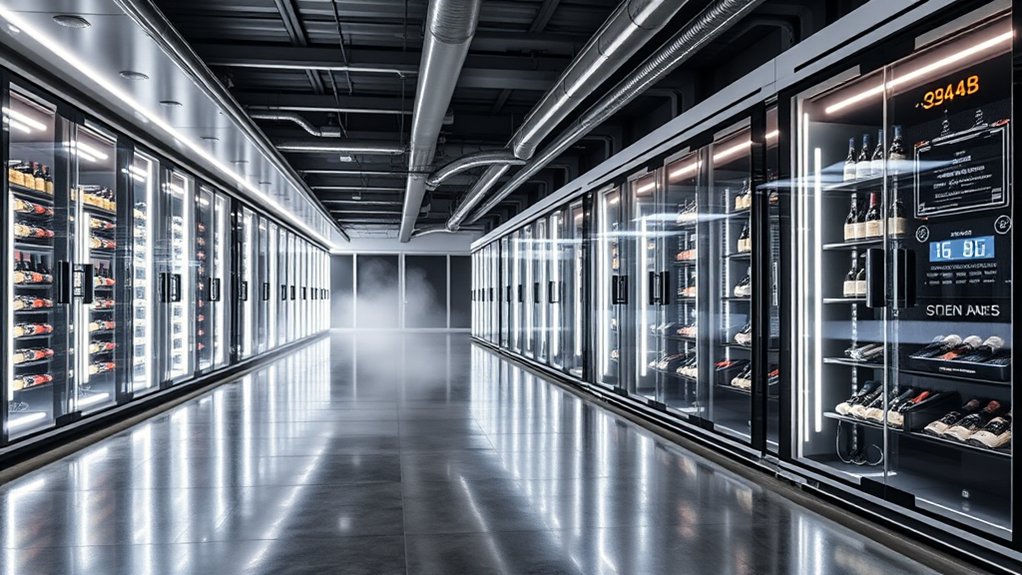
As the demand for climate-controlled storage rises, technology is revolutionising how we store our valuable items. Innovations like sensor technology and IoT (Internet of Things) enable real-time monitoring and adjustments, boosting energy efficiency. Smart thermostats and AI systems can anticipate changes in conditions based on past data, ensuring your possessions are well-protected.
Automated facilities streamline operations and reduce the need for manual oversight.
| Technology | Benefits | Key Features |
|---|---|---|
| Sensor Technology | Real-time monitoring | Early fault detection |
| AI Integration | Predictive adjustments | Weather forecasting |
| Automated Facilities | Enhanced efficiency | Minimized human error |
These advancements not only safeguard your investments but also support sustainability, allowing you to store with peace of mind.
Business Strategies for Offering Climate-Controlled Solutions
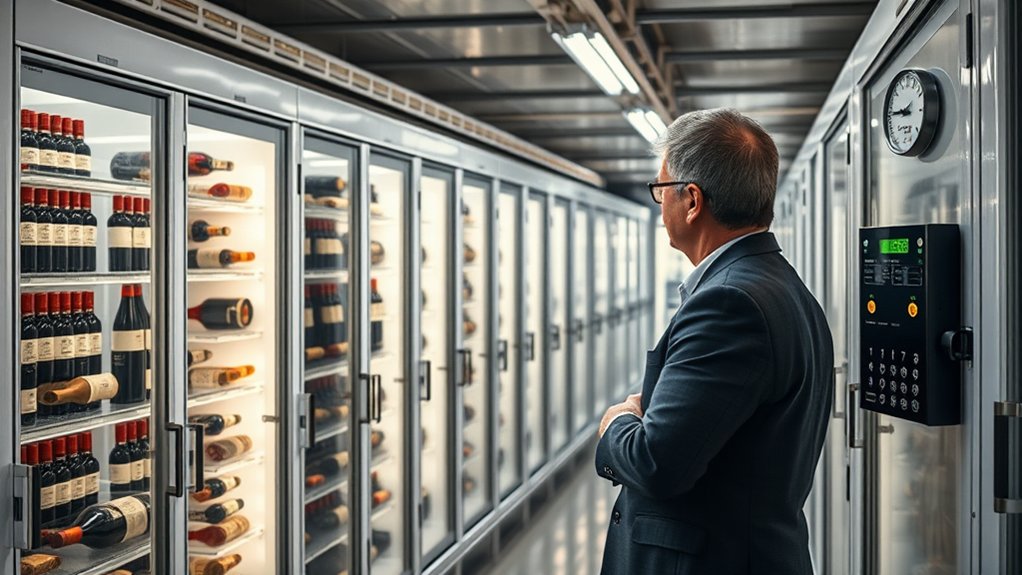
As businesses recognise the growing demand for climate-controlled storage, it’s vital to develop effective strategies to cater to this need.
Focus on these key areas:
- Market Segmentation: Understand the specific requirements of different sectors, such as wine, art, or electronics, to customise your services accordingly.
- Facility Design: Invest in high-quality HVAC systems and robust security features to ensure optimal storage conditions.
- Pricing Models: Establish competitive pricing structures that reflect the premium nature of your specialised services, while still appealing to your target market.
Future Outlook for Climate-Controlled Storage Services
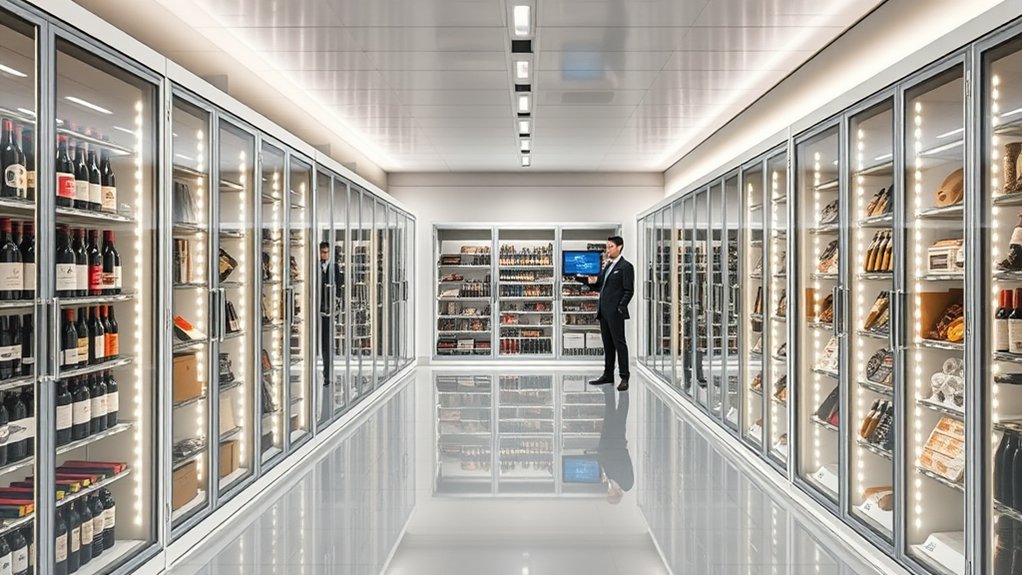
As you consider the future of climate-controlled storage services, you’ll see an increasing demand driven by the need for secure environments for specialised items.
Innovations in technology are set to improve operational efficiency and customer satisfaction.
Additionally, as businesses respond to specific consumer needs, niche storage opportunities will emerge.
To thrive in this changing landscape, it’s essential to embrace these trends and meet client expectations effectively.
Growing Market Demand
The demand for climate-controlled storage services is on the rise, driven by urbanisation, changing consumer habits, and the need for specialised storage options.
Key factors contributing to this trend include:
- The global self-storage market is projected to grow by £70 billion from 2025 to 2035.
- One in three people in the UK now utilise self-storage, indicating robust market penetration.
- Businesses are increasingly opting for climate-controlled units to store sensitive items such as pharmaceuticals and electronics.
As climate patterns shift, more individuals are looking for reliable storage solutions to protect their valuable belongings.
With increased awareness and the distinct requirements of urban consumers and businesses, the climate-controlled storage market is poised for significant expansion in the coming years.
Technological Innovations Ahead
Advancements in technology are set to significantly transform the climate-controlled storage sector. Soon, you’ll benefit from smart technology that utilises IoT-driven monitoring and analytics, providing real-time oversight of temperature and humidity. This means you can make informed decisions to maintain the quality of your sensitive items.
Automation will also revolutionise operations; AI-powered robots will streamline receiving and packing, reducing human error and lowering costs. With mobile access, you’ll be able to manage your storage remotely and receive real-time alerts, enhancing your overall experience.
Furthermore, emerging energy-efficient innovations will offer climate-controlled units that align with sustainability goals, helping to reduce your environmental footprint while ensuring optimal conditions for your valuable possessions.
Niche Storage Opportunities
Niche storage opportunities in climate-controlled facilities are on the rise, offering effective solutions for preserving valuable and sensitive items. These specialised services cater to various needs, enhancing both historical preservation and the safeguarding of luxury items.
- Fine art and historical documents thrive in stable conditions, which helps prevent degradation.
- Luxury goods, such as designer clothing, maintain their quality and appearance over time.
- Musical instruments benefit from temperature regulation, protecting them from damage caused by fluctuations.
As demand for climate-controlled storage grows, you’ll discover a wider range of options tailored to your requirements.
With market growth projected and an emphasis on sustainability, investing in climate-controlled facilities ensures your prized possessions receive the protection they deserve, combining preservation with innovation.
Frequently Asked Questions
How Do I Choose the Right Climate-Controlled Storage Facility?
To select the right climate-controlled storage facility, first assess your climate needs. Look for essential features such as temperature regulation, security measures, and ease of access. For instance, if you’re storing delicate items like antiques or electronics, prioritise a facility with robust temperature control. By focusing on your specific requirements, you can ensure your belongings are kept safe and in good condition.
What Are the Costs Associated With Climate-Controlled Storage?
When looking at the costs of climate-controlled storage, it’s important to consider factors such as size and location. Prices can vary widely between facilities, so comparing options will help you find a solution that fits your needs and budget. For instance, a smaller unit in a less central area may be significantly cheaper than a larger unit in a sought-after location.
Are There Size Options for Climate-Controlled Storage Units?
When considering climate-controlled storage, you’ll discover a range of sizes to meet your needs. From small lockers ideal for documents to larger units suitable for furniture or appliances, these varied dimensions ensure your valued possessions remain protected in optimal conditions, giving you peace of mind.
Can I Access My Items Anytime in Climate-Controlled Storage?
You can access your items whenever you need to, but it depends on the policies of your chosen facility. Make sure to check their access hours to ensure they fit your needs for convenience. For example, some storage facilities may allow access during business hours only, while others might offer 24/7 access.
What Items Should Never Be Stored in Climate-Controlled Units?
You should never store hazardous materials or perishable goods in climate-controlled units. These items can create safety hazards and spoil, undermining the integrity of your storage space and potentially leading to expensive issues. For example, chemicals can leak and cause damage, while food items can attract pests and produce unpleasant odours.
Conclusion
In today’s world, protecting your valuable specialty items is crucial, making climate-controlled storage a necessity rather than a luxury. This type of storage helps maintain optimal conditions, shielding your investments from damage caused by temperature changes and humidity. Whether you’re storing fine art, vintage wines, or important documents, the right environment is vital. By choosing climate-controlled options, you’re not just preserving your items; you’re also securing your business’s future and ensuring peace of mind. Don’t risk your assets—invest in the right storage solution.