When to Use Climate-Controlled Units for Seasonal Storage
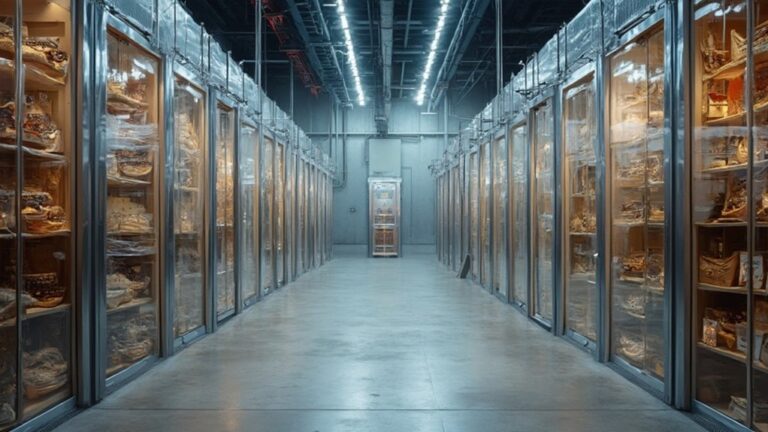
You should opt for climate-controlled units for seasonal storage when you need to protect sensitive items from extreme temperature and humidity fluctuations. These units provide a stable environment, keeping electronics, wooden furniture, and important documents safe from damage such as warping or mould. This is particularly important during the summer or winter months when conditions can vary significantly. For long-term preservation, climate-controlled storage is essential. Stay tuned to learn more about the benefits and advancements in climate-controlled storage solutions.
Key Takeaways
- Use climate-controlled units in summer to safeguard electronics from heat and humidity damage.
- Store wooden furniture in climate-controlled settings to avoid warping and cracking due to extreme temperatures.
- Protect important documents and artwork from moisture and mould by using climate-controlled storage throughout the year.
- Choose climate-controlled units in winter to maintain stable temperatures and prevent freezing damage to sensitive items.
- Regularly check seasonal temperature changes to assess whether climate-controlled storage is necessary for vulnerable belongings.
Understanding Climate-Controlled Storage

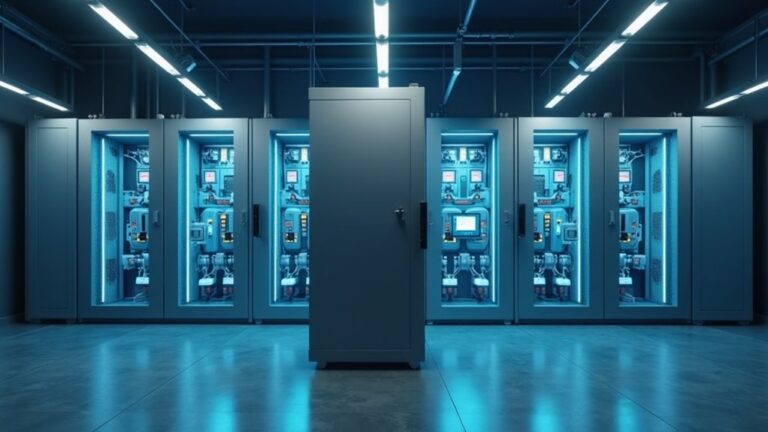
When it comes to safeguarding your valuable belongings, understanding climate-controlled storage is essential. These units maintain a consistent temperature and humidity, usually between 13°C and 29°C, to protect your seasonal items from extreme changes. Climate control isn’t just about temperature; it effectively manages humidity, which is crucial for preventing mould, mildew, and damage to materials. Continuous air circulation and filtration ensure good air quality, protecting sensitive items like wooden furniture, photographs, and electronics. The specialized HVAC systems in these units help automatically adjust temperatures year-round to maintain stable conditions. Additionally, effective pest deterrence strategies are implemented to keep your items safe from infestations. The sealed indoor environment also provides extra protection against dust and pests. By opting for climate-controlled storage, you can ensure your cherished items remain in excellent condition, allowing you to store without worry.
Benefits of Seasonal Temperature Management
Opting for climate-controlled storage ensures a stable temperature for your possessions. This consistency shields your items from seasonal damage, like furniture warping or electronics failing. Additionally, temperature-controlled storage protects belongings from extreme weather conditions, making it an excellent choice for long-term storage of valuable items. Furthermore, maintaining consistent humidity levels helps prevent moisture-related issues like mould and mildew, further safeguarding your stored items.
Temperature Stability Assurance
Maintaining consistent temperature control in seasonal storage is crucial for safeguarding your belongings from the harmful effects of environmental changes. Ensuring temperature stability protects your items and keeps them in excellent condition. Here are some key benefits of using climate-controlled units:
| Benefit | Description |
|---|---|
| Prevents Material Damage | Avoids warping, splitting, and cracking of your items. |
| Protects Sensitive Electronics | Reduces the risk of malfunction due to temperature extremes. |
| Preserves Value of Antiques | Helps maintain the condition of valuable items over time. |
| Controls Humidity | Minimises the risk of mould and moisture-related damage. |
Additionally, these units offer superior protection compared to traditional storage options, making them ideal for long-term preservation of valuable belongings. Choosing a climate-controlled unit is a wise decision for protecting your cherished possessions, as it prevents mould and mildew that can compromise the integrity of sensitive items.
Seasonal Damage Prevention
Climate-controlled units ensure stable temperatures and play a vital role in preventing seasonal damage to your belongings. They manage humidity and temperature, protecting your items from mould growth and chemical decay during storage.
High humidity in summer can lead to fungal issues, while low winter humidity may cause items to dry out. Additionally, fluctuating temperatures can result in mechanical damage as materials expand and contract.
The Importance of Humidity Control
Humidity control is essential for safeguarding your stored items and preventing the growth of mould and mildew.
By maintaining the right humidity levels, you can protect delicate materials such as fabrics, electronics, and wood from damage.
Without effective humidity management, you risk permanent harm to your belongings, which could lead to expensive repairs or replacements.
Mold and Mildew Prevention
When storing items in a climate-controlled unit, managing humidity is vital to prevent mould and mildew. Mould thrives in damp conditions, usually above 50% humidity, so it’s important to control moisture levels.
Ensure your unit is well-sealed to keep out external moisture, as leaks and cracks can allow humidity in.
Opt for plastic bins with tight-fitting lids instead of cardboard boxes, and elevate items off the floor to avoid ground moisture. Create space between items to allow air circulation, reducing stagnant areas where humidity can accumulate.
Regularly inspect your unit for signs of moisture or mould, and consider using moisture absorbers like silica gel to keep the environment dry. Staying vigilant is essential to protect your stored belongings.
Optimal Humidity Levels
Maintaining the right humidity levels is crucial for protecting your stored items. Here are some important points to consider:
- Aim for a relative humidity (RH) of 45% or lower to reduce the risk of moisture damage.
- Use hygrometers to keep an eye on humidity levels, especially during changes in the seasons.
- Keep RH below 55% to safeguard sensitive items such as electronics and artwork from deterioration.
Protecting Sensitive Items
When storing sensitive items, managing humidity is essential to prevent damage that could affect their condition. High humidity can lead to mould and mildew, particularly on fabrics and papers, resulting in irreversible moisture damage.
Metal items are at risk of corrosion, and wood may warp or crack with fluctuating humidity. Photographs, antiques, and artworks deteriorate more quickly in damp conditions, which can alter their colours and finishes.
Opting for climate-controlled storage helps maintain stable humidity levels, protecting your valuables effectively. This not only preserves electronics and documents but also saves you from costly restoration in the future.
Investing in humidity control ensures your sensitive items stay in excellent condition, letting you enjoy them for years to come.
Protecting Valuable and Irreplaceable Items
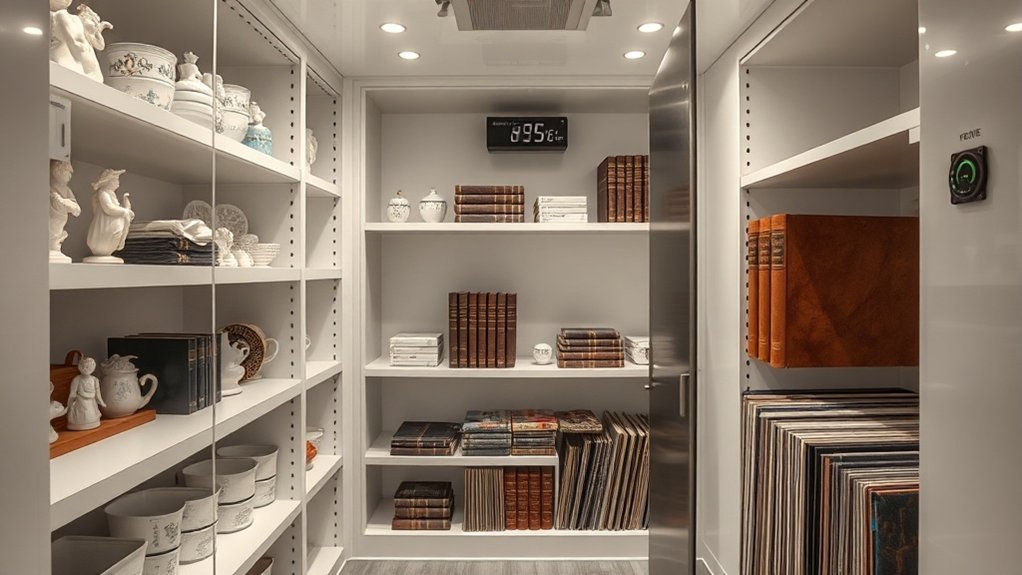
To protect your valuable and irreplaceable items, consider using climate-controlled storage units that maintain stable temperature and humidity levels. This environment is crucial for preserving your heirlooms.
Here are three key benefits of climate control:
- Prevents Damage: Consistent temperatures help avoid warping or cracking of wood, antiques, and furniture.
- Mould and Mildew Control: Regulating humidity levels protects fabrics, paper, and leather from deterioration.
- Electronics Safety: Extreme temperatures can cause sensitive equipment to malfunction, so climate control helps keep them safe.
Investing in climate-controlled storage not only safeguards your treasured possessions but also gives you peace of mind against environmental threats.
Seasonal Energy Consumption Impact
Using climate-controlled storage units provides essential protection for your belongings, but it significantly affects energy consumption, especially during seasonal shifts.
Energy use tends to spike in peak seasons, with increased cooling in summer and heating in winter, potentially leading to operational costs that are up to 50% higher than standard units.
Fortunately, advancements in smart climate control and insulation can help alleviate these issues.
By implementing IoT systems, you can fine-tune energy use according to seasonal patterns, minimising unnecessary heating and cooling.
Opting for energy-efficient designs and incorporating renewable energy sources can further reduce your carbon footprint.
Ultimately, being conscious of energy consumption allows you to benefit from climate-controlled storage while maintaining a commitment to sustainability.
Industries That Require Climate Control
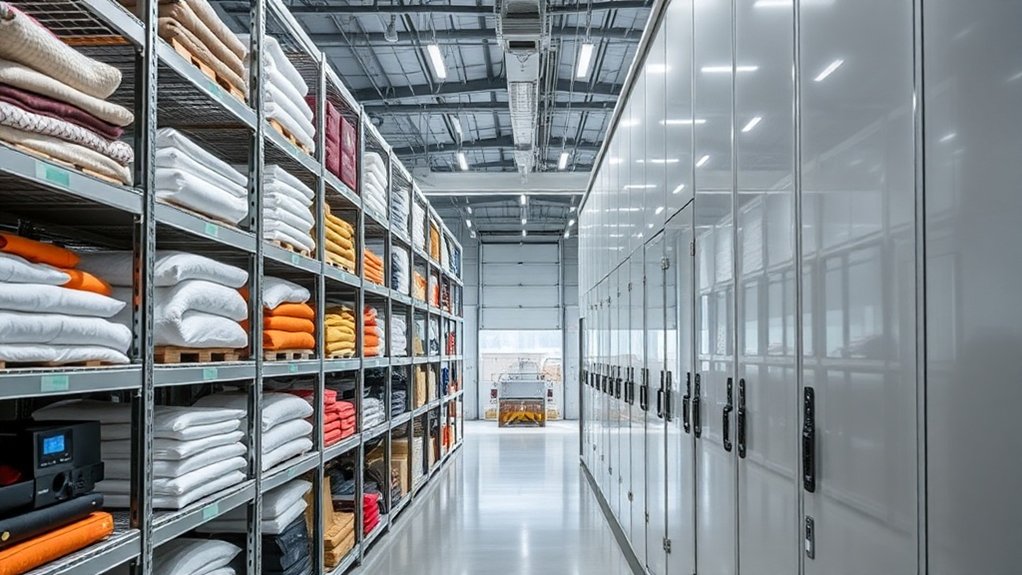
In climate control, the pharmaceutical industry and electronics sector are key players due to their stringent requirements.
Maintaining stable temperatures and humidity levels is vital to ensure medication remains effective and to protect sensitive electronics from damage.
Neglecting these conditions can result in significant financial losses, making climate-controlled storage indispensable in these sectors.
Pharmaceutical Industry Needs
As the pharmaceutical industry progresses, it increasingly depends on strict climate control measures to ensure the safety and effectiveness of its products. Complying with pharmaceutical regulations and maintaining a reliable cold chain is essential for safeguarding sensitive medications.
Here are three important considerations:
- Temperature Ranges: Specific storage temperatures are required, such as 2°C to 8°C for vaccines, to ensure their effectiveness.
- Continuous Monitoring: Advanced systems with data loggers monitor temperature and humidity continuously, promptly alerting you to any deviations.
- Secure Storage: Designated temperature-controlled areas are crucial for hazardous pharmaceuticals, helping to prevent misuse and ensuring safety.
Electronics Storage Requirements
With the growing dependence on electronic devices across various sectors, it’s crucial to understand the storage requirements for sensitive electronics.
To ensure their preservation, maintain stable temperatures (ideally between 13°C and 25°C) and humidity levels between 30% and 50%. Excess moisture can cause corrosion, while extreme temperatures may lead to component failure.
Industries such as semiconductor manufacturing, medical device production, and consumer electronics all benefit from climate-controlled storage to prevent damage and avoid costly returns.
Adjusting storage conditions seasonally can extend the lifespan of your electronics, protecting their integrity during off-site storage or supply chain delays.
Ultimately, effective climate control is vital for maintaining reliability and quality in your electronic inventory.
Optimal Use Cases for Summer Storage
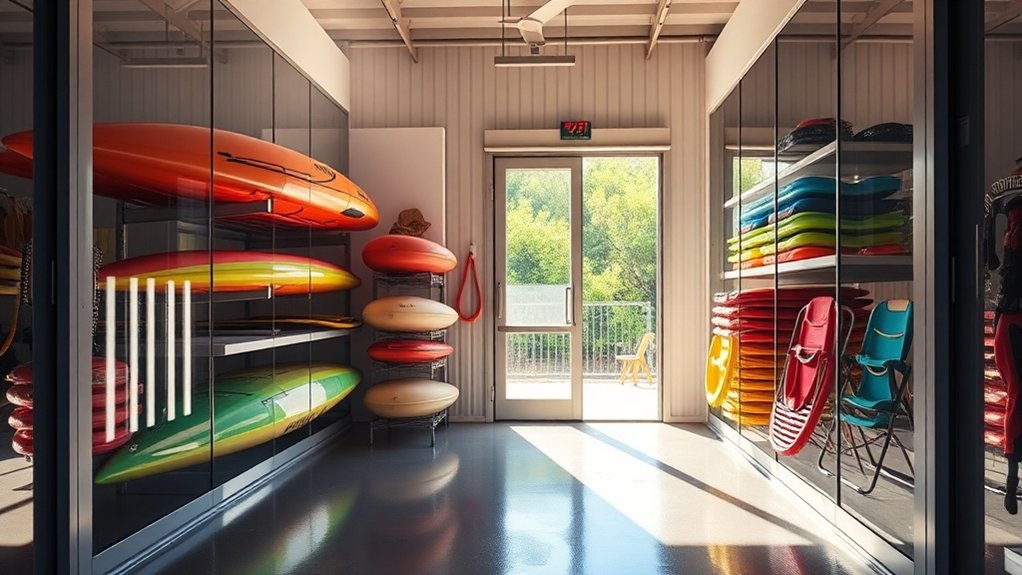
Summer brings warmth and sunshine, but it can also threaten the condition of stored items. To keep your belongings safe, consider climate-controlled units for seasonal storage.
Here are three ideal uses:
- Electronics: Devices like computers and musical instruments can be damaged by heat and humidity.
- Wooden Furniture: Protect antiques and furnishings from warping and cracking due to extreme temperatures.
- Documents and Artwork: Ensure important papers and delicate artworks are safe from moisture and mould.
Climate-controlled storage not only shields against temperature extremes but also manages humidity and deters pests.
Take advantage of these benefits to keep your treasured items in top condition all summer.
Winter Storage Needs and Considerations
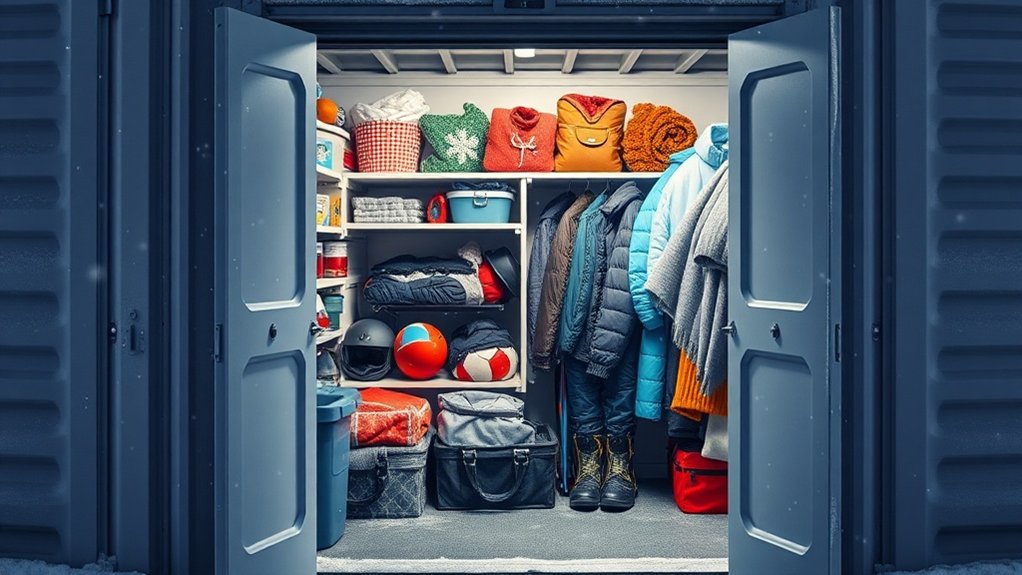
When storing items over the winter months, it’s important to consider how cold temperatures and changing humidity can damage your belongings.
Climate-controlled storage units help maintain a steady temperature, protecting your items from freezing, warping, or cracking. They also manage humidity levels, which reduces the risk of mould and mildew that can damage fabrics and documents.
Additionally, these units can deter pests looking for shelter during the colder months, keeping your possessions safe. For valuable items like electronics, antiques, and musical instruments, climate-controlled storage is crucial to preserve their condition and functionality.
Investing in such storage will help safeguard your belongings from the harsh winter climate, extending their lifespan and maintaining their value.
Long-Term Storage Solutions for Sensitive Items
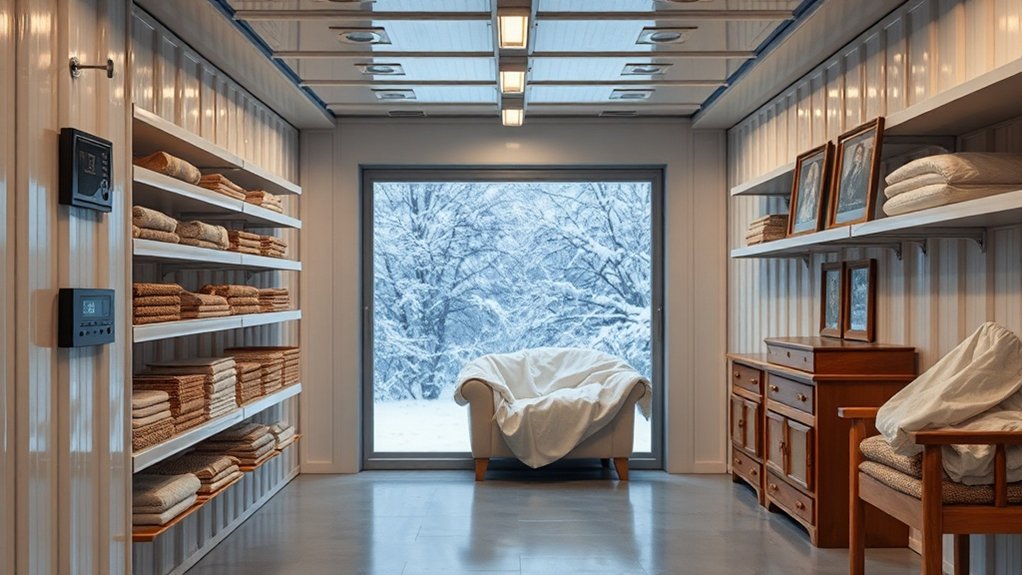
When considering long-term storage solutions for sensitive items, opting for climate-controlled units is crucial for safeguarding your valuables.
These units maintain optimal temperature and humidity levels, ensuring effective care for your possessions.
Here are three key benefits:
- Preservation: They help prevent paper items from becoming brittle and protect artwork from fading or cracking.
- Protection: Climate control minimises the risk of mould, mildew, and pest infestations that are common in standard storage.
- Stability: Consistent conditions protect wood and leather furniture from warping and discolouration.
Choosing the right storage option can make all the difference in keeping your cherished items in top condition.
Seasonal Transitions and Temporary Storage
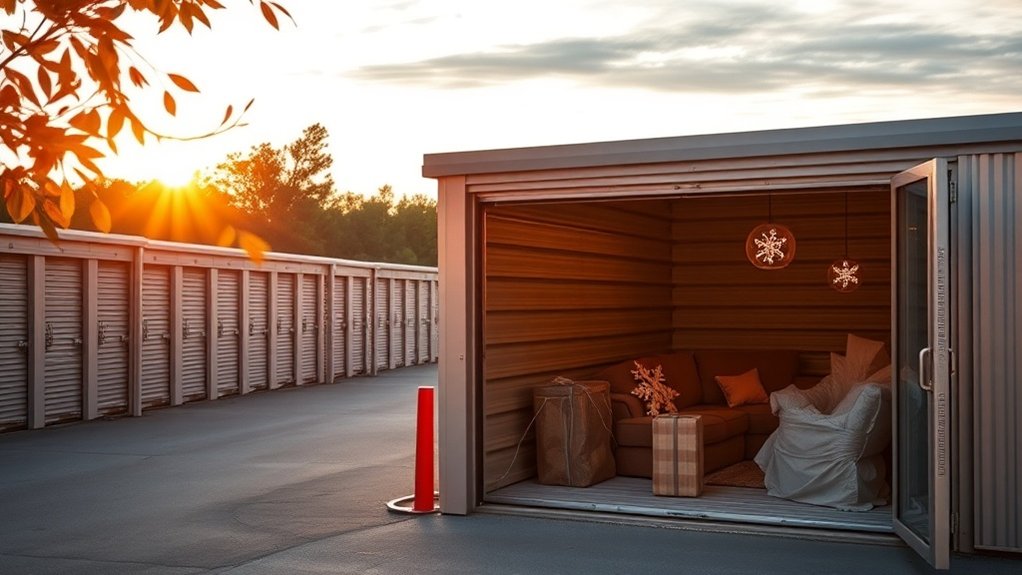
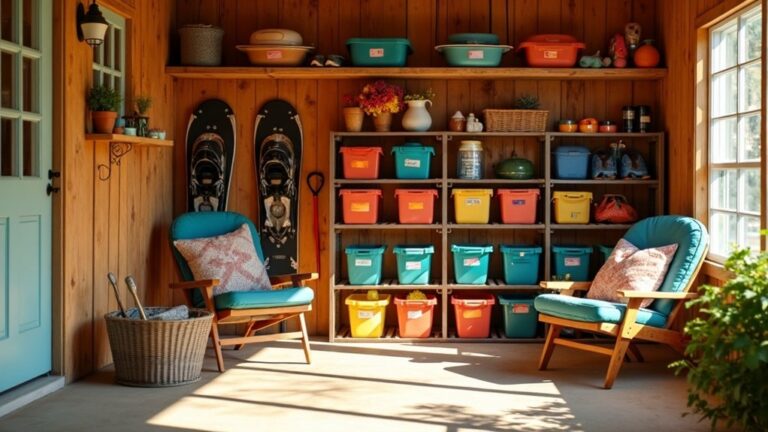
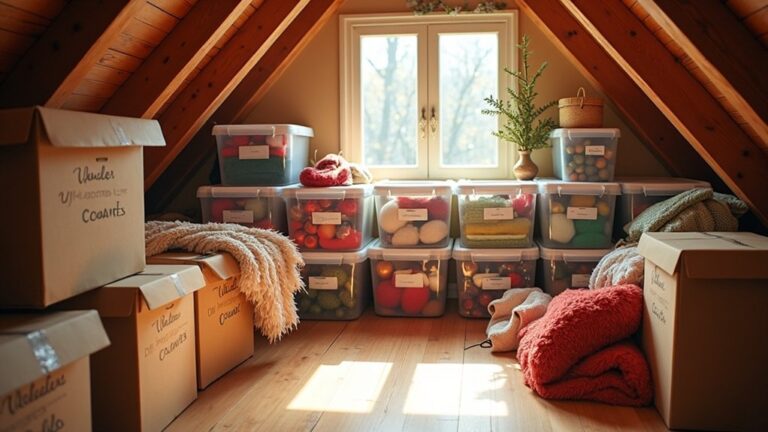
Navigating seasonal changes often involves swapping out items such as clothing, decorations, and sports gear, making a reliable storage solution essential.
Climate-controlled units are ideal for seasonal organisation, especially during temporary relocations. They protect your belongings from the damaging effects of extreme temperatures and humidity fluctuations that can occur between seasons.
When storing your winter gear or summer decorations, stable climate conditions help prevent warping, cracking, and mould growth, ensuring your items stay in excellent condition.
Additionally, these units allow for airflow, reducing dust and moisture-related damage.
Whether you’re decluttering or transitioning between seasons, climate control provides peace of mind, letting you enjoy your space without worrying about your stored items.
Geographic Considerations for Climate Control

Understanding geographic factors is essential for choosing the right climate-controlled storage solution.
Regional climate variations can significantly influence your storage requirements. Here are three key considerations:
1. Temperature Extremes: In hot and dry areas, cooling systems are necessary to prevent items from warping or melting.
Conversely, in colder climates, heating is crucial to prevent freezing and brittleness.
2. Humidity Levels: High humidity regions require effective moisture control to stave off mould and decay, while drier areas may need systems to mitigate condensation.
3. Daily Fluctuations: Locations with rapid temperature shifts necessitate advanced HVAC systems that can swiftly adapt to protect your items from damage.
Innovations in Climate Control Technology
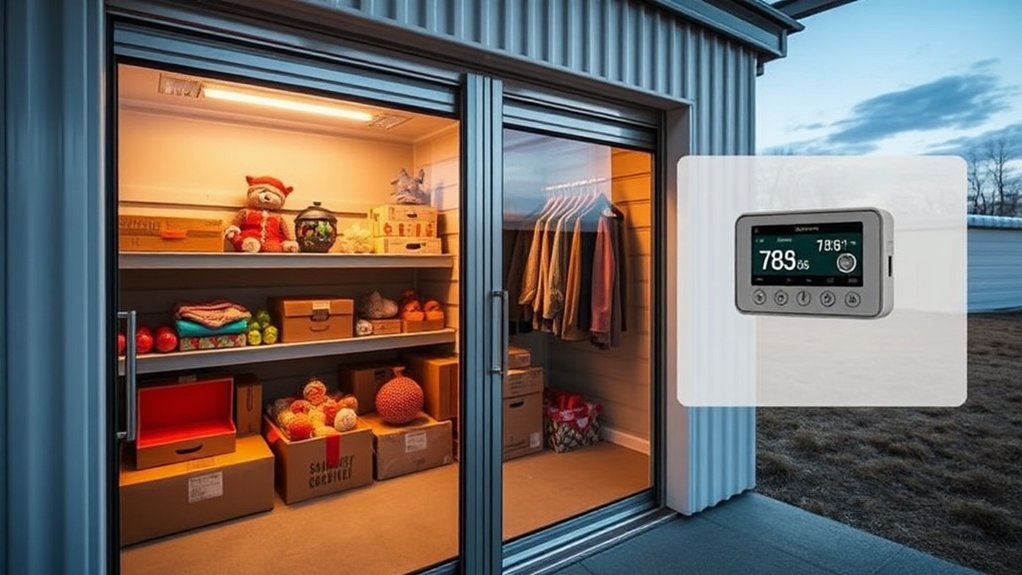
With the right geographical considerations, you can explore the latest innovations in climate control technology that improve storage solutions.
Technologies like IoT integration enable real-time monitoring of temperature and humidity, ensuring optimal conditions for your valuable items. This proactive approach reduces human error and is essential for storing sensitive goods, from electronics to artwork.
AI-driven automation simplifies processes, cutting labour costs and boosting efficiency. Furthermore, sustainable cooling technologies—such as natural refrigerants and renewable energy sources—minimise environmental impact while enhancing energy efficiency.
Smart storage designs, equipped with advanced security and intuitive access, elevate your storage experience, providing peace of mind and flexibility in managing your seasonal items.
Frequently Asked Questions
How Do I Choose the Right Climate-Controlled Unit Size?
To select the appropriate size for a climate-controlled storage unit, first evaluate the volume and type of your items. Take into account the unit’s dimensions and ensure there’s enough space for any future storage needs. Remember to leave room for easy access and organisation. For instance, if you’re storing furniture and boxes, factor in the space required to move around comfortably.
Are There Any Items I Should Avoid Storing in Climate-Controlled Units?
Did you know that nearly 25% of stored items could be unsafe? It’s best to avoid storing hazardous chemicals and flammable materials in climate-controlled units. This helps protect your electronics and prevents potential damage or legal issues later on. For example, items like paint thinners or propane can pose serious risks.
Can I Store Furniture in Climate-Controlled Units During Winter?
Yes, you can store furniture in climate-controlled units during winter. This ensures protection from temperature changes and humidity, helping to maintain its condition and prolong its lifespan, especially for valuable or delicate items like antiques or upholstered furniture.
What Are the Average Costs for Climate-Controlled Storage Units?
The average cost of climate-controlled storage units in the UK typically ranges from £40 to £400 per month, depending on the size and location of the unit. While these prices might appear steep, the added protection for your belongings—like furniture or electronics—often makes it a worthwhile investment.
How Often Should I Check on My Items in Climate-Controlled Storage?
You should check your items in climate-controlled storage at least once a month. Regular inspections help identify any potential issues early, ensuring your belongings remain safe and secure. This gives you peace of mind, knowing that your cherished items, like family heirlooms or seasonal clothing, are well looked after.
Conclusion
In summary, using climate-controlled units for seasonal storage can safeguard your valuable items from damage caused by temperature and humidity fluctuations. For example, if you store a vintage guitar in a standard unit, it may warp or crack due to changing conditions. By choosing climate control, you ensure your treasured possessions remain in excellent condition, ready for use when the seasons change. This type of storage is a wise investment that can save you both money and stress in the long run.